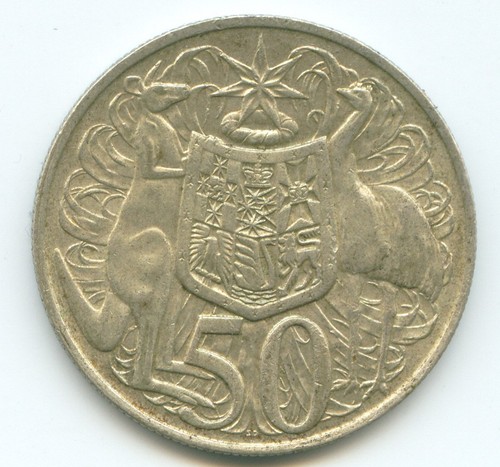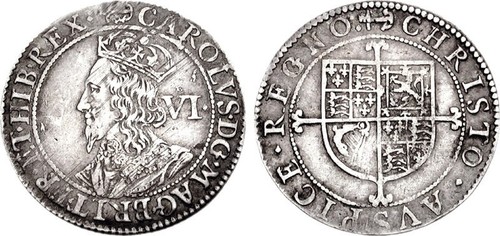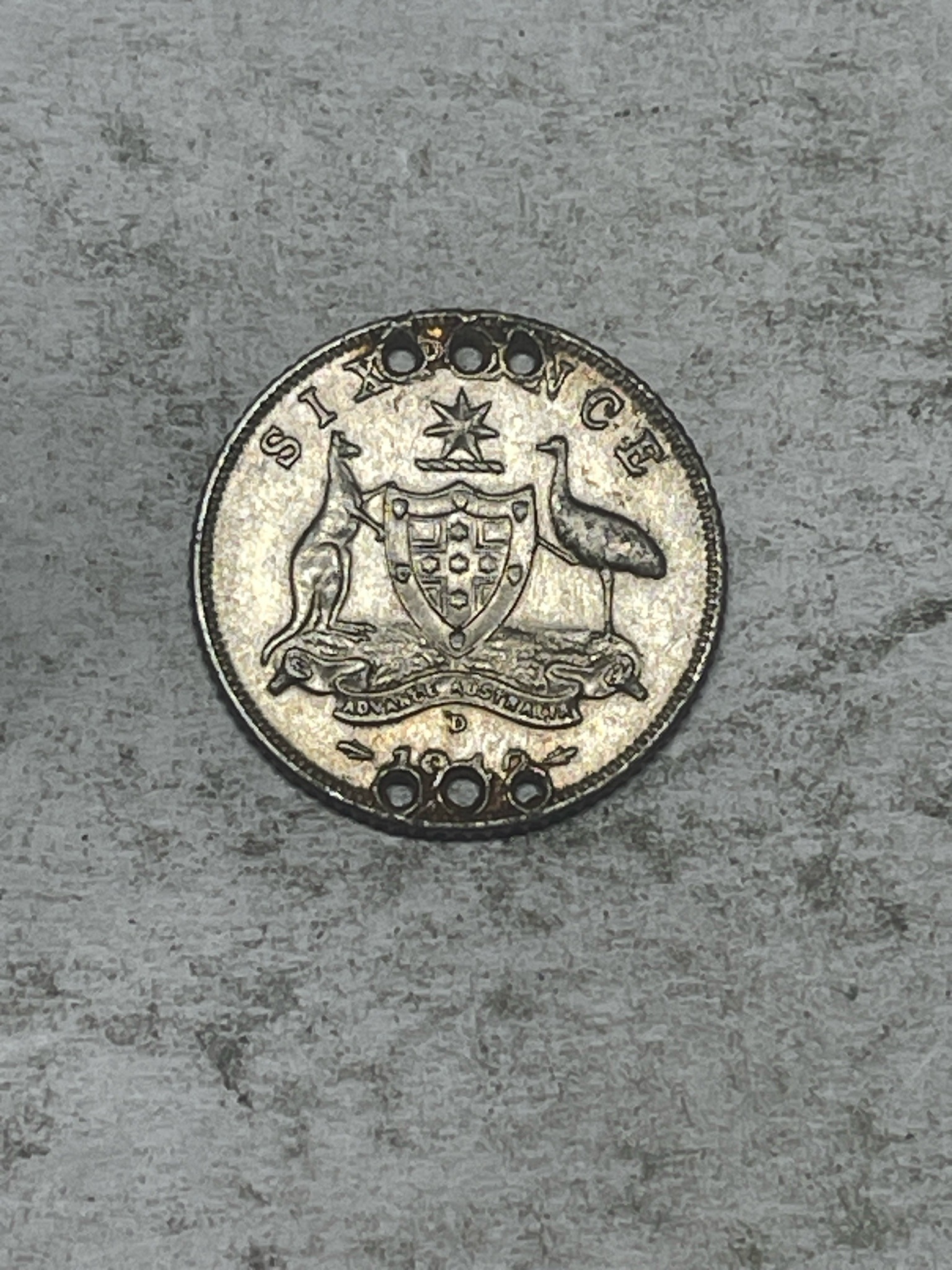
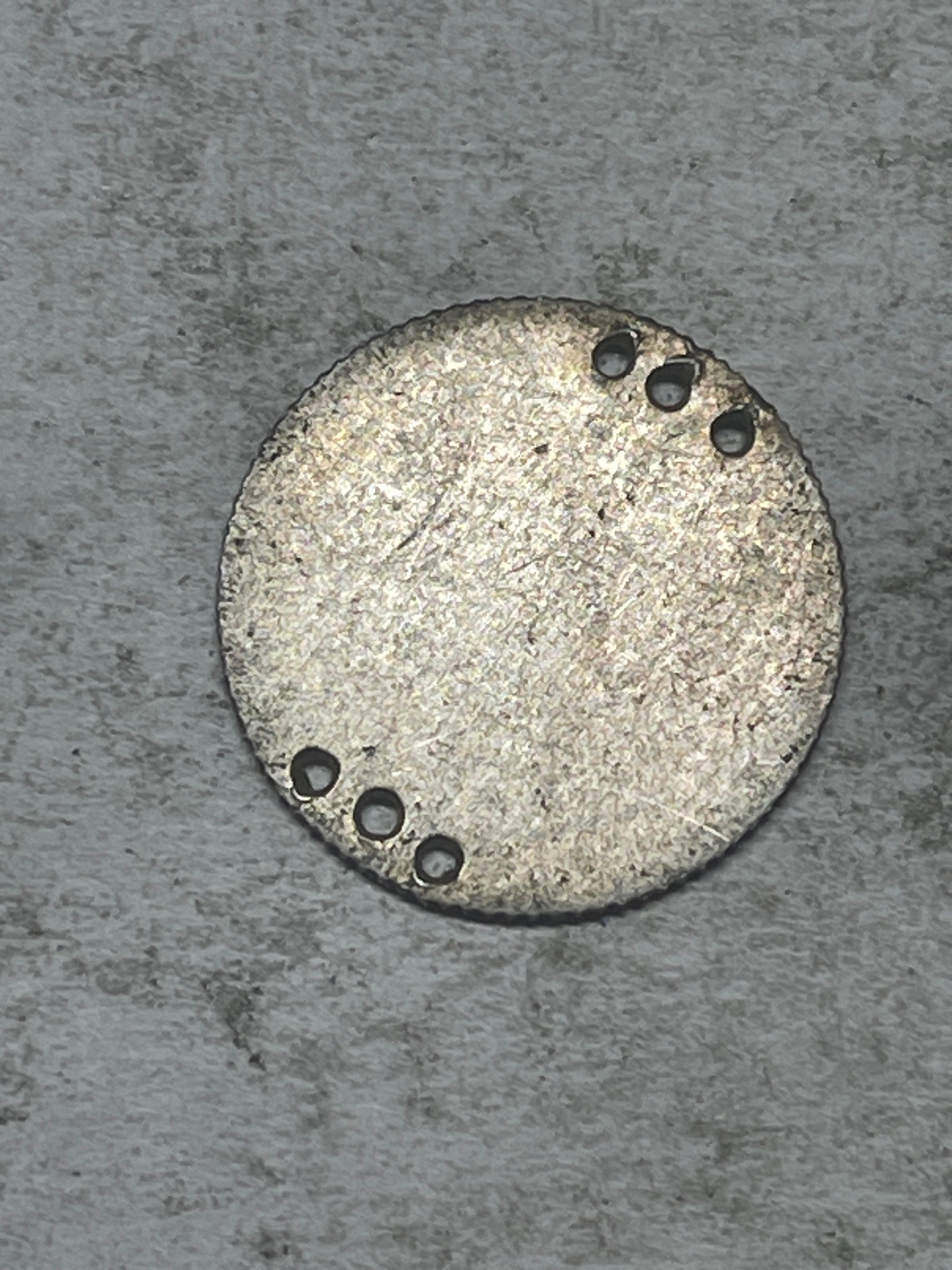
Australian Sixpence (Coat of Arms Type)
Australia · 1912
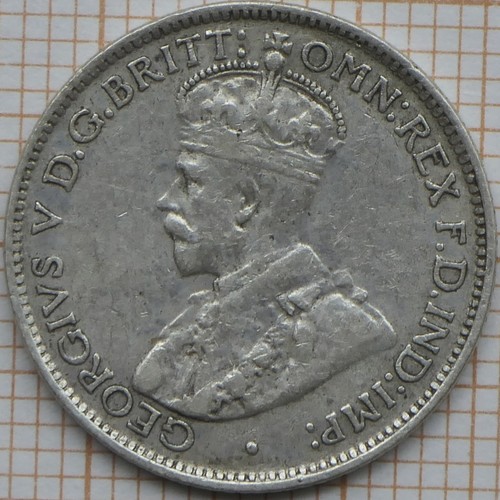
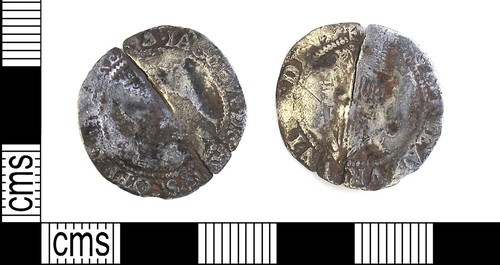
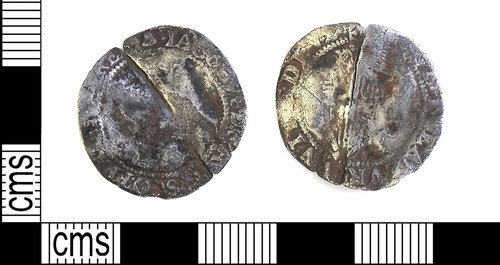
An Australian silver sixpence showing the Australian coat of arms on one side, though heavily defaced with drilled holes and extreme wear on the reverse.
- Country
- Australia
- Year
- 1912
- Denomination
- Sixpence
- Metal
- 92.5% Silver, 7.5% Copper (Sterling Silver)
- Grade
- Damaged / Cull (due to multiple drilled holes and severe reverse wear)
This report is AI-generated and can be wrong. Always verify grade, authenticity, and value with a qualified dealer or certified grading service before buying, selling, or insuring.
Identify your own coins.
Get a report just like this from any photo, free.
Overview
Historical significance
Obverse (front)
Reverse (back)
Estimated value
What drives this coin's value
Grade assessment
Mintage & rarity
Authenticity & counterfeit red flags
Notable varieties & errors
Similar coins
Care & preservation
More like this
Other australia coins
5 Cent Coin
Australia · Dates range based on observation, commonly minted from 1966 to present.
Australian 20-Cent Platypus Coin
Australia · Circulated (1966 - Present)
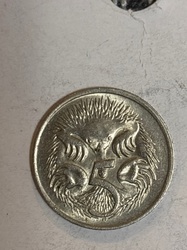
Australian 5 Cents (Echidna)
Australia · 1977
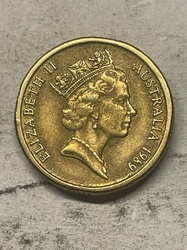
2 Dollars - Elizabeth II (3rd portrait)
Australia · 1989
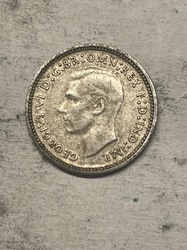
Australian Three Pence (George VI)
Australia · 1941
Australian George VI Shilling - Ram Head
Australia (Royal Mint) · 1944