Coin Identifier
50 Euro Cent Coin
50 Euro Cents

50 Euro Cent Coin

Spain · 2005

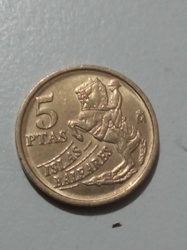
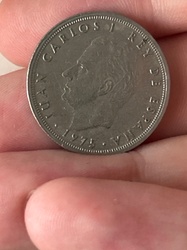
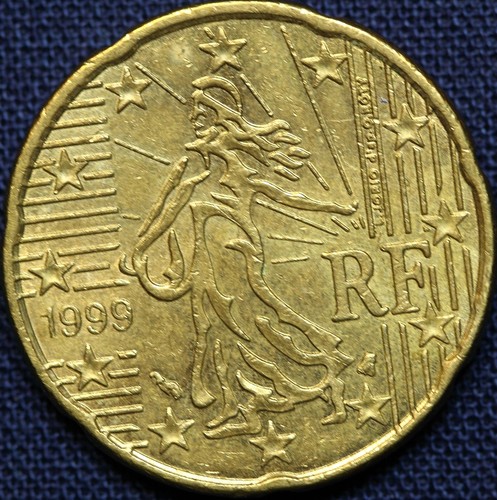
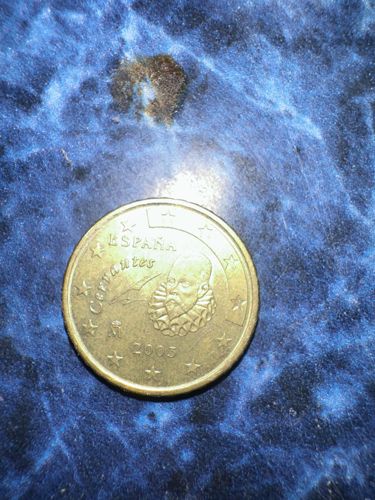
The obverse side of the coin features a portrait of Miguel de Cervantes, a famous Spanish writer, surrounded by the word "ESPAÑA" (Spain) and his name "Cervantes". The year of issue, "2005", is also present. The reverse side typically shows a map of the European Union, surrounded by the twelve stars of the European flag.

Country
Spain
Year
2005
Denomination
50 Euro Cents
Metal
Nordic Gold (89% Copper, 5% Aluminium, 5% Zinc, 1% Tin)

This report is AI-generated and can be wrong. Always verify grade, authenticity, and value with a qualified dealer or certified grading service before buying, selling, or insuring.

Identified More spain coins →
Explore 50 Euro Cent Coin in the encyclopedia →

Identify your own coins.

Get a report just like this from any photo, free.

Overview

The obverse side of the coin features a portrait of Miguel de Cervantes, a famous Spanish writer, surrounded by the word "ESPAÑA" (Spain) and his name "Cervantes". The year of issue, "2005", is also present. The reverse side typically shows a map of the European Union, surrounded by the twelve stars of the European flag.

Historical significance

This coin is part of the first series of Euro coins introduced by Spain. The design featuring Miguel de Cervantes honors one of Spain's most important literary figures, author of 'Don Quixote', a foundational work of Western literature. The adoption of the Euro in 2002 marked a significant economic and political step for Spain as it integrated into the broader European monetary system, replacing its traditional currency, the Peseta. The 2005 issue falls within the period of stable Euro circulation.

Estimated value

Circulated 50 Euro Cent coins are generally worth their face value (0.50 EUR). Uncirculated or proof versions might fetch a small premium, typically less than a few US dollars, depending on their condition and collector demand.

Care & preservation

To preserve the coin's condition, handle it by its edges to avoid touching the surfaces, which can leave fingerprints and oils that may cause damage over time. Store it in a cool, dry place away from direct sunlight and humidity. For long-term storage, use inert materials like archival-safe flips (Mylar or polypropylene) or coin albums/slabs. Avoid cleaning the coin, as this can devalue it by damaging its original patina and surface.