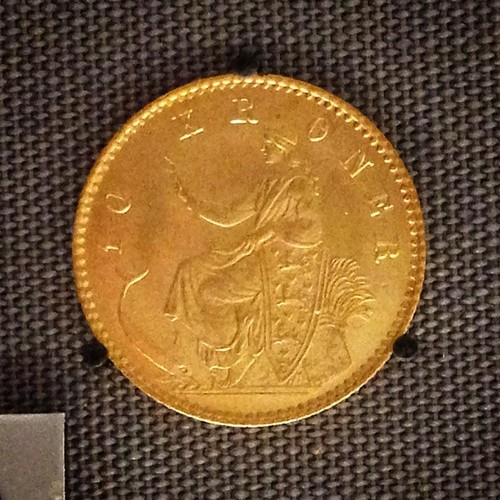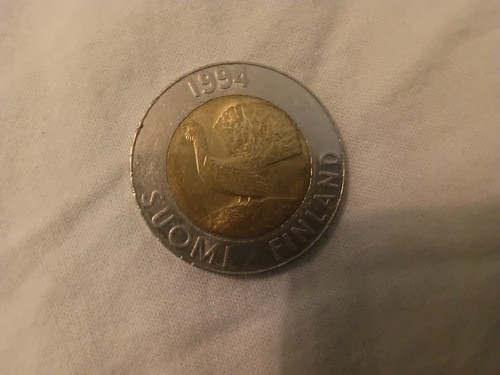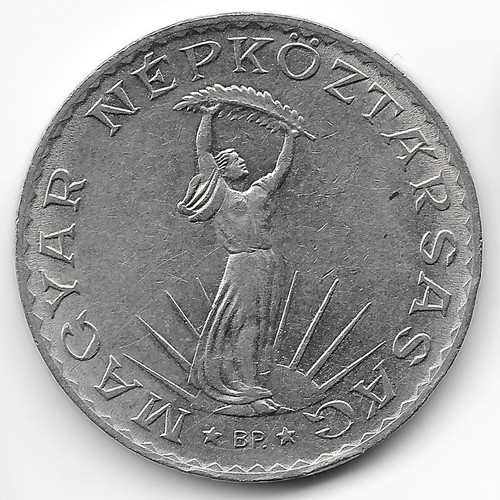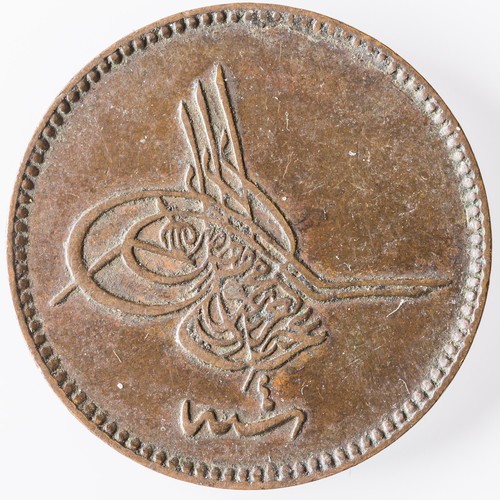
10 Schilling
10 Schilling
Austria · 1958
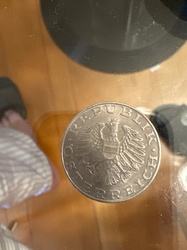
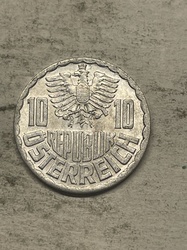
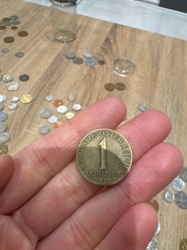
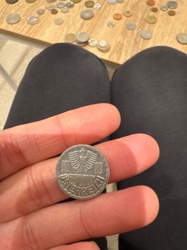
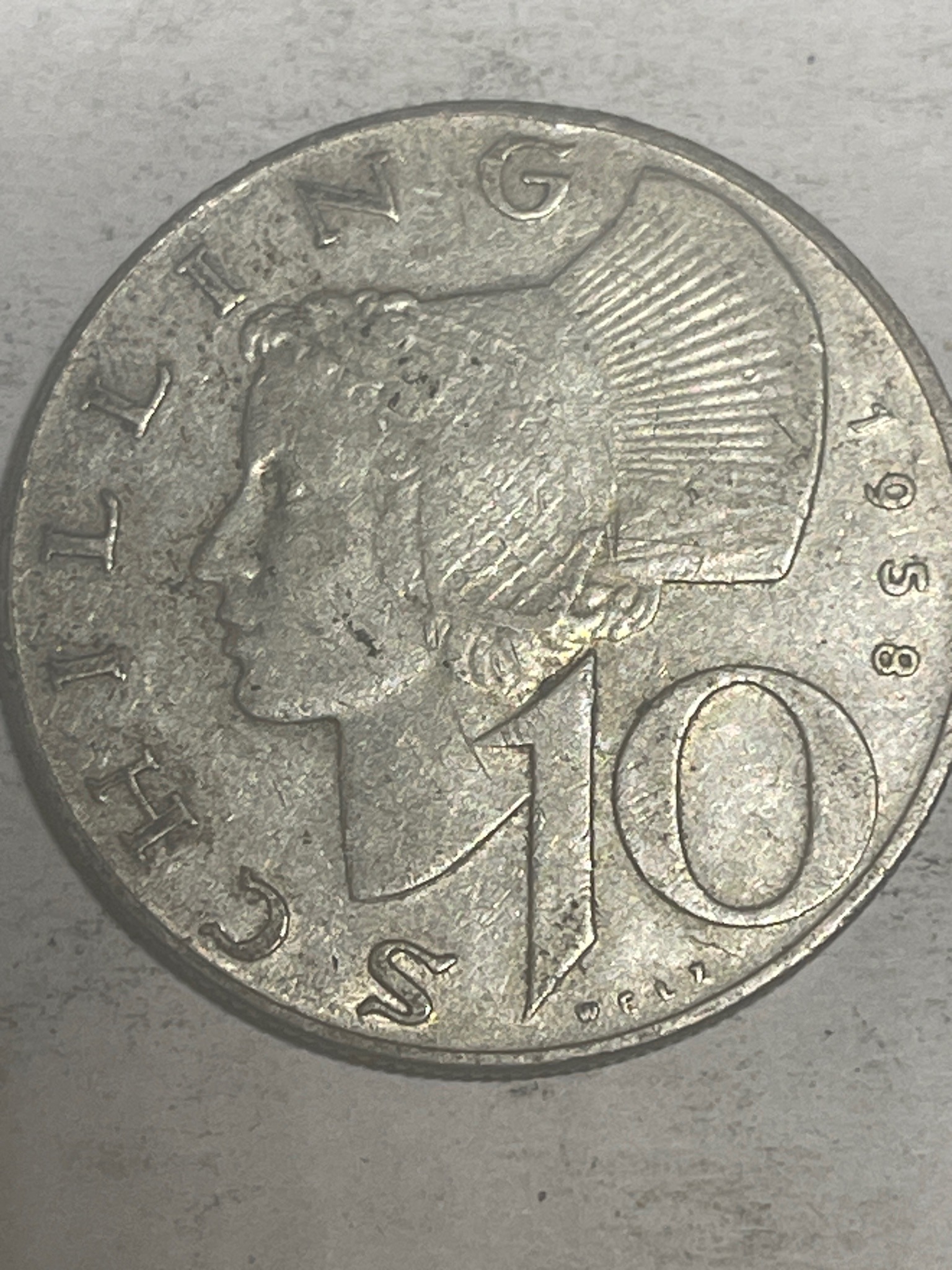
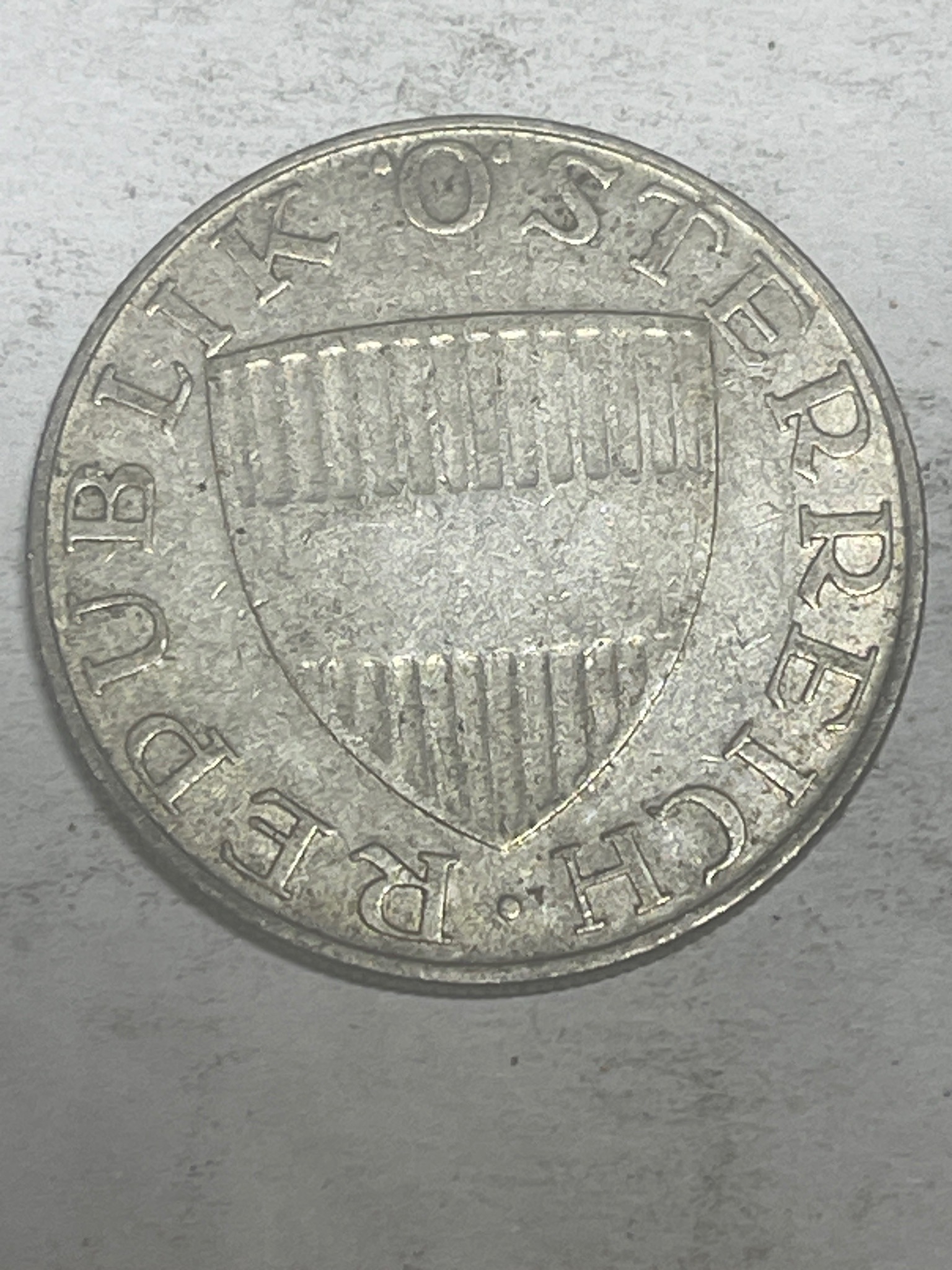
Austrian 10 Schilling coin featuring a woman in traditional headdress on one side and the Austrian national shield on the other.
- Country
- Austria
- Year
- 1958
- Denomination
- 10 Schilling
- Metal
- 640% Silver, 360% Copper
This report is AI-generated and can be wrong. Always verify grade, authenticity, and value with a qualified dealer or certified grading service before buying, selling, or insuring.
Identified More austria coins →
Explore 10 Schilling in the encyclopedia →Identify your own coins.
Get a report just like this from any photo, free.
Overview
Austrian 10 Schilling coin featuring a woman in traditional headdress on one side and the Austrian national shield on the other.
Historical significance
Issued by the Republic of Austria during the post-WWII reconstruction period, reflecting the re-establishment of Austrian currency and national identity.
Obverse (front)
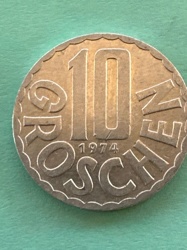
Features the denomination '10 SCHILLING', the year '1958', and a portrait of a woman facing left wearing a traditional Alpine or regional headdress.
Reverse (back)
Features the national shield of Austria centered, surrounded by the legend 'REPUBLIK OESTERREICH'.
Estimated value
$3 - $10 depending on condition and silver melt value.
What drives this coin's value
Overall condition/grade, silver bullion spot price, and absence of severe environmental damage.
Grade assessment
Fine to Very Fine (circulated condition with moderate surface wear and scratches)
Mintage & rarity
Common circulation issue
Authenticity & counterfeit red flags
Check weight, dimensions, and magnetic properties (silver-copper alloy is non-magnetic). Counterfeits are rare due to low face and bullion value.
Notable varieties & errors
Standard business strike with no major widespread errors or rare die varieties for this specific year.
Similar coins
Other Austrian Schilling denominations from the same mid-20th-century series.
Care & preservation
Store in a dry environment. Do not clean or polish, as this can severely damage numismatic value; handle by the edges.