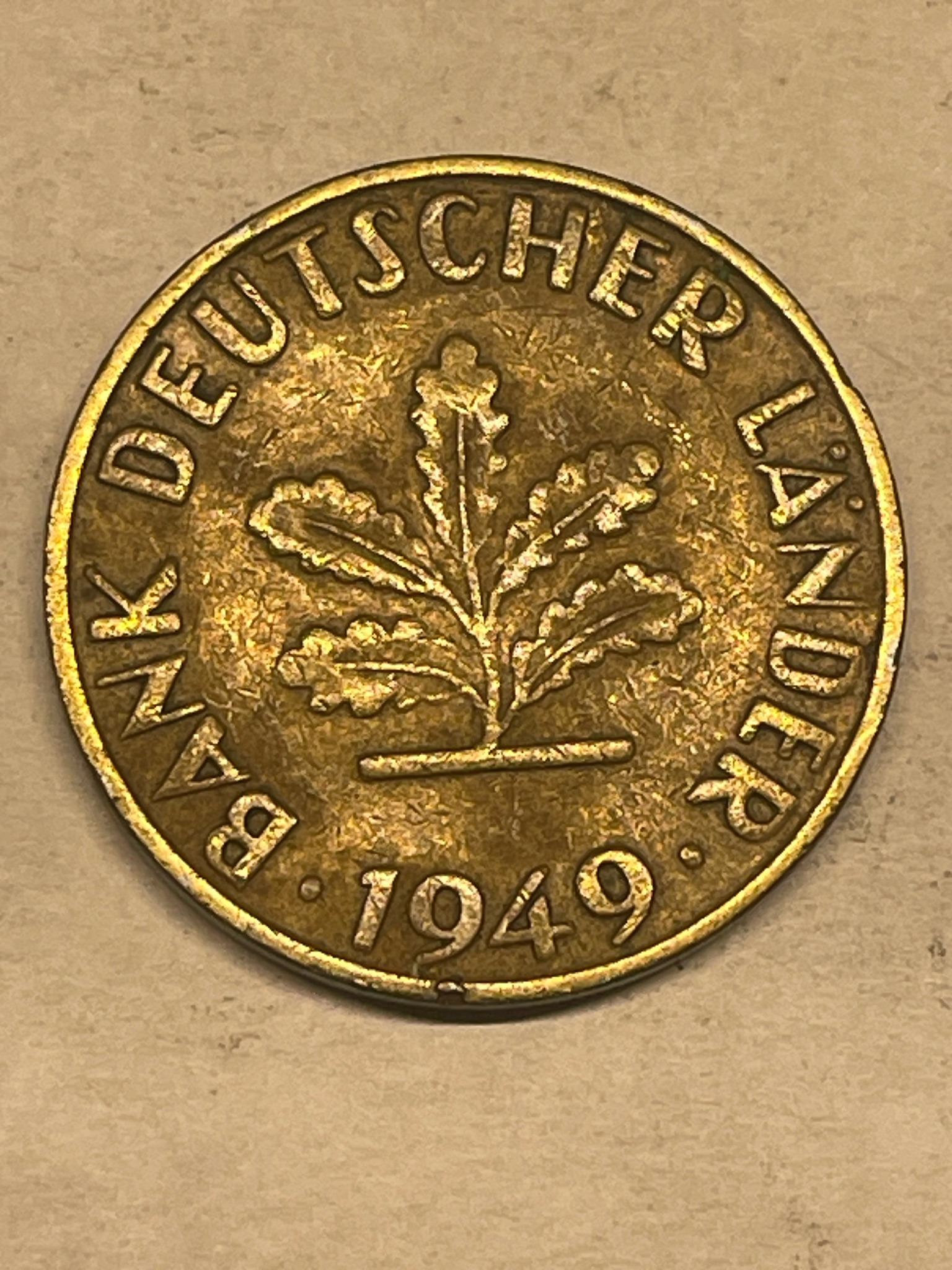
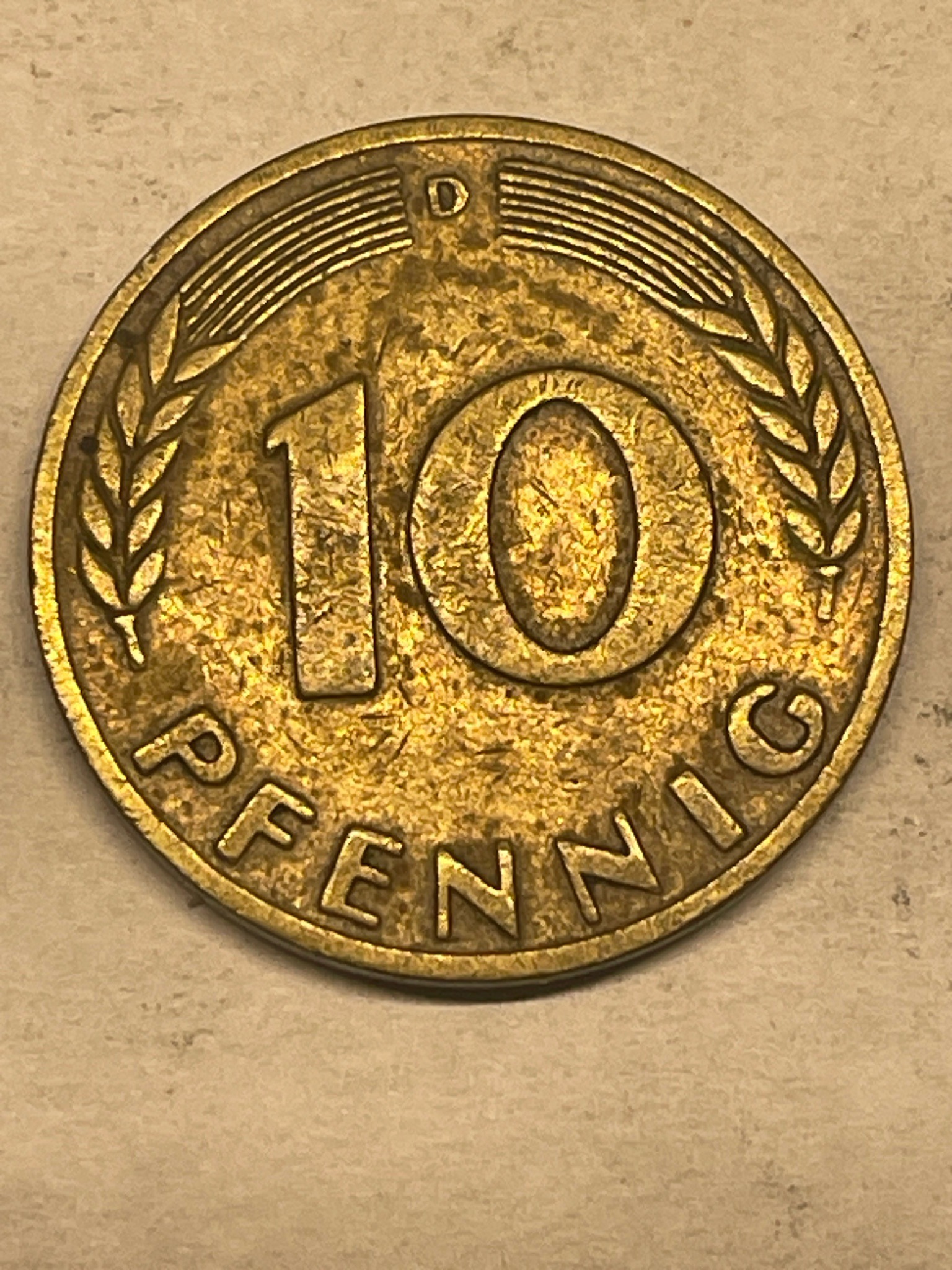
10 Pfennig
Germany (Bank deutscher Länder) · 1949
A brass-colored coin featuring a young oak tree sprout on the obverse and a large denomination numeral surrounded by wheat stalks on the reverse.
- Country
- Germany (Bank deutscher Länder)
- Year
- 1949
- Denomination
- 10 Pfennig
- Metal
- Brass-clad steel
This report is AI-generated and can be wrong. Always verify grade, authenticity, and value with a qualified dealer or certified grading service before buying, selling, or insuring.
Identify your own coins.
Get a report just like this from any photo, free.
Overview
Historical significance
Obverse (front)
Reverse (back)
Estimated value
What drives this coin's value
Grade assessment
Mintage & rarity
Authenticity & counterfeit red flags
Notable varieties & errors
Similar coins
Care & preservation
More like this
Other germany (bank deutscher länder) coins
10 Pfennig
Germany (Bank deutscher Länder / Federal Republic of Germany) · 1949
10 Pfennig
Germany (Bank deutscher Länder / Federal Republic of Germany) · 1949
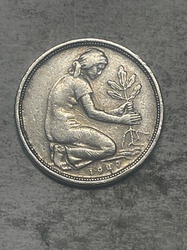
50 Pfennig Bank deutscher Länder
Germany (Bank deutscher Länder / Allied Occupied Zones and Early Federal Republic) · 1949
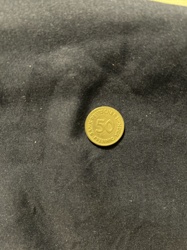
50 Pfennig
Germany (West Germany) · Specific year cannot be determined from the image, but this type was issued from 1949 to the early 1990s.
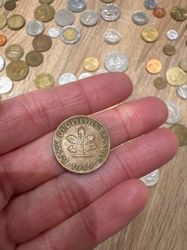
5 Pfennig 1949 Bank Deutscher Länder
Germany (West Germany under Allied Occupation) · 1949
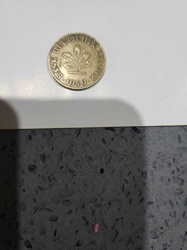
5 Pfennig Bank Deutscher Länder
Germany (West Germany - British, French and US Occupation Zones) · 1949