
Coin Encyclopedia
Search and identify coins from around the world — with country, denomination, metal, mint, history, and how to tell them apart.
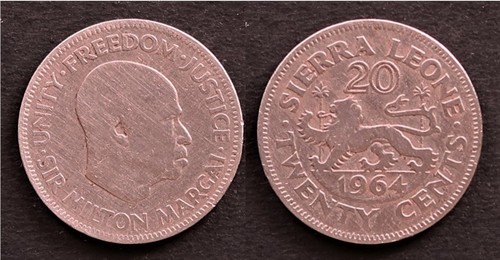
Sierra Leone 20 Cents
A 1964 Sierra Leone 20 cents from the country's first decimal coinage, showing a portrait profile on one side and the national coat of arms with its lion on the other.
World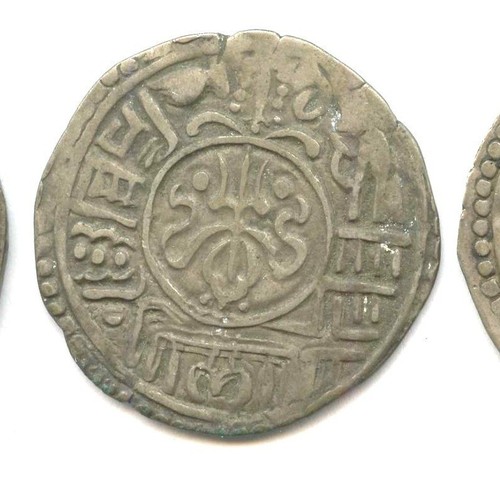
Tibetan Tangka
A silver tangka, the standard coin of old Tibet, its faces filled with Tibetan script and Buddhist ornamental motifs, struck from the late 18th into the 19th century.
Himalayan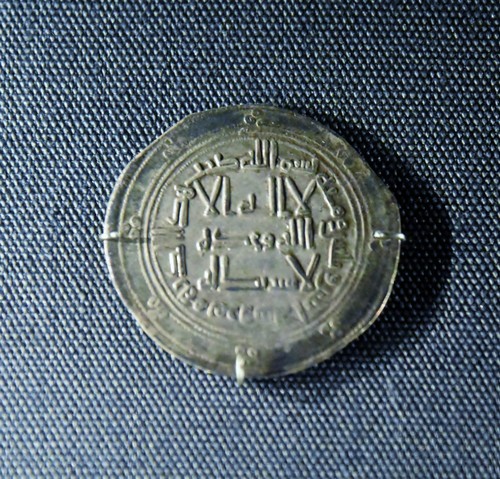
Abbasid Silver Dirham
A thin, broad Islamic silver coin of the Abbasid Caliphate, covered edge to edge with concentric Kufic Arabic inscriptions and dated AH 132 (AD 749–750).
Islamic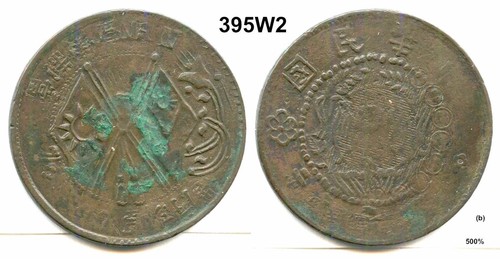
Ho-Nan 100 Cash
A large struck bronze 100-cash coin of Henan Province from Republican China, with ornate Chinese characters on one face and a decorative pattern on the other.
Cash Coin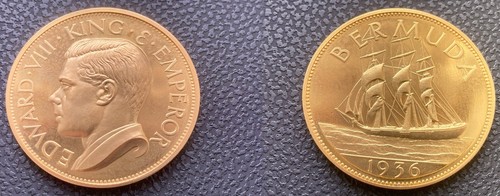
Bermuda Edward VIII Fantasy Crown
A modern fantasy Bermuda crown dated 1936 with an Edward VIII profile and a three-masted sailing ship; a gold-plated novelty, not an official coin.
Fantasy Issue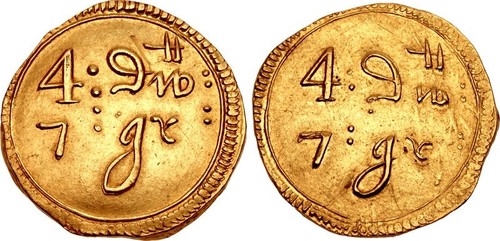
Irish Pistole
A rare hammered gold emergency coin of 1640s Ireland, marked with its weight in pennyweights and grains rather than a portrait, and rated as a pistole.
Hammered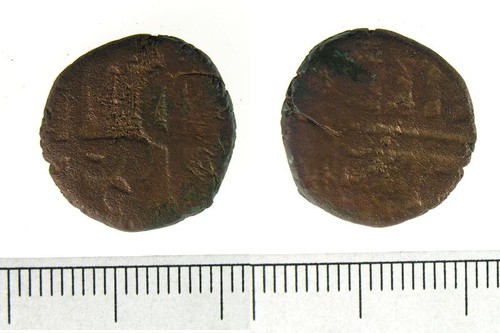
Indian Paisa
A hand-struck copper paisa from early 19th-century India, its legends worn smooth by age and circulation. A humble base-metal coin of everyday commerce.
Princely & Presidency States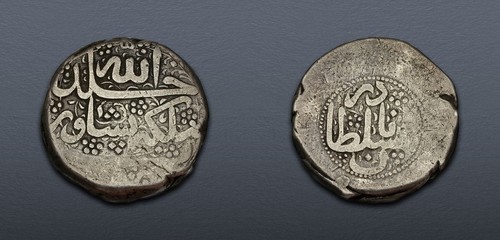
Double Rupi
A large Afsharid silver coin of Nader Shah, the double rupi, dated AH 1151 and covered in flowing Persian calligraphy and ornamental scrollwork.
Historic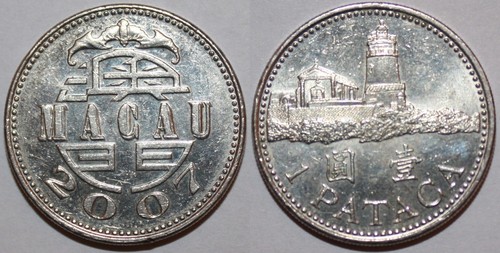
Macao 1 Pataca
A silver-colored 1 Pataca circulation coin of Macao dated 2007, showing Chinese characters and denomination on one face and a lighthouse-and-harbor scene on the other.
Circulation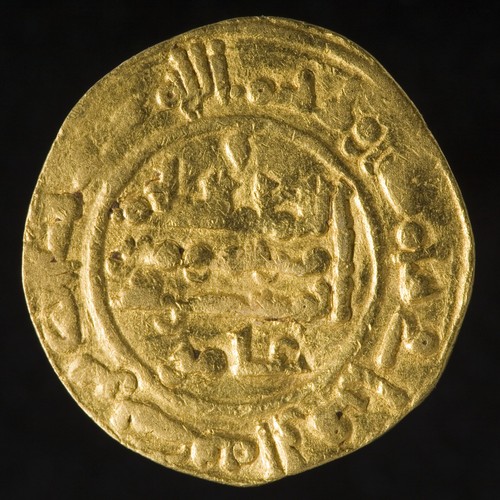
Islamic Gold Dinar (LACMA M.2006.143.8)
A medieval Islamic gold dinar in the LACMA collection, struck with purely calligraphic Arabic legends and a decorative border — the classic imageless coin of the caliphates.
Islamic (Medieval)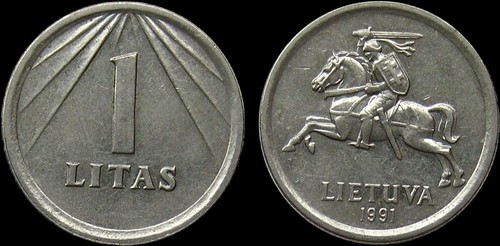
1 Litas
A 1991 Lithuanian one-litas coin from the first coinage after restored independence, showing the value with a radiating pattern and the Vytis knight of the national arms.
Modern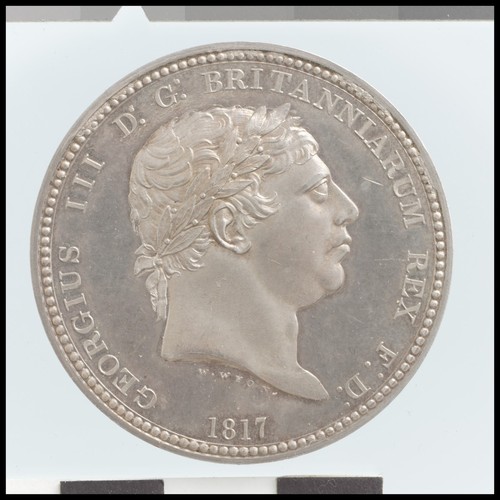
Three Graces Pattern Crown
A celebrated 1817 silver pattern crown of George III, engraved by William Wyon and never issued for circulation — a prized masterpiece of British coinage.
Pattern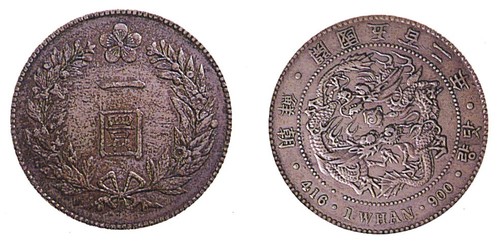
1 Hwan
A late-Joseon Korean bronze coin of one hwan, carrying a chrysanthemum-and-cartouche obverse and a traditional dragon motif with East Asian characters on the reverse.
Historic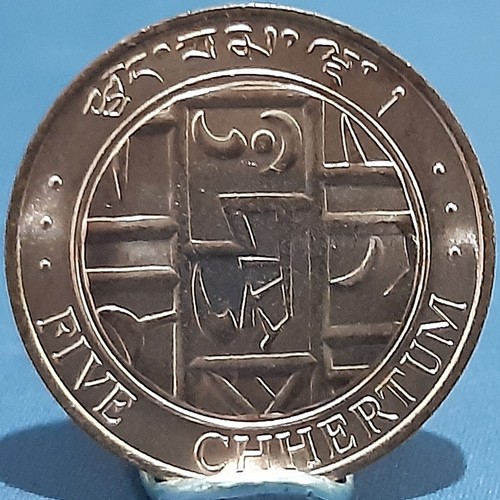
Bhutan 5 Sengtrum
A small cupro-nickel Bhutanese coin of 1979 worth five Sengtrum, with the national emblem on the obverse and a traditional architectural gateway on the reverse.
Himalayan