
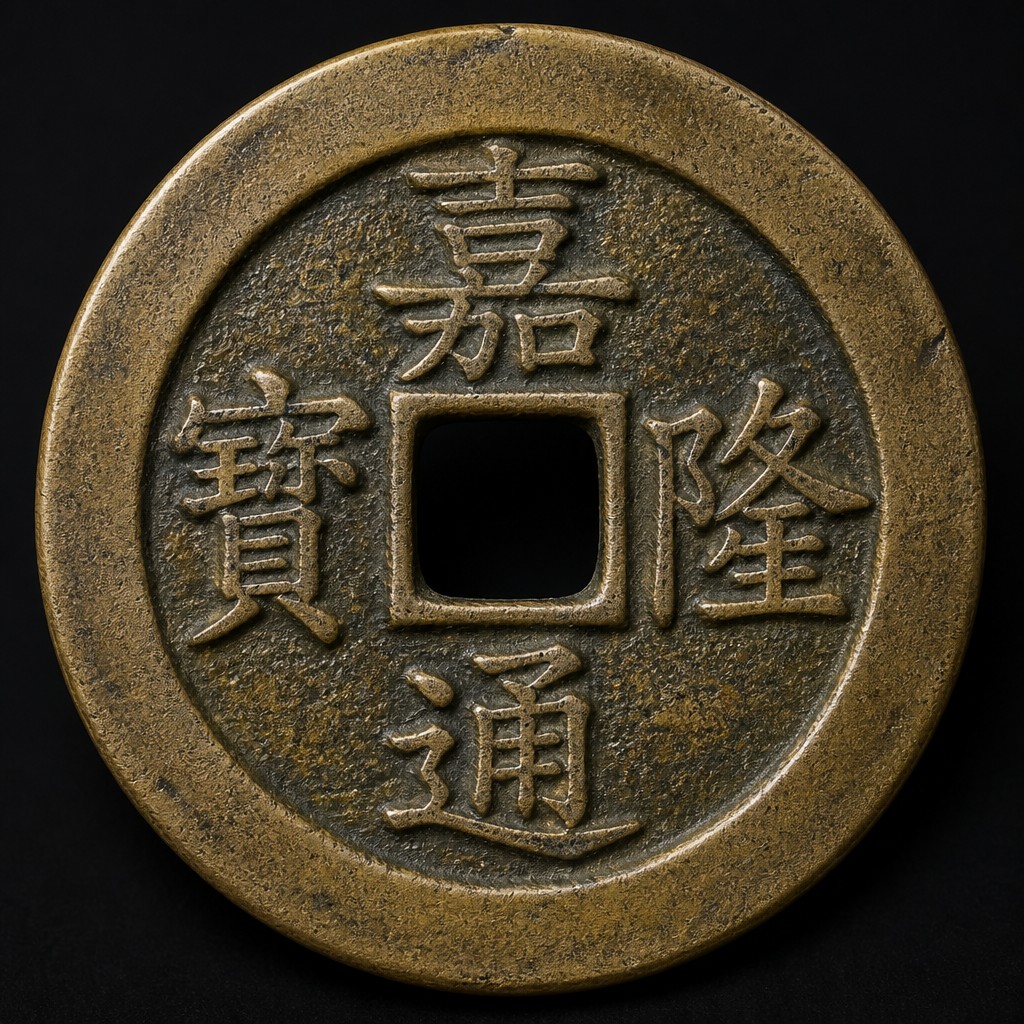
Vietnamese Gia Long Thong Bao (cash coin)
The founding cash coin of Vietnam's Nguyễn Dynasty, cast under Emperor Gia Long who reunified the country in 1802 and established Huế as the imperial capital.
- Country
- Vietnam (Nguyen Dynasty)
- Denomination
- 1 van (cash)
- Metal
- Cast bronze or brass
Got a coin like this?
Identify any coin from a photo, free.
Overview
The Gia Long Thông Bảo is the first reign-title cash coin of the Nguyễn Dynasty, cast under Emperor Gia Long, who founded the dynasty after reuniting Vietnam under one ruler in 1802. As with earlier Vietnamese and Chinese cash, it follows the round coin with a square central hole, made for everyday transactions and stringing in bulk.
This coin holds a special place in Vietnamese numismatics as the opening issue of the last and longest-ruling Vietnamese dynasty, and it circulated widely alongside older cash from the preceding Tây Sơn and Lê periods during the early consolidation of Nguyễn rule.
As with most Vietnamese cash coinage, quality and calligraphy vary by casting batch and mint location, and collectors often distinguish minor script and rim varieties within the broader Gia Long type.
History & Background
Nguyễn Ánh, who took the reign name Gia Long, ended decades of civil war by defeating the Tây Sơn rebels and unifying Vietnam under his rule in 1802, founding the Nguyễn Dynasty and establishing his capital at Huế. As one of his first acts of statecraft, he authorized the casting of cash coins bearing his new reign title to reassert stable, centralized currency across the newly unified realm.
Gia Long's reign, lasting until 1820, focused on consolidating administrative control, codifying law, and rebuilding a country devastated by prolonged warfare, and his cash coinage reflects this restoration of orderly governance. The coin type set the pattern that subsequent Nguyễn emperors would follow, each casting cash bearing their own four-character reign title for the remainder of the dynasty's independent rule.
How to Identify
The obverse carries the four-character legend "Gia Long Thông Bảo" (嘉隆通寶) in Sino-Vietnamese script arranged around the central square hole in the standard top-bottom-right-left cash coin reading order. The reverse is generally plain on ordinary issues, though some varieties carry small mint or workshop marks.
Most examples measure roughly 22–24 mm in diameter and are cast in bronze or brass with a yellow to reddish patina depending on alloy and age. The coin is thin and light, typical of cash coinage of the period, and shows the file marks and slight casting irregularities characteristic of mold-cast currency.
Collectors identify it as distinct from later Nguyễn cash by its unique reign-title characters; Minh Mạng, Thiệu Trị, and Tự Đức cash all bear their own respective emperor's era name rather than Gia Long's.
Value & Collectibility
As the founding coin of a major and long-lived dynasty, Gia Long cash holds particular historical appeal, though ordinary examples remain reasonably affordable since cash coins were produced in large quantities during the reign's eighteen years. Well-preserved pieces with clear, well-struck legends bring a premium over worn or corroded examples.
Value is influenced mainly by condition, legend clarity, and specific script variety rather than by the coin being especially rare in an absolute sense, since substantial quantities survive in the market. Typical common examples trade in the modest range of a few dollars up to several tens of dollars for choice pieces, with unusual varieties commanding more from specialist collectors.
As with all cast Vietnamese cash, no third-party grading is customary, and specialist Vietnamese or French colonial-era catalogs are the standard reference for variety attribution.
Frequently asked questions
Who was Emperor Gia Long?
He was Nguyễn Ánh, who unified Vietnam in 1802 after decades of civil war and founded the Nguyễn Dynasty, Vietnam's last ruling house, taking the reign name Gia Long.
What metal is the coin made of?
Most examples are cast in bronze or brass, following the same tradition as Chinese and earlier Vietnamese cash coinage.
Why does it have a square hole?
The square hole is a traditional feature of East Asian cash coins that let large numbers of coins be strung together for handling and counting.
Is this the first coin of the Nguyen Dynasty?
Yes, it is generally regarded as the founding reign-title cash coin issued after Gia Long established the dynasty in 1802.
How much is a Gia Long cash coin worth?
Most common examples are modestly priced, generally a few dollars to a few tens of dollars depending on condition and script variety.
Other coins you may enjoy
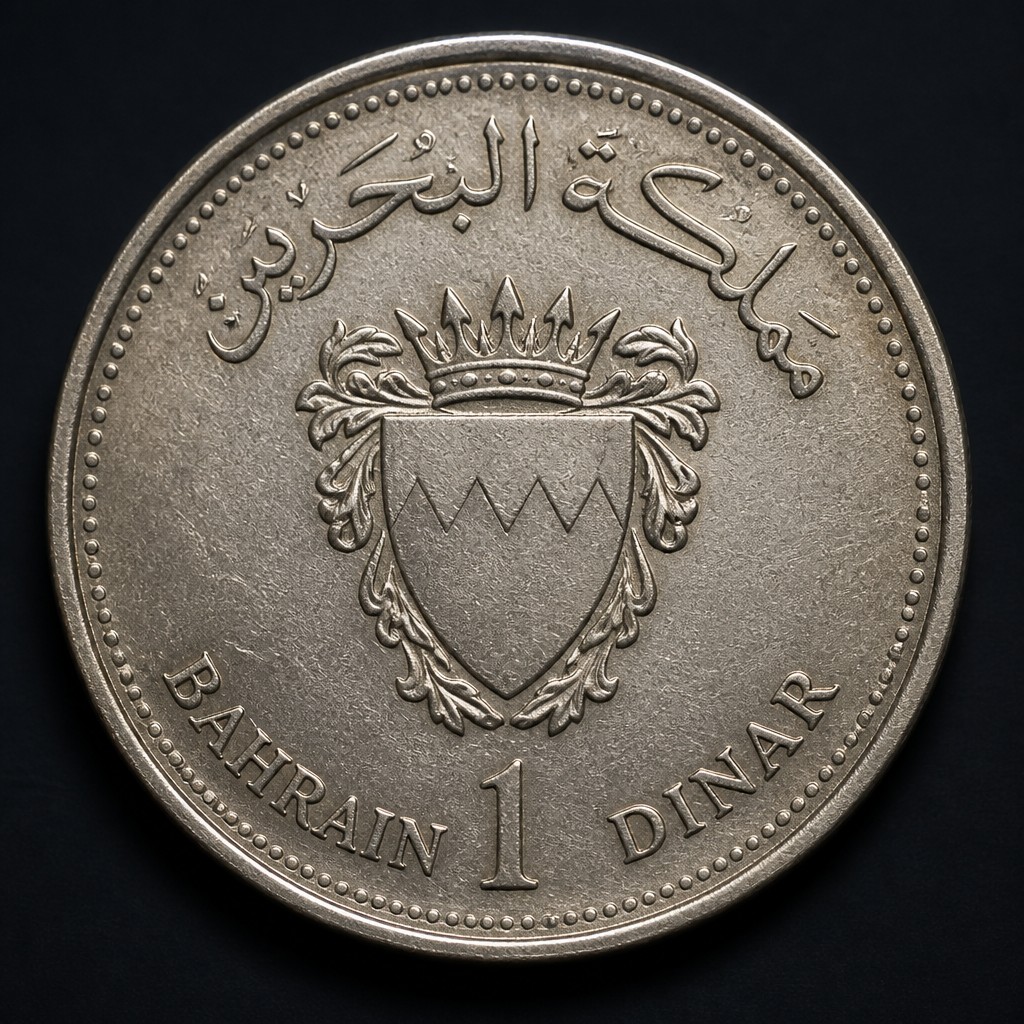
Bahraini Dinar
1965–present
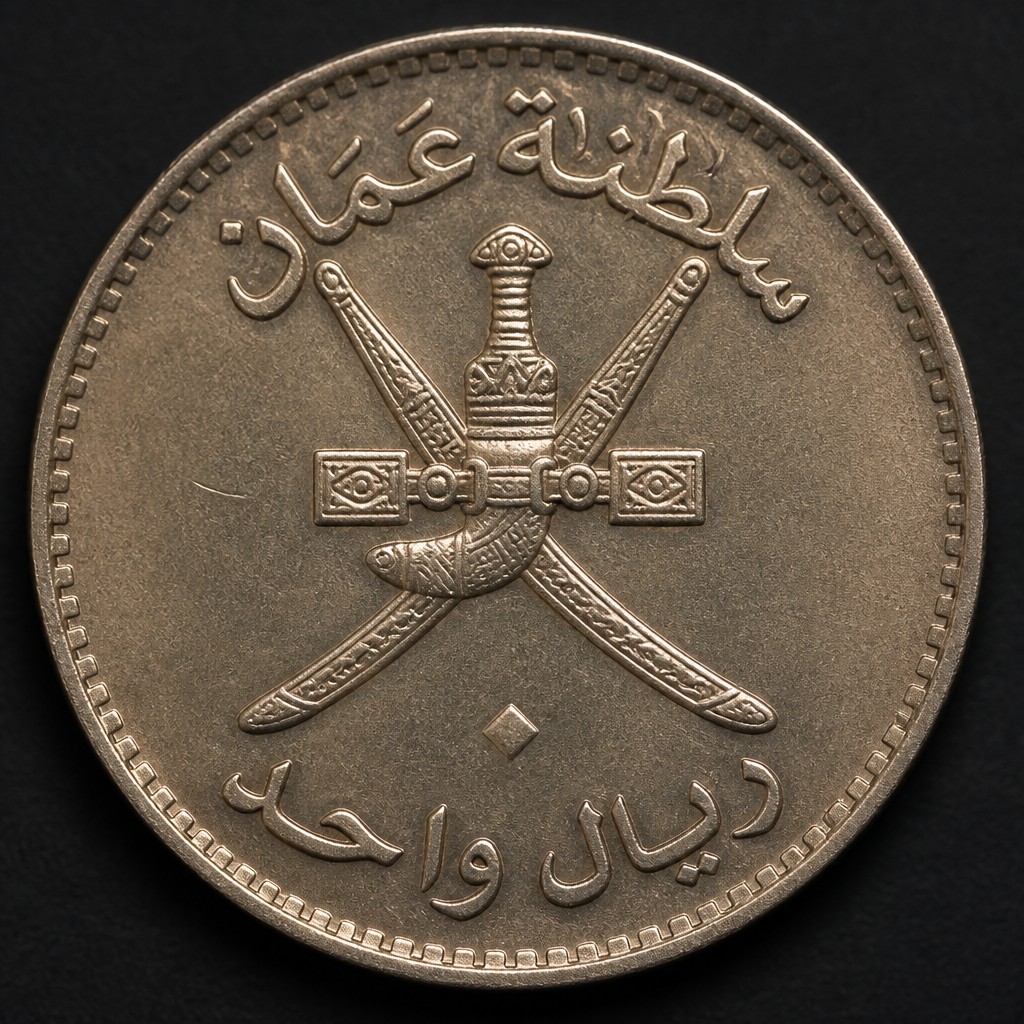
Omani Rial (Baisa Coinage)
1970–present
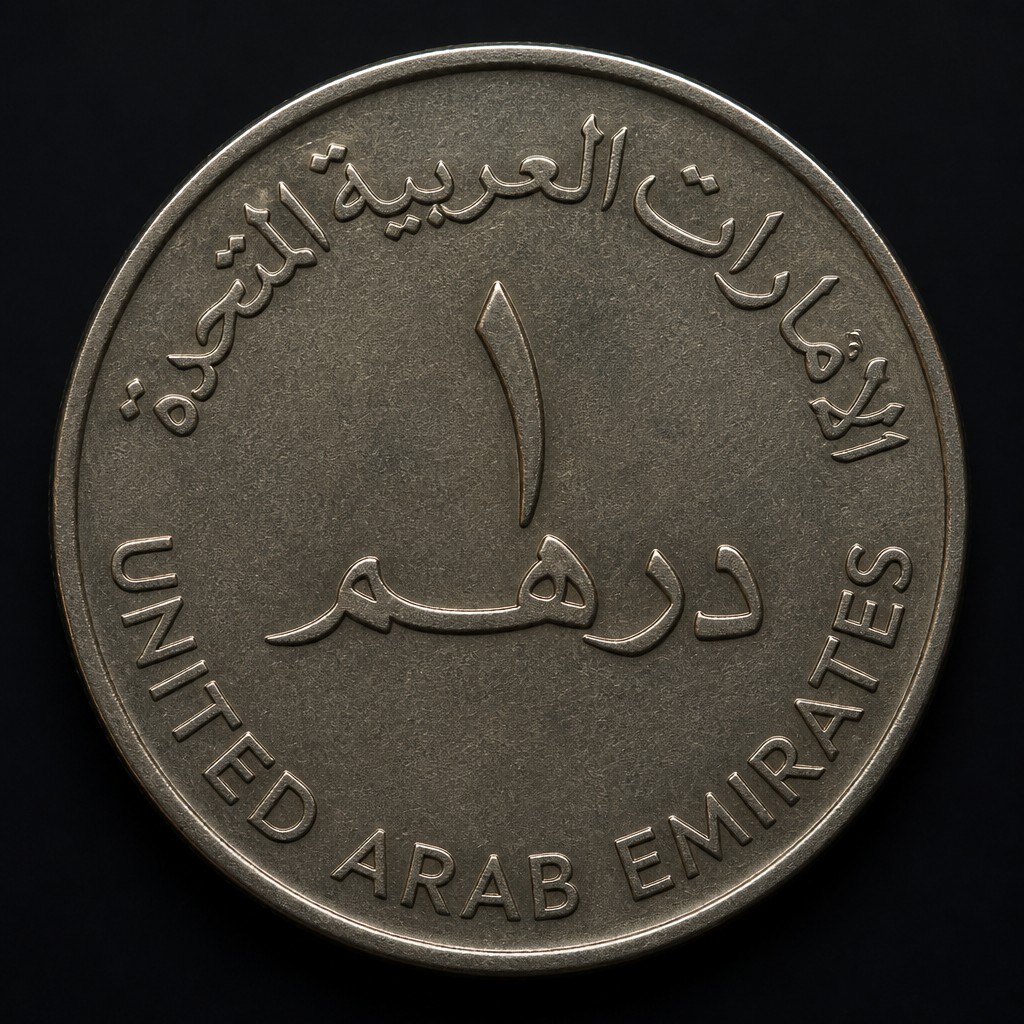
United Arab Emirates Dirham
1973–present
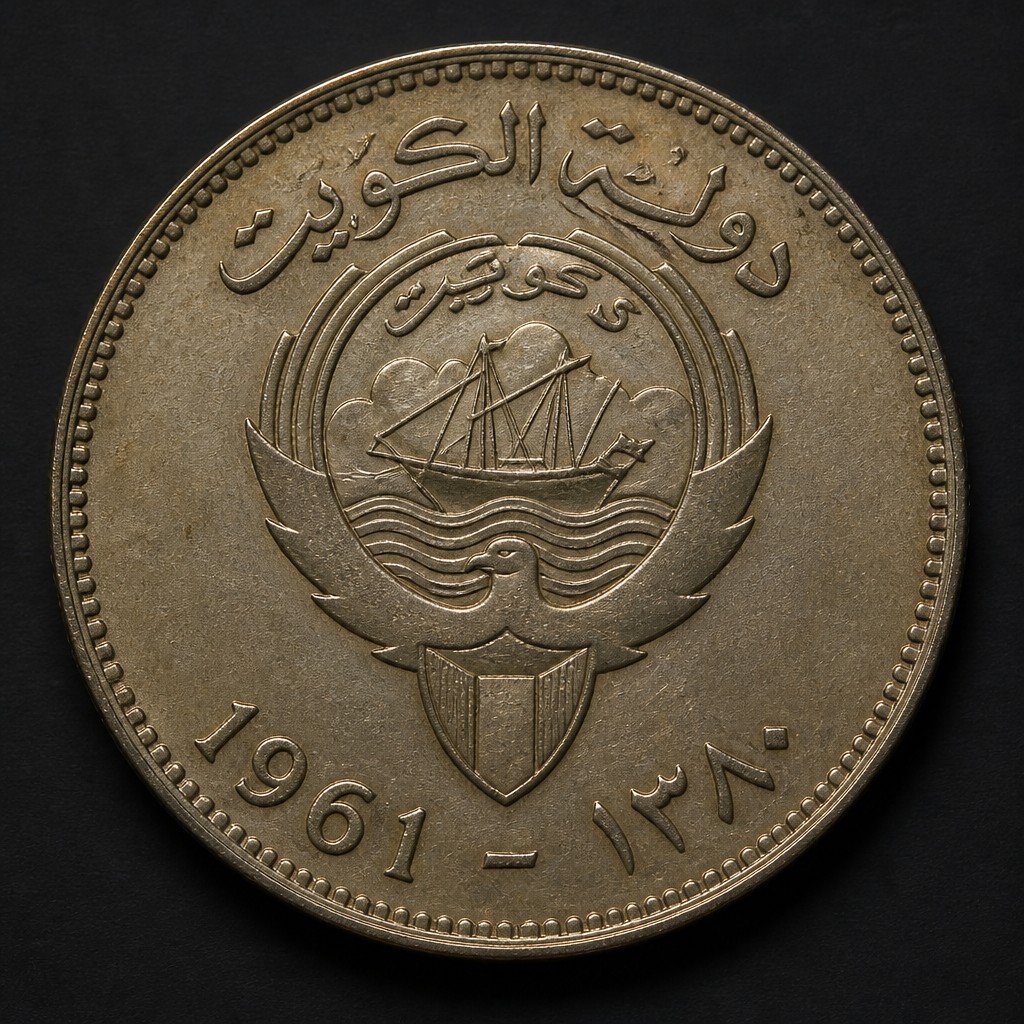
Kuwaiti Fils
1961–present
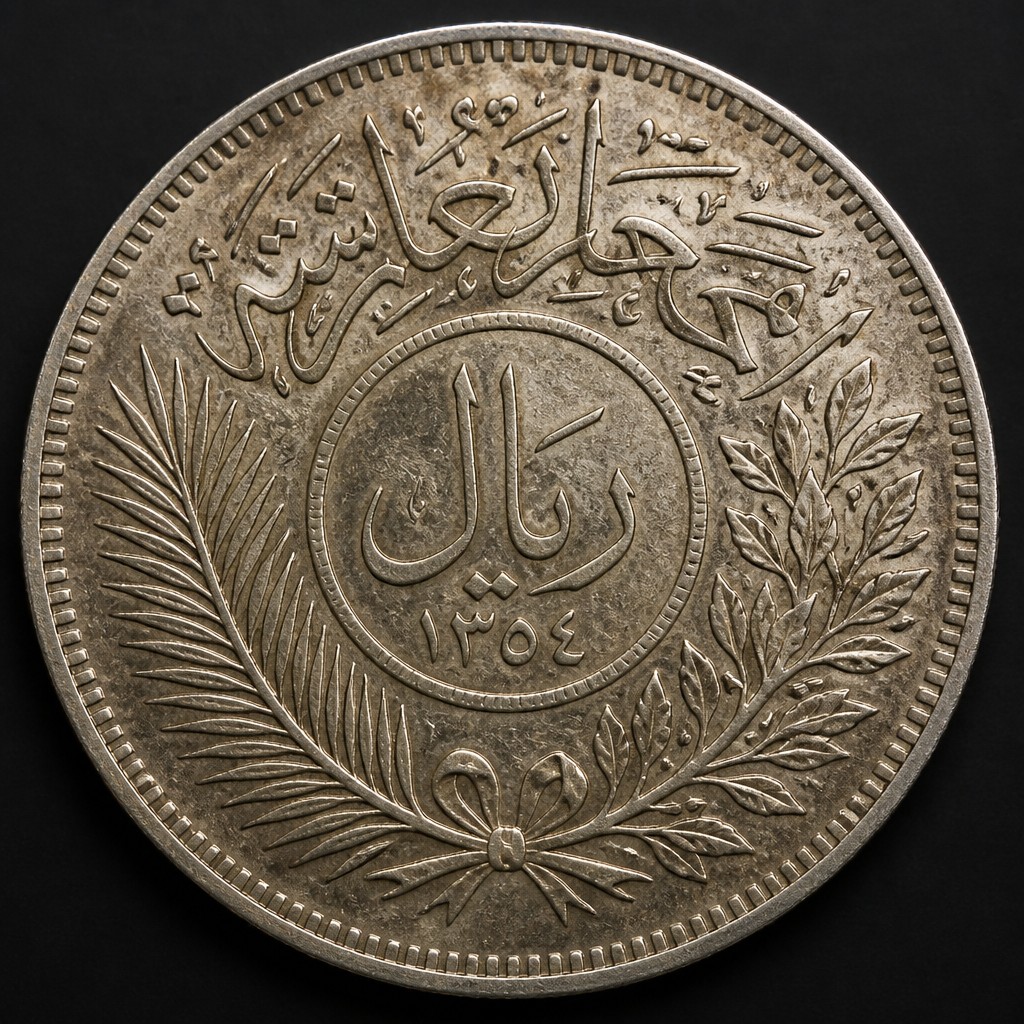
Saudi Arabian Riyal (silver)
1935 (Kingdom-wide standardization) and related issues
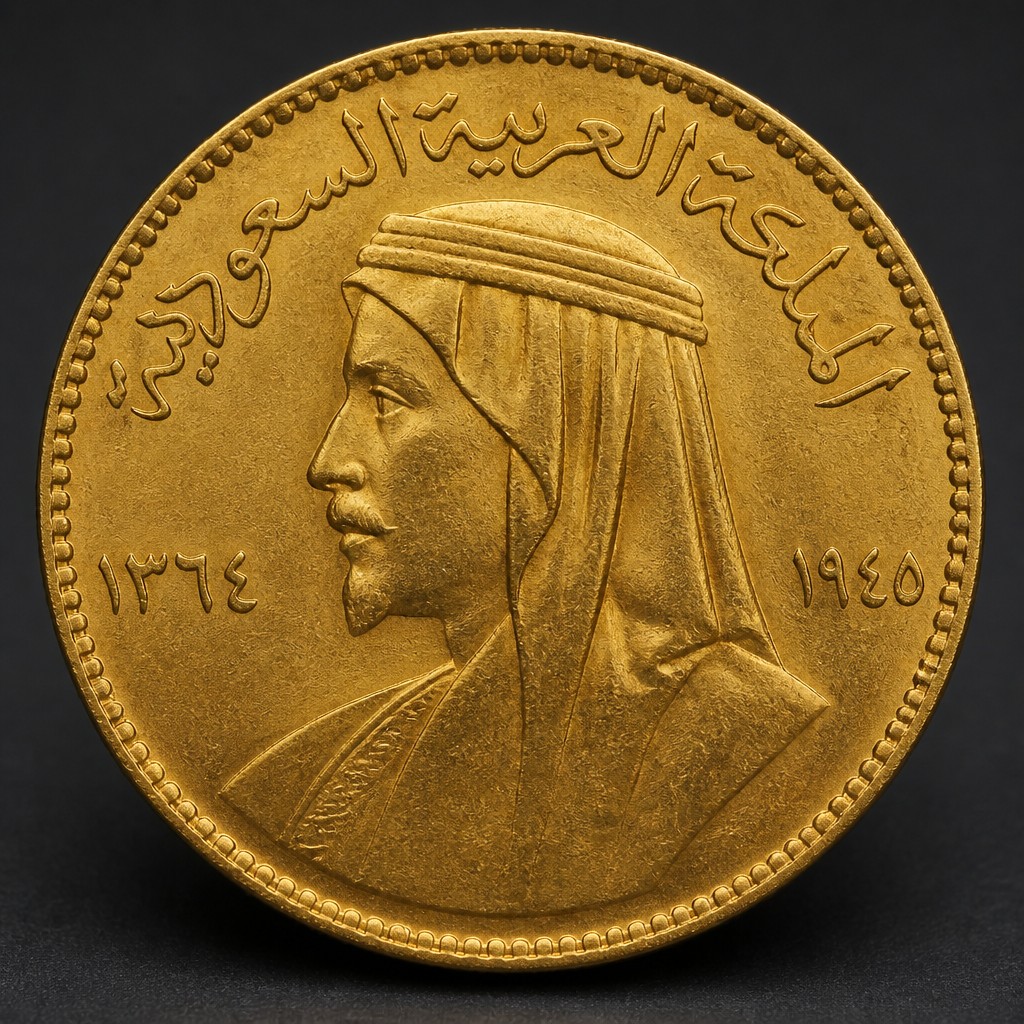
Saudi Arabian Gold Guinea (Sovereign)
1945 and later issues
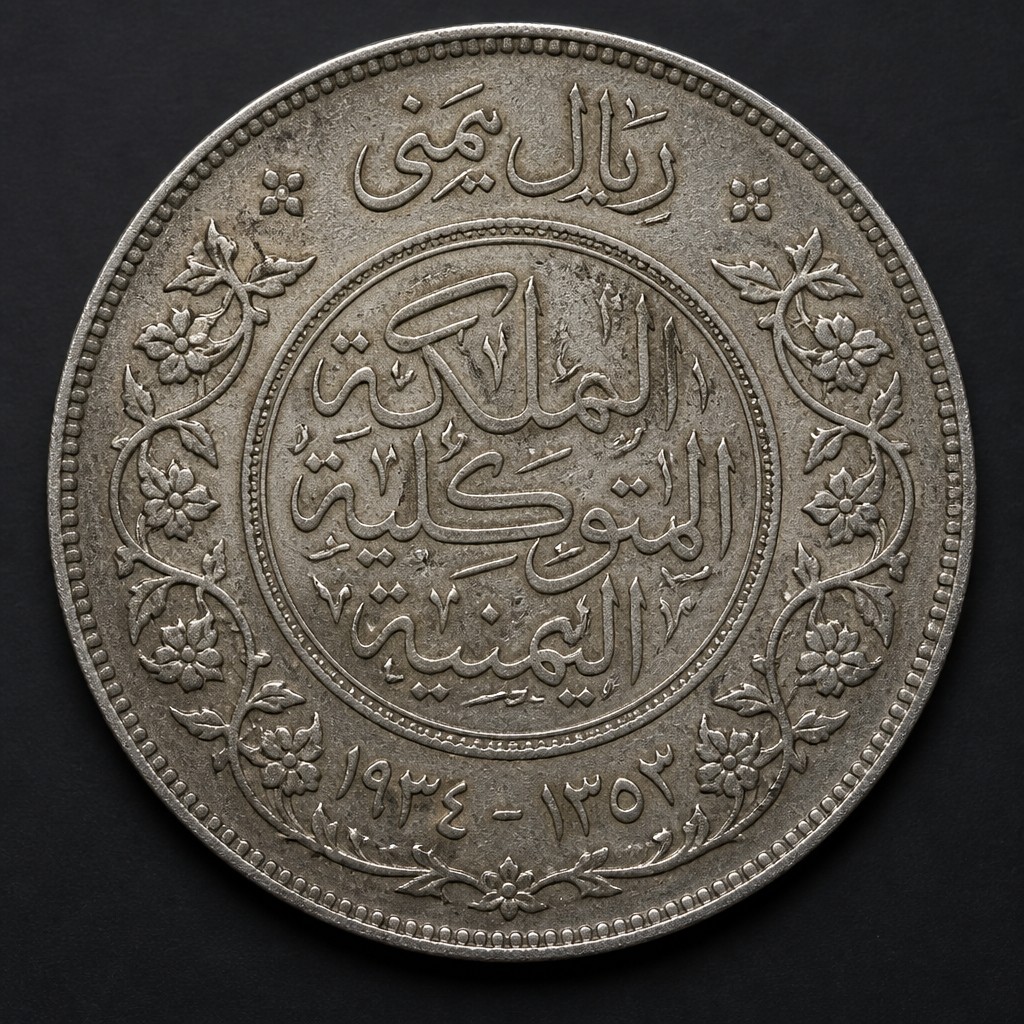
Yemeni Riyal (Ahmadi/Imadi Kingdom Coinage)
Early-to-mid 20th century
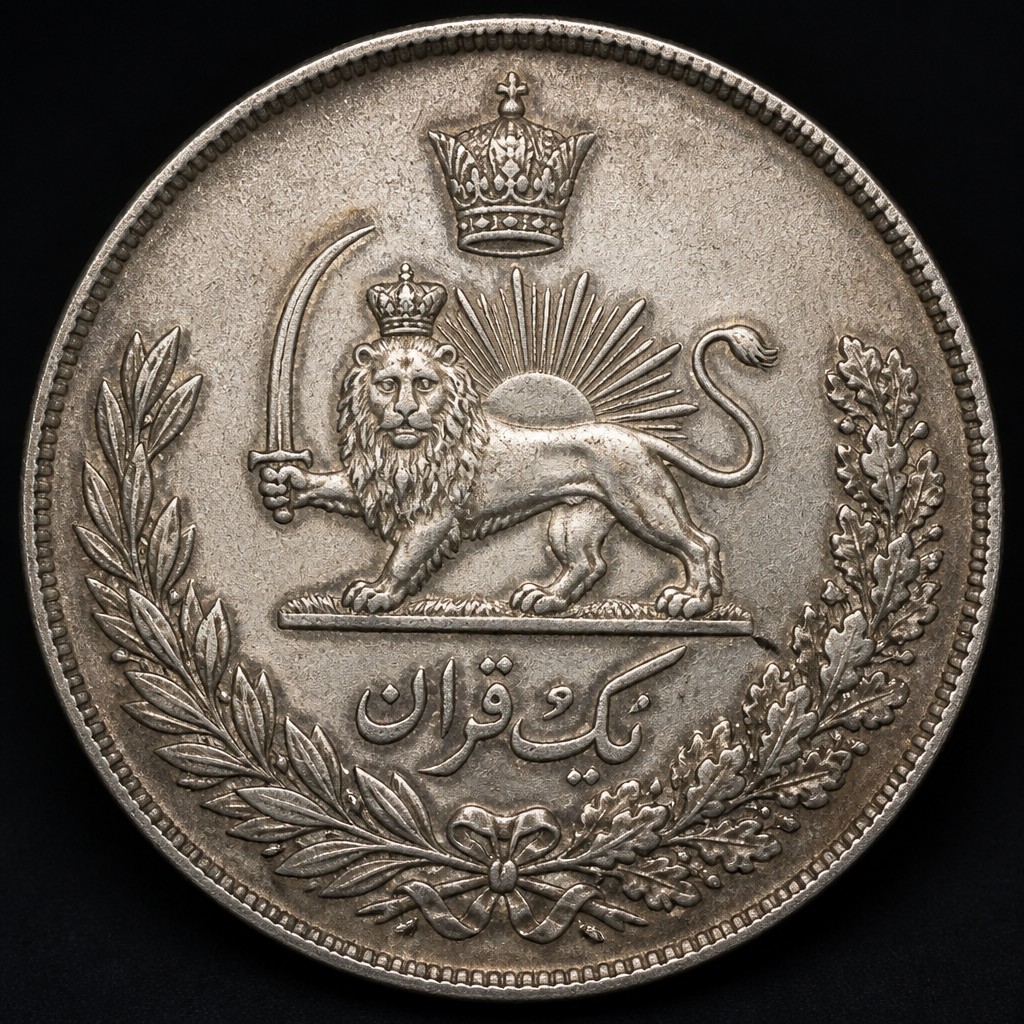
Persian Kran (Qajar silver)
Mid-19th century–1925
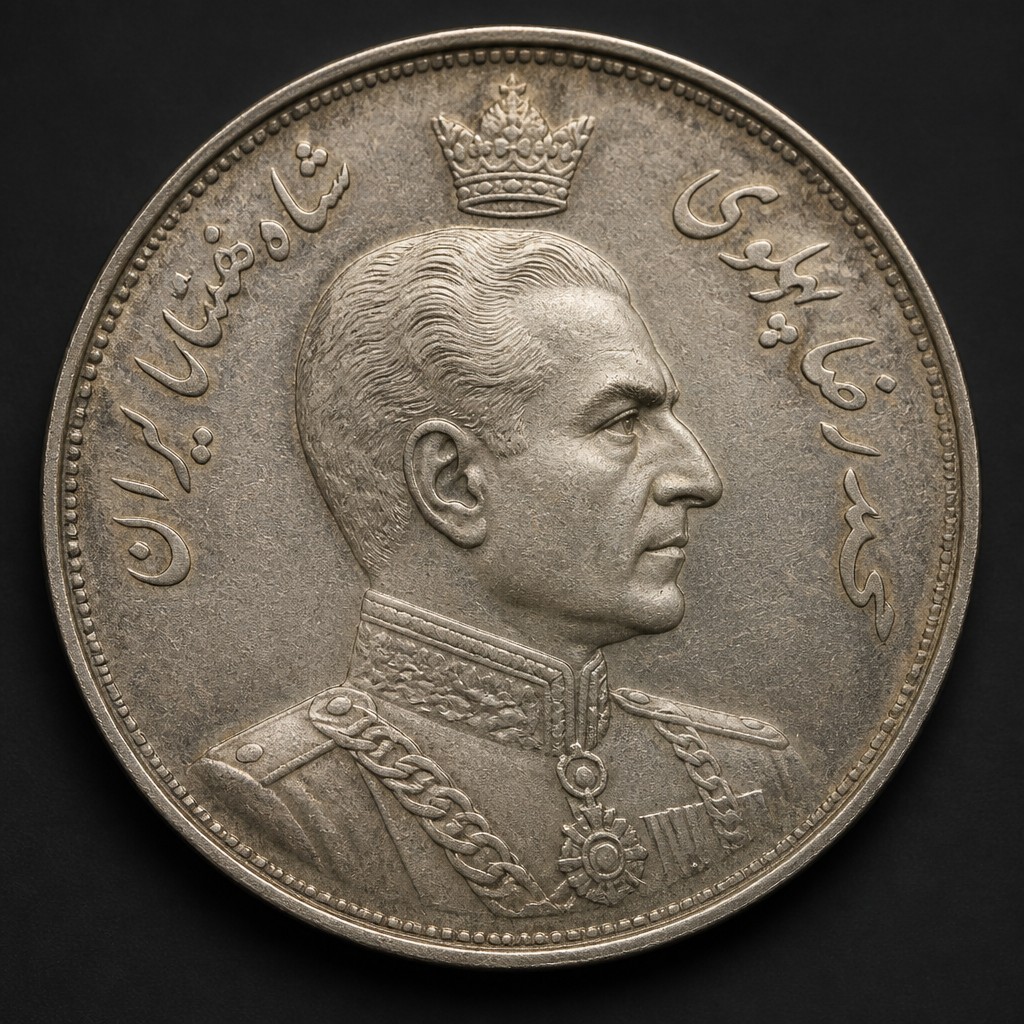
Iranian Rial
1932–present
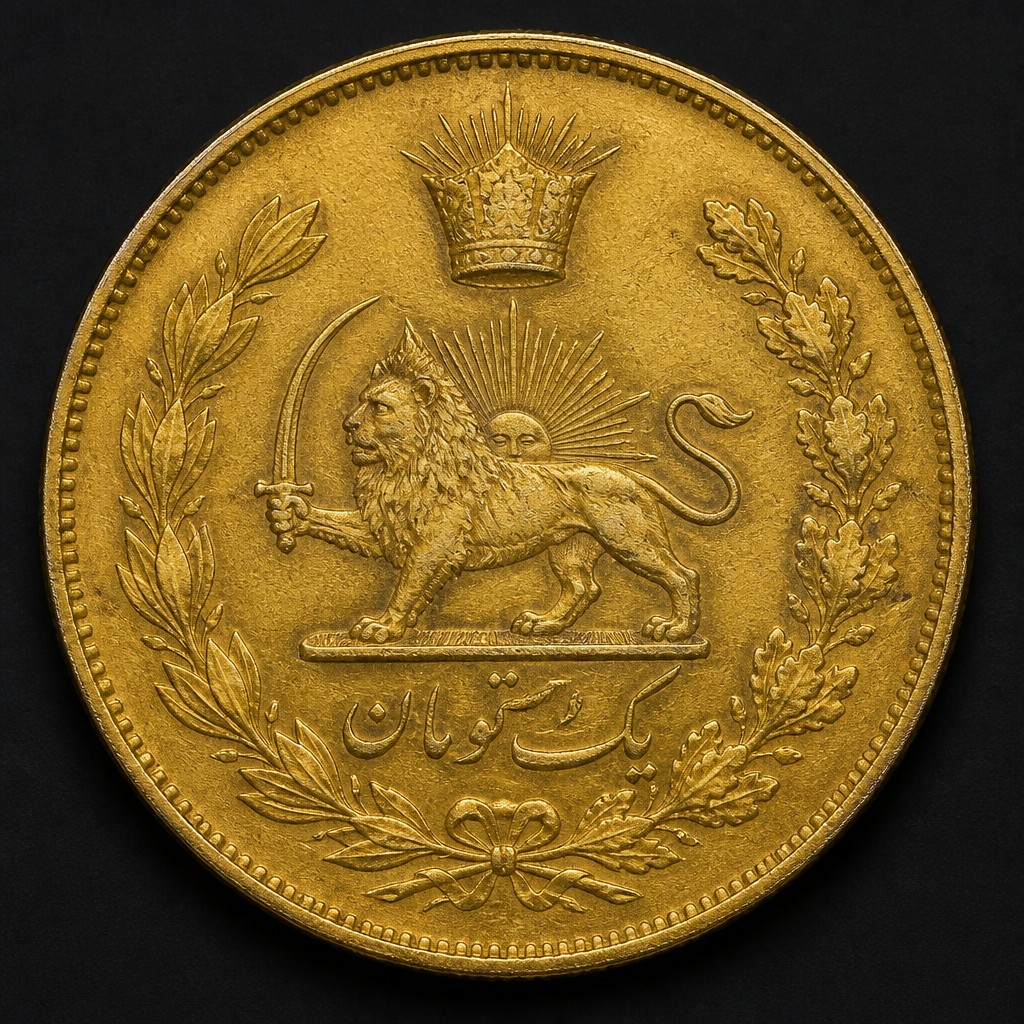
Persian Gold Toman (Qajar)
1796–1925
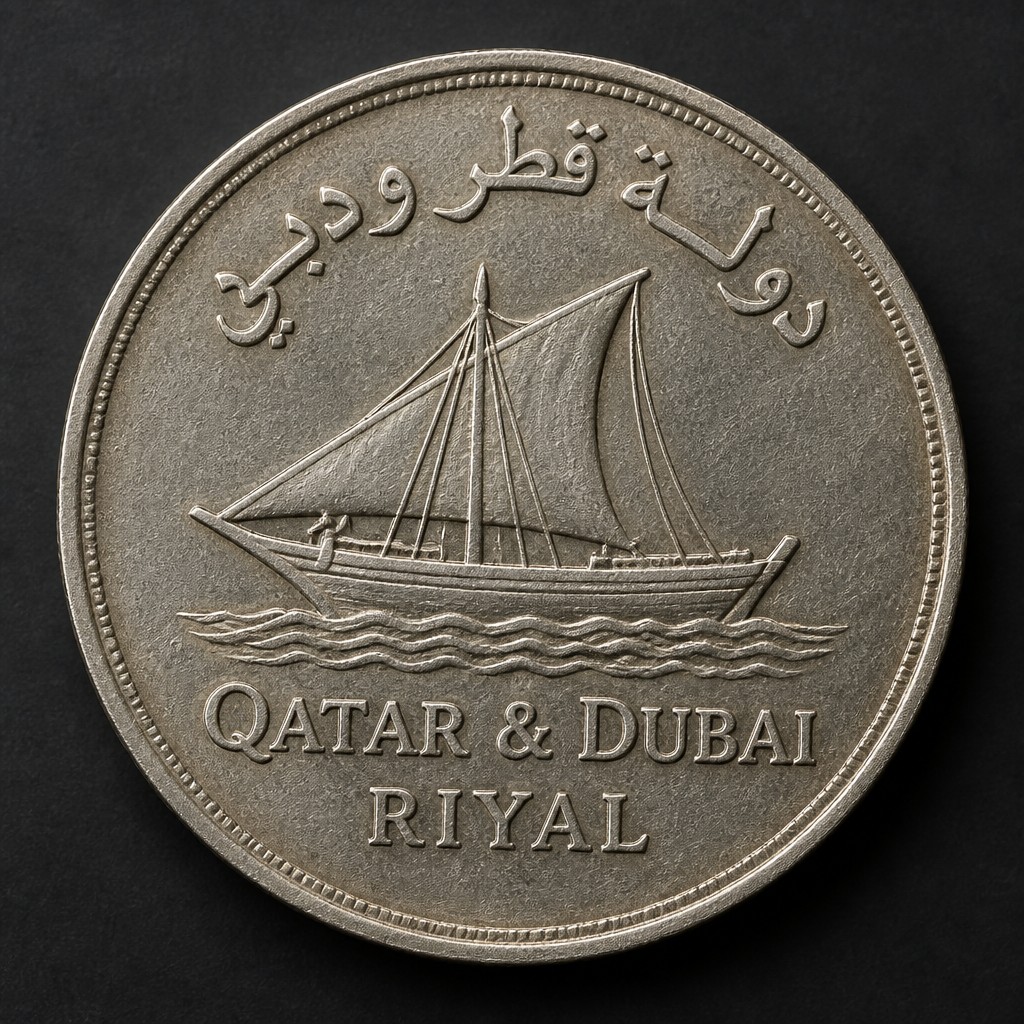
Qatar and Dubai Riyal
1966–1973
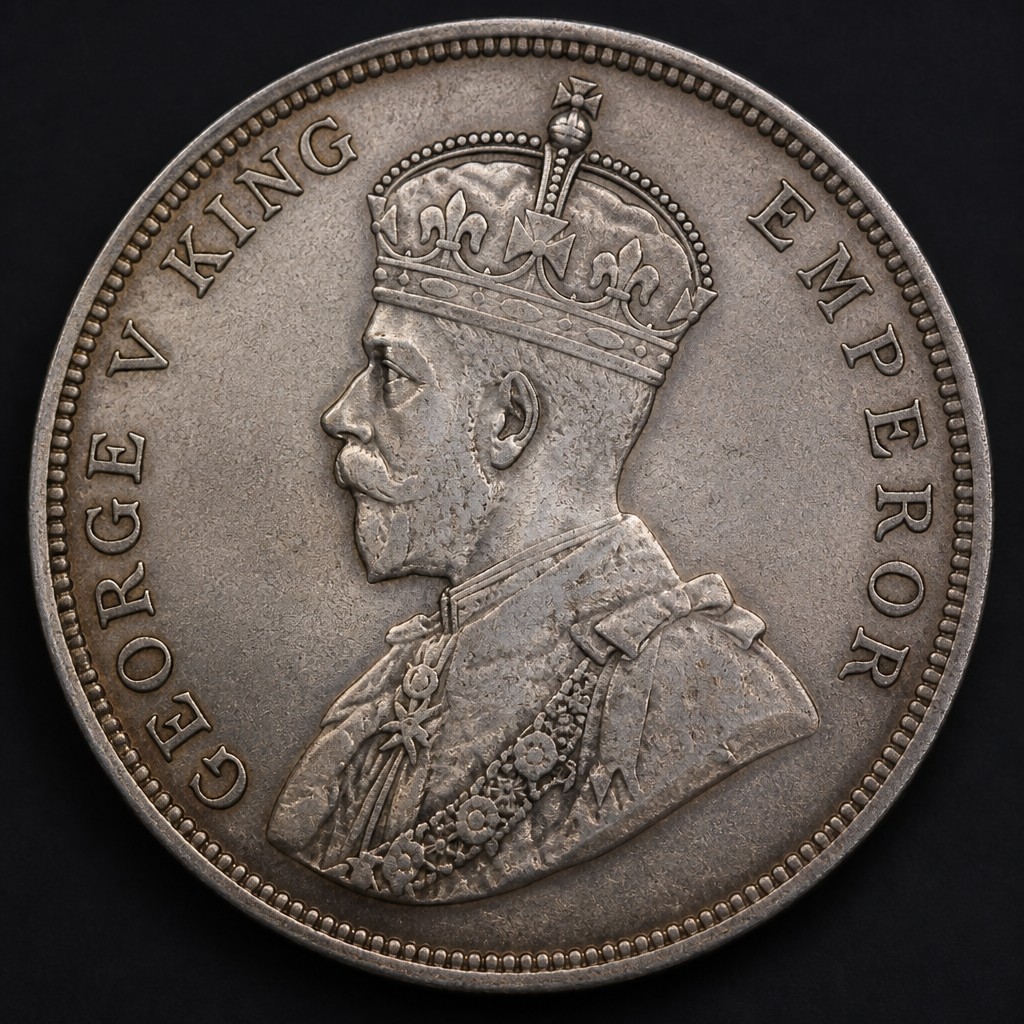
British India Rupee (Silver)
1835–1947