
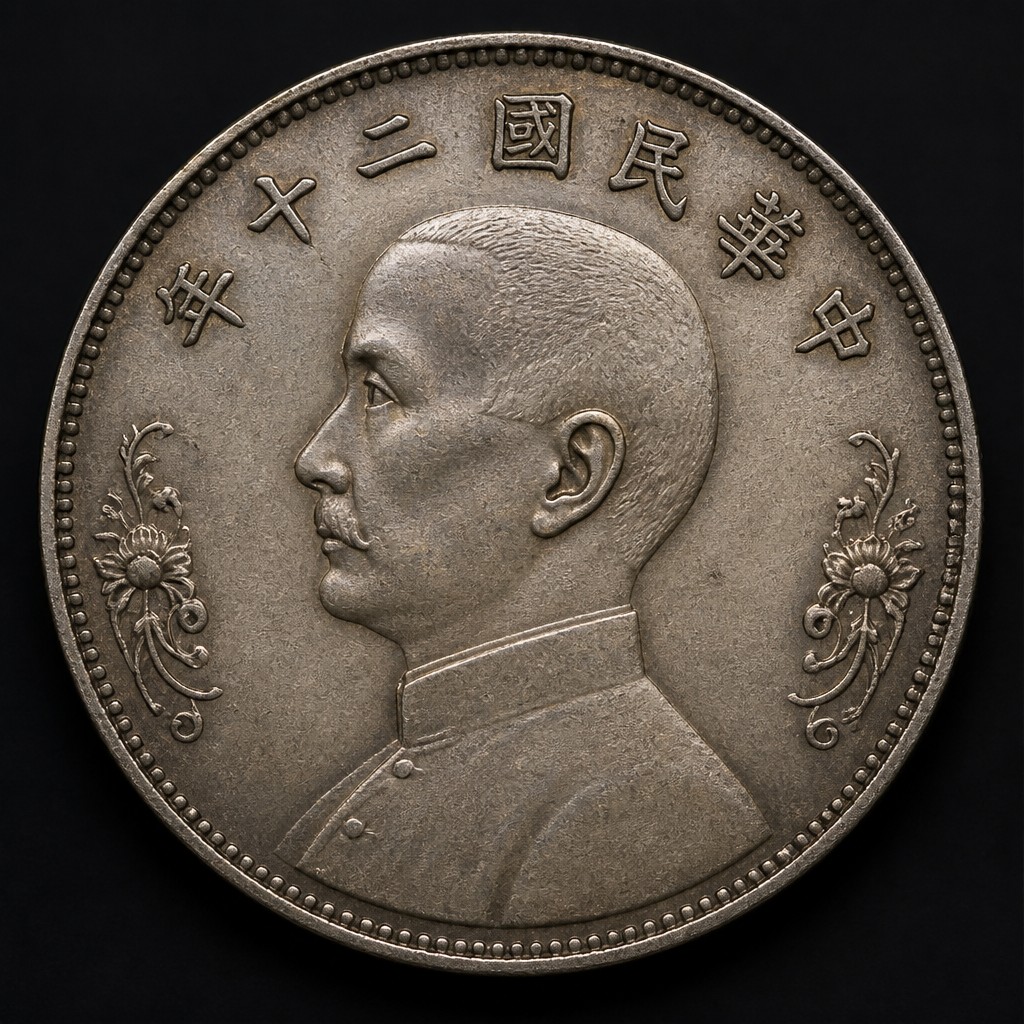
Sun Yat-sen Junk Dollar
A Republic of China silver dollar depicting Sun Yat-sen and a traditional sailing junk, with the scarcer 1934 variety showing three birds overhead that is highly sought by collectors.
- Country
- China (Republic of China)
- Denomination
- 1 Yuan
- Metal
- Silver, approximately .880–.890 fine
Got a coin like this?
Identify any coin from a photo, free.
Overview
The Sun Yat-sen Junk Dollar was issued by the Nationalist government of the Republic of China in the early 1930s, replacing the earlier Yuan Shih-kai portrait dollar as the country's standard silver coin. Its reverse design, a traditional Chinese sailing junk on open water, gave the coin its enduring popular nickname among collectors.
The series is especially notable for its 1934 variety, which added three birds flying above the junk in the sky, a design change that was reportedly made partly for artistic reasons and partly because the birdless design bore an unfortunate resemblance to the Japanese rising sun when viewed a certain way. This variety, along with certain mint combinations, has become one of the most actively studied and collected aspects of Republican Chinese numismatics.
History & Background
By the early 1930s, the Nationalist government sought to modernize China's currency further and to move away from the deceased Yuan Shikai's image as the face of the national coinage. In 1932, a new silver dollar was introduced bearing the portrait of Sun Yat-sen, founding father of the Republic of China, paired with a reverse depicting a junk sailing beneath an open sky, symbolizing China's maritime heritage and hoped-for progress.
The original 1932 design lacked any birds in the sky above the junk. In 1933 and especially 1934, revised dies added a rising sun with rays and, most famously, three birds flying above the ship, resulting in the design most associated with the "Junk Dollar" nickname today. Production of the silver dollar denomination in China wound down later in the 1930s amid currency reforms and the transition to a fiat paper currency system ahead of and during the Second Sino-Japanese War.
How to Identify
The obverse bears a left-facing bust portrait of Sun Yat-sen with a Chinese-character legend naming him and the coin's date according to the Republic of China calendar.
The reverse depicts a traditional Chinese junk under sail on open water; the earliest 1932 dies show no birds, while the 1933 and 1934 dies typically add a sun with rays and, in the most famous variety, three birds flying above the vessel. The denomination appears in Chinese characters, usually near the bottom of the design.
The coin is silver, approximately 39mm in diameter. Collectors distinguish varieties primarily by the presence and number of birds, the style of the sun's rays, and subtle differences in the junk's rigging and hull detail between mint years, with the three-birds 1934 variety being the most celebrated and sought after within the series.
Value & Collectibility
Common dates without birds or with standard designs are widely available and reasonably affordable in circulated grades, making the series accessible to new collectors of Chinese silver.
The 1934 "three birds" variety and certain other date and mint combinations are notably scarcer and can bring significant premiums, particularly in higher uncirculated grades, reflecting strong long-standing demand from collectors of Republican Chinese coinage.
Because this series has an active collector base and a history of contemporary and modern counterfeiting, especially for the rarer bird varieties, buyers are strongly encouraged to seek coins verified by reputable graders or established dealers before paying premium prices.
Frequently asked questions
Why does the coin show a sailing junk?
The junk symbolizes China's maritime tradition and was chosen as a forward-looking national emblem for the new Nationalist-era coinage.
What is the significance of the 'three birds' variety?
It refers to a 1934 die variation showing three birds flying above the junk, which is among the most collected and valuable varieties in the series.
Whose portrait appears on the obverse?
Sun Yat-sen, widely regarded as the founding father of the Republic of China.
Did earlier versions of the coin have birds?
No, the original 1932 design had no birds in the sky; birds were added in later date varieties.
Is this coin still legal tender in China?
No, it was superseded by later currency reforms and paper money and is now collected purely as a historical numismatic item.
Other coins you may enjoy
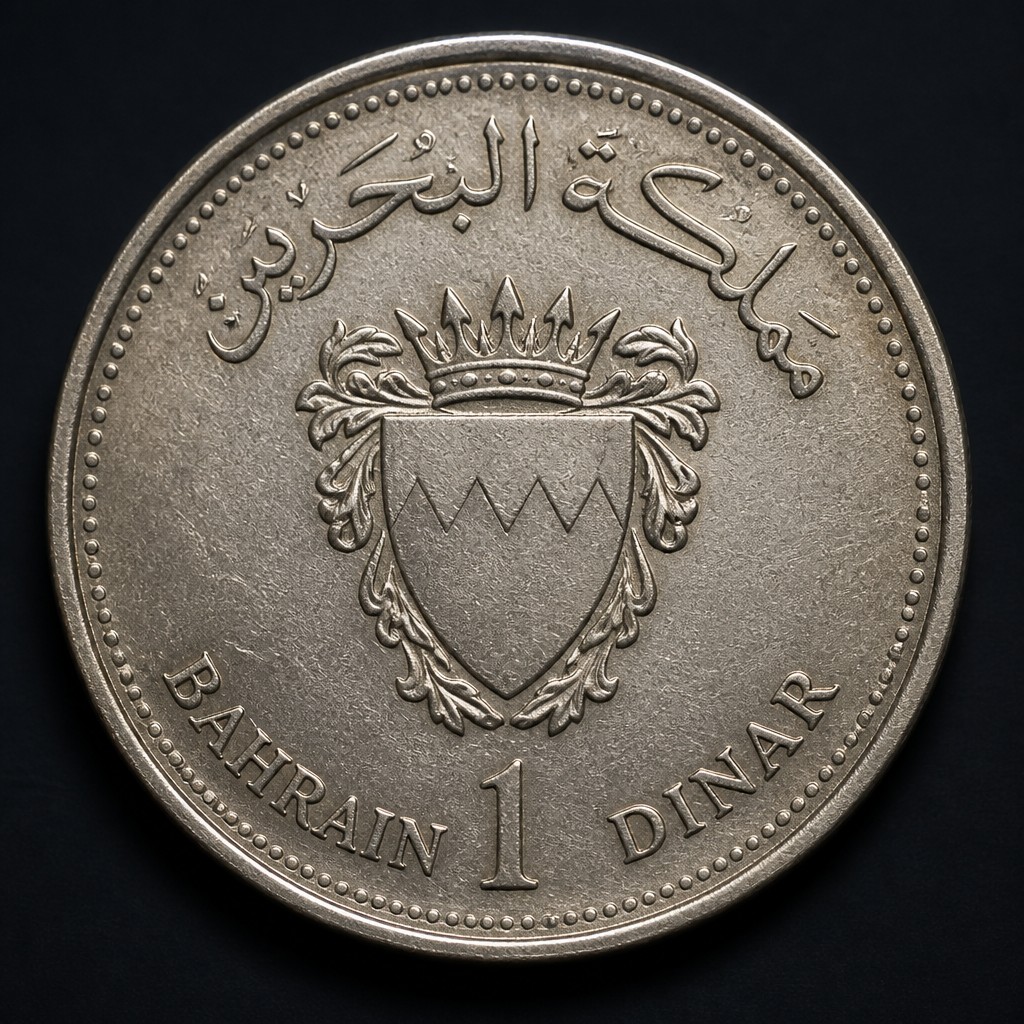
Bahraini Dinar
1965–present
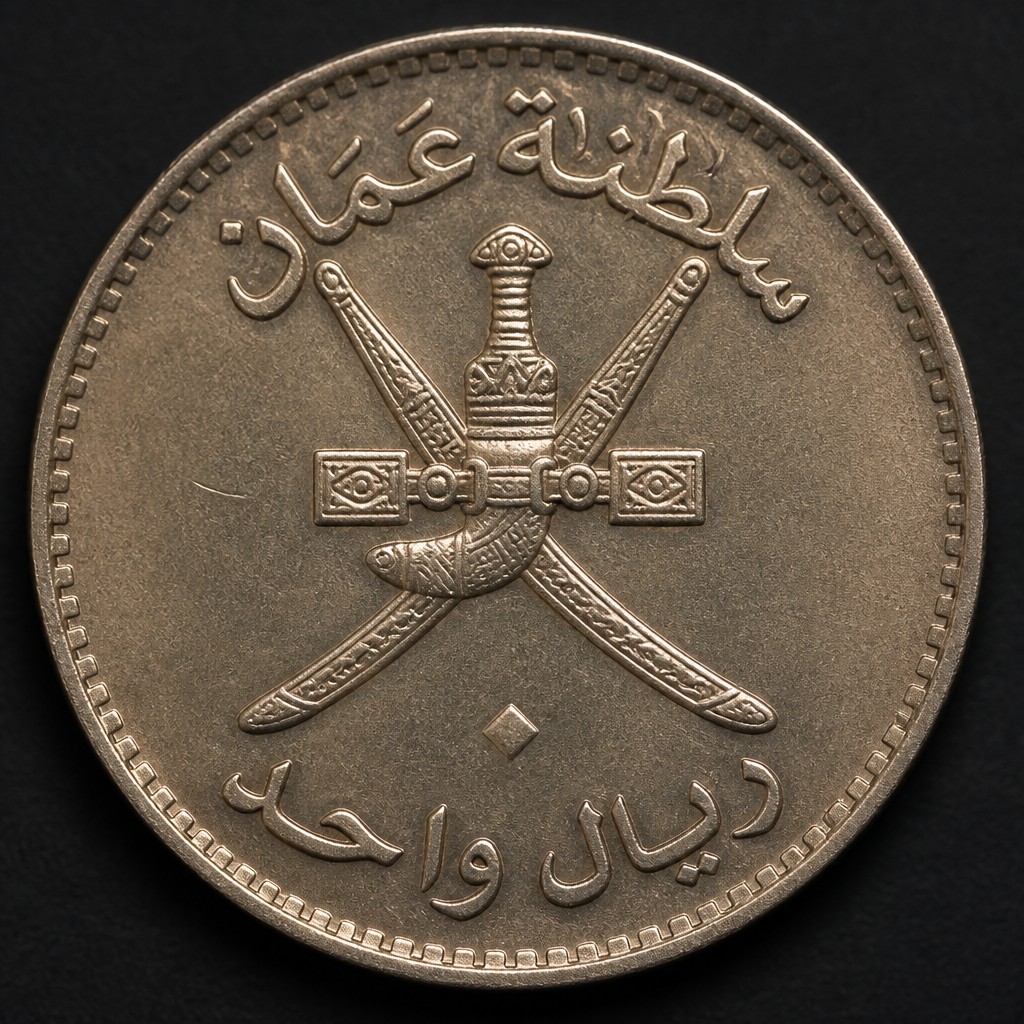
Omani Rial (Baisa Coinage)
1970–present
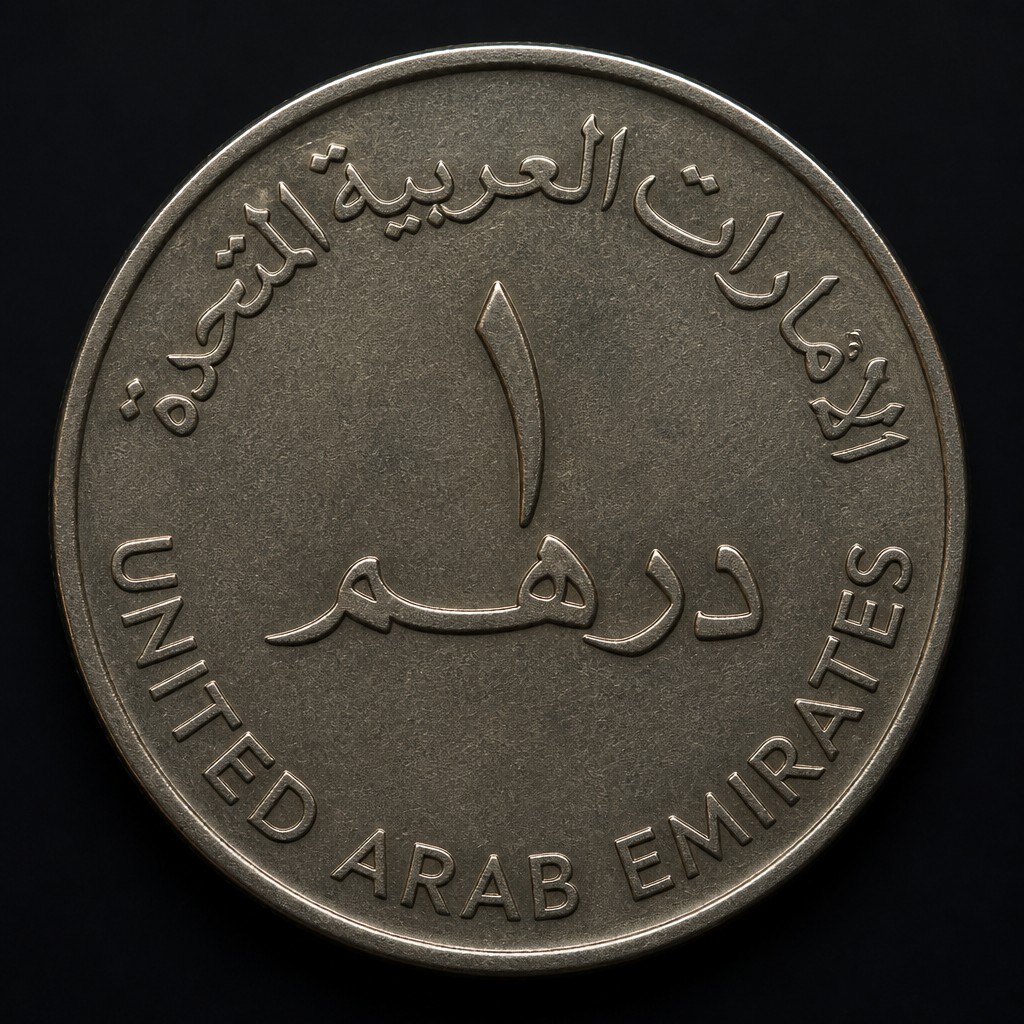
United Arab Emirates Dirham
1973–present
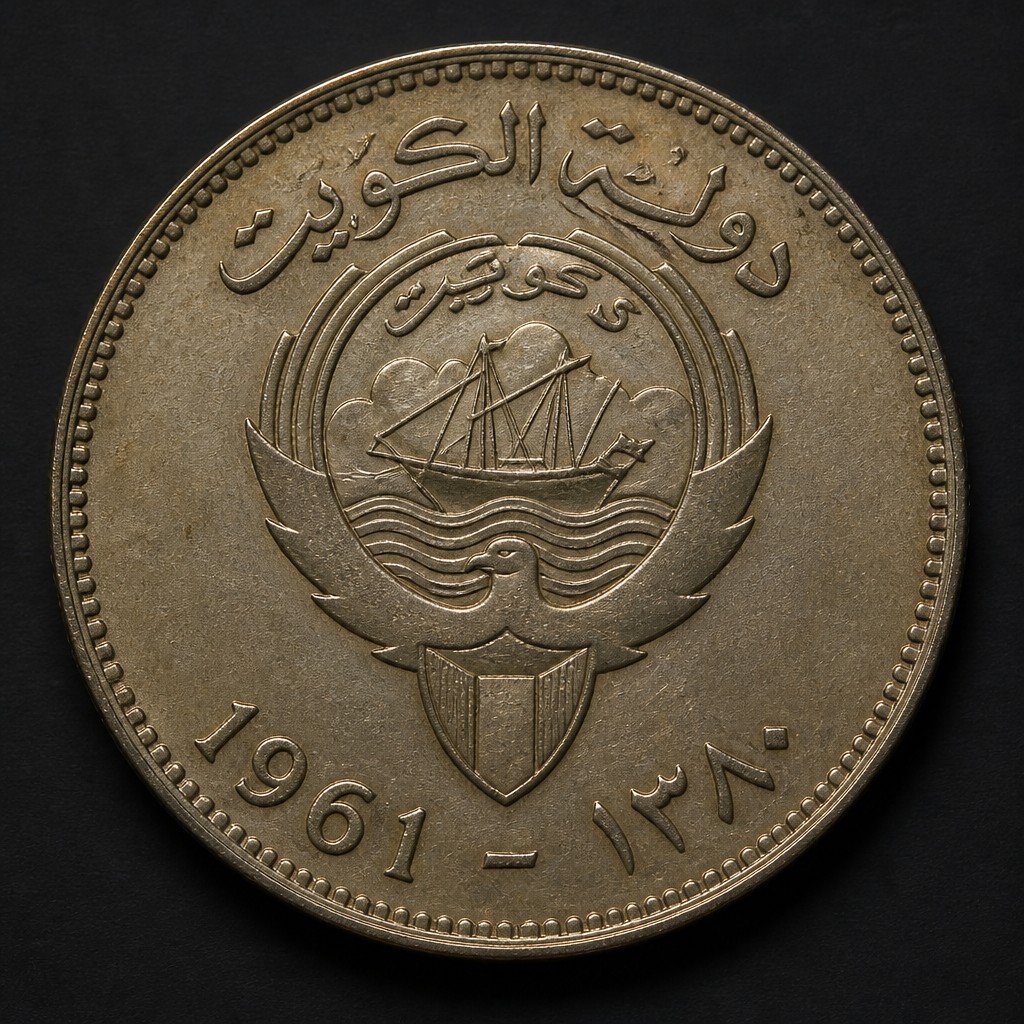
Kuwaiti Fils
1961–present
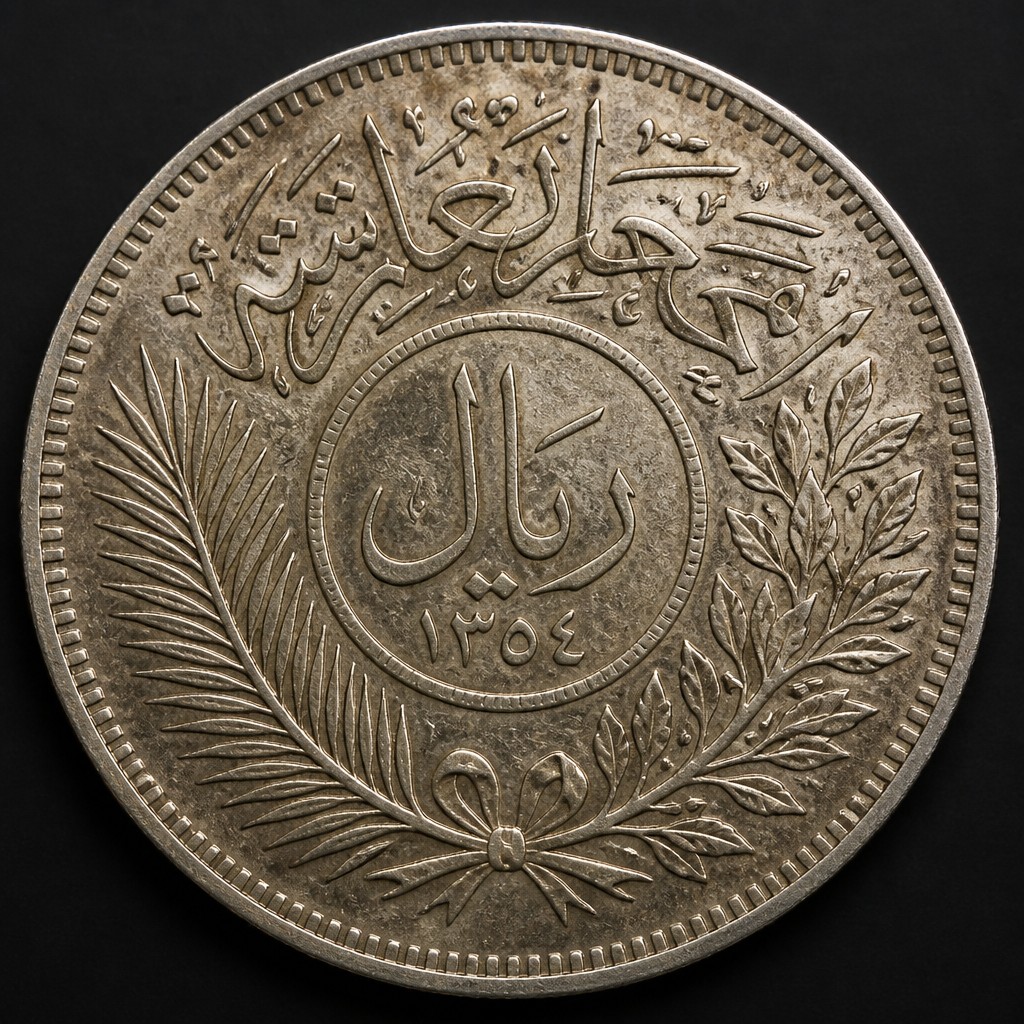
Saudi Arabian Riyal (silver)
1935 (Kingdom-wide standardization) and related issues
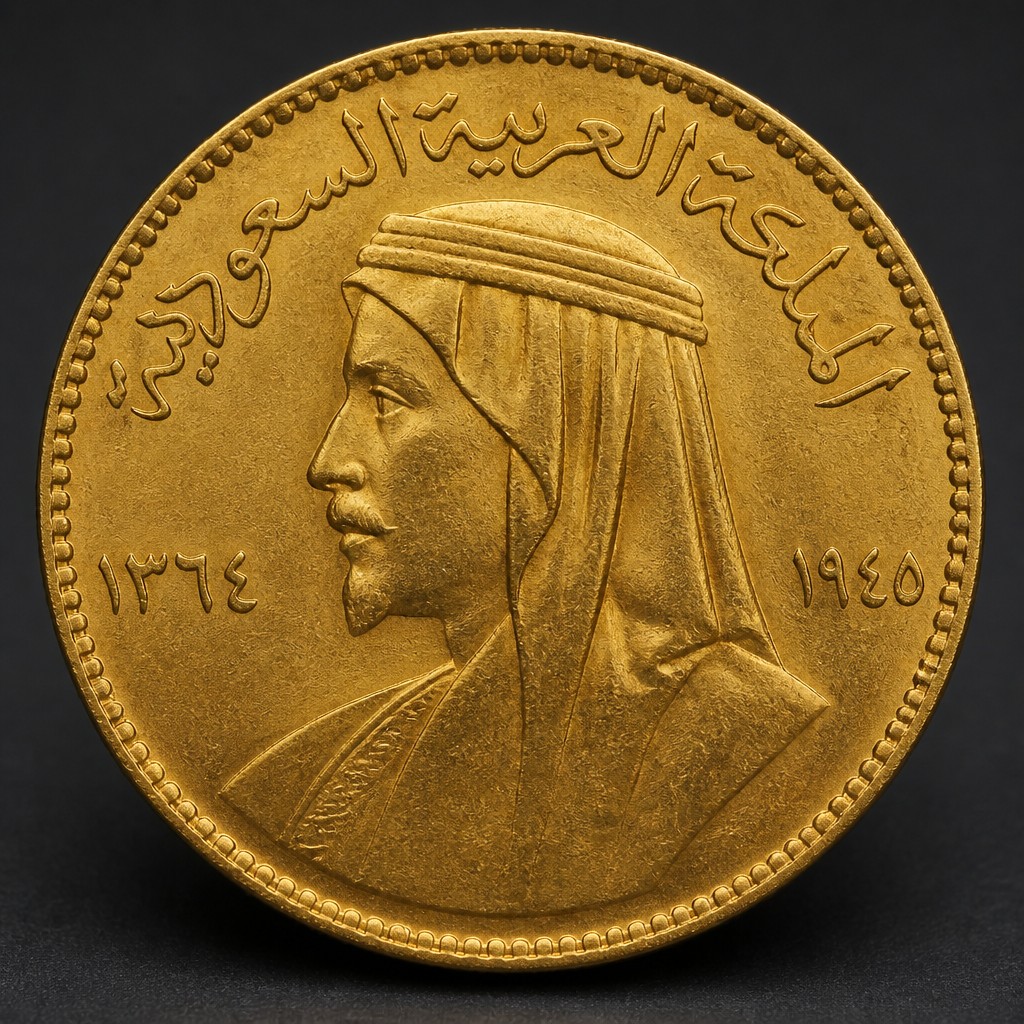
Saudi Arabian Gold Guinea (Sovereign)
1945 and later issues
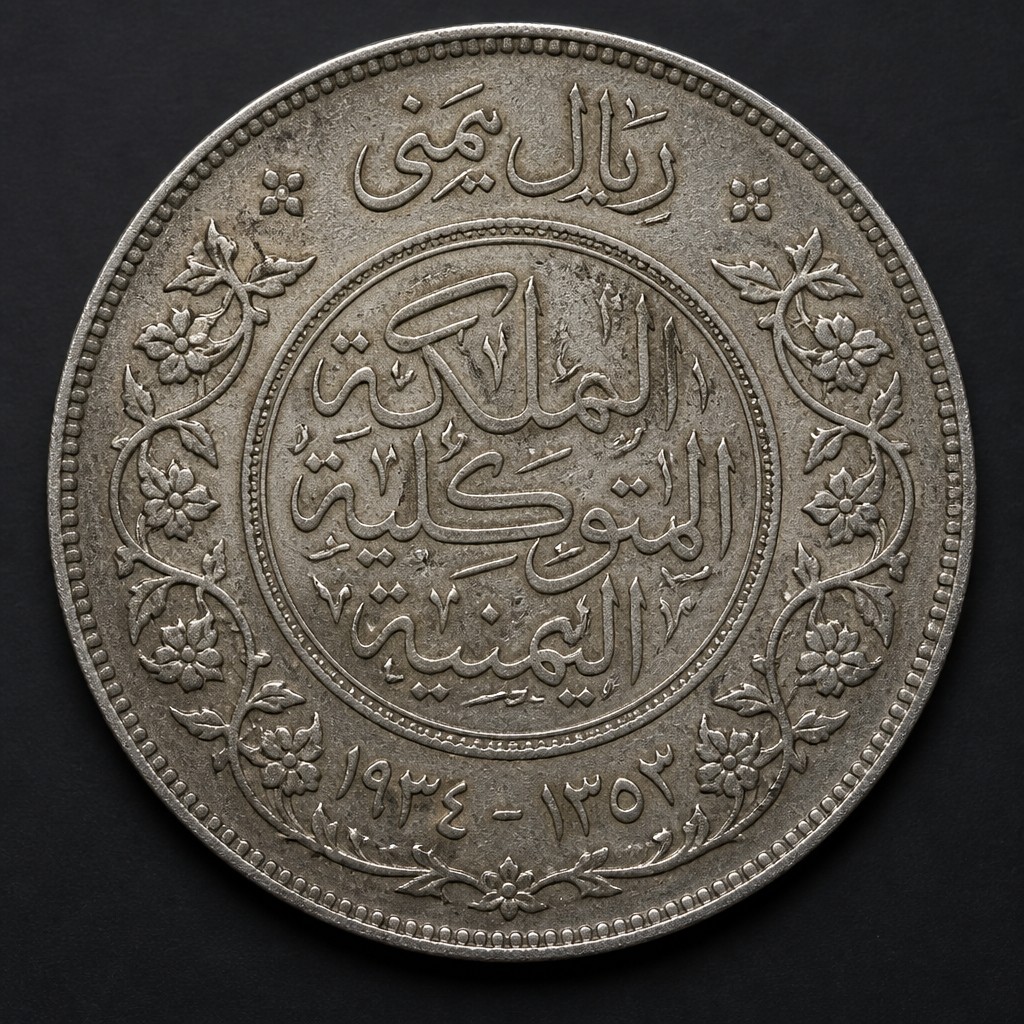
Yemeni Riyal (Ahmadi/Imadi Kingdom Coinage)
Early-to-mid 20th century
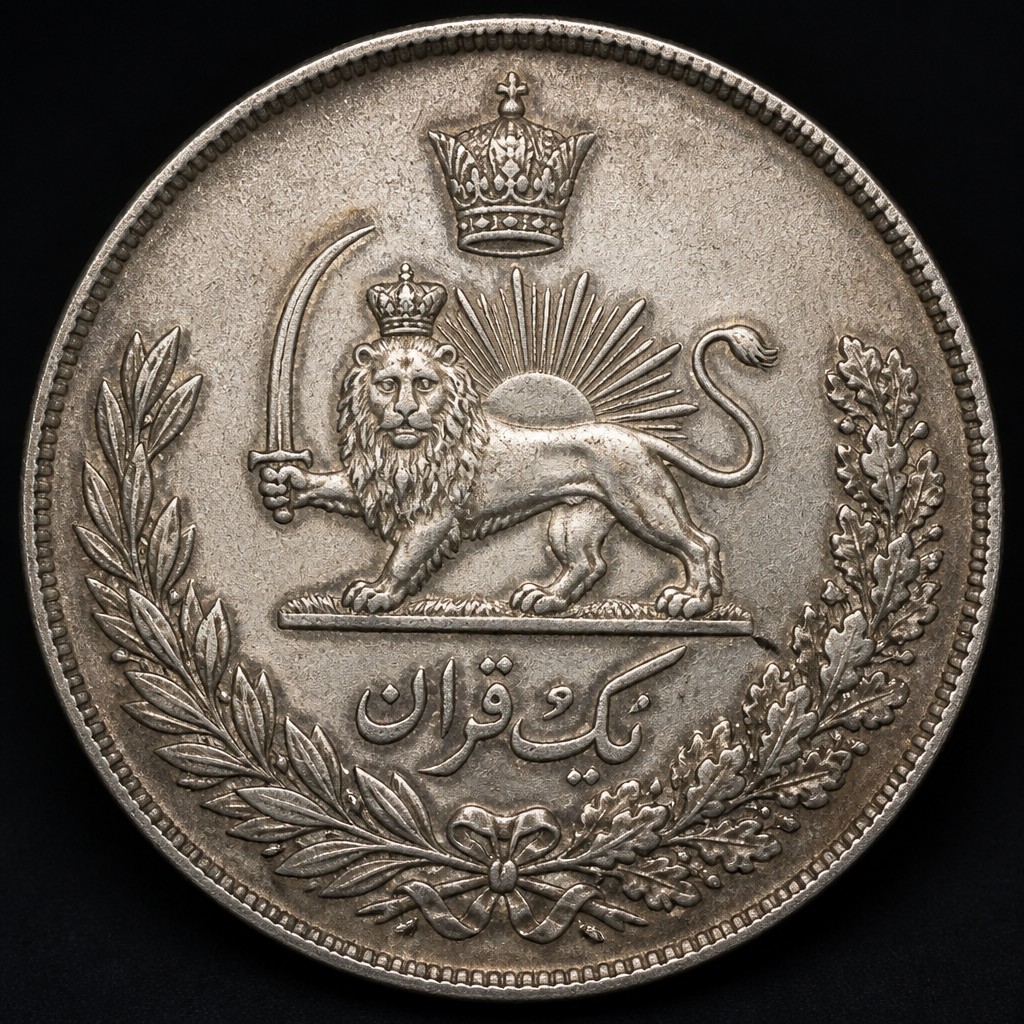
Persian Kran (Qajar silver)
Mid-19th century–1925
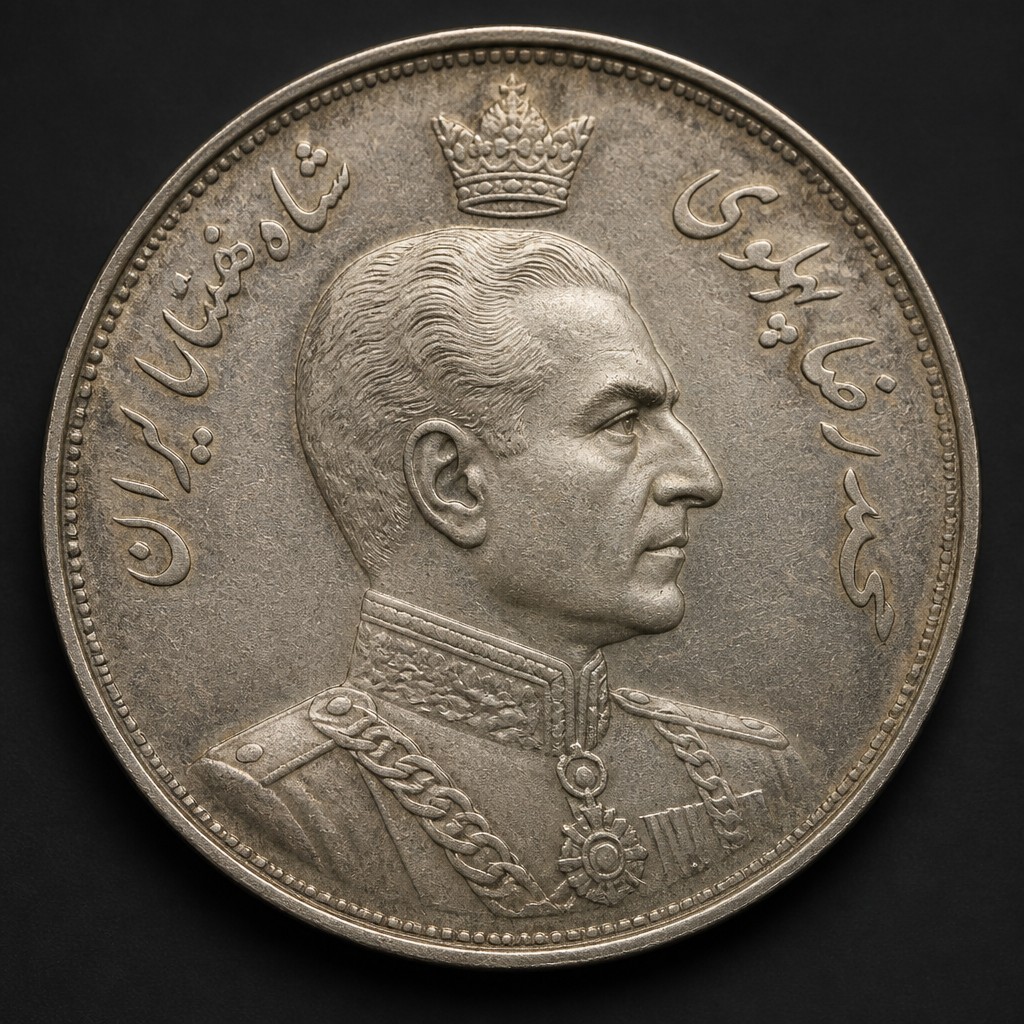
Iranian Rial
1932–present
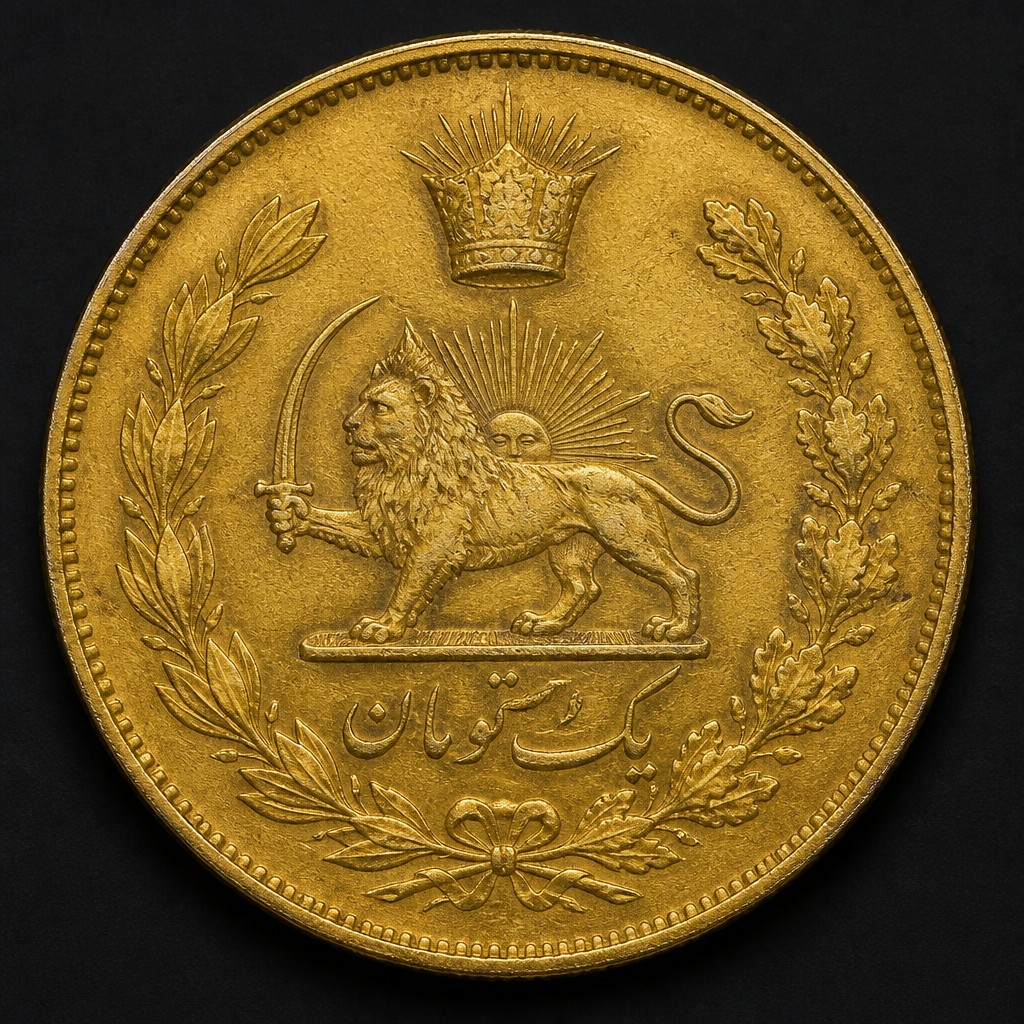
Persian Gold Toman (Qajar)
1796–1925
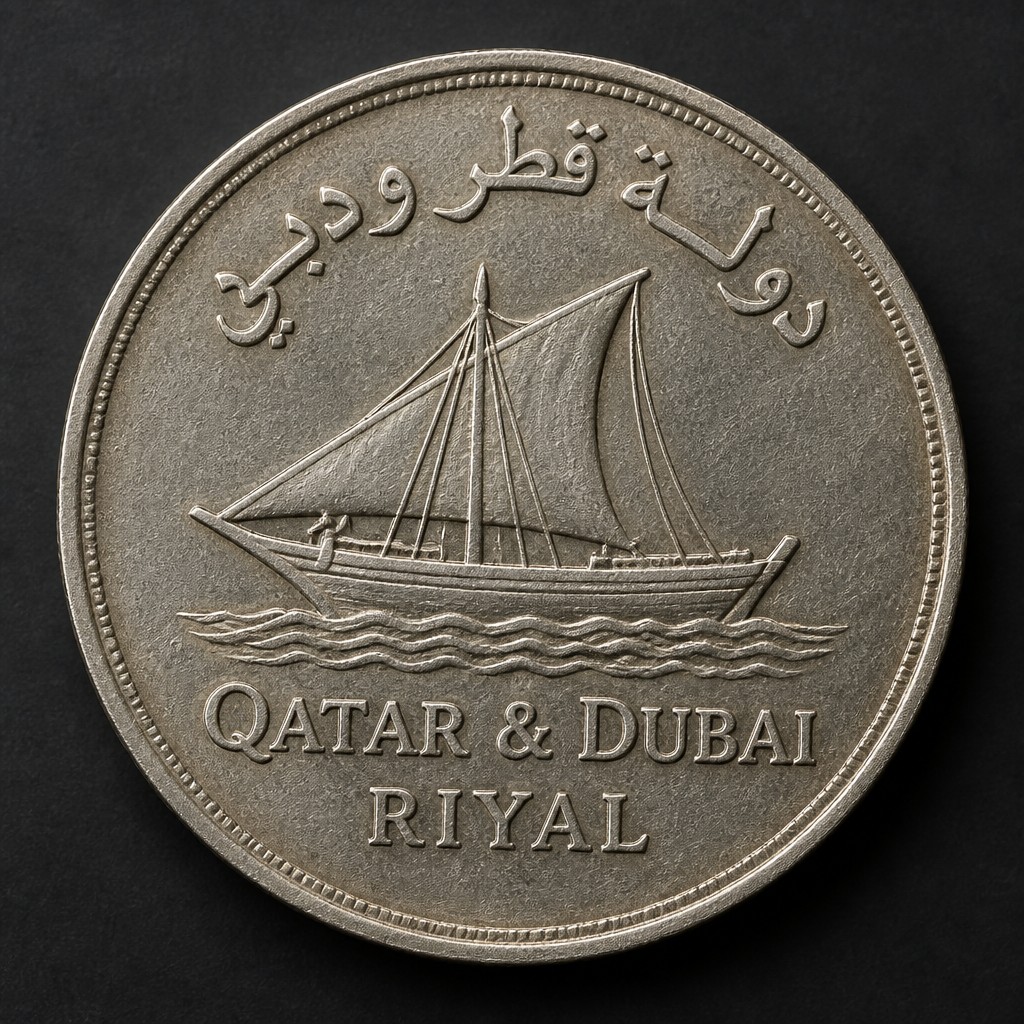
Qatar and Dubai Riyal
1966–1973
British India Rupee (Silver)
1835–1947