
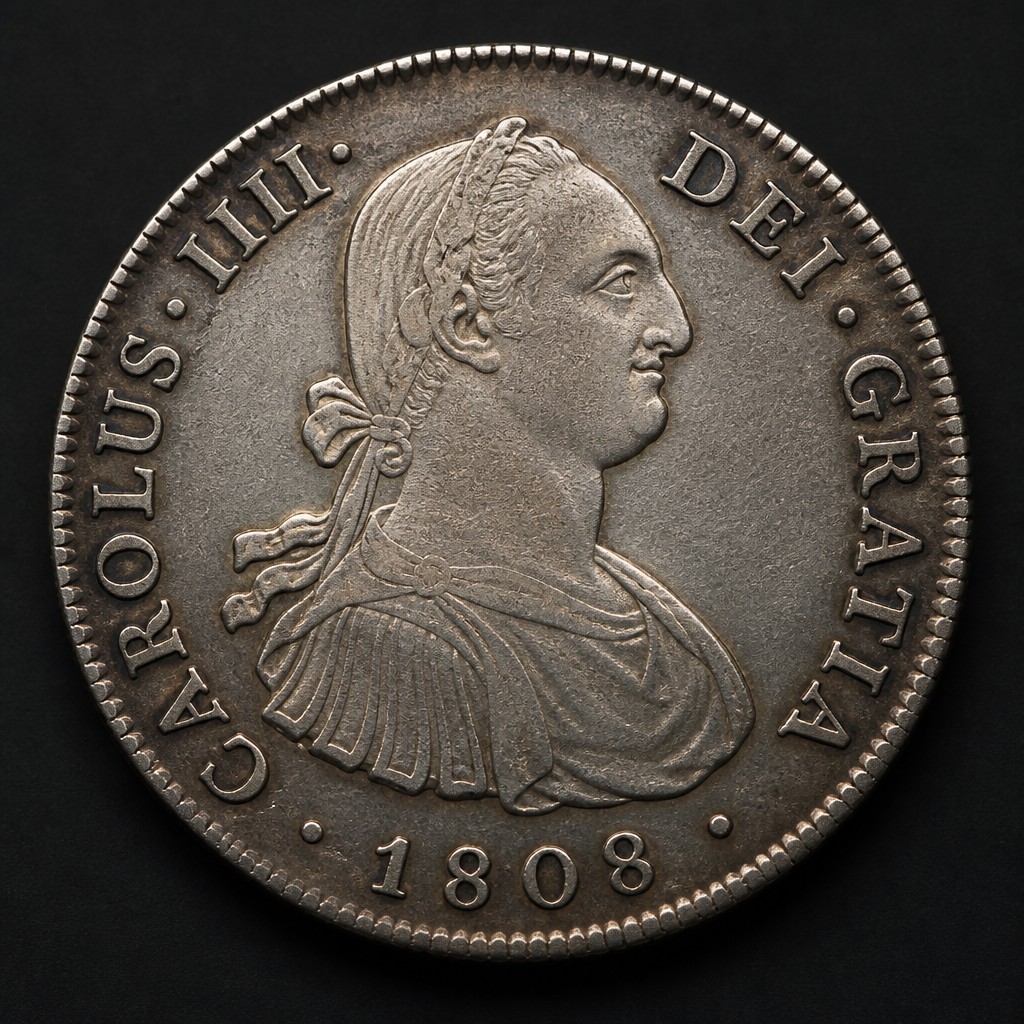
Spanish 8 Reales Portrait Dollar
The globally trusted "Spanish dollar" bearing a king's portrait, minted across Spain's vast colonial empire and so widely circulated it directly inspired the U.S. dollar sign and denomination.
- Country
- Spain (and Spanish colonial mints)
- Denomination
- 8 Reales
- Metal
- Approximately .896-.903 silver
Got a coin like this?
Identify any coin from a photo, free.
Overview
The Spanish 8 Reales Portrait Dollar, often simply called the "Spanish milled dollar" or "piece of eight," succeeded the earlier Pillar type in 1772 when Spain reformed its colonial coinage to feature the reigning monarch's portrait on the obverse. Struck at mints throughout Spain and its vast American colonies, from Mexico City to Potosí (in modern Bolivia) to Lima, the coin became arguably the most internationally circulated currency of the 18th and early 19th centuries.
Its reliable silver content and standardized weight made it the preferred medium of exchange across much of the world, including the fledgling United States, where it circulated legally well into the 19th century and directly influenced the design and value of the early American silver dollar. The familiar "$" dollar sign is widely believed to derive from the Spanish coin's pillars-and-scroll motif carried over from the earlier Pillar dollar design.
Portrait dollars were issued under successive Spanish kings, Charles III, Charles IV, and Ferdinand VII, each bringing subtle stylistic changes, and the type continued to be struck at various colonial mints even as Spain's American empire began fracturing through independence movements in the early 19th century.
History & Background
Spain's American colonies had been producing silver 8 reales coins since the 16th century, first as crude "cob" coinage and later as more refined milled Pillar dollars from 1732 onward. In 1772, King Charles III ordered a design change from the Pillars of Hercules motif to a royal portrait, aligning Spanish colonial coinage stylistically with contemporary European monarchic coinage while retaining the trusted weight and fineness standard.
Coinage continued under Charles IV from 1789 and Ferdinand VII from 1808, with mints across the Spanish Empire, including Mexico City, Lima, Potosí, Santiago, Guatemala City, and Bogotá, each producing portrait dollars with local mintmarks and assayer initials. These coins financed Spain's global trade and became a backbone currency far beyond Spanish territory, accepted in British colonial America, the early United States, and across Asian trade routes.
As Latin American independence movements gained momentum in the 1810s and 1820s, colonial mints gradually broke away from Spanish authority, and portrait dollar production wound down region by region, eventually giving way to the new national coinages of independent Latin American republics, including Mexico's own Cap and Rays 8 reales.
How to Identify
The obverse shows a laureate, armored bust of the reigning Spanish king (Charles III, Charles IV, or Ferdinand VII) facing right, with his name and titles in Latin around the border. The reverse depicts the crowned Spanish royal arms flanked by the Pillars of Hercules draped with a scroll, with mintmark, assayer initials, and denomination "8 R." arranged around the design, along with the date.
The coin is struck in silver of roughly .896-.903 fineness, approximately 39mm in diameter, with a reeded or diagonally-reeded edge depending on mint and period. Mintmarks (Mo for Mexico City, Lima's LM or L, Potosí's P or PTS, and others) alongside assayer initials are critical for identifying the specific mint of origin, since many colonial mints produced portrait dollars simultaneously.
Collectors distinguish the Portrait type from the earlier Pillar dollar by the presence of the king's bust rather than the twin-globes-and-pillars obverse design, and from later independent Latin American coinages by the continued presence of the Spanish royal arms and monarch's portrait. Because so many colonial mints and kings are represented, cross-referencing mintmark, assayer, and date is essential for accurate attribution.
Value & Collectibility
Common-date portrait dollars from major mints like Mexico City in circulated grades are widely available and relatively affordable, reflecting the enormous original mintages spread across the Spanish Empire. Scarcer colonial mints, earlier dates, certain assayer combinations, and higher-grade or well-struck examples can command substantially higher prices, and coins from politically turbulent transitional years, such as insurgent or royalist emergency issues during independence wars, carry added historical premium.
Because these coins circulated so heavily worldwide, well-preserved, lightly worn, or mint-state examples are proportionally much scarcer and more valuable than typical circulated survivors, which often show significant wear, chop marks, or old cleaning from centuries of handling. As always, mint, date, condition, and specific variety, rather than the type as a whole, drive most of the value.
Frequently asked questions
Why is this coin sometimes called a "piece of eight"?
Because it was valued at 8 reales, the coin was commonly nicknamed a "piece of eight" in English-speaking trade, especially in pirate-era folklore and colonial commerce.
How does the Portrait dollar differ from the earlier Pillar dollar?
The Portrait dollar (from 1772) shows the king's bust on the obverse, replacing the earlier Pillar dollar's twin-globes-and-pillars design.
Did this coin circulate in the early United States?
Yes, Spanish dollars were legal tender in the U.S. into the 19th century and directly influenced the value and design of the early American silver dollar.
What mints produced this coin?
Mints across the Spanish Empire, including Mexico City, Lima, Potosí, Santiago, Guatemala City, and Bogotá, along with mints in Spain itself.
Are all Portrait dollars rare?
No, common dates from major colonial mints in worn condition are fairly affordable; rarity depends heavily on specific mint, date, and condition.
Other coins you may enjoy
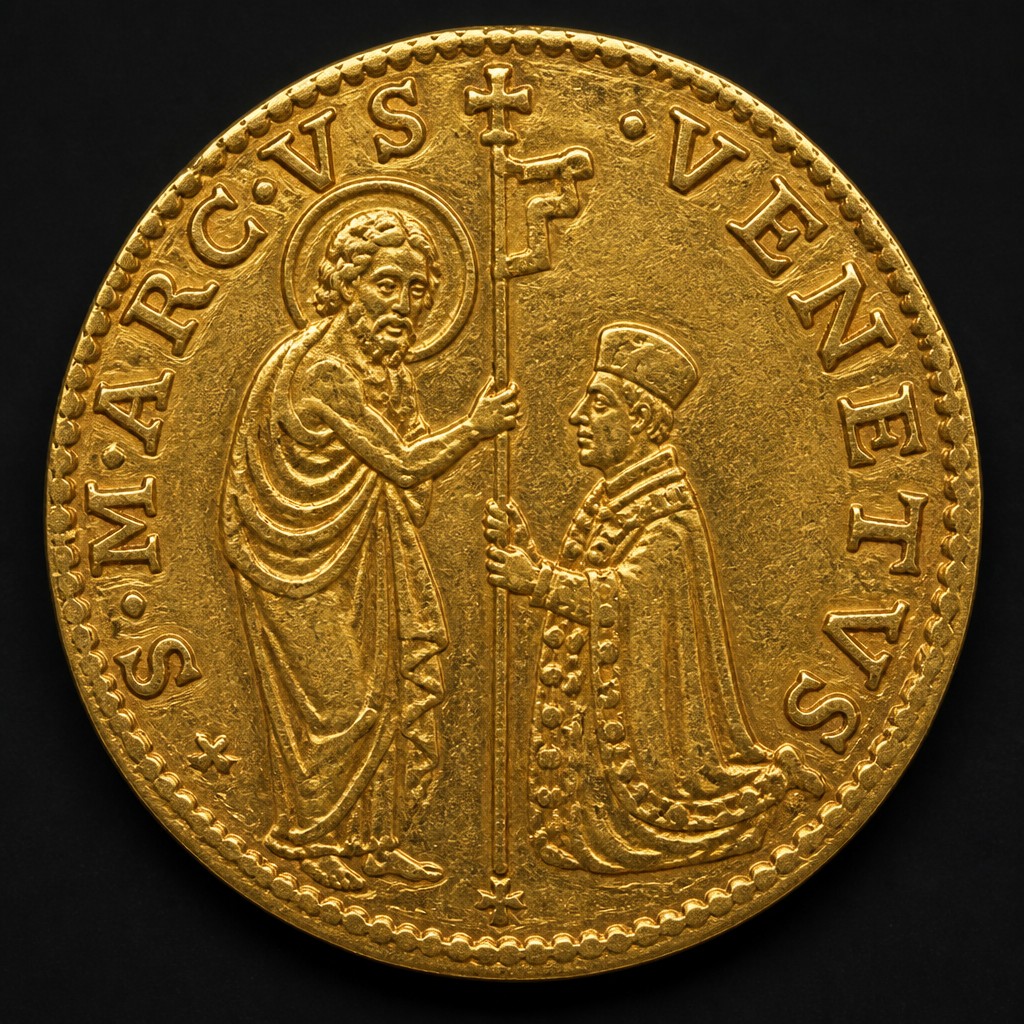
Venetian Ducat
1284–1797
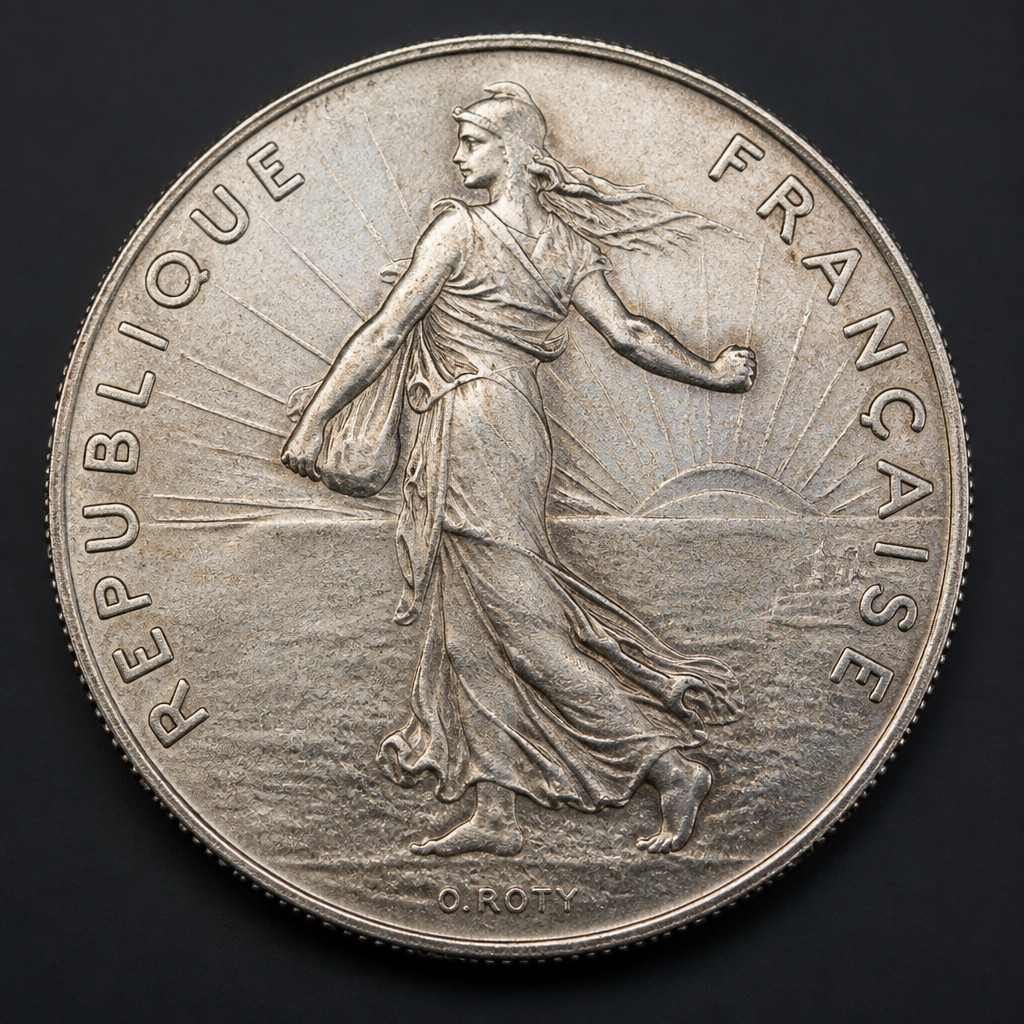
French 100 Francs Silver
1980s–2001 (pre-euro era)
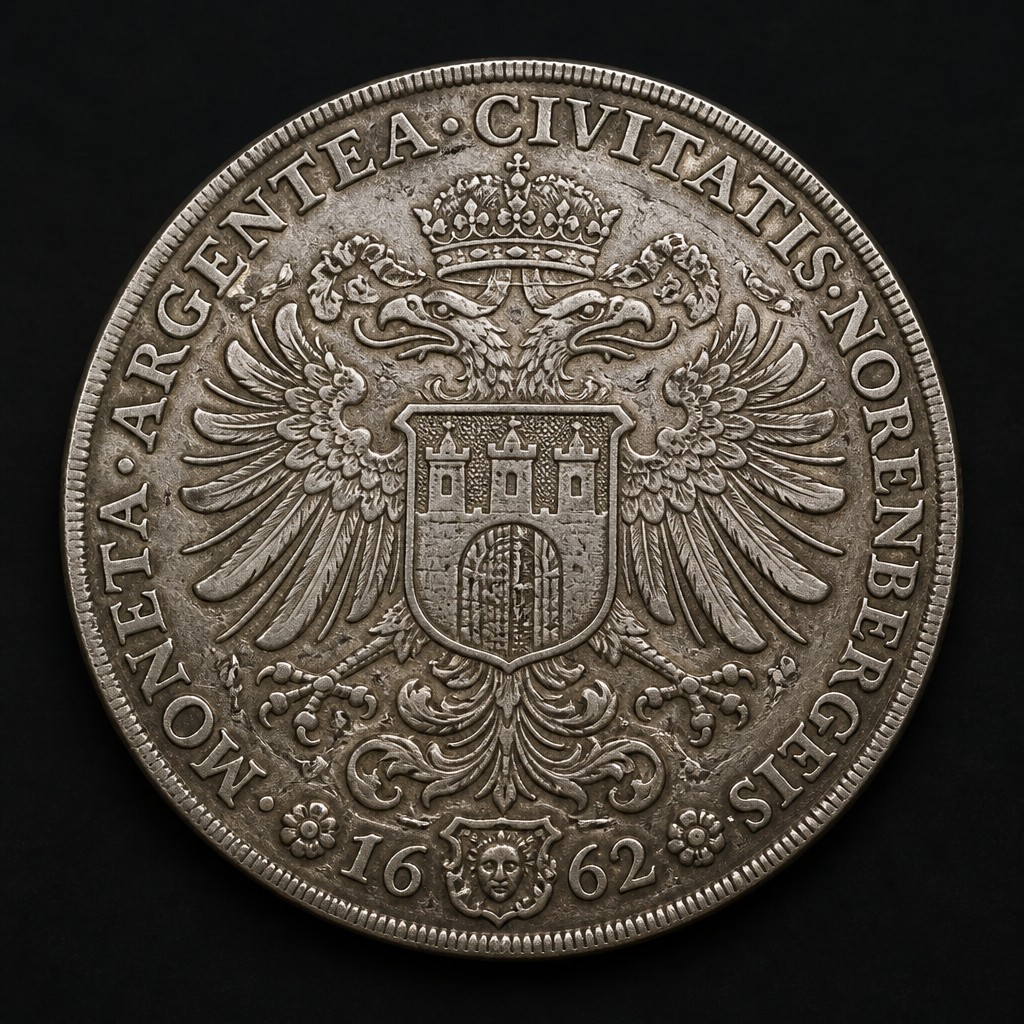
Nuremberg Thaler
16th–18th century
Saxon Speciestaler
17th–19th century
Belgian 5 Francs
1832–1876 (large silver type); later reduced-size and later-metal issues into the 20th century
Hamburg Thaler
17th century–1871
Bremen Thaler
17th century–1871
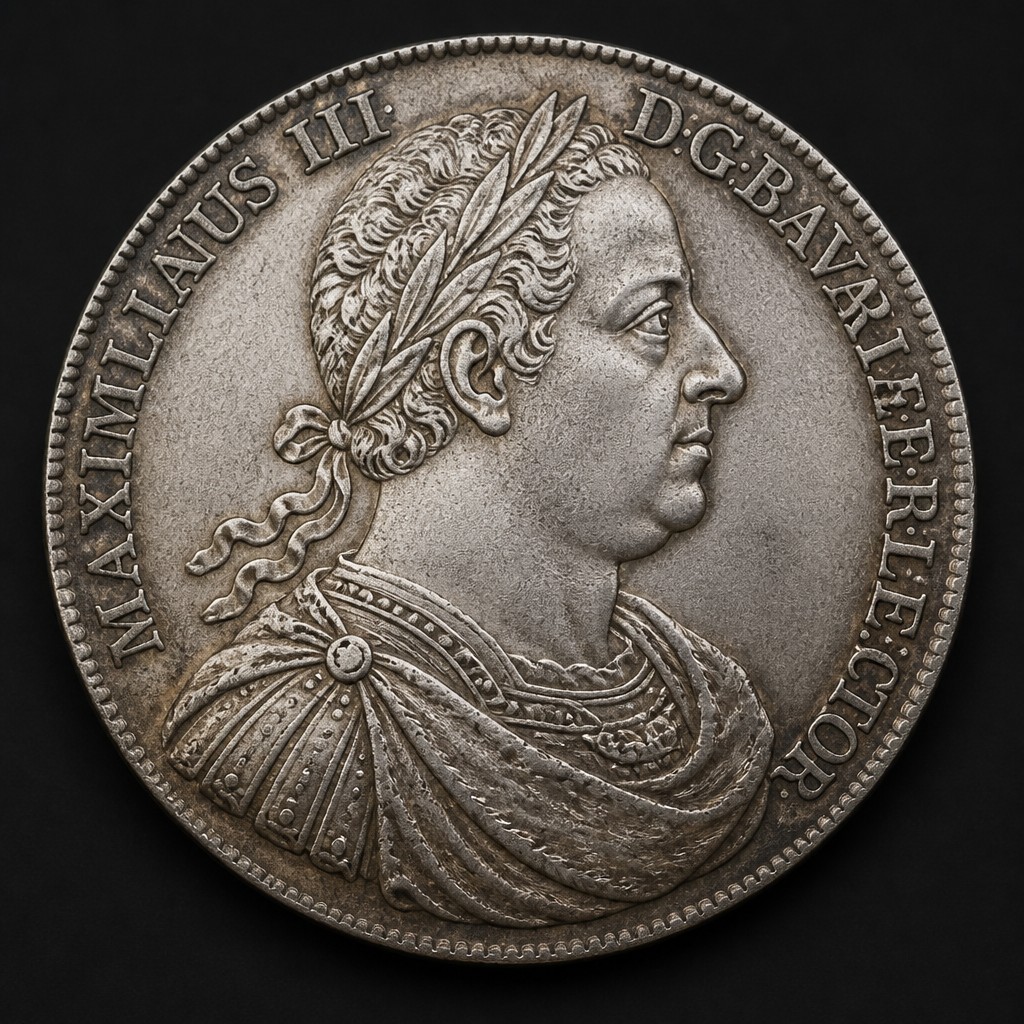
Bavaria Thaler
Circa 1620s-1871
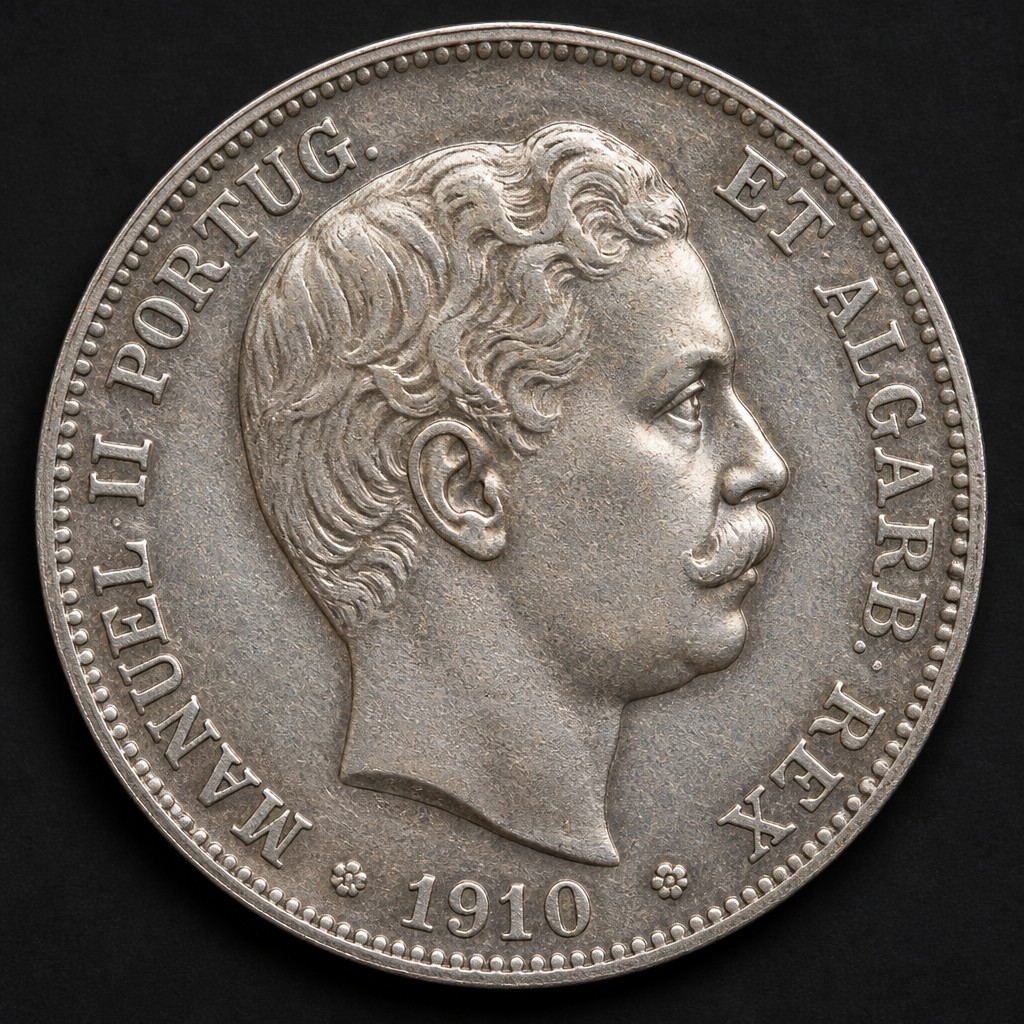
Portuguese 1000 Reis
19th century–1910 (Kingdom period)
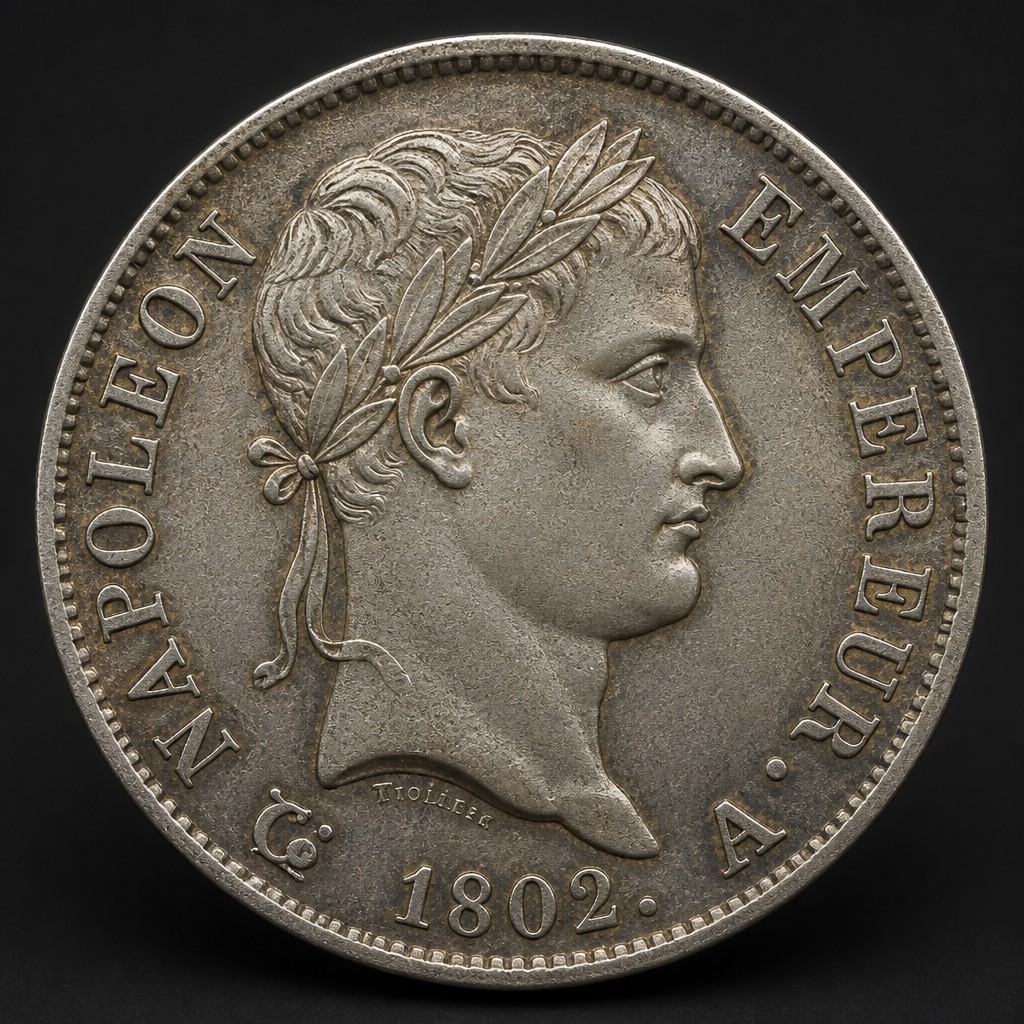
French 5 Francs "Napoleon"
1802–1815
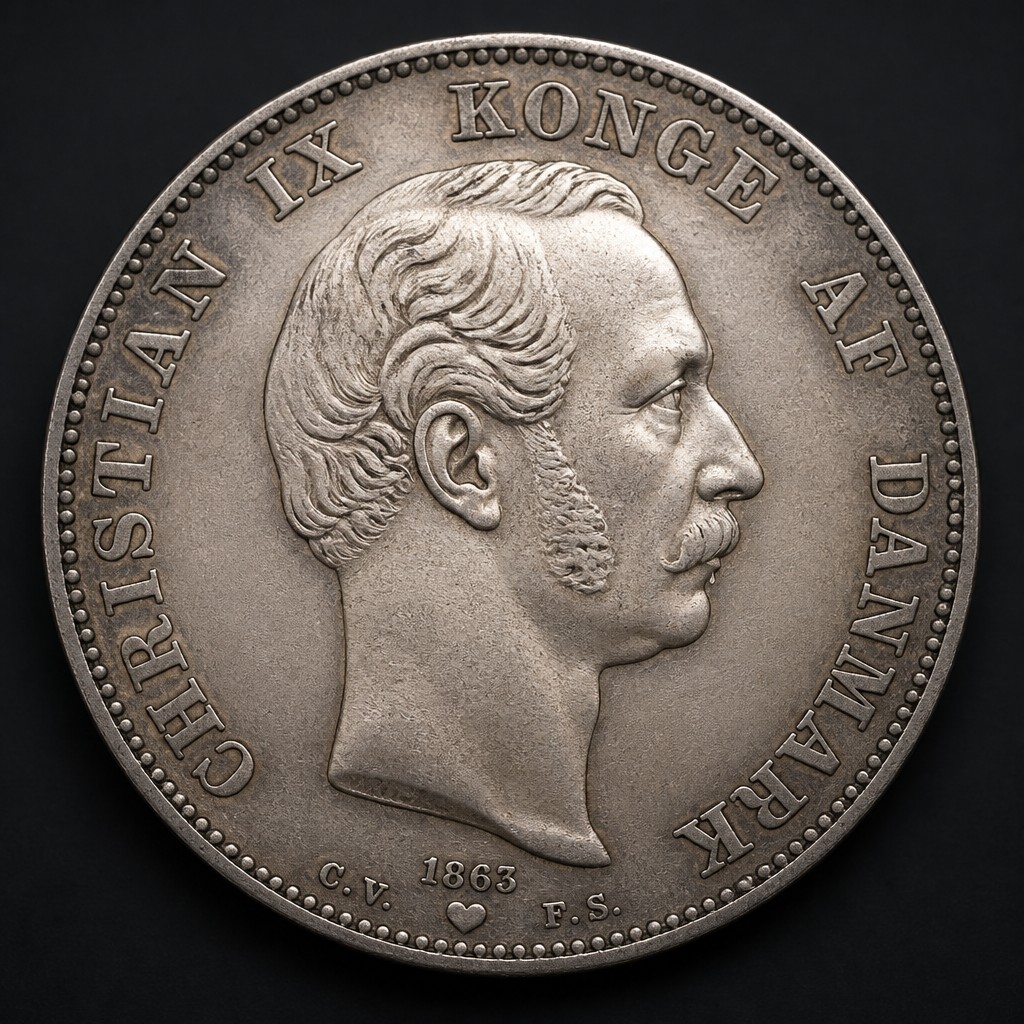
Danish 2 Rigsdaler
19th century (until 1873 currency reform)
Dutch Lion Daalder (Leeuwendaalder)
c. 1575–1713