
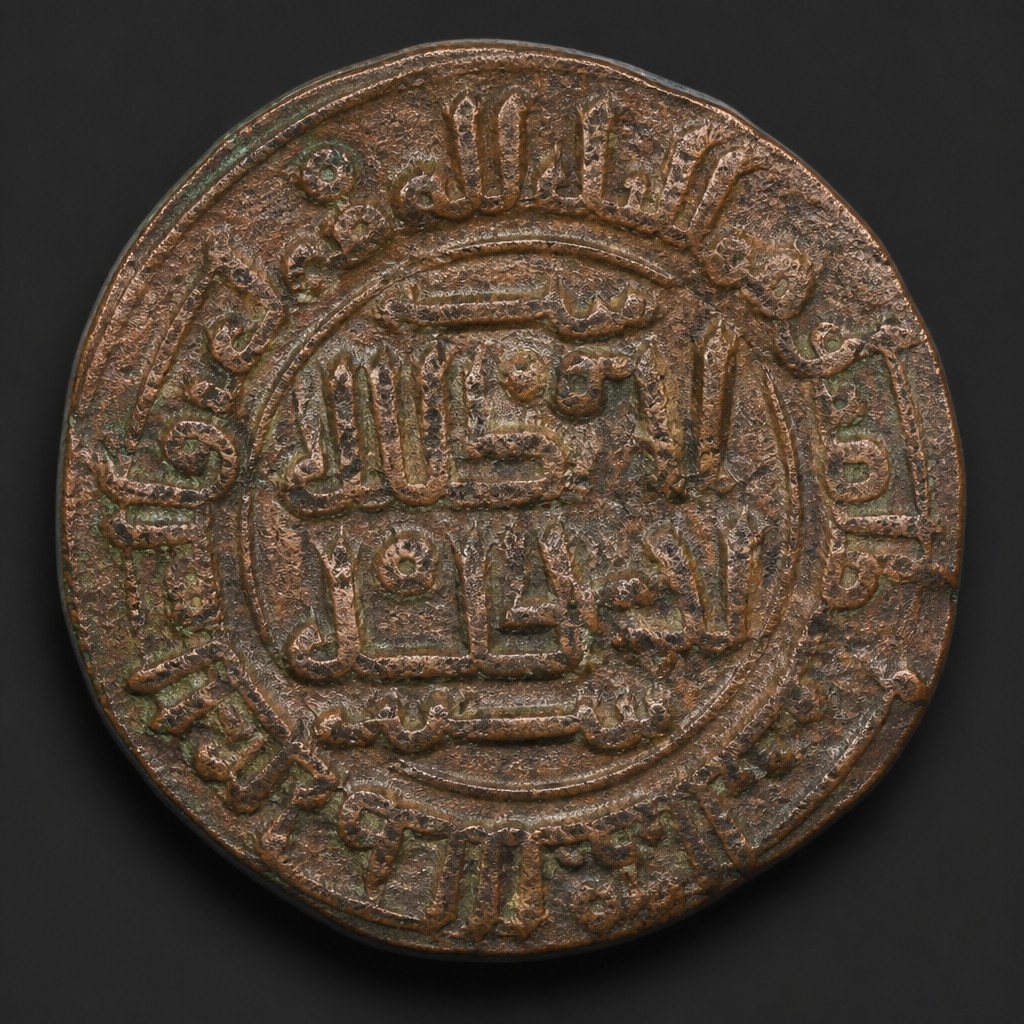
Seljuk Copper Fals
Base-metal copper coin of everyday commerce in the Seljuk Turkish world, notable for unusually rich figural imagery such as lions, suns, and double-headed eagles.
- Country
- Seljuk Empire and Seljuk Sultanate of Rum
- Denomination
- Fals
- Metal
- Copper
Got a coin like this?
Identify any coin from a photo, free.
Overview
The fals was the everyday small-change coin of the Seljuk Turkish states, used for ordinary market transactions in contrast to the gold dinar and silver dirham reserved for larger trade and taxation. Seljuk copper coinage was struck across the vast territories controlled by the Great Seljuk Empire and its regional successor states, most famously the Seljuk Sultanate of Rum in Anatolia (modern Turkey).
What makes Seljuk fulus especially notable among Islamic coinages is their embrace of figural imagery, including lions, suns, double-headed eagles, and human busts, motifs generally avoided or minimized on Islamic gold and silver coinage due to religious conventions against representational art. This artistic openness reflects the blending of Persian, Byzantine, and Central Asian Turkic cultural influences within the Seljuk world.
The coinage provides valuable insight into medieval Anatolian and Persian art, politics, and the relationship between Seljuk sultans and the nominal overlordship of the Abbasid Caliphate, which is often acknowledged in the coin's Arabic legends even as local rulers exercised real authority.
History & Background
The Seljuks, a dynasty of Oghuz Turkic origin, rose to power in the eleventh century, eventually controlling a vast empire stretching from Central Asia through Persia and into Anatolia and the Levant. As the empire fragmented into regional sultanates, the Seljuk Sultanate of Rum, established in Anatolia following the Battle of Manzikert in 1071, became a particularly important and long-lasting successor state, flourishing culturally through the twelfth and thirteenth centuries.
While gold dinars and silver dirhams generally followed more conservative, text-focused Islamic numismatic conventions, the base-metal fals, used for local and everyday transactions, offered mint officials greater artistic freedom, resulting in the rich figural imagery that characterizes much of the Seljuk of Rum copper coinage in particular.
Seljuk power in Anatolia gradually declined due to Mongol invasions in the mid-thirteenth century, which reduced the Sultanate of Rum to a vassal state and eventually led to its fragmentation into smaller Anatolian beyliks, one of which, the Ottomans, would rise to found a much larger empire.
How to Identify
Seljuk fulus display an unusually wide range of designs compared to other Islamic coinages of the era. Common motifs include a striding or seated lion, sometimes combined with a sun or star symbol (interpreted by some scholars as astrological or dynastic imagery), a double-headed eagle (an image with roots in ancient Near Eastern and Byzantine art later adopted symbolically by various dynasties), and human or animal busts reminiscent of Byzantine and Sassanid artistic traditions.
Legends are typically in Arabic, written in Kufic or later Naskh script, and usually include the name and titles of the ruling Seljuk sultan along with an acknowledgment of the Abbasid caliph as nominal spiritual overlord, reflecting the political structure of the wider Islamic world at the time.
The coins are made of copper (occasionally bronze), vary considerably in size and weight since they were produced at numerous regional mints including Konya, Sivas, and Kayseri, and generally show a somewhat crude, hand-struck fabric typical of base-metal issues intended for everyday local circulation rather than international trade.
Value & Collectibility
Seljuk copper fulus are generally among the more affordable Islamic coins available to collectors, since large quantities were struck for everyday use across a broad geographic area over roughly two centuries. Common lion or eagle types in worn condition are often quite inexpensive, typically well under a hundred dollars, while sharply struck, well-centered examples with clear figural imagery command notably higher premiums.
Rarity and value increase substantially for coins bearing unusual or rare figural types, coins securely attributed to specific named sultans, and pieces in exceptional condition where the imagery and Arabic legend are both fully legible.
Collectors of Islamic and medieval Near Eastern coinage particularly prize the figural Seljuk of Rum types for their artistic and cultural significance, often paying a premium over plainer, purely epigraphic Islamic copper coinage of the same era.
Frequently asked questions
What was a fals used for?
It was a base-metal copper coin used for everyday local market transactions, as opposed to gold dinars and silver dirhams used for larger trade.
Why do Seljuk coins show animals and human figures?
Unlike gold and silver Islamic coinage, base-metal copper fulus were less bound by conventions against figural imagery, allowing mint officials to include lions, eagles, and busts influenced by Persian and Byzantine art.
What does the double-headed eagle symbolize on these coins?
Its exact meaning is debated by scholars, but it likely carried dynastic or symbolic significance drawn from earlier Near Eastern and Byzantine artistic traditions.
Which script appears in the legends?
Legends are in Arabic, typically written in Kufic or later Naskh script, naming the sultan and often acknowledging the Abbasid caliph.
Where were Seljuk fulus minted?
Major mint cities included Konya, Sivas, and Kayseri in Anatolia, along with various cities across the wider Seljuk Persian territories.
Other coins you may enjoy
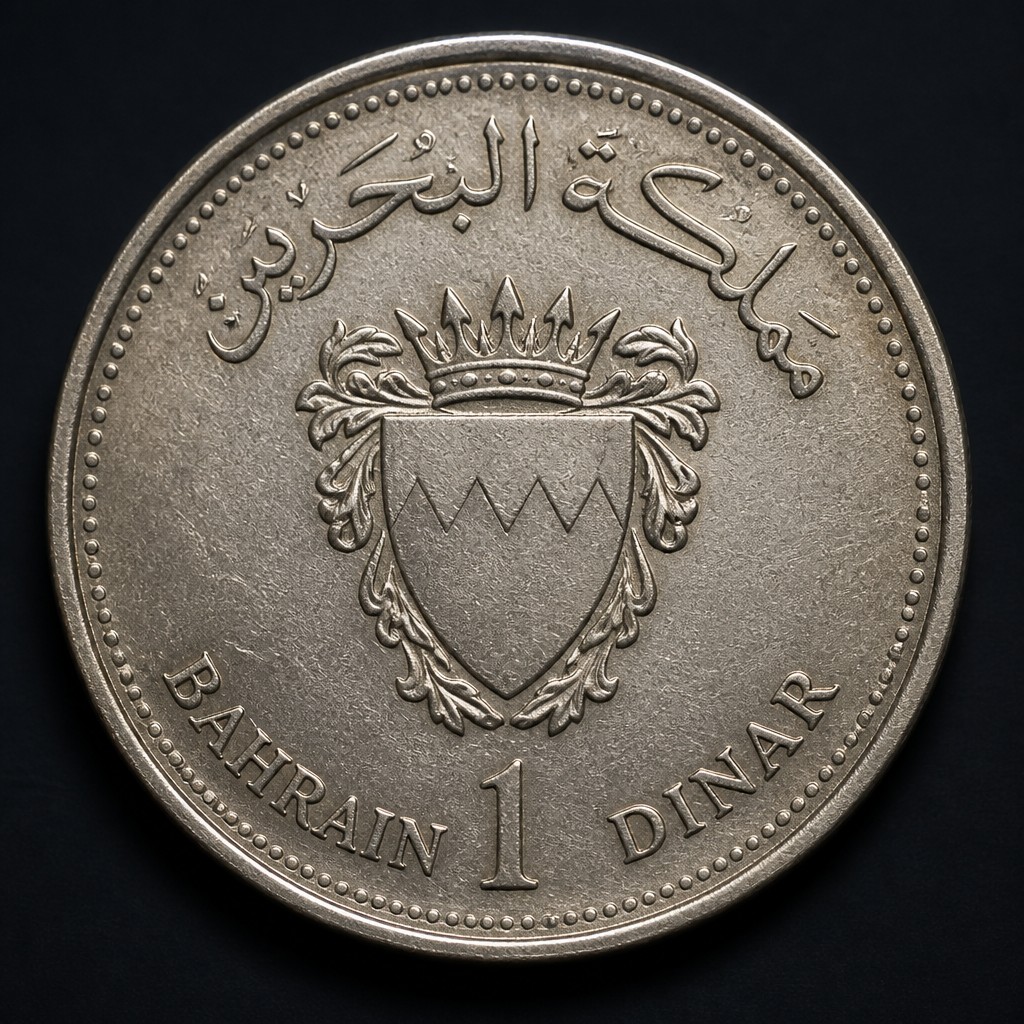
Bahraini Dinar
1965–present
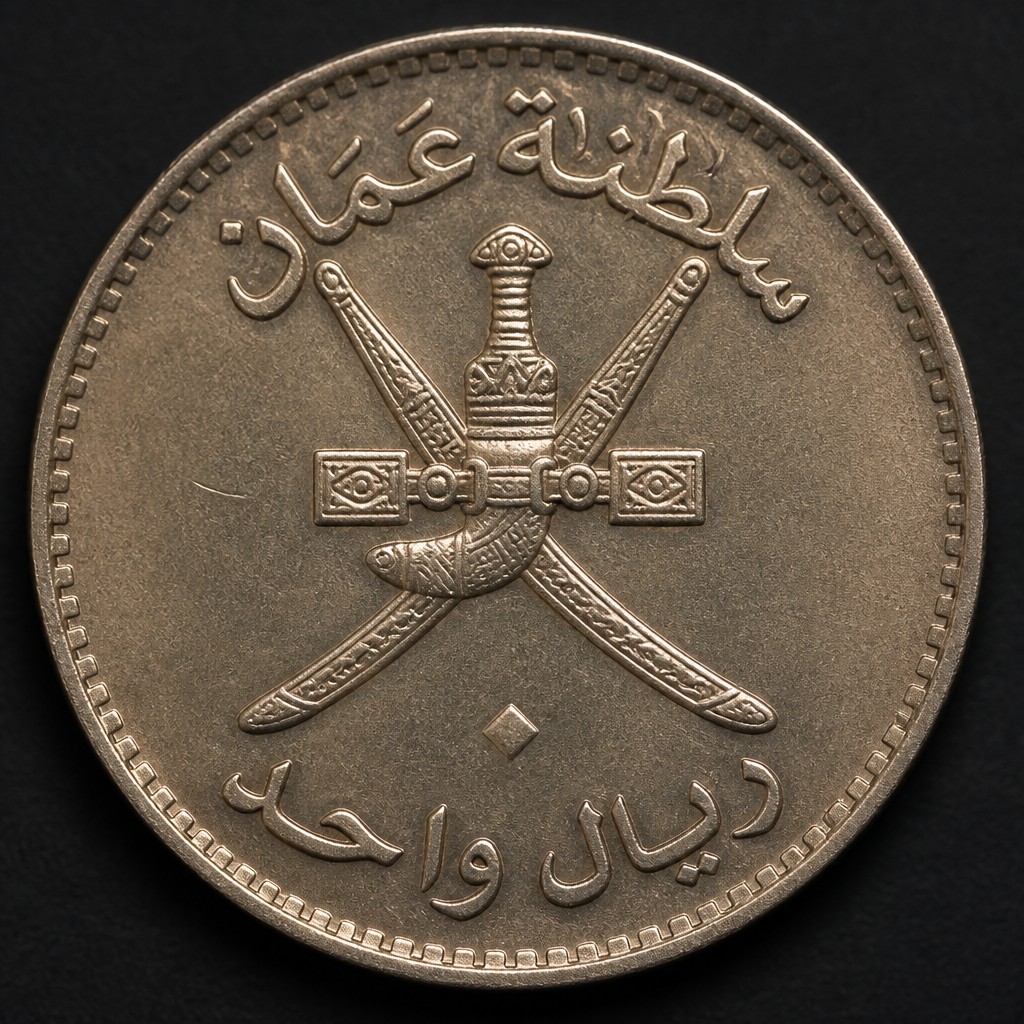
Omani Rial (Baisa Coinage)
1970–present
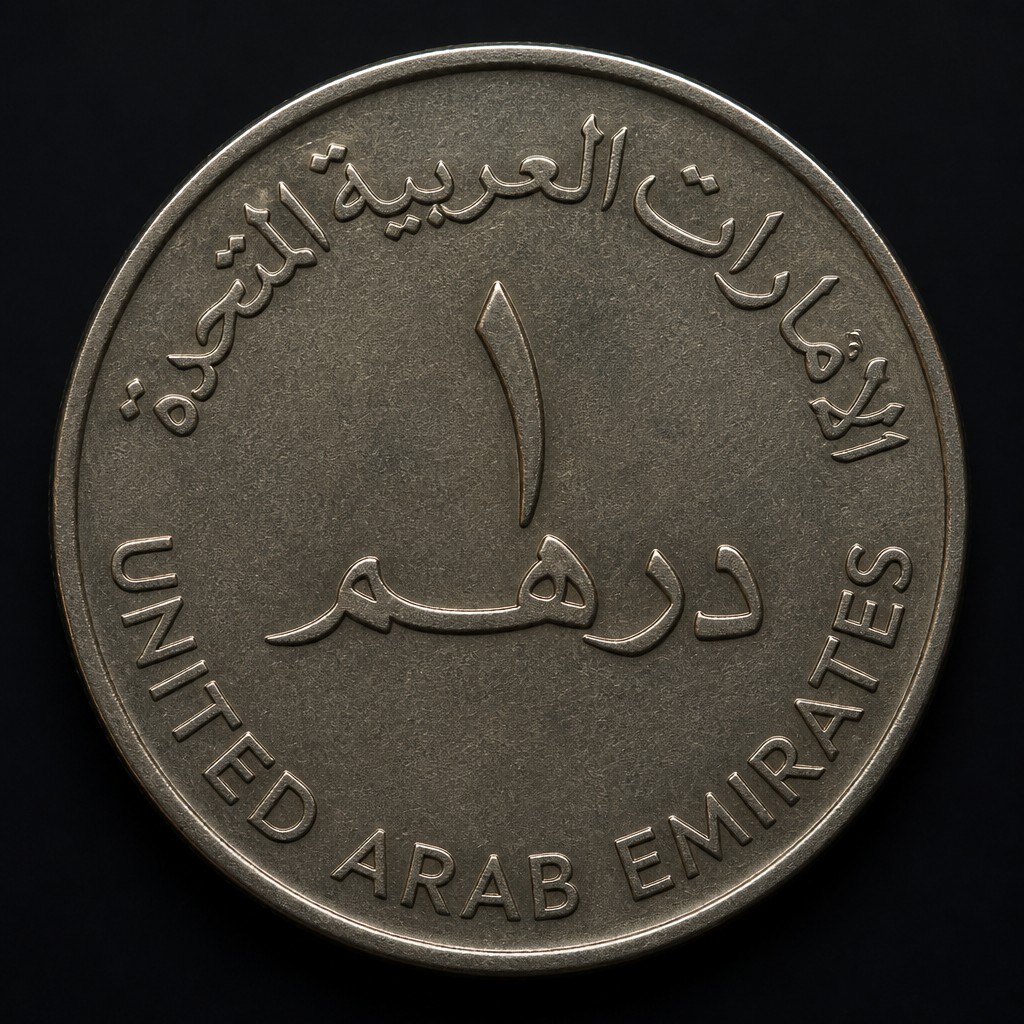
United Arab Emirates Dirham
1973–present
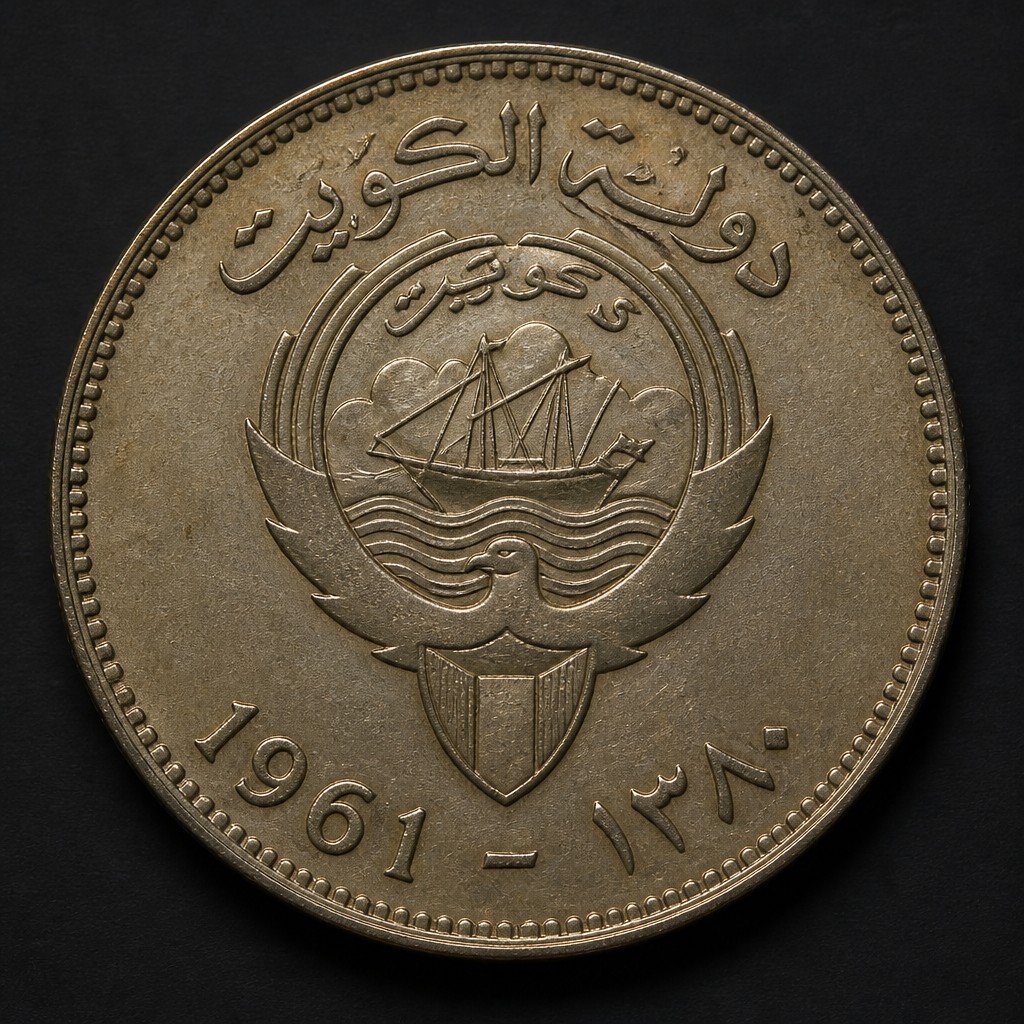
Kuwaiti Fils
1961–present
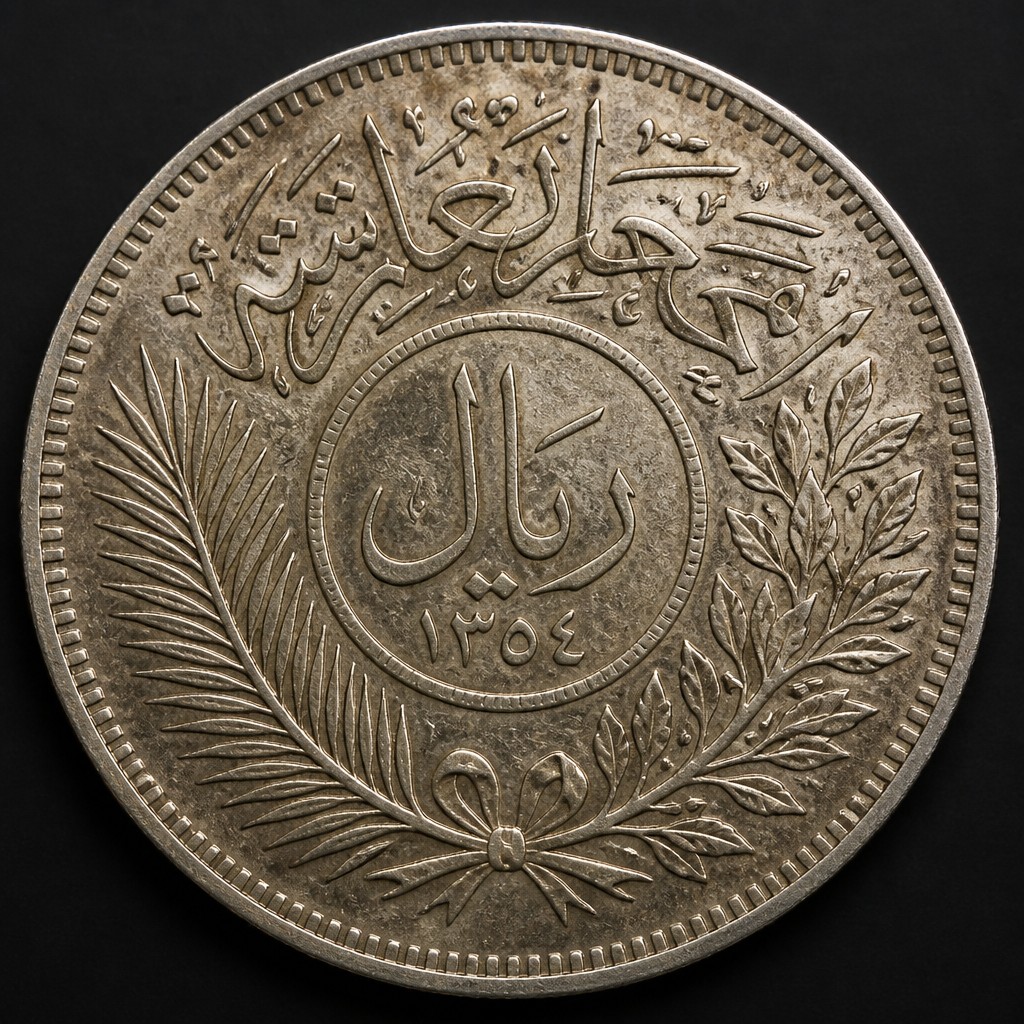
Saudi Arabian Riyal (silver)
1935 (Kingdom-wide standardization) and related issues
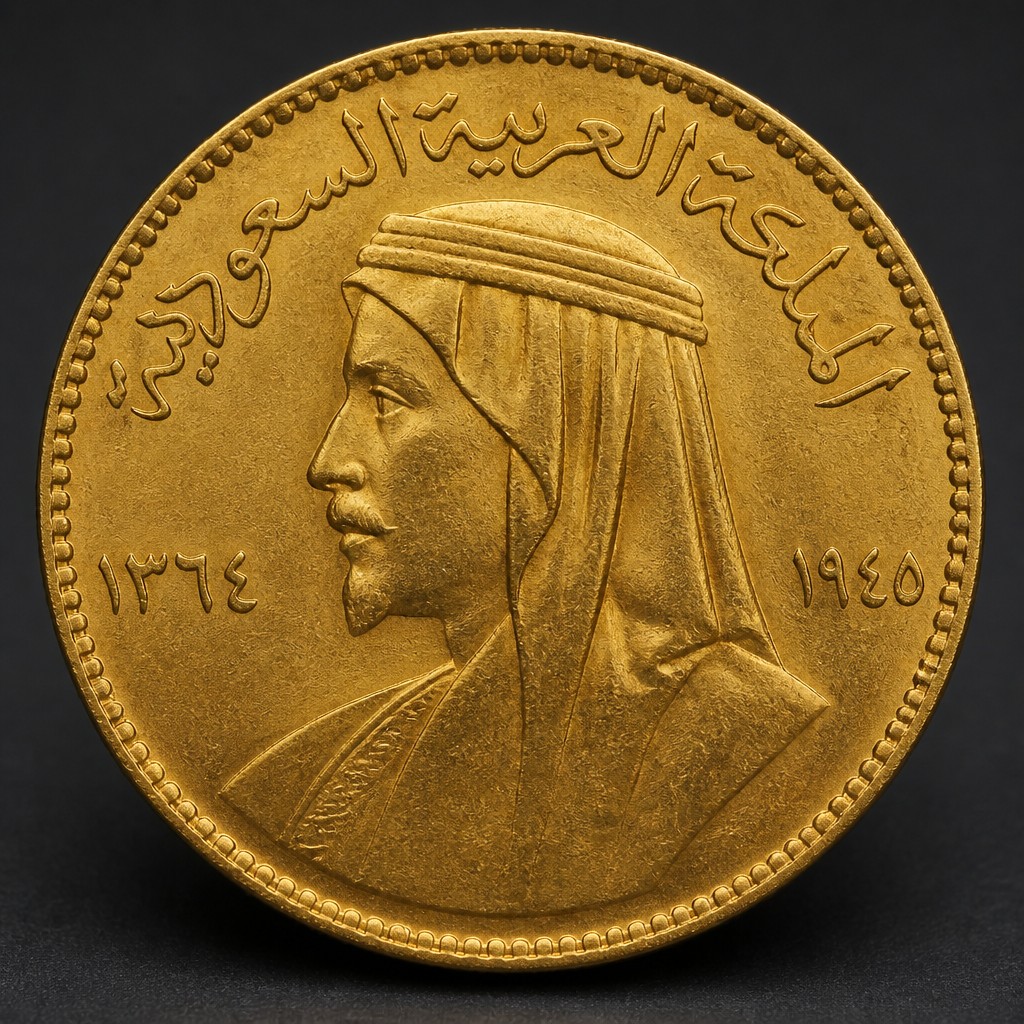
Saudi Arabian Gold Guinea (Sovereign)
1945 and later issues
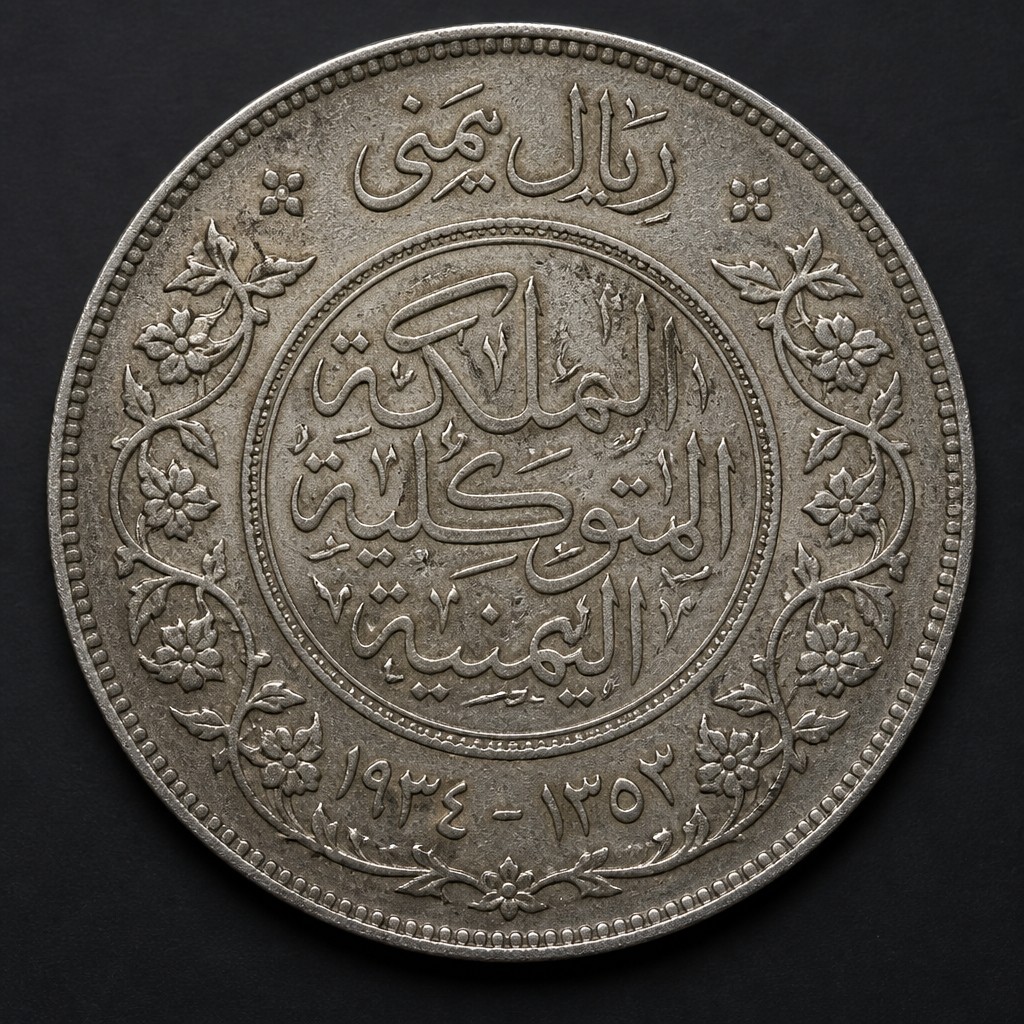
Yemeni Riyal (Ahmadi/Imadi Kingdom Coinage)
Early-to-mid 20th century
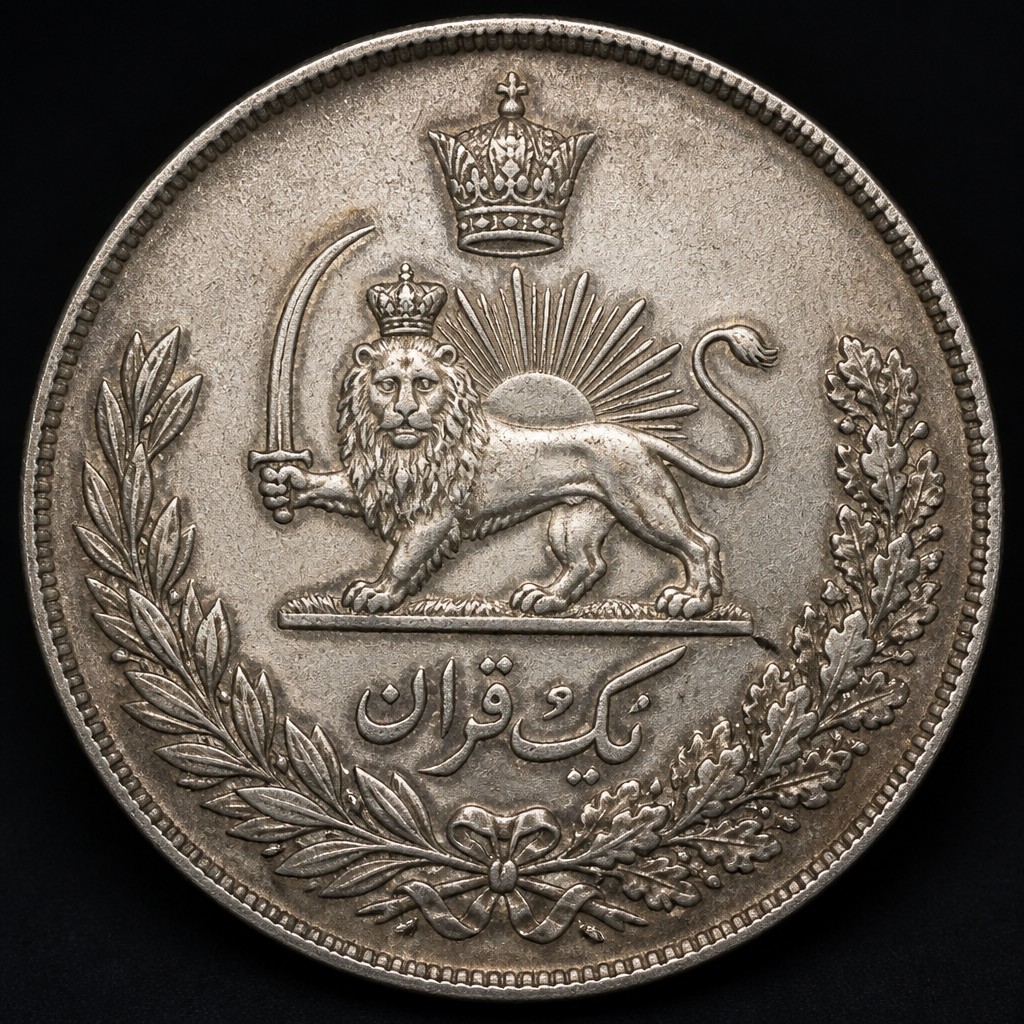
Persian Kran (Qajar silver)
Mid-19th century–1925
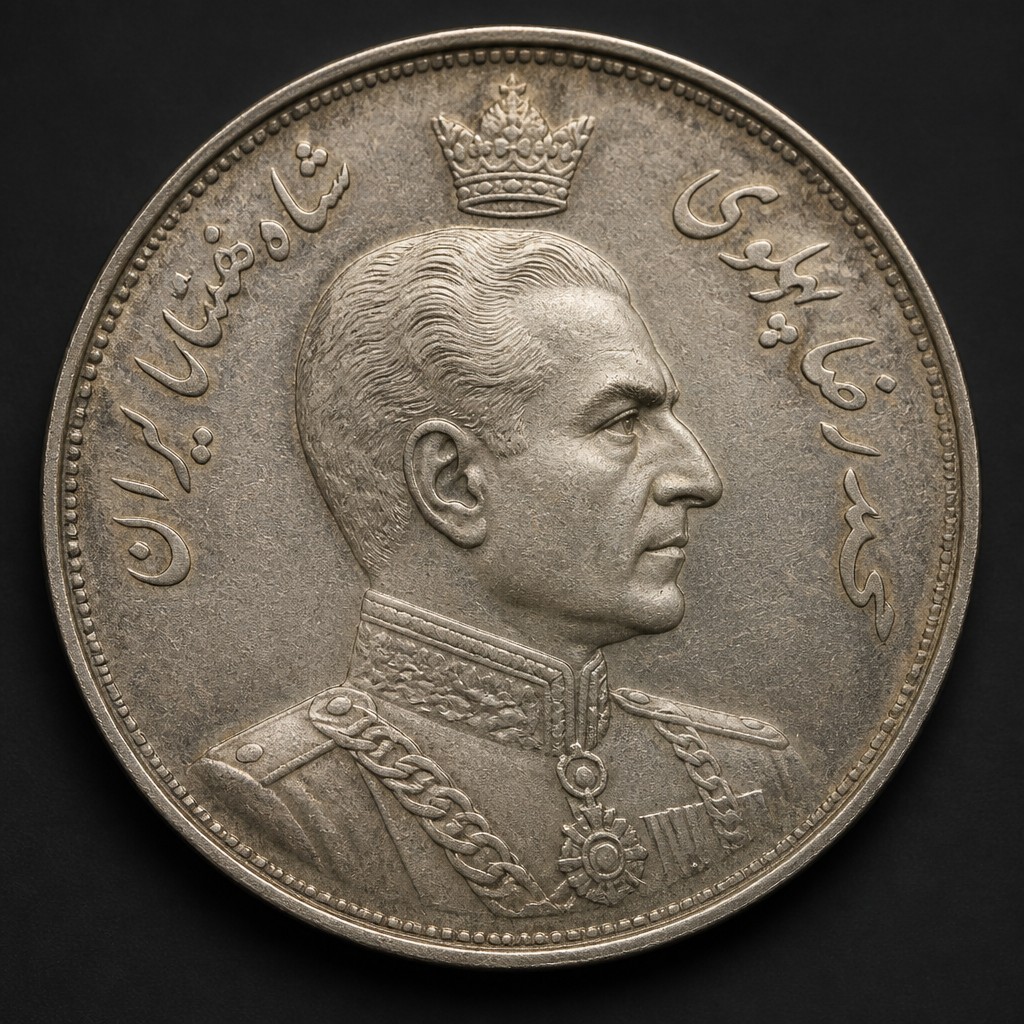
Iranian Rial
1932–present
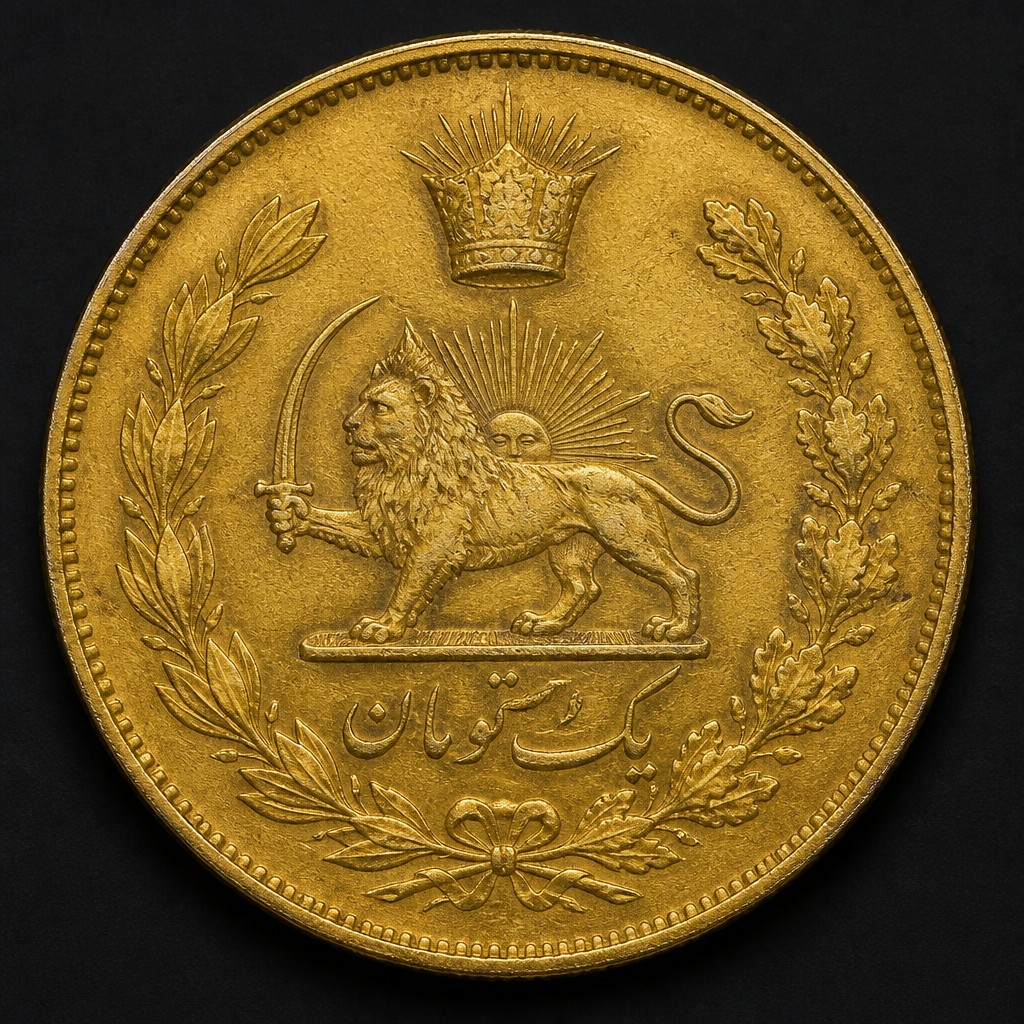
Persian Gold Toman (Qajar)
1796–1925
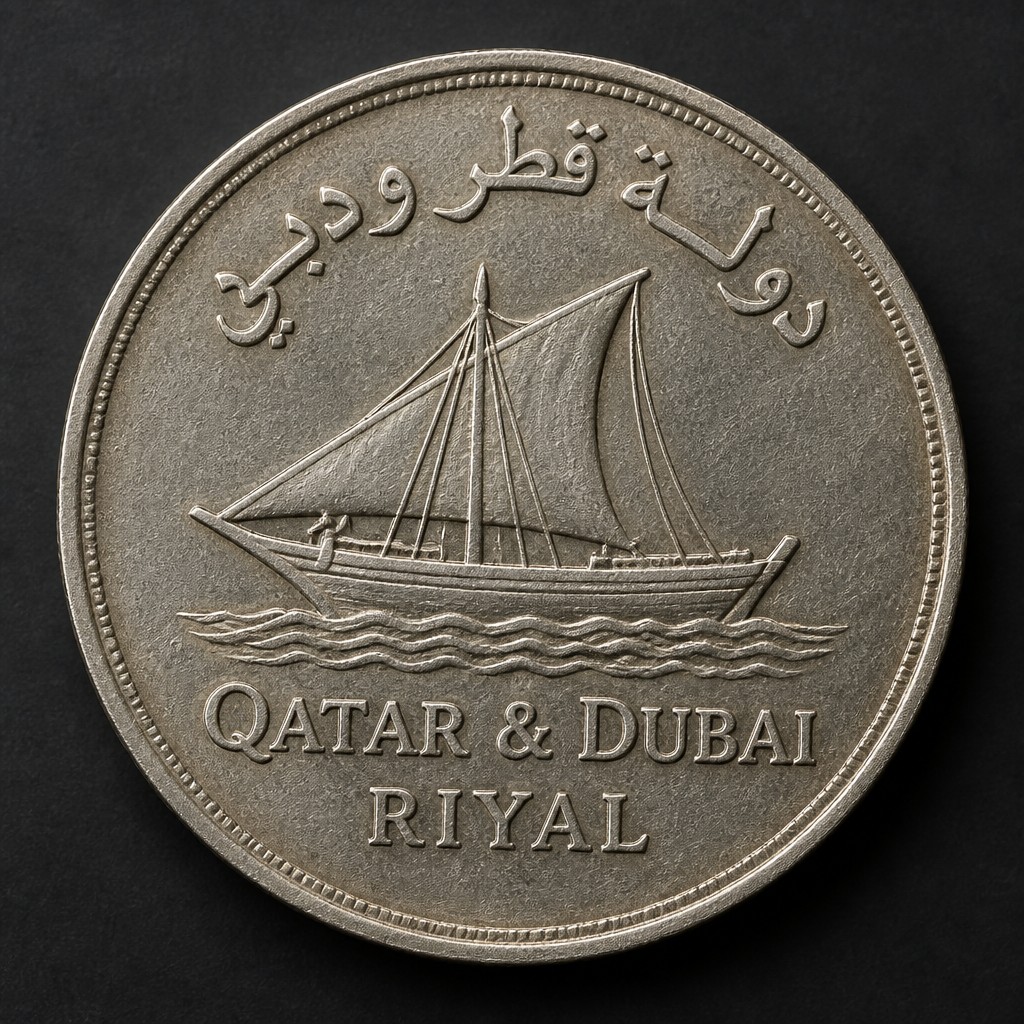
Qatar and Dubai Riyal
1966–1973
British India Rupee (Silver)
1835–1947