
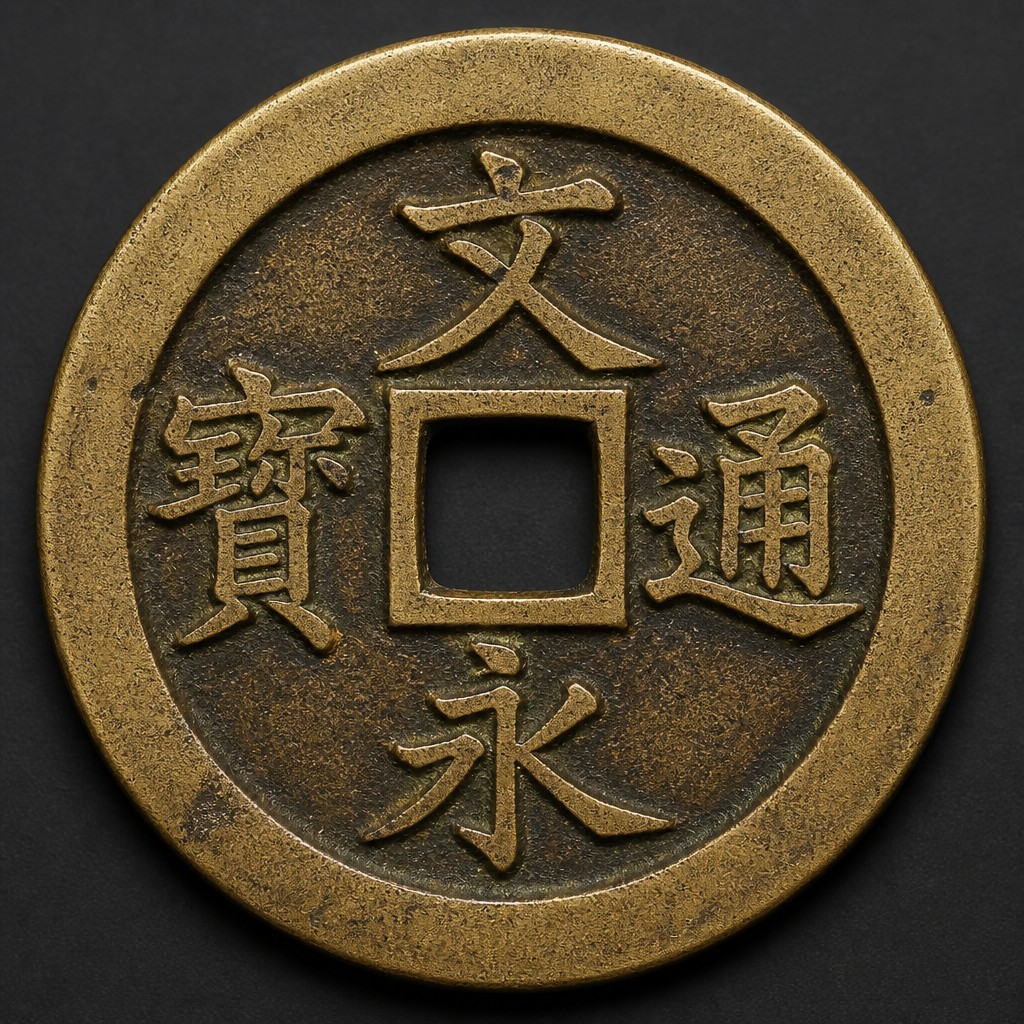
Japanese Bunkyu Eiho (cash coin)
A late Edo-period Japanese cash coin worth 4 mon, larger than the common Kan'ei Tsūhō, issued in the final years of the Tokugawa Shogunate to help ease chronic small-coin shortages.
- Country
- Japan (Edo period, Tokugawa Shogunate)
- Denomination
- 4 Mon
- Metal
- Bronze/brass alloy
Got a coin like this?
Identify any coin from a photo, free.
Overview
The Bunkyū Eihō is a cast bronze cash coin issued during the final years of the Tokugawa Shogunate's rule over Japan, taking its name from the Bunkyū era name used in the Japanese calendar at the time of its introduction. Valued at four mon, it was larger and more valuable than the ubiquitous one-mon Kan'ei Tsūhō coins that had circulated for over two centuries, part of a series of measures aimed at addressing chronic shortages of small-denomination currency in the late Edo economy.
As one of the last traditional cast cash coins issued before Japan's rapid modernization of its currency system following the Meiji Restoration, the Bunkyū Eihō occupies a notable place at the close of Japan's long tradition of East Asian-style cash coinage.
Collectors of Japanese numismatics value the coin both for its historical position at the end of the cash coin era and for the variety of minor die and rim varieties produced across its several years of issue.
History & Background
By the mid-nineteenth century, Japan's monetary system under the Tokugawa Shogunate faced growing strain from economic disruption, foreign trade pressures following the opening of Japan's ports, and chronic shortages of adequate small-denomination coinage for everyday transactions. In response, the shogunate authorized the casting of a new four-mon coin beginning in the Bunkyū era (1861–1864), intended to provide a higher-value cash coin that eased the burden of handling large numbers of low-value one-mon pieces.
Production of the Bunkyū Eihō continued for several years into the following era name changes, even as Japan's political situation grew increasingly unstable in the lead-up to the Meiji Restoration of 1868, which would soon bring sweeping modernization to Japan's currency system, including the eventual replacement of cast cash coinage with Western-style struck coins and paper currency. As such, the Bunkyū Eihō represents one of the last major traditional cash coin types issued in Japan.
How to Identify
The obverse bears the four-character legend "Bunkyū Eihō" (文久永寶) in Chinese-style script arranged around the central square hole, following the traditional East Asian cash coin format. The reverse of the standard 4-mon type is typically plain, though certain varieties display small mint or workshop indicators.
The coin is notably larger than the common one-mon Kan'ei Tsūhō cash coins that circulated for the preceding two centuries, reflecting its higher four-mon face value, and it is cast in a bronze or brass alloy typical of Japanese cash coinage of the period. Diameter is generally in the range of roughly 27 mm, distinctly larger than standard one-mon cash pieces.
Collectors distinguish the Bunkyū Eihō from other Japanese cash coins primarily by its distinctive reign-name legend and its larger size compared to the far more common one-mon denominations, and specialists further subdivide the series into minor script and rim varieties documented in Japanese cash coin reference catalogs.
Value & Collectibility
Standard Bunkyū Eihō cash coins are common and quite affordable, since they were produced in large numbers during the final years of Japan's traditional cash coinage system, typically available for just a few dollars in worn to moderately worn condition. Well-preserved examples with sharp casting and strong legends command a modest premium.
Certain minor varieties recognized within specialist Japanese numismatic catalogs, distinguished by small differences in script style or rim treatment, can be somewhat scarcer and more sought after by dedicated collectors of Japanese cash coinage, though prices generally remain modest compared to rarer Japanese coin series overall.
As with most cast cash coinage, value is driven more by condition, casting sharpness, and specific variety than by simple age, and Japanese-language reference catalogs remain the standard tool for precise variety identification.
Frequently asked questions
What does '4 mon' mean?
It refers to the coin's face value of four mon, a traditional Japanese currency unit, making it worth four times as much as the common one-mon cash coins of the same general period.
How is this different from the Kan'ei Tsuho cash coin?
The Bunkyu Eiho is larger and has a different reign-name legend reflecting its later issue date, and it carries a higher four-mon face value compared to the one-mon Kan'ei Tsuho.
When was this coin issued?
It was issued in the final years of the Tokugawa Shogunate, beginning in the Bunkyu era of the early 1860s, shortly before Japan's currency system was overhauled following the Meiji Restoration.
What metal is it made of?
It is cast in a bronze or brass alloy, consistent with traditional Japanese and broader East Asian cash coinage practice.
Is this coin rare?
No, standard examples are common and affordable, though certain minor script and rim varieties are scarcer and more sought after by specialist collectors.
Other coins you may enjoy
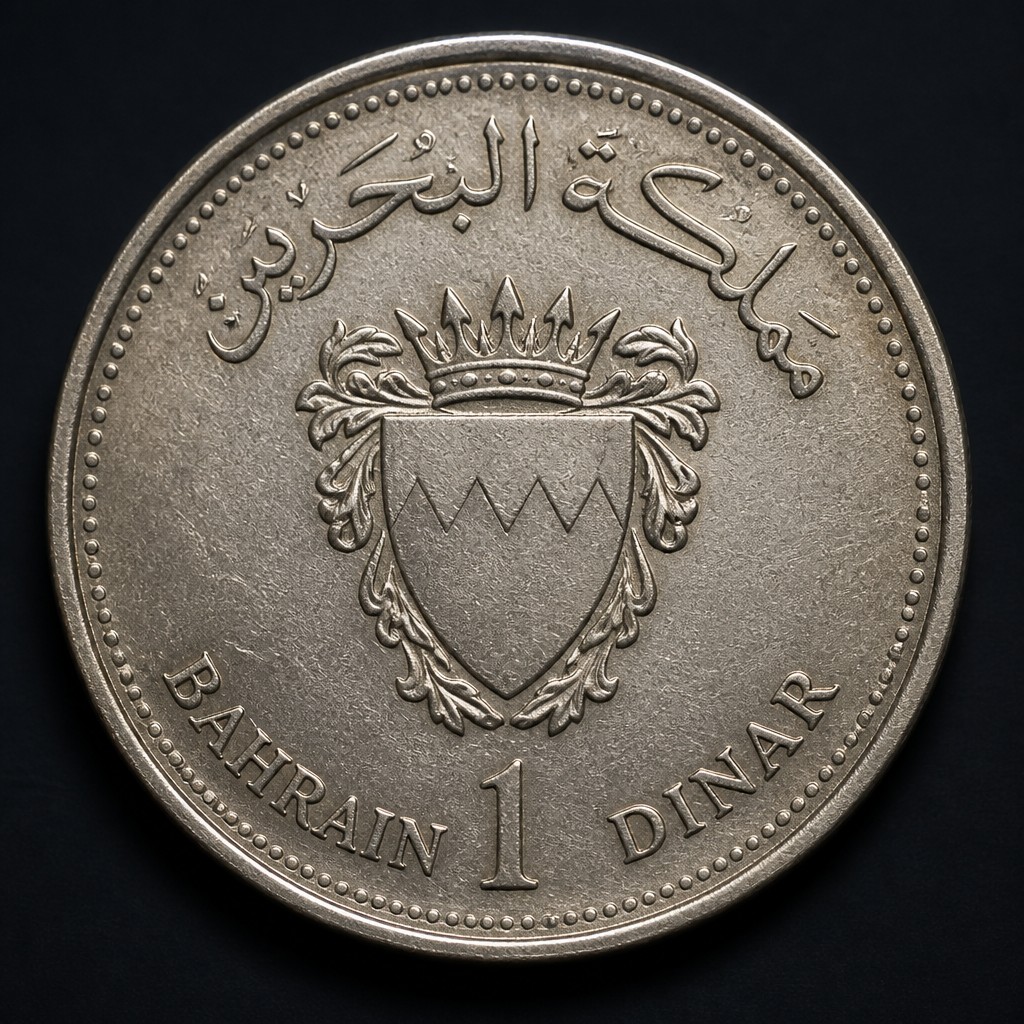
Bahraini Dinar
1965–present
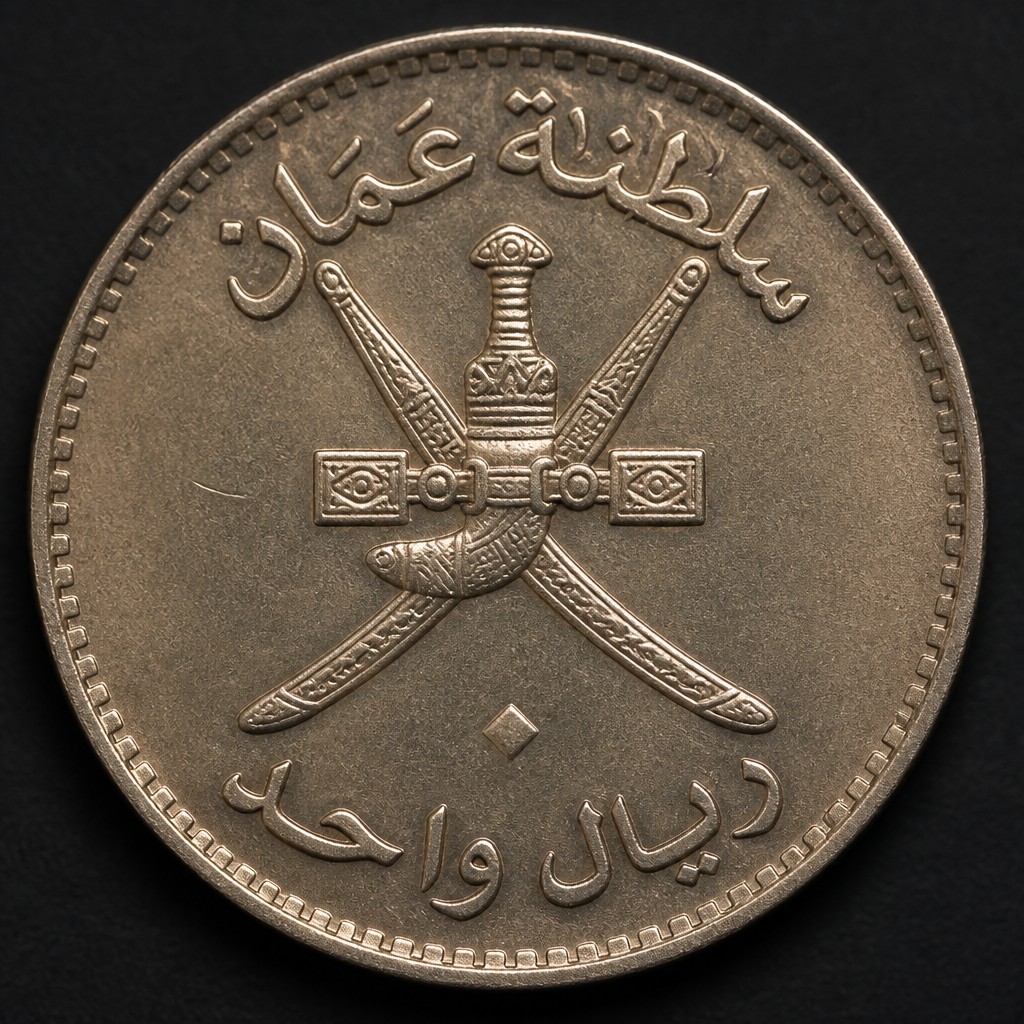
Omani Rial (Baisa Coinage)
1970–present
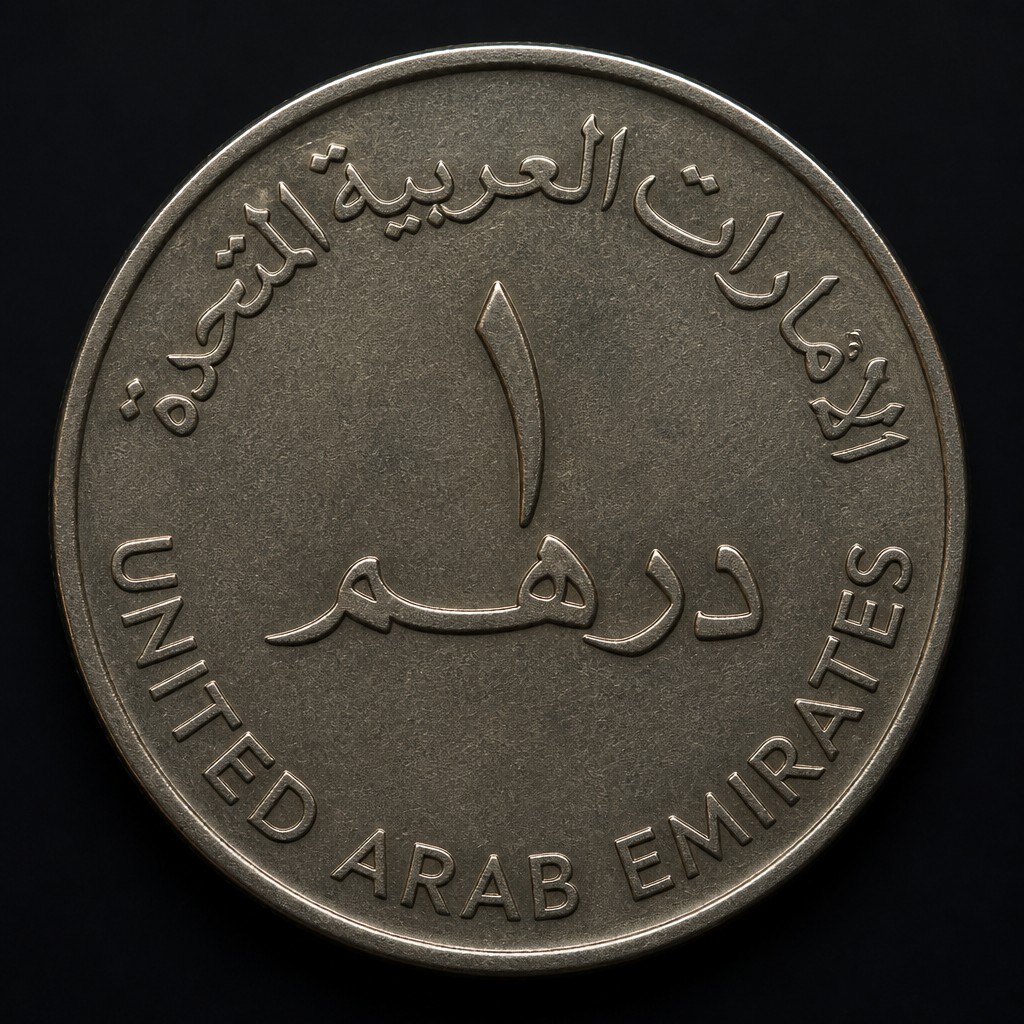
United Arab Emirates Dirham
1973–present
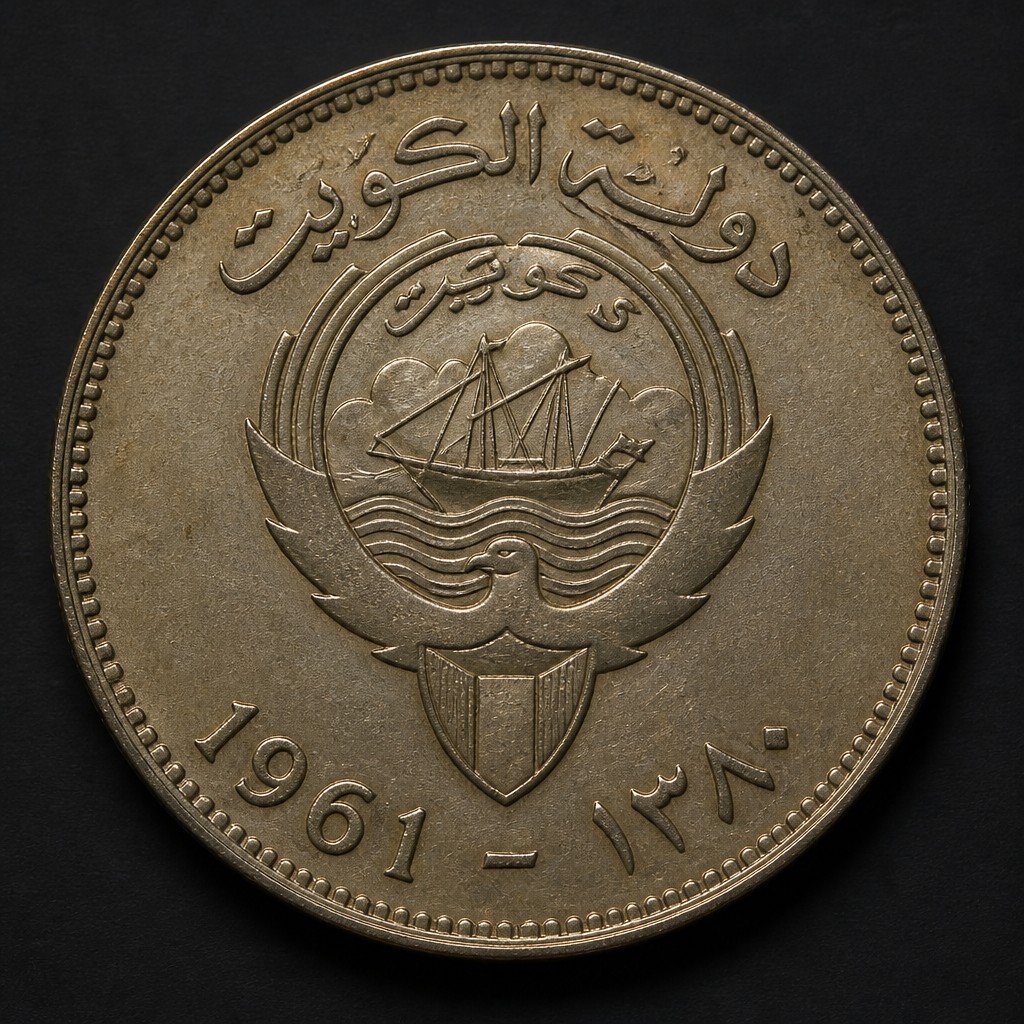
Kuwaiti Fils
1961–present
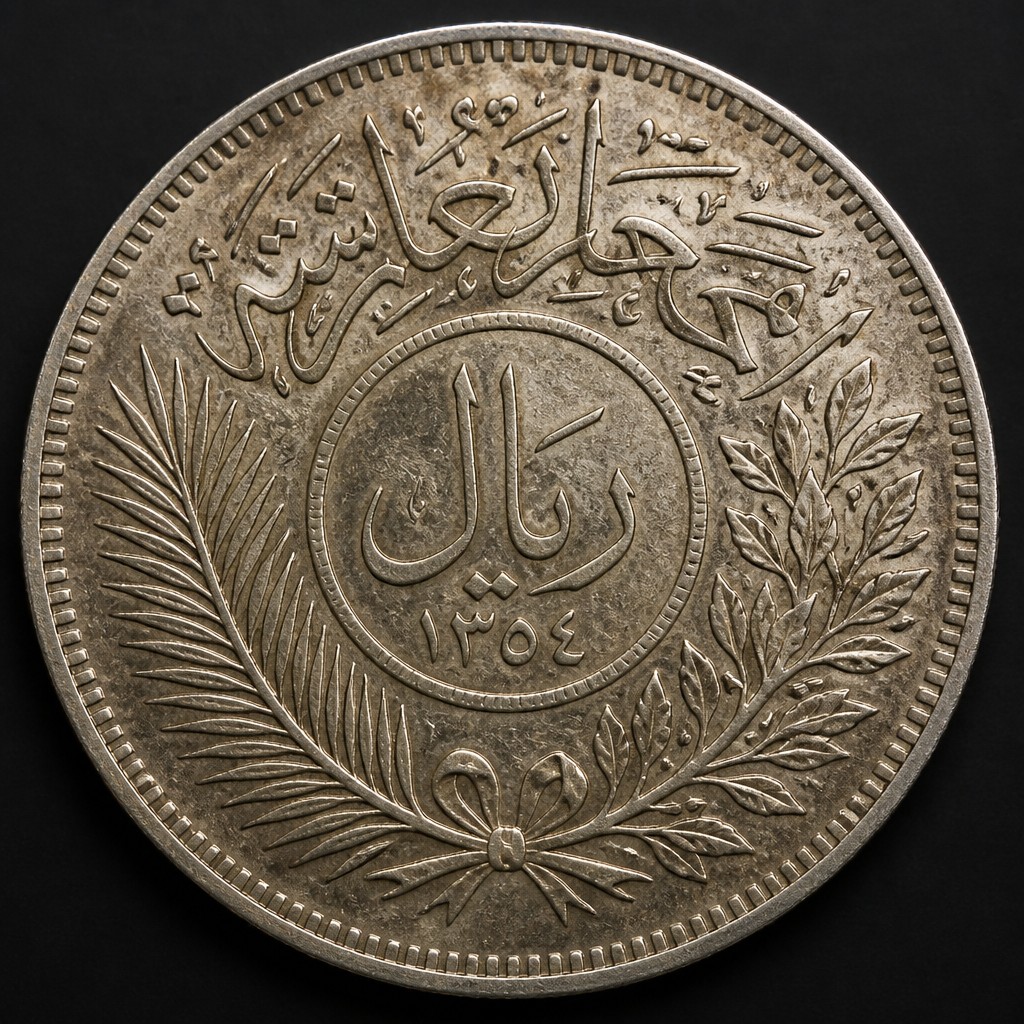
Saudi Arabian Riyal (silver)
1935 (Kingdom-wide standardization) and related issues
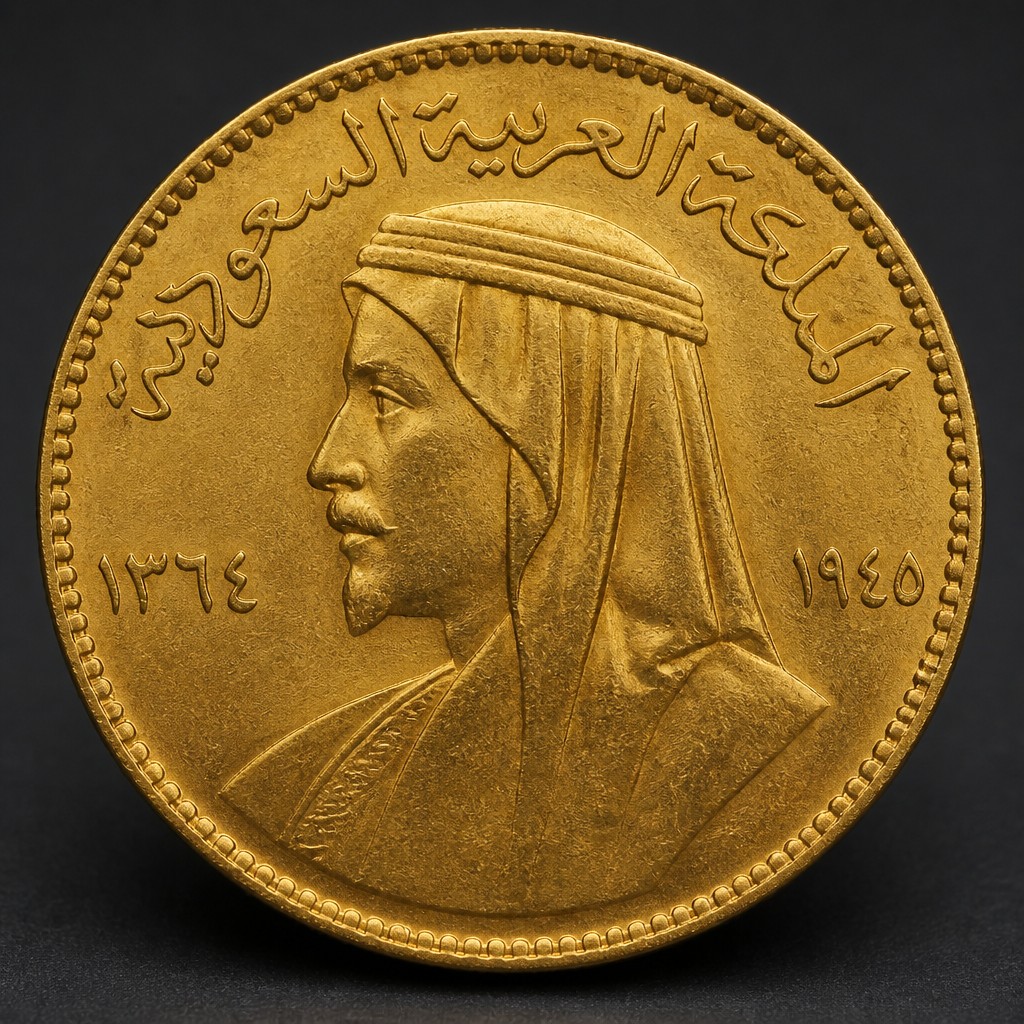
Saudi Arabian Gold Guinea (Sovereign)
1945 and later issues
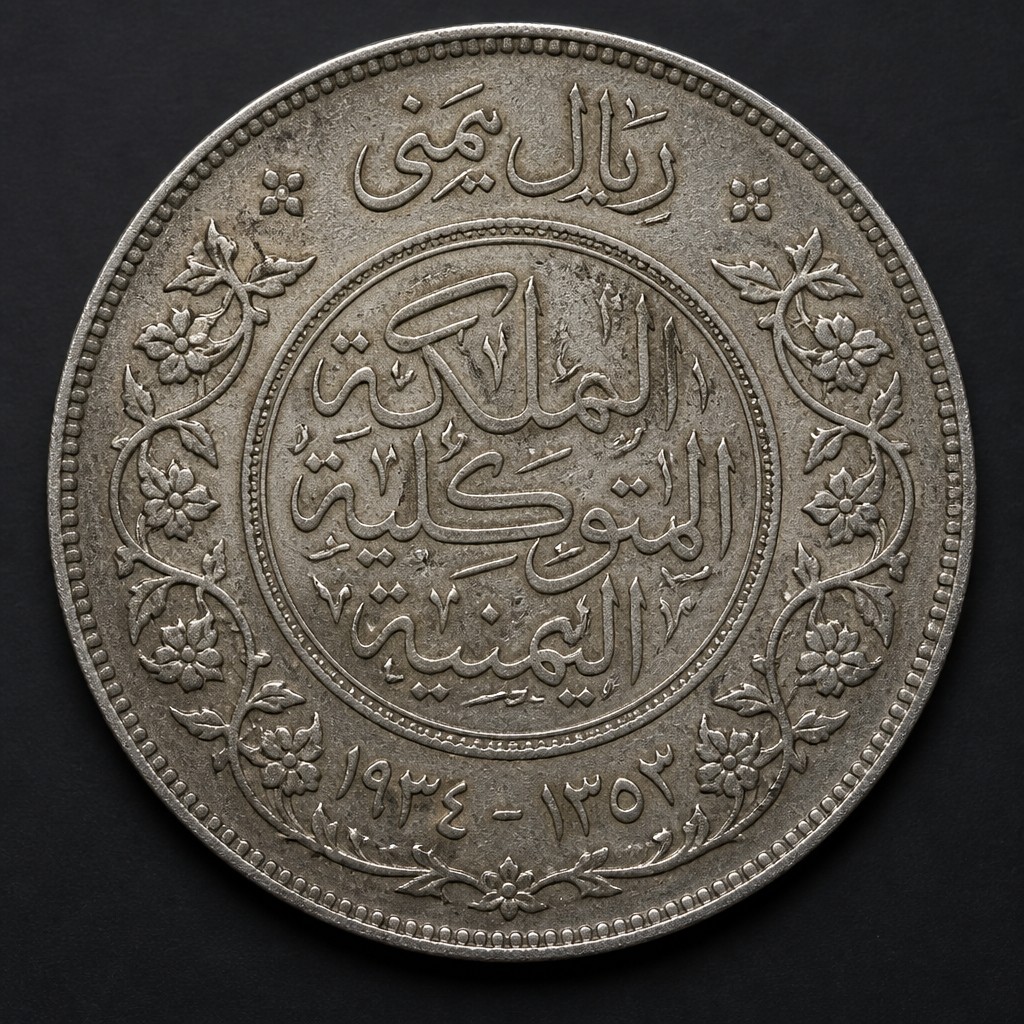
Yemeni Riyal (Ahmadi/Imadi Kingdom Coinage)
Early-to-mid 20th century
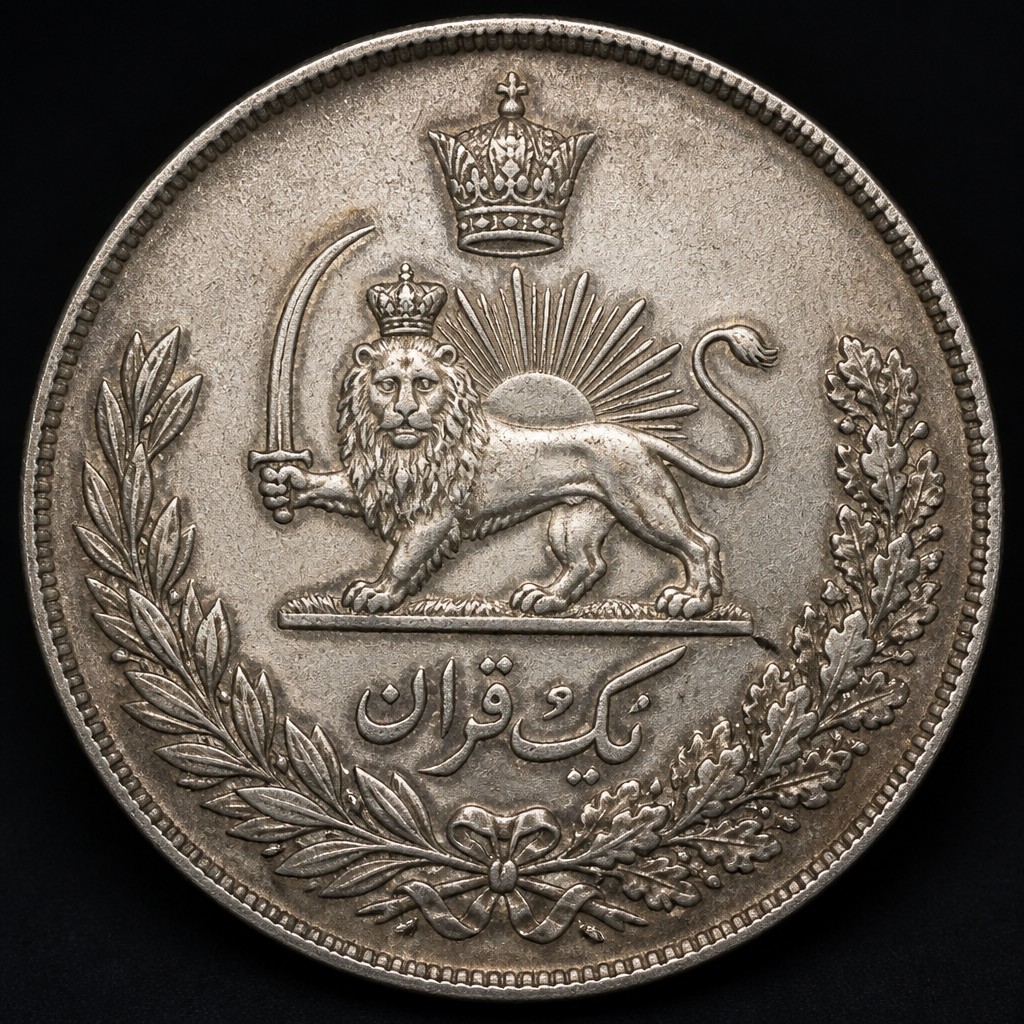
Persian Kran (Qajar silver)
Mid-19th century–1925
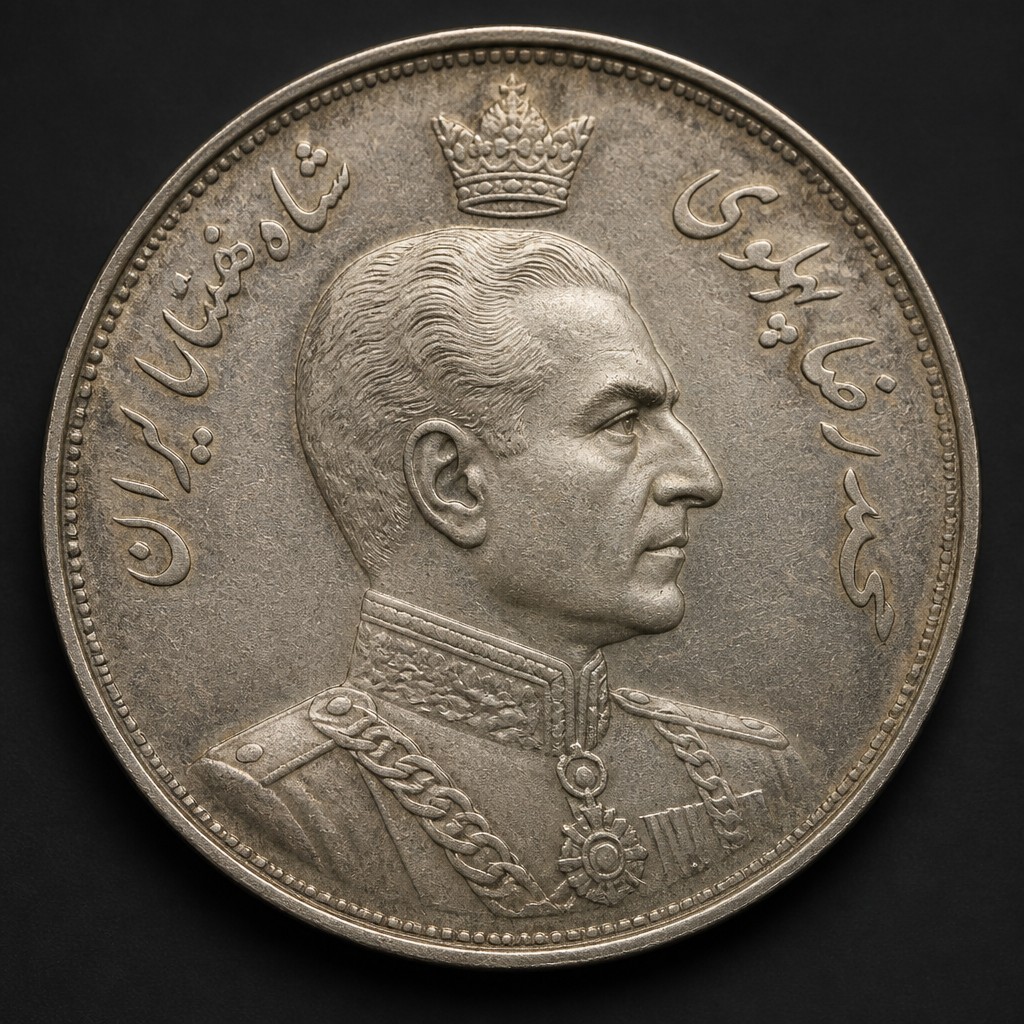
Iranian Rial
1932–present
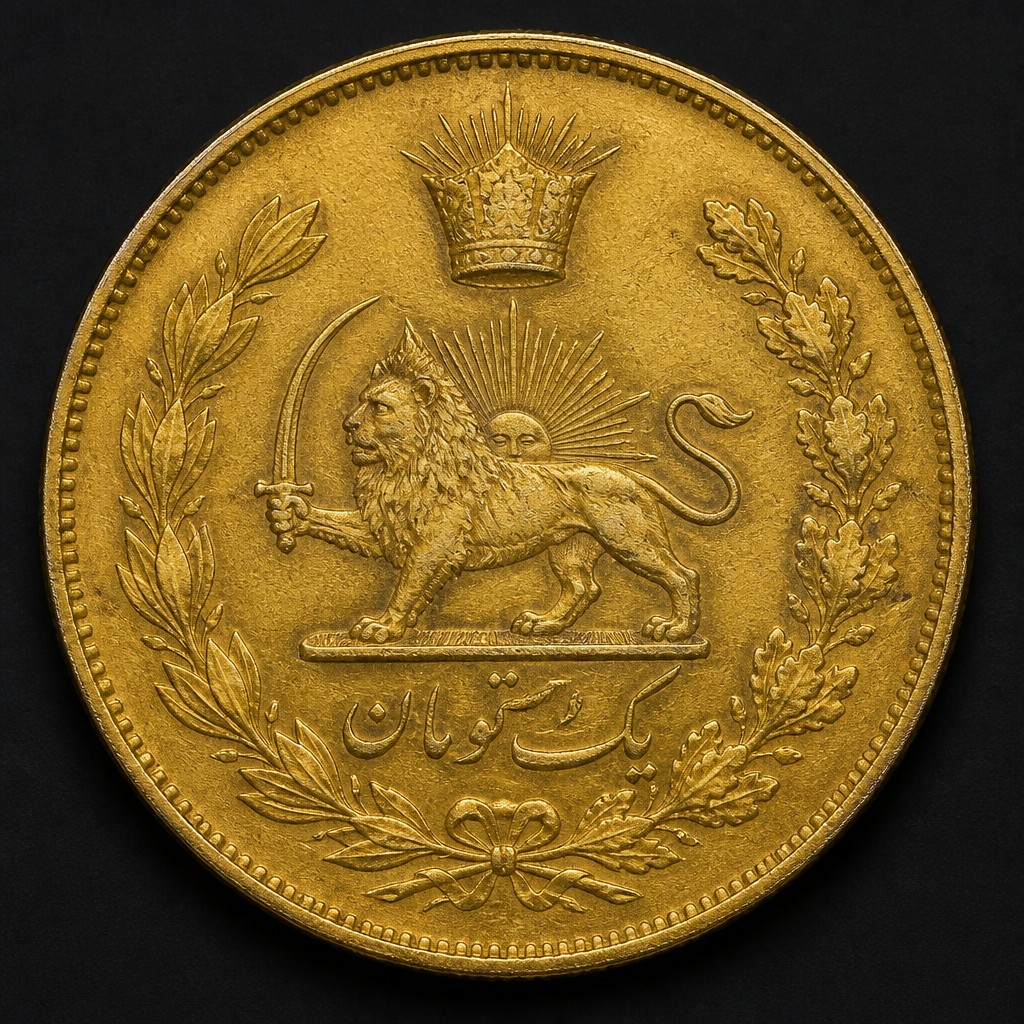
Persian Gold Toman (Qajar)
1796–1925
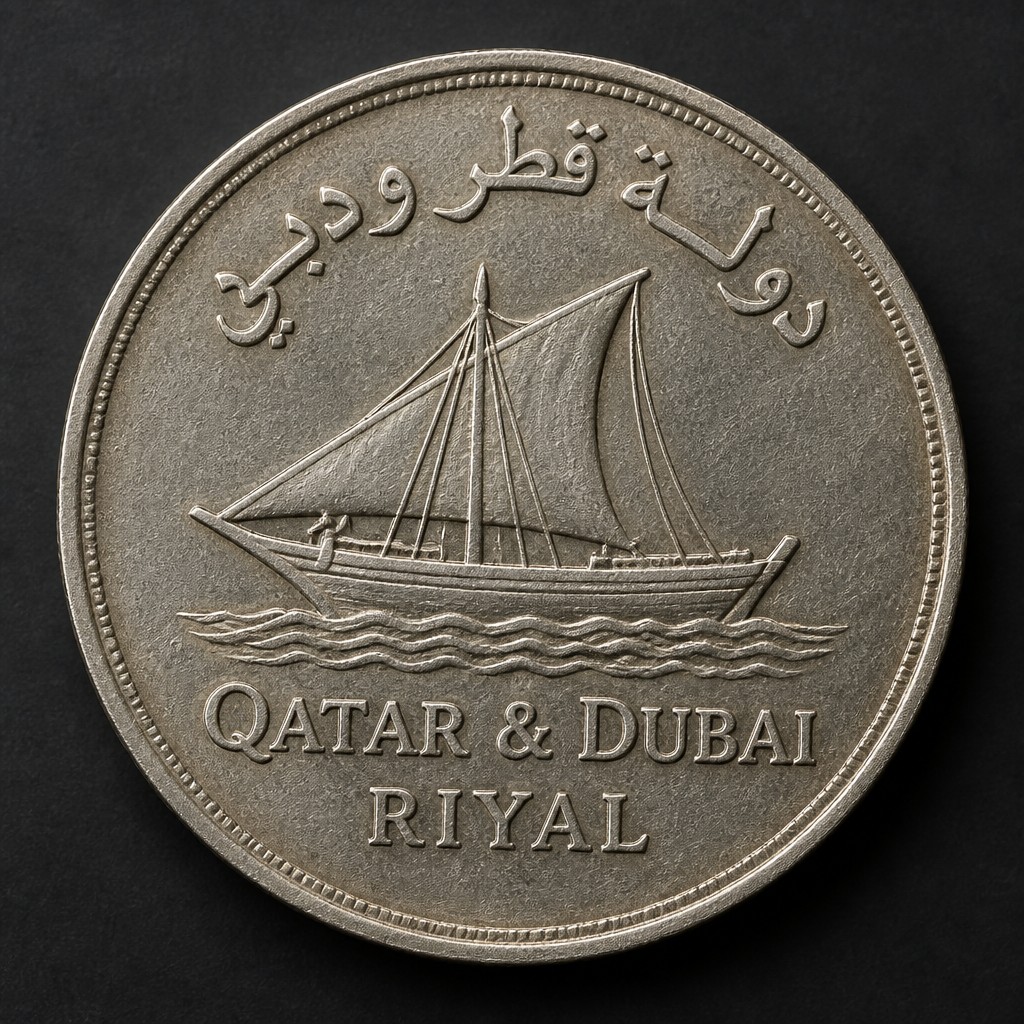
Qatar and Dubai Riyal
1966–1973
British India Rupee (Silver)
1835–1947