
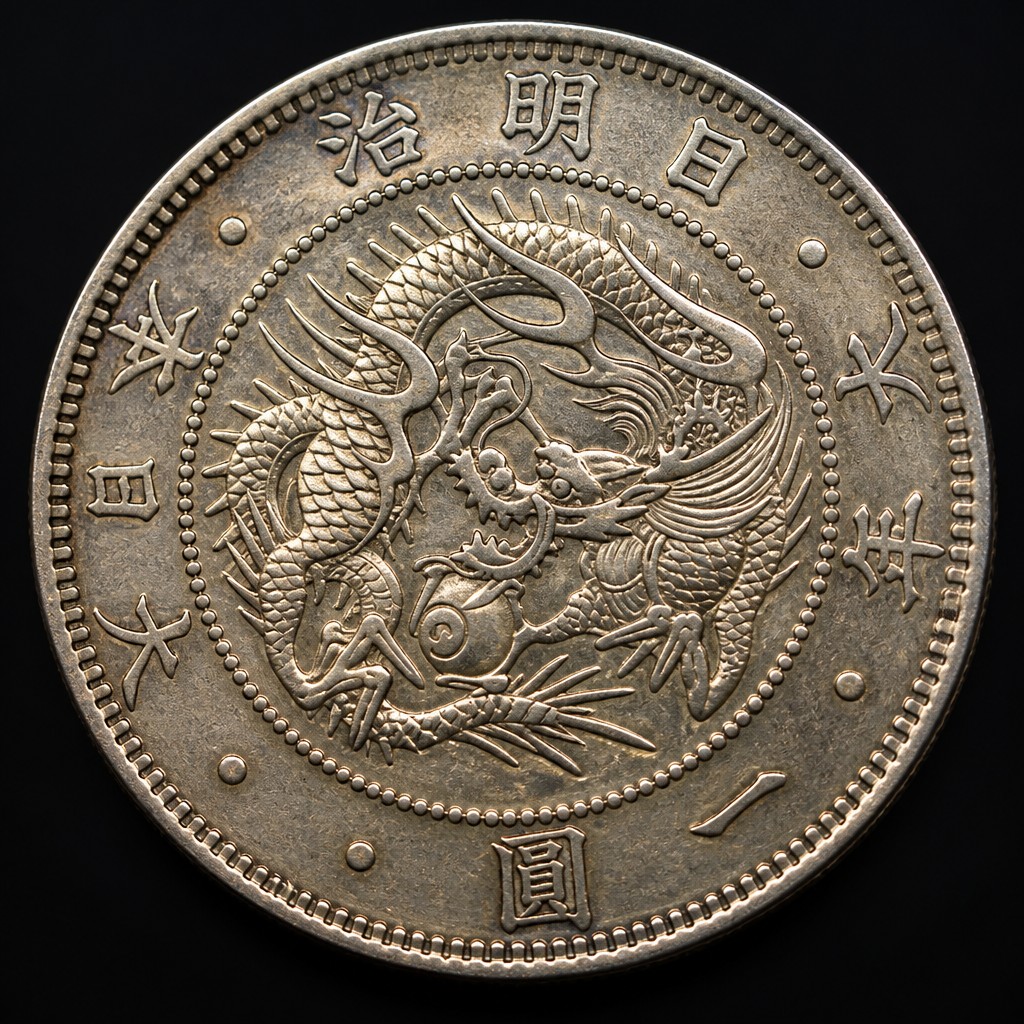
Japanese 1 Yen Silver Coin
Japan's principal large silver coin of the Meiji era, featuring a coiled dragon, that became a major East Asian trade coin and a symbol of Japan's rapid currency modernization.
- Country
- Japan
- Denomination
- 1 Yen
- Metal
- .900 silver
Got a coin like this?
Identify any coin from a photo, free.
Overview
The Japanese 1 Yen silver coin was introduced shortly after the Meiji Restoration as Japan built an entirely new, Western-style coinage system to replace the fragmented feudal-era currencies of the Tokugawa shogunate. Struck to a high silver standard at the newly built Osaka Mint, the coin quickly became not only Japan's principal large denomination but also a widely trusted trade coin across East and Southeast Asia, competing directly with Mexican and other silver dollars in regional commerce.
Its obverse design centers on a large, dynamic coiled dragon amid clouds, a powerful traditional East Asian emblem, while the reverse combines a sunburst and paulownia/chrysanthemum motifs associated with the Japanese state, reflecting the Meiji government's blending of traditional imagery with modern, Western minting techniques and standards.
When Japan formally adopted the gold standard in 1897, the silver yen was withdrawn from domestic circulation but continued to be minted and circulated for trade purposes in Japan's expanding colonial and commercial sphere, particularly in Taiwan, Korea, and other parts of East Asia, well into the early 20th century.
History & Background
The Meiji government, formed after the 1868 restoration of imperial rule, moved swiftly to overhaul Japan's currency to support rapid industrialization and international trade, adopting the decimal Yen system in 1871 under the New Currency Act. The silver 1 Yen coin, struck at the newly constructed Osaka Mint using equipment and expertise partly sourced from Britain, became the backbone of Japan's silver coinage during this transformative period.
As Japan's economy and regional trade influence grew through the late 19th century, the silver yen competed directly with the long-dominant Mexican peso and other trade dollars for acceptance in Chinese and broader Asian commerce, eventually displacing much of that older trade silver in Japan's own expanding commercial and colonial sphere following victories in the First Sino-Japanese War (1894-95) and later the Russo-Japanese War (1904-05).
Japan's adoption of the gold standard in 1897 ended the silver yen's role in domestic circulation, but the government continued striking it for use in its overseas territories and trade relationships, with mintage for these purposes continuing until 1914, making the coin a lasting symbol of Japan's rise as a modern industrial and colonial power.
How to Identify
The obverse features a large, sinuous dragon coiled amid stylized clouds, facing a "sacred jewel," with the value expressed in Japanese characters and the phrase denoting the Great Japan (Dai Nippon) state along with the reign-year date around the border. The reverse displays a sunburst design at the center surrounded by a wreath incorporating paulownia leaves and chrysanthemum blossoms, with the English words "ONE YEN" appearing at the bottom, a detail added specifically to facilitate recognition by foreign traders.
The coin is struck in .900 fine silver, approximately 38.1mm in diameter, with a reeded edge, and weighs about 26.96 grams in its standard form. Later issues struck specifically for trade sometimes differ slightly in details from earlier Meiji-era strikes; collectors should note subtle date and dragon-style variations across the coin's roughly 44-year production span.
Distinguishing the silver 1 Yen from the earlier, shorter-lived Japanese Trade Dollar involves checking the denomination wording ("ONE YEN" rather than the trade dollar's fineness-and-grain inscription) and the overall design proportions; because the coin circulated so heavily and for so long across East Asia, genuine examples often show significant wear or Chinese-style chop marks from trade use, and cleaned or counterfeit pieces are not uncommon in the market.
Value & Collectibility
Common-date Meiji silver yen coins in worn to moderately circulated grades are widely available and generally affordable, reflecting large mintages sustained over several decades. Earlier dates, certain rare year-and-variety combinations, and coins in higher mint-state grades with strong luster and minimal chop marks command significantly higher prices, sometimes reaching well into four figures or more for exceptional pieces.
Because so many silver yen coins circulated extensively in East Asian trade and acquired chop marks, cleaning, or heavy wear, problem-free, original-surface examples in higher grades are proportionally much scarcer than the type's overall mintage would suggest, and this originality is a major driver of price alongside date rarity.
Frequently asked questions
Why does the coin say "ONE YEN" in English?
The English inscription was added to help foreign merchants and traders recognize the coin's denomination as it circulated widely across East Asia.
Why did Japan stop using the silver yen domestically?
Japan adopted the gold standard in 1897, ending the silver yen's role in domestic circulation, though it continued to be minted for trade and colonial use afterward.
What does the dragon on the coin represent?
The dragon is a traditional East Asian symbol of imperial power and authority, chosen to project strength and legitimacy for Japan's new modern coinage.
How can I tell this apart from the earlier Japanese Trade Dollar?
Check the denomination wording; the 1 Yen coin says "ONE YEN" in English, while the earlier Trade Dollar states its weight and fineness in grains instead.
Are chop-marked Japanese Yen coins less valuable?
Generally yes; chop marks and heavy trade wear typically reduce value compared to clean, original-surface examples of the same date and grade.
Other coins you may enjoy
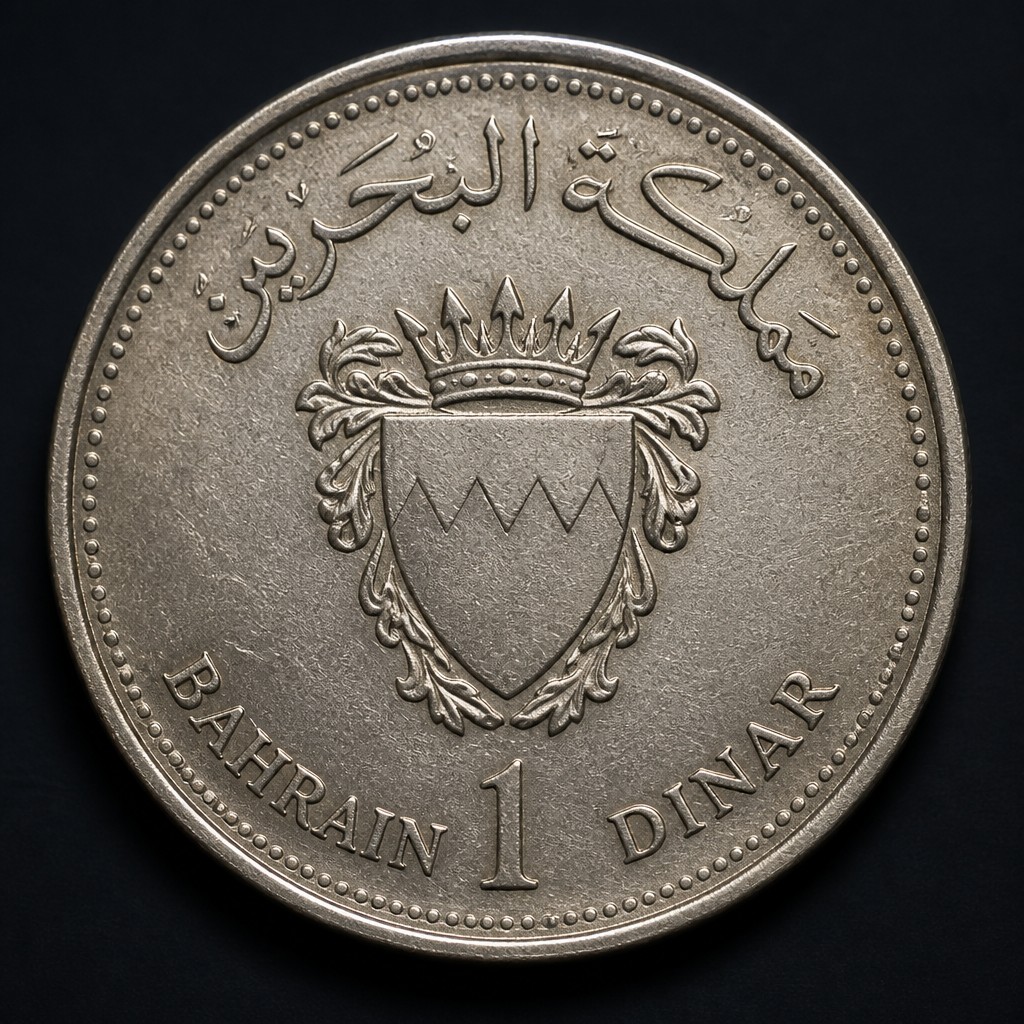
Bahraini Dinar
1965–present
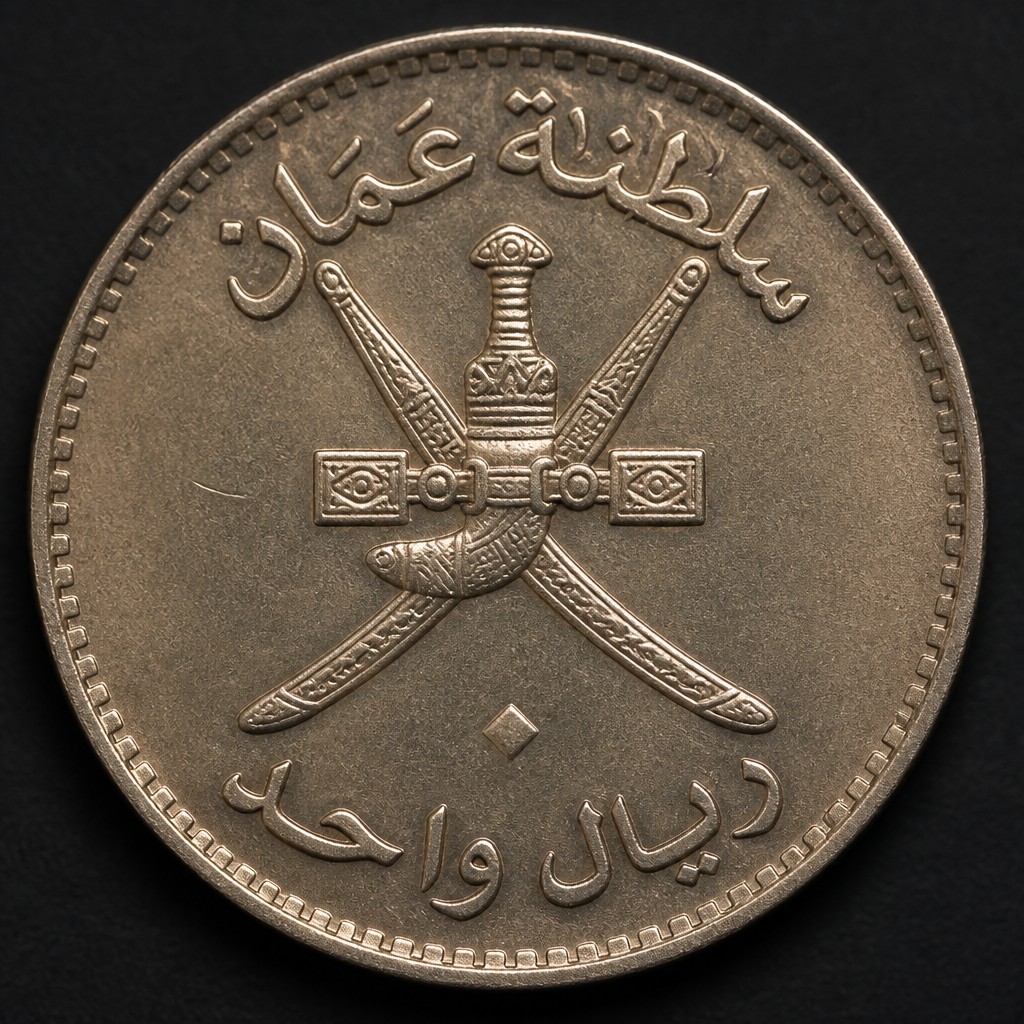
Omani Rial (Baisa Coinage)
1970–present
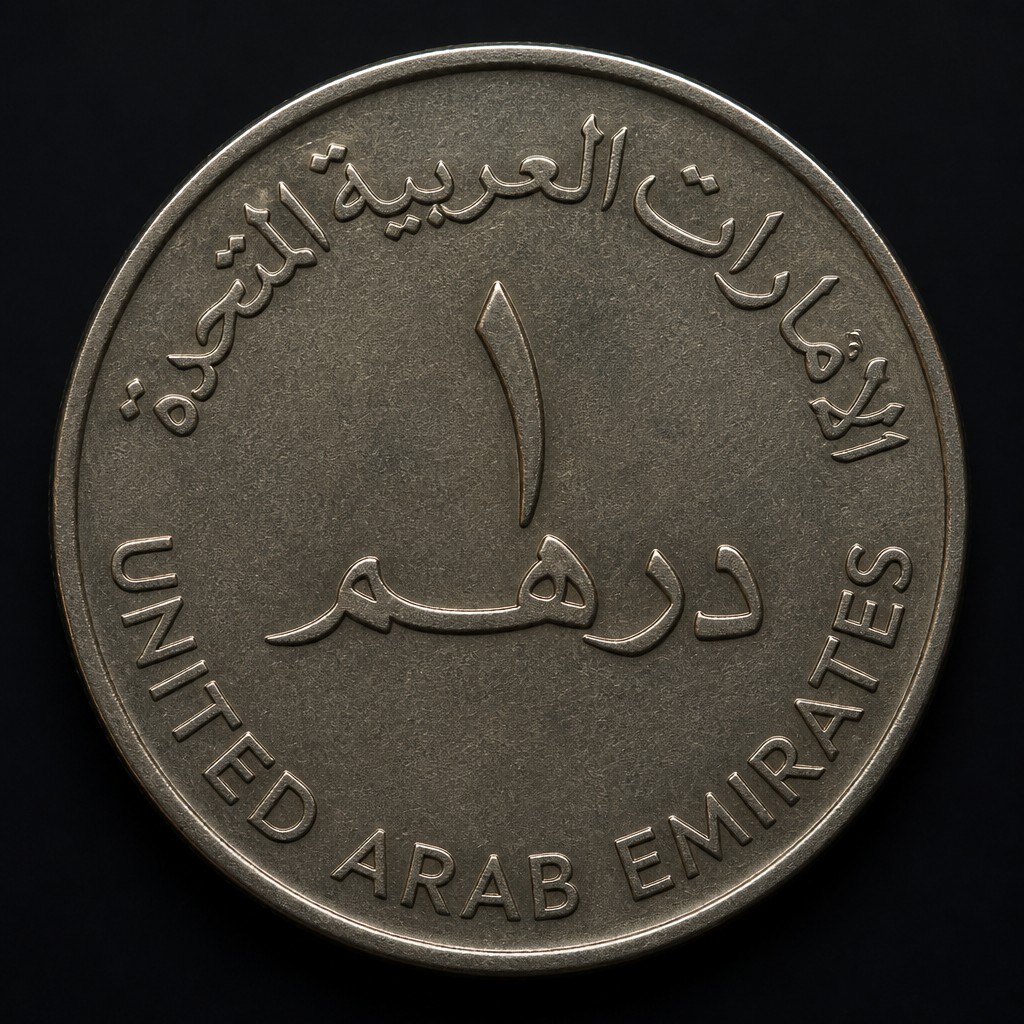
United Arab Emirates Dirham
1973–present
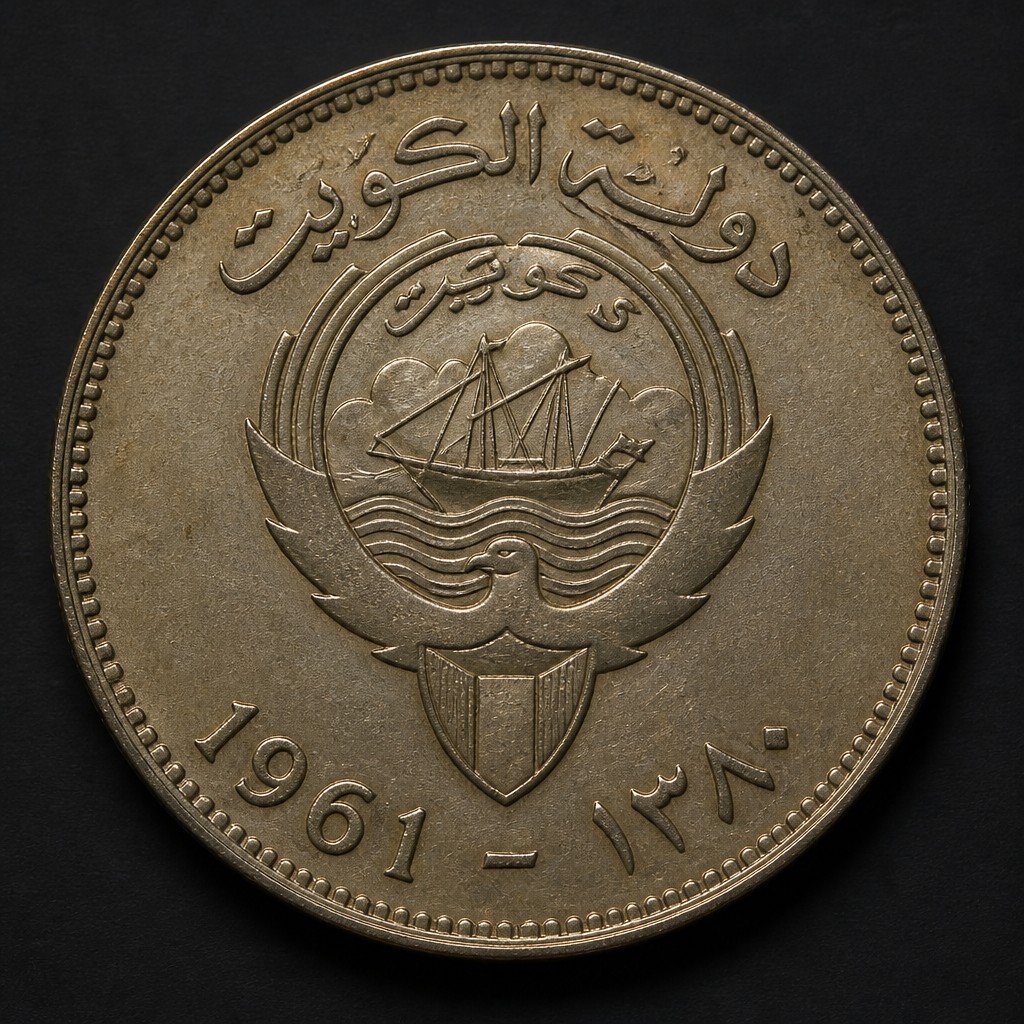
Kuwaiti Fils
1961–present
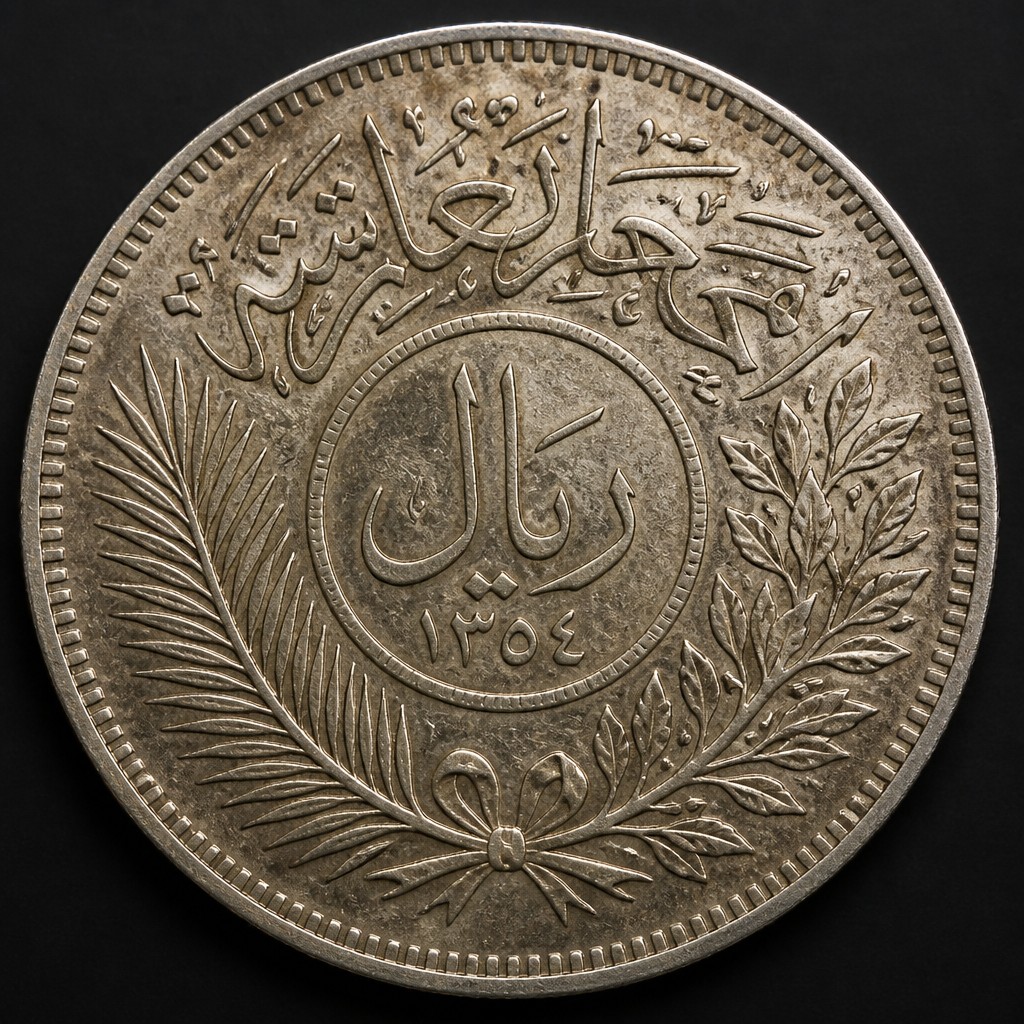
Saudi Arabian Riyal (silver)
1935 (Kingdom-wide standardization) and related issues
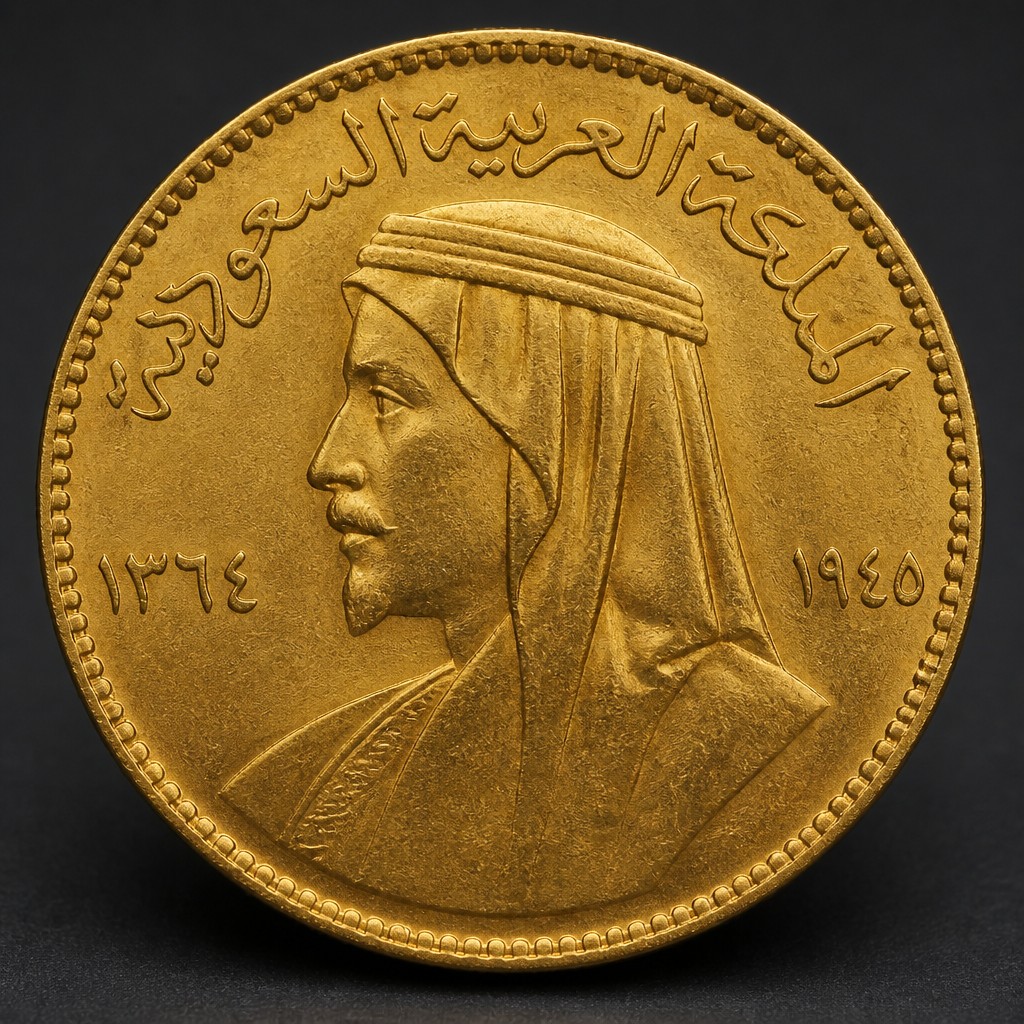
Saudi Arabian Gold Guinea (Sovereign)
1945 and later issues
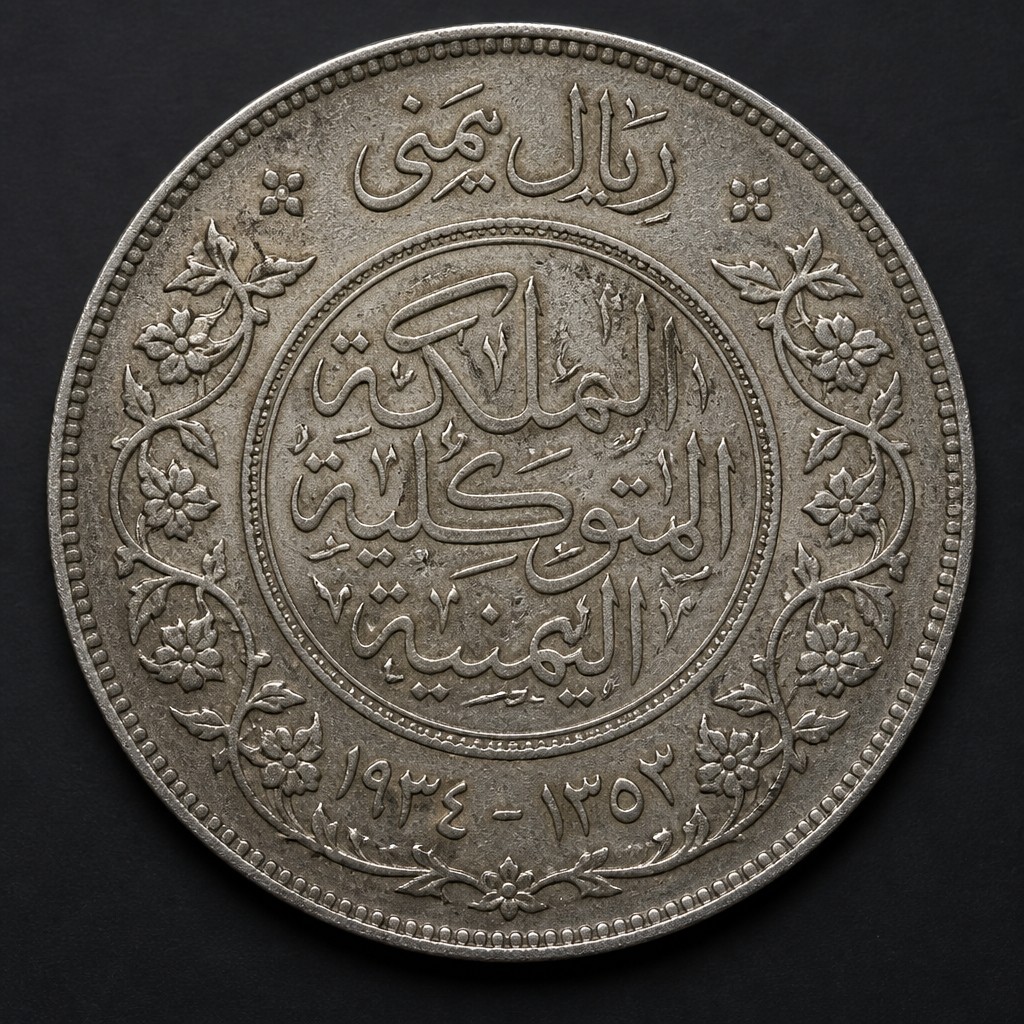
Yemeni Riyal (Ahmadi/Imadi Kingdom Coinage)
Early-to-mid 20th century
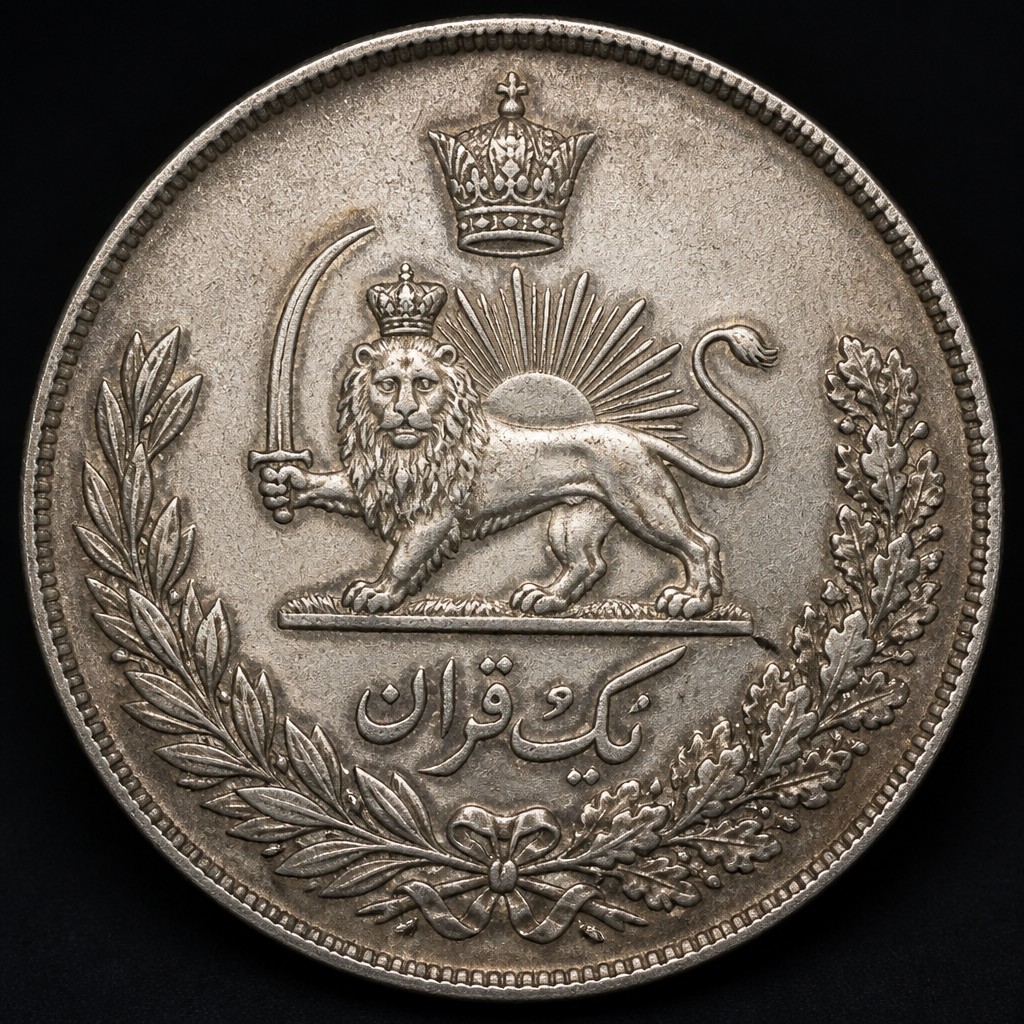
Persian Kran (Qajar silver)
Mid-19th century–1925
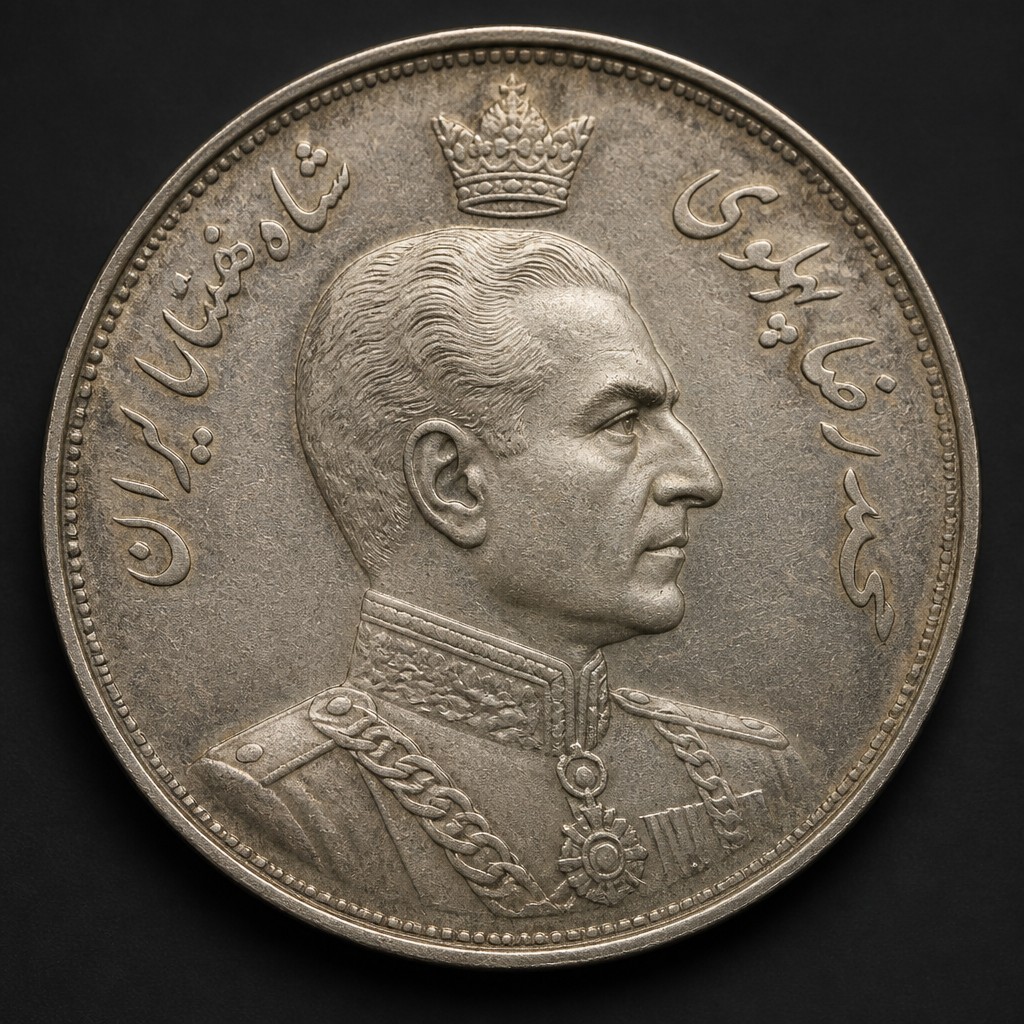
Iranian Rial
1932–present
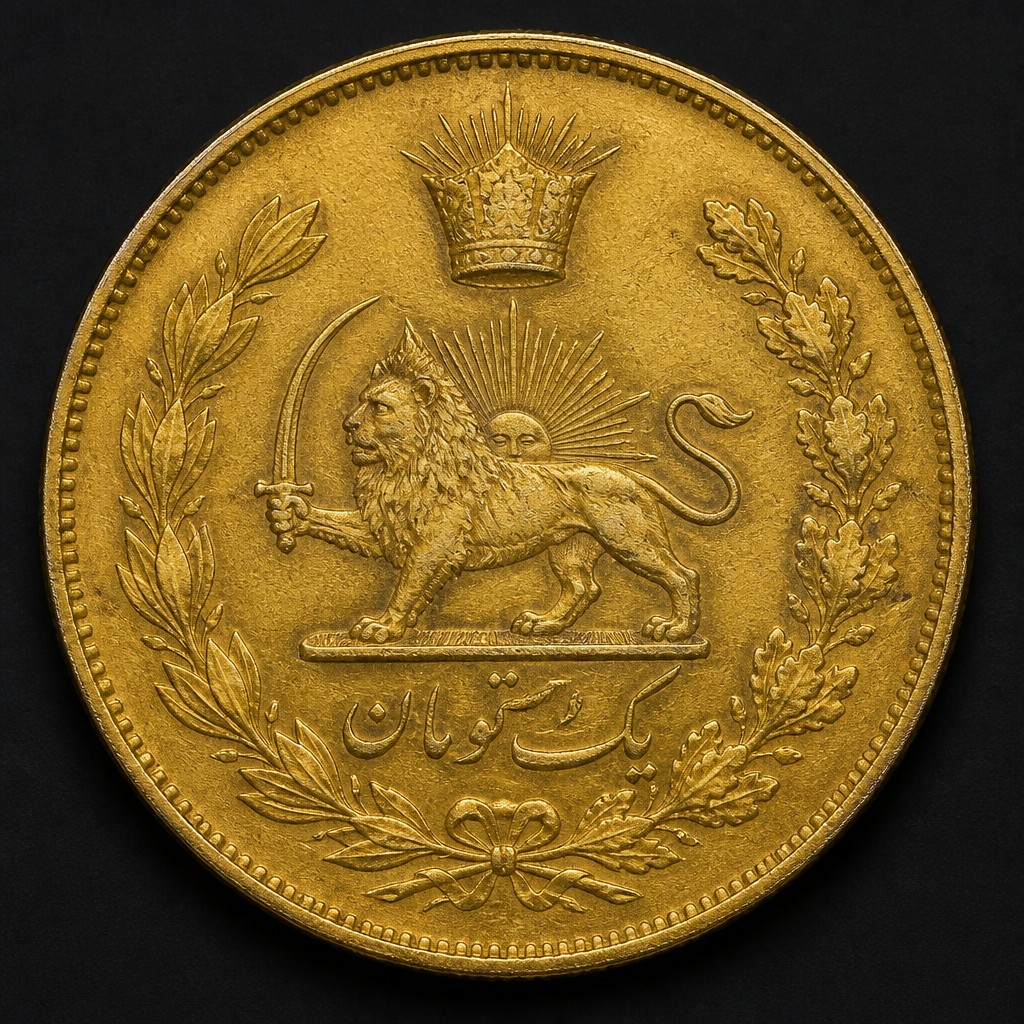
Persian Gold Toman (Qajar)
1796–1925
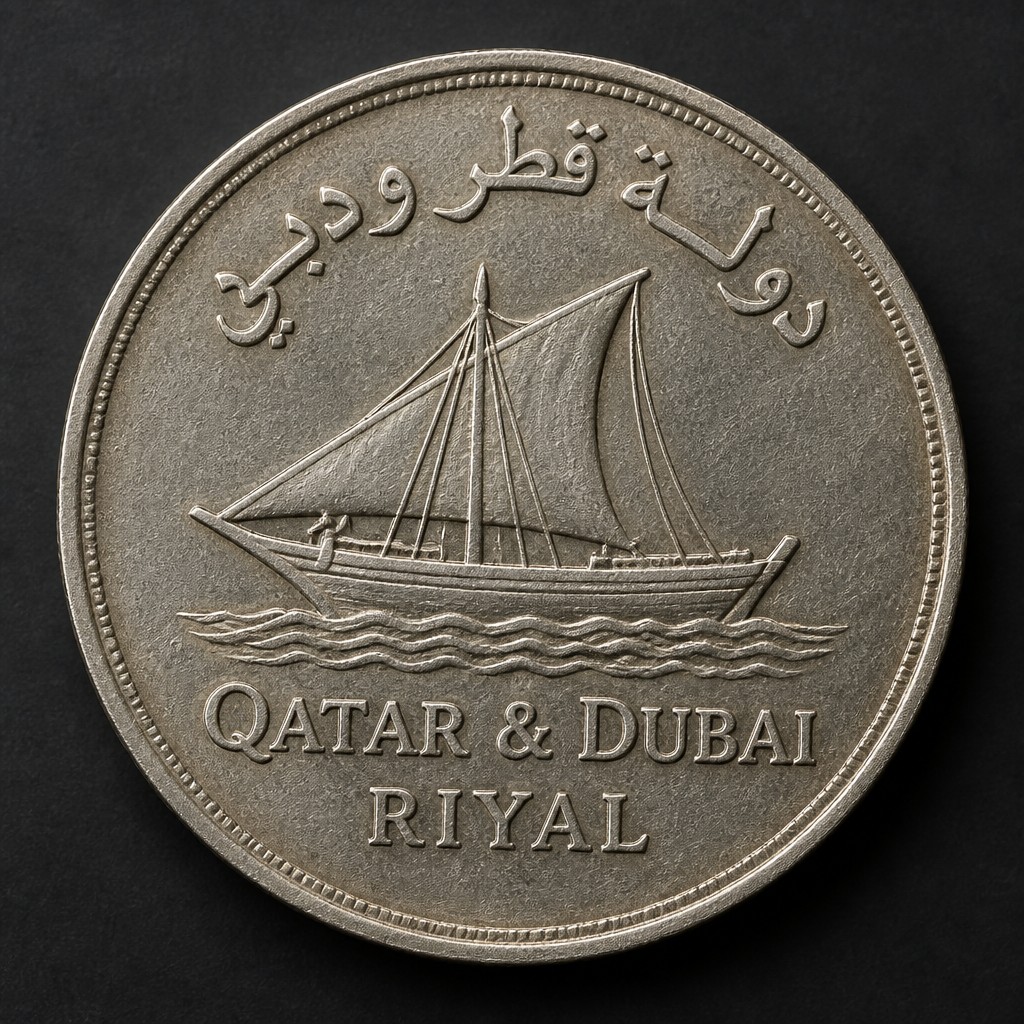
Qatar and Dubai Riyal
1966–1973
British India Rupee (Silver)
1835–1947