
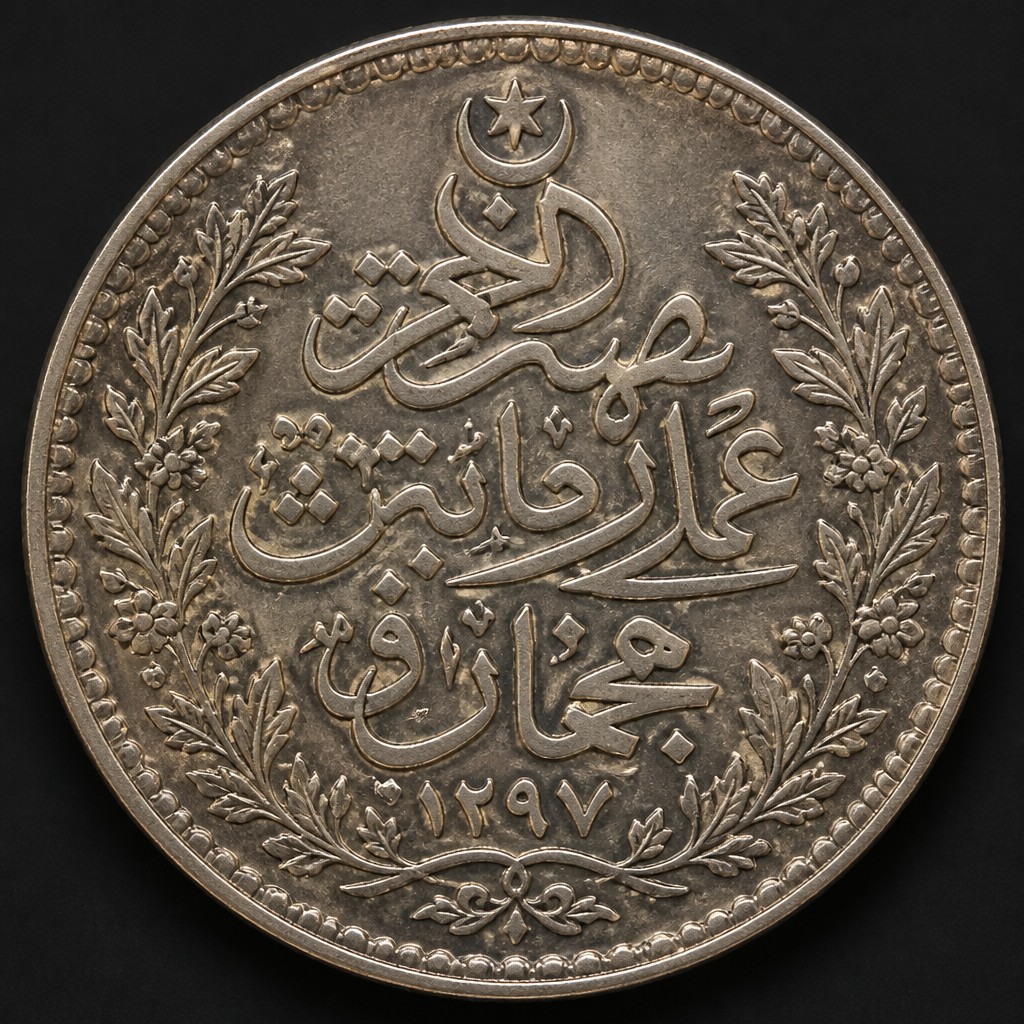
Indian Princely State Silver Rupee (Hyderabad)
Silver rupee issued independently by the princely state of Hyderabad under the Nizam, notable for its distinct weight standard and Persian-Urdu inscriptions rather than British Indian designs.
- Country
- Hyderabad State, India
- Denomination
- 1 Rupee
- Metal
- Silver
Got a coin like this?
Identify any coin from a photo, free.
Overview
The Hyderabad State Silver Rupee was the currency of one of British India's largest and most prominent princely states, ruled by the Nizam of Hyderabad. Unlike most of British India, which used a standardized rupee under Crown authority, Hyderabad maintained its own distinct coinage system, including its own weight standard for the rupee, reflecting the state's substantial degree of internal autonomy under indirect British rule.
Hyderabad's rupee coinage carried inscriptions in Persian and Urdu rather than English, and its unique currency system, based on units that did not always align neatly with the British Indian rupee, added an additional layer of complexity to trade between the state and the rest of India.
The coinage continued to be issued right up until Hyderabad's integration into the newly independent Republic of India in the early 1950s, following the state's forcible annexation in 1948, making it one of the longest-running examples of a princely state maintaining a genuinely independent currency system under the British paramountcy era.
History & Background
Hyderabad State was ruled by a line of Nizams descended from a Mughal viceroy who established effective independence in the eighteenth century, and the state maintained this position as the largest and one of the wealthiest princely states under British paramountcy following the various treaties and subsidiary alliances that defined the relationship between British India and its princely states. As part of its substantial internal autonomy, Hyderabad was permitted to maintain its own currency system distinct from British India's standardized coinage.
The Hyderabad mint, known by its Persian name Farkhanda Bunyad, struck silver rupees and related denominations using a slightly different weight standard from the British Indian rupee, a distinction that required money-changers to manage an exchange rate between Hyderabad's currency and the rest of India's coinage for trade purposes.
Hyderabad's independent coinage continued even after Indian independence in 1947, as the Nizam initially sought to retain sovereign status rather than join the new Indian union. Following the Indian government's military action against Hyderabad in 1948 (often referred to as Operation Polo), the state was formally integrated into India, and its distinctive currency was phased out over the following years in favor of the standard Indian rupee.
How to Identify
The obverse and reverse of Hyderabad State rupees typically carry inscriptions in Persian and Urdu script rather than English or the bilingual English-vernacular format common on standard British Indian coinage, reflecting the state's use of Persian as a court and administrative language. Designs generally avoid portraiture in keeping with regional Islamic numismatic tradition, instead relying on calligraphic inscriptions naming the Nizam, the mint, and the regnal or Hijri year, sometimes within decorative borders.
The coin is silver and similar in general size to the standard British Indian rupee, though its precise weight standard differed slightly, a detail that specialists and contemporary money-changers used to distinguish it from the wider British Indian currency. Mint identification generally relies on the specific mint name inscribed on the coin, Farkhanda Bunyad referring to the Hyderabad mint.
Because Hyderabad issued coinage over a long span under multiple Nizams, collectors distinguish specific types by the regnal year, the name of the reigning Nizam given in the inscription, and minor stylistic differences in the calligraphy and border design between issues.
Value & Collectibility
Hyderabad State rupees are generally considered an accessible and popular area of Indian princely state numismatics, with common types from the more recent Nizams available at modest prices reflecting their relatively larger surviving population. Earlier types, unusual denominations, or coins in exceptional condition with fully legible inscriptions can command meaningfully higher prices among specialists.
As with most princely state coinage, value is driven primarily by the specific ruler, denomination, condition, and rarity of a given date or type, with common circulated examples often available inexpensively and scarcer or higher-grade pieces reaching notably higher prices at auction or through specialist dealers in South Asian numismatics.
Frequently asked questions
Why did Hyderabad have its own currency separate from British India?
Hyderabad was a large, semi-autonomous princely state under British paramountcy, and it retained the right to issue its own coinage rather than adopting the standardized British Indian rupee used elsewhere.
What language appears on Hyderabad's coins?
The coins carry inscriptions in Persian and Urdu, reflecting the administrative and court language traditions of the Nizam's government.
When did Hyderabad's independent coinage end?
It was phased out following Hyderabad's forcible integration into India in 1948, with the state's currency eventually replaced by the standard Indian rupee.
Does the coin show a portrait of the Nizam?
No, in keeping with regional Islamic numismatic tradition, Hyderabad's coinage generally relies on calligraphic inscriptions rather than a ruler's portrait.
Indian Princely State Silver Rupee (Hyderabad) identified by the community
Real coins identified with Coin Identifier.
Other coins you may enjoy
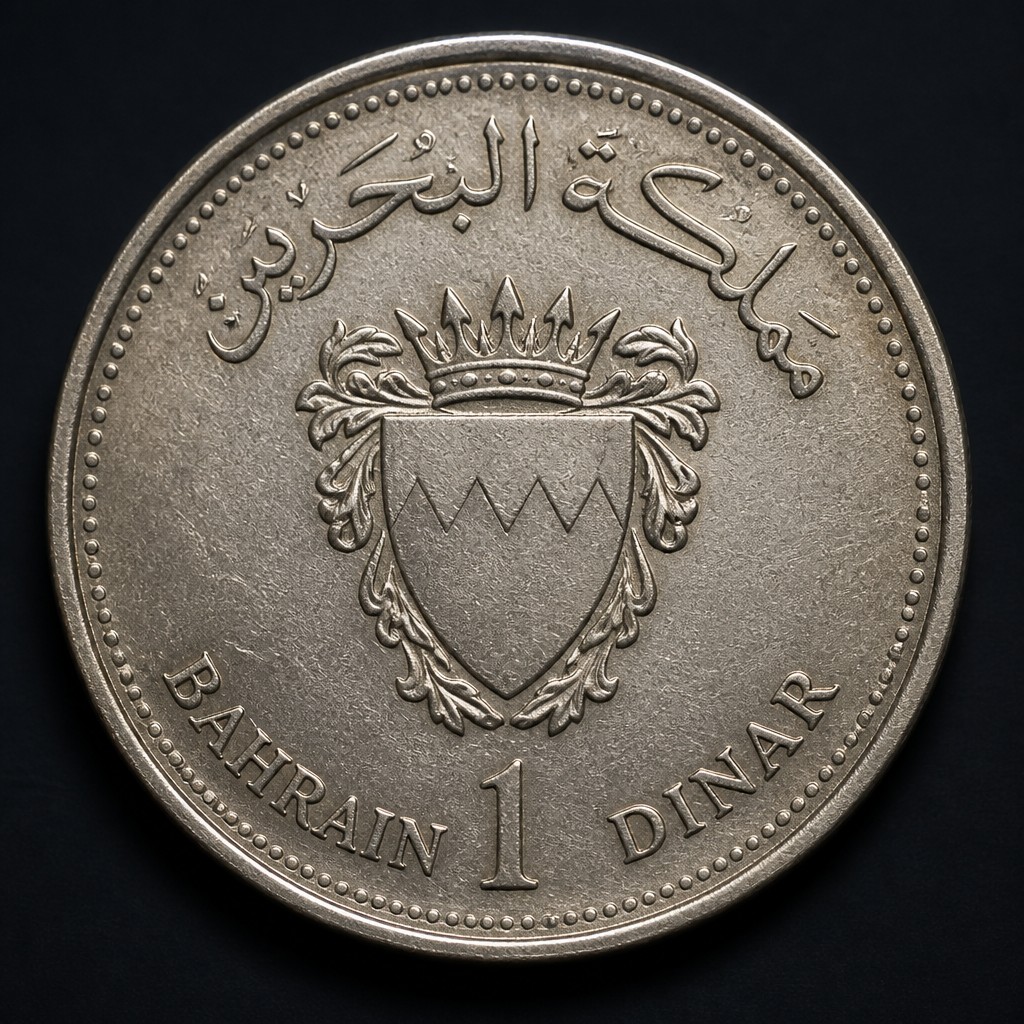
Bahraini Dinar
1965–present
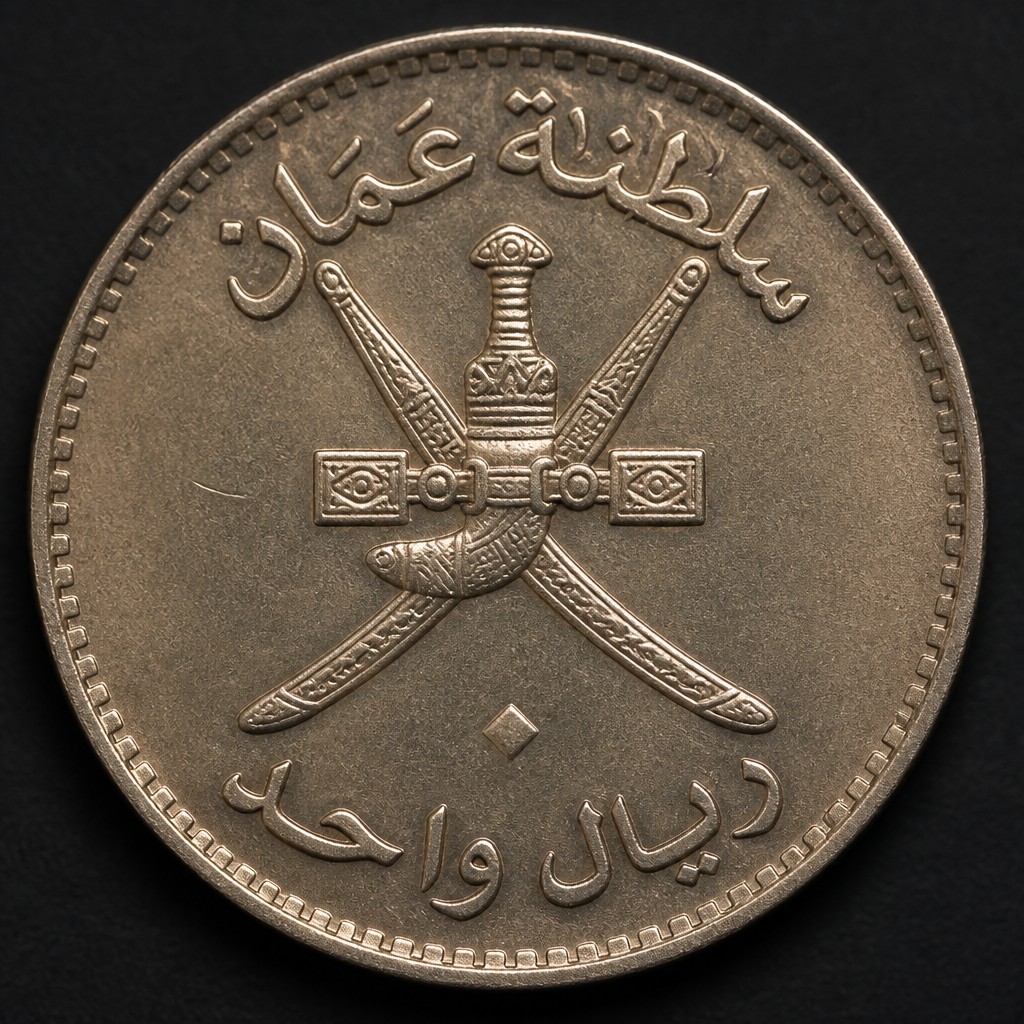
Omani Rial (Baisa Coinage)
1970–present
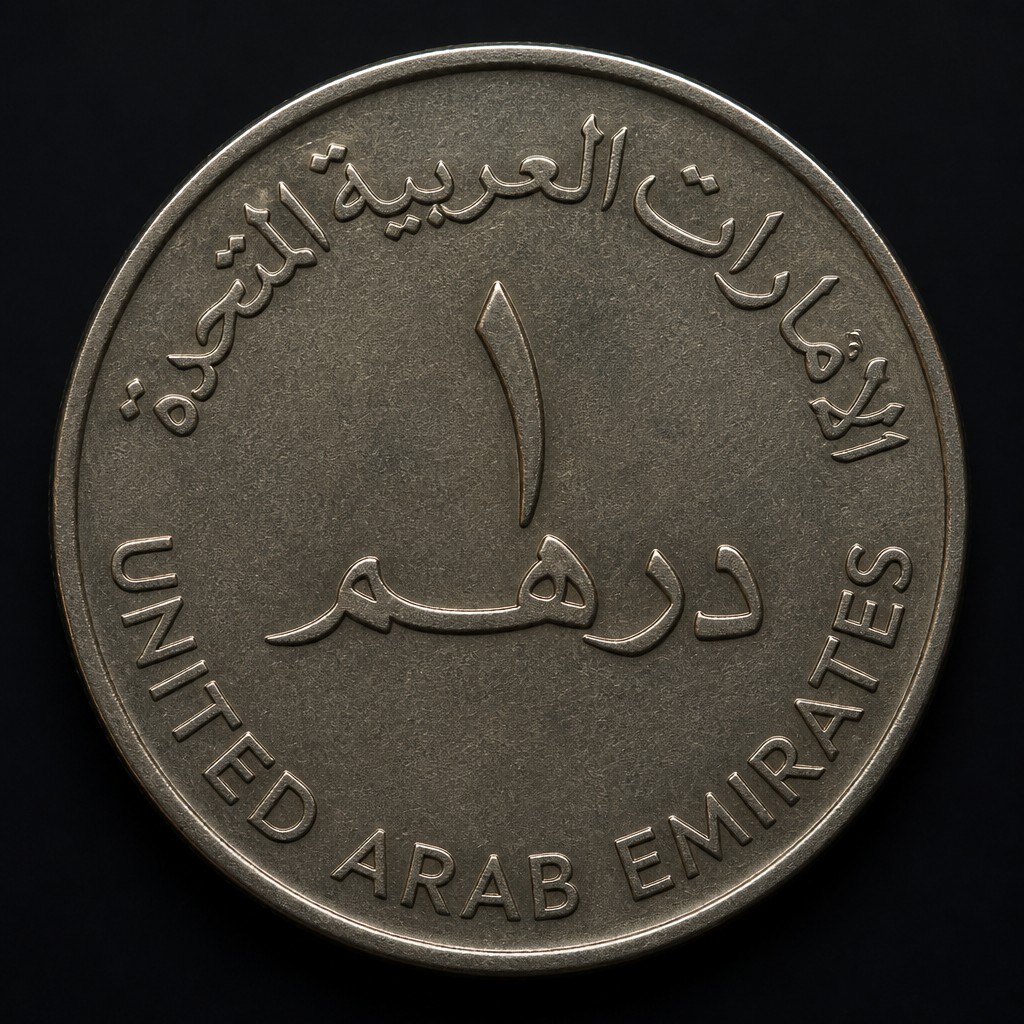
United Arab Emirates Dirham
1973–present
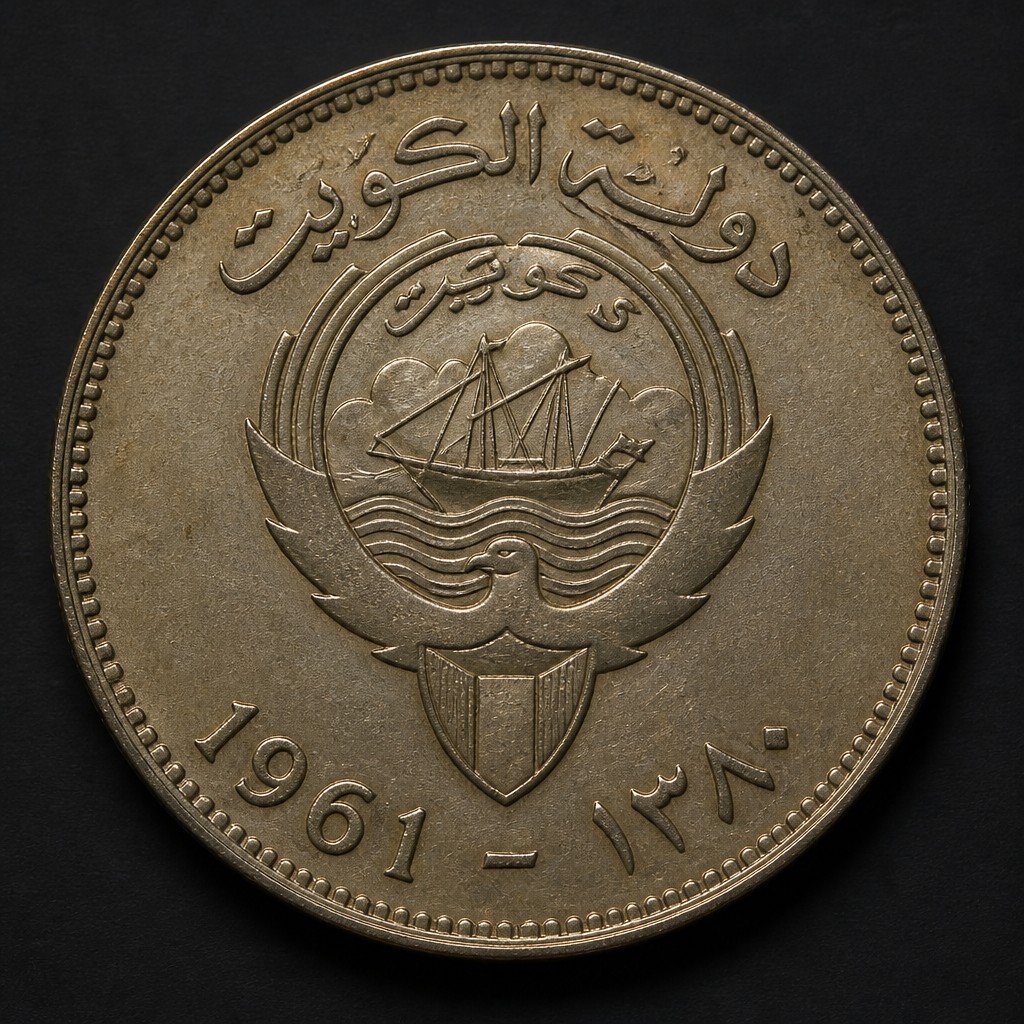
Kuwaiti Fils
1961–present
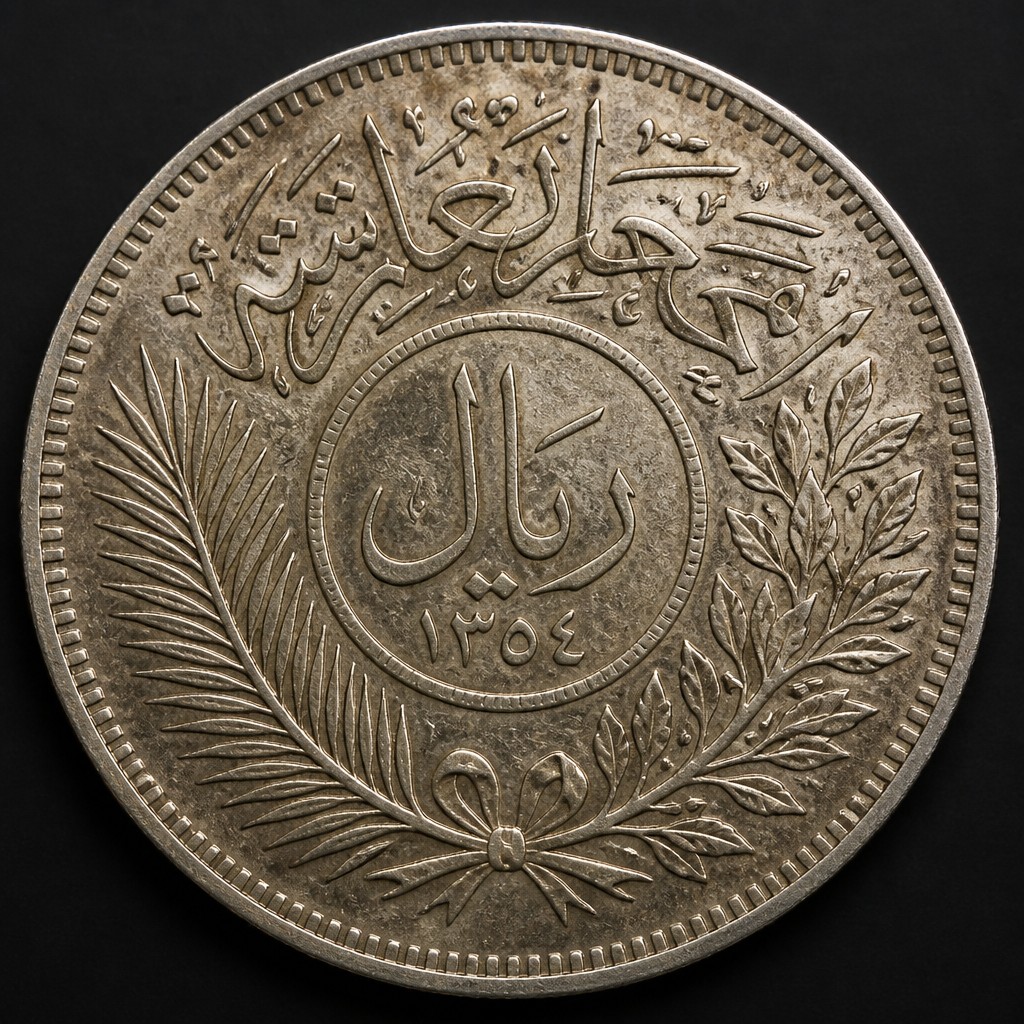
Saudi Arabian Riyal (silver)
1935 (Kingdom-wide standardization) and related issues
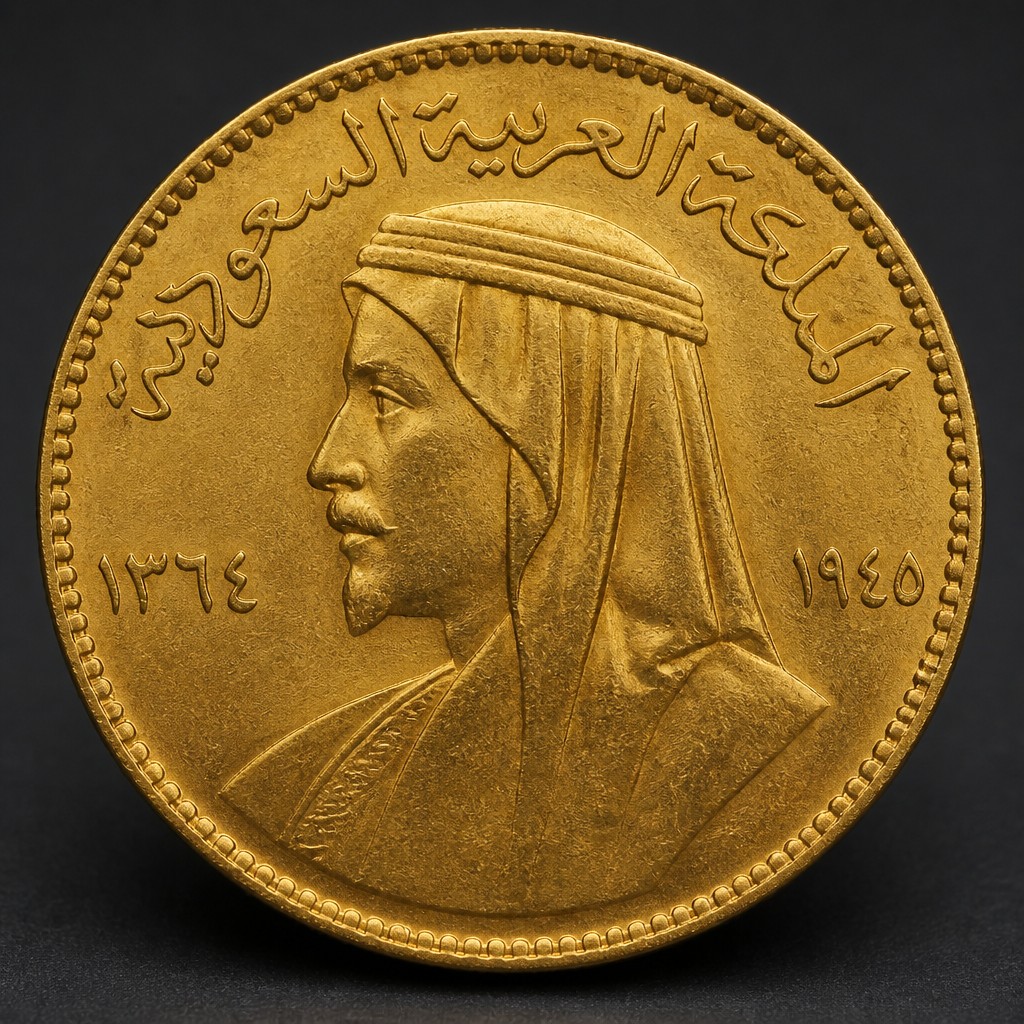
Saudi Arabian Gold Guinea (Sovereign)
1945 and later issues
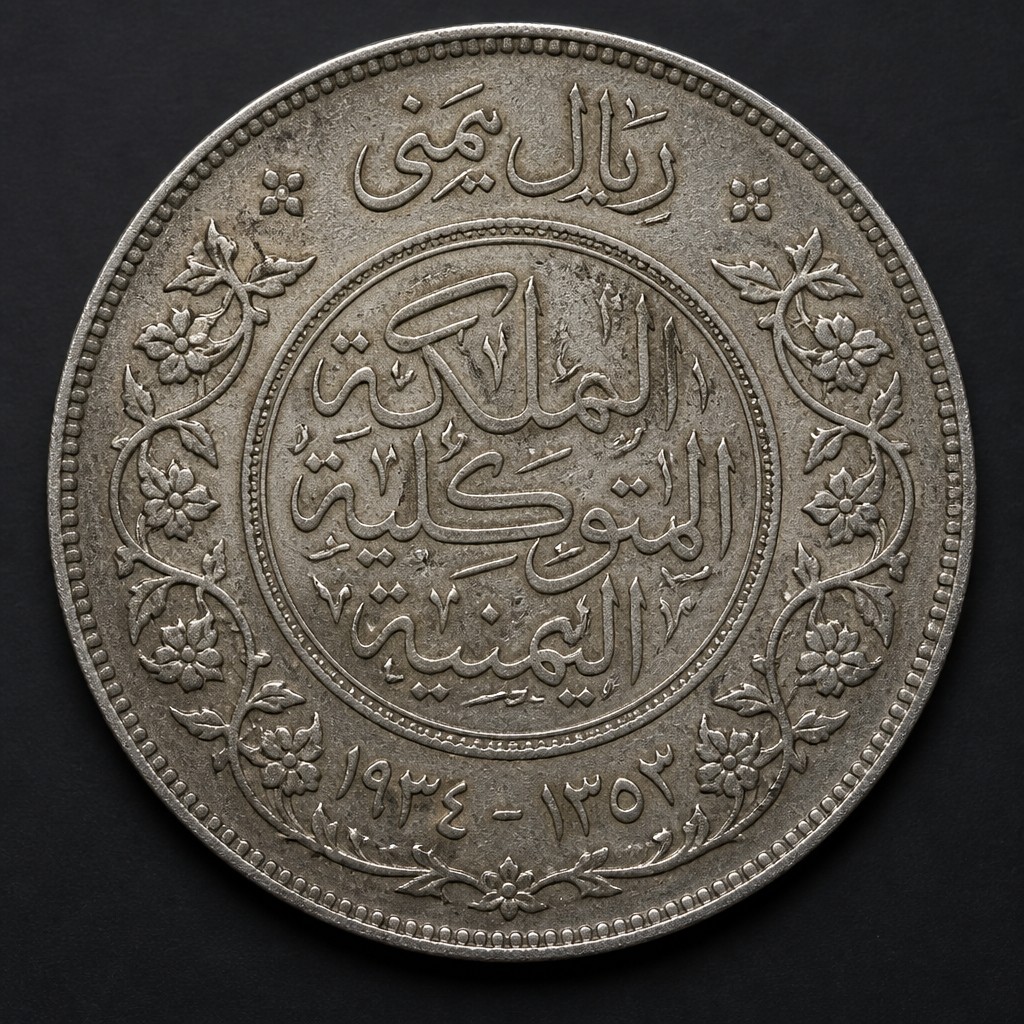
Yemeni Riyal (Ahmadi/Imadi Kingdom Coinage)
Early-to-mid 20th century
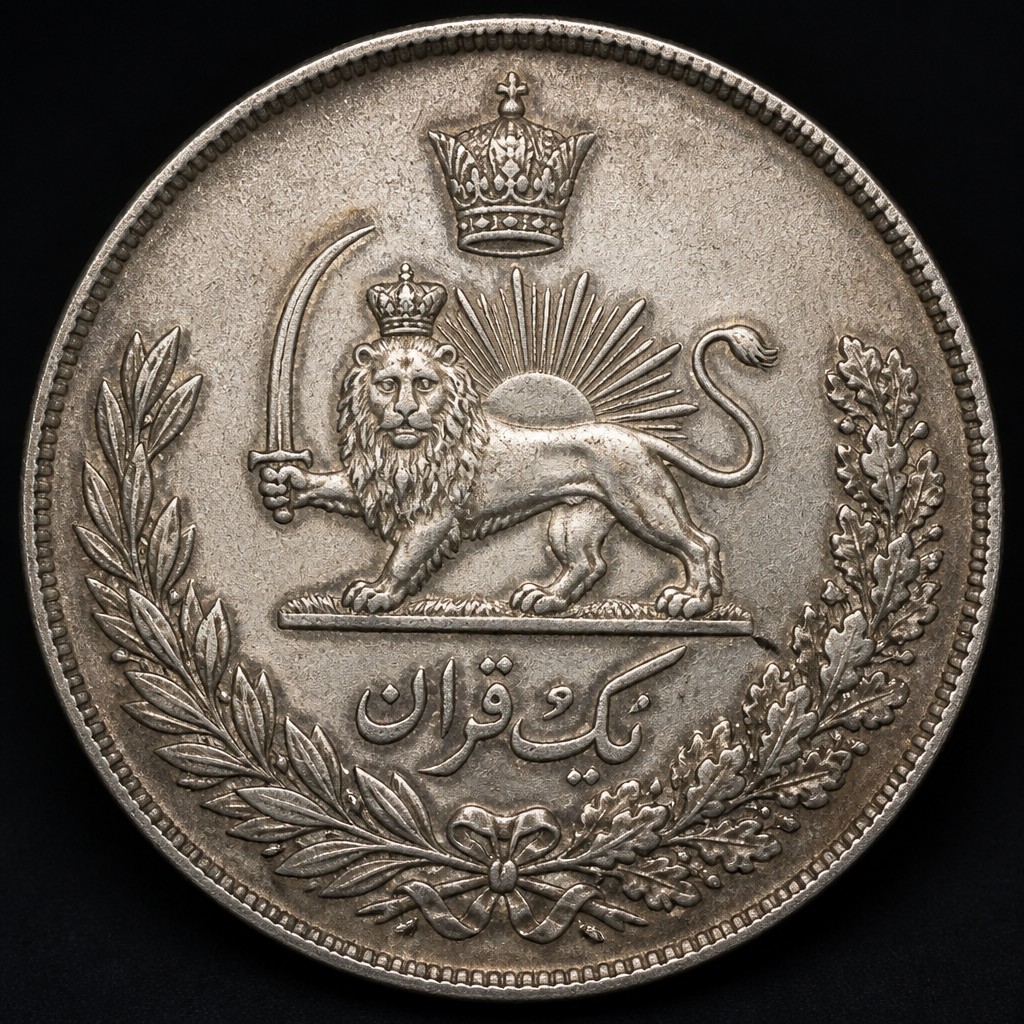
Persian Kran (Qajar silver)
Mid-19th century–1925
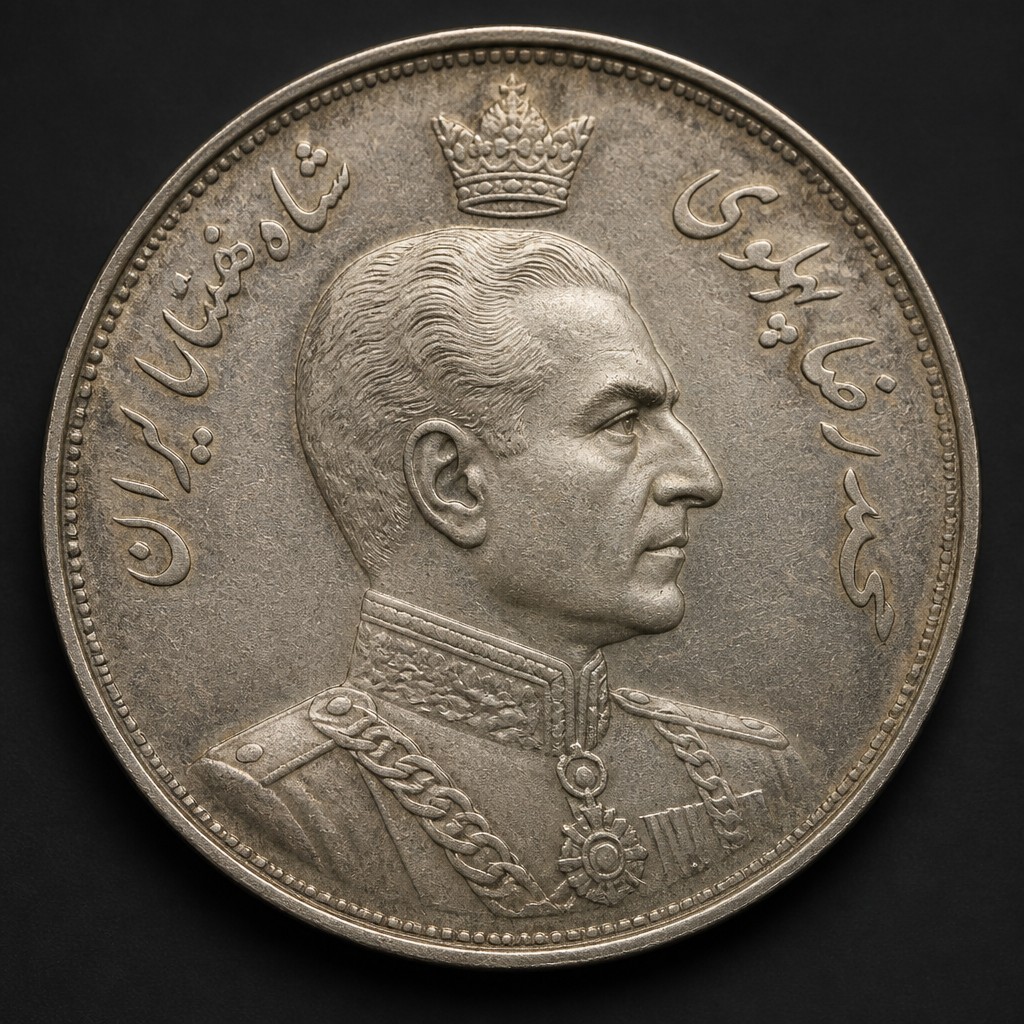
Iranian Rial
1932–present
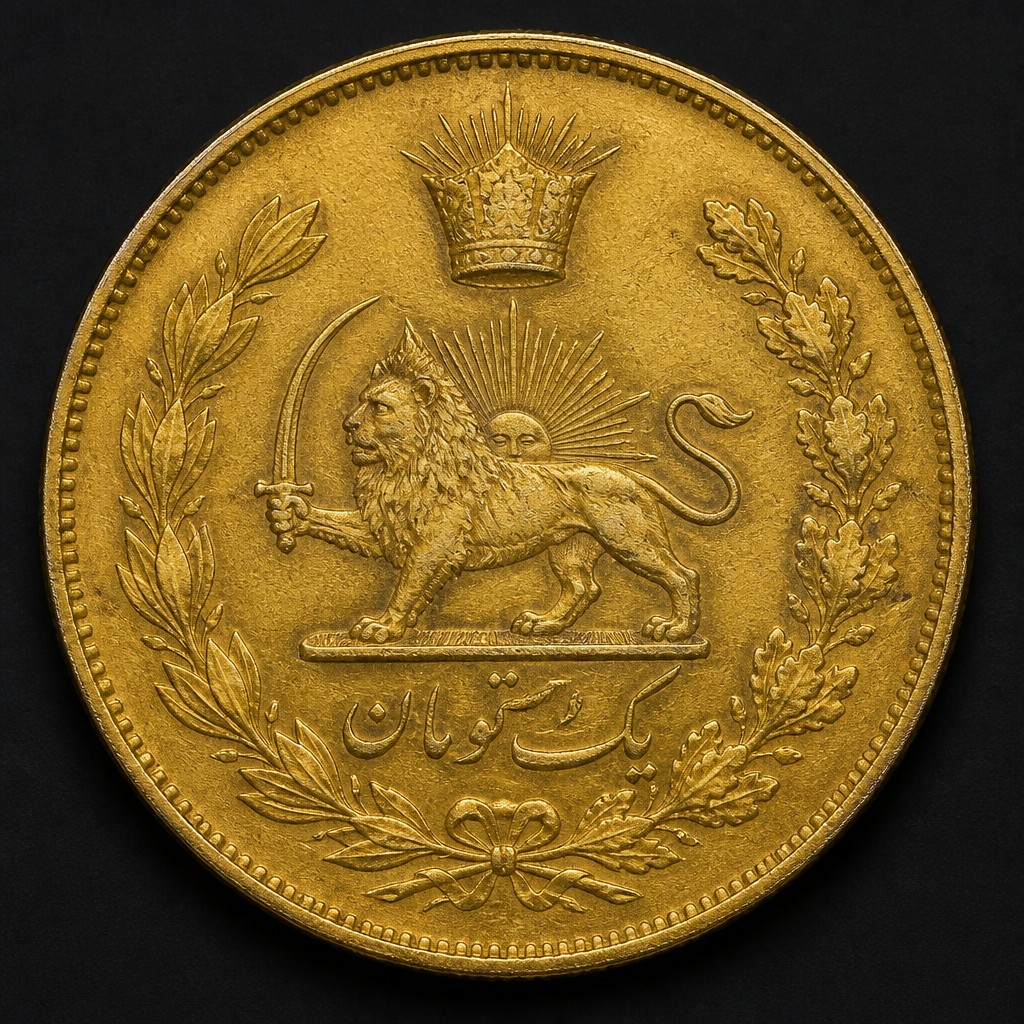
Persian Gold Toman (Qajar)
1796–1925
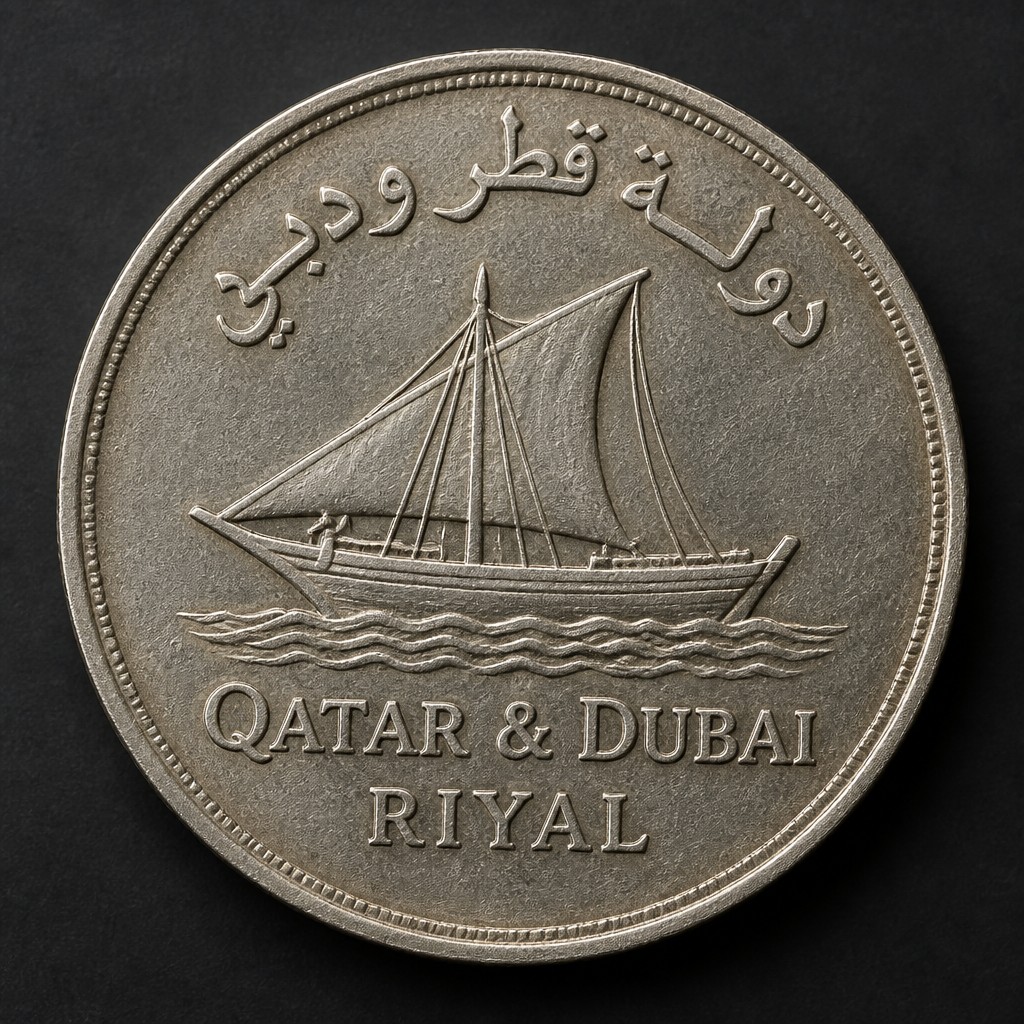
Qatar and Dubai Riyal
1966–1973
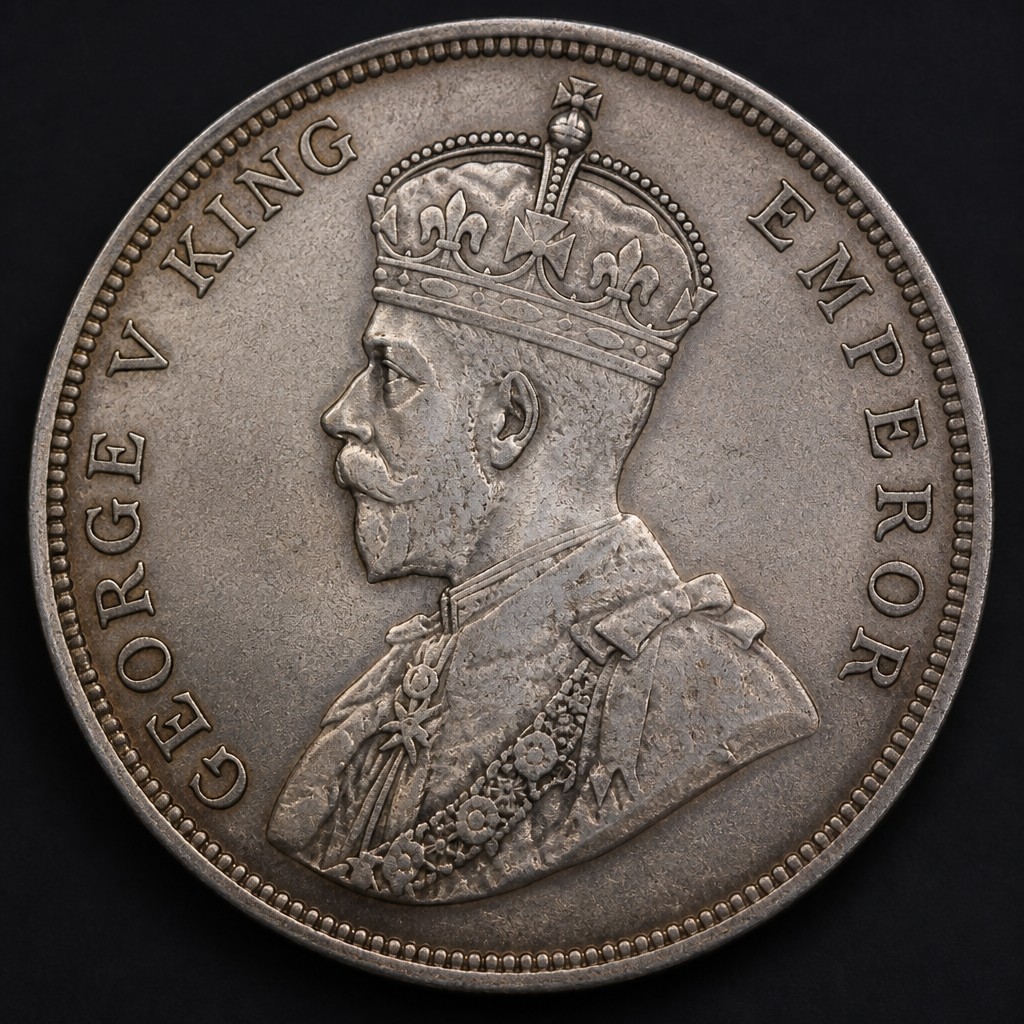
British India Rupee (Silver)
1835–1947