
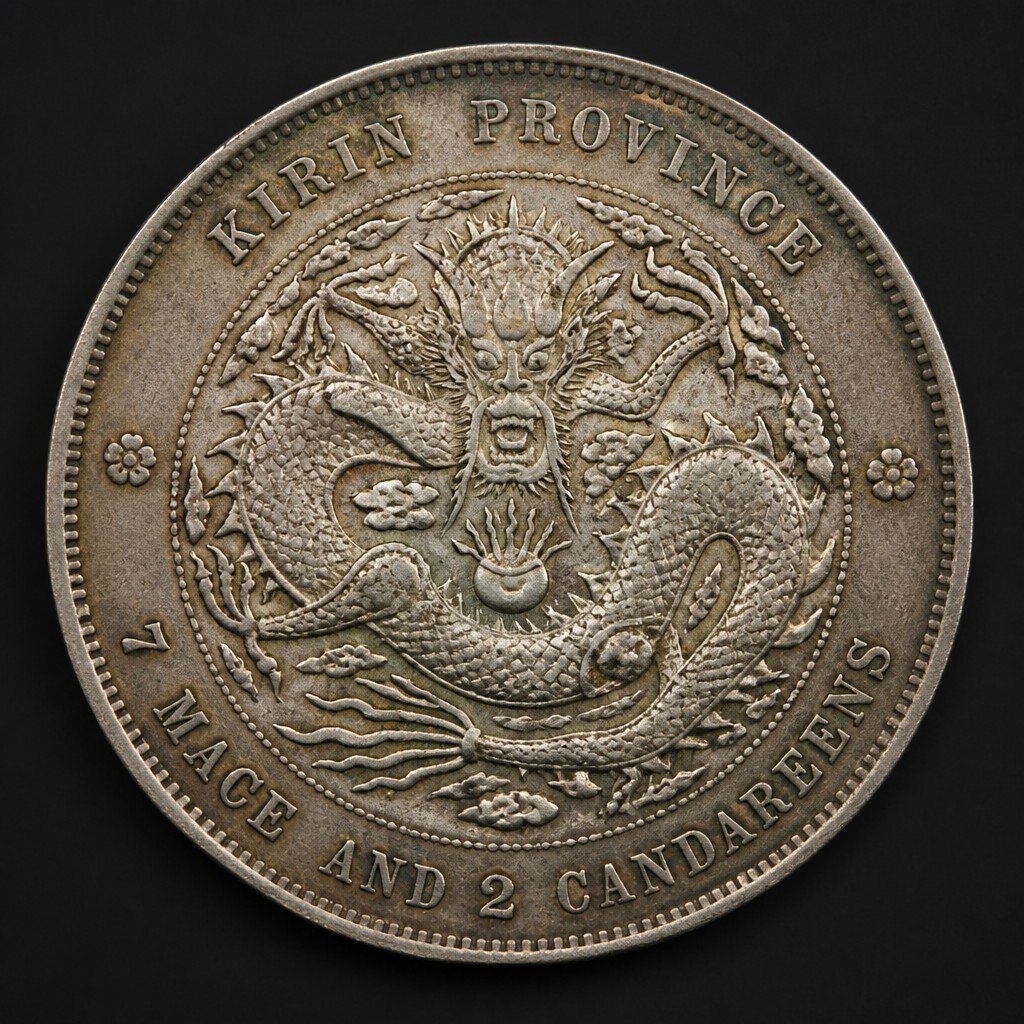
Chinese Kirin Province Dragon Dollar
A late Qing dynasty silver dollar from China's northeastern Kirin province, widely admired by collectors for the unusually artistic and finely detailed dragon design on several of its issues.
- Country
- China (Kirin/Jilin Province)
- Denomination
- 1 Dollar (7 Mace 2 Candareens)
- Metal
- Silver
Got a coin like this?
Identify any coin from a photo, free.
Overview
The Kirin Province Dragon Dollar is a silver dollar-sized coin struck by the provincial mint in Kirin (modern Jilin), a province in China's northeastern Manchurian region, during the final years of the Qing dynasty. It belongs to the broader family of Chinese provincial dragon dollars produced as part of late Qing efforts to modernize the country's fragmented and often chaotic currency system.
Kirin's dragon dollars are especially celebrated among collectors for their artistic quality, with certain issues considered among the most beautifully engraved dragon designs of any Chinese provincial mint, featuring intricate, finely detailed dragons rendered with notable craftsmanship compared to more standardized designs used elsewhere.
Because Kirin's provincial coinage was produced only for a relatively short window before broader currency standardization efforts took hold in China, its dragon dollars are considered an important and visually distinctive chapter of late Qing numismatics.
History & Background
As part of the Qing dynasty's broader nineteenth-century push to modernize China's currency system with Western-style machine-struck coinage, several provinces established their own mints and began issuing silver dollar coins bearing dragon designs alongside inscriptions identifying the issuing province. The mint at Kirin, associated with the region's arsenal facilities in China's northeastern Manchurian homeland, began producing such coinage in the final years of the nineteenth century.
Kirin's mint distinguished itself through the artistic ambition of its dragon dollar designs, with master engravers producing notably detailed and dynamic dragon imagery compared to the more generic patterns common at many other provincial mints. Production continued for roughly a decade before the Qing government's broader currency reform efforts increasingly standardized coinage designs across provinces in the early twentieth century, eventually curtailing much of the earlier stylistic diversity among provincial dragon dollars.
How to Identify
The obverse of Kirin dragon dollars carries Chinese characters identifying the province and denomination, typically expressed in the traditional weight-based terms of "7 Mace and 2 Candareens" equivalent to one dollar, along with the reign year of the ruling Qing emperor. The reverse displays a dragon design, and certain Kirin issues are particularly noted among specialists for their unusually fine, almost sculptural dragon engraving compared to more common provincial dragon dollar types.
The coin is silver, generally matching the size and weight standard of other Chinese dollar coinage of the period, roughly 26–27 grams and about 39 mm in diameter, with a reeded or patterned edge depending on the specific issue. Some Kirin dollar varieties also carry small design elements or inscriptions in Manchu script, reflecting the region's historical ties to the Manchu Qing ruling house.
Collectors distinguish Kirin dollars from those of other provinces by the specific Chinese characters naming Kirin, combined with the province's characteristically detailed dragon artistry, and rely on specialist Chinese silver dollar references to pinpoint the exact date and design variety.
Value & Collectibility
Kirin dragon dollars are highly regarded within Chinese numismatics, and certain particularly artistic or scarce issues from this series rank among the more actively sought Chinese provincial dollars, commanding strong premiums in the collector market, especially in well-preserved, sharply struck condition. More common Kirin issues remain more moderately priced but are still valued above many less artistically distinguished provincial dollar types.
As with all Chinese dragon dollar coinage, factors such as strike sharpness, original luster, absence of cleaning, and freedom from chopmarks significantly influence value, and specialists pay close attention to subtle die varieties within the Kirin series that can carry substantially different values.
Given the strong collector interest and periodic presence of counterfeits within valuable Chinese dragon dollar series generally, buyers are encouraged to consult experienced dealers or reputable grading services and cross-reference against specialist literature before purchasing higher-value Kirin dollar examples.
Frequently asked questions
Why are Kirin dragon dollars considered special among collectors?
Certain Kirin issues are praised for unusually fine, detailed dragon engraving that stands out artistically compared to more generic dragon designs used by many other Chinese provincial mints.
Where is Kirin province?
Kirin, also known as Jilin, is a province in China's northeastern Manchurian region, historically significant as the ancestral homeland area of the Qing ruling house.
How long was this coin produced?
Kirin's distinctive provincial dragon dollar coinage was issued for roughly a decade in the final years of the Qing dynasty before broader currency standardization reduced provincial design diversity.
What does '7 Mace and 2 Candareens' mean?
It is a traditional Chinese weight-based expression equivalent to one silver dollar, commonly used on Chinese provincial dragon dollar inscriptions of this era.
Should I be cautious of counterfeits?
Yes, valuable Chinese dragon dollar types, including certain Kirin issues, have been targeted by counterfeiters, so verification through experienced dealers or grading services is advisable for higher-value examples.
Other coins you may enjoy
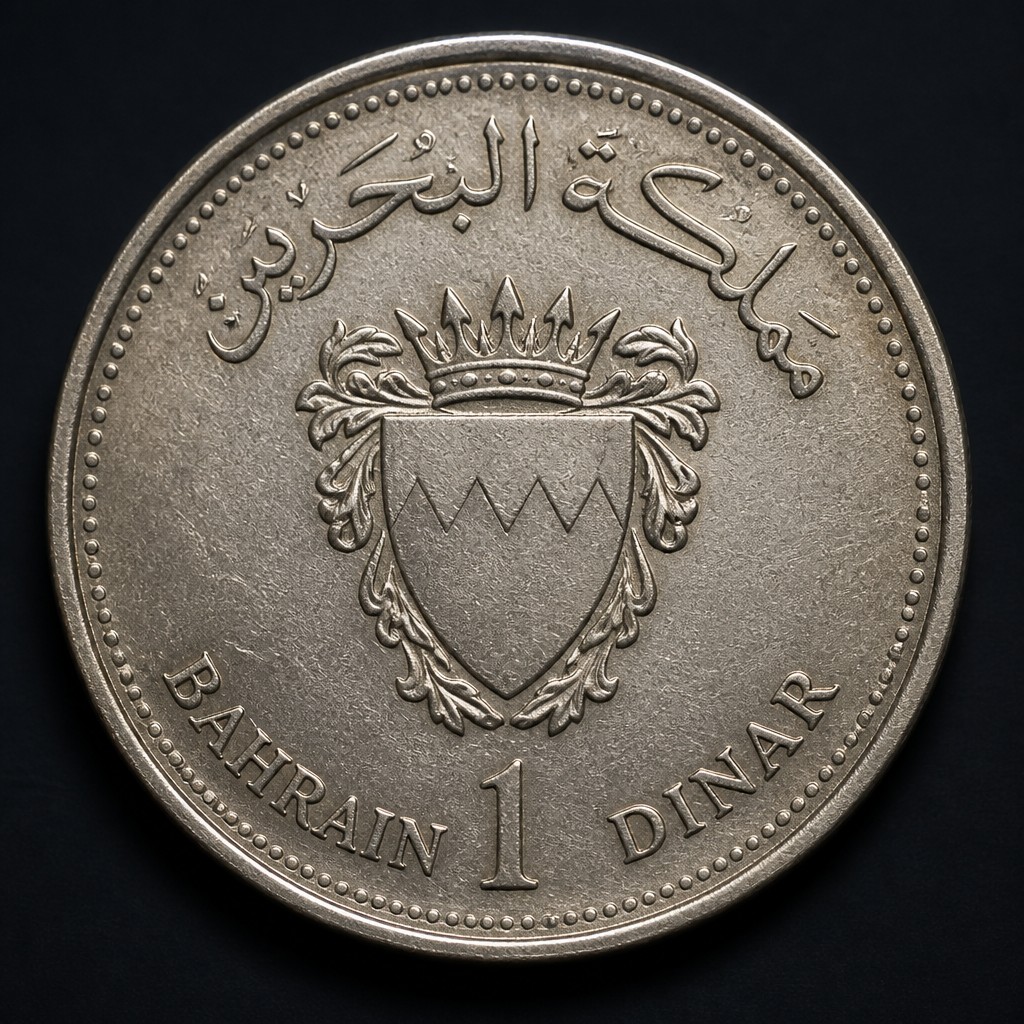
Bahraini Dinar
1965–present
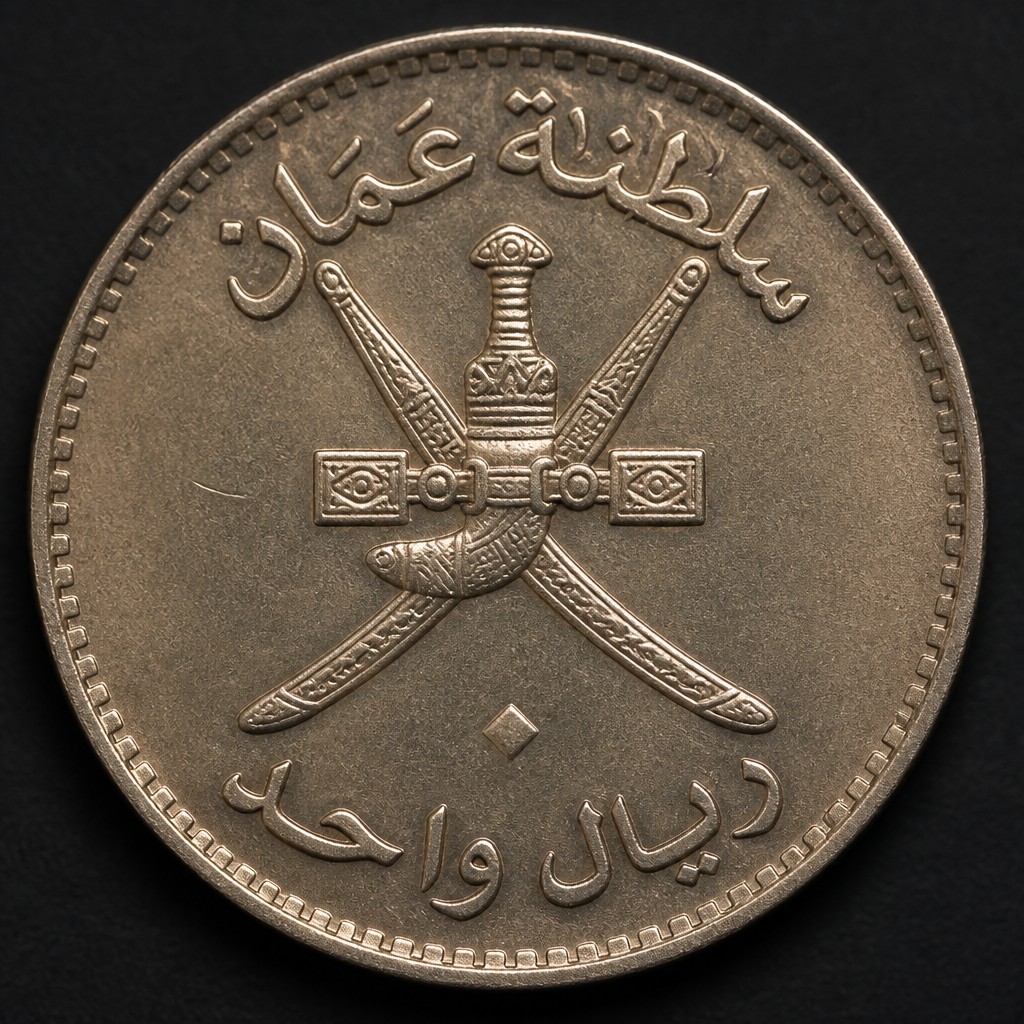
Omani Rial (Baisa Coinage)
1970–present
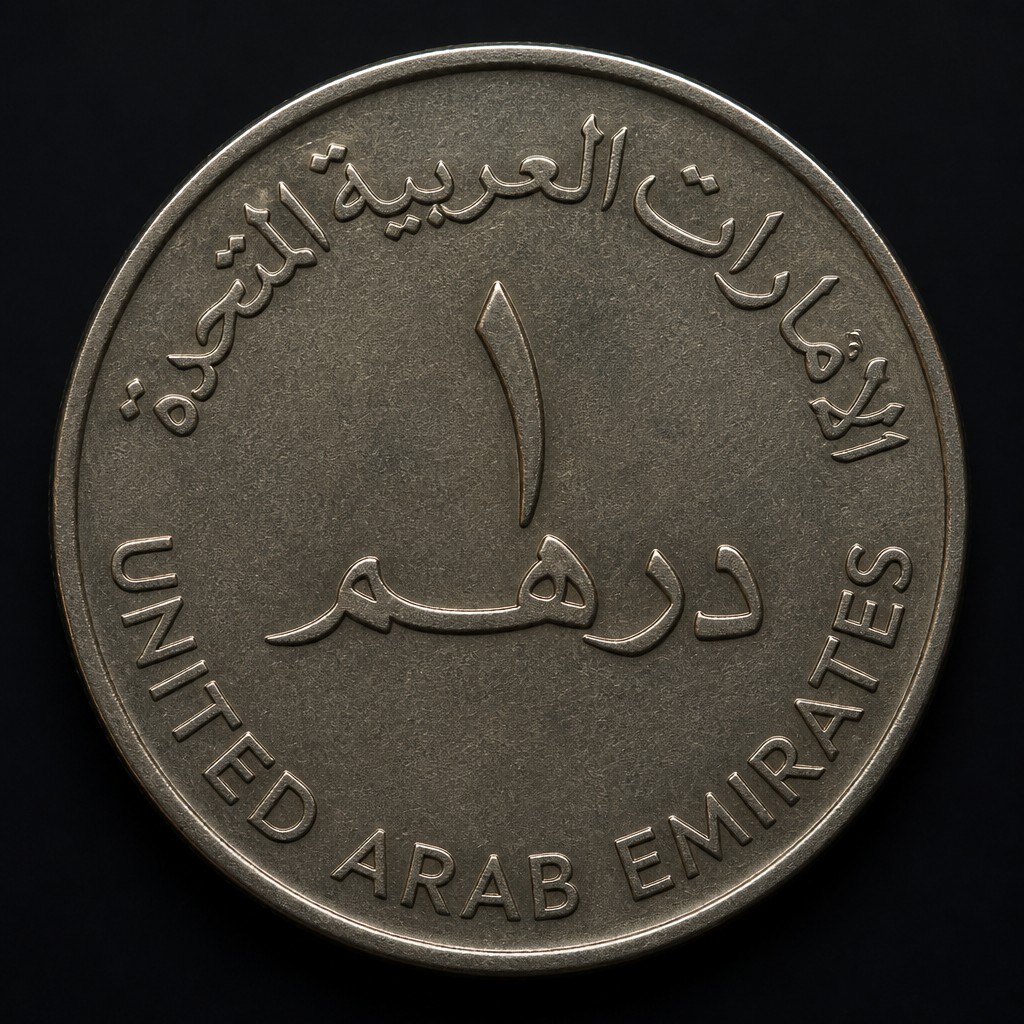
United Arab Emirates Dirham
1973–present
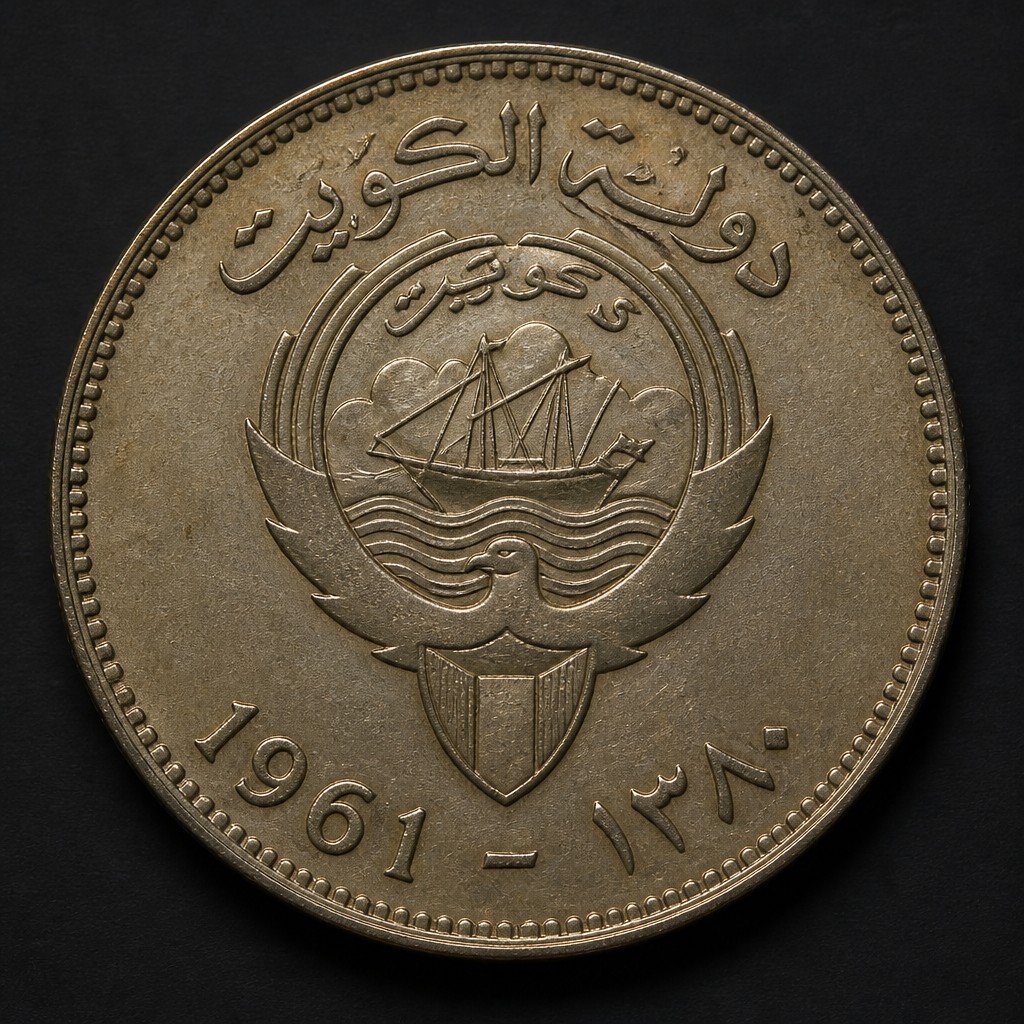
Kuwaiti Fils
1961–present
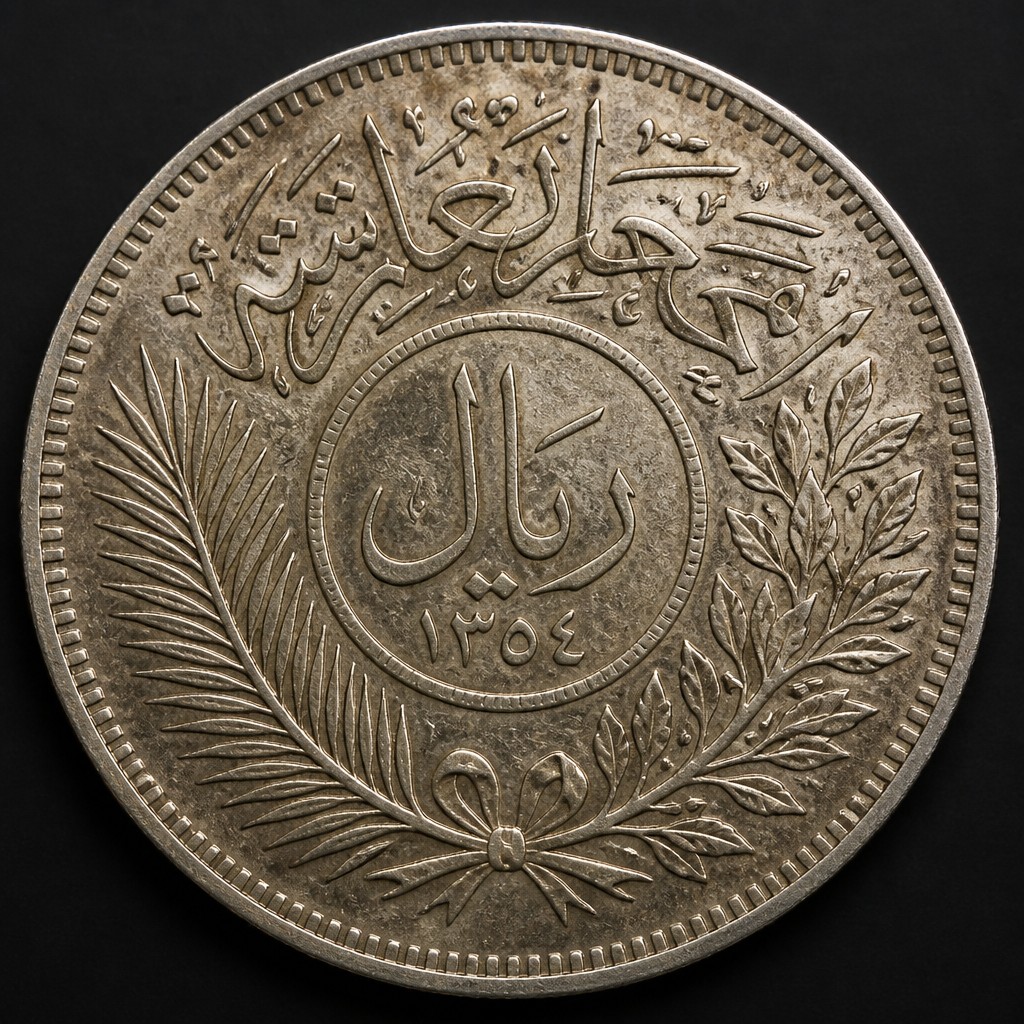
Saudi Arabian Riyal (silver)
1935 (Kingdom-wide standardization) and related issues
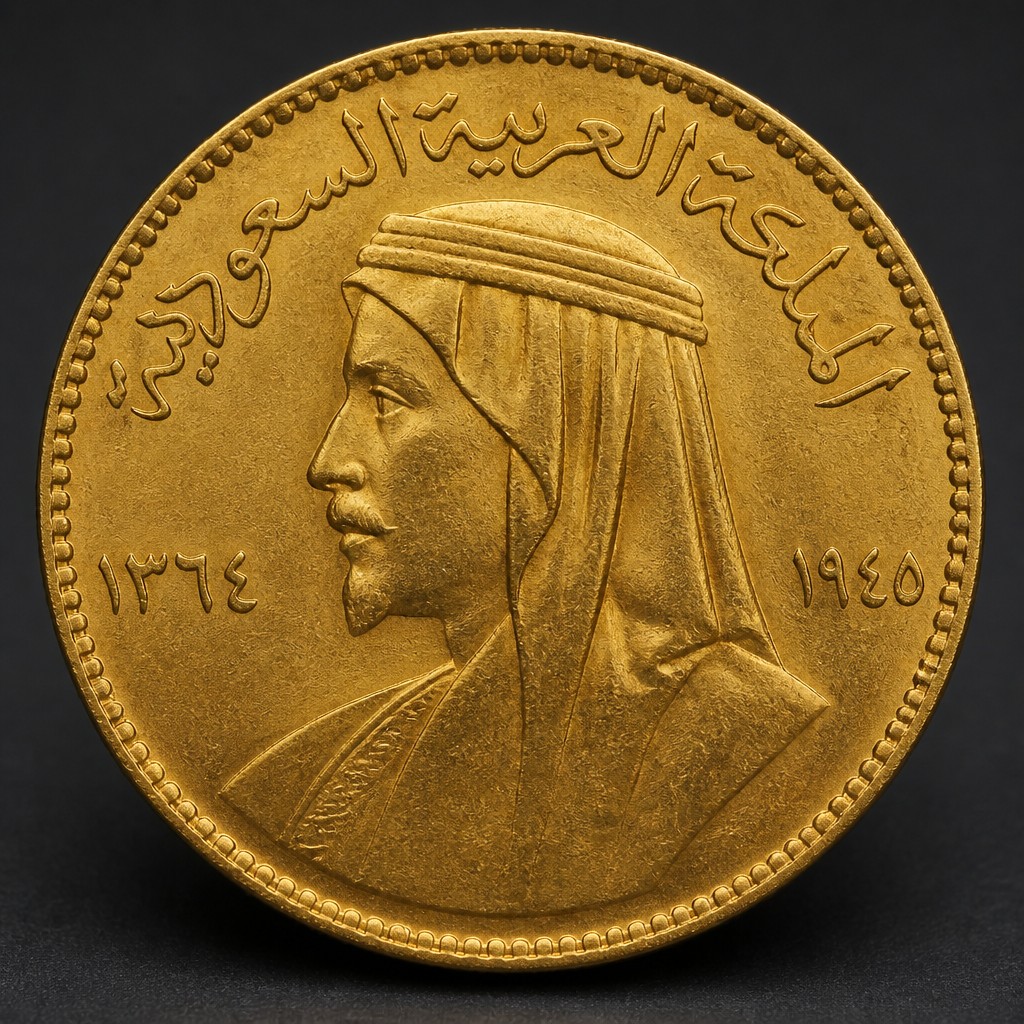
Saudi Arabian Gold Guinea (Sovereign)
1945 and later issues
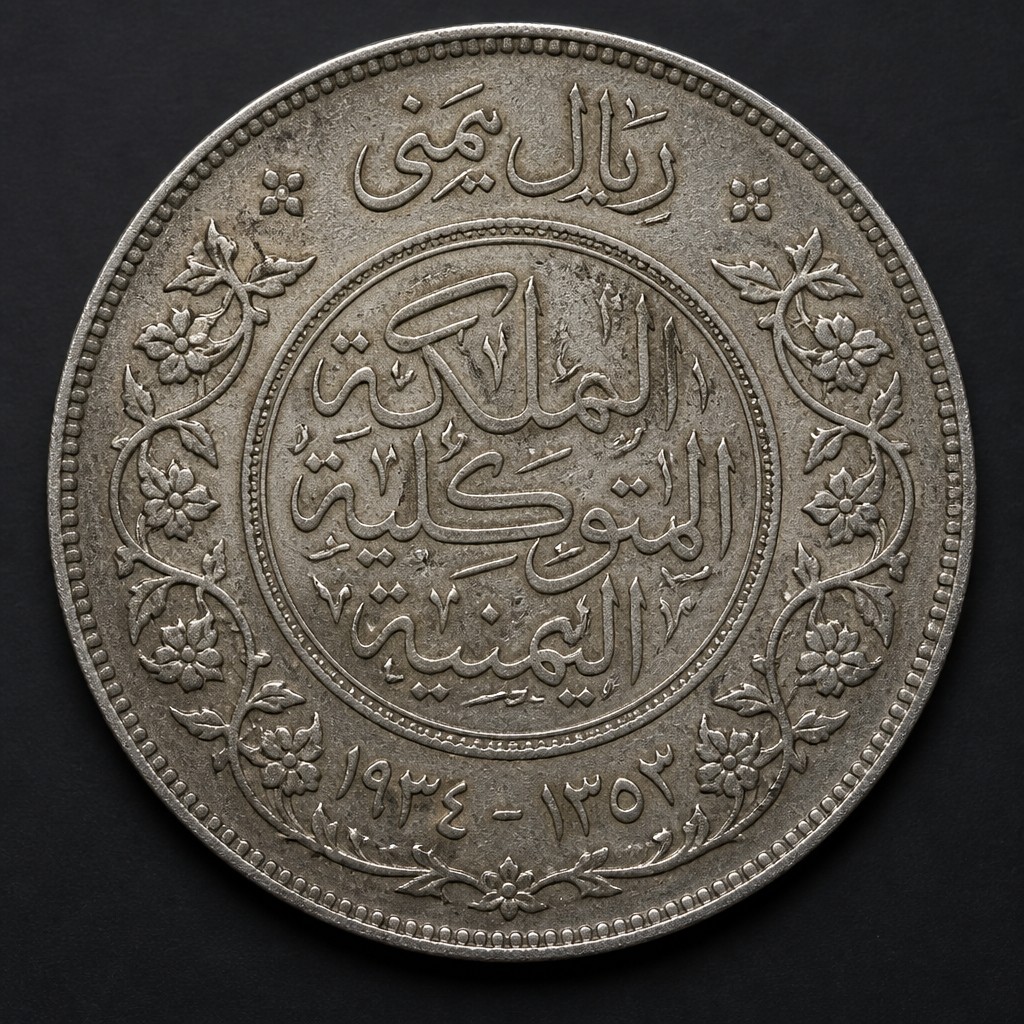
Yemeni Riyal (Ahmadi/Imadi Kingdom Coinage)
Early-to-mid 20th century
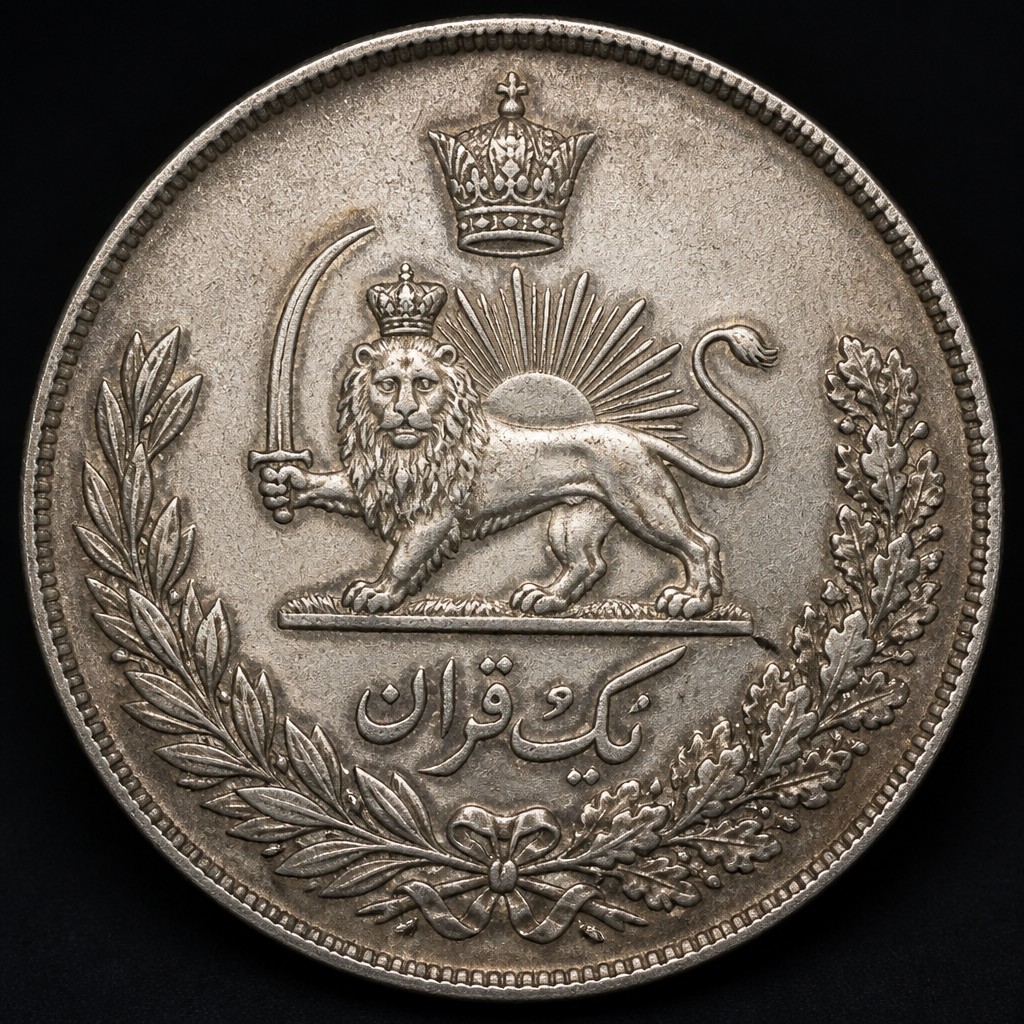
Persian Kran (Qajar silver)
Mid-19th century–1925
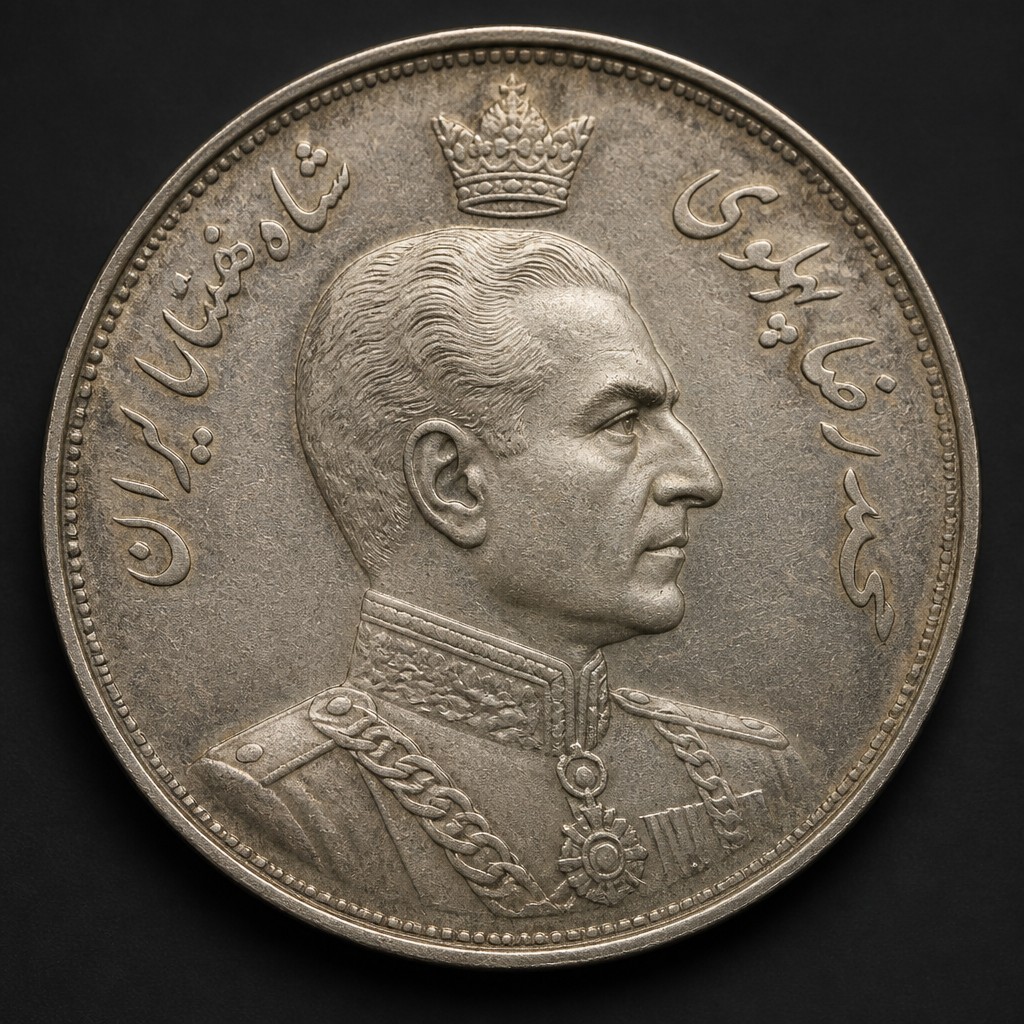
Iranian Rial
1932–present
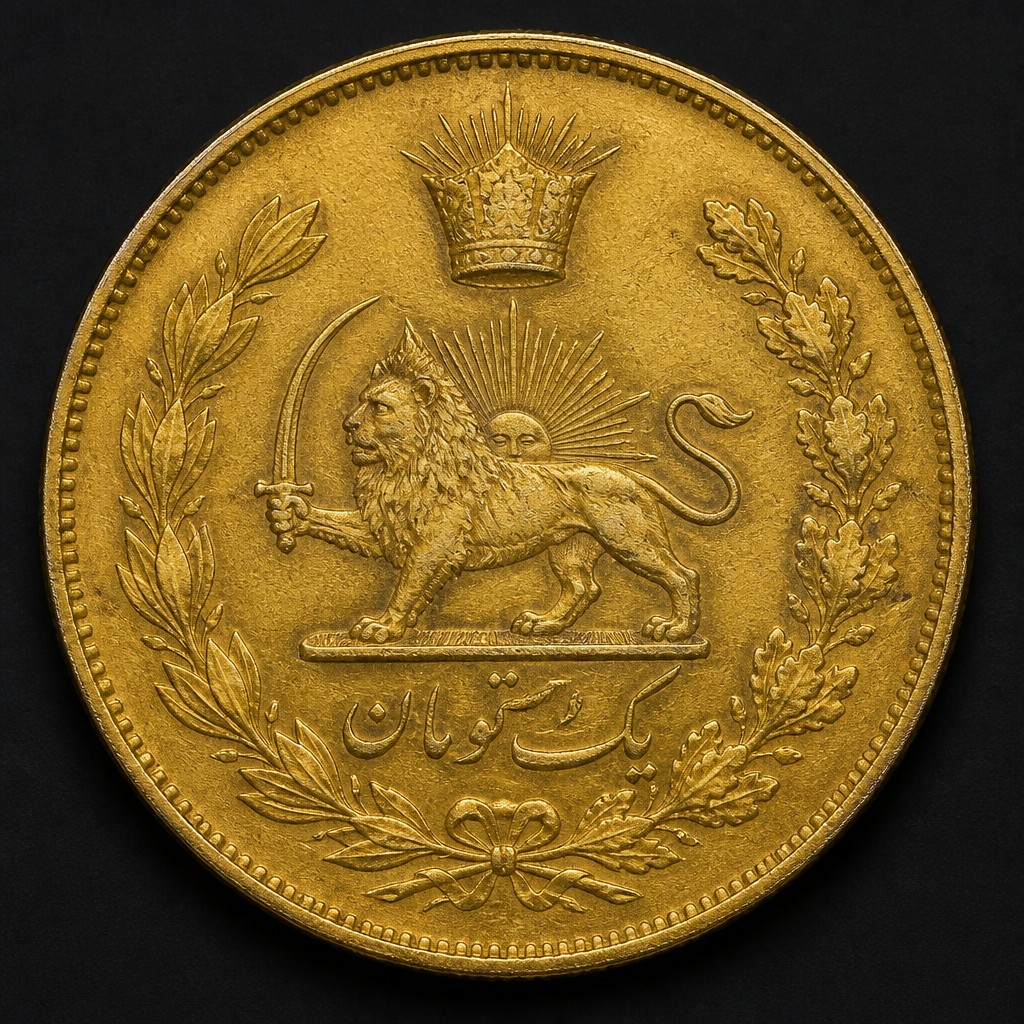
Persian Gold Toman (Qajar)
1796–1925
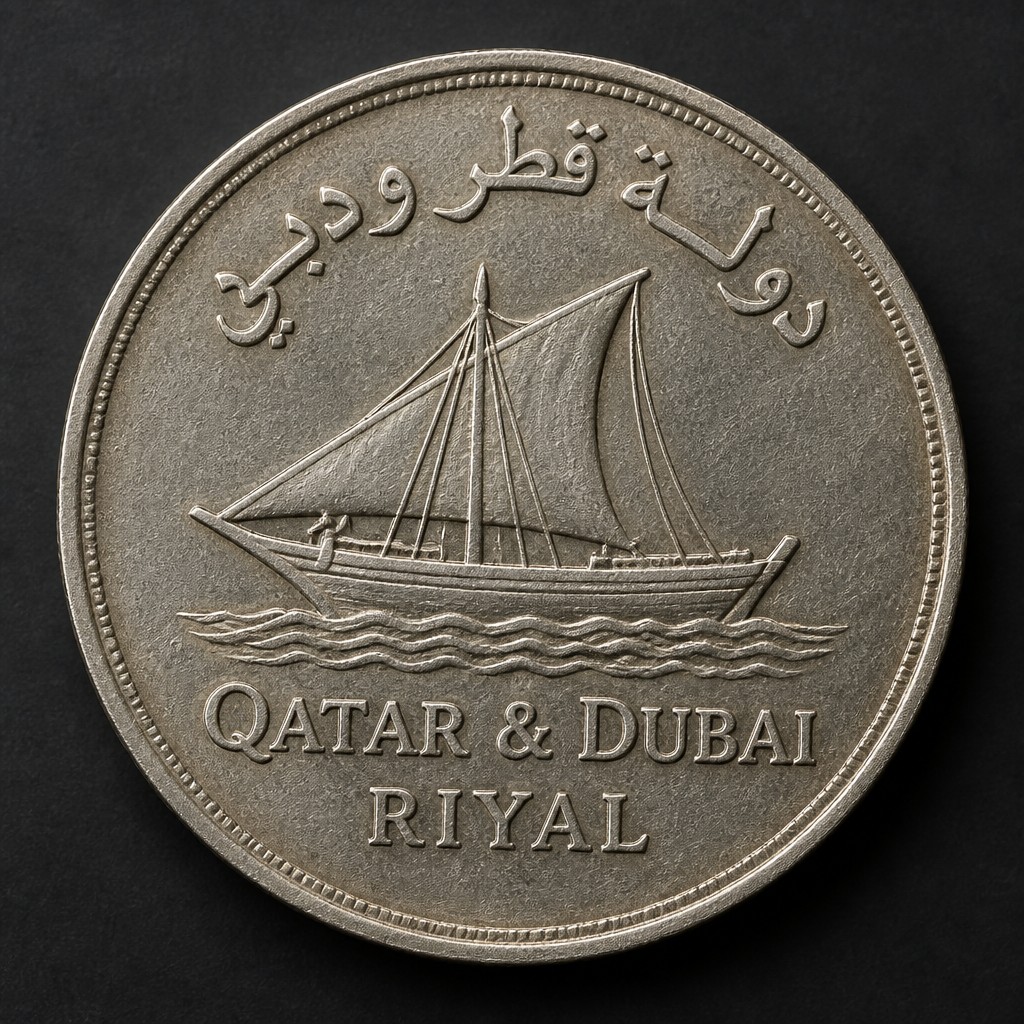
Qatar and Dubai Riyal
1966–1973
British India Rupee (Silver)
1835–1947