5 Krooni
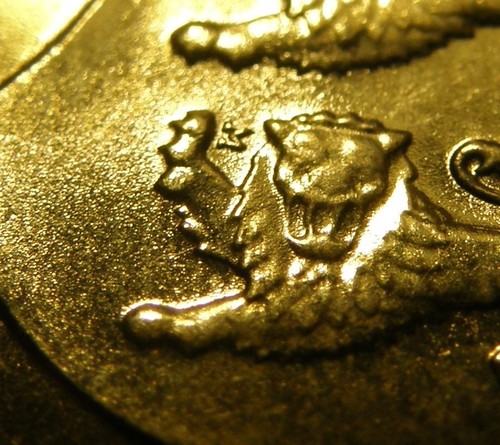
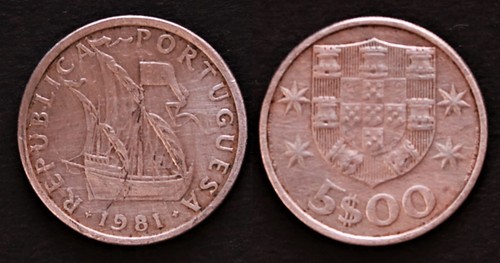
A silver 5 krooni of the Republic of Estonia dated 1993, carrying the national coat of arms with its three heraldic lions.
- Country
- Estonia
- Denomination
- 5 Krooni
- Metal
- Silver
Got a coin like this?
Identify any coin from a photo, free.
Overview
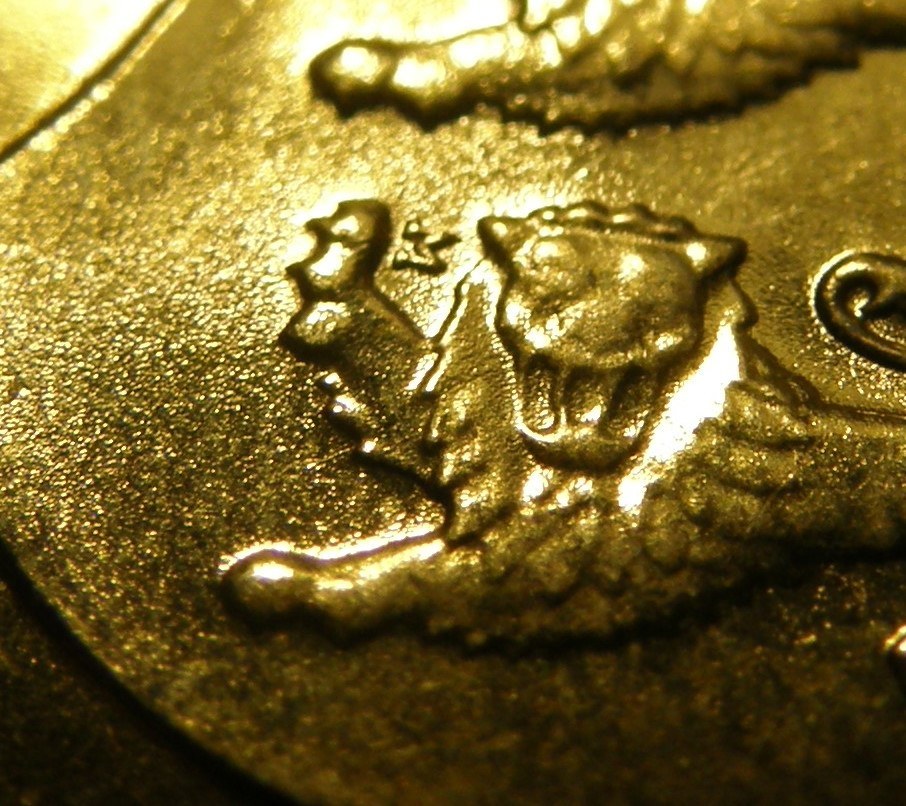
The 5 Krooni dated 1993 is a silver coin of the Republic of Estonia (Eesti Vabariik), struck in the early years after Estonia restored its independence and re-established the kroon as its national currency. The photographed detail highlights the country's coat of arms, a shield bearing three heraldic lions, which is the central identifying device of the design.
As a precious-metal issue rather than an everyday base-metal circulation piece, this 5 krooni belongs to the collector and commemorative side of Estonia's re-established coinage. Silver denominations of this period were produced in limited numbers and were meant to be kept, presented, or collected rather than spent in daily commerce.
The coin is prized as a tangible symbol of restored Estonian statehood in the early 1990s. Its national arms tie it directly to Estonian sovereignty, and its silver fabric distinguishes it from the small copper- and nickel-toned senti and kroon coins that circulated in ordinary use.
History & Background
Estonia first used the kroon as its currency between the World Wars, from 1928 until Soviet annexation in 1940 ended independent coinage. When Estonia regained independence in 1991, it reintroduced the kroon in 1992, breaking away from the Soviet ruble and re-establishing a national monetary system.
A coin dated 1993 falls squarely in this restoration period, when the young republic issued both practical circulating coins and precious-metal pieces that celebrated the return of sovereign Estonian money. The reappearance of the historic coat of arms with its three lions on new coinage was itself a statement of continuity with the pre-war republic and with Estonia's deeper heraldic past.
The three-lion arms trace back to medieval heraldry associated with Tallinn and Danish rule of northern Estonia, and they were adopted as the modern national arms. The kroon served Estonia until the country joined the euro in 2011, making 1990s krooni coins like this one relics of the independent-currency era.
How to Identify
The decisive identifier is the coat of arms: a shield bearing three lions (heraldically leopards, shown passant) is the national emblem of Estonia and marks the coin as an Estonian issue. In the macro photograph this heraldic lion detail is the clearest diagnostic feature. Look also for the country name in Estonian, typically EESTI or EESTI VABARIIK, and the value expressed as 5 KROONI.
The metal is silver, so the coin should show the bright white tone and noticeable heft of a precious-metal strike rather than the lighter, duller feel of a base-metal circulation coin. Confirm the 1993 date on the coin. A silver 5 krooni is a substantially more solid and lustrous piece than the small senti coins of the same era.
Key identifiers together are the Estonian three-lion arms, the EESTI legend, the 5 KROONI denomination, the 1993 date, and the silver composition. That combination separates this coin from Estonia's base-metal circulation pieces and from the coinage of neighboring Baltic states such as Latvia (lati/santimi) and Lithuania (litai/centai).
Value & Collectibility
As a silver coin, the 1993 5 krooni carries value from both its precious-metal content and its collector appeal, so it is worth more than the common base-metal coins of the same currency. Exact figures vary with the silver market and with how the piece was issued, but it trades well above face value rather than as bulk material.
Condition and eye appeal drive the premium. A crisp, fully lustrous example with sharp detail on the lions of the arms will command more than a handled or lightly worn coin, and original packaging or certificates, where they exist, can add to desirability. Because it is a comparatively modern Baltic issue, prices are set by collector demand rather than by rarity alone.
Treat any specific numbers as broad context, since silver prices move and world-coin markets are uneven. The coin's worth rests on its silver content plus its standing as a collectible emblem of newly re-independent Estonia.
Frequently asked questions
What are the three lions on the 5 krooni?
They are the national coat of arms of Estonia, a shield with three heraldic lions (shown as leopards passant). The arms trace back to medieval Tallinn heraldry and identify the coin as an Estonian issue.
Is the 1993 5 krooni really silver?
Yes, this type is a silver coin, which gives it both bullion and collector value. It should feel notably heavier and look brighter and whiter than Estonia's small base-metal senti and kroon circulation coins.
What does KROONI mean?
Kroon (plural krooni) was Estonia's national currency, used between the wars and again from 1992 until the country adopted the euro in 2011. The value 5 KROONI marks the denomination.
Can I still spend this coin?
No. Estonia replaced the kroon with the euro in 2011, so the coin is no longer legal tender. It now has silver and collector value rather than spending value.
How is it different from Latvian or Lithuanian coins?
Read the legend and emblem. This coin shows the Estonian three-lion arms and EESTI with a value in krooni, unlike Latvian coins denominated in lati/santimi or Lithuanian coins in litai/centai.
5 Krooni guides
In-depth guides for identifying, valuing, and collecting 5 Krooni.