
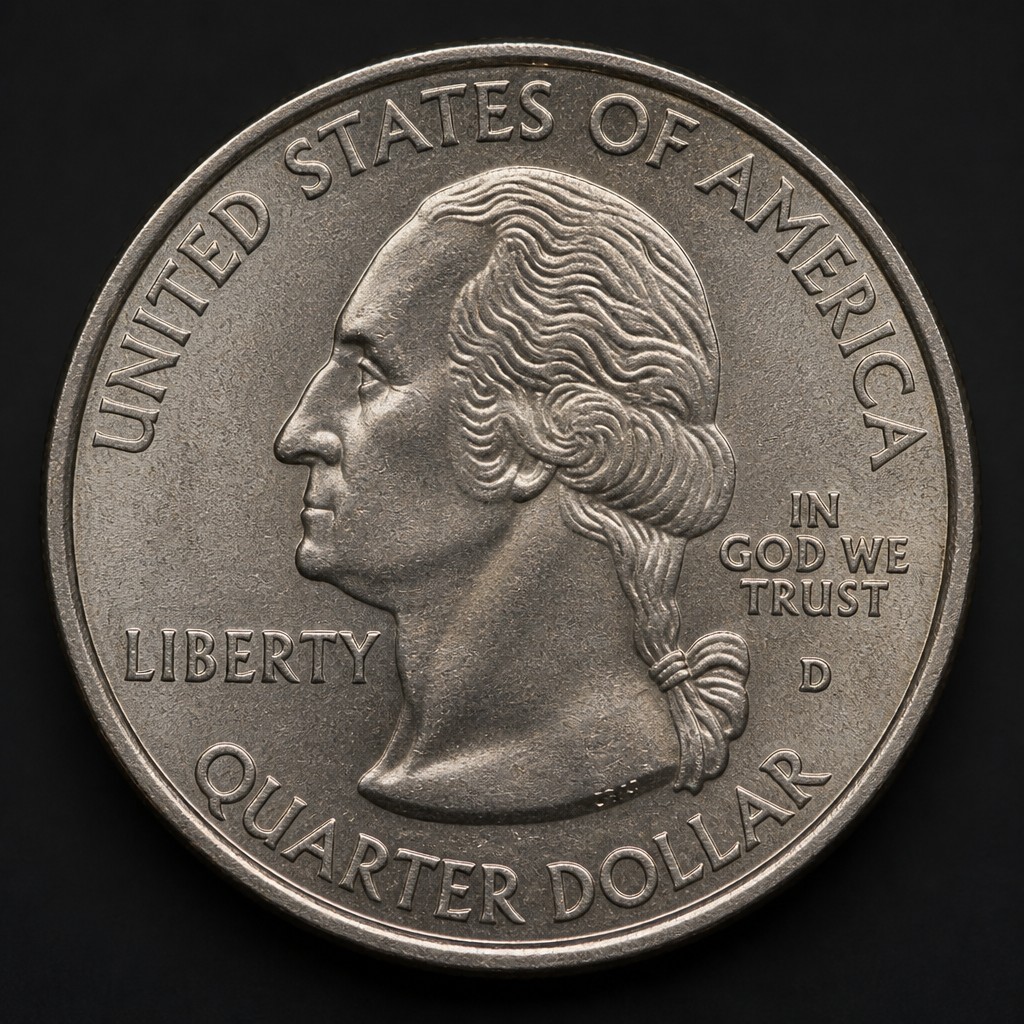
2004-D Wisconsin Extra Leaf High Quarter
The 'high leaf' variant of the famous Wisconsin quarter extra-leaf variety, showing the anomalous extra corn leaf pointing upward and outward rather than low near the cheese wheel.
- Country
- United States
- Denomination
- Quarter Dollar (25 Cents)
- Metal
- Copper-Nickel Clad
Got a coin like this?
Identify any coin from a photo, free.
Overview
The 2004-D Wisconsin Extra Leaf High quarter is one of two recognized varieties of the famous Wisconsin extra-leaf error, distinguished from the 'extra leaf low' variety by the position and angle of the unauthorized extra leaf added to the corn cob design. Both varieties originate from the same general phenomenon at the Denver Mint but are considered separately by collectors and grading services due to their visually distinct appearance and differing rarity and value.
As one half of the pair of coins that ignited a nationwide treasure-hunt in circulating change during the mid-2000s, it remains a well-known name among modern US variety collectors even years later.
History & Background
Like its 'low leaf' counterpart, the extra leaf high variety is believed to have originated from an altered or damaged working die used at the Denver Mint during production of the 2004 Wisconsin state quarter, whose standard design depicts a cow, cheese wheel, and corn to represent the state's dairy and agricultural industry. Exactly how or why the die came to include this extra leaf, whether through deliberate alteration by an individual or accidental die damage, was never officially confirmed by the Mint.
Collectors and dealers who examined large numbers of 2004 Wisconsin quarters after the initial 'low leaf' discovery identified this second, distinct 'high leaf' variant, cementing both as recognized varieties in standard US coin variety references.
How to Identify
On the extra leaf high variety, an additional leaf projects upward and outward from the corn husk, roughly parallel to or slightly diverging from the standard leaf, in contrast to the low variety's leaf, which points downward toward the cheese wheel. Both anomalies require magnification to see clearly and can be confused with ordinary die scratches or damage by an untrained eye.
The variety is specific to coins struck at the Denver Mint (D mint mark) in 2004, and definitive identification is best confirmed by comparison to published reference images or, ideally, professional certification, given the value difference between genuine varieties and coins with unrelated cosmetic flaws.
Value & Collectibility
The extra leaf high variety generally trades at somewhat lower values than the extra leaf low variety, though both can bring meaningful premiums over face value when certified, commonly ranging from roughly $50 to a few hundred dollars depending on grade and market conditions, well down from the levels seen during the initial discovery-driven excitement of the mid-2000s. As always with modern varieties, certification by a major grading service substantially affects buyer confidence and resale value.
Higher Mint State grades with strong strikes and clean surfaces command the best prices among certified examples of this variety.
Frequently asked questions
What's the difference between 'extra leaf high' and 'extra leaf low'?
The extra leaf high variety shows the anomalous leaf pointing upward and outward on the corn husk, while the low variety shows it pointing downward near the cheese wheel.
Which is worth more, high leaf or low leaf?
The low leaf variety has generally commanded somewhat higher prices than the high leaf variety, though both bring premiums over face value when certified.
Which mint produced this variety?
It is associated with the Denver Mint's 2004 production of the Wisconsin state quarter.
Do I need certification to sell this coin?
It is strongly recommended, since certification from a major grading service confirms authenticity and typically improves buyer confidence and resale value.
Other coins you may enjoy
2000-P Sacagawea Cheerios Dollar
2000
1972 Eisenhower Dollar (Type 2)
1972
1974 Aluminum Cent
1974
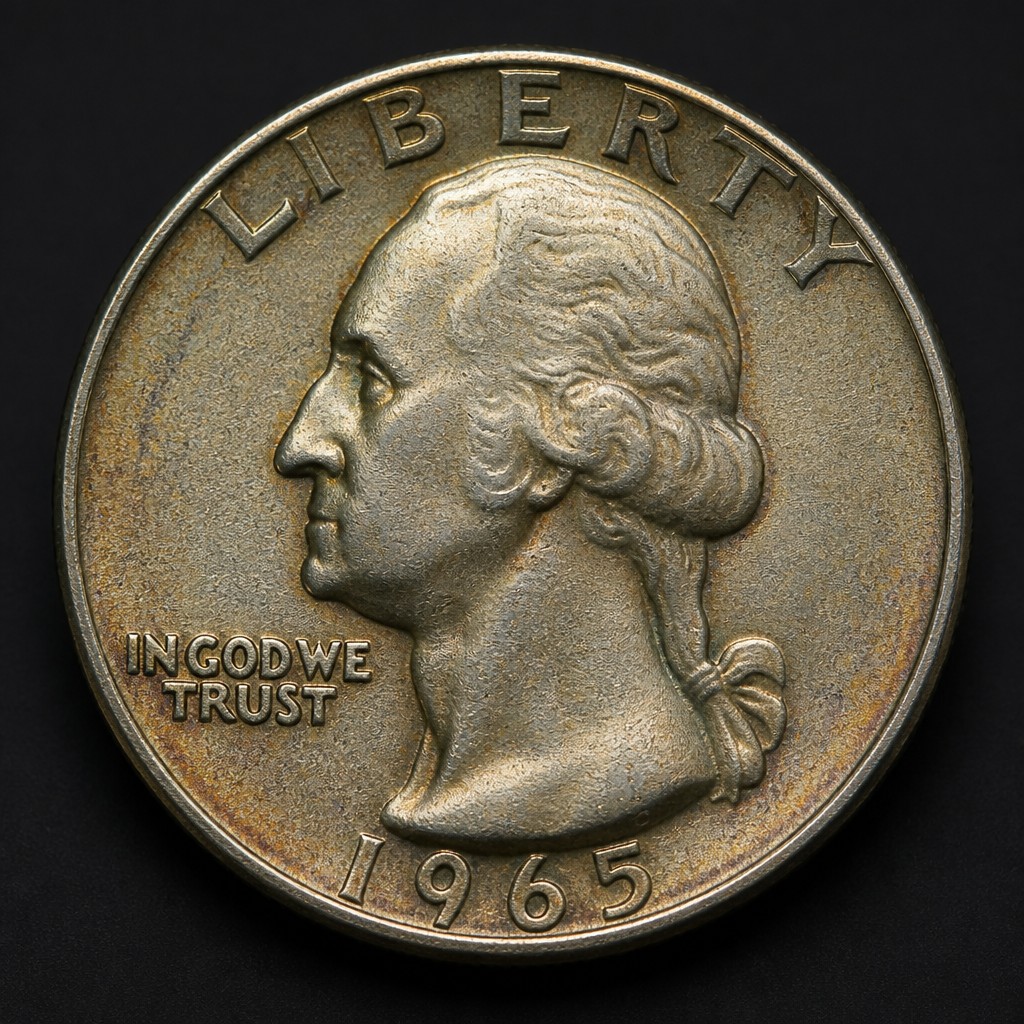
1965 Silver Washington Quarter (Transitional Error)
1965
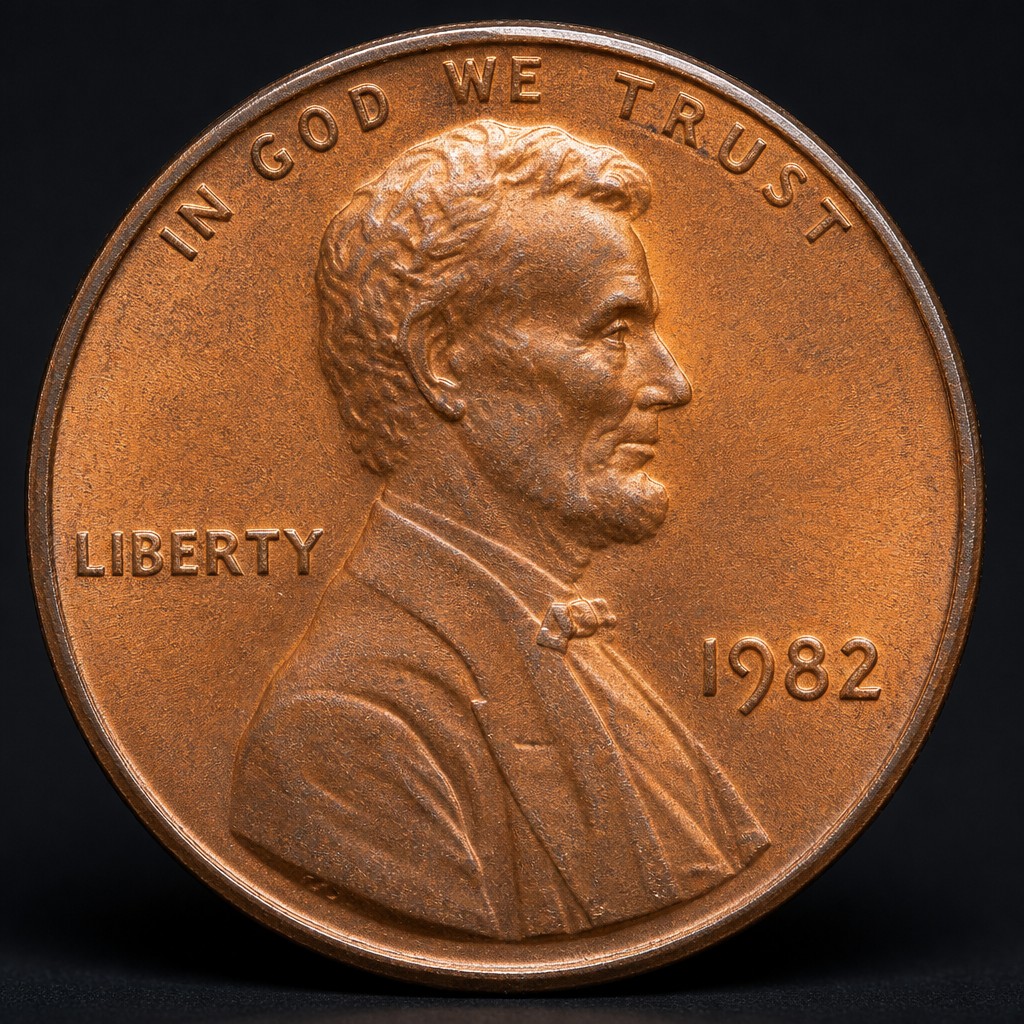
1982 Copper/Zinc Transition Lincoln Cent
1982
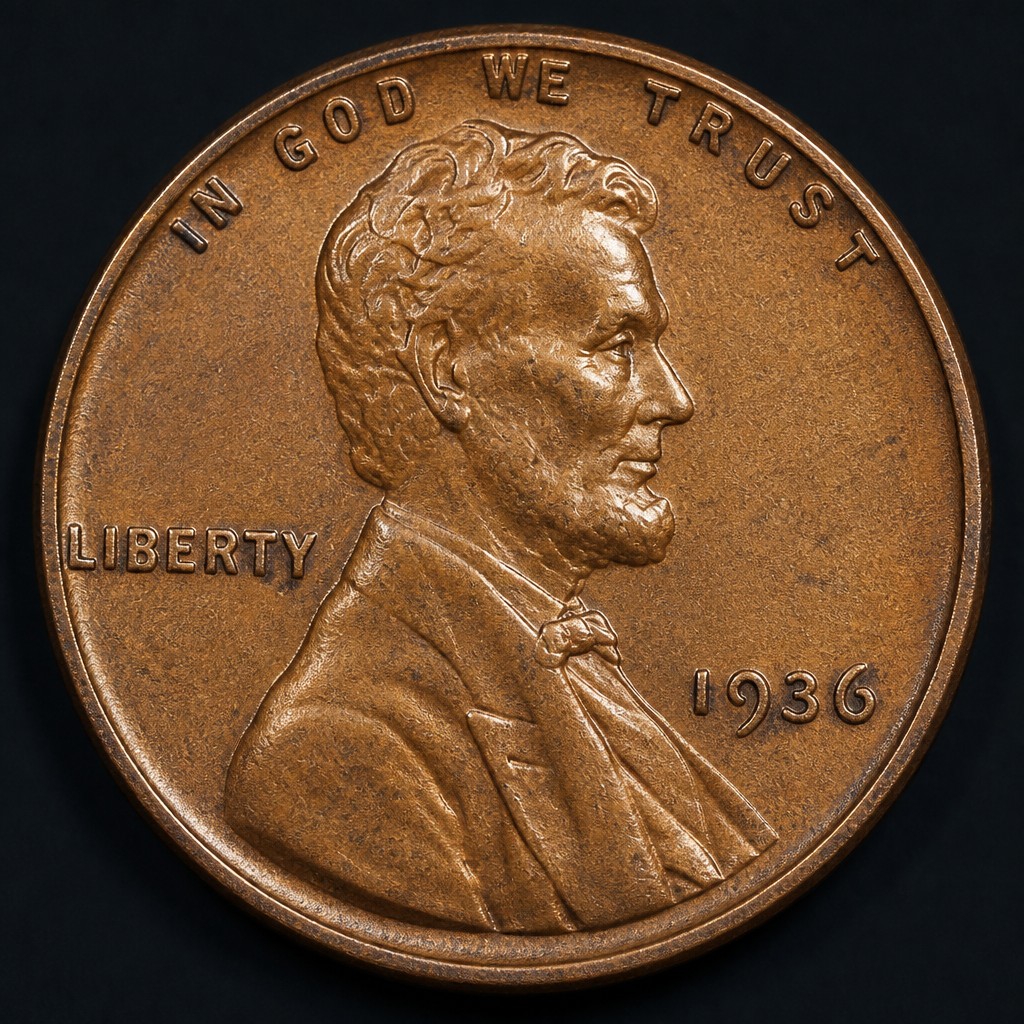
1936 Doubled Die Lincoln Cent
1936
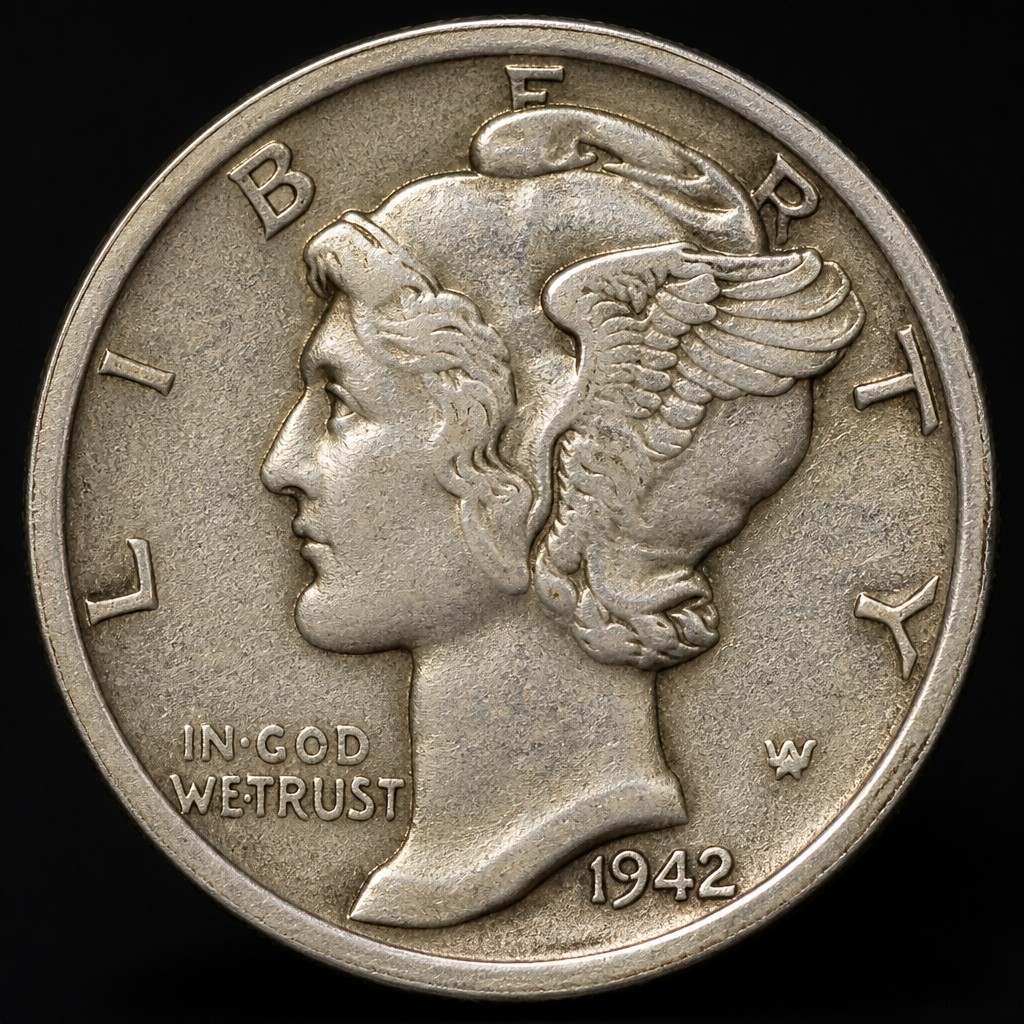
1942/1 Mercury Dime Overdate
1942
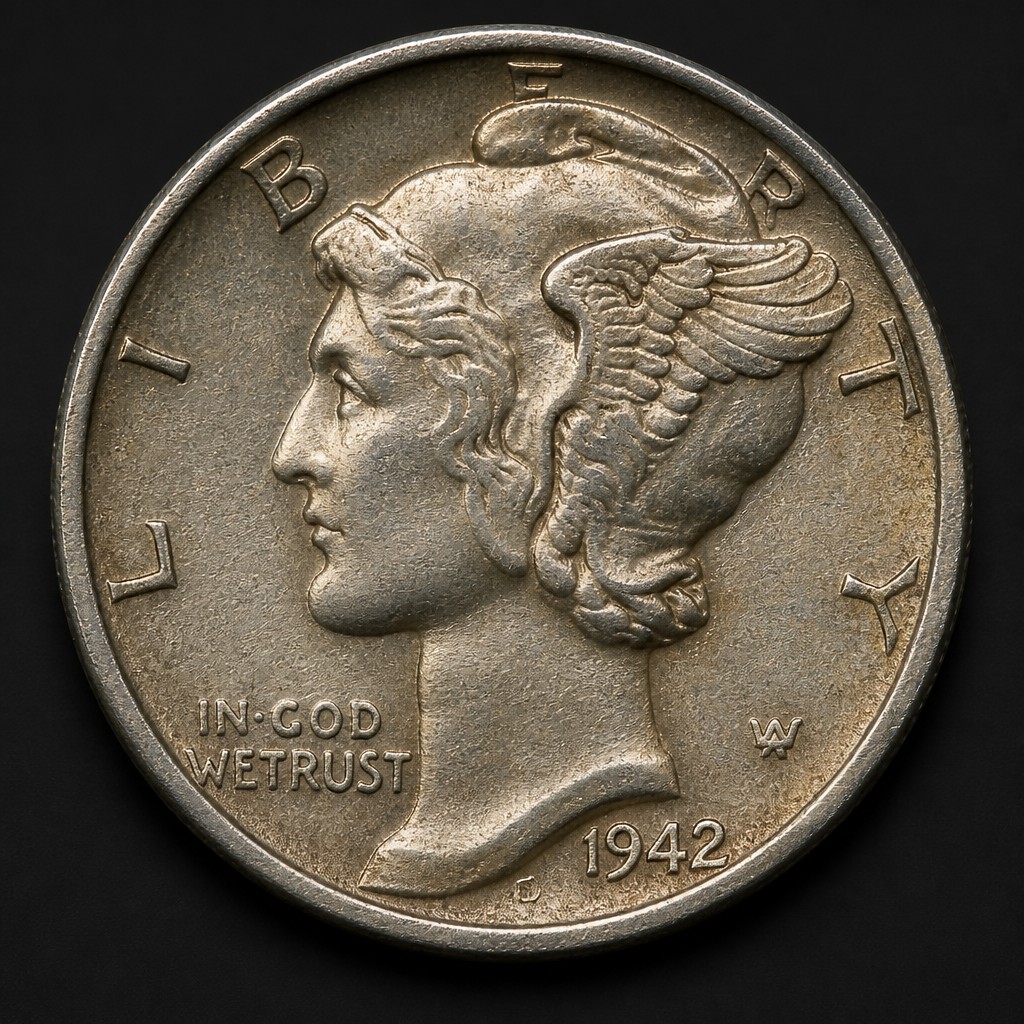
1942/1-D Mercury Dime Overdate
1942
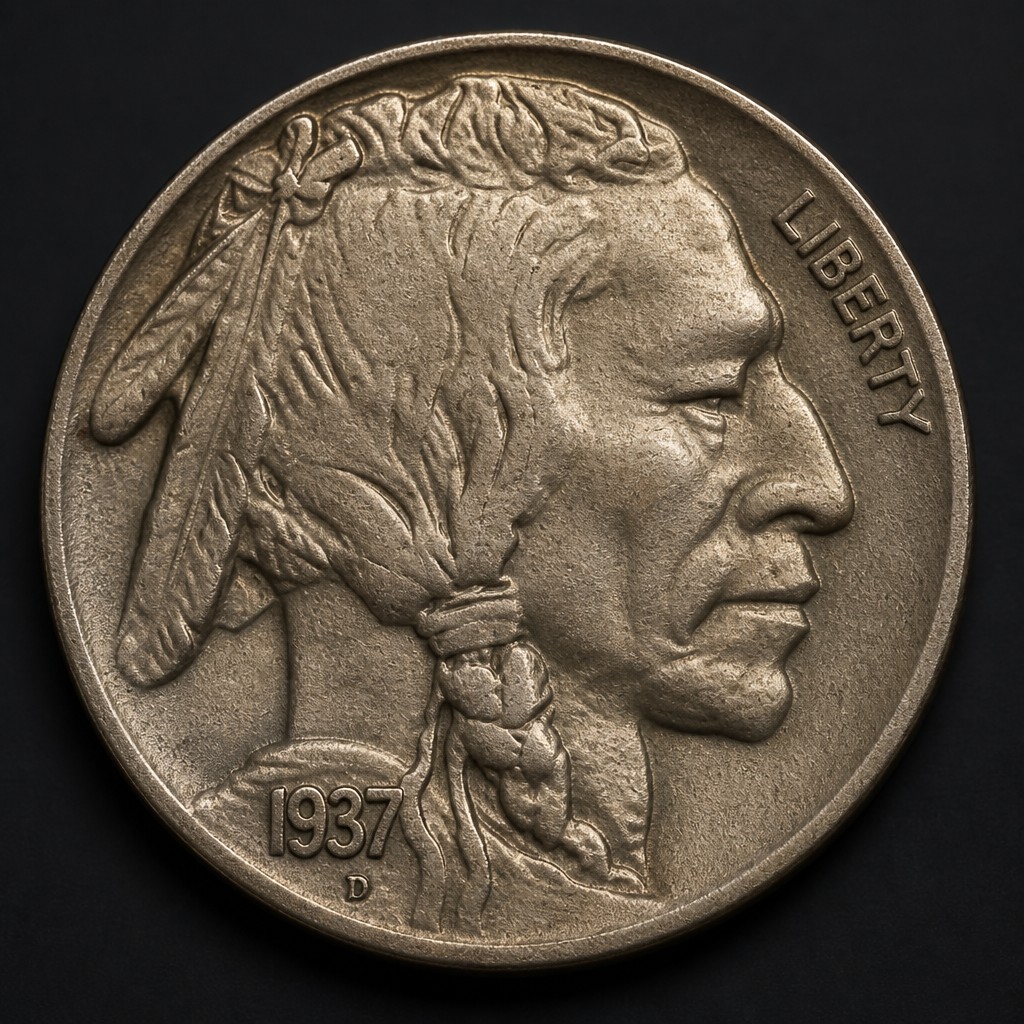
1937-D Three-Legged Buffalo Nickel
1937
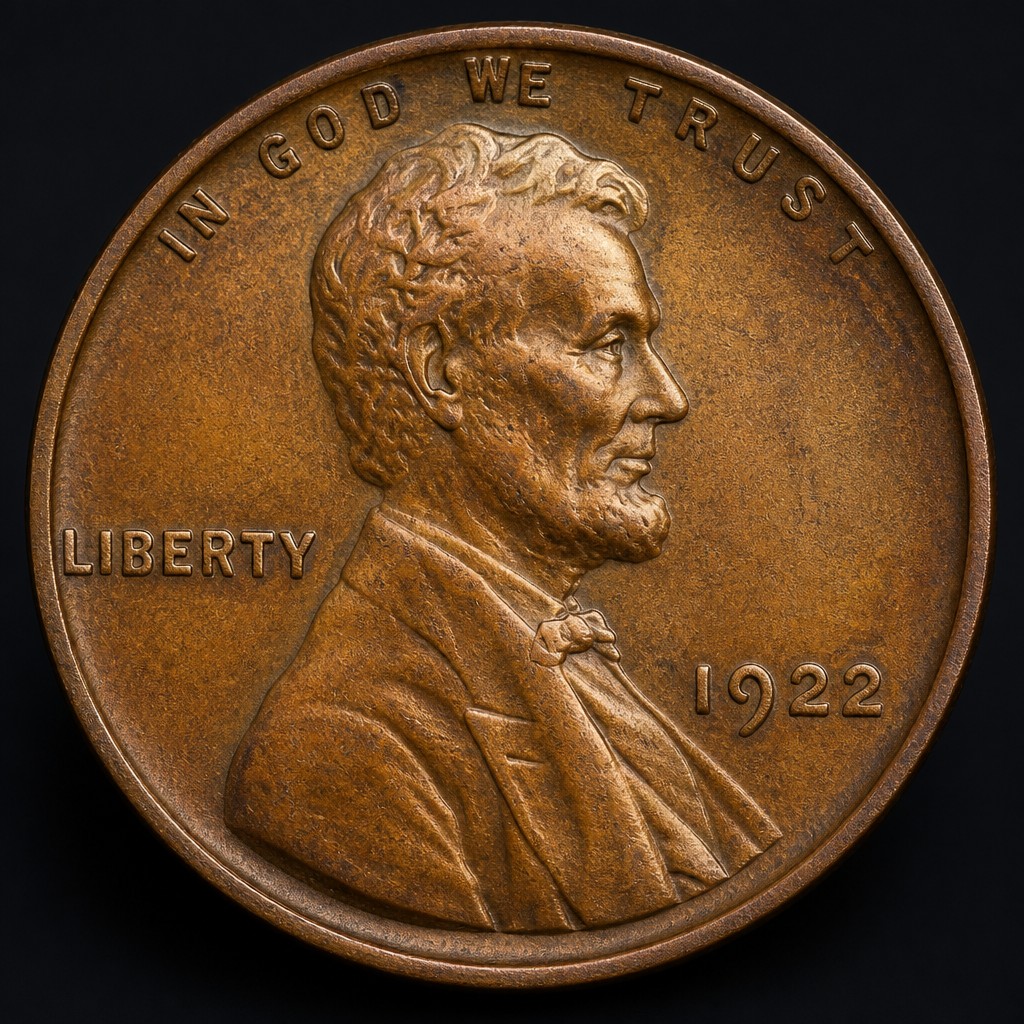
1922 No D Lincoln Cent
1922
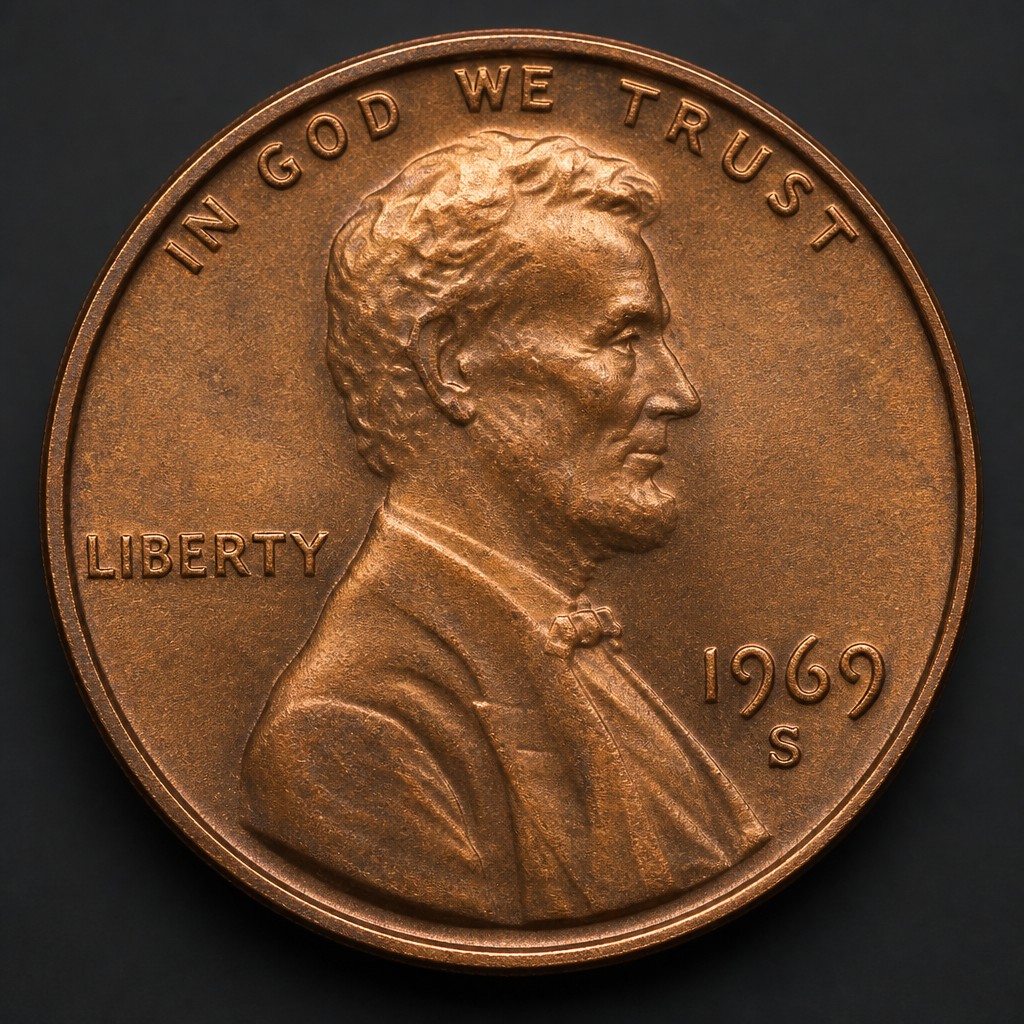
1969-S Doubled Die Lincoln Cent
1969
1943 Bronze Lincoln Cent
1943