
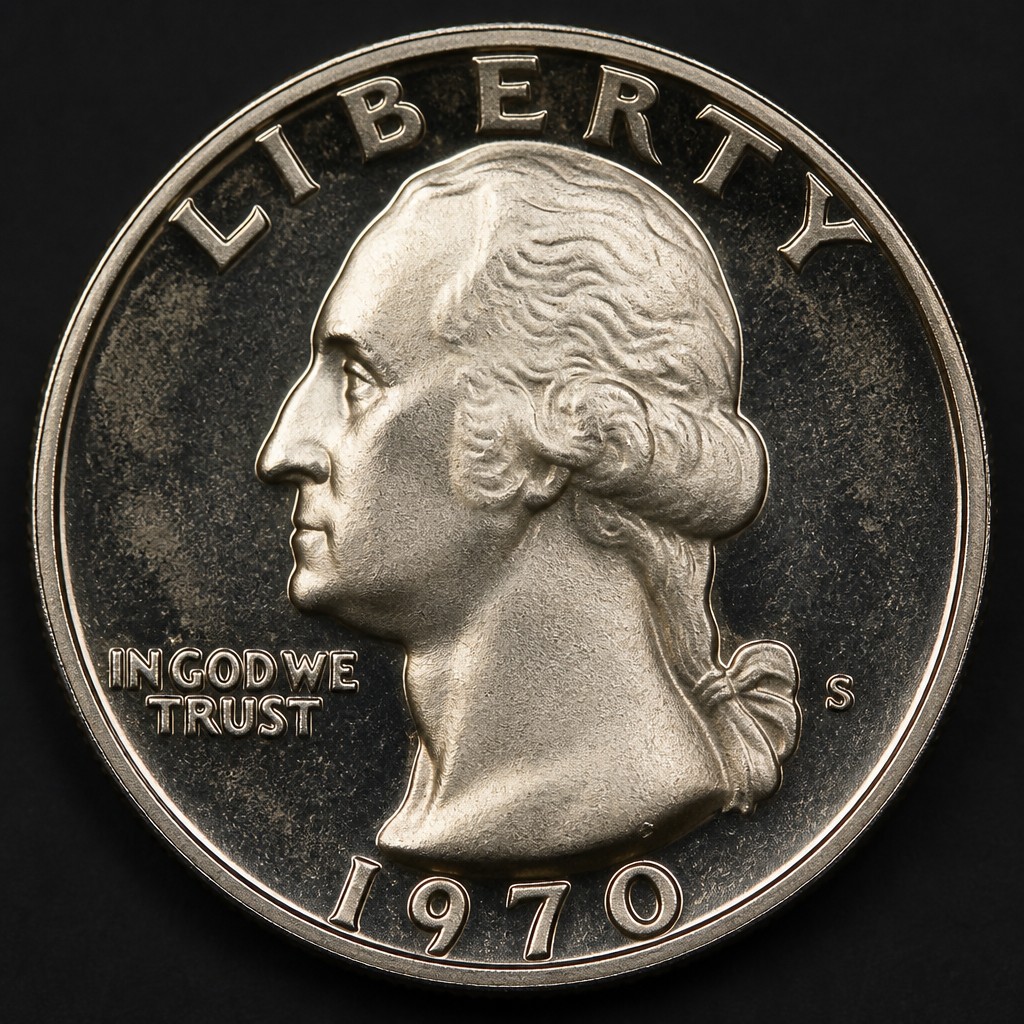
1970-S Washington Quarter Proof on 1941 Canadian Quarter
One of the most famous US mint errors: a 1970-S proof Washington quarter accidentally struck over a leftover silver 1941 Canadian quarter planchet at the San Francisco Mint.
- Country
- United States
- Denomination
- Quarter Dollar (25 Cents)
- Metal
- 80% Silver (retained from 1941 Canadian planchet)
Got a coin like this?
Identify any coin from a photo, free.
Overview
This coin is widely regarded as one of the most celebrated mint errors in modern American numismatics: a 1970-S proof Washington quarter struck not on a standard blank planchet but directly over an already-struck 1941 Canadian quarter, likely left behind in a coining press or hopper from earlier production of Canadian coinage under contract, or introduced by some other production mix-up. Only a small number of genuine examples are known, and their unusual origin story makes them a favorite among error and world-crossover coin specialists.
Because it combines a US proof striking with a genuine foreign host coin, it occupies a unique niche bridging US error coinage and world numismatics, and it has achieved legendary status in error-collecting circles.
History & Background
The San Francisco Mint produced proof coinage for collector sets throughout this era, including the 1970-S proof quarter. At some point, a Canadian 1941 quarter, an 80% silver coin from the Royal Canadian Mint, ended up in the coining process and received a full proof strike from US 1970-S quarter dies, overwriting much of the original Canadian design with the American design while leaving remnants of the underlying Canadian coin still visible in places.
How the Canadian coin ended up in the US Mint's proof coining line remains a matter of some speculation, but such 'wrong planchet' errors, where a coin blank or even a finished foreign coin from an entirely different denomination or country ends up struck by dies for a different coin, are a recognized (if very rare) category of mint error. The coin's discovery generated significant attention in the error-collecting community when it came to light.
How to Identify
The coin shows the design of a 1970-S proof Washington quarter, but careful examination reveals remnants or ghosting of the underlying 1941 Canadian quarter design, such as portions of the Canadian coat of arms or lettering, peeking out from beneath the American strike, along with a slightly different diameter or weight compared to a normal US quarter due to differences between US and Canadian quarter specifications.
Because of its extraordinary rarity and the very specific, unusual diagnostic features involved, in practice only a handful of specialists and major grading services have examined confirmed examples, and any claimed example would require expert authentication to be taken seriously.
Value & Collectibility
Given its status as an extremely rare and unusual crossover error, genuine examples of this coin have realized substantial prices at public auction, reportedly in the tens of thousands of dollars range, reflecting both its rarity and its prominent place in error-coin lore. Because so few are known, each sale tends to generate significant attention within the specialist error-collecting community.
As with any extraordinary rarity, authentication by a recognized grading service and a well-documented provenance are essential to establishing and supporting its value.
Frequently asked questions
What makes this coin so unusual?
It is a 1970-S US proof quarter struck over an already-minted 1941 Canadian quarter, combining a US proof strike with a genuine foreign host coin.
How rare is it?
It is extremely rare, with only a very small number of genuine examples known to exist.
How can you tell the coin was struck over a Canadian quarter?
Remnants or ghosting of the original Canadian design, such as parts of the coat of arms or lettering, can be seen peeking through beneath the American design.
Why did this error happen?
The exact cause is not fully documented, but it likely resulted from a Canadian coin accidentally entering the San Francisco Mint's proof coining process instead of a normal blank planchet.
Other coins you may enjoy
2000-P Sacagawea Cheerios Dollar
2000
1972 Eisenhower Dollar (Type 2)
1972
1974 Aluminum Cent
1974
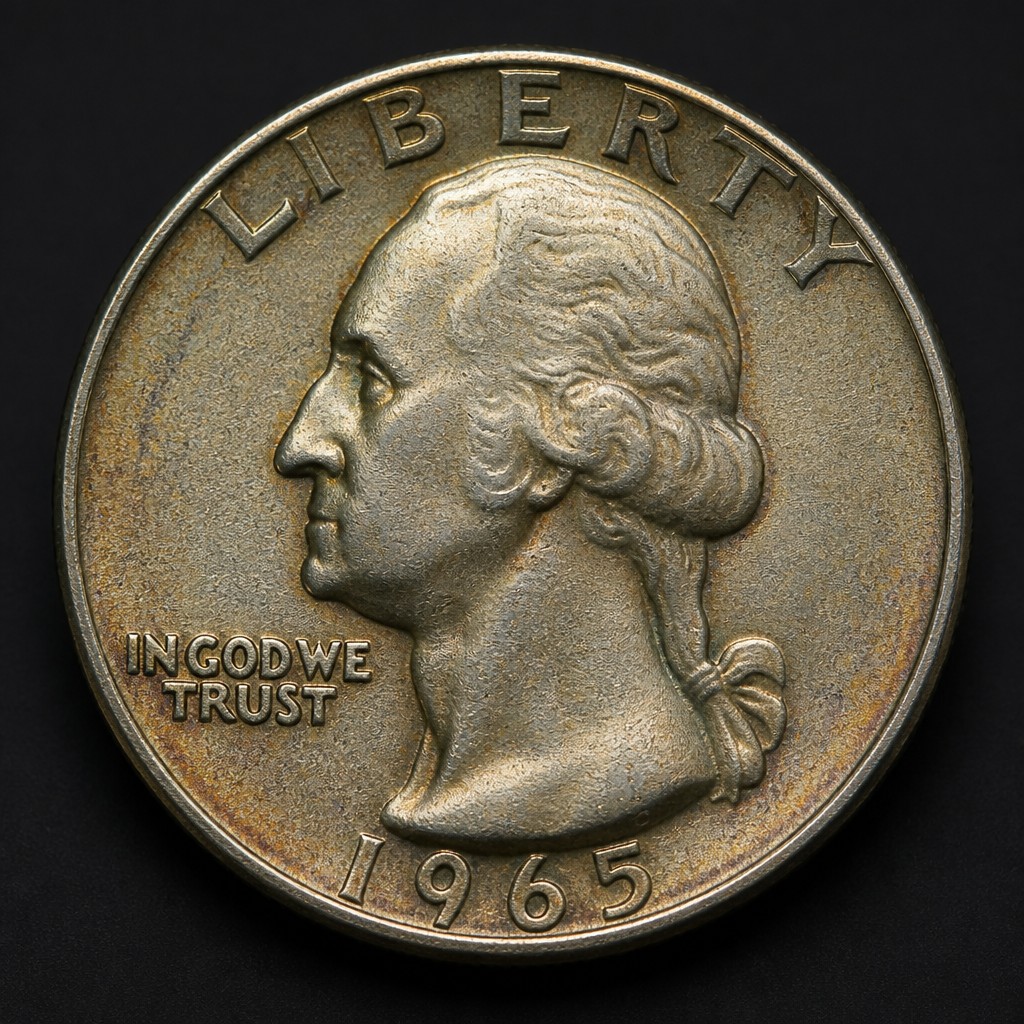
1965 Silver Washington Quarter (Transitional Error)
1965
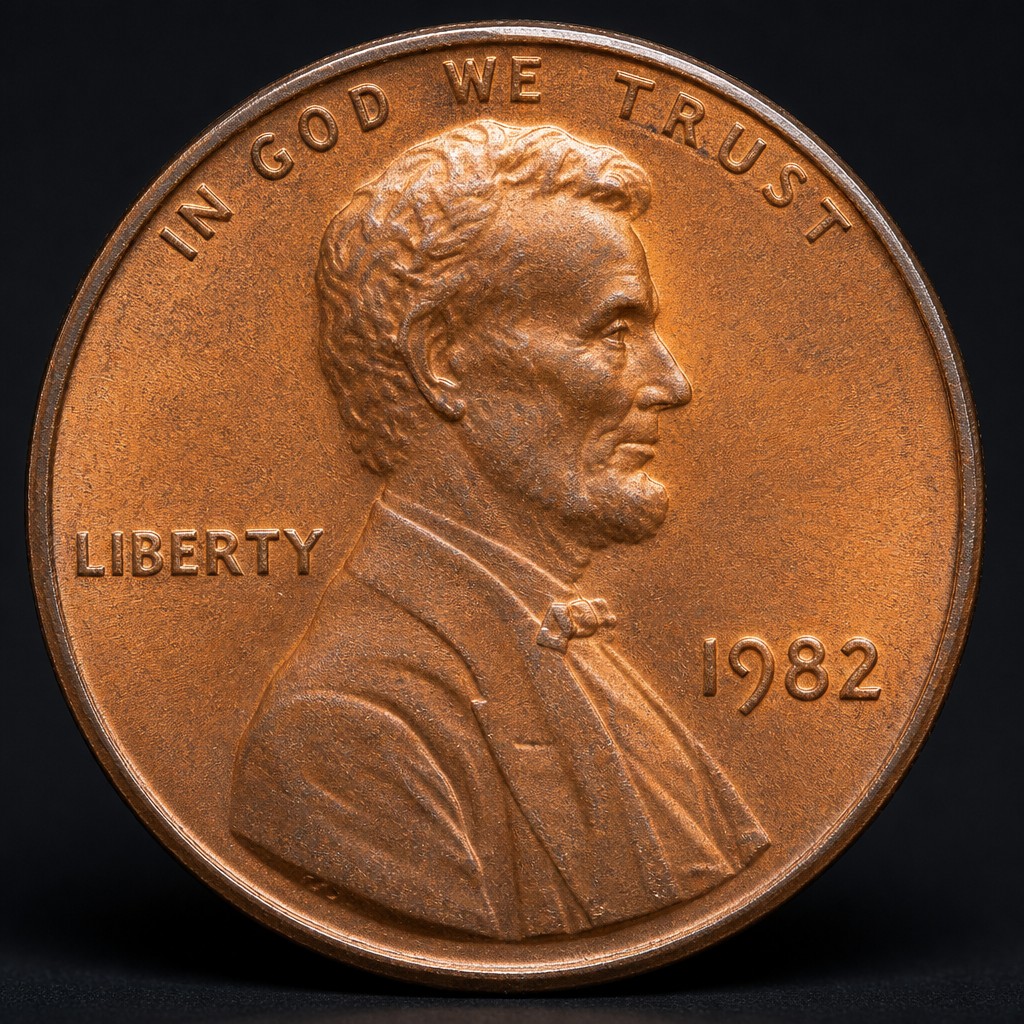
1982 Copper/Zinc Transition Lincoln Cent
1982
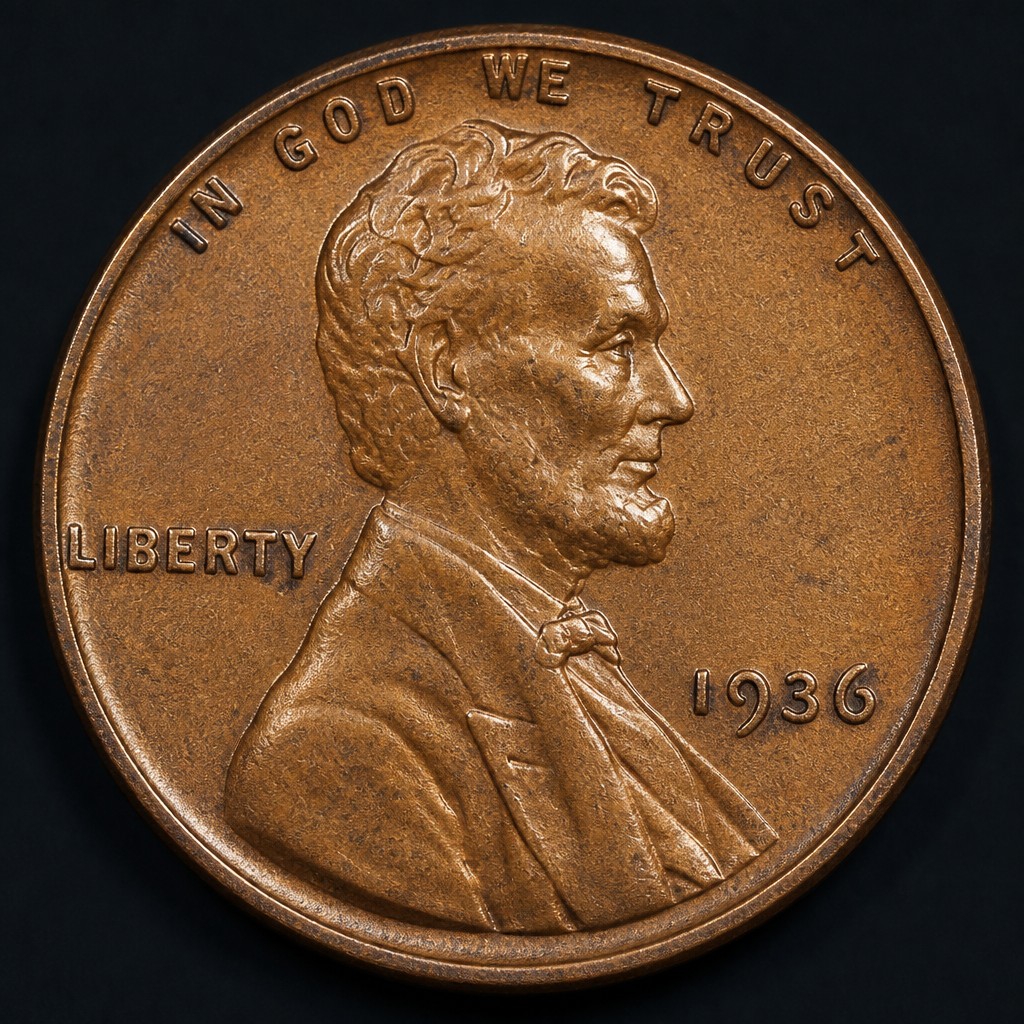
1936 Doubled Die Lincoln Cent
1936
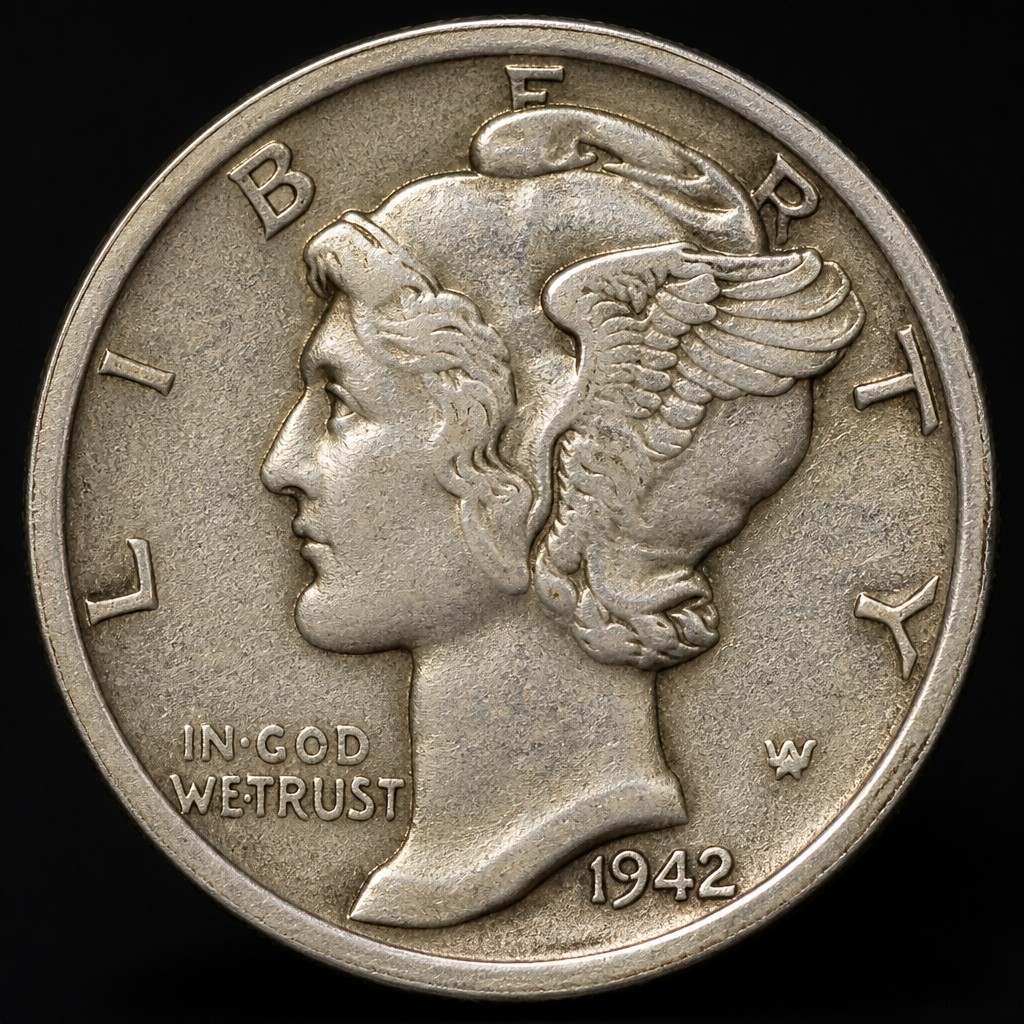
1942/1 Mercury Dime Overdate
1942
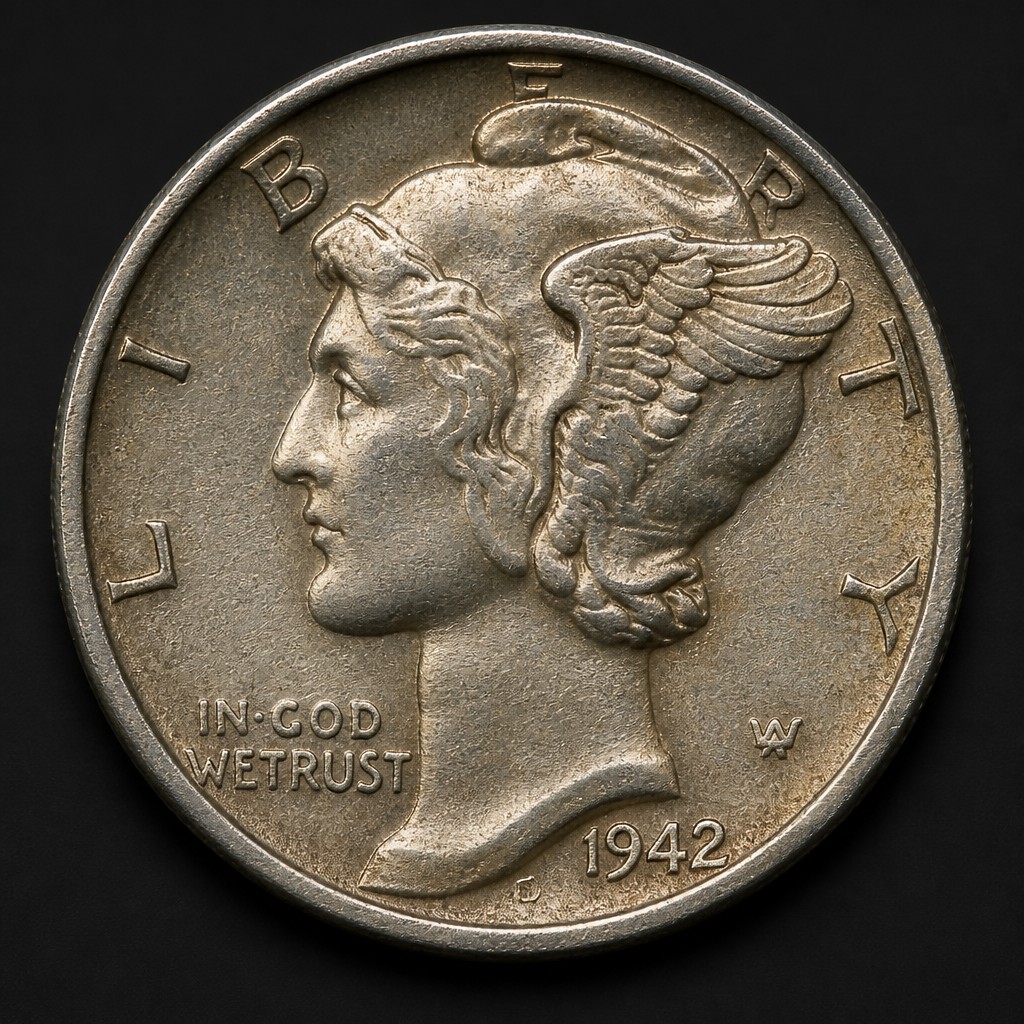
1942/1-D Mercury Dime Overdate
1942
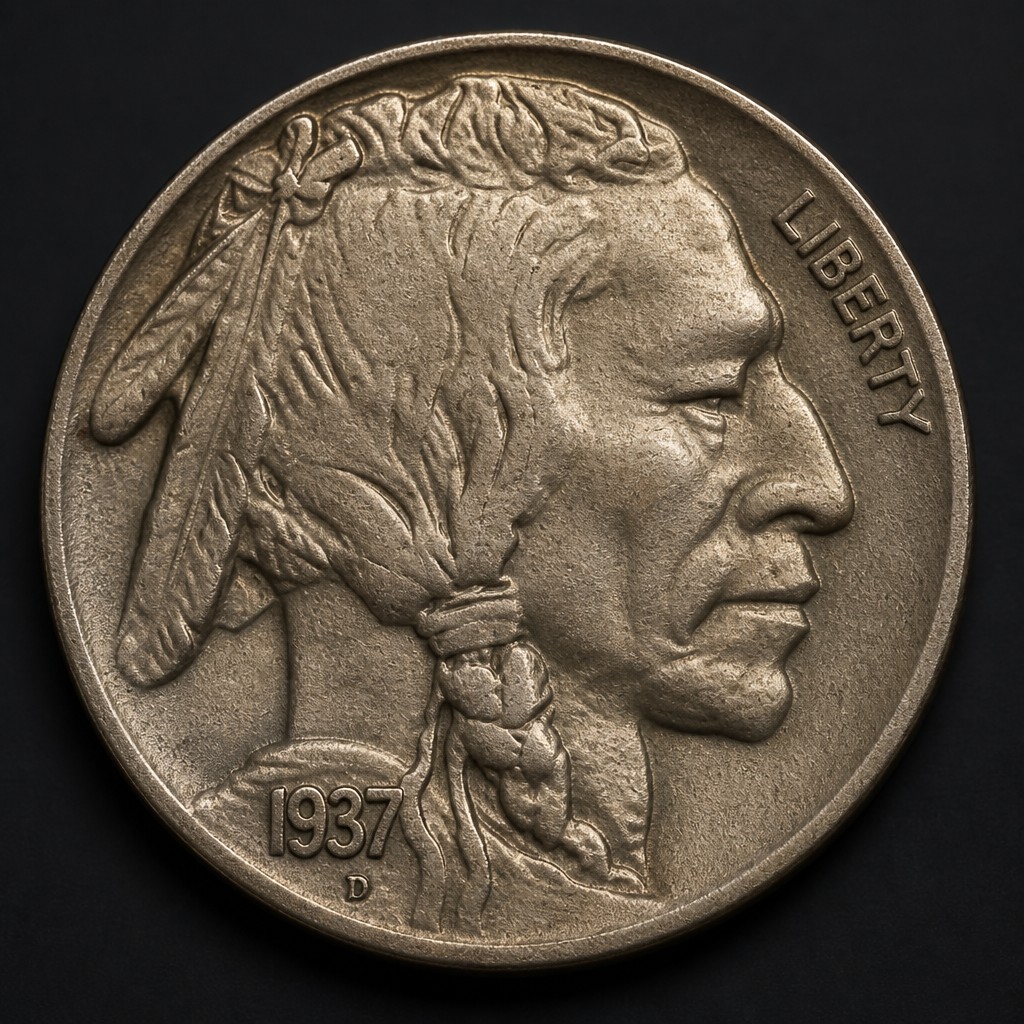
1937-D Three-Legged Buffalo Nickel
1937
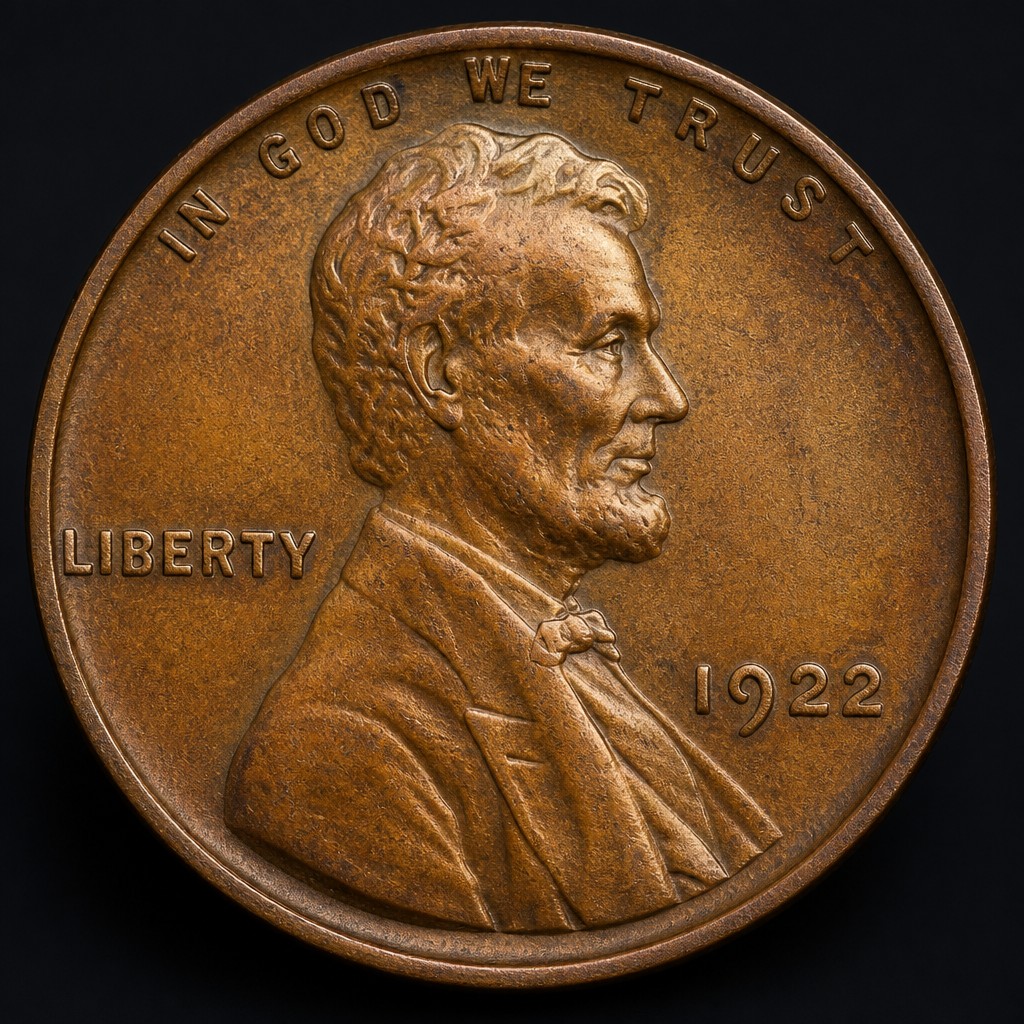
1922 No D Lincoln Cent
1922
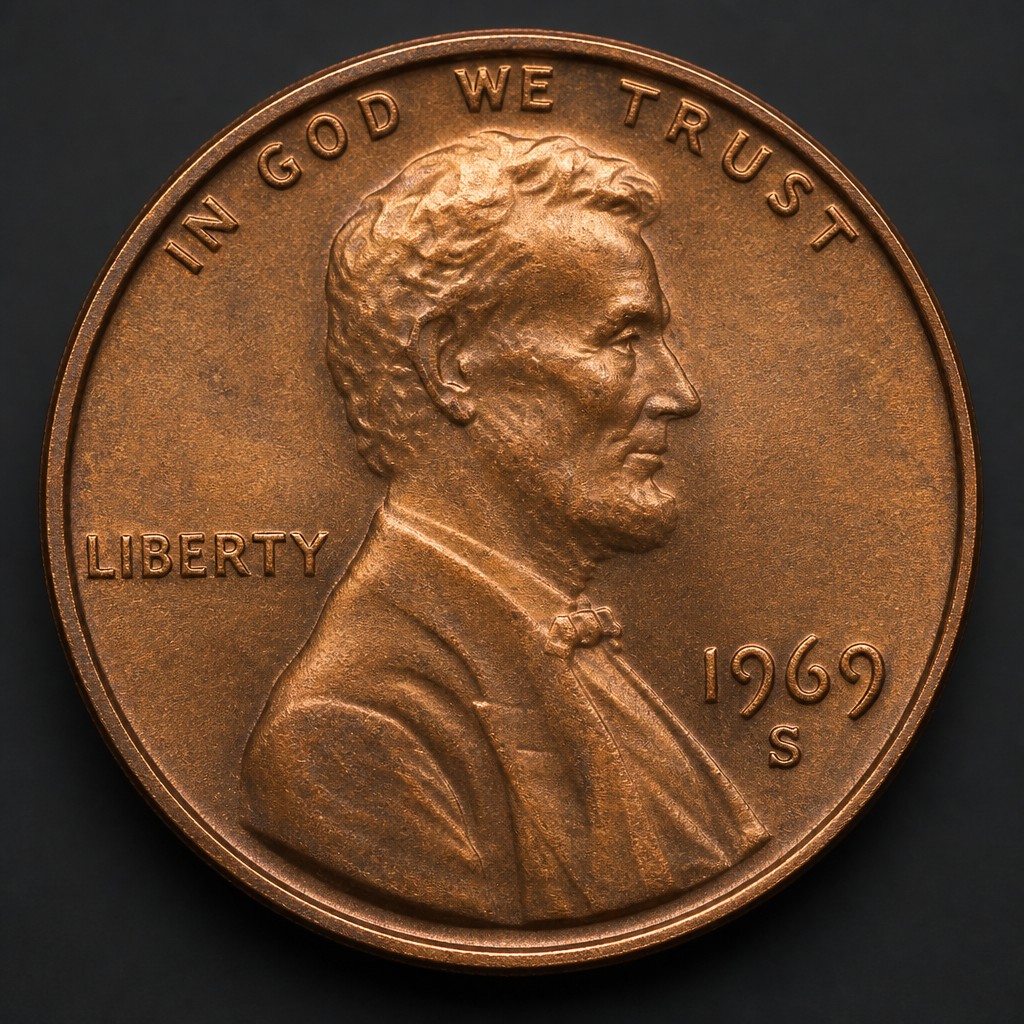
1969-S Doubled Die Lincoln Cent
1969
1943 Bronze Lincoln Cent
1943