
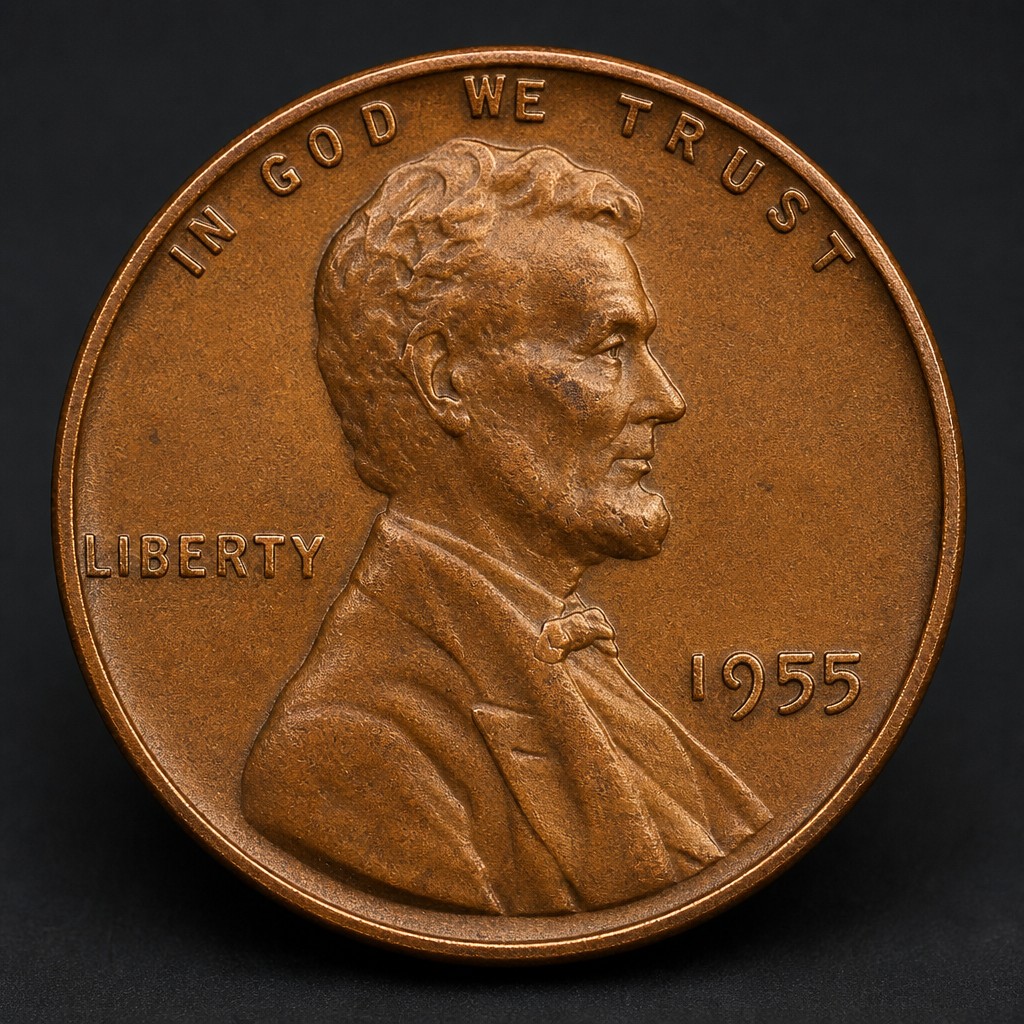
1955 Doubled Die Lincoln Cent
A famous doubled die error showing strong, plainly visible doubling on the date and lettering of the obverse, among the most recognizable die varieties in U.S. coinage.
- Country
- United States
- Denomination
- One Cent
- Metal
- Bronze (95% Copper)
Got a coin like this?
Identify any coin from a photo, free.
Overview
The 1955 doubled die Lincoln cent is arguably the most famous doubled die error in American coin collecting. Unlike many die varieties that require magnification to detect, the doubling on this coin is dramatic and visible to the naked eye on the date and the words LIBERTY and IN GOD WE TRUST.
Its striking, easily recognized appearance made it a sensation when discovered and helped popularize interest in error and variety collecting more broadly, and it remains a benchmark example cited whenever doubled die errors are discussed.
History & Background
The error originated from a misaligned working die used at the Philadelphia Mint, where the die received two slightly offset hub impressions during its manufacture, a class of error known as a doubled die. When dies with this hub doubling struck coins, the result was cents with obviously doubled lettering and numerals.
An unknown but limited number of these dies made it into production before the problem was caught, and some of the resulting coins entered circulation through normal channels, including reportedly being distributed in cigarette packs, which contributed to the coin's colorful lore. Once collectors recognized the dramatic doubling, demand grew quickly and the coin became a celebrated key variety within the Lincoln cent series.
How to Identify
On genuine examples, the doubling is bold and unmistakable, most clearly seen in the date 1955 and in the words LIBERTY and IN GOD WE TRUST on the obverse, where each digit and letter appears to have a distinct second, offset outline rather than a blurry smear. The reverse wheat-ears design is unaffected.
Collectors distinguish true doubled die coins from ordinary machine doubling (a much more common and far less valuable form of shelf wear or strike doubling) by the crisp, separated appearance of the doubled elements; machine doubling tends to look flat, shelved, or smeared rather than showing two distinct, rounded images. Because the true 1955 doubled die is well documented, comparison to reference photographs and, ideally, third-party grading service certification is the most reliable way to confirm authenticity.
Value & Collectibility
Genuine 1955 doubled die cents are valuable even in well-worn condition, with circulated examples commonly trading from several hundred to well over a thousand dollars depending on grade, and choice or mint state examples reaching into the tens of thousands of dollars. Because the error is so recognizable, demand has remained strong for decades among both error specialists and general Lincoln cent collectors.
Condition, originality, and certification significantly affect price, and because ordinary machine-doubled 1955 cents are far more common and worth only a small premium, many coins offered as the true doubled die turn out to be simple strike doubling; professional attribution is strongly advised before assuming a coin is the genuine error.
Frequently asked questions
What causes a doubled die coin?
A doubled die results when the die itself receives two slightly misaligned impressions from the hub during manufacture, so every coin struck from that die shows the same doubling.
How is the 1955 doubled die different from ordinary doubling I see on other coins?
Ordinary strike or machine doubling looks flat and shelved and is common and low-value; the 1955 doubled die shows crisp, fully separated, rounded doubling on the date and lettering and is a genuine, valuable die variety.
Where does the doubling appear on the 1955 doubled die cent?
It is most visible in the date and in LIBERTY and IN GOD WE TRUST on the obverse; the reverse is normal.
Is the 1955 doubled die cent rare?
It is scarce relative to normal Lincoln cents of the date, and combined with strong collector demand this makes it one of the more valuable 20th-century cent varieties.
Other coins you may enjoy
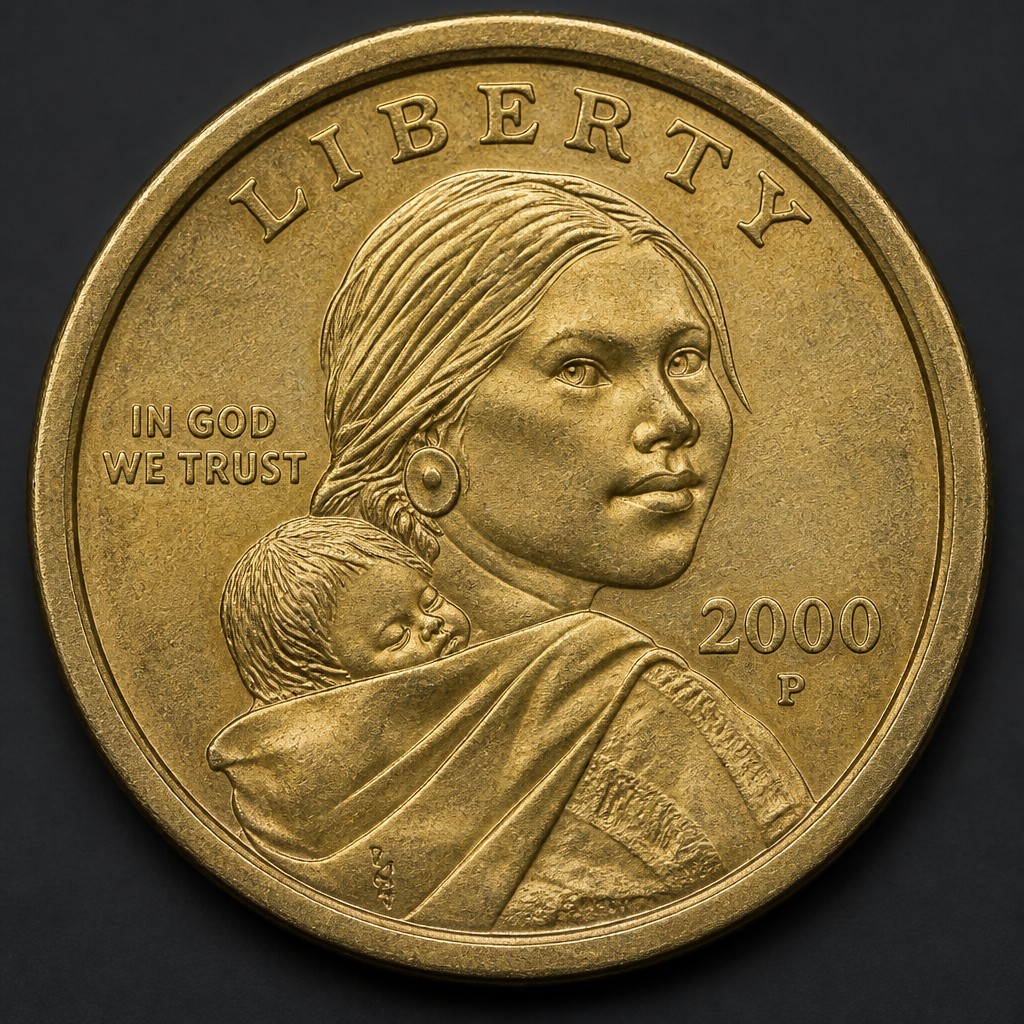
2000-P Sacagawea Cheerios Dollar
2000
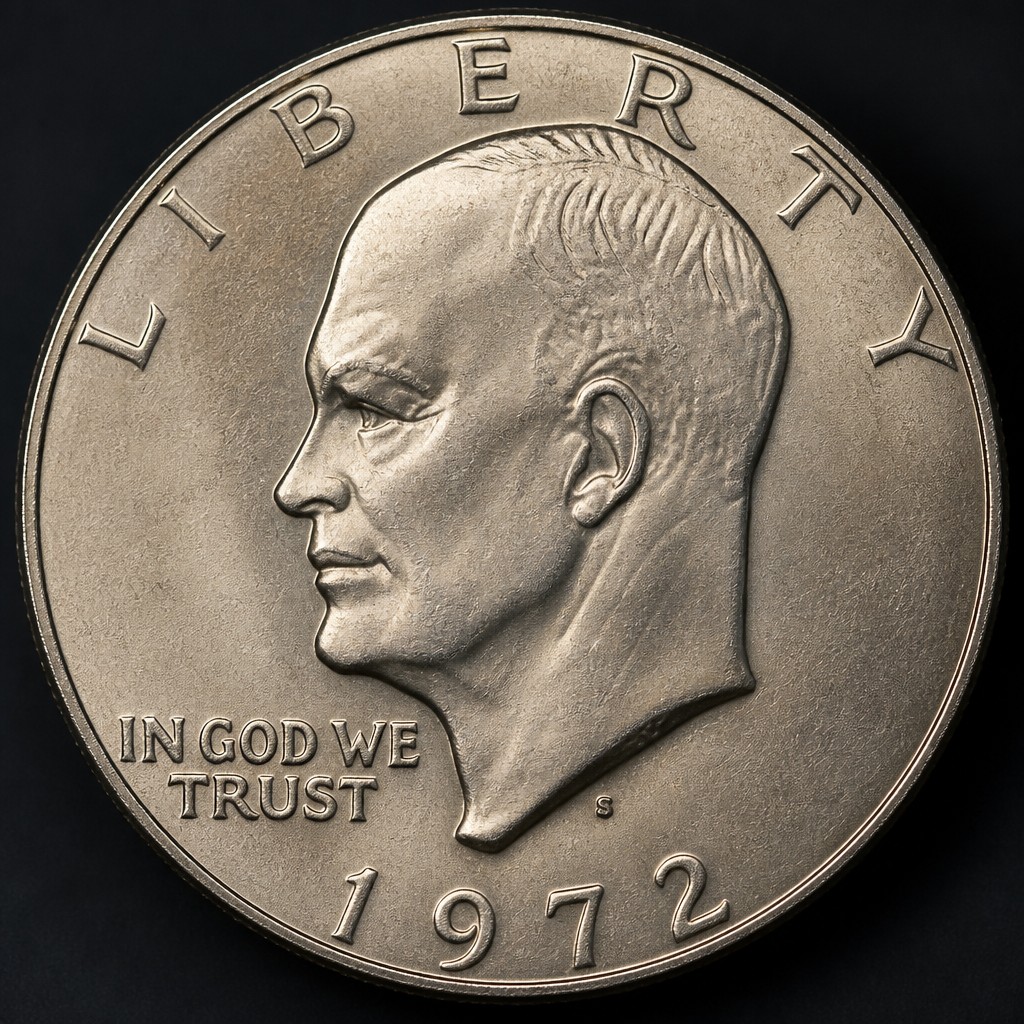
1972 Eisenhower Dollar (Type 2)
1972
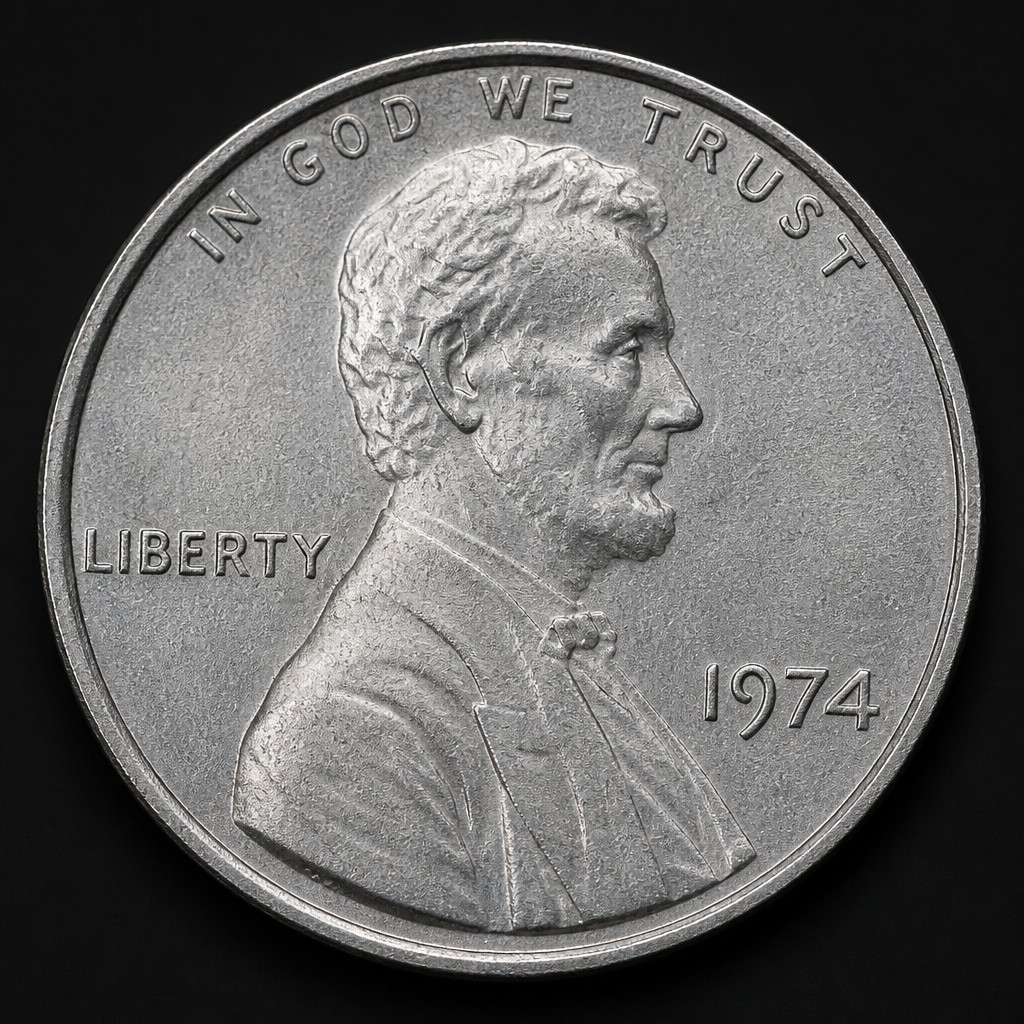
1974 Aluminum Cent
1974
1965 Silver Washington Quarter (Transitional Error)
1965
1982 Copper/Zinc Transition Lincoln Cent
1982
1936 Doubled Die Lincoln Cent
1936
1942/1 Mercury Dime Overdate
1942
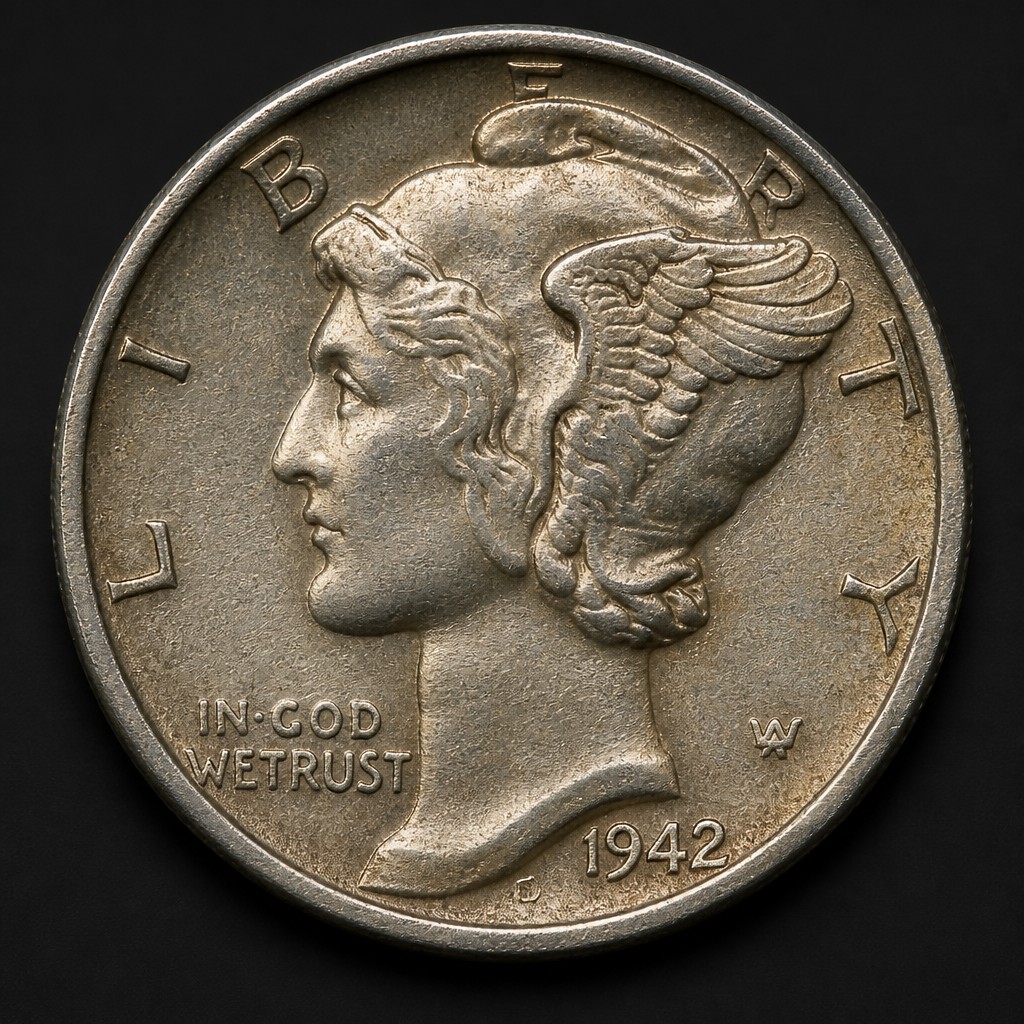
1942/1-D Mercury Dime Overdate
1942
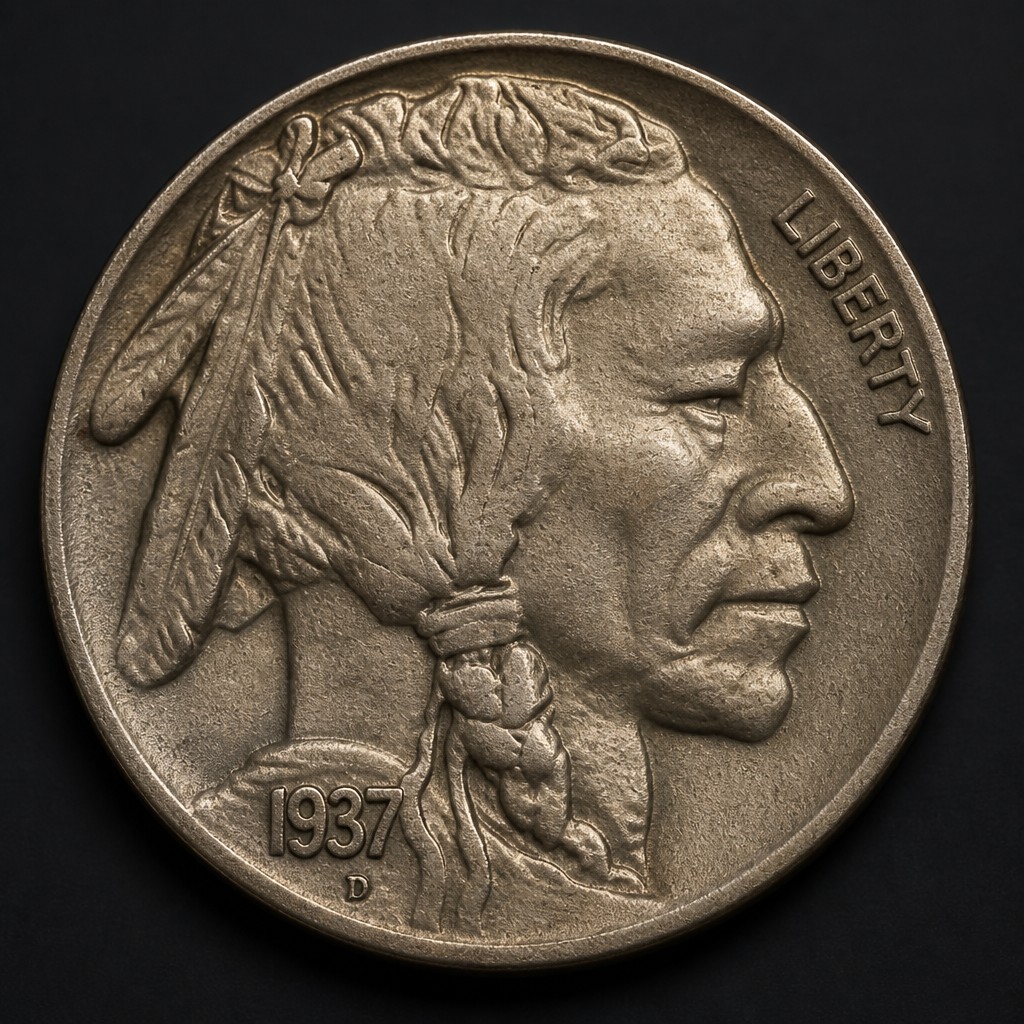
1937-D Three-Legged Buffalo Nickel
1937
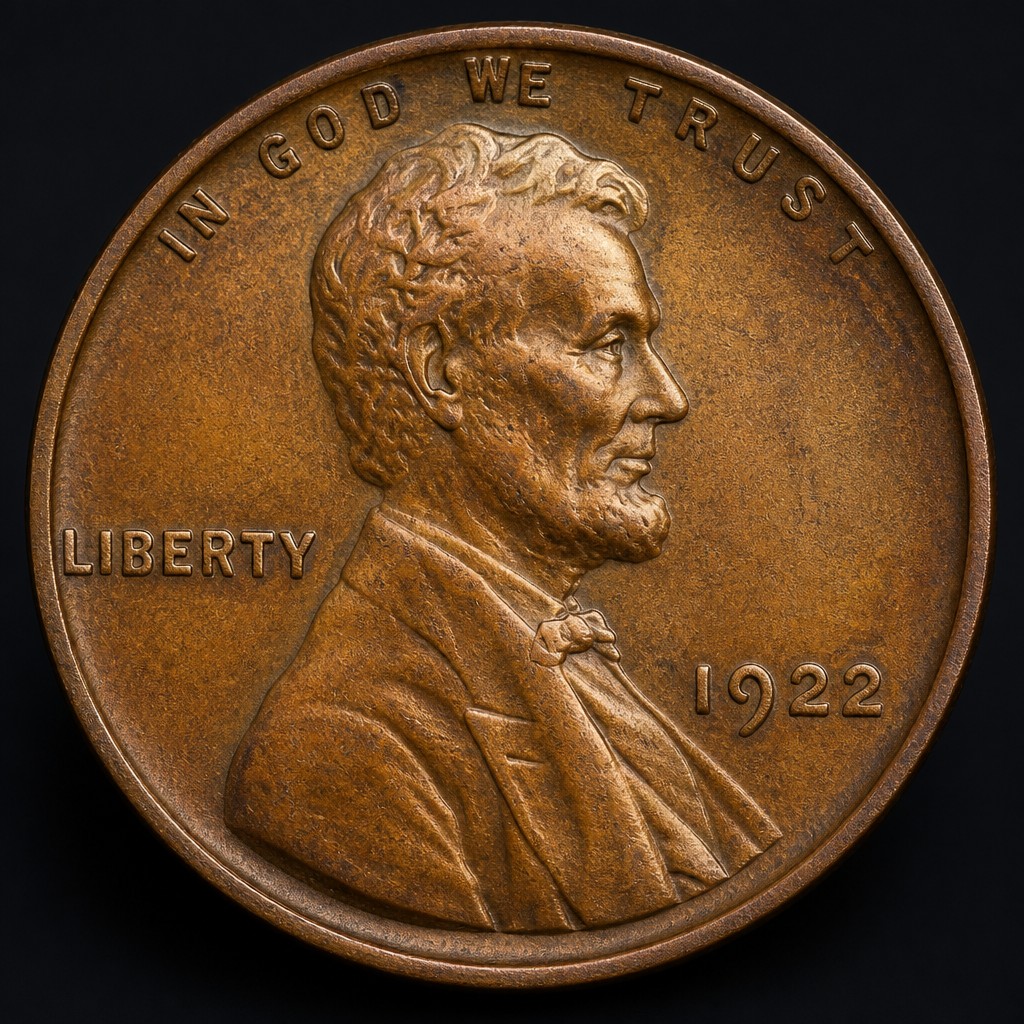
1922 No D Lincoln Cent
1922
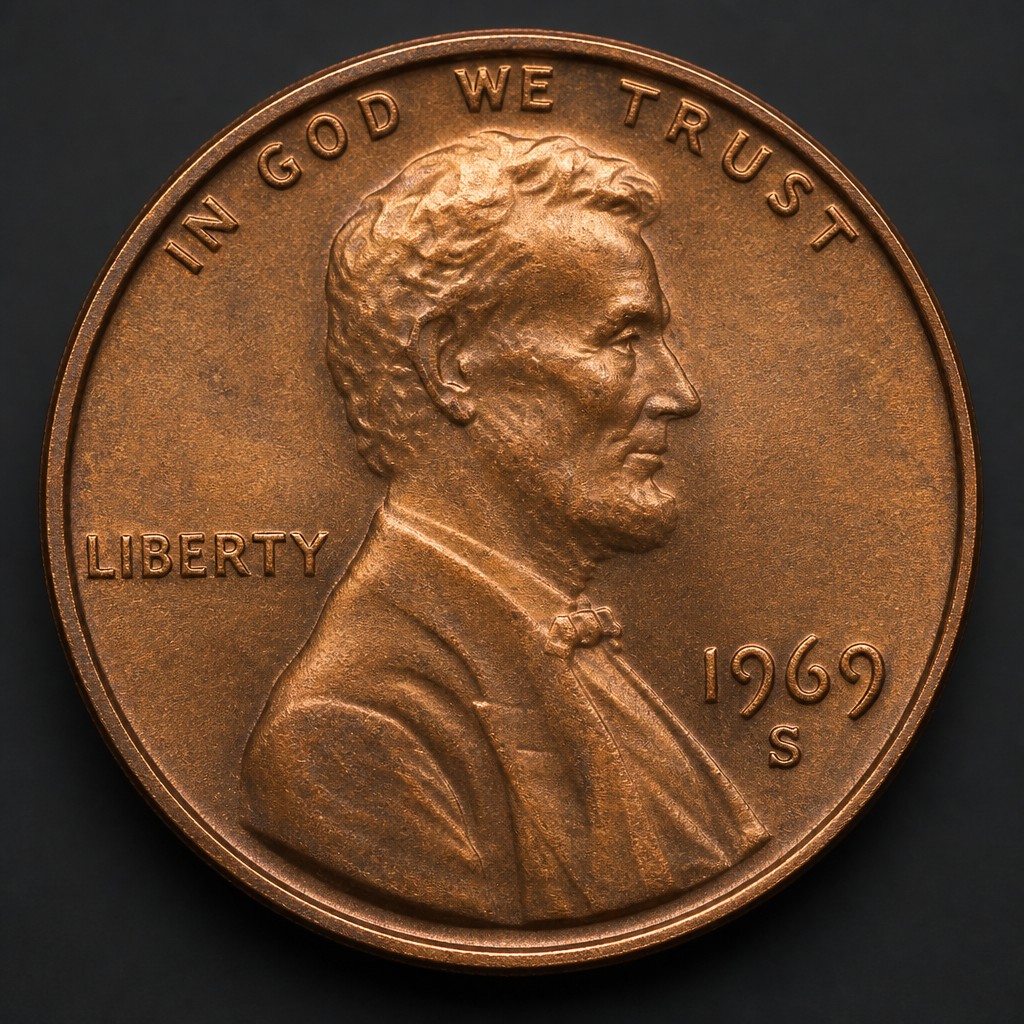
1969-S Doubled Die Lincoln Cent
1969
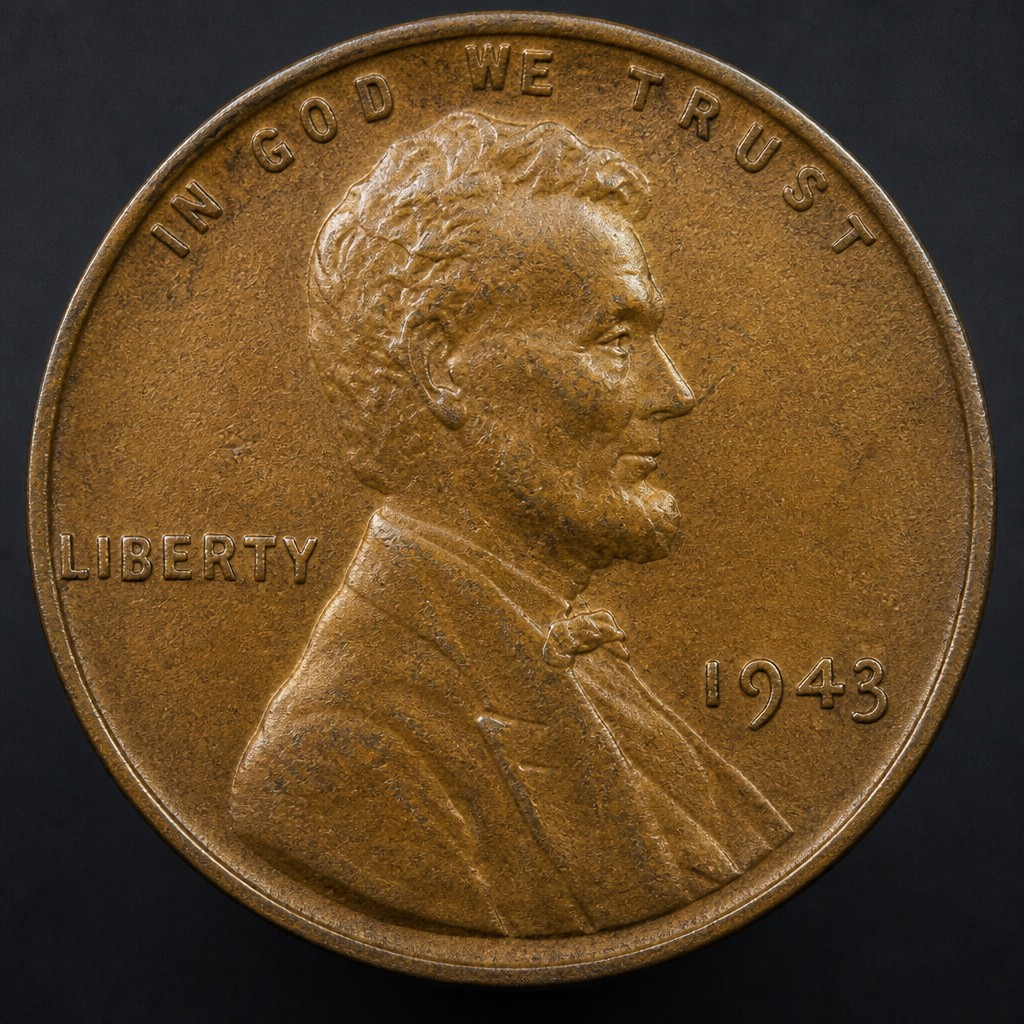
1943 Bronze Lincoln Cent
1943