
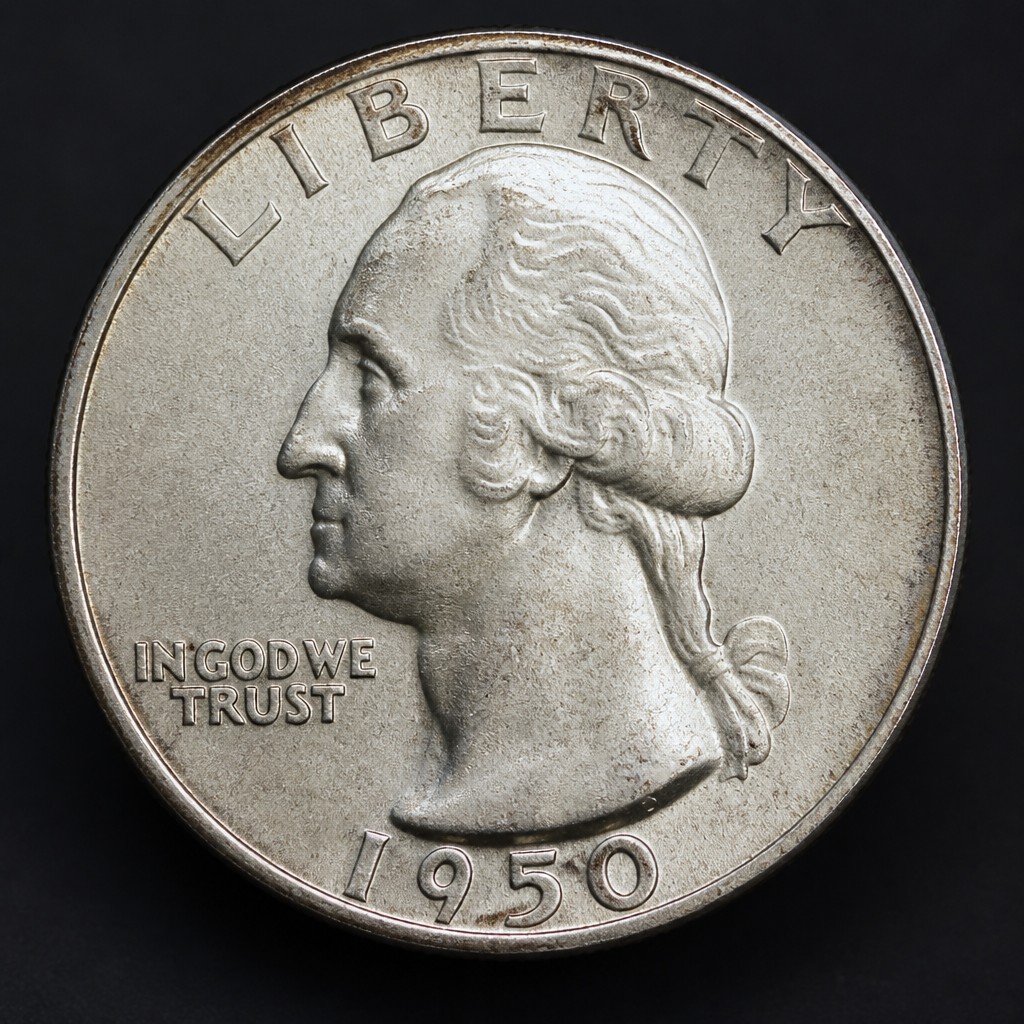
1950-S/D Washington Quarter Overmintmark
A 1950 San Francisco Washington quarter struck from a die where an S mintmark was punched over a leftover D, creating one of the best-known overmintmark errors in the series.
- Country
- United States
- Denomination
- Quarter Dollar
- Metal
- 90% Silver, 10% Copper
Got a coin like this?
Identify any coin from a photo, free.
Overview
The 1950-S/D Washington quarter is not a separate date or design, but a famous mint-made die variety. Under magnification, the mintmark beneath the wreath on the reverse shows clear remnants of a D peeking out from underneath a bolder S, evidence that the die was mistakenly punched with the wrong letter and then corrected at the Mint.
Because working dies of this era had mintmarks hand-punched into them at the Philadelphia Mint before being shipped to the branch mints, mix-ups occasionally occurred when a punch was applied, corrected, and reapplied without fully removing the earlier impression. The 1950-S/D (and its companion, the 1950-D/S, which shows the letters reversed) are among the most sought-after mintmark varieties in the Washington quarter series.
These overmintmarks are prized chiefly by variety and die-variety specialists who collect from references such as the Cherrypickers' Guide, rather than by generalist date-and-mintmark collectors, but demand has grown as attribution has become easier with high-resolution imaging.
History & Background
The Washington quarter was introduced in 1932, originally intended as a one-year commemorative for the bicentennial of George Washington's birth, designed by sculptor John Flanagan. It proved popular enough to become the permanent quarter design, continuing in that basic form (with the mintmark on the reverse) through 1964, and in clad composition afterward until the 1999 State Quarters program began.
In 1950, mintmark punches were still applied by hand to each individual working die, a manual process prone to human error. It appears a Mint employee began punching one mintmark, realized it was incorrect for the intended destination, and then punched the correct letter directly over it, leaving both partially visible.
The variety was not widely recognized until later generations of variety researchers examined 1950 quarters closely and identified the doubled letter, after which it entered standard variety references and attribution services.
How to Identify
The obverse shows the standard Washington quarter design: his bust facing left, LIBERTY above, IN GOD WE TRUST to the left, and the date 1950 below.
The reverse depicts an eagle with wings spread, perched on a bundle of arrows with olive branches beneath, UNITED STATES OF AMERICA above, QUARTER DOLLAR below, and E PLURIBUS UNUM on a ribbon. On quarters struck from 1932 through 1964, the mintmark sits below the wreath on the reverse (it later moved to the obverse in 1968).
The key diagnostic is visible only under 5x-10x magnification: the S mintmark shows a partial loop and vertical stroke of an underlying D peeking out, typically at the lower-left or lower-right of the letter. This distinguishes it from an ordinary 1950-S with a single, clean mintmark, and from the 1950-D/S variety, which shows the letters in the opposite arrangement.
Because the doubling is subtle, collectors typically rely on side-by-side reference photos or third-party certification to confirm the variety before paying a premium.
Value & Collectibility
As a common date in its basic form, an ordinary 1950-S Washington quarter is worth little above silver melt value in worn grades. The overmintmark variety, however, carries a real premium once attributed, since demand outstrips the number of pieces that collectors have identified and certified.
Circulated examples with a clearly visible overmintmark can bring a modest multiple of bullion value, while choice-to-gem uncirculated pieces certified by major grading services have realized prices ranging from roughly $100 to over $1,000, depending on strike quality and eye appeal.
Because the variety is easy to overlook or misattribute, third-party grading and attribution are strongly recommended before assuming a premium value.
Frequently asked questions
What does S/D mean on a coin?
It denotes an overmintmark: one mint's letter (here, S) was punched into a die directly over a different mint's letter (D) that had already been punched there, leaving both partially visible.
Is every 1950-S quarter worth extra?
No. Only pieces showing the doubled S/D mintmark under magnification carry the variety premium; a plain 1950-S is a common coin worth close to silver value in worn grades.
How is 1950-S/D different from 1950-D/S?
They show the overpunching in opposite directions - one has S over D, the other D over S - and each is collected as its own distinct variety.
Do I need a loupe to see the variety?
Yes, typically 5x to 10x magnification is needed to clearly make out the remnants of the underlying letter.
Should I get this coin certified?
Because the doubling is subtle and easily confused with die damage or wear, certification and attribution by a major grading service is generally advisable before assuming premium value.
Other coins you may enjoy
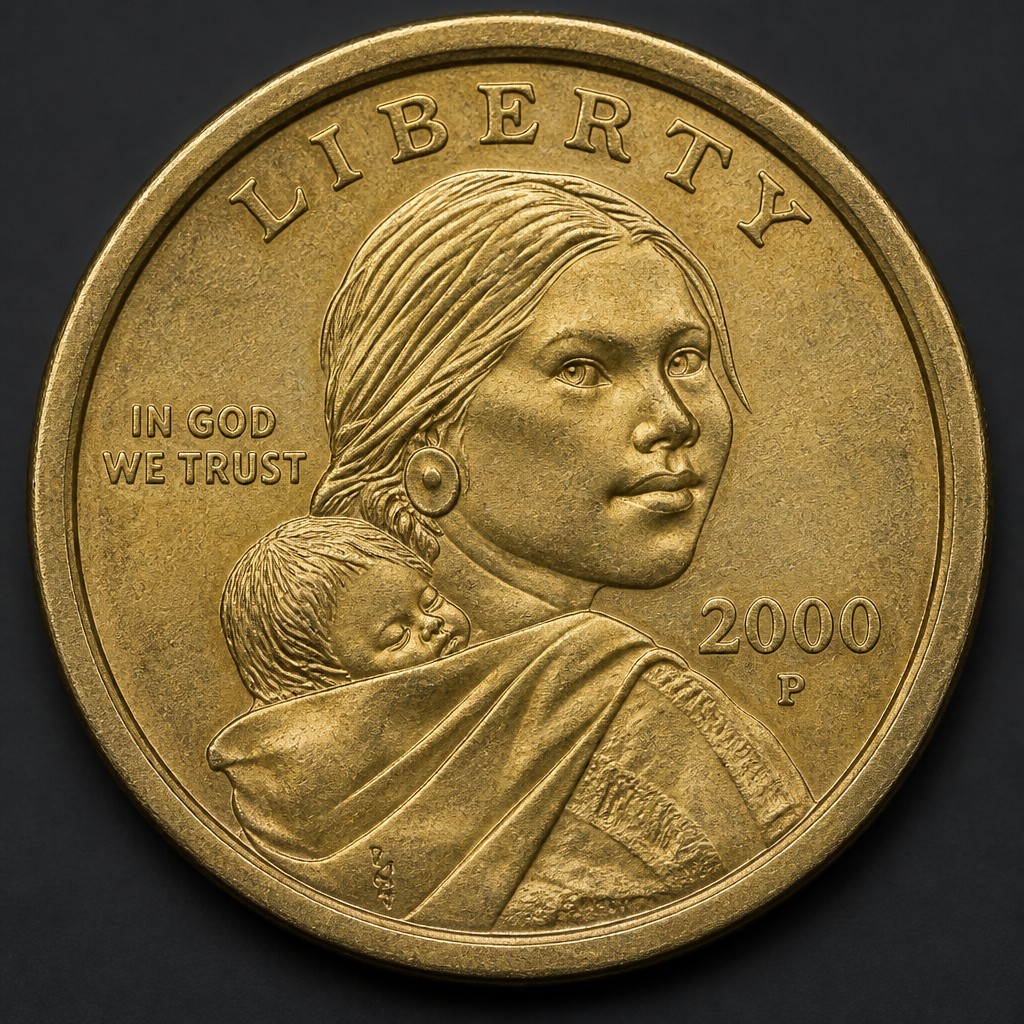
2000-P Sacagawea Cheerios Dollar
2000
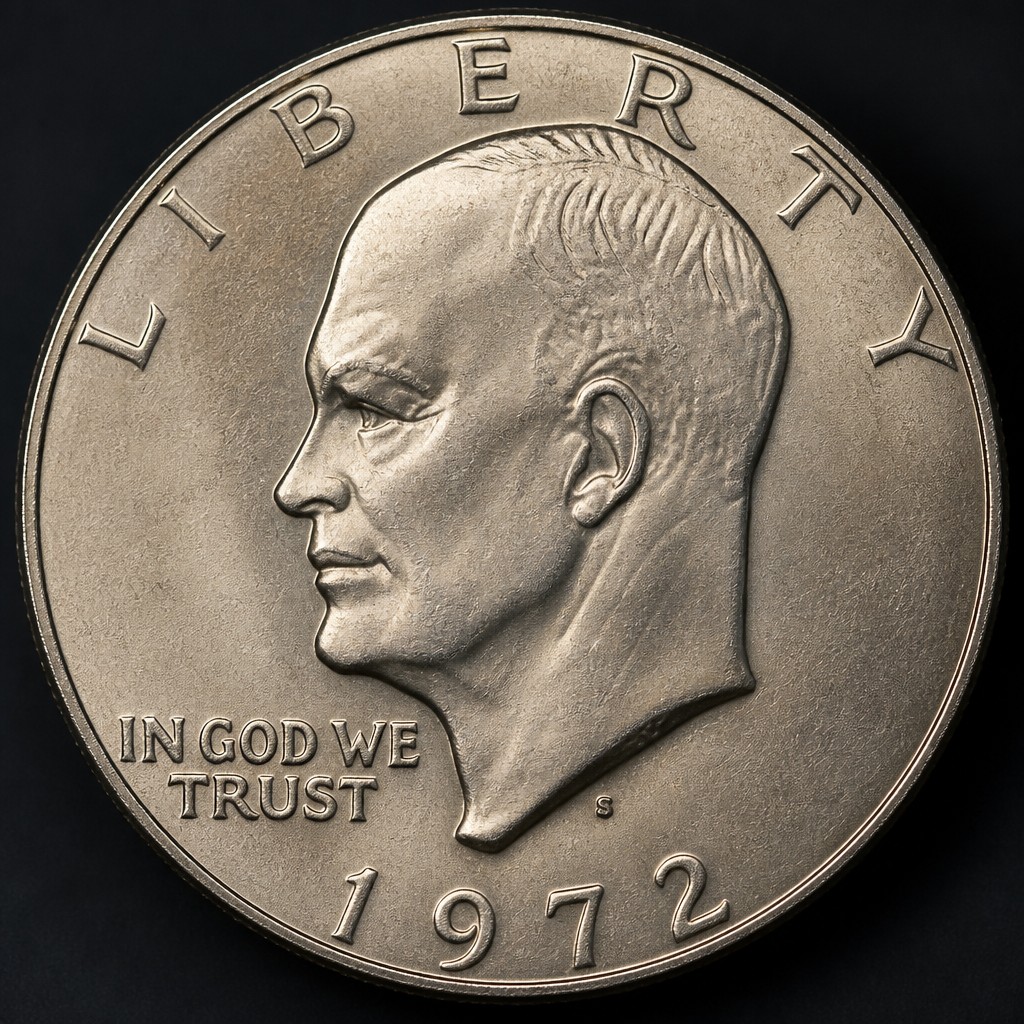
1972 Eisenhower Dollar (Type 2)
1972
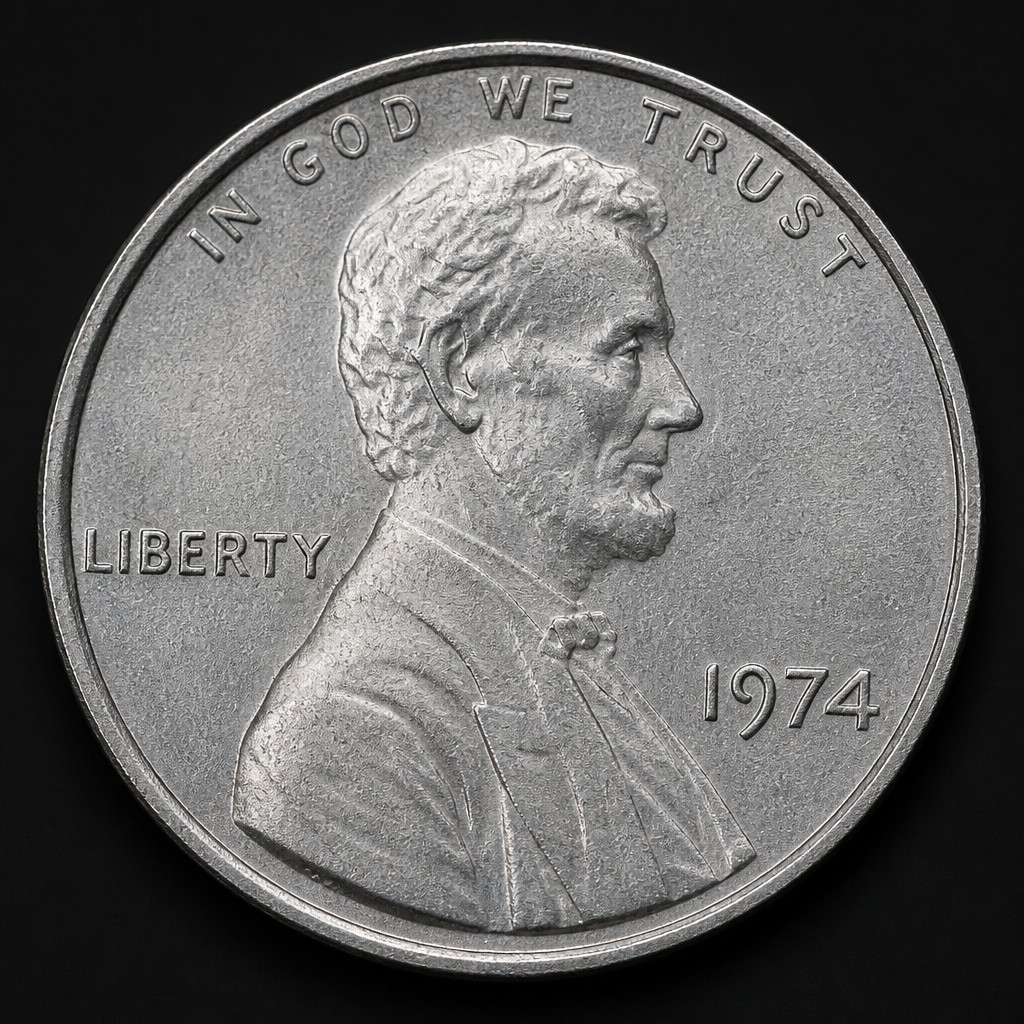
1974 Aluminum Cent
1974
1965 Silver Washington Quarter (Transitional Error)
1965
1982 Copper/Zinc Transition Lincoln Cent
1982
1936 Doubled Die Lincoln Cent
1936
1942/1 Mercury Dime Overdate
1942
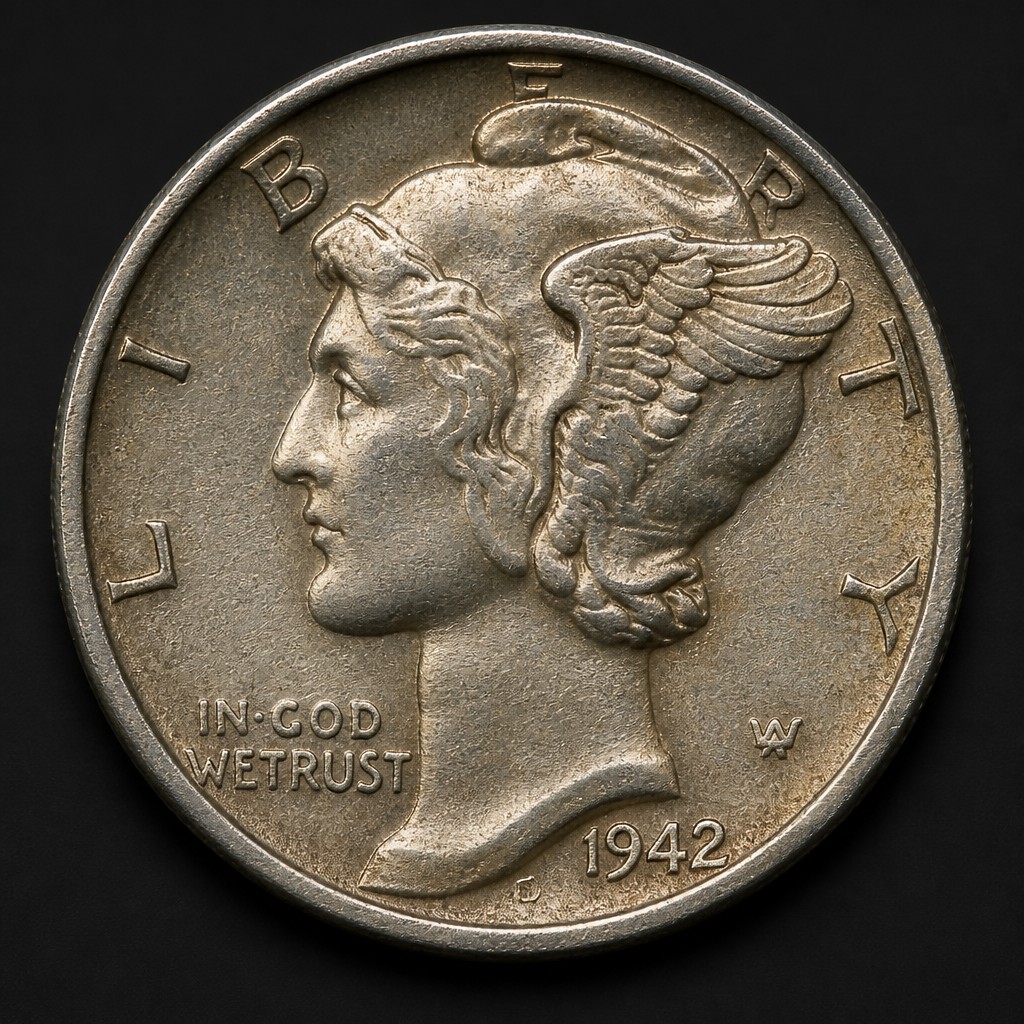
1942/1-D Mercury Dime Overdate
1942
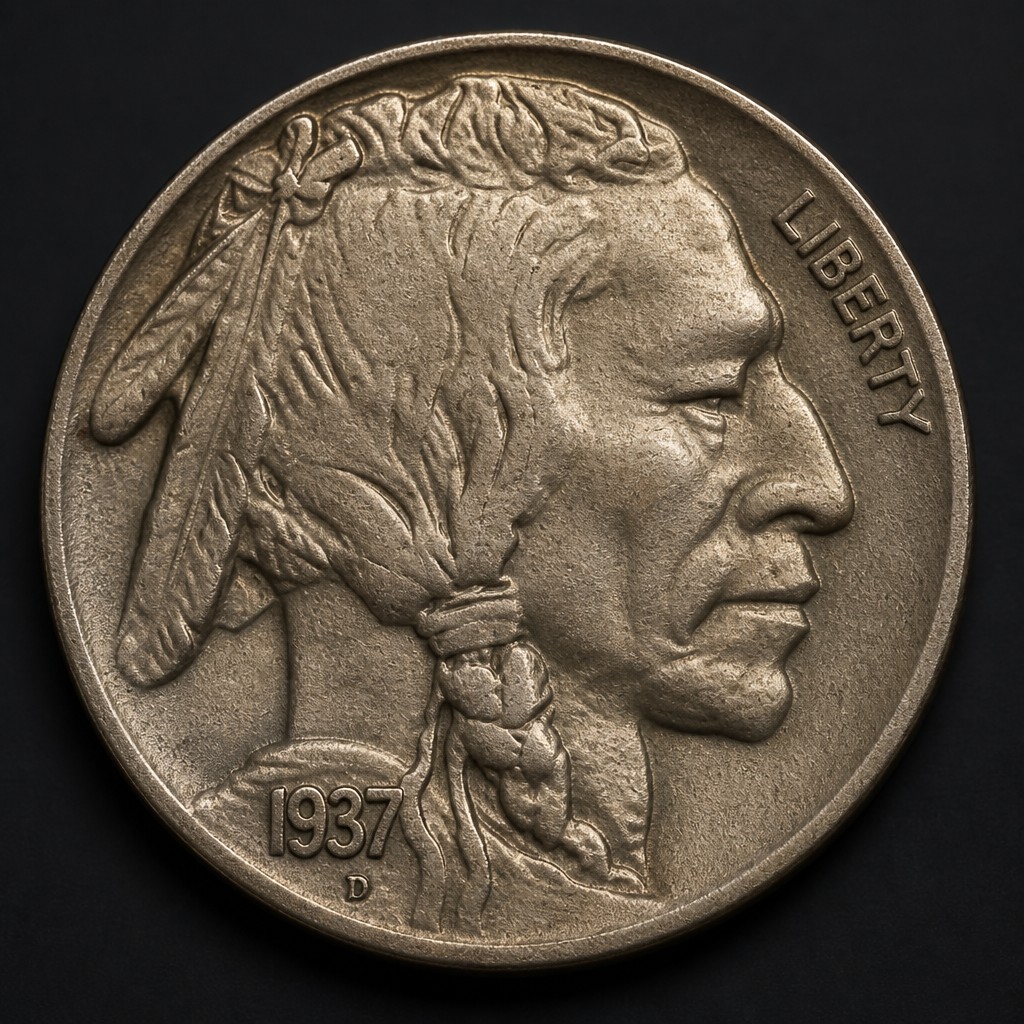
1937-D Three-Legged Buffalo Nickel
1937
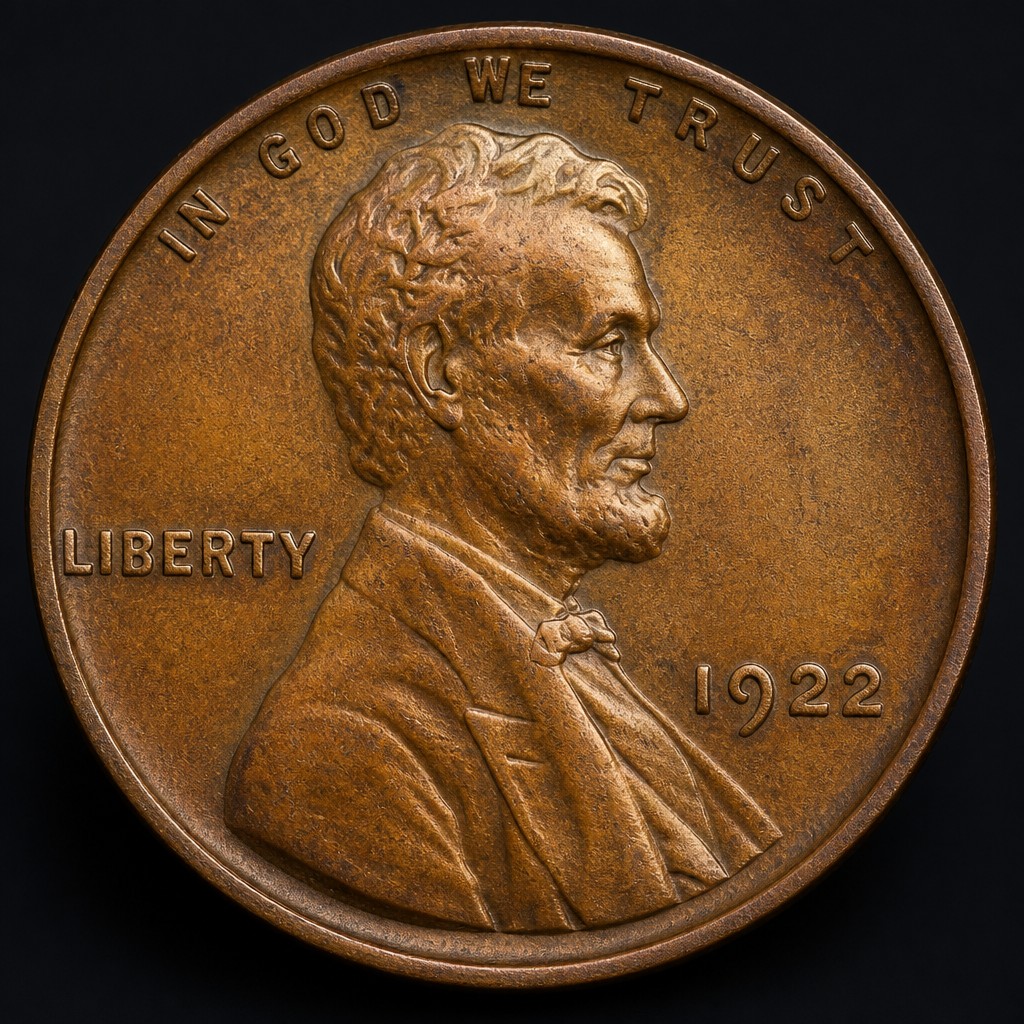
1922 No D Lincoln Cent
1922
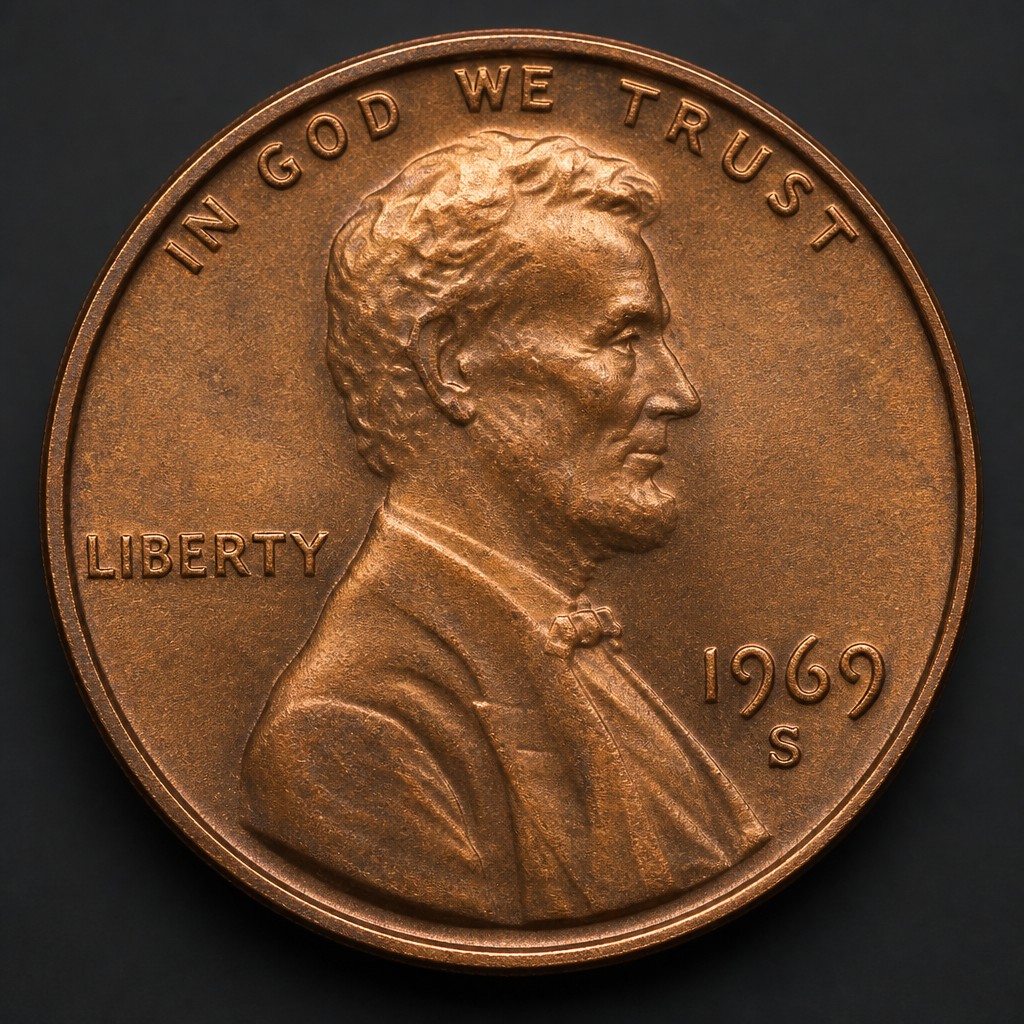
1969-S Doubled Die Lincoln Cent
1969
1943 Bronze Lincoln Cent
1943