
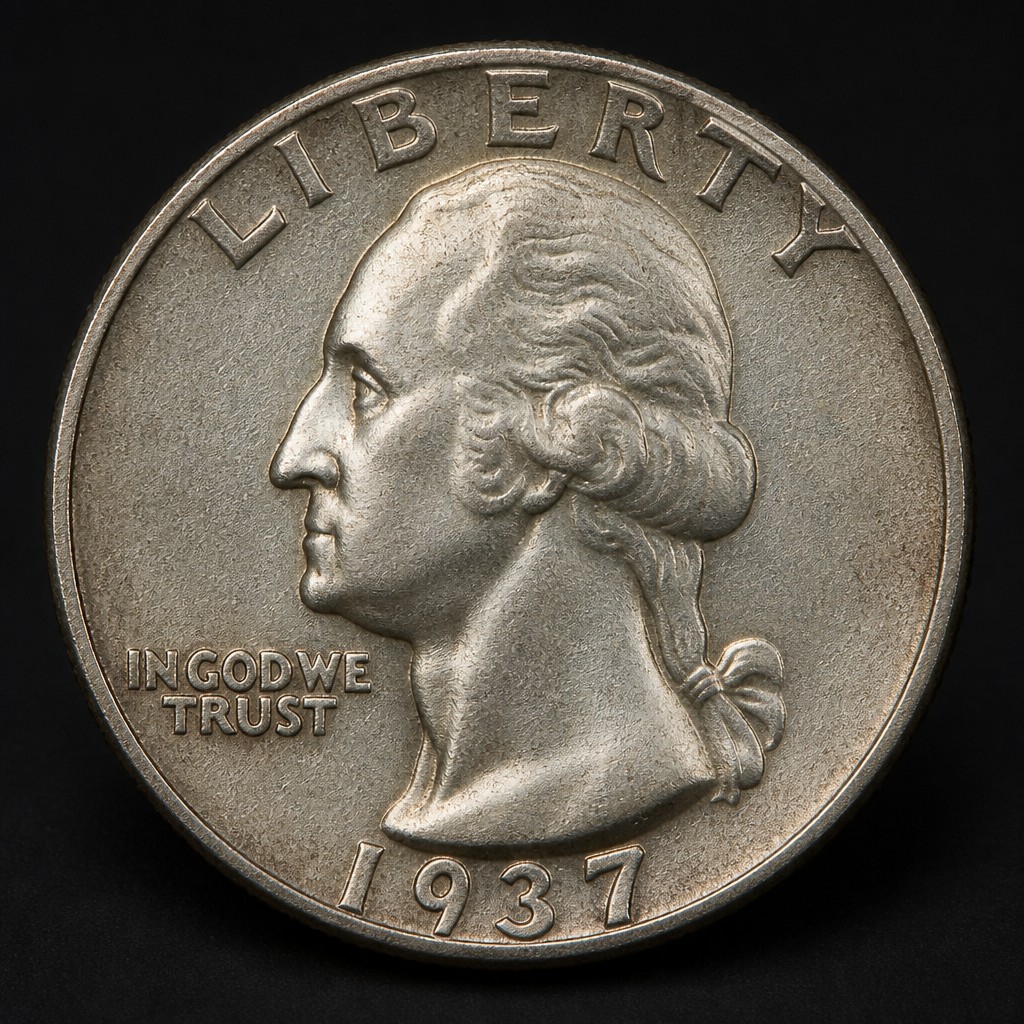
1937 Washington Quarter Doubled Die Obverse
A well-known doubled die variety of the early Washington quarter series, showing visible doubling in the obverse lettering and date from a misaligned die hubbing.
- Country
- United States
- Denomination
- Quarter Dollar
- Metal
- 90% Silver, 10% Copper
Got a coin like this?
Identify any coin from a photo, free.
Overview
The 1937 Doubled Die Obverse is one of the most recognized die varieties in the early Washington quarter series, showing distinct doubling in the date and portions of the lettering on the obverse. It is a favorite among variety collectors who pursue Cherrypickers'-type doubled dies across U.S. coinage.
While the normal 1937 quarter is a common date, the doubled die variety is considerably scarcer and trades at a meaningful premium over the standard issue.
History & Background
Doubled dies occur when a working die receives multiple, slightly misaligned impressions from a hub during the die-making process, leaving doubled elements on every coin struck from that die. The 1937 Washington quarter, produced early in the series that began in 1932, includes one such doubled die that was later identified and cataloged by variety specialists.
As interest in die varieties grew among collectors in the latter twentieth century, prominent doubled dies like the 1937 example were documented in variety references and became sought-after additions to specialized Washington quarter collections.
How to Identify
On this variety, doubling is most evident in the date and in parts of the motto and lettering on the obverse, visible under magnification as a distinct secondary outline or shelf-like separation in the affected devices. The rest of the design follows the standard Washington quarter format: John Flanagan's bust of George Washington facing left on the obverse, with an eagle perched on a bundle of arrows above olive branches on the reverse.
Because doubling can be subtle and is sometimes confused with mechanical doubling (a lesser, non-collectible effect from a worn or shifting die during striking), collectors typically compare suspect coins to published diagnostic images and, for higher-value claims, seek attribution from a variety specialist or certification service.
Value & Collectibility
The 1937 DDO commands a solid premium over a common 1937 quarter, with the exact value depending on the strength and clarity of the doubling as well as overall grade. Sharper, more dramatic examples of the doubling bring higher prices than subtle or weak examples.
As with most doubled die varieties, demand comes primarily from specialized variety collectors, so value can be more variable and less liquid than for widely recognized date-and-mintmark key dates.
Frequently asked questions
What is a doubled die?
It is a coin struck from a die that received overlapping, misaligned impressions during manufacture, causing doubling in the design that appears on every coin from that die.
How is this different from a common 1937 quarter?
The base date is common, but coins struck from this specific doubled die show visible doubling in the date and lettering and are far scarcer.
How can I confirm doubling is a true doubled die?
Compare it to published diagnostic references or have it attributed by a variety specialist, since mechanical or strike doubling can look similar but has no added value.
Where can doubling be seen on this coin?
Primarily in the date and portions of the obverse lettering.
Other coins you may enjoy
2000-P Sacagawea Cheerios Dollar
2000
1972 Eisenhower Dollar (Type 2)
1972
1974 Aluminum Cent
1974
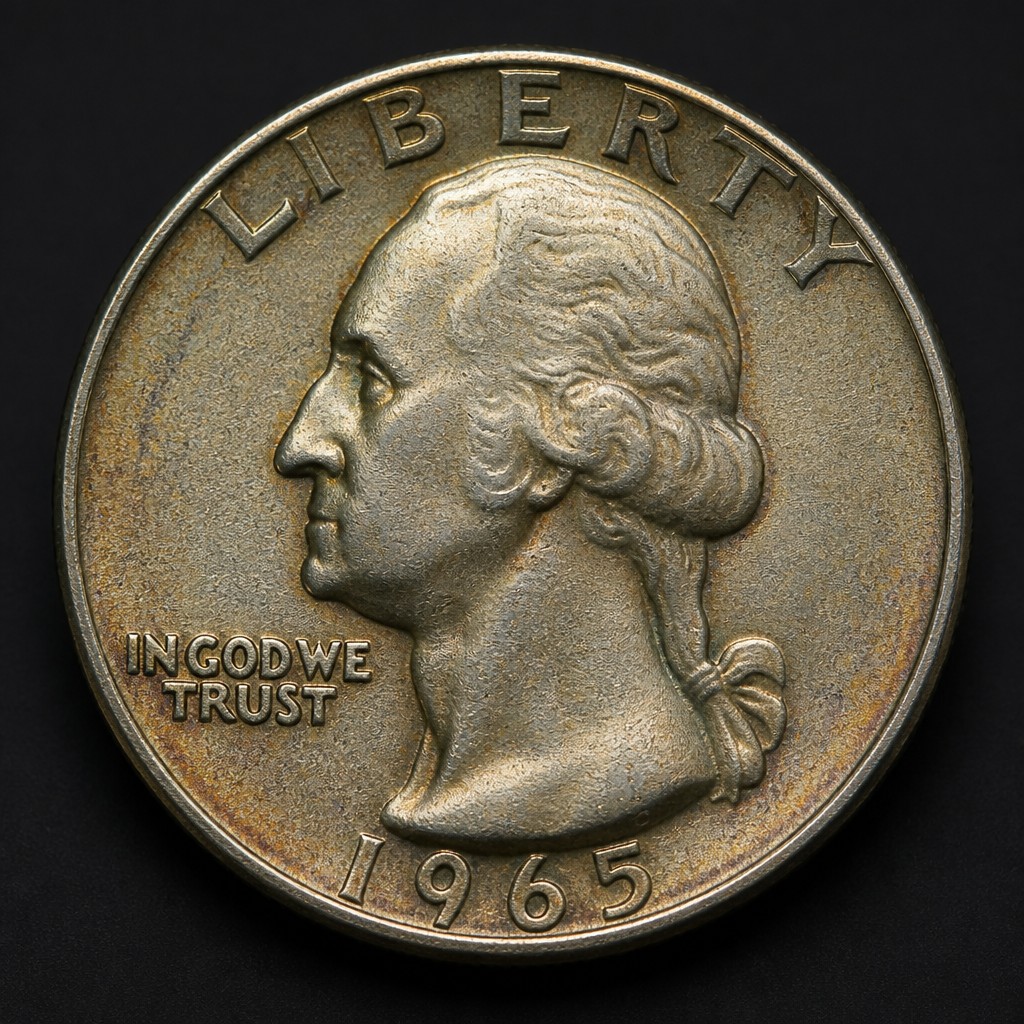
1965 Silver Washington Quarter (Transitional Error)
1965
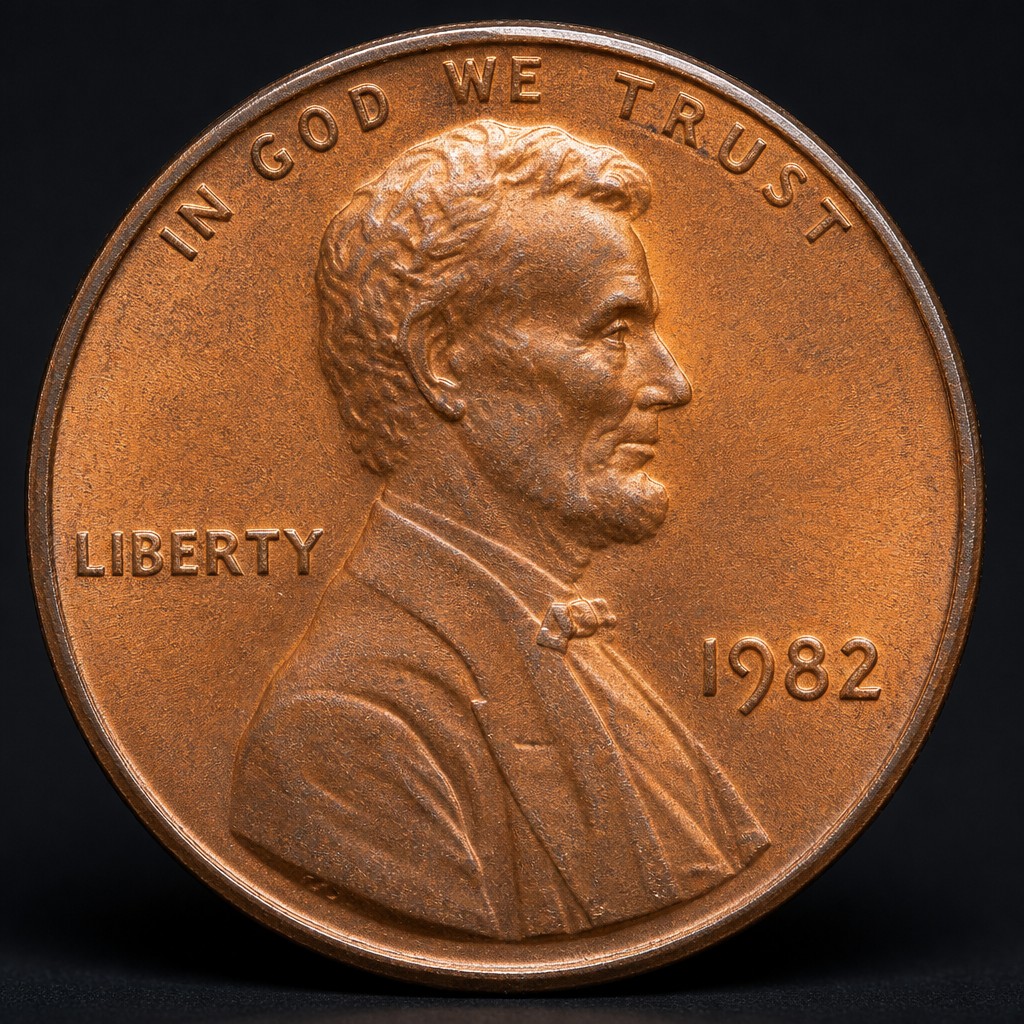
1982 Copper/Zinc Transition Lincoln Cent
1982
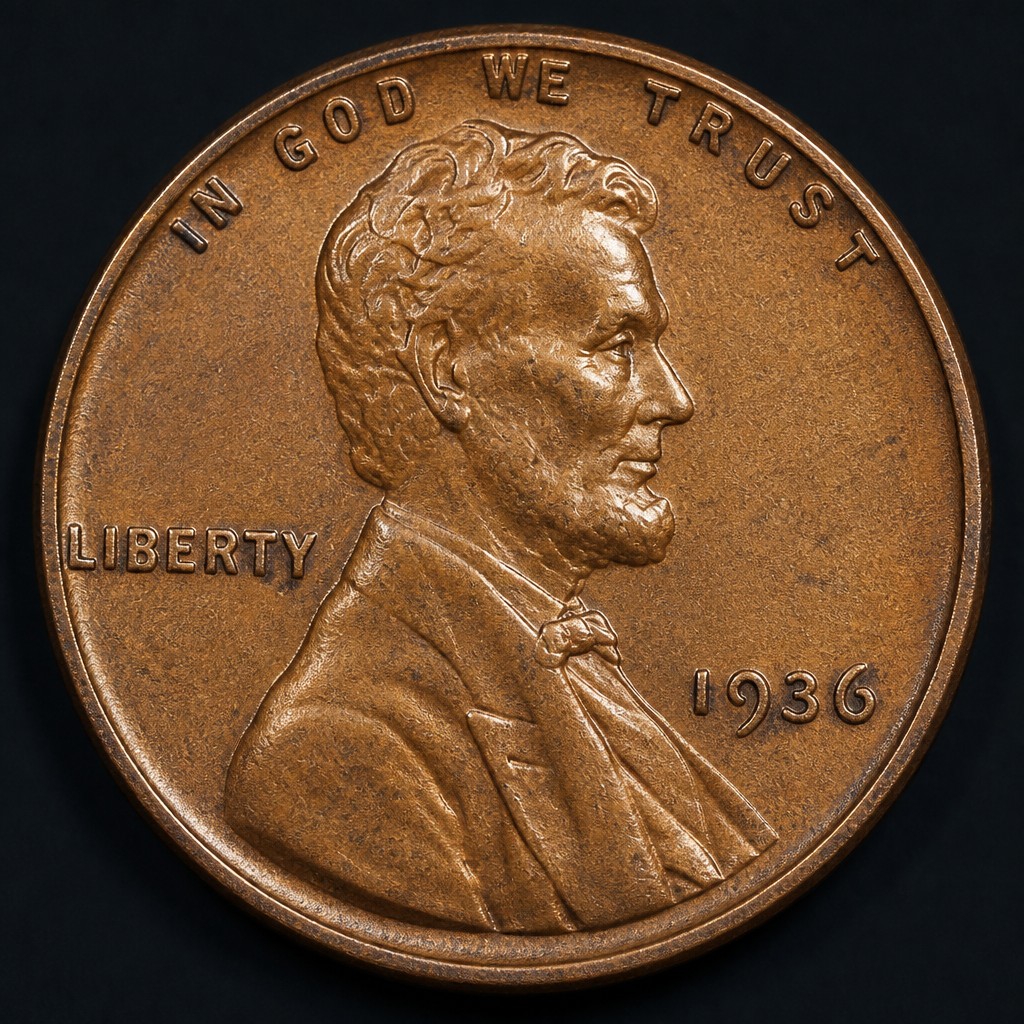
1936 Doubled Die Lincoln Cent
1936
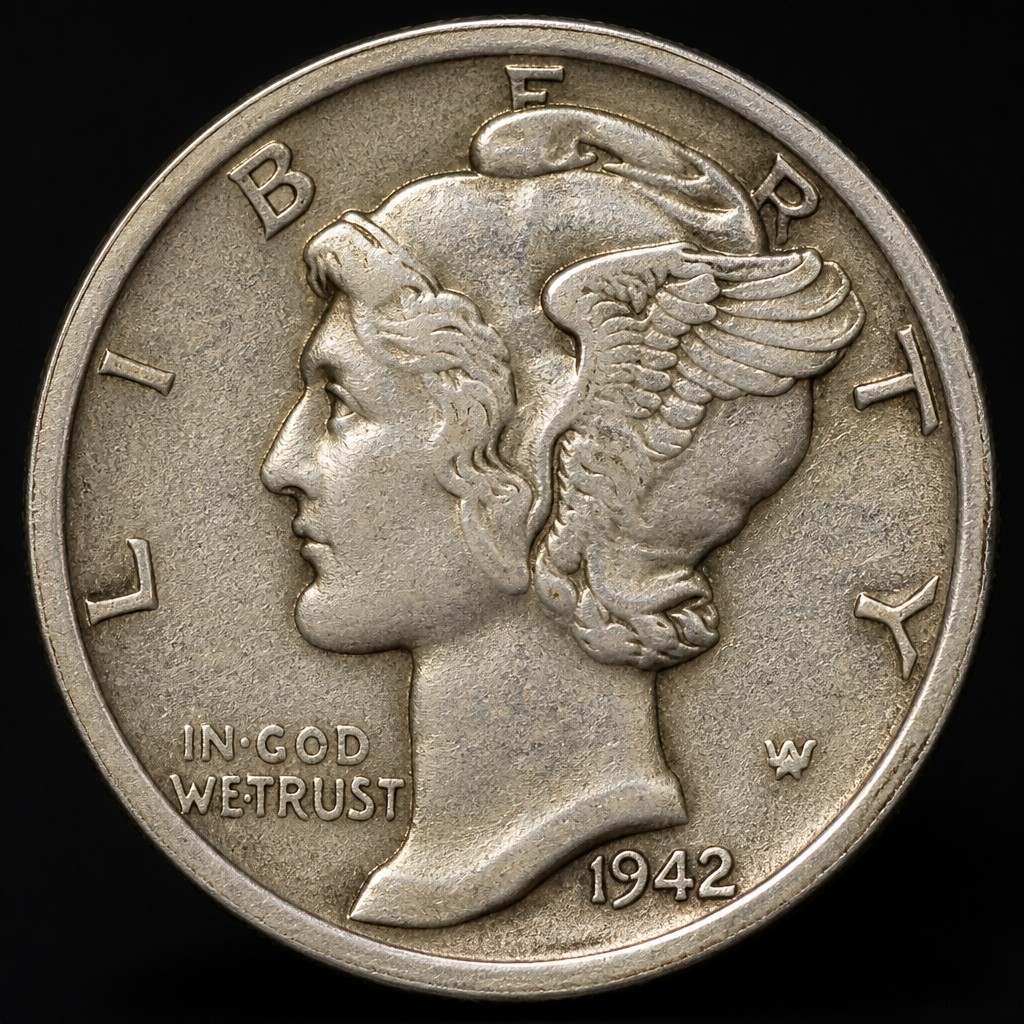
1942/1 Mercury Dime Overdate
1942
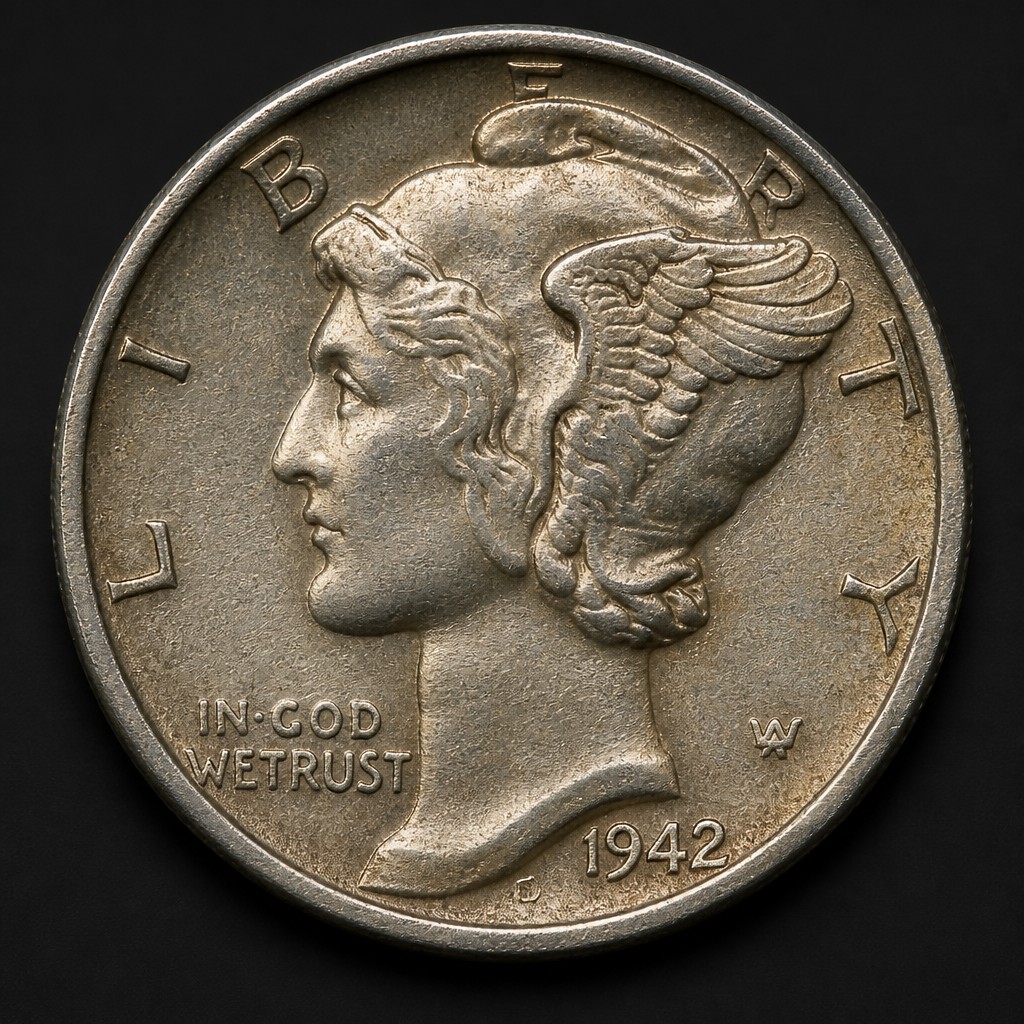
1942/1-D Mercury Dime Overdate
1942
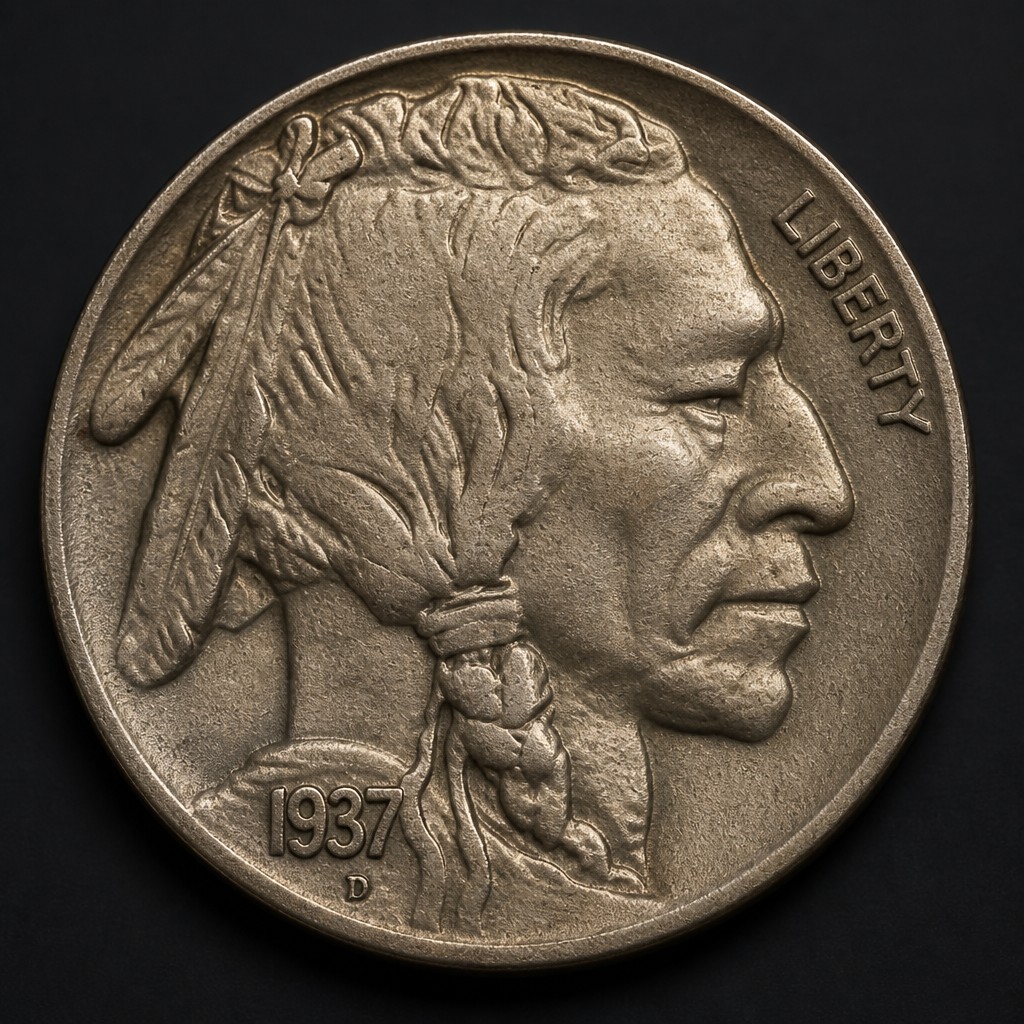
1937-D Three-Legged Buffalo Nickel
1937
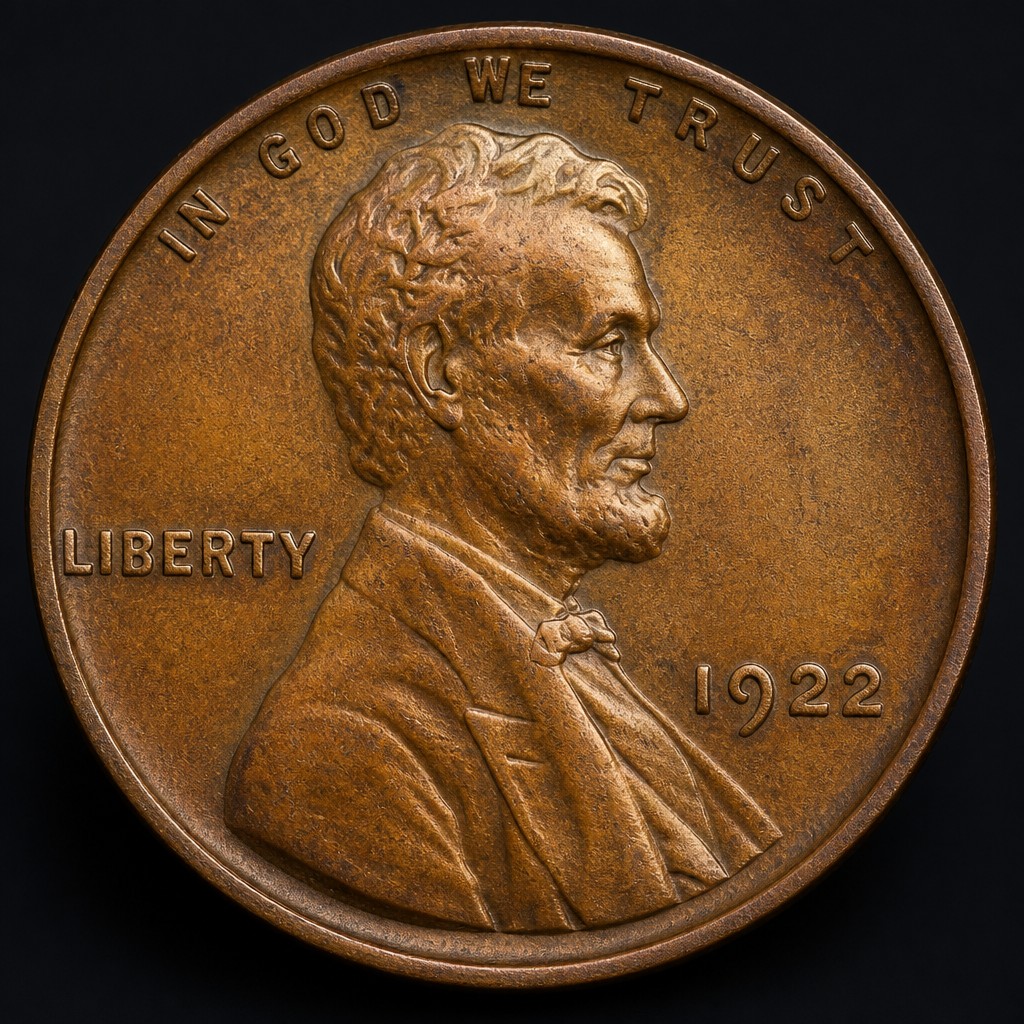
1922 No D Lincoln Cent
1922
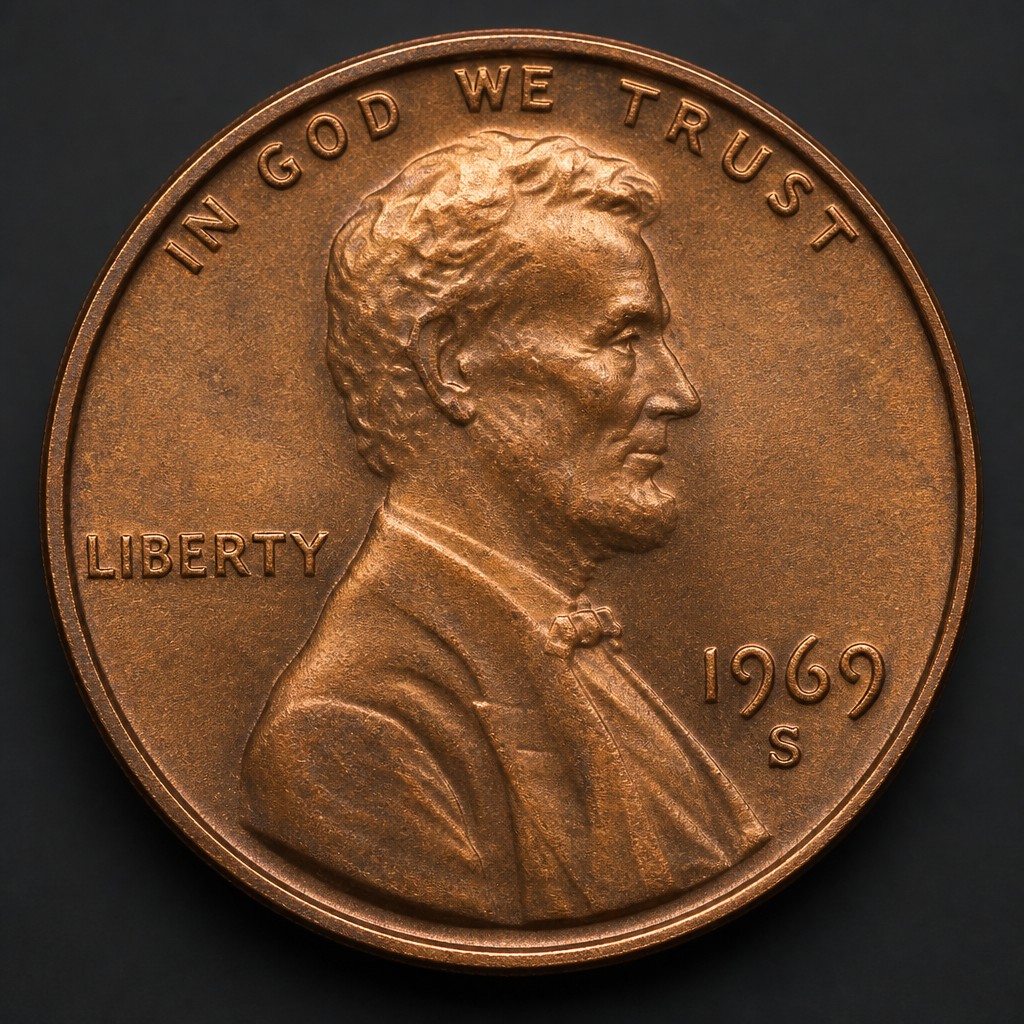
1969-S Doubled Die Lincoln Cent
1969
1943 Bronze Lincoln Cent
1943