
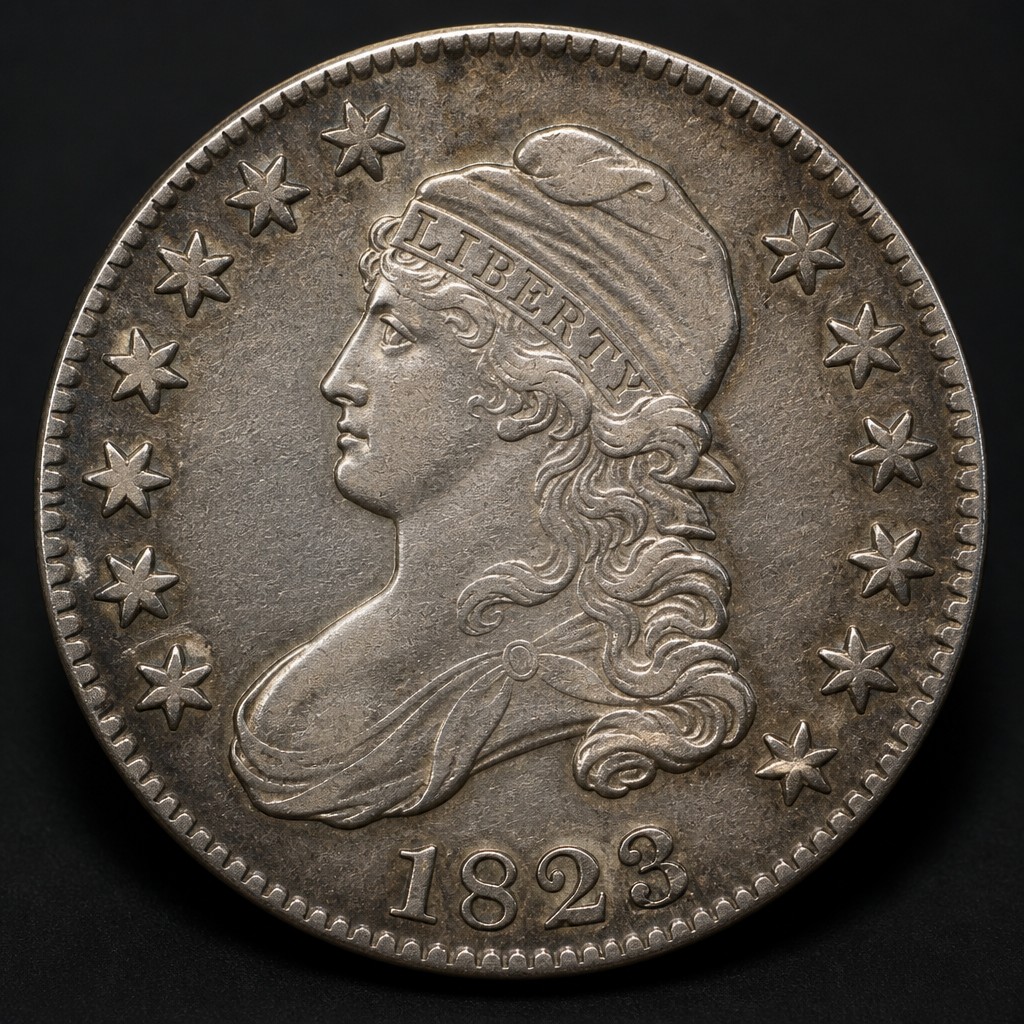
1823/2 Capped Bust Quarter Overdate
One of the rarest die varieties in the entire United States quarter series, the 1823/2 overdate shows a 3 punched over a leftover 2, from an extremely limited production run.
- Country
- United States
- Denomination
- Quarter Dollar
- Metal
- Silver (approx. 89.2% fine, pre-1837 standard)
Got a coin like this?
Identify any coin from a photo, free.
Overview
The 1823/2 quarter is widely regarded as the key rarity of the large-diameter Capped Bust quarter series (1815-1828) and one of the scarcest regular-issue date varieties in the entire denomination's history. Its defining feature is an overdate: the final digit shows unmistakable evidence of a 3 punched over a previously entered 2, a hallmark of the Mint's practice of reusing and reworking dies to save cost.
Because the Mint struck only a very small number of quarters dated 1823, and because the coin has always been recognized by specialists as a major rarity, it holds legendary status among collectors of early Capped Bust silver, comparable in prestige to other famous American numismatic overdates.
History & Background
In the early 1820s, the Mint continued its longstanding practice of reusing working dies and punches across multiple years whenever practical, both to save engraving labor and because quarter dollar demand remained modest. The 1823/2 overdate arose when a die originally dated (or partially prepared with) 1822 was reworked with a new 3 punched over the old 2 to bring it into service for 1823.
Mint records indicate that only a small quantity of quarters were struck under the 1823 date, making this already a low-mintage year before accounting for survival losses over the subsequent two centuries.
As with other early silver coinage, most of the pieces that were struck circulated actively and were eventually worn down, melted, or lost, leaving only a small handful of the overdate variety known to exist today.
How to Identify
The overall design matches the large-diameter Capped Bust quarter type: Liberty wearing a cap inscribed LIBERTY on the obverse, with stars around the border and the date below; an eagle with shield, arrows, and an olive branch on the reverse, with "25 C." beneath.
The key diagnostic is found in the last digit of the date: under magnification, remnants of an underlying 2 can be seen peeking out from beneath and around the final 3 in "1823." This doubling is the defining feature that separates the overdate variety from a normal-date 1823 quarter (itself already a scarce date).
Because of the enormous premium attached to the overdate and the difficulty of the diagnostic, any coin represented as an 1823/2 should be verified and certified by a major professional grading service.
Value & Collectibility
The 1823/2 overdate is one of the true condition and date rarities of the entire quarter series, with only a small number of genuine examples believed to survive across all grades. Even heavily worn or problem examples, when authenticated, can bring tens of thousands of dollars, and sound, higher-grade pieces have realized prices well into six figures at major auctions.
Because of its extreme rarity and value, the variety has attracted counterfeits and deceptively altered dates over the years, making certification by a major grading service essential before any purchase.
Frequently asked questions
What does 1823/2 mean?
It indicates an overdate: the die's final digit was originally a 2 (from an earlier, unused die) that was reworked with a 3 punched over it to create a usable 1823 date.
How rare is the 1823/2 quarter?
It is considered one of the rarest regular-issue varieties in the entire U.S. quarter series, with only a small number of authenticated examples known.
How can I identify the overdate?
Under magnification, traces of the underlying 2 are visible beneath the final 3 in the date; this diagnostic can be subtle and is best confirmed by an expert or grading service.
Why were dies reworked like this?
The Mint frequently reused dies and punches to reduce engraving costs, sometimes converting an unused die from one year for service in a later year.
Other coins you may enjoy
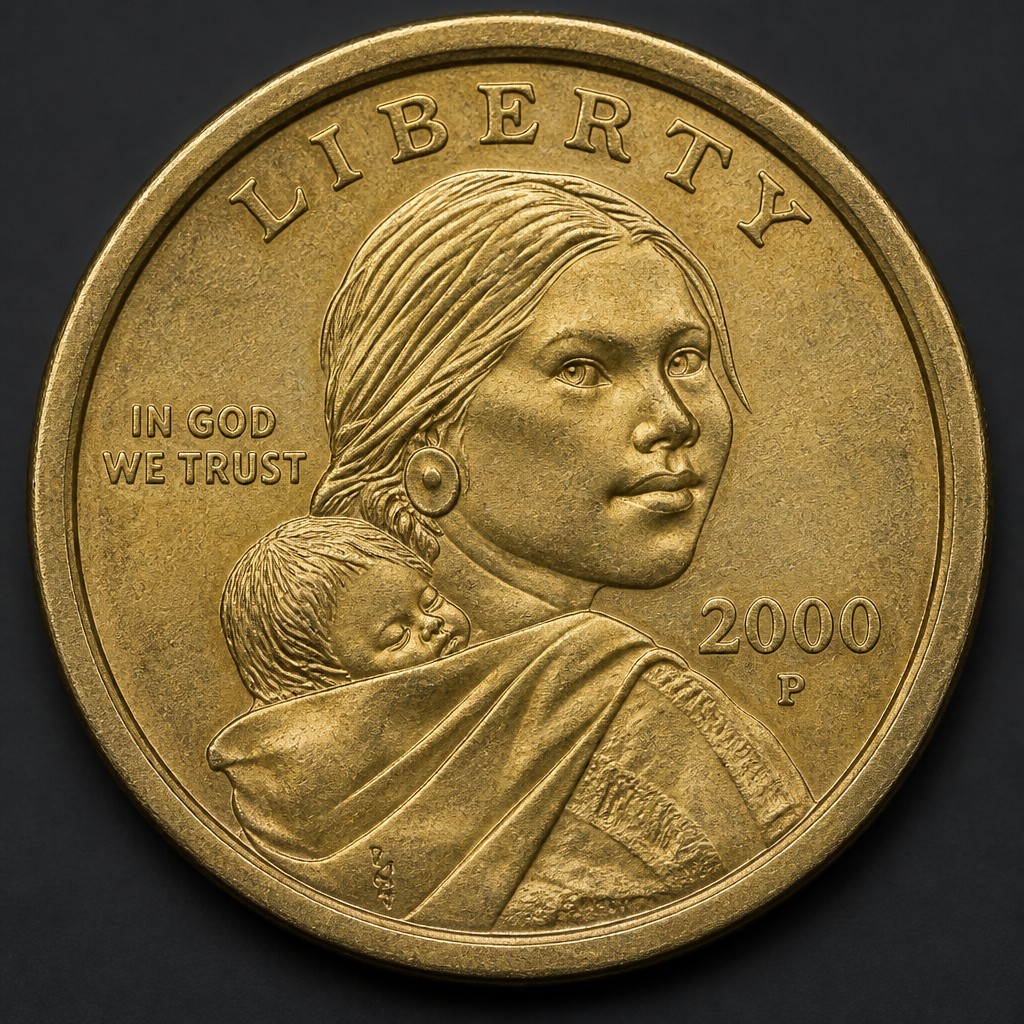
2000-P Sacagawea Cheerios Dollar
2000
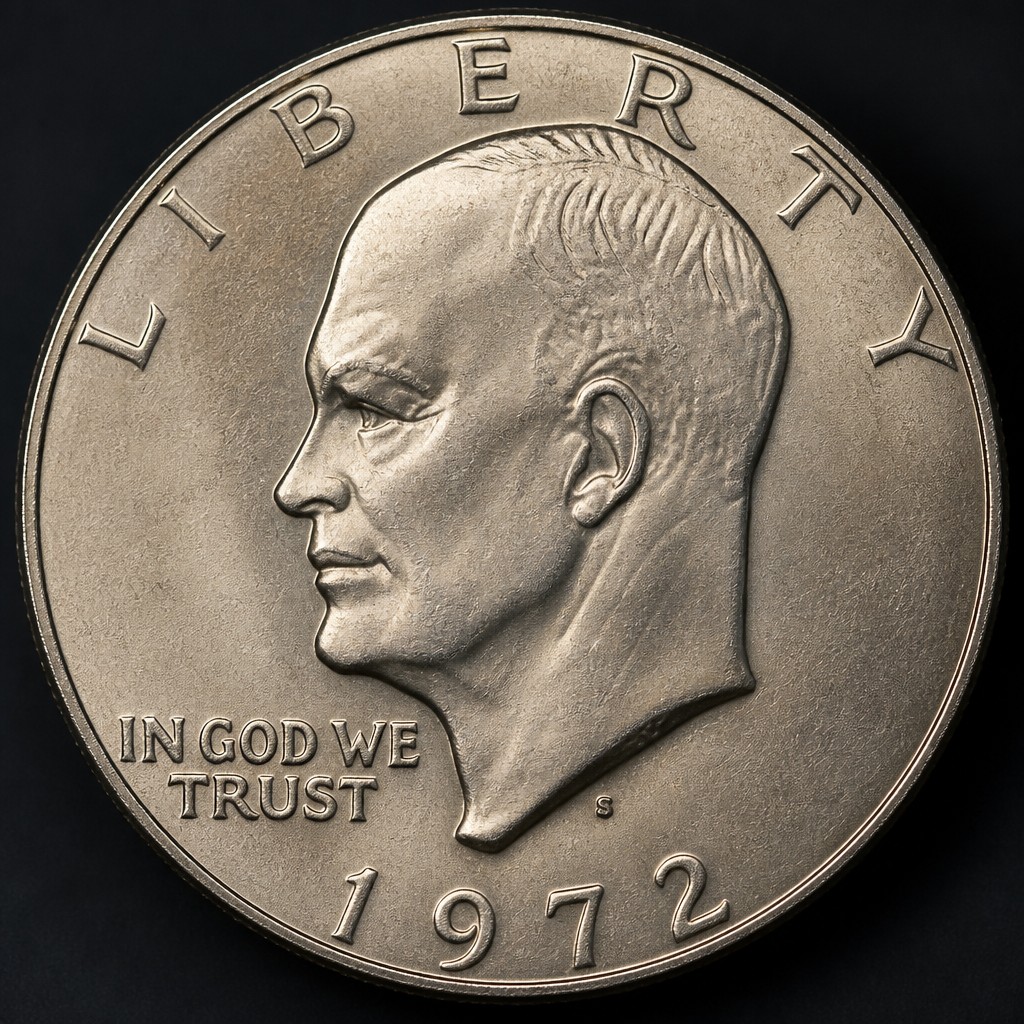
1972 Eisenhower Dollar (Type 2)
1972
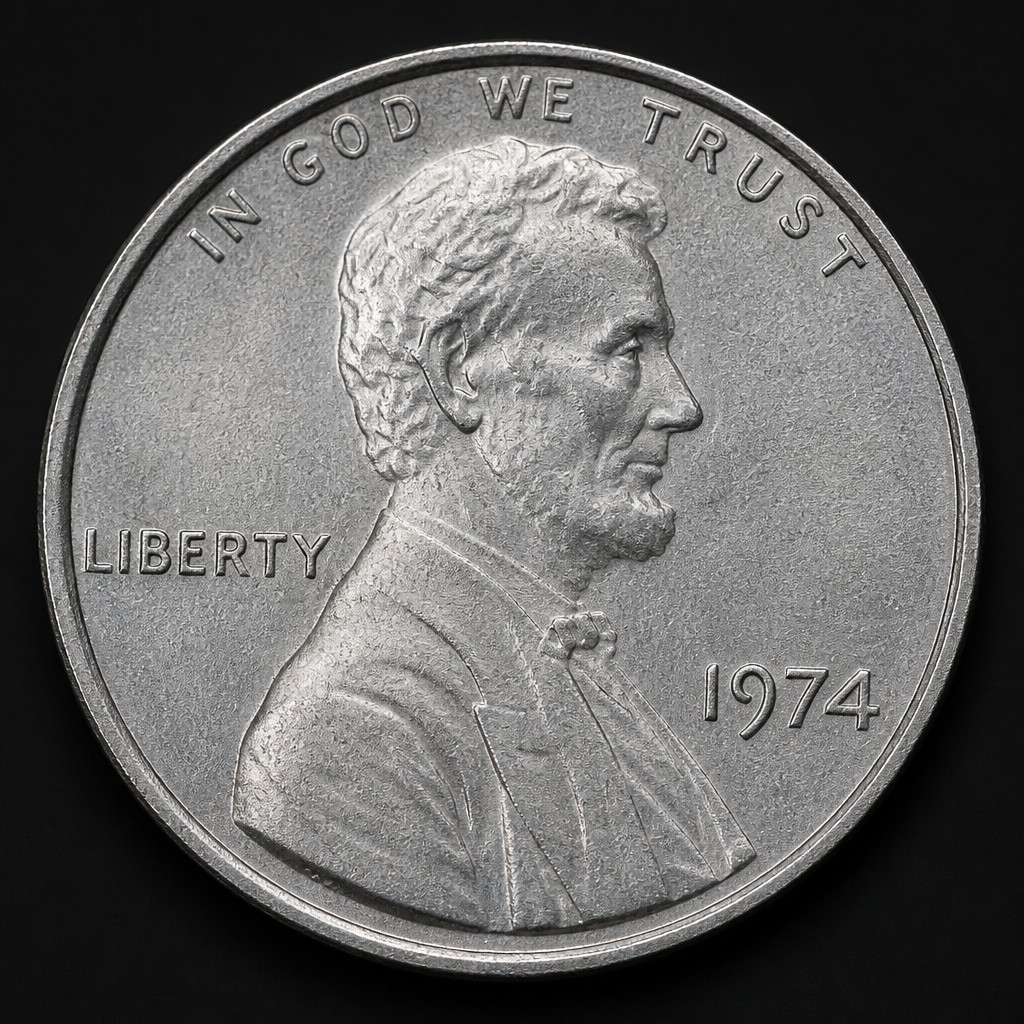
1974 Aluminum Cent
1974
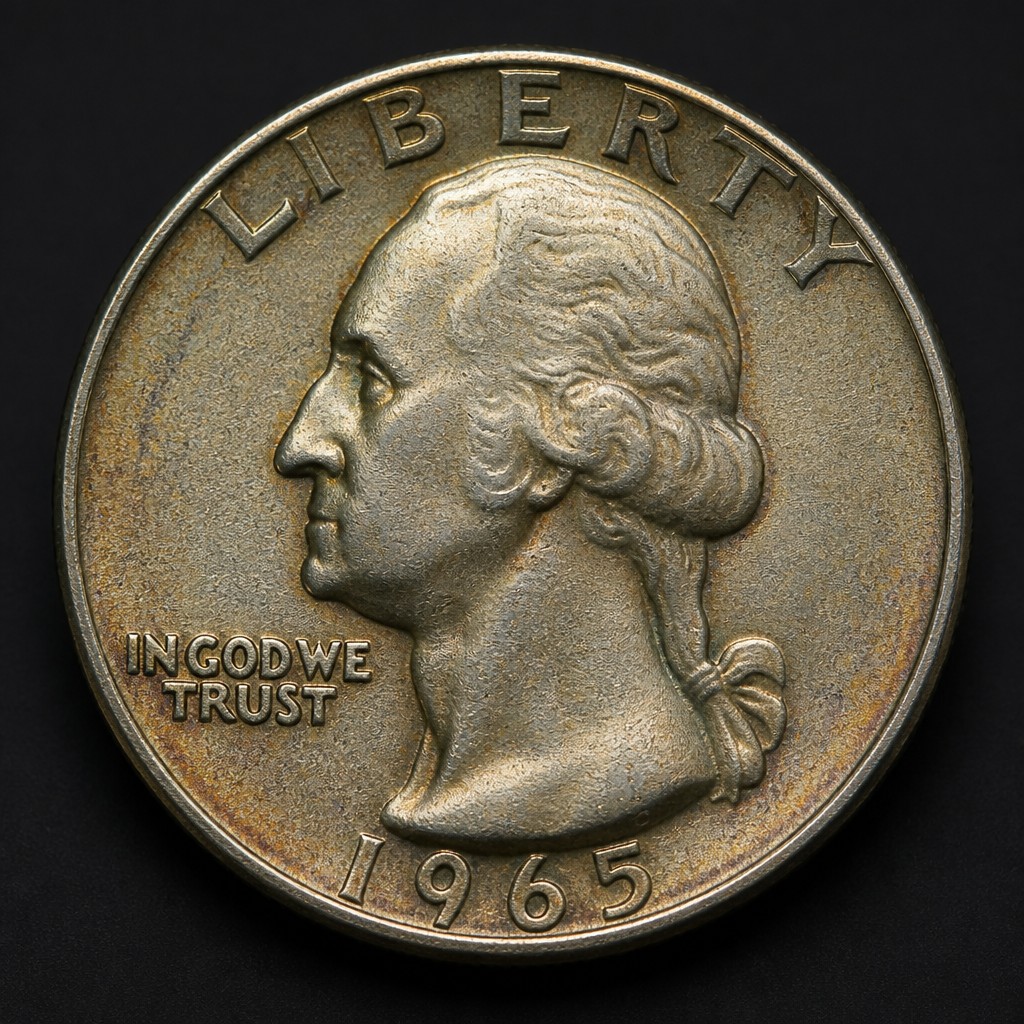
1965 Silver Washington Quarter (Transitional Error)
1965
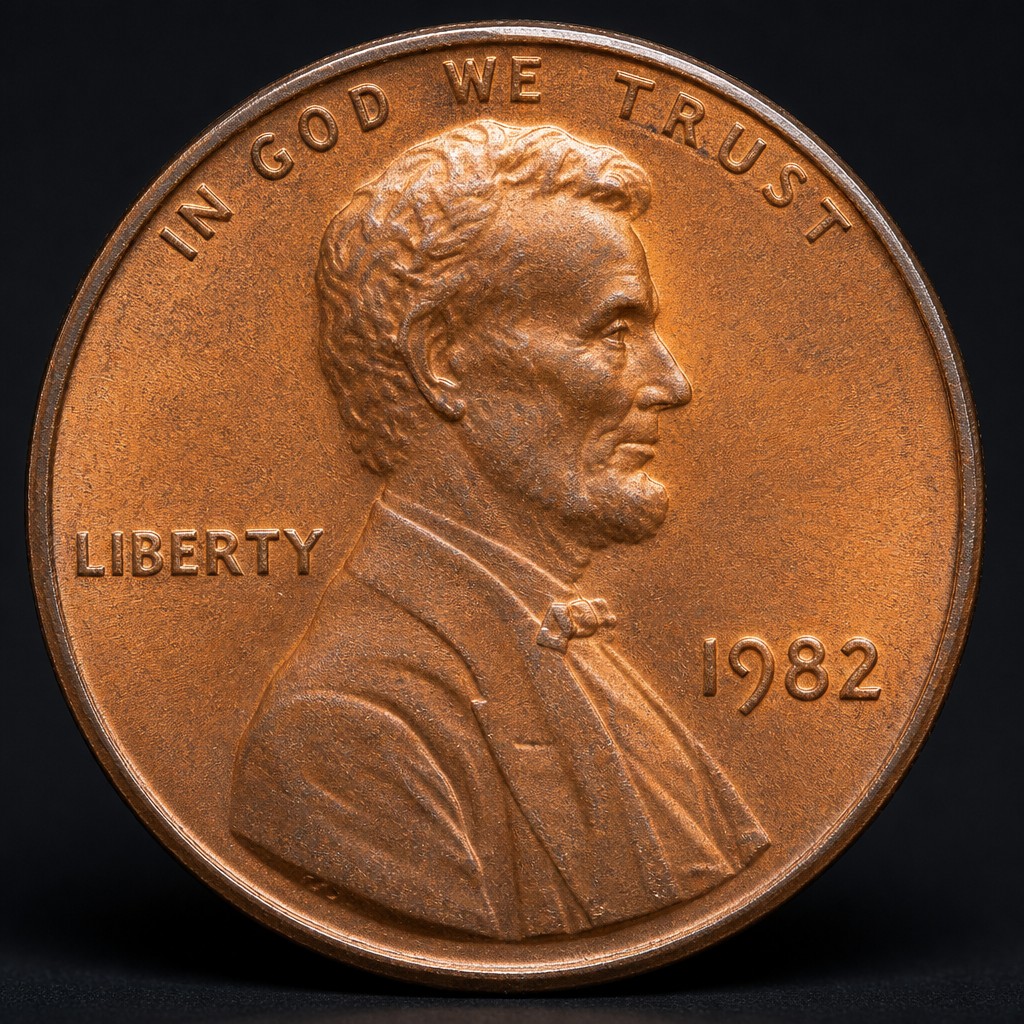
1982 Copper/Zinc Transition Lincoln Cent
1982
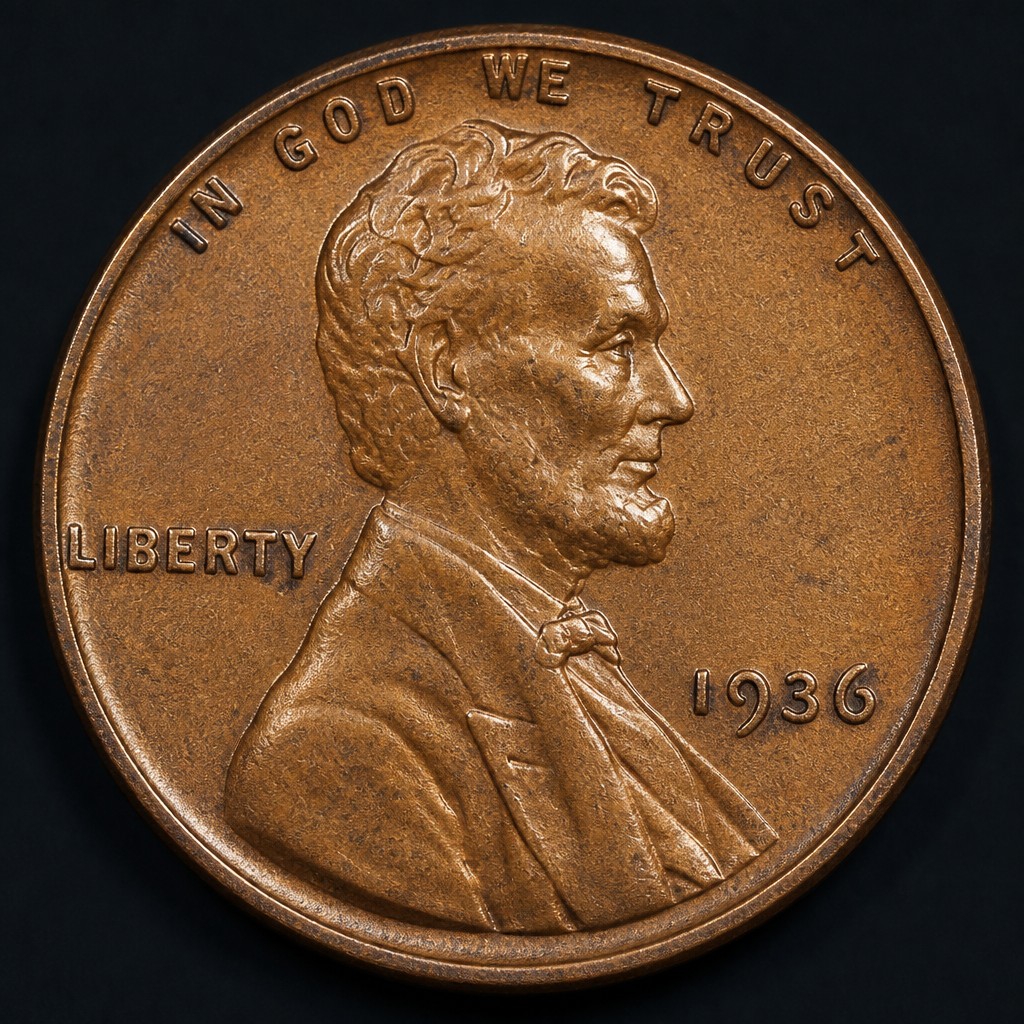
1936 Doubled Die Lincoln Cent
1936
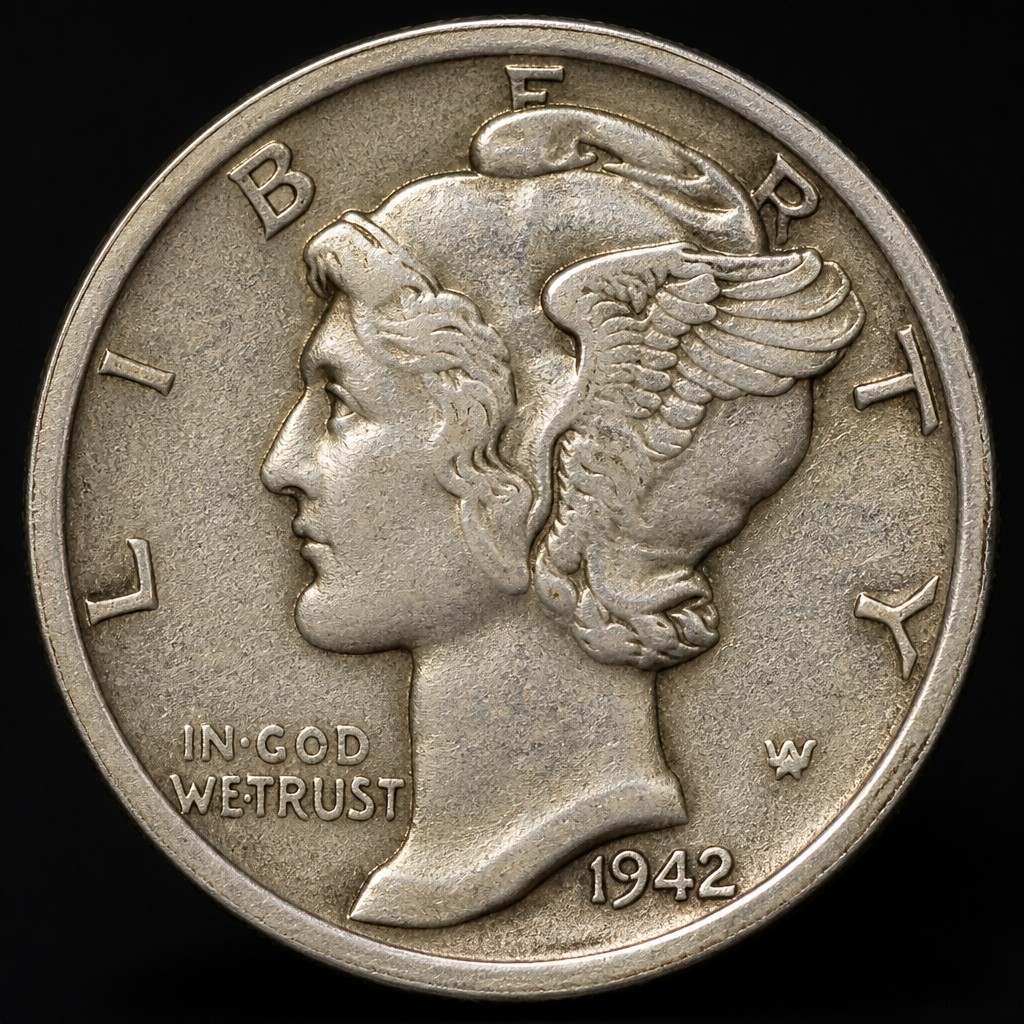
1942/1 Mercury Dime Overdate
1942
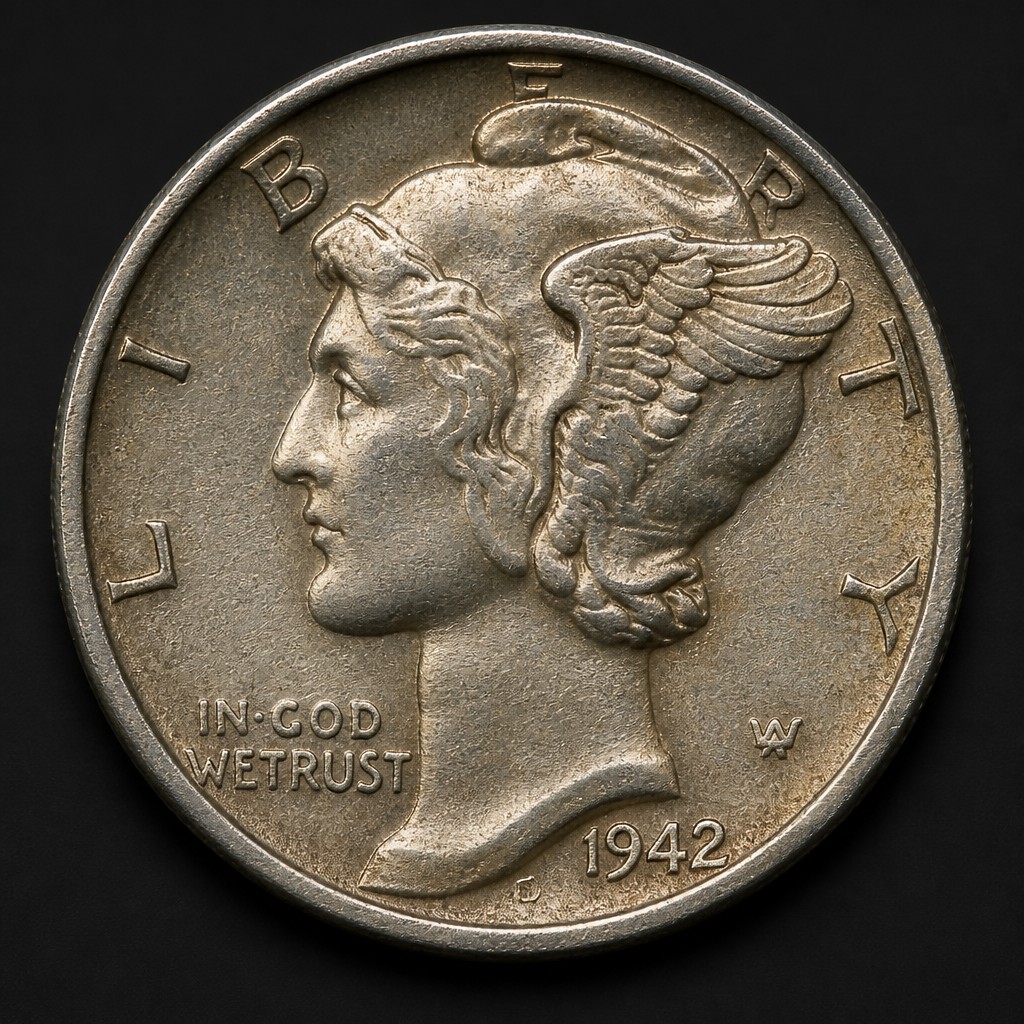
1942/1-D Mercury Dime Overdate
1942
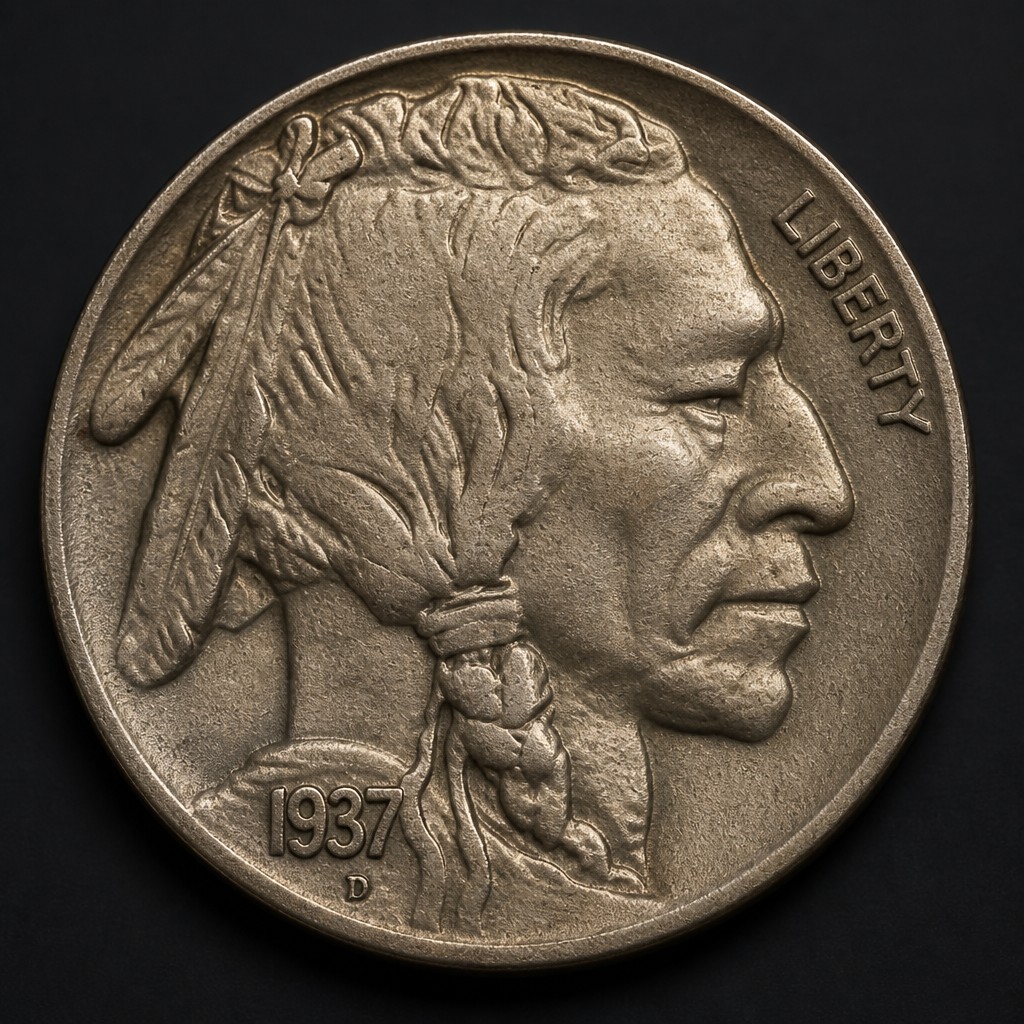
1937-D Three-Legged Buffalo Nickel
1937
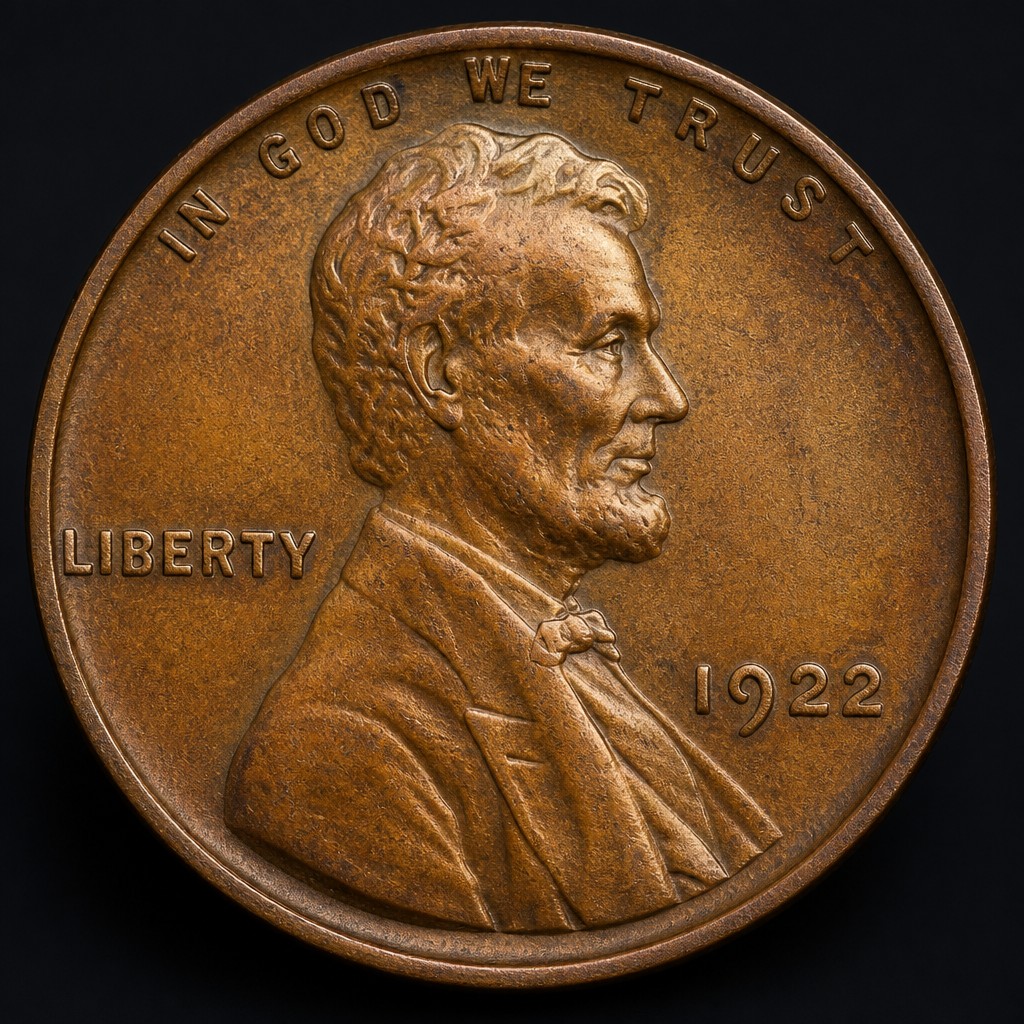
1922 No D Lincoln Cent
1922
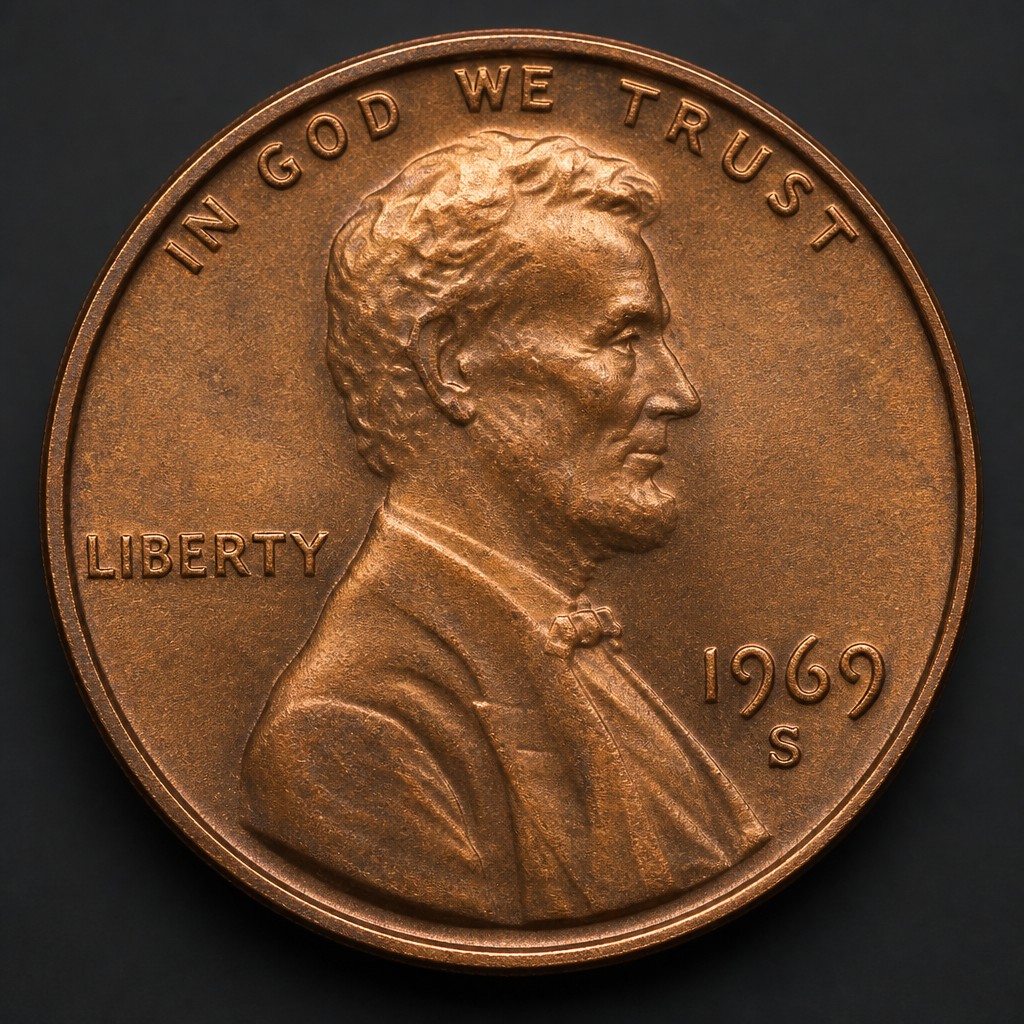
1969-S Doubled Die Lincoln Cent
1969
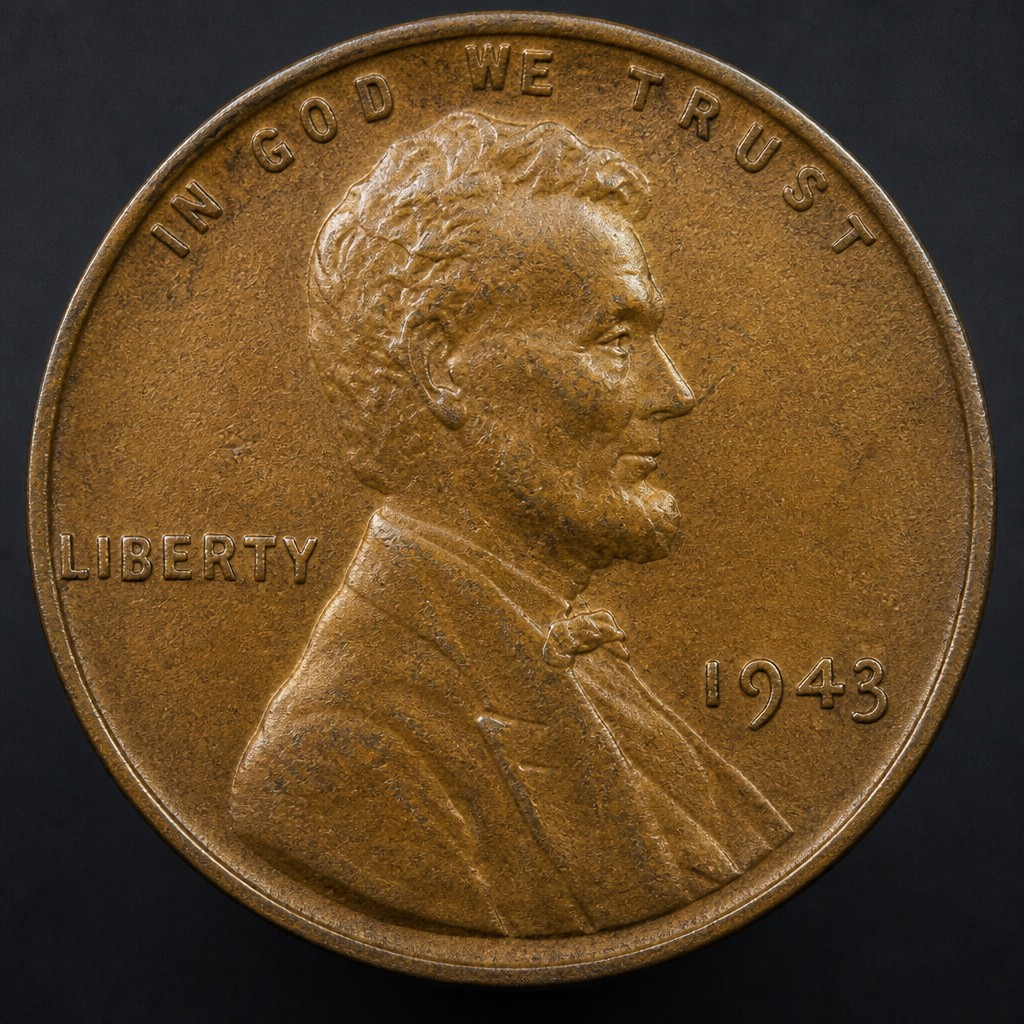
1943 Bronze Lincoln Cent
1943