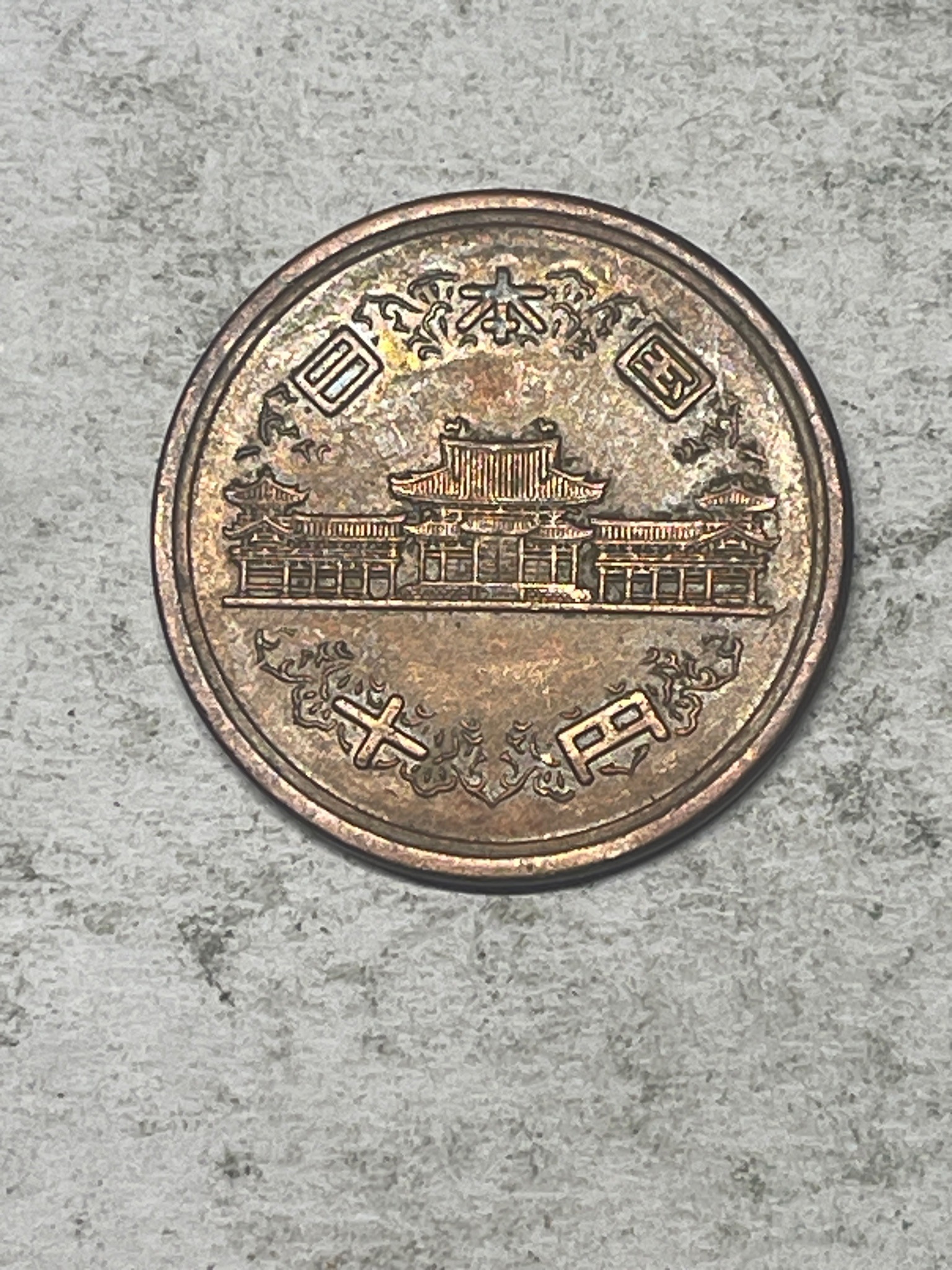
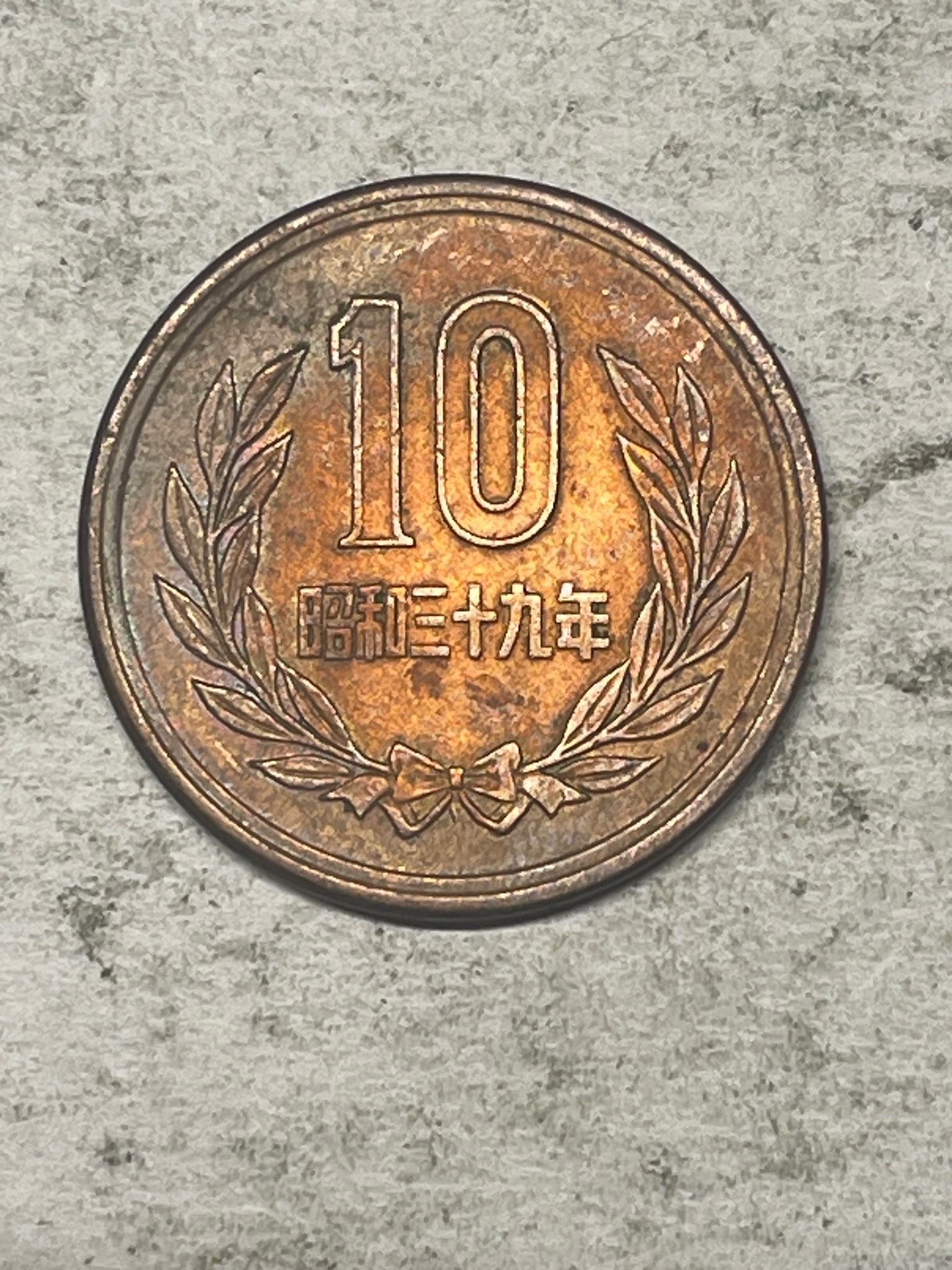
Japanese 10 Yen Coin (Byodoin Temple)
Japan (Japanese Government) · 1964 (Showa 39)
A bronze-colored Japanese coin featuring the Phoenix Hall of the Byodoin Temple on one side and a large numeral 10 surrounded by laurel branches on the other.
- Country
- Japan (Japanese Government)
- Year
- 1964 (Showa 39)
- Denomination
- 10 Yen
- Metal
- 95% Copper, 4% Zinc, 1% Tin
This report is AI-generated and can be wrong. Always verify grade, authenticity, and value with a qualified dealer or certified grading service before buying, selling, or insuring.
Identify your own coins.
Get a report just like this from any photo, free.
Overview
Historical significance
Obverse (front)
Reverse (back)
Estimated value
What drives this coin's value
Grade assessment
Mintage & rarity
Authenticity & counterfeit red flags
Notable varieties & errors
Similar coins
Care & preservation
More like this
Other japan (japanese government) coins
Japanese 1 Yen Aluminum Coin
Japan · 1993 (Heisei Year 5)
50 Yen Coin
Japan · Shōwa 54 (1979 CE)
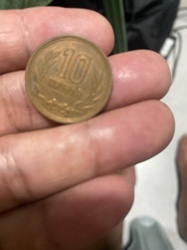
Japanese 10 Yen Coin (Byodo-in Temple)
Japan · Dates vary, but design is standard for coins from 1959 onwards. The specific year is written in Japanese era format on the reverse.
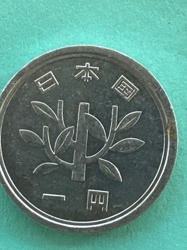
1 Yen (Showa)
Japan · 1955-1989 (Exact year on reverse)
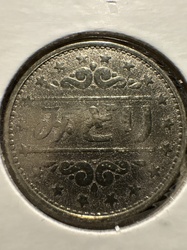
Pachinko Token (Japanese Game Token)
Japan (Private Issue) · Late 20th Century (approx. 1970s - 1990s)
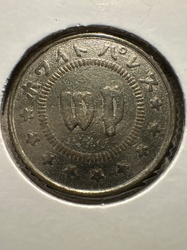
Japanese Pachislo Token (White Palace)
Japan, Gaming Industry · Late 20th to Early 21st Century