Coin Identifier
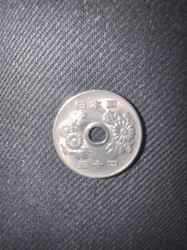
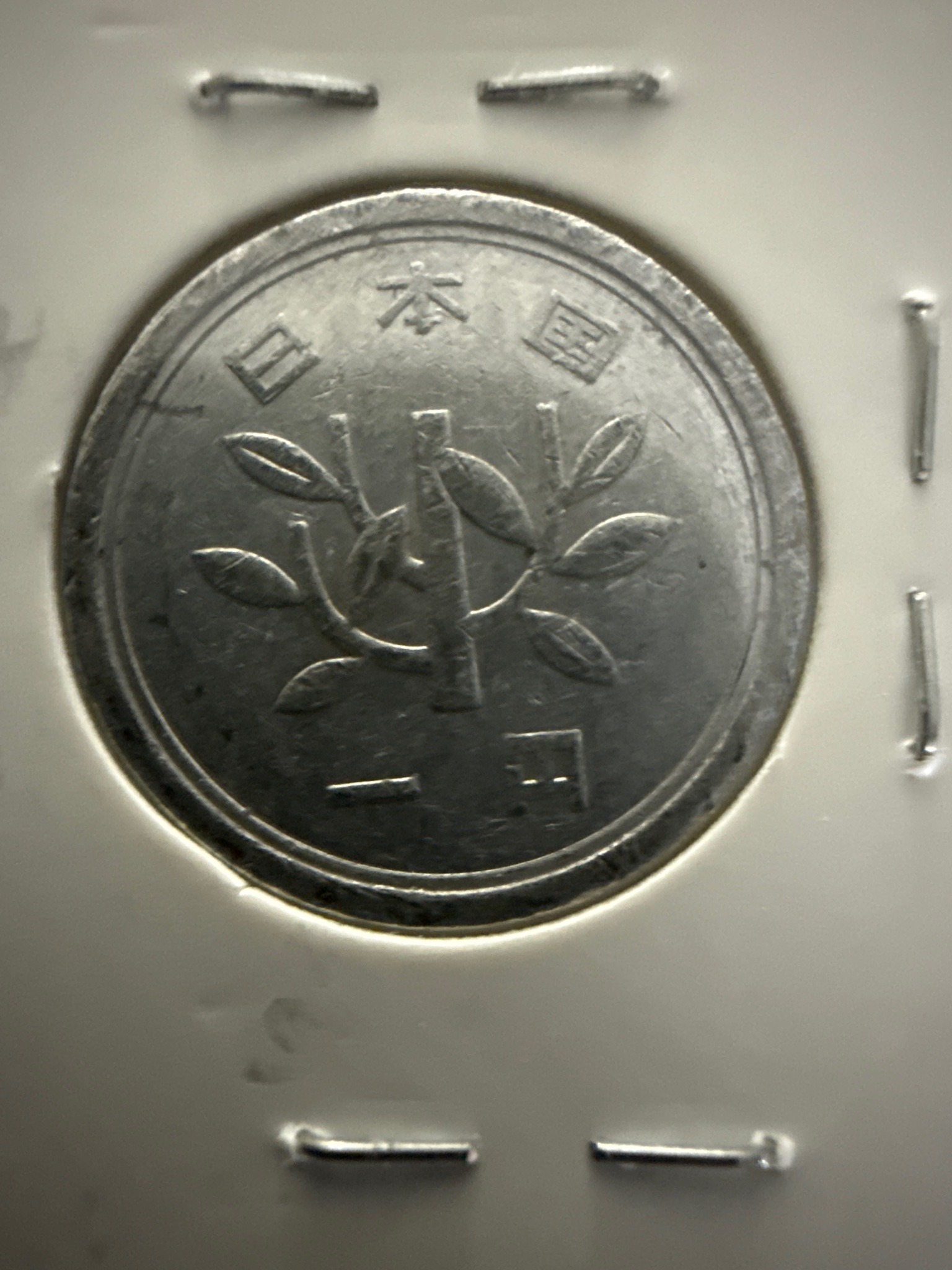
Japanese 1 Yen Aluminum Coin — obverse
Obverse
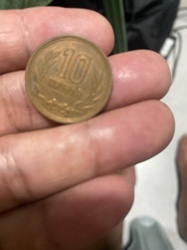
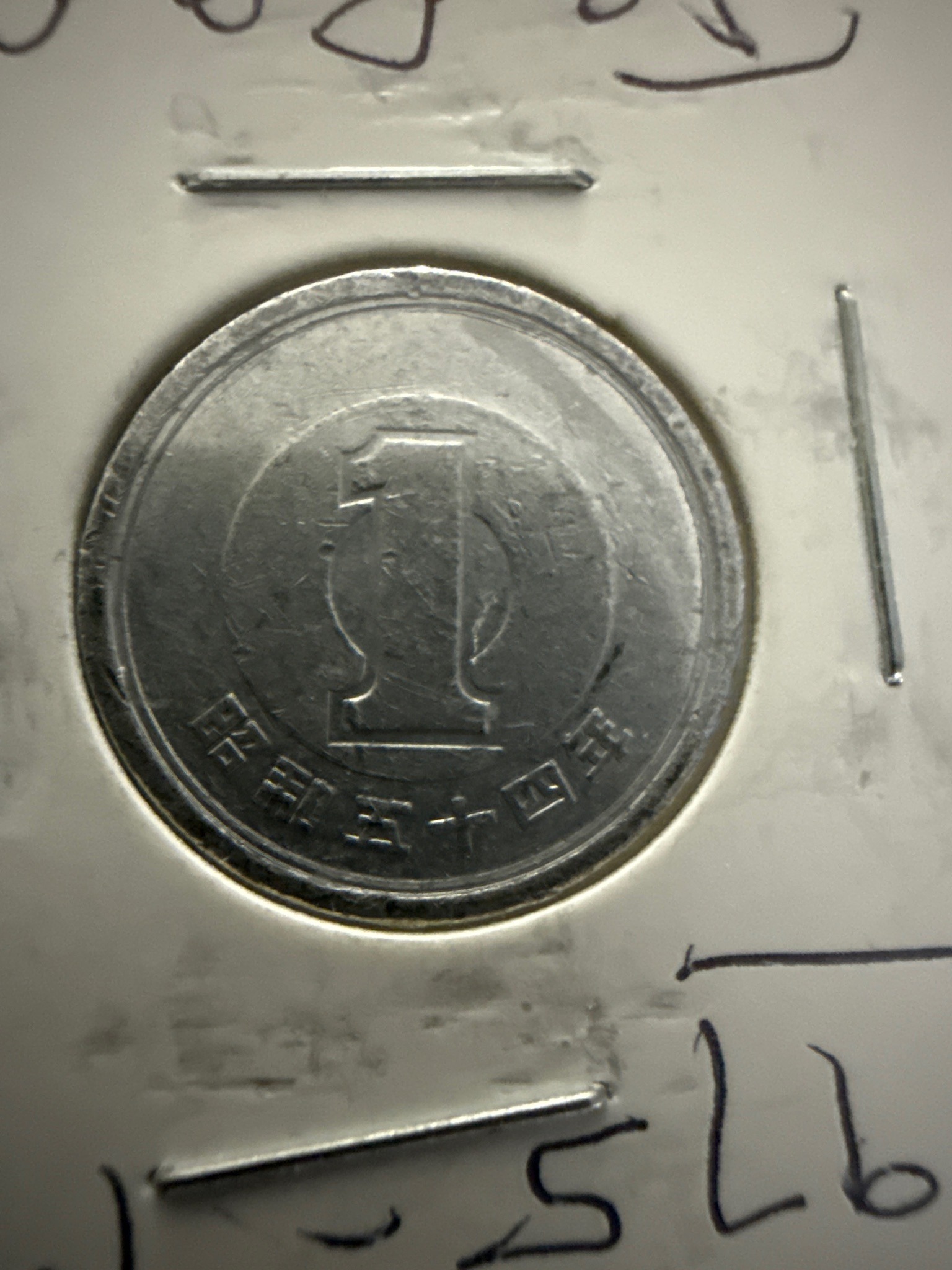
Japanese 1 Yen Aluminum Coin — reverse
Reverse
1 Yen

Japanese 1 Yen Aluminum Coin

Japan · Showa 54 (1979)

A lightweight, silvery aluminum coin featuring a young tree sapling on the obverse and a large numeral 1 on the reverse.

Country
Japan
Year
Showa 54 (1979)
Denomination
1 Yen
Metal
100% Aluminum

This report is AI-generated and can be wrong. Always verify grade, authenticity, and value with a qualified dealer or certified grading service before buying, selling, or insuring.

Identified More japan coins →
Explore Japanese 1 Yen Aluminum Coin in the encyclopedia →

Identify your own coins.

Get a report just like this from any photo, free.

Overview

A lightweight, silvery aluminum coin featuring a young tree sapling on the obverse and a large numeral 1 on the reverse.

Historical significance

Introduced in 1955 (Showa 30), this modern aluminum 1 Yen coin represents post-war Japan's economic recovery and industrial standardization. Due to inflation and the rise of digital/card payments, Japan has reduced production of these coins in recent years.

Obverse (front)

Features a young tree sapling design in the center, surrounded by the country name '日本国' (Japan) at the top and the denomination '一円' (One Yen) at the bottom.

Reverse (back)

Features a large numeric '1' in the center with the year of issue in Japanese era format '昭和五十四年' (Showa 54th year / 1979) inscribed along the lower rim.

Estimated value

$0.25 to $2.00 depending on condition (mostly face value or nominal collector premium)

What drives this coin's value

Condition, grade (Mint State vs. circulated), and specific rare year dates (e.g., Showa 64 is scarce, though 1979 is very common)

Grade assessment

About Uncirculated to Mint State (AU/MS) with minor surface hairlines from storage

Mintage & rarity

Common (hundreds of millions minted annually during the Showa era)

Authenticity & counterfeit red flags

Due to its very low face value and cheap aluminum composition, counterfeiting is virtually non-existent for standard dates like 1979. Weight is a reliable test (exactly 1.0g).

Notable varieties & errors

Minor die cracks or double-dies occasionally exist, but standard business strikes lack major high-value errors for this specific year.

Similar coins

Other denominations of Japanese aluminum coins like the 5 Yen (brass) or 50 Yen (cupro-nickel with a hole), though the 1 Yen is uniquely lightweight and plain-edged.

Care & preservation

Store in a dry environment in a PVC-free coin flip or holder. Aluminum is soft and easily scratched, so handle by the edges with clean hands or cotton gloves.