
Coin Encyclopedia
Search and identify coins from around the world — with country, denomination, metal, mint, history, and how to tell them apart.
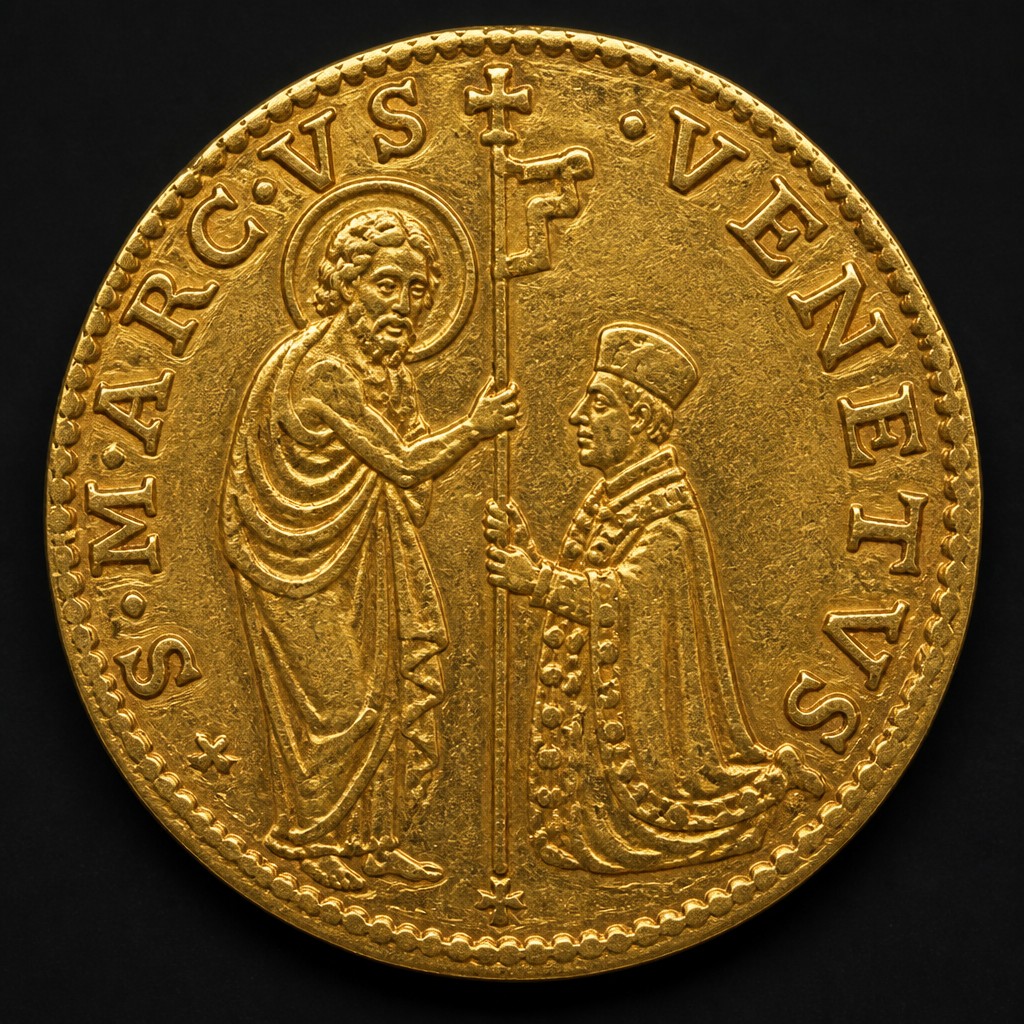
Venetian Ducat
Gold coin first struck by the Republic of Venice in 1284, prized for its remarkably consistent weight and purity, which made it a dominant trade coin across medieval and Renaissance Europe.
European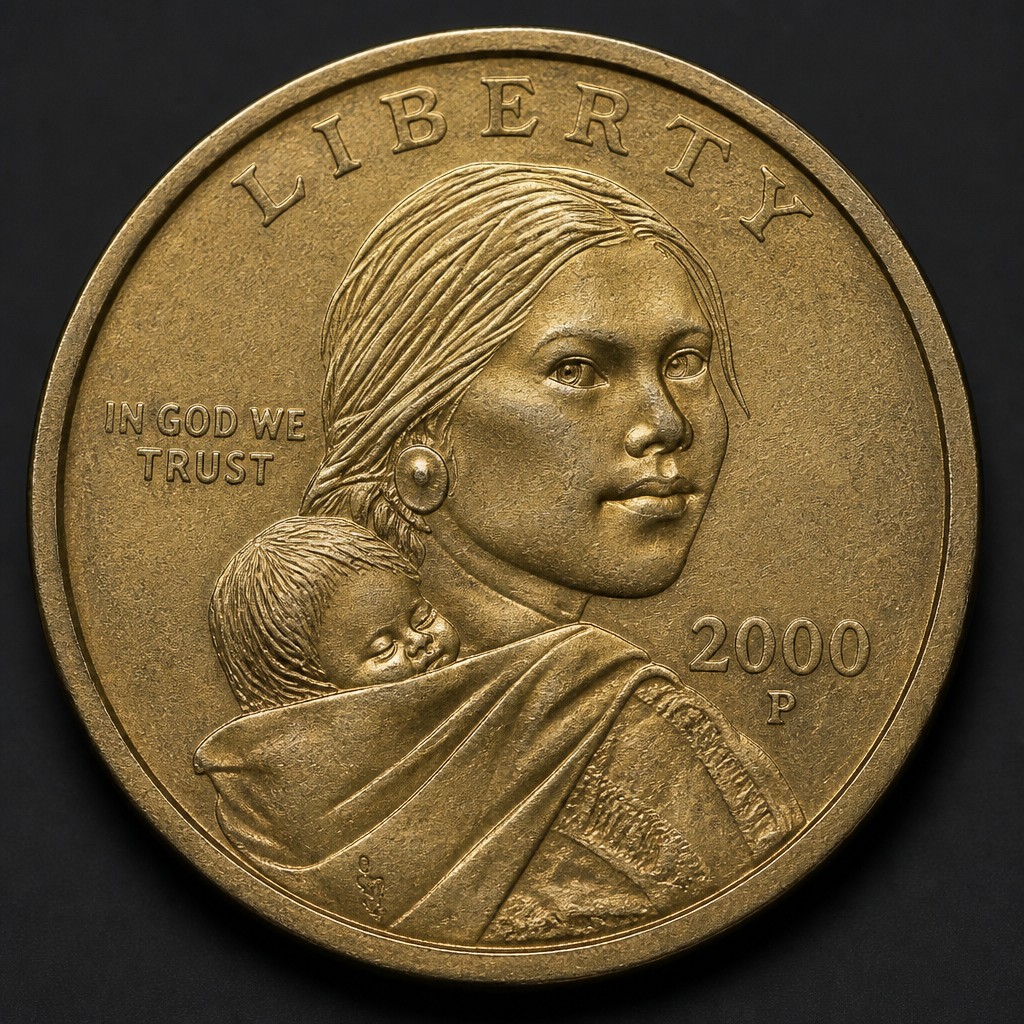
2000-P Sacagawea/Washington Quarter Mule
An extraordinarily rare mint error pairing the golden Sacagawea dollar obverse with a Washington quarter reverse die, one of the most famous modern mule errors in U.S. coinage.
Errors & Varieties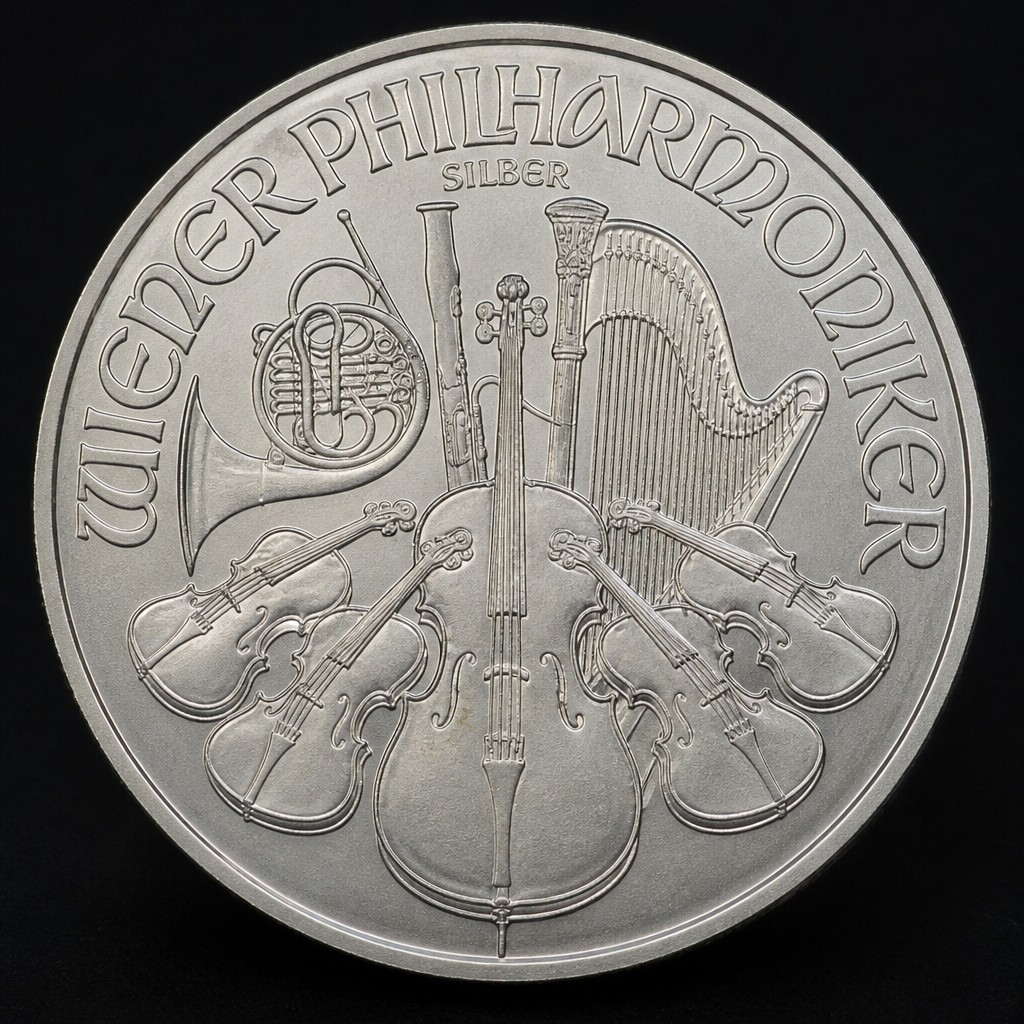
Austrian Silver Philharmonic
Austria's modern one-ounce silver bullion coin, launched in 2008 as a companion to the long-running gold Philharmonic, featuring the instruments of the Vienna Philharmonic Orchestra.
Bullion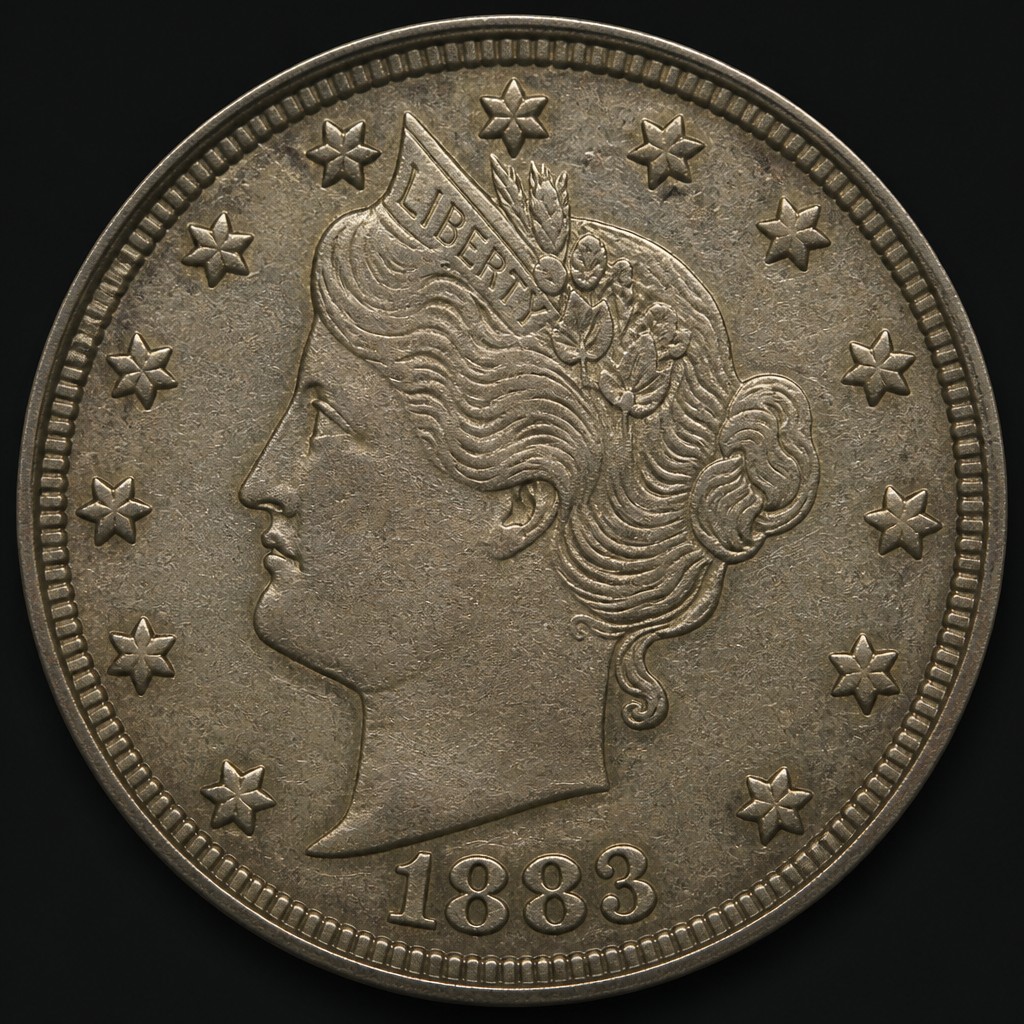
1883 No Cents Liberty Head Nickel
The first-year Liberty Head Nickel design that omitted the word CENTS from the reverse, later infamous as the 'Racketeer Nickel' after being gold-plated and passed off as a five-dollar coin.
United States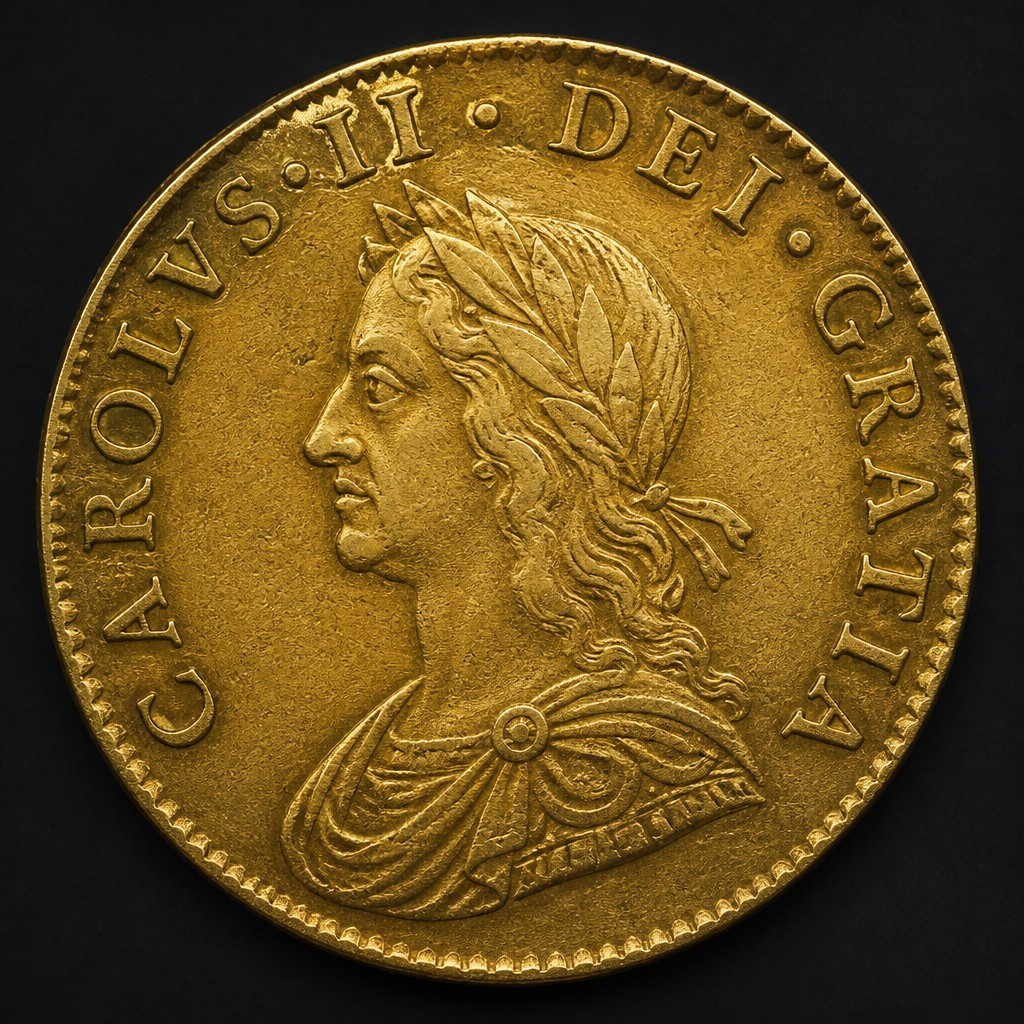
Broad
A gold twenty-shilling coin nicknamed the 'Broad' for its wide, thin flan, struck under the Commonwealth and Oliver Cromwell and continued briefly into the early reign of Charles II.
British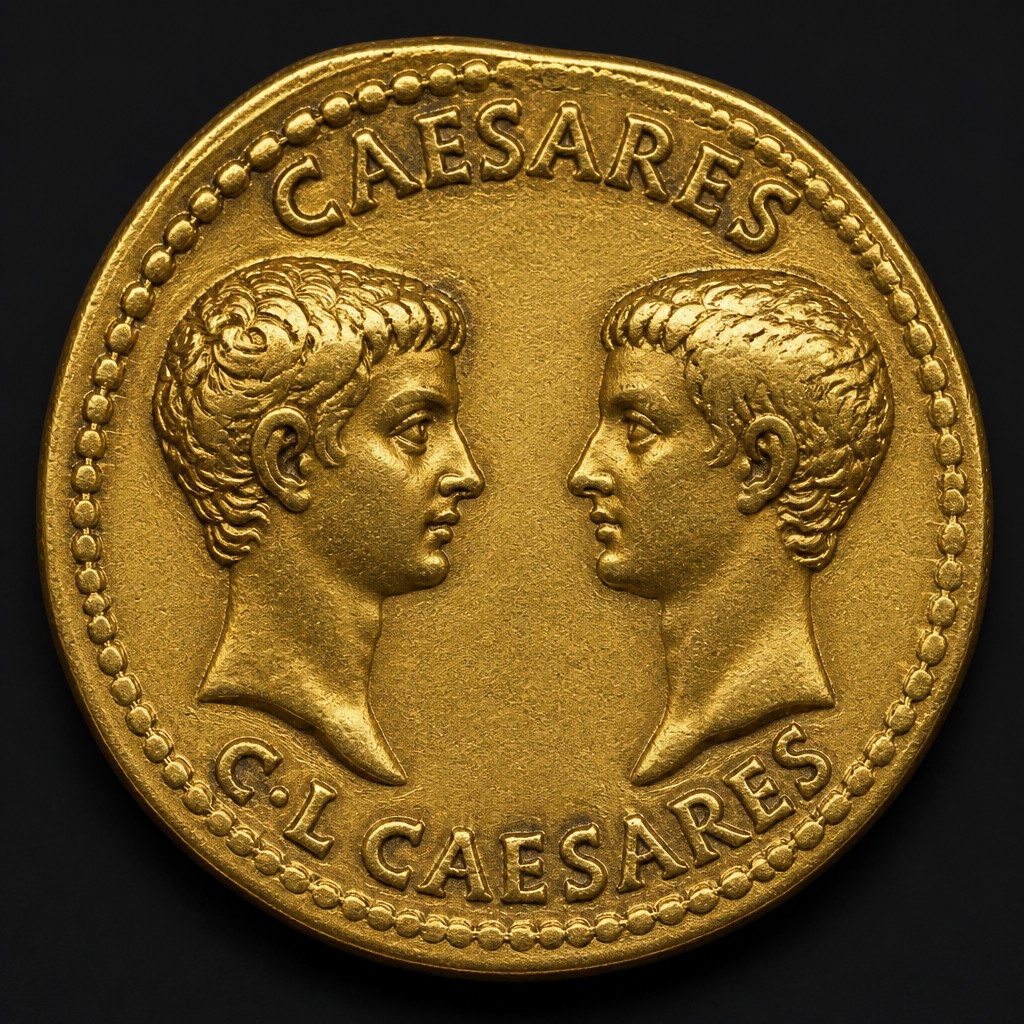
Augustus Aureus Gaius and Lucius Caesar
One of the most common ancient gold coins, an Augustus aureus honoring his grandsons and intended heirs Gaius and Lucius Caesar, both of whom died young.
Ancient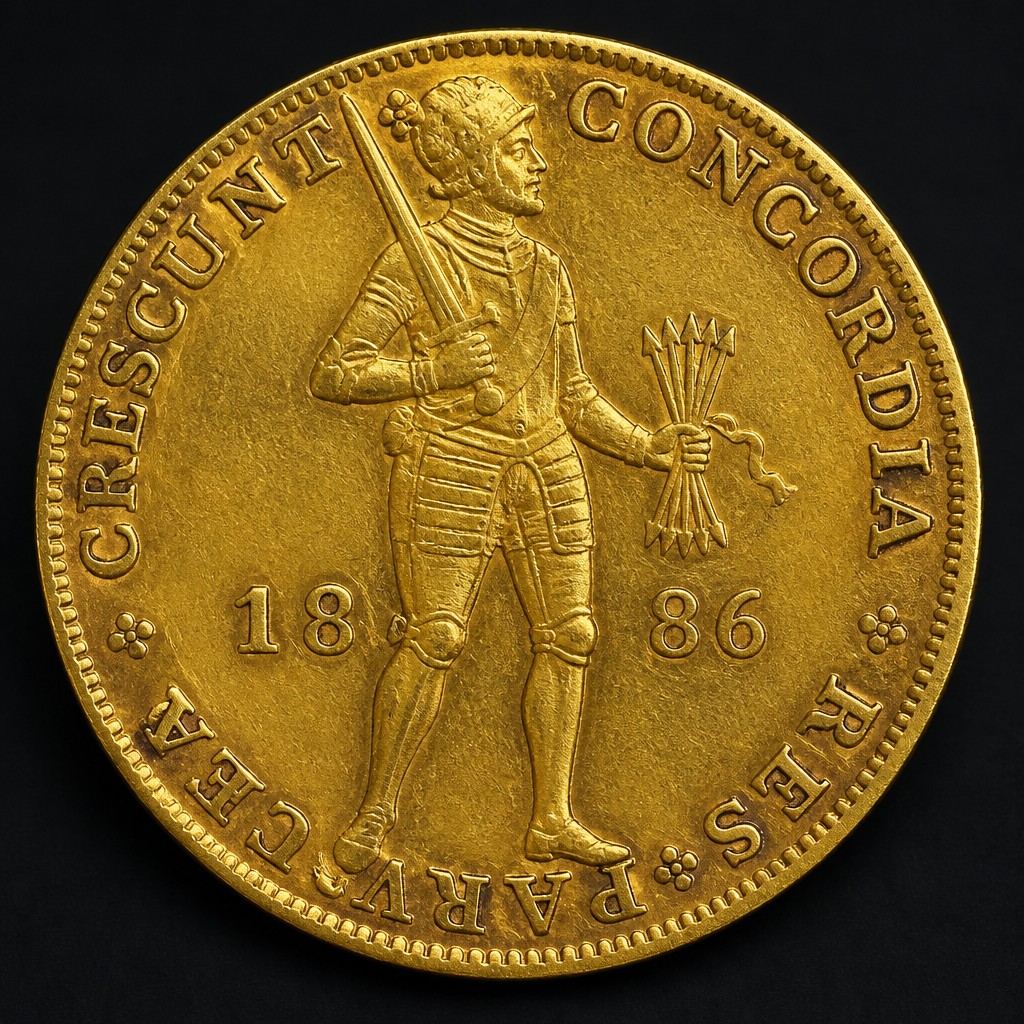
Dutch Ducat
A small, nearly pure gold coin showing an armored knight, minted for centuries by the Dutch provinces and later the Kingdom of the Netherlands as a trusted international trade coin.
European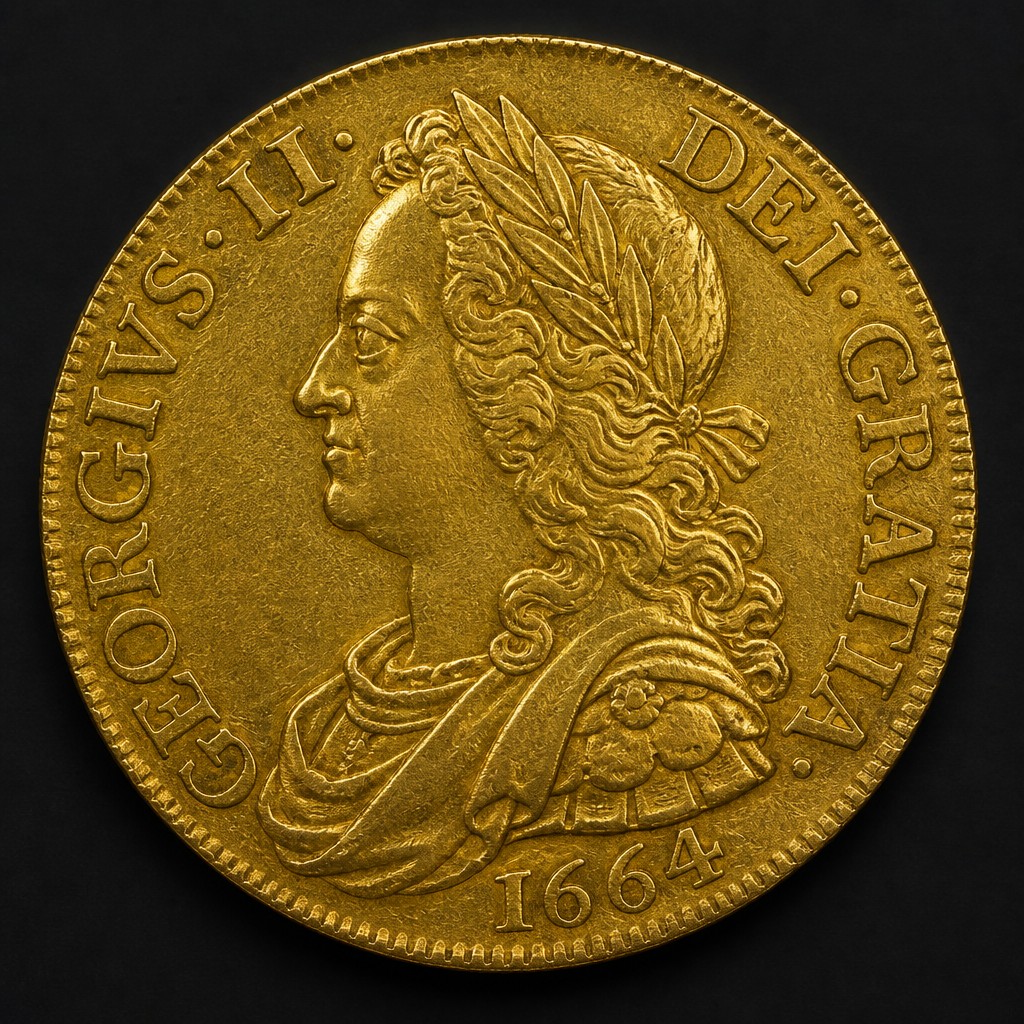
Two Guinea (Double Guinea)
A substantial gold coin worth two guineas, struck intermittently from the reign of Charles II through George II as part of England and Great Britain's early guinea coinage system.
British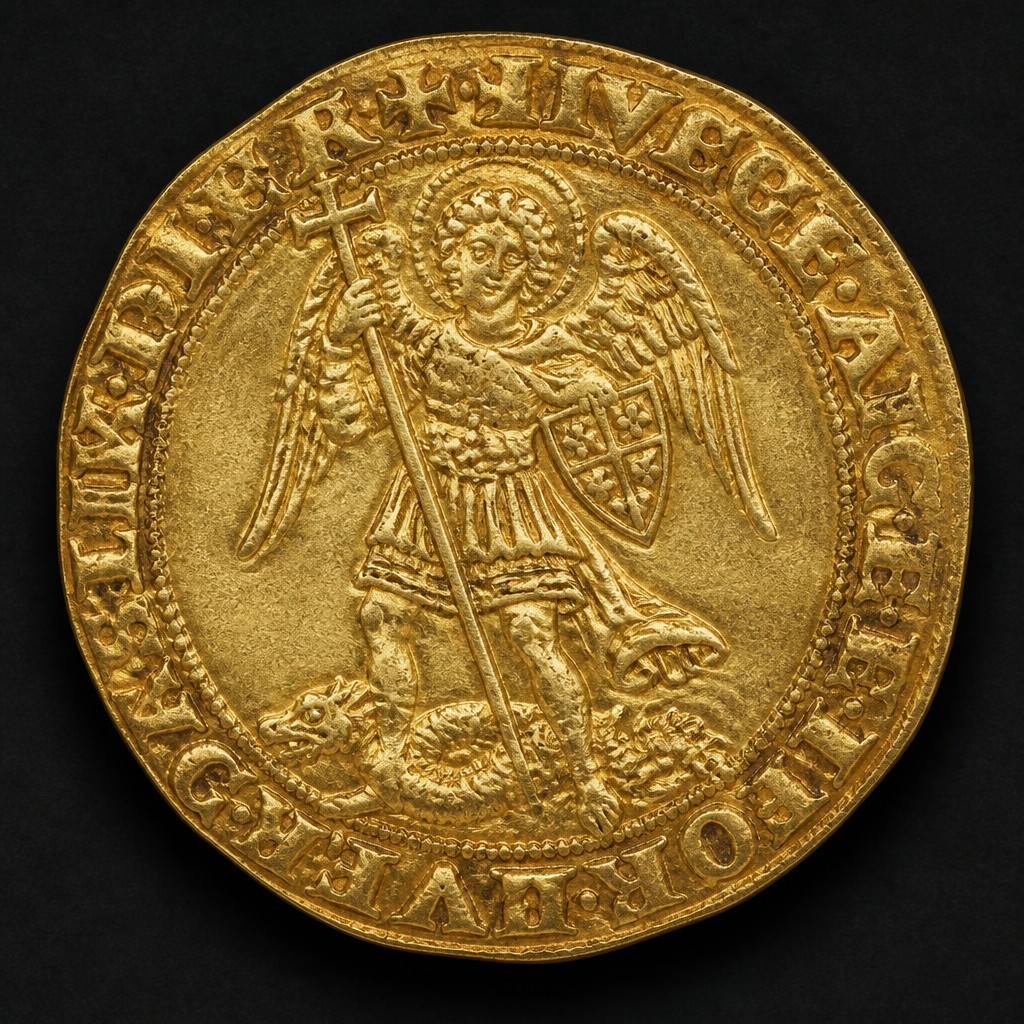
Half Angel (Angelet)
A small English gold coin worth half the value of the Angel, sharing its famous design of the Archangel Michael slaying a dragon, issued across several reigns from Edward IV to James I.
British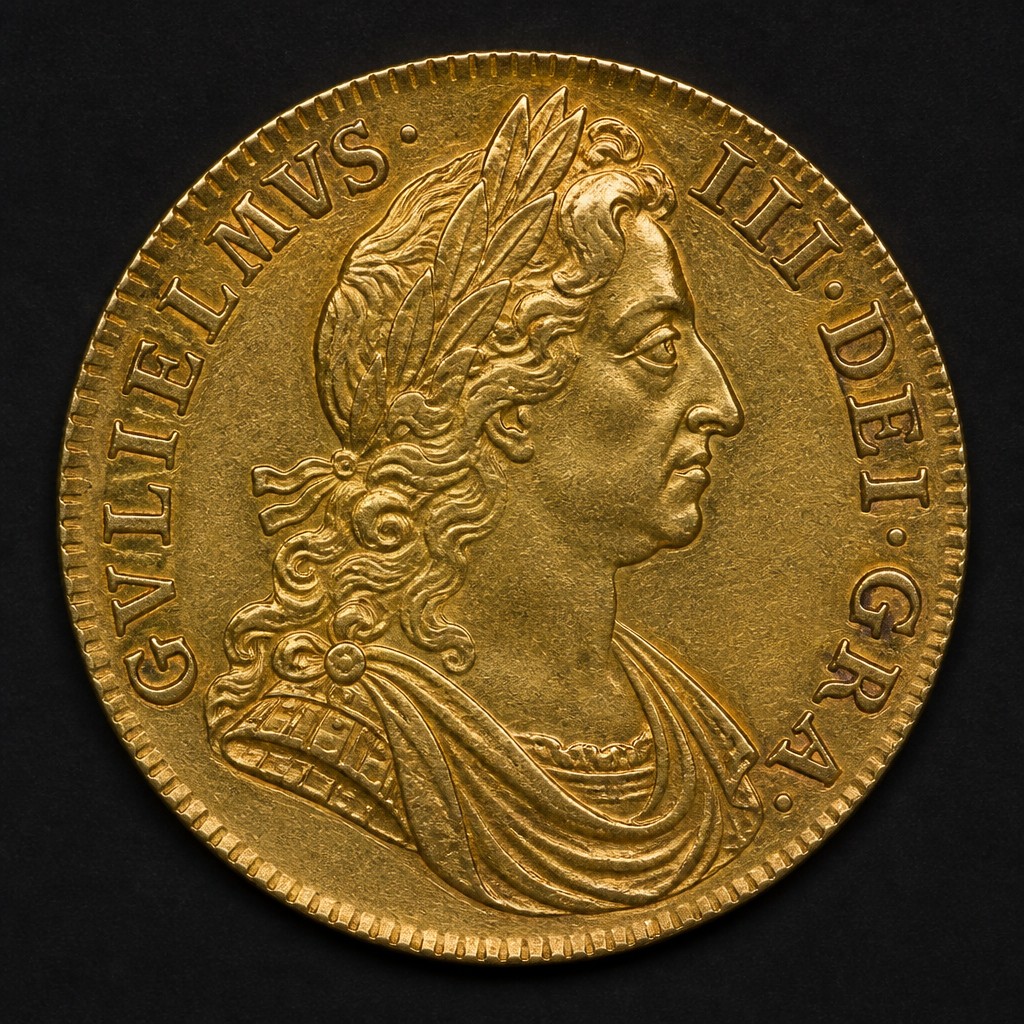
Five Guinea
The largest regularly issued gold denomination of the guinea coinage system, worth five guineas, struck from the reign of Charles II through George II for major transactions and presentation purposes.
British