
Coin Encyclopedia
Search and identify coins from around the world — with country, denomination, metal, mint, history, and how to tell them apart.
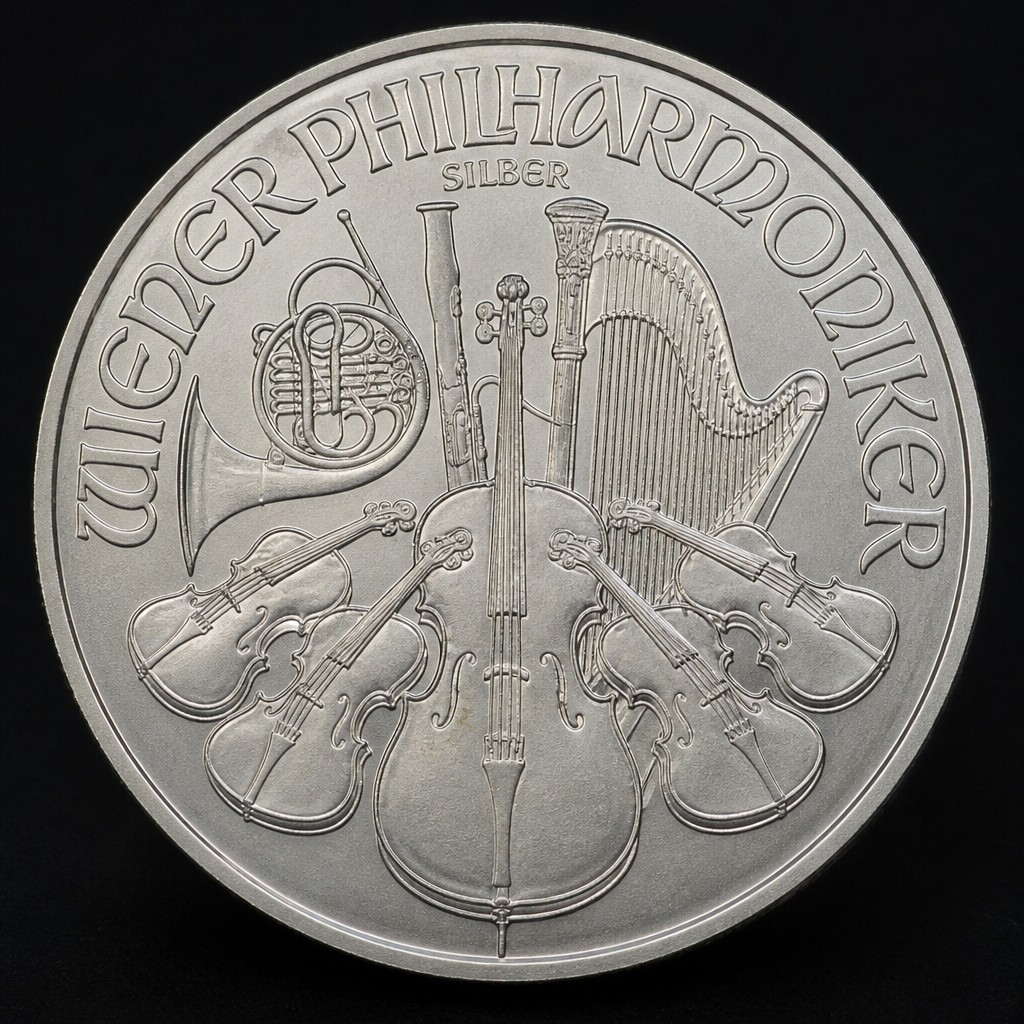
Austrian Silver Philharmonic
Austria's modern one-ounce silver bullion coin, launched in 2008 as a companion to the long-running gold Philharmonic, featuring the instruments of the Vienna Philharmonic Orchestra.
Bullion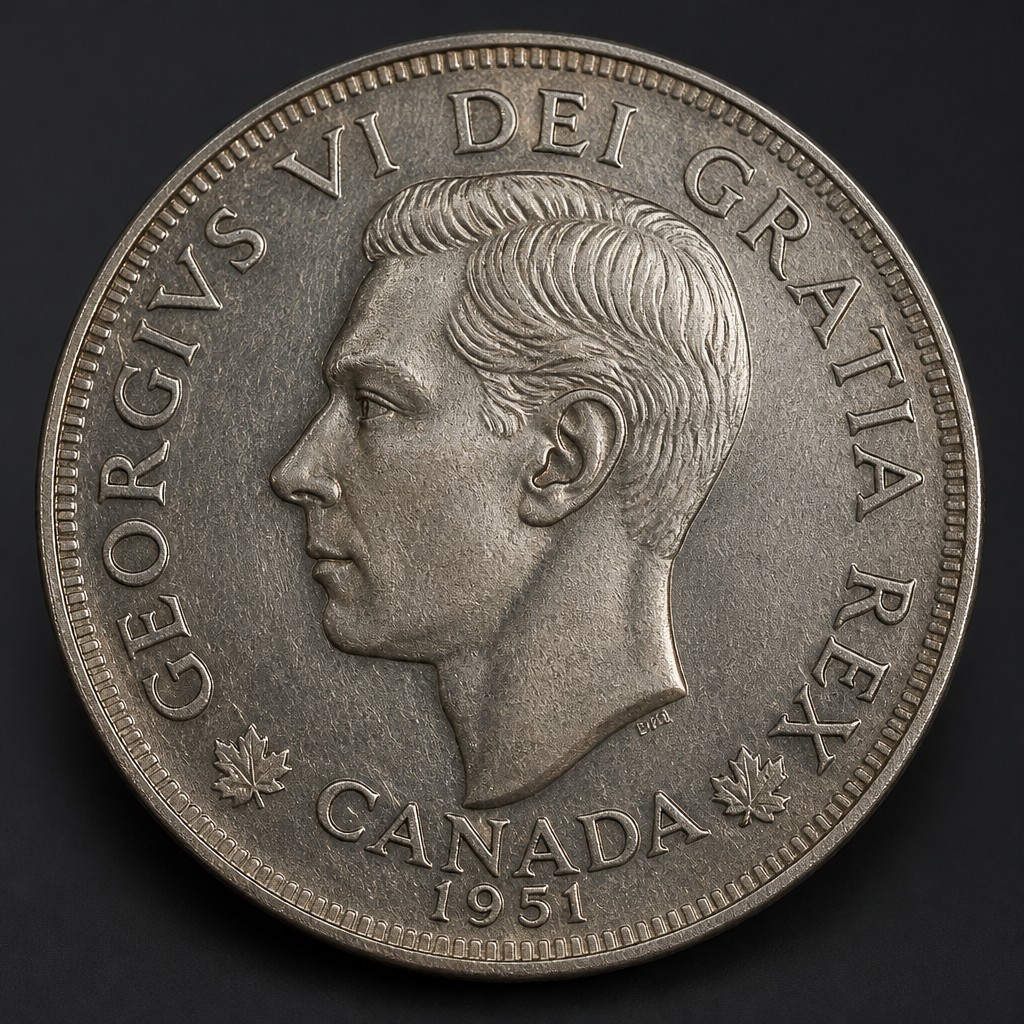
1951 Nickel Commemorative Five Cents
A special Canadian five-cent coin marking the 200th anniversary of the isolation of the element nickel, struck in the metal itself to honor Canada's role as a leading nickel producer.
Commemorative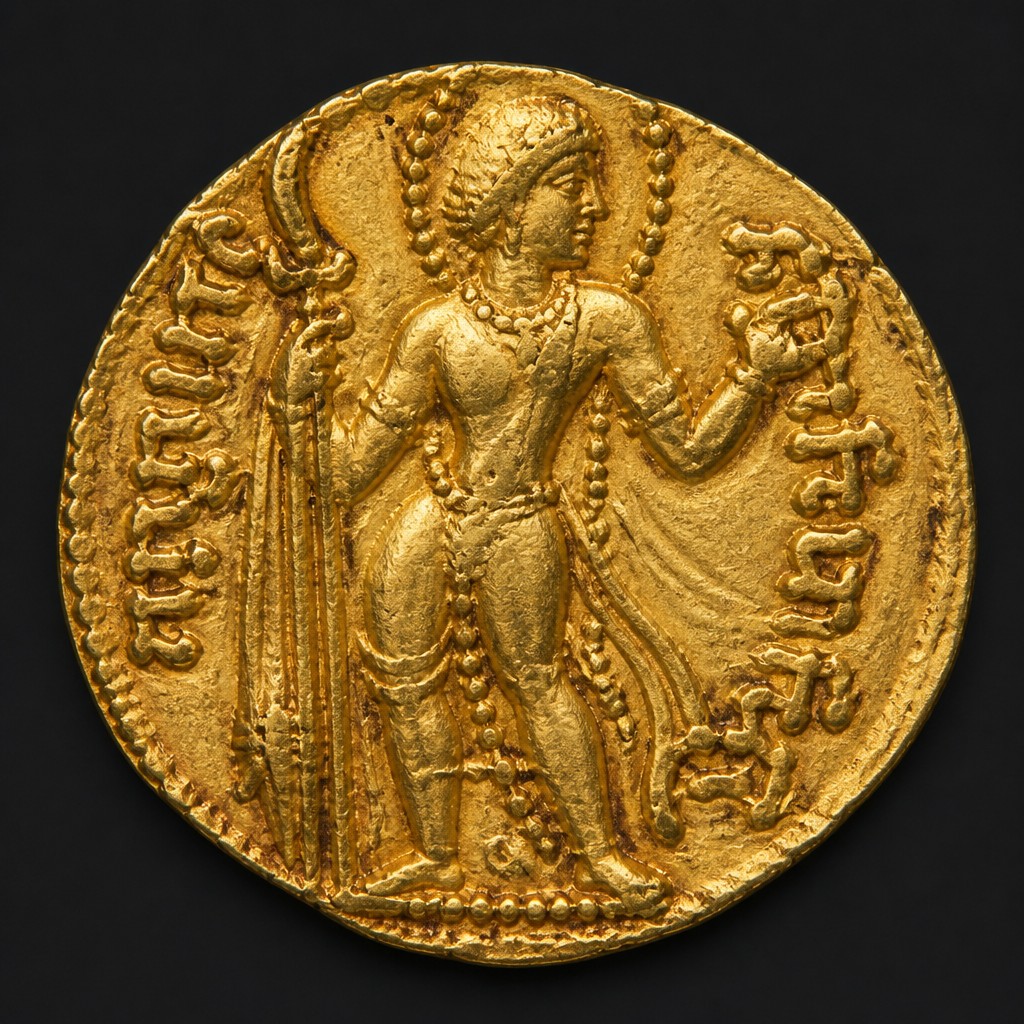
Gupta Empire Gold Dinar
Richly detailed gold coins of India's classical Gupta Empire, depicting kings as archers, horsemen, or lyrists, and often paired with a goddess on the reverse.
Ancient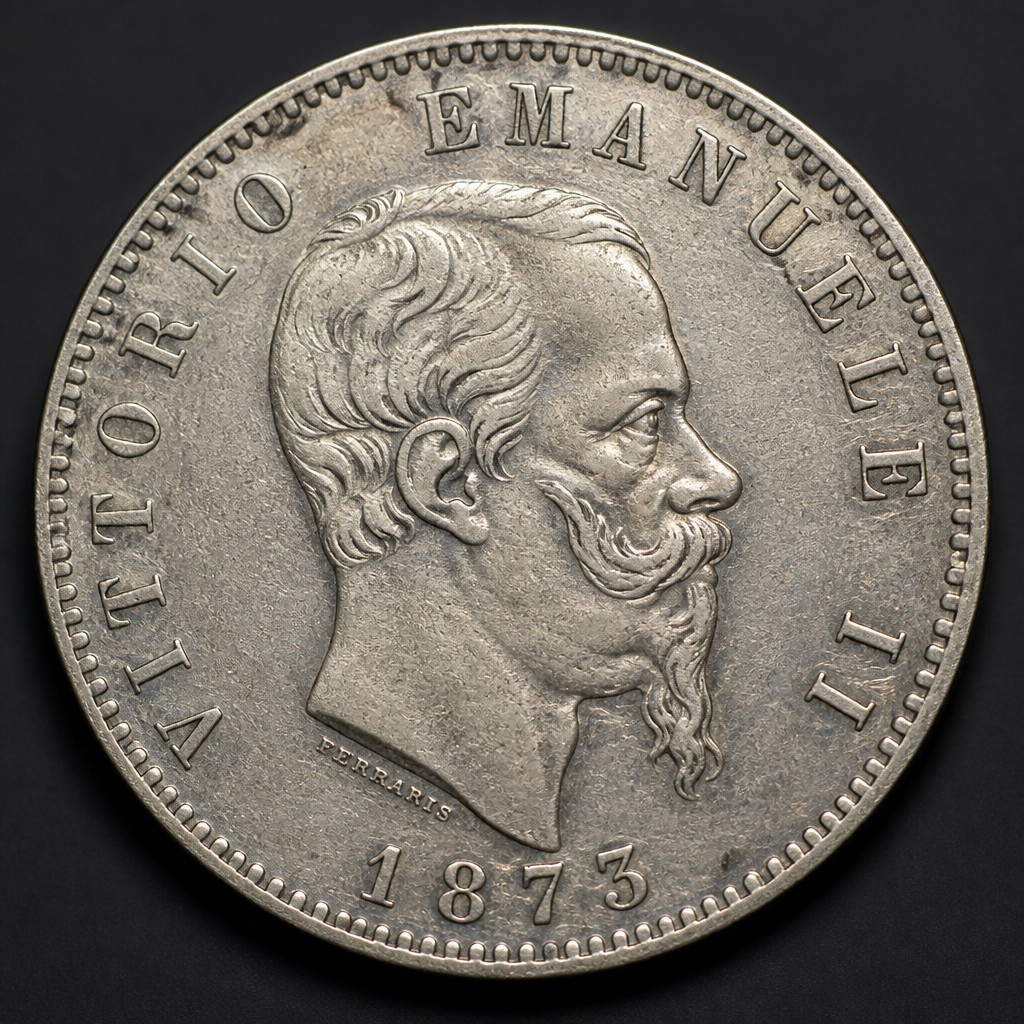
Italian 5 Lire Silver
The silver 5 Lire was the largest circulating silver coin of the newly unified Kingdom of Italy, featuring the portraits of its early kings and the national eagle, and remains a favorite of Italian collectors.
European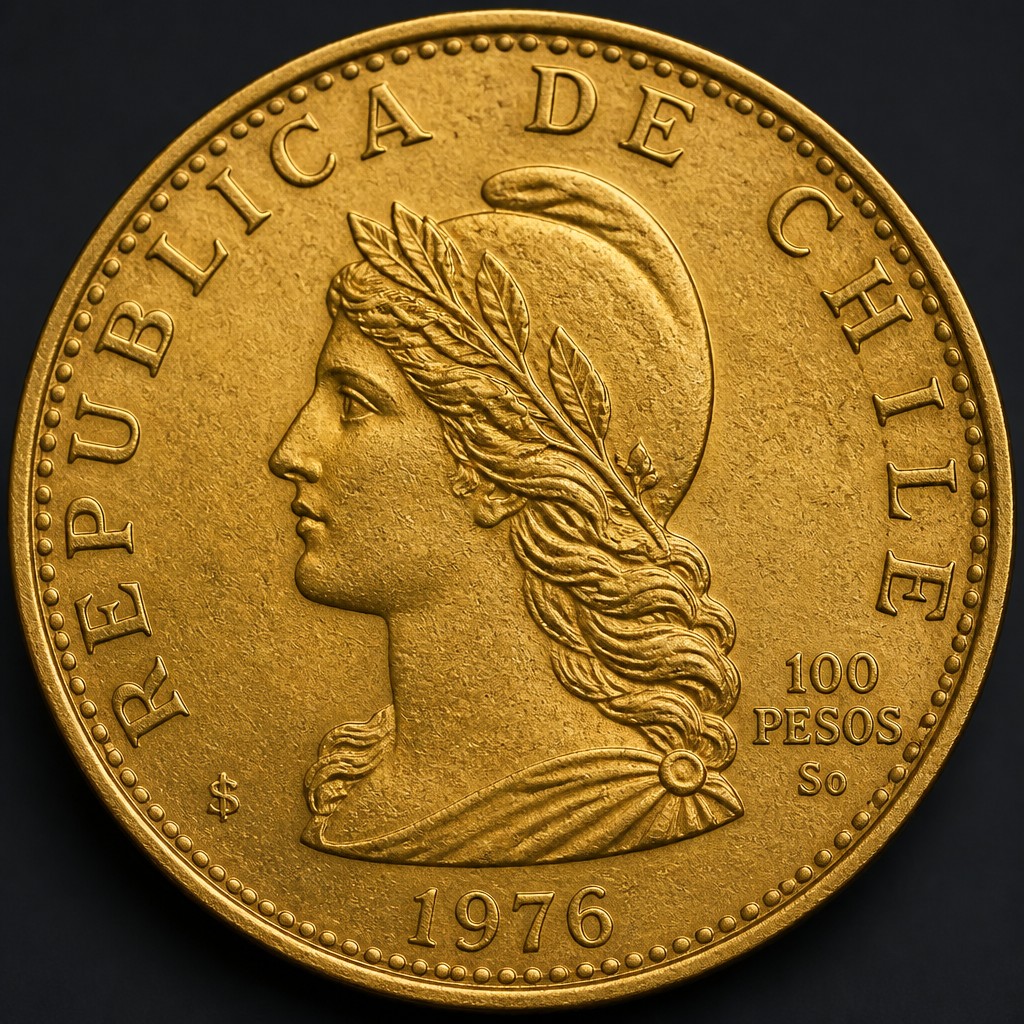
Chilean 100 Pesos Gold 'Condor'
Chile's flagship 20th-century gold coin, popularly called the "Condor" for the majestic Andean bird featured on its reverse, historically prized as an internationally recognized gold piece.
Latin American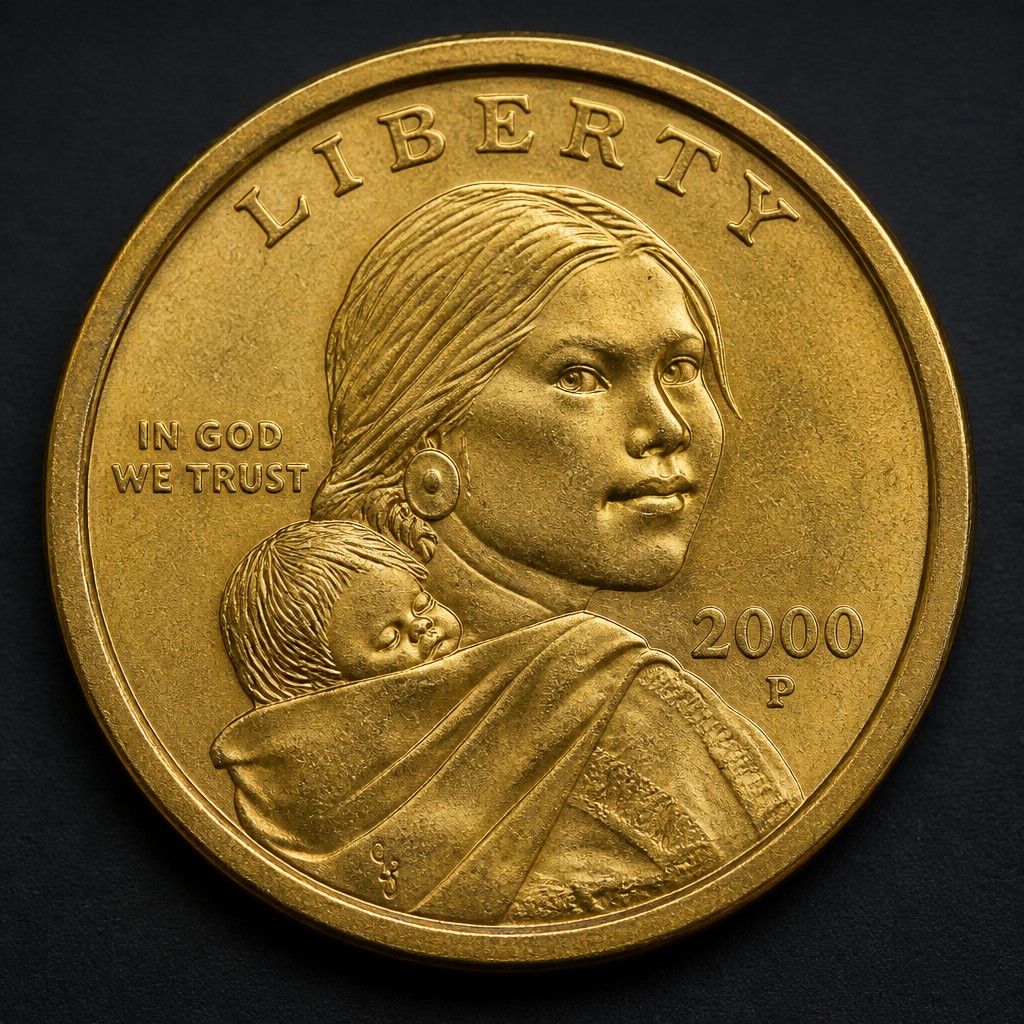
Sacagawea Golden Dollar
A golden-colored dollar coin introduced in 2000 depicting Sacagawea carrying her infant son, created to replace the unpopular Susan B. Anthony dollar in everyday commerce.
United States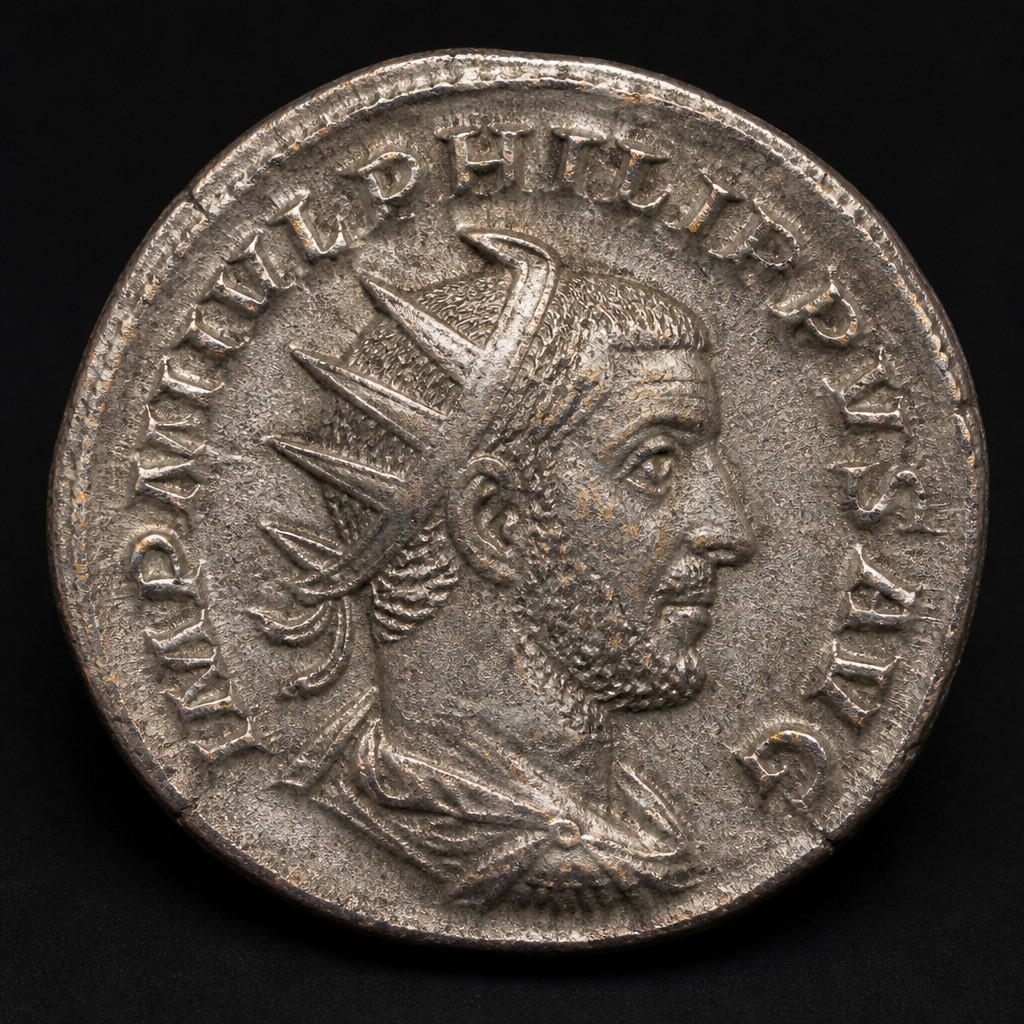
Philip the Arab Antoninianus
Radiate coin of Philip the Arab, notable for celebrating Rome's 1,000th anniversary in 248 AD with a memorable series of animal-themed 'Saecular Games' reverse types.
Ancient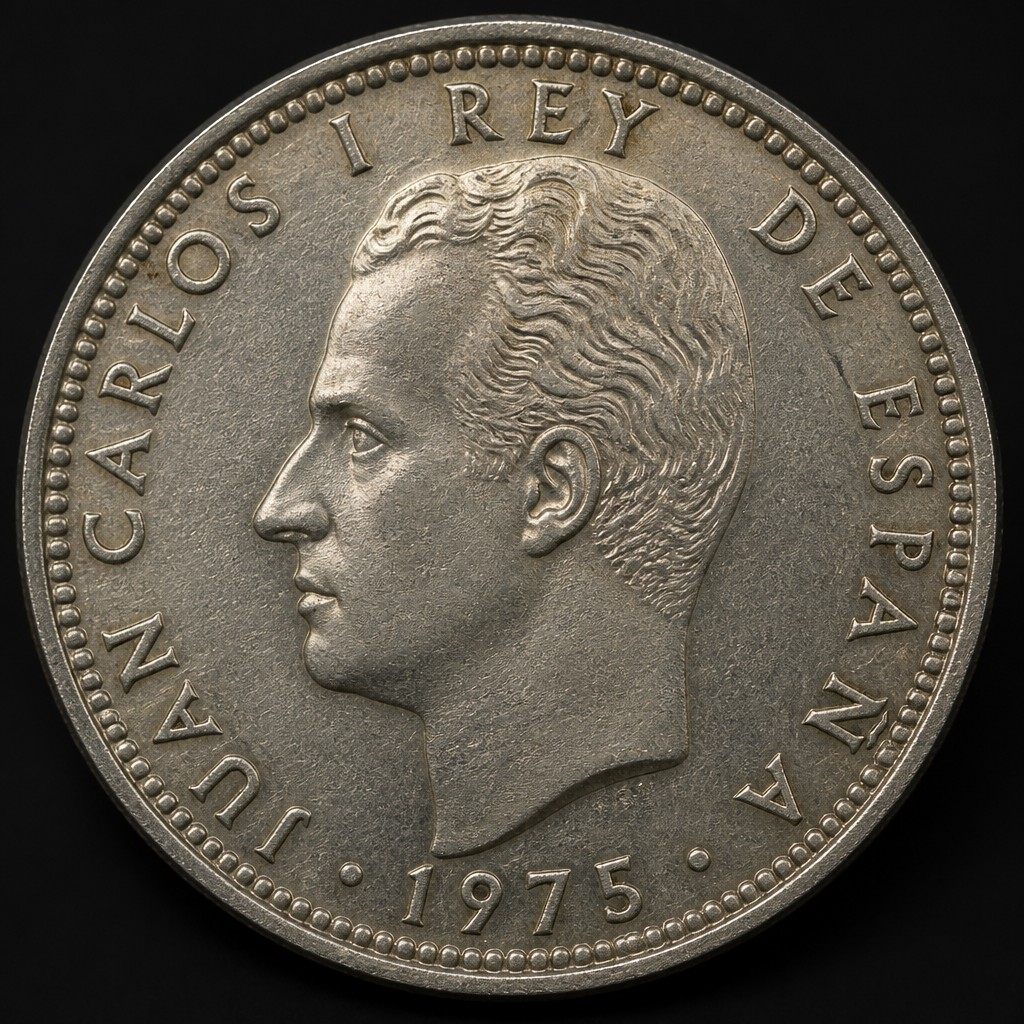
Spanish Peseta
The peseta was Spain's national currency for over 130 years, evolving from silver coinage under a provisional 19th-century government to copper-nickel coins used until the euro replaced it in 2002.
European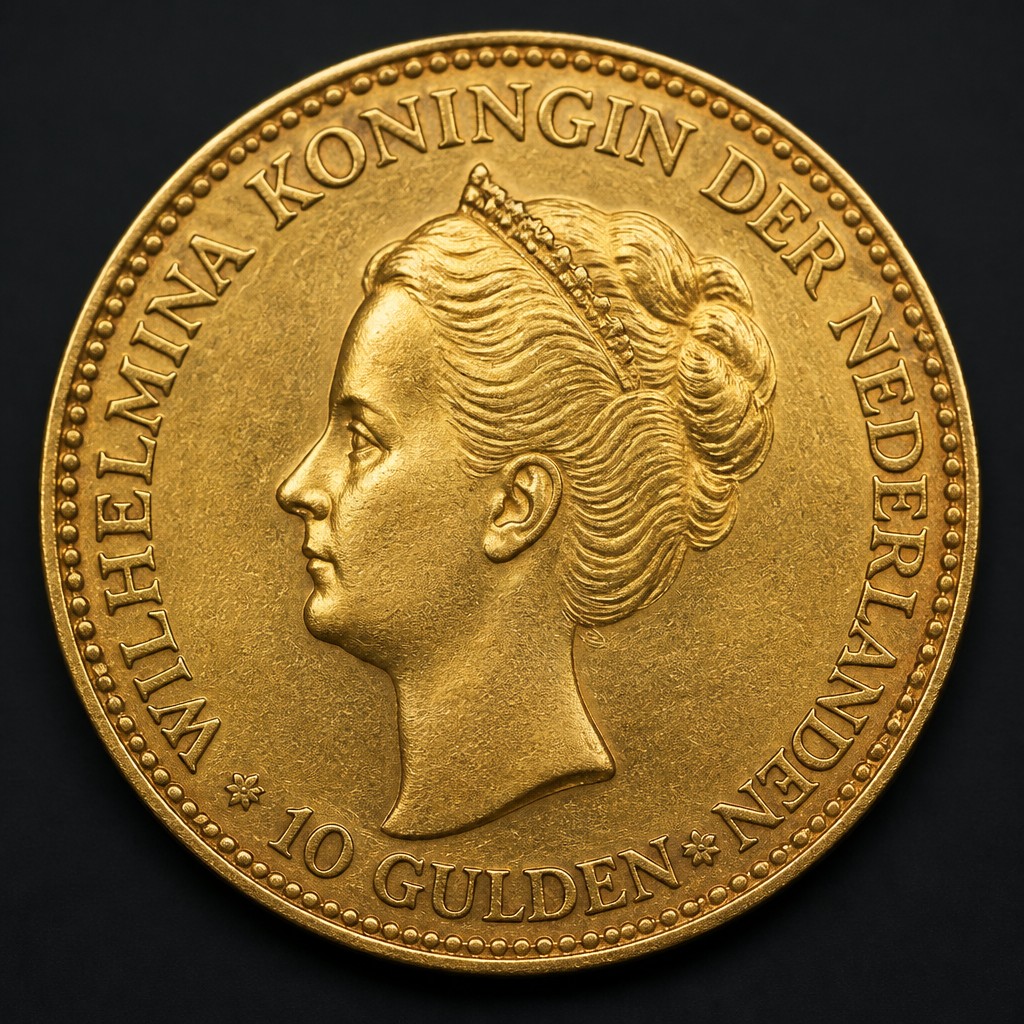
Netherlands 10 Gulden Gold (Wilhelmina)
The gold 10 Gulden coin featuring Queen Wilhelmina was the Netherlands' standard gold circulation and reserve coin in the early 20th century, later restruck as a recognized gold bullion piece.
European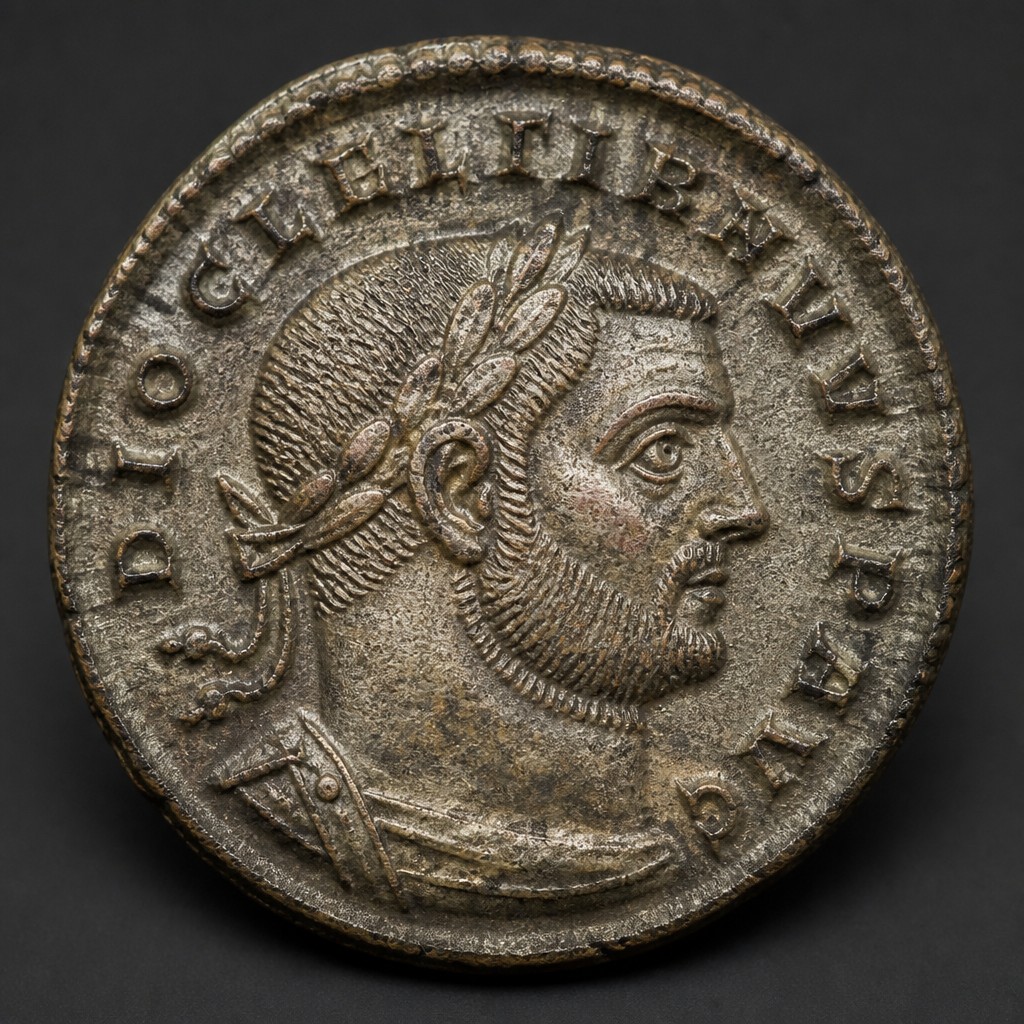
Diocletian Follis
Large bronze follis of Diocletian, whose sweeping reforms ended the Crisis of the Third Century, established the Tetrarchy, and introduced this new standardized coin denomination in 294 AD.
Ancient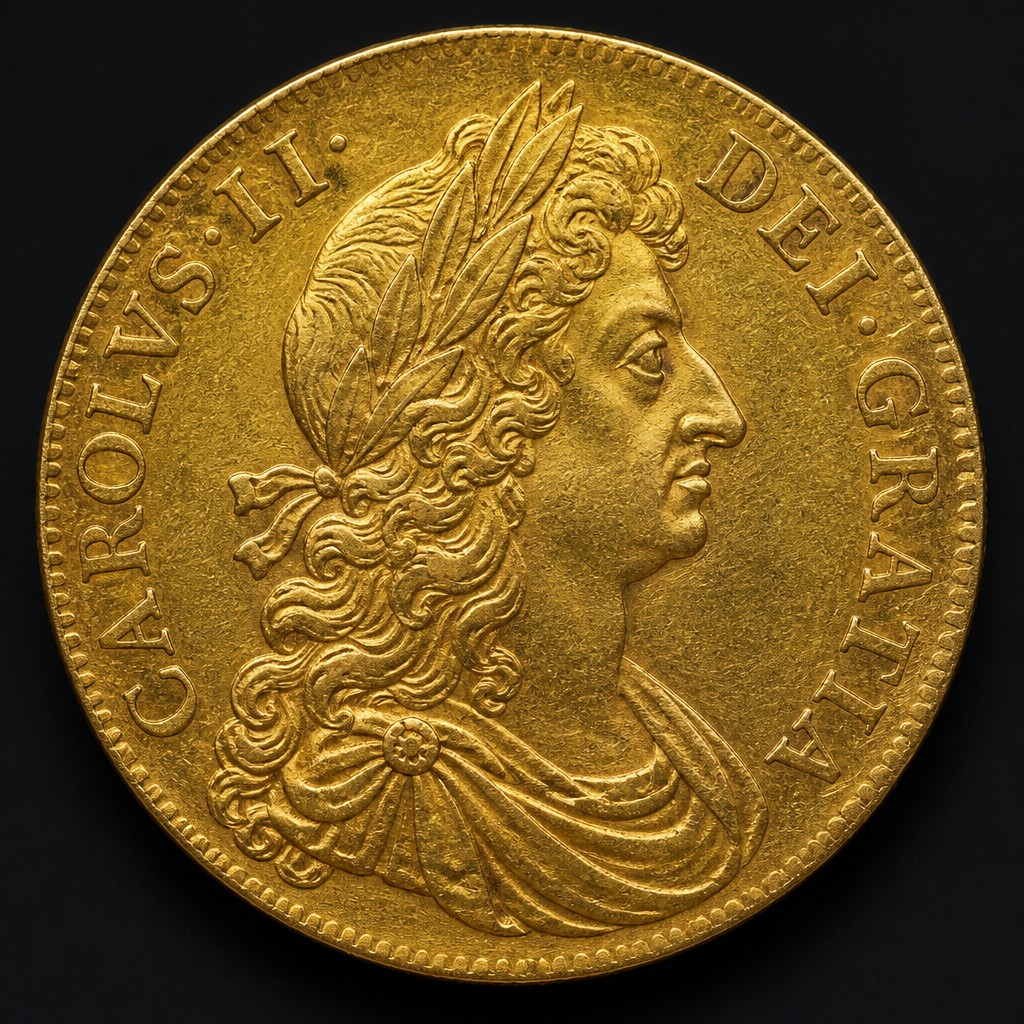
British Gold Guinea
Struck from 1663 to 1814 and named for the West African gold used in its earliest issues, the guinea was Britain's leading gold coin and gave its name to a unit of value still referenced today.
British