
Coin Encyclopedia
Search and identify coins from around the world — with country, denomination, metal, mint, history, and how to tell them apart.
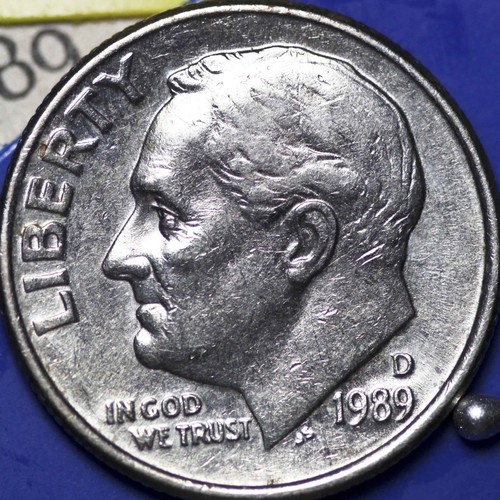
Roosevelt Dime
The circulating U.S. ten-cent coin honoring Franklin D. Roosevelt, shown here as a 1965 copper-nickel clad issue with a torch, olive, and oak reverse.
Dime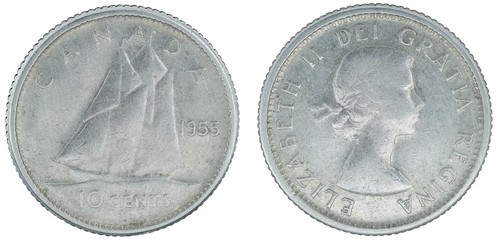
Canadian Ten Cents
Small silver Canadian dime with the Bluenose schooner reverse and an early Queen Elizabeth II portrait; the pictured coin is dated 1955.
Canadian & Provincial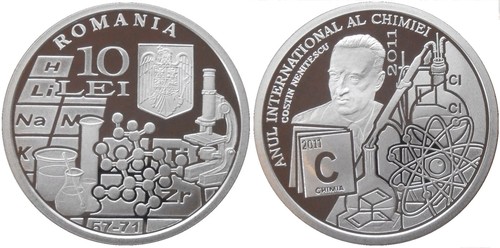
Romania International Year of Chemistry Commemorative
Romanian silver 10 lei commemorative dated 2011, issued for the International Year of Chemistry with molecular, laboratory and scientist imagery.
Commemorative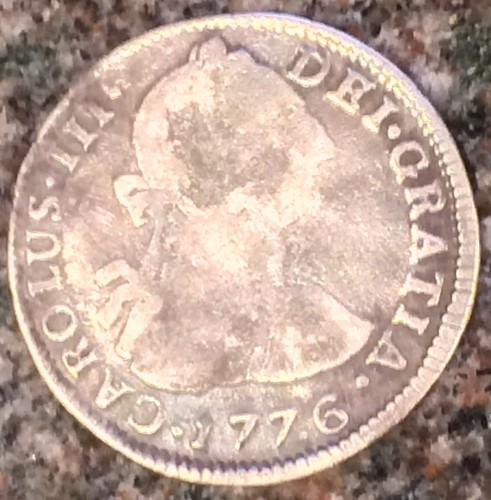
Spanish Colonial 2 Reales (Milled)
A small milled silver coin of the Spanish Empire, struck in colonial American mints; this example is dated 1776 and shows heraldic lions, castles and a crowned shield.
Colonial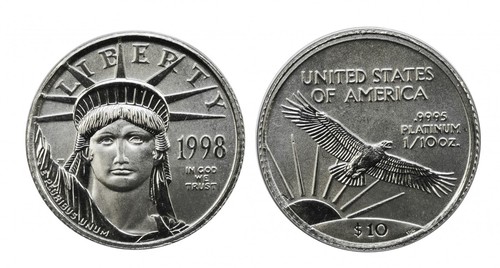
American Platinum Eagle
The United States' official platinum bullion coin, struck in .9995 fine platinum with a Statue of Liberty obverse; this is the 1998 one-tenth-ounce $10 issue.
Bullion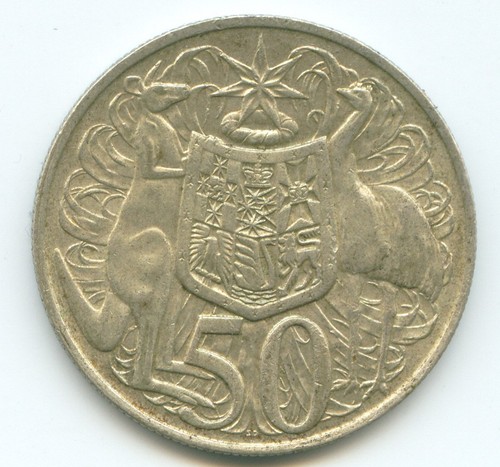
Australian Fifty Cents
Australia's 50 cent coin bearing the national coat of arms. The 1966 round issue shown here was struck in silver; later 12-sided coins are cupronickel.
Australian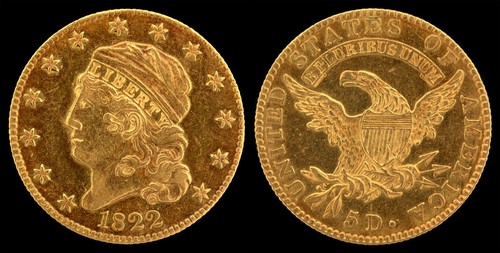
Capped Bust Half Eagle
Early U.S. five-dollar gold coin with a left-facing capped Liberty and a shield-breasted eagle marked "5 D."; the 1822 shown is a legendary rarity.
United States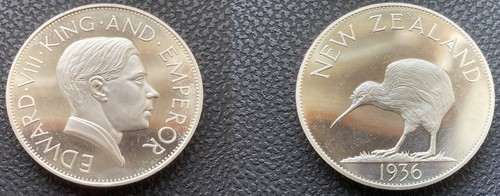
Edward VIII New Zealand Crown
A 1936-dated crown-sized piece pairing an Edward VIII profile with a New Zealand kiwi; a fantasy/novelty issue, not an officially circulated coin.
World Coins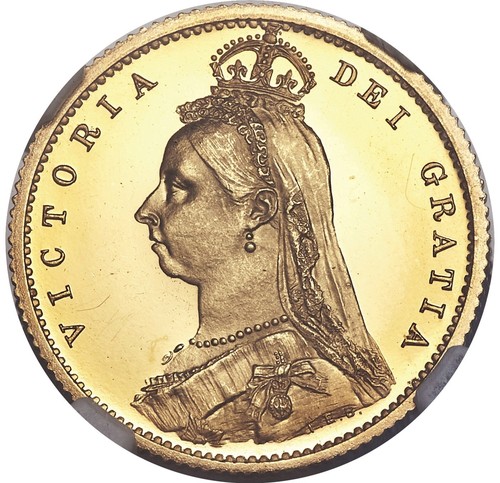
Half Sovereign
A small British 22-carat gold coin worth ten shillings; this example shows Queen Victoria's veiled, crowned Jubilee Head portrait and is dated 1887.
World Coins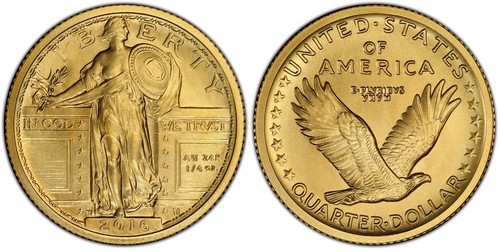
Standing Liberty Quarter Centennial Gold
A 2016 U.S. quarter-dollar struck in 1/4 oz of .9999 fine gold, reviving Hermon MacNeil's Standing Liberty design for its 100th anniversary.
Quarter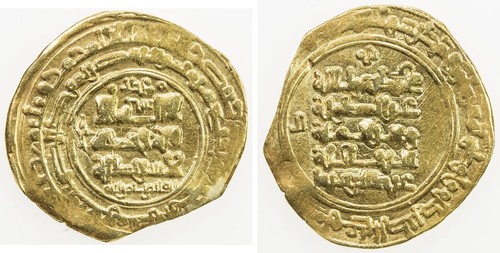
Ghaznavid Dinar
Gold dinar of the Ghaznavid dynasty (c. 10th–11th century), an epigraphic Islamic coin struck at Ghazna and allied mints in Afghanistan.
Medieval Islamic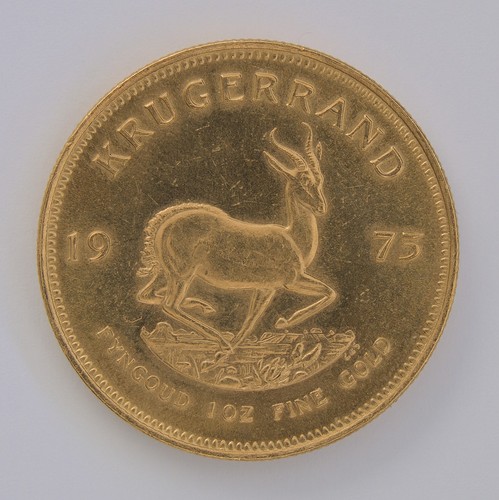
Krugerrand
South Africa's 1 oz gold bullion coin, with Paul Kruger's portrait on the obverse and a leaping springbok on the reverse; this piece is dated 1975.
Bullion