
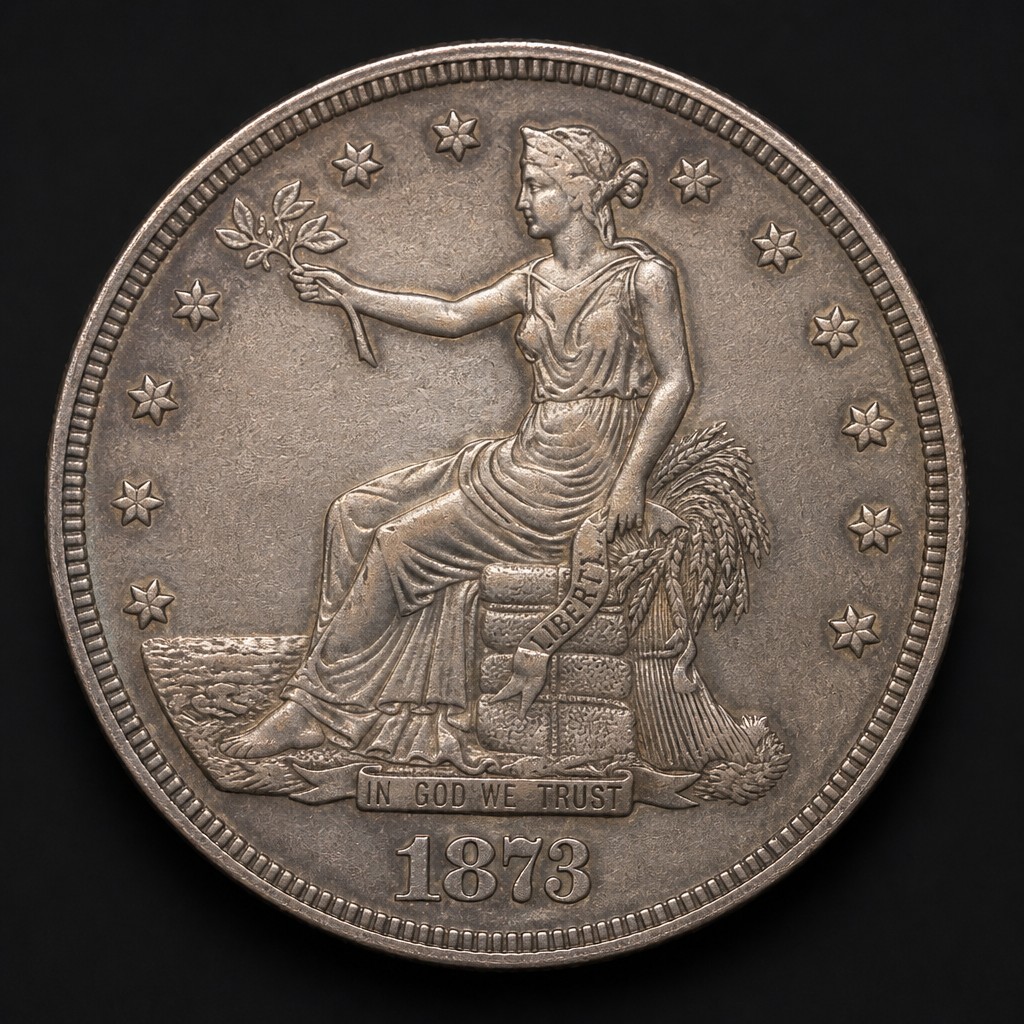
United States Trade Dollar
A heavier silver dollar issued specifically for trade with China and East Asia, the Trade Dollar circulated internationally before being demonetized and later collected as a design classic.
- Country
- United States
- Denomination
- 1 Trade Dollar
- Metal
- 90% silver, 10% copper
Got a coin like this?
Identify any coin from a photo, free.
Overview
The United States Trade Dollar was struck not for domestic circulation but to compete directly with the Mexican and Spanish silver dollars that dominated commerce across Asia, particularly China. Congress authorized a slightly heavier silver dollar than the standard Seated Liberty dollar so American silver could be exchanged on comparable terms in Pacific trade, reflecting the growing importance of American mercantile interests overseas after the Civil War.
Designed by William Barber, the coin features a seated Liberty figure facing left on the obverse and a bald eagle grasping an olive branch above a bundle of arrows on the reverse, with a banner reading "IN GOD WE TRUST." Many surviving trade dollars carry Chinese merchant "chop marks" (small punched characters) stamped by Asian bankers and traders verifying the silver content, a feature collectors find historically evocative rather than damaging in context.
After domestic demonetization in 1876 amid public backlash over dollars flooding back into circulation at a loss, the coin was struck primarily for export and, later, only in small proof quantities for collectors before the series ended.
History & Background
The Trade Dollar was authorized by the Coinage Act of February 1873, part of a broader overhaul of U.S. coinage. Its purpose was explicitly commercial: American silver exporters wanted a coin recognized and trusted in Chinese and Southeast Asian markets long dominated by Spanish colonial and Mexican 8 reales pieces. The U.S. Trade Dollar was struck slightly heavier (420 grains versus 412.5 for the standard dollar) to be competitive in weight and silver content.
Business strikes were produced primarily at the San Francisco Mint for export via Pacific trade routes, with additional coinage at Philadelphia and Carson City. Declining silver prices in the mid-1870s caused speculators to import demonetized trade dollars back into the U.S. and pass them at face value for profit, sparking public outcry; Congress revoked the coin's legal tender status domestically in 1876, and mintage for circulation ceased by 1878, after which only limited proof strikings continued through the mid-1880s for numismatic purposes, including exceedingly rare later-date issues.
The series stands as a rare instance of a U.S. coin designed primarily for use abroad, reflecting post-Civil War America's expanding commercial ambitions in Asia.
How to Identify
The obverse shows Liberty seated on a bale of merchandise facing left, holding an olive branch, with the sea and a ship visible behind her signifying overseas commerce; "LIBERTY" appears on her shield, thirteen stars surround the scene, and the date sits below. The reverse depicts a bald eagle standing on a bundle of arrows and an olive branch, with "IN GOD WE TRUST" on a ribbon above, "UNITED STATES OF AMERICA" around the border, and "TRADE DOLLAR" together with "420 GRAINS. 900 FINE." spelled out beneath the eagle in early strikes.
The coin measures about 38mm in diameter and is struck in 90% silver, with a reeded edge. Mintmarks "S" (San Francisco) or "CC" (Carson City) appear on the reverse below the eagle; Philadelphia strikes carry no mintmark. Genuine specimens are often found with small punched Chinese merchant chop marks on the surfaces, a normal and historically meaningful feature rather than damage, though heavily chopped coins typically trade for less than clean, chop-free examples.
Collectors should distinguish the Trade Dollar from the contemporaneous Seated Liberty (standard) dollar and Morgan dollar by its distinct "TRADE DOLLAR" reverse legend and the seated figure's maritime setting; counterfeits and altered-mintmark examples exist, particularly for rarer dates like 1878-CC, so certification is advisable for higher-value pieces.
Value & Collectibility
Common-date business strikes in worn grades are widely available and affordable, while problem-free, chop-mark-free coins in higher circulated or mint-state grades command significant premiums. Key dates and low-mintage issues, notably 1878-CC and the very limited later proof-only dates of 1879 through 1885, are major rarities that reach into the thousands to tens of thousands of dollars depending on grade and rarity; the 1884 and 1885 proof trade dollars are especially famous rarities with only a handful of known examples.
Chop-marked coins generally sell at a discount to unmarked pieces of the same date and grade, though heavily chopped specimens with historical significance can still attract collector interest. As always, condition, originality of surfaces, and authentication (particularly for CC-mint and proof-only dates) are the primary value drivers, and buyers should rely on third-party grading for anything beyond common circulated dates.
Frequently asked questions
Why was the Trade Dollar heavier than a regular silver dollar?
It was made slightly heavier in silver content so it could compete on equal terms with Mexican and Spanish dollars already trusted in Asian trade.
What are the small stamped marks found on many Trade Dollars?
These are "chop marks," punched by Chinese merchants and bankers to verify the coin's silver content and authenticity during circulation in Asia.
Why was the Trade Dollar demonetized?
Falling silver prices let speculators buy demonetized dollars cheaply abroad and pass them at face value domestically, prompting Congress to revoke their legal tender status in 1876.
Are chop-marked Trade Dollars worth less?
Generally yes compared to unmarked coins of the same date and grade, though they remain collectible and historically interesting.
What is the rarest Trade Dollar?
The proof-only dates from 1884 and 1885 are the most famous rarities, along with the 1878-CC among business strikes.
Other coins you may enjoy
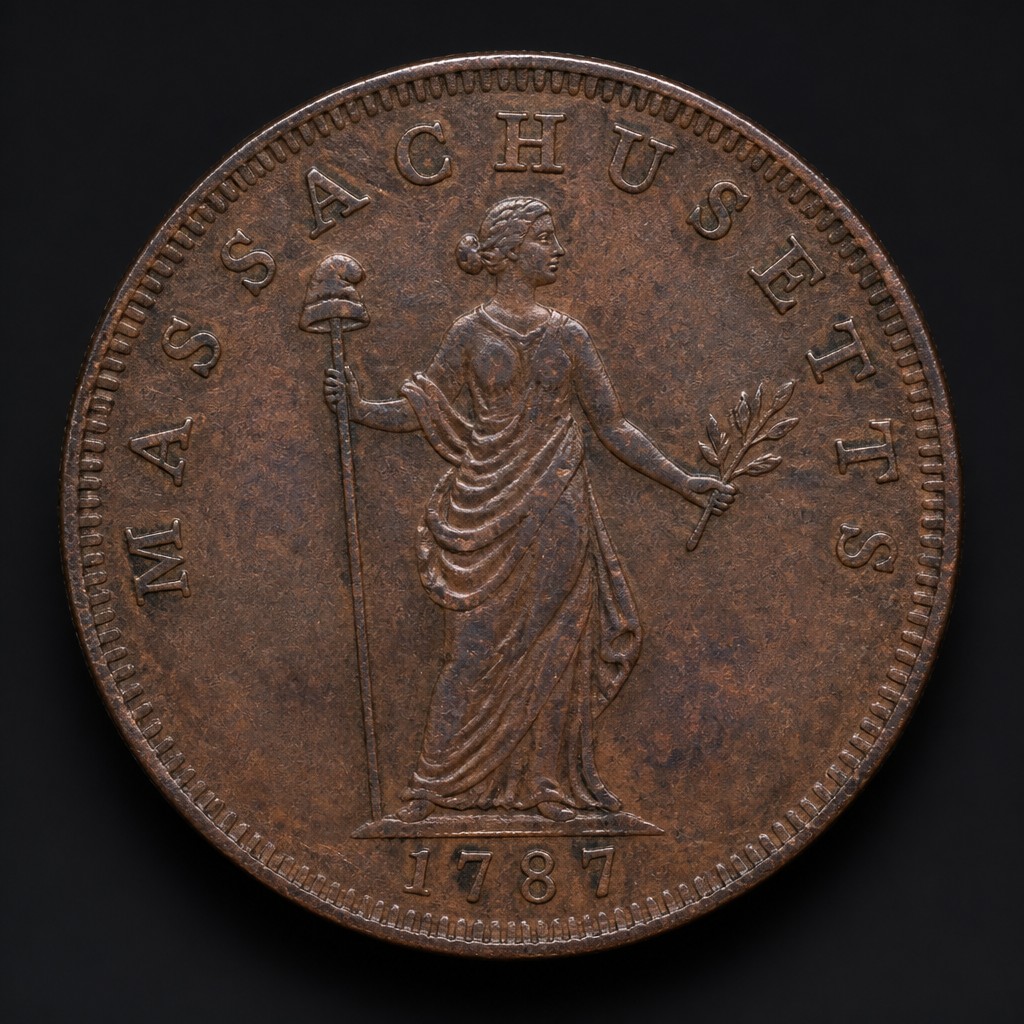
Massachusetts Cent (1787-1788)
1787–1788
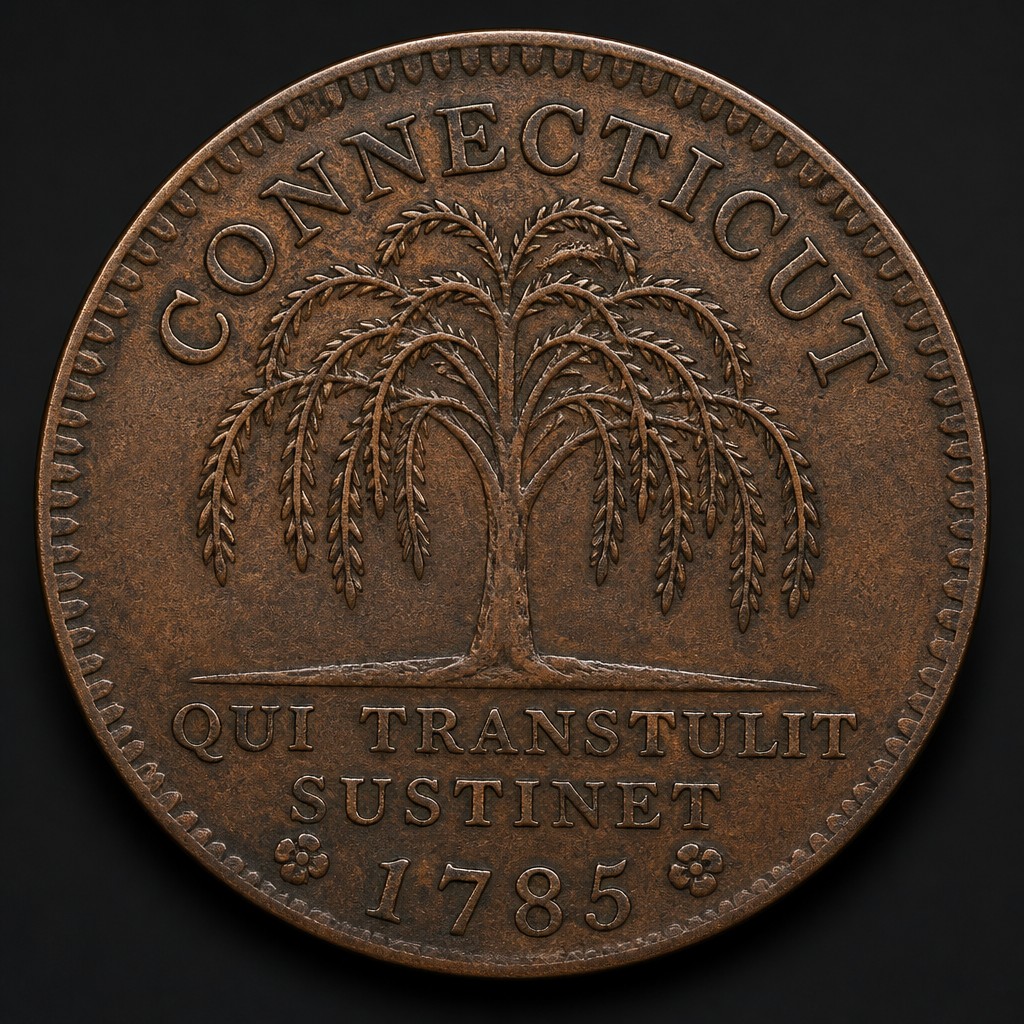
Connecticut Copper
1785–1788
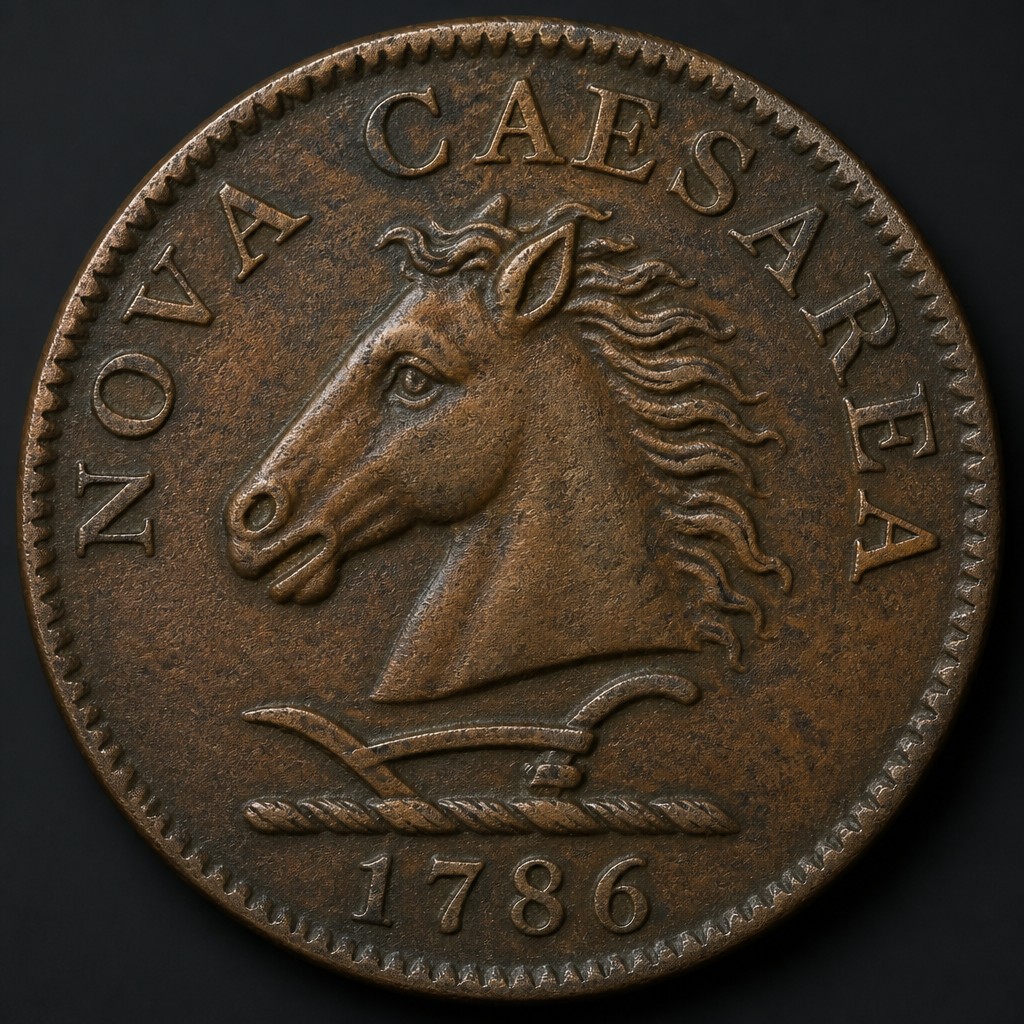
New Jersey Copper
1786–1788
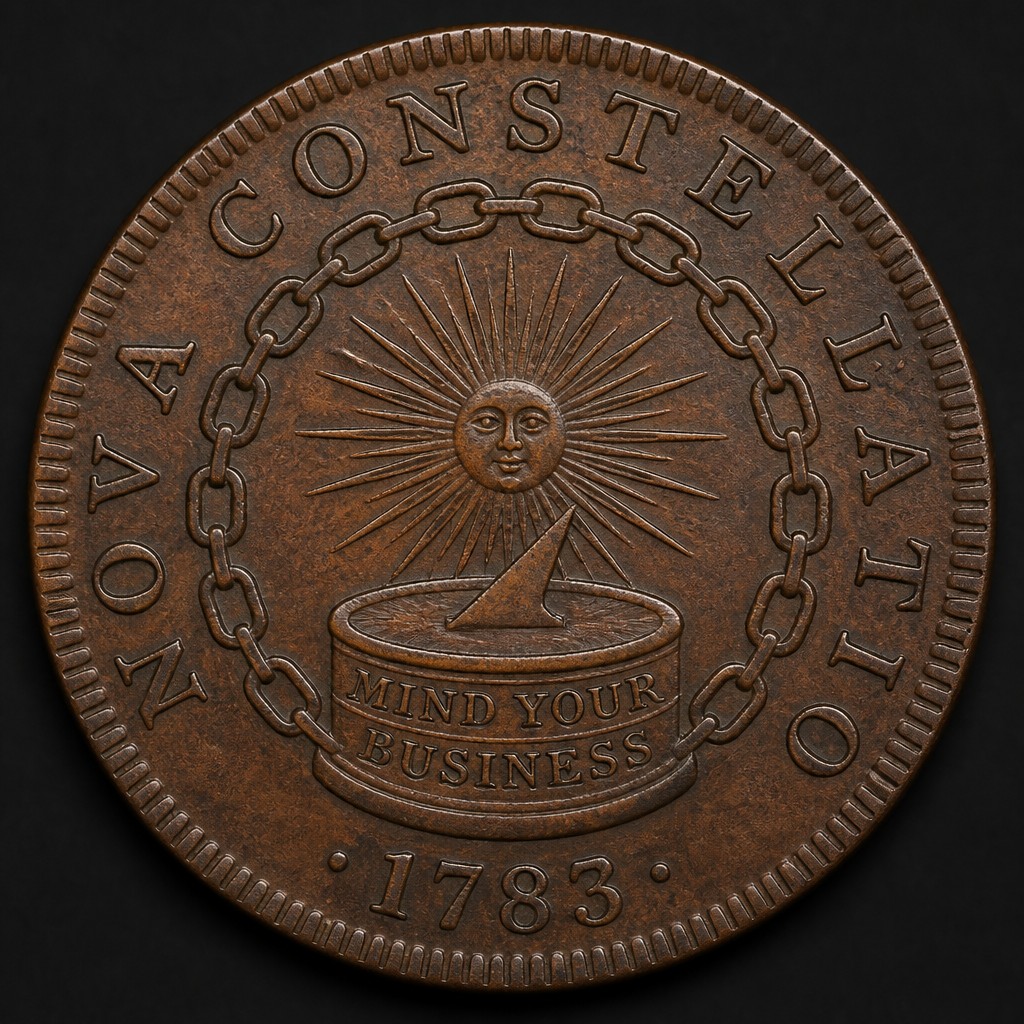
Nova Constellatio Copper
1783–1785
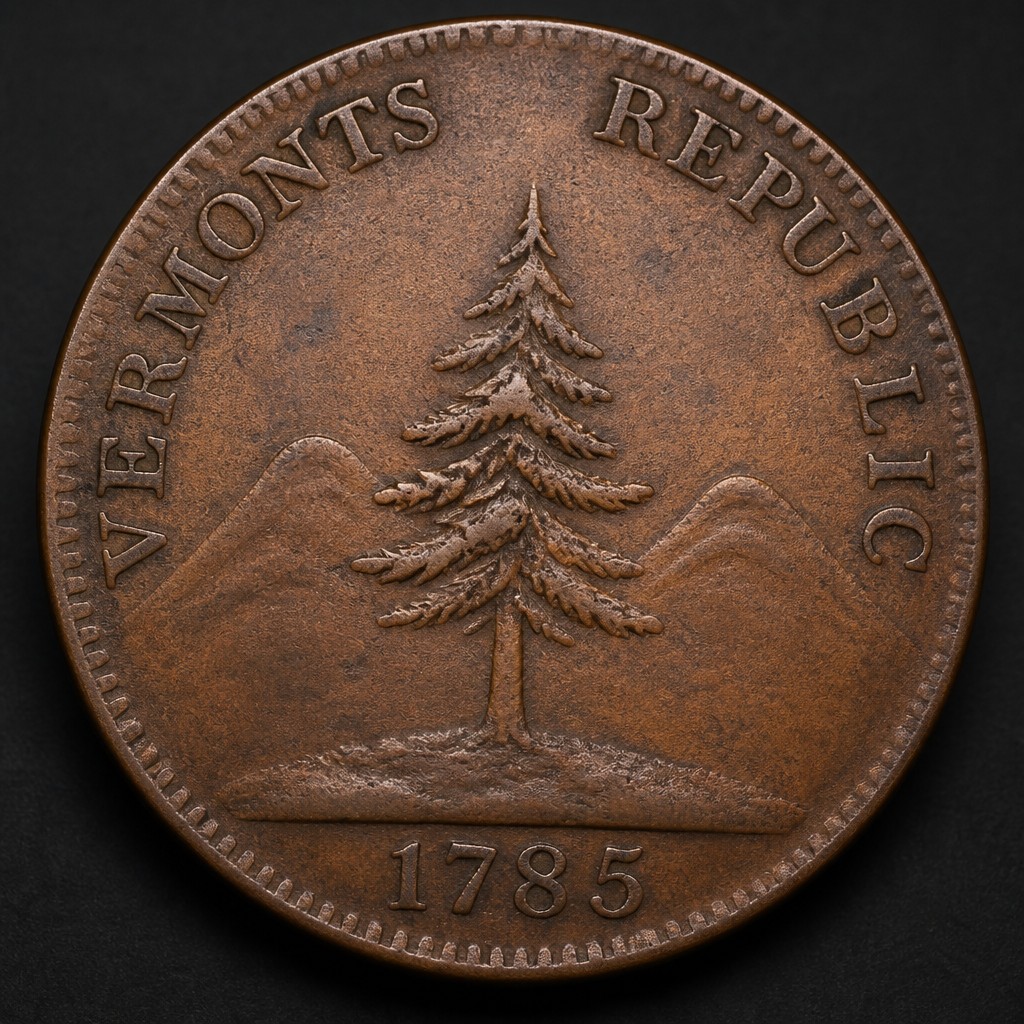
Vermont Copper
1785–1788
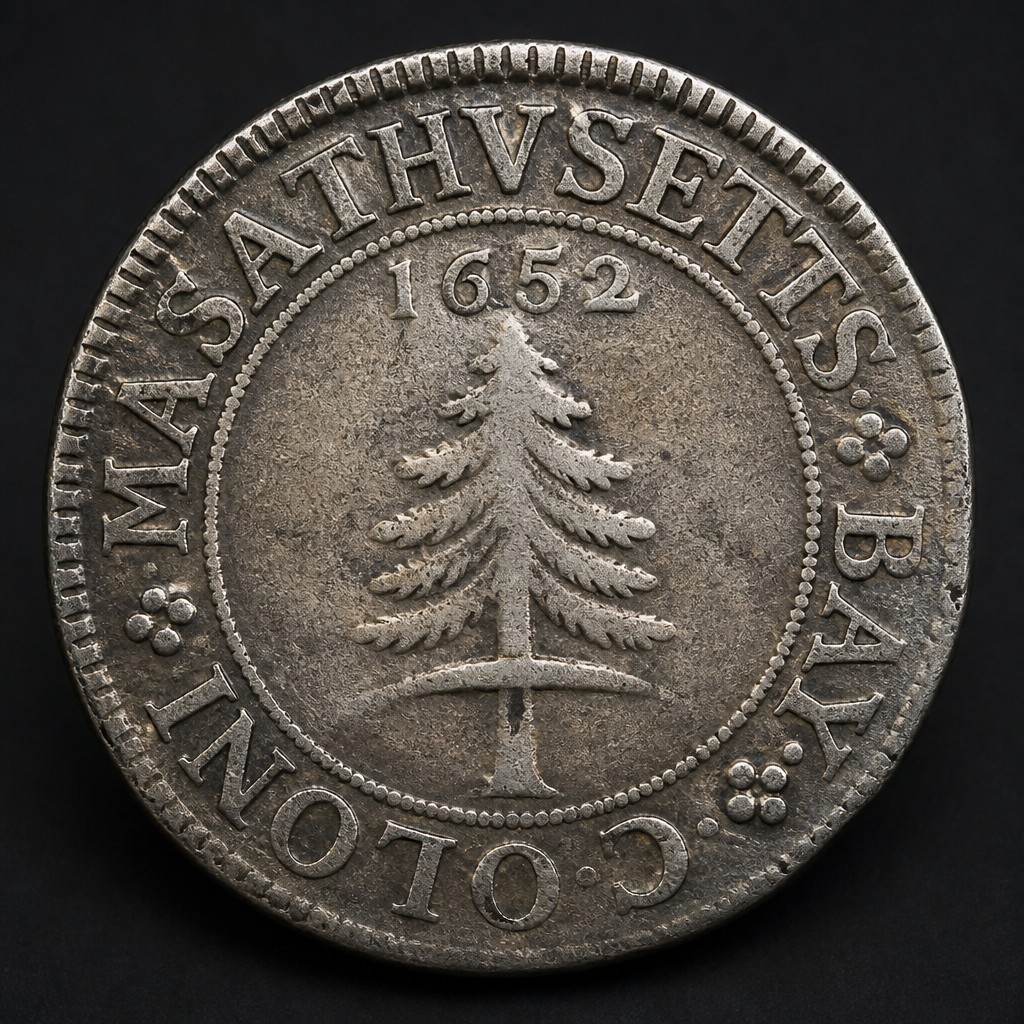
Pine Tree Shilling
Dated 1652, struck circa 1652–1682
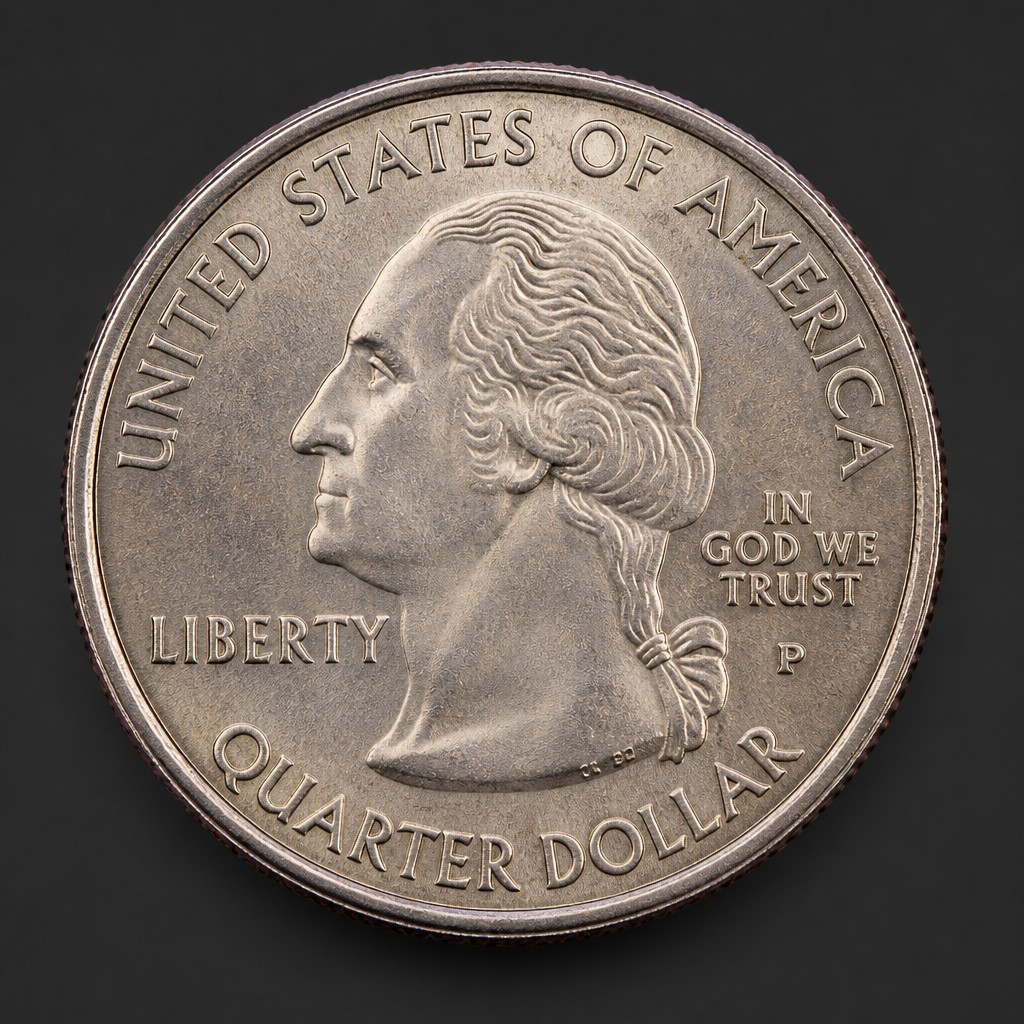
US State Quarters Series
1999-2008 (plus 2009 territories)
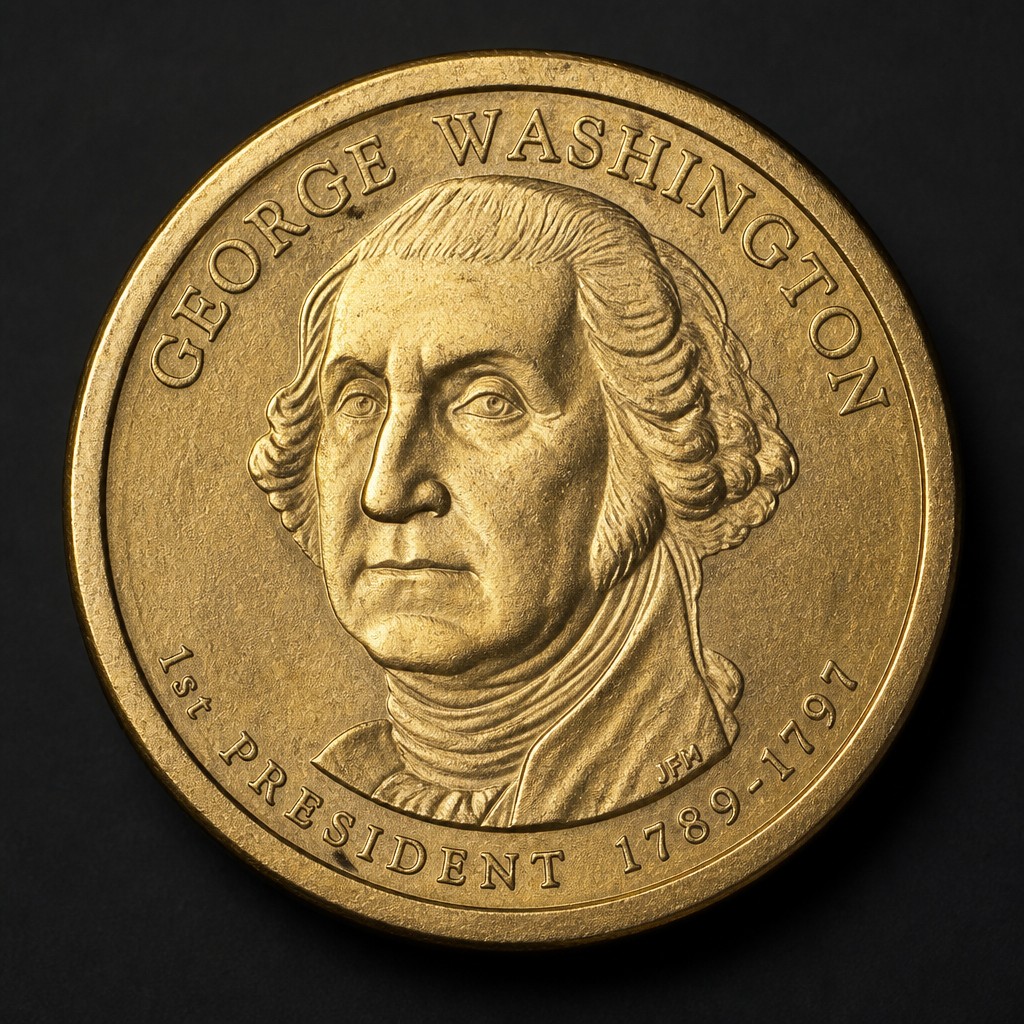
Presidential Dollar Series
2007-2016 (later special issues through 2020)
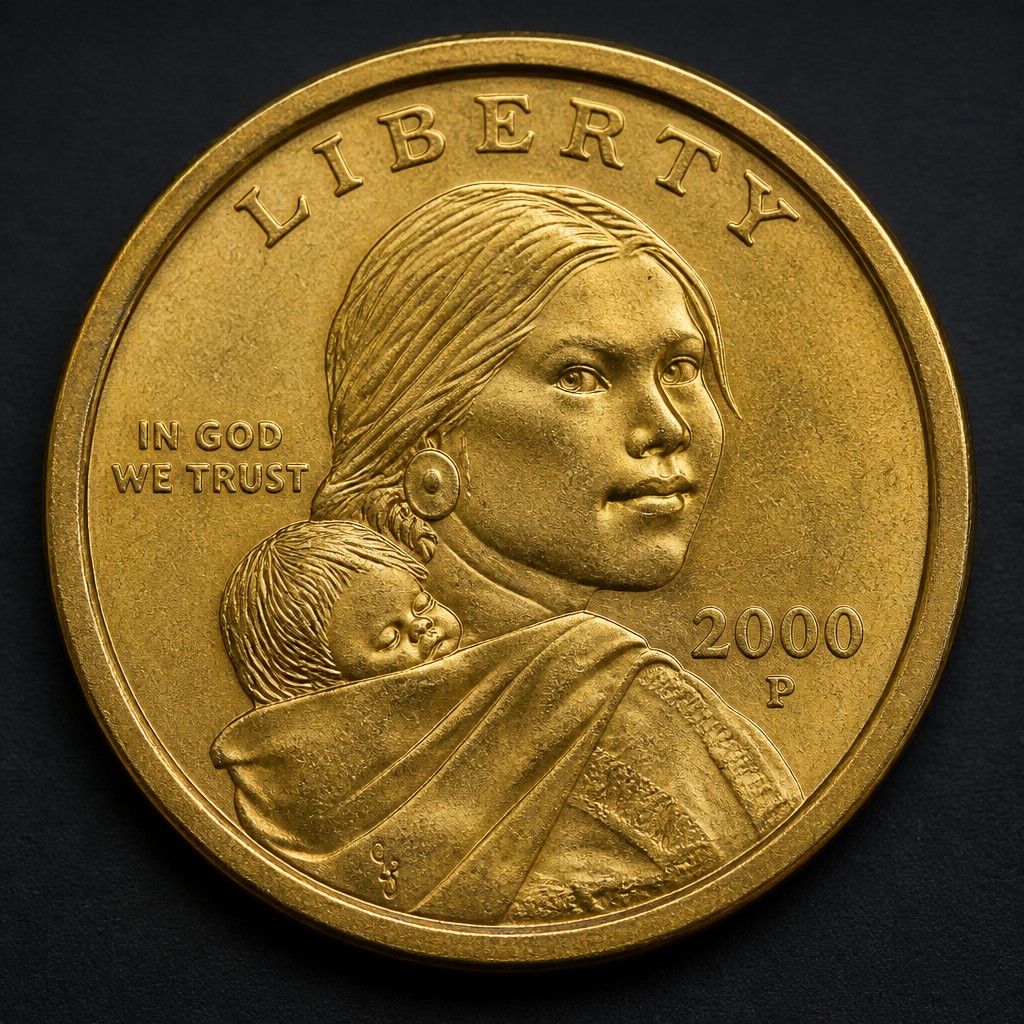
Sacagawea Golden Dollar
2000-present (reverse changed to Native American series in 2009)
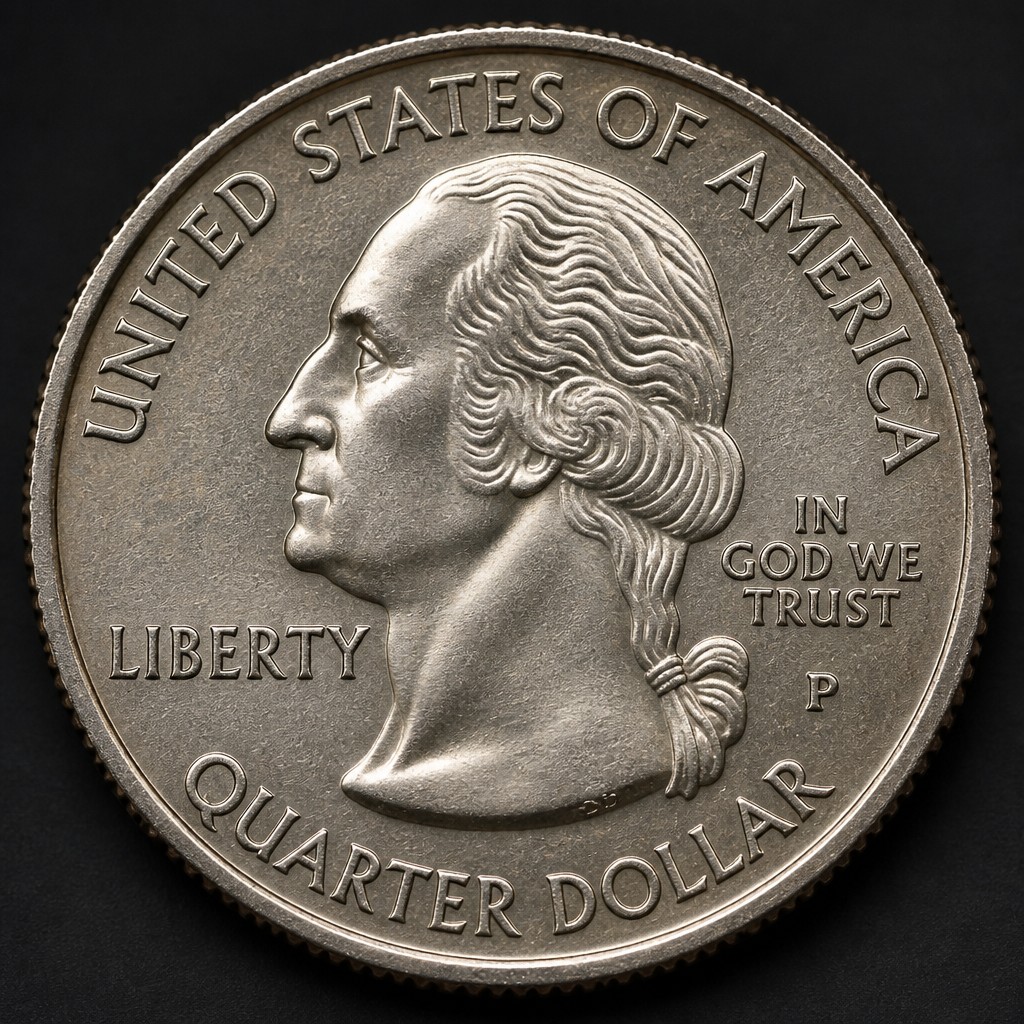
US America the Beautiful Quarters
2010-2021
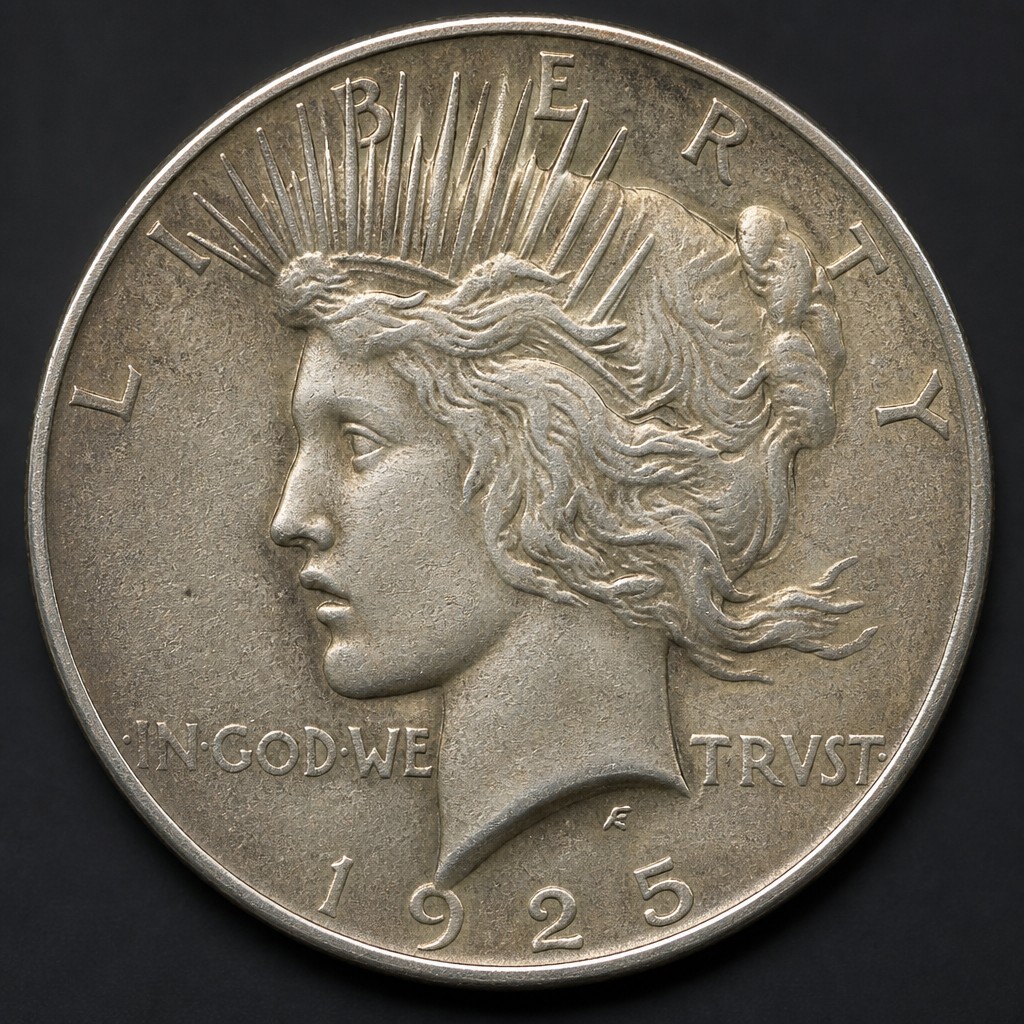
US Peace Dollar
1921–1928, 1934–1935
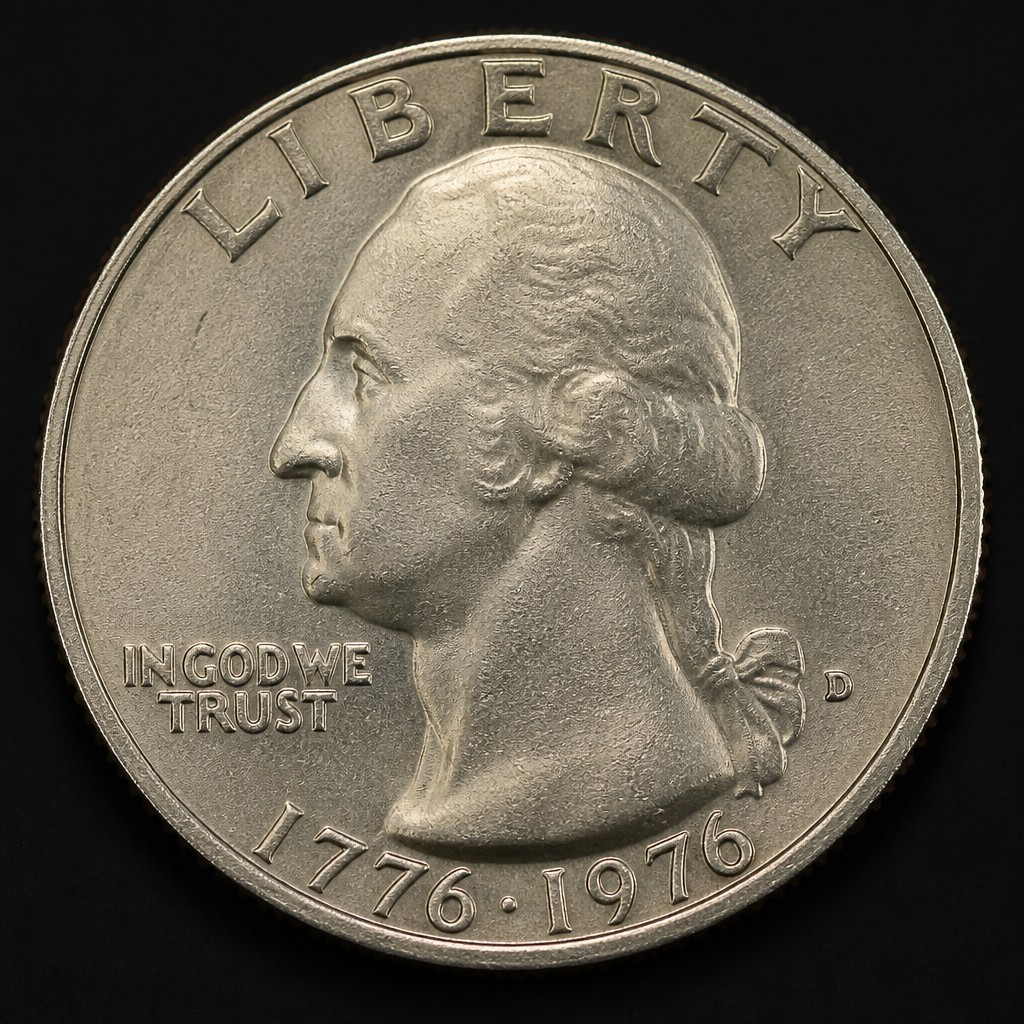
US Bicentennial Quarter (1976)
1976 (dated 1776-1976)