
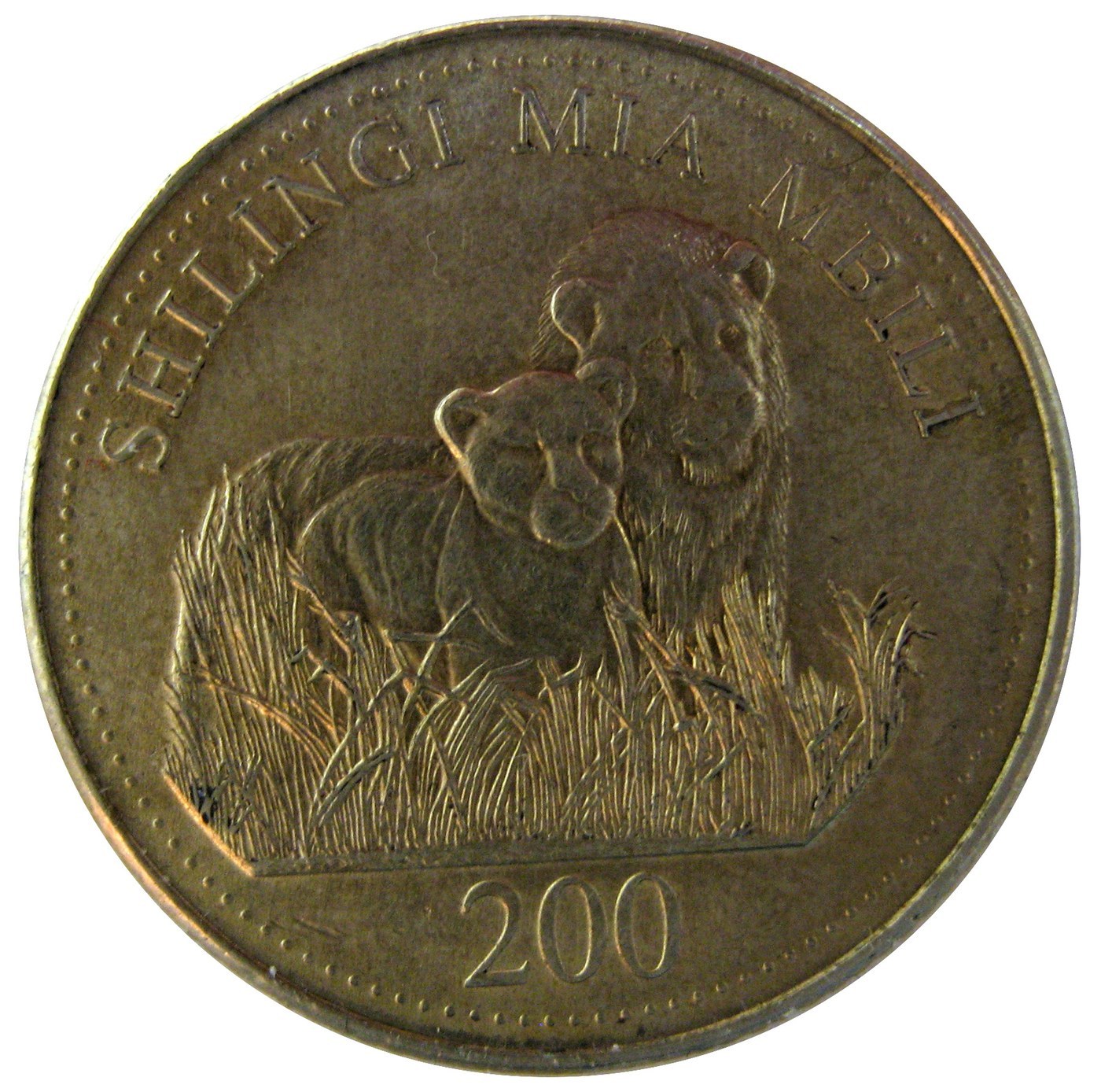
Tanzania 200 Shillings
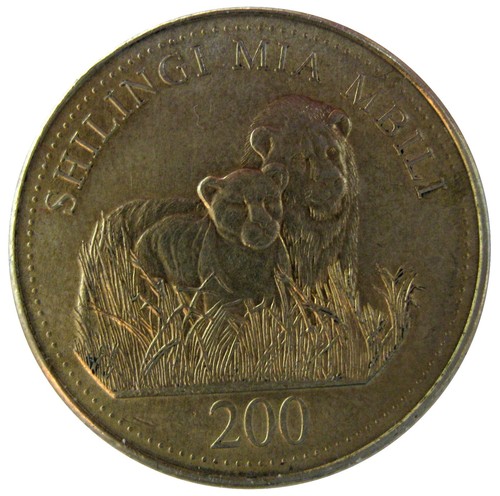
A golden-brass circulating coin of the United Republic of Tanzania, showing a large African animal in grass with a bold 200 and a Swahili shilling legend.
- Country
- Tanzania
- Denomination
- 200 Shillings
- Metal
- Brass
Got a coin like this?
Identify any coin from a photo, free.
Overview
The Tanzania 200 shillings is a golden-coloured brass circulating coin issued by the United Republic of Tanzania. It sits among the higher base-metal denominations of the modern Tanzanian shilling system and was struck as an everyday coin for general commerce rather than as a collector or commemorative issue.
The example shown carries a large African animal standing in grass together with the numeral 200 on one face, and a Swahili-language shilling legend on the other. The design reflects the wildlife imagery that Tanzania — home to the Serengeti and other famous game reserves — has long used on its coinage and banknotes.
As a common circulating brass coin of the 1990s era, it is widely encountered, inexpensive in ordinary grades, and of interest chiefly to collectors of African and Commonwealth-of-nations coinage and world-coin type sets.
History & Background
Tanzania was formed in 1964 from the union of Tanganyika and Zanzibar and issues its currency, the Tanzanian shilling (shilingi), through the Bank of Tanzania. Over the decades the shilling's coinage moved from small low-value pieces toward higher base-metal denominations as prices rose, and multi-hundred-shilling coins such as this one belong to that later phase of the series.
The 200 shillings brass coin was introduced to serve as a durable, higher-value circulating piece alongside contemporary shilling banknotes. Struck in brass rather than a precious metal, it was intended for heavy day-to-day handling, and large numbers entered circulation across the country.
Tanzanian coinage of this period is closely associated with the nation's identity as a wildlife and safari destination, and animal motifs appear across the series. The 200 shillings continues that tradition, presenting an African animal as its principal design element.
How to Identify
Look for a round, golden-yellow brass coin. One face shows a large African animal standing in grass — a big-bodied mammal that can be mistaken at a glance for a bear-like form — accompanied by the large numeral 200 marking the denomination. The other face carries Swahili legends including the word SHILINGI (shillings) and the country's name in Swahili (Jamhuri ya Muungano wa Tanzania, the United Republic of Tanzania), along with the year of issue.
The coin is a mid-to-large base-metal piece consistent with a higher circulating denomination. Its brass composition gives it a warm gold tone when fresh and a darker, duller surface once worn and handled, rather than the grey of a silver or cupro-nickel coin.
Key diagnostics are the pairing of the wildlife-and-200 face with the Swahili SHILLINGI legend, the Tanzanian country name, and a date in the 1990s era. Because the animal and legends are the surest identifiers, read the inscriptions and match the design to a standard reference for modern Tanzanian shilling coinage rather than judging by colour or size alone.
Value & Collectibility
The Tanzania 200 shillings is a common circulating brass coin, so its value is driven by condition and collector demand rather than metal content — brass carries little intrinsic worth. In worn, circulated grades the coin is very inexpensive and trades at token levels typical of modern world minor coinage.
Uncirculated or near-mint examples with full original golden lustre and sharp animal detail command a modest premium over well-worn pieces, and certain dates within the series may be somewhat harder to find than others. Even so, most examples remain low-cost coins aimed at type and country collectors.
Exact prices vary by date, grade, and where the coin is sold, so any figure is best treated as a range. For a common modern brass coin like this, spending on professional grading rarely makes sense except for exceptional, fully lustrous examples.
Frequently asked questions
What is the Tanzania 200 shillings coin?
It is a golden brass circulating coin of the United Republic of Tanzania, one of the higher base-metal denominations of the modern Tanzanian shilling system, showing an African animal with the numeral 200 and a Swahili shilling legend.
What animal is on the coin?
The coin shows a large African animal standing in grass. Its heavy body can look bear-like at a glance, but it belongs to the African-wildlife imagery Tanzania uses across its coinage; read it together with the 200 and SHILLINGI legend to confirm the type.
What does SHILINGI mean?
SHILINGI is the Swahili word for shillings, the currency of Tanzania. Paired with the numeral 200, it marks the coin as a 200-shilling piece of the United Republic of Tanzania.
Is the coin made of gold or silver?
No. It is struck in brass, which gives it a gold-like colour but little intrinsic metal value. Fresh coins look bright golden, while circulated ones darken and dull with handling.
Is the Tanzania 200 shillings coin valuable?
It is a common modern circulating coin, so most examples are inexpensive. Value comes mainly from condition, with bright uncirculated pieces and scarcer dates bringing modest premiums over worn coins.
Tanzania 200 Shillings guides
In-depth guides for identifying, valuing, and collecting Tanzania 200 Shillings.
Other coins you may enjoy
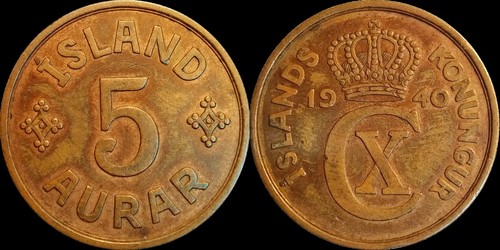
5 Aurar
1926-1942
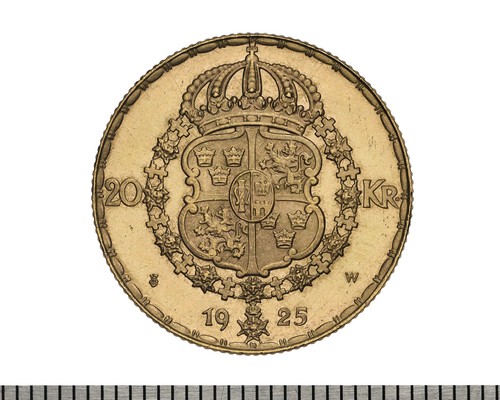
20 Kronor
1925 (denomination struck 1873-1925)
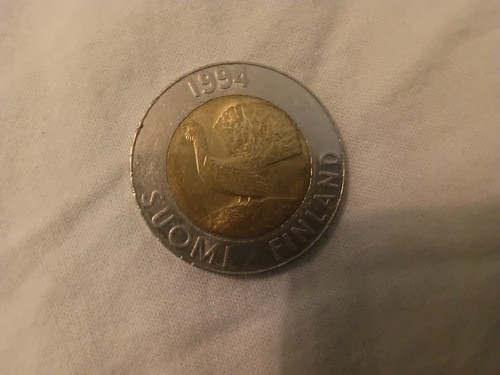
10 Markka
1993–2001
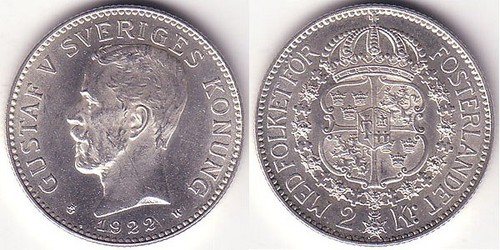
2 Kronor
1910-1940 (this example dated 1922)
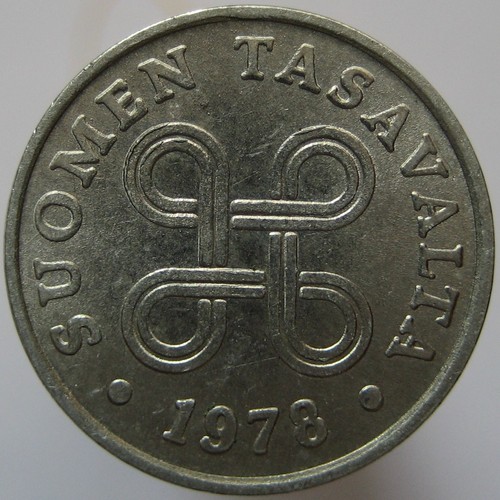
1 Penni
1969–1979
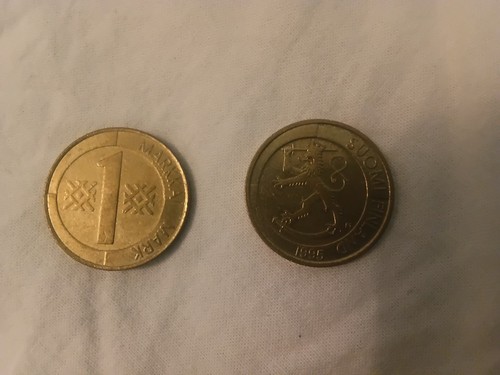
1 Markka
1993–2001
Kenya 5 Shillings
Bimetallic issues (2005–2010)
Kenya 20 Shillings
Modern issue (late 1990s–2000s)
South Africa Farthing
1923-1960
Kenya 10 Shillings
Republic of Kenya, bimetallic issues (mid-1990s to c. 2010)
Gold Sovereign
1817–present
Henri V Five Francs
1831