
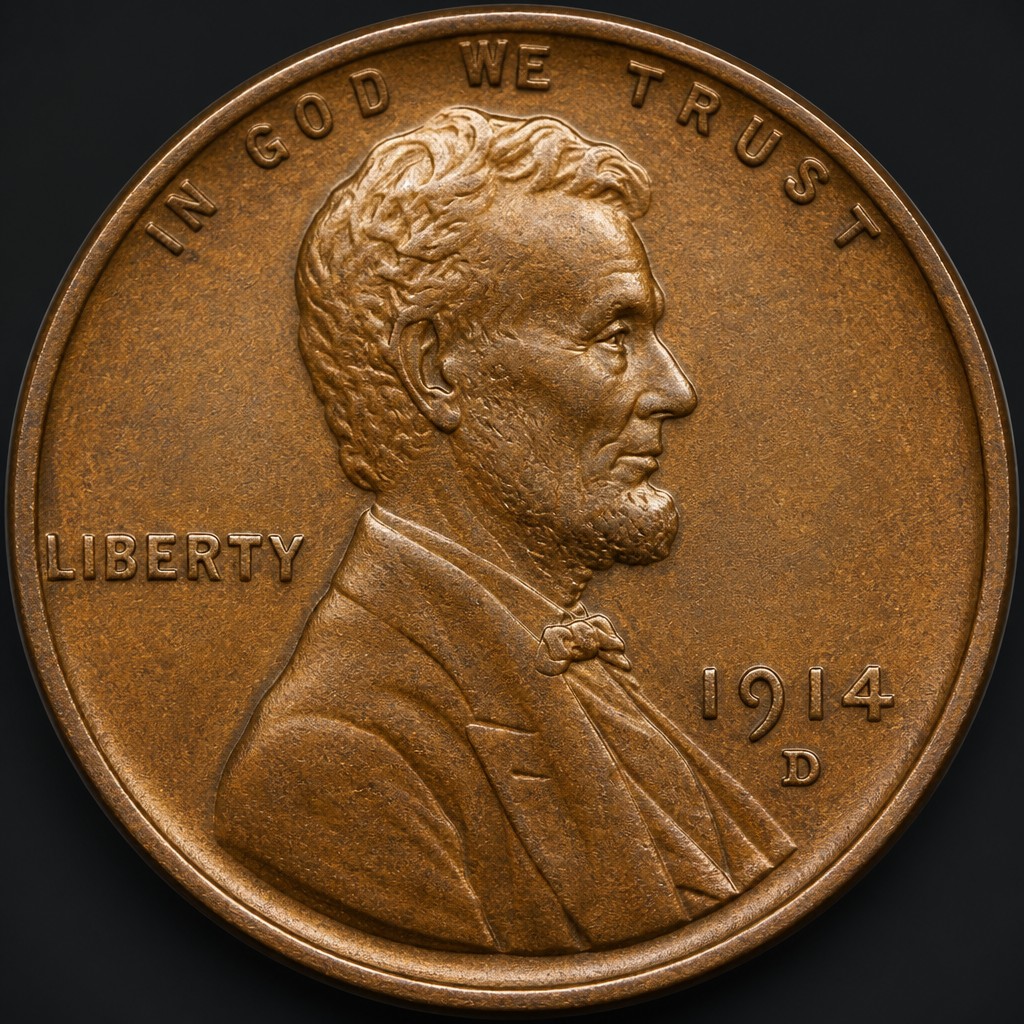
1914-D Lincoln Cent
A famous key date in the Lincoln wheat cent series, prized for its low mintage from the Denver Mint and ranked among the most important dates collectors need to complete the series.
- Country
- United States
- Denomination
- 1 cent
- Metal
- Bronze (95% copper, 5% tin/zinc)
Got a coin like this?
Identify any coin from a photo, free.
Overview
The 1914-D cent is one of the true key dates of the Lincoln wheat cent series, alongside coins like the 1909-S VDB and 1931-S. Struck at the Denver Mint in comparatively small numbers relative to the Philadelphia issue of the same year, it has long been recognized as a coin that collectors must budget carefully for when building a complete Lincoln cent set.
Because it circulated as ordinary currency for decades before its rarity was widely appreciated, most surviving examples show significant wear, and well-preserved, high-grade specimens are especially difficult to locate and command strong premiums.
Its status as a key date has also made it a frequent target for counterfeiters, who have historically added fake D mint marks to Philadelphia-struck 1914 cents, making authentication an important consideration for buyers.
History & Background
The Lincoln cent, designed by Victor David Brenner and first issued in 1909, was struck at multiple mints as demand grew in the early 20th century. In 1914, the Denver Mint struck a comparatively small number of cents relative to Philadelphia's much larger output, resulting in a scarcer coin that would later be recognized as a key date once collectors began systematically studying mintage figures by date and mint.
As Lincoln cent collecting grew in popularity through the mid-20th century, dealers and collectors identified the 1914-D as one of the coins hardest to acquire in higher grades, cementing its reputation as an essential but challenging piece for date collectors.
Its scarcity, combined with its status as an early 20th-century issue from a period of heavier circulation and less careful coin preservation, has made high-grade survivors especially prized among Lincoln cent specialists.
How to Identify
The obverse shows Brenner's Lincoln portrait with LIBERTY to the left, IN GOD WE TRUST above, and the date 1914 with a small D mint mark beneath it, positioned just below the date. The reverse carries the wheat ears design with ONE CENT and UNITED STATES OF AMERICA, standard for the series through 1958.
Because fake D mint marks have historically been added to Philadelphia 1914 cents to simulate this key date, careful examination of the mint mark's shape, size, and placement under magnification is essential, ideally compared against genuine examples or with the help of a professional grading service.
Genuine mint marks should show consistent style and placement typical of authentic Denver Mint coins of the period, and any mint mark that appears re-engraved, oddly shaped, or inconsistently positioned should raise suspicion of alteration.
Value & Collectibility
As a recognized key date, the 1914-D commands a strong premium over common-date Lincoln wheat cents even in heavily worn condition, with values climbing substantially through the grading scale and reaching significant sums for well-preserved mint state examples. Because so many survivors are heavily worn, coins with sharp detail and good eye appeal in mid to higher grades are particularly sought after.
Given its frequent counterfeiting through added or altered mint marks, authentication by a reputable grading service adds significant confidence and often value for buyers, and unauthenticated examples should be examined carefully before a premium price is paid.
Frequently asked questions
Why is the 1914-D cent considered a key date?
It has one of the lowest mintages among circulating Lincoln wheat cents, making it comparatively scarce and essential for collectors completing a date set.
How do I make sure the D mint mark is genuine?
Examine the mint mark's size, shape, and placement under magnification and compare to verified genuine examples, or have the coin authenticated by a professional grading service.
What other coins are considered key dates in this series?
The 1909-S VDB and 1931-S are commonly cited alongside the 1914-D as the most important key dates in the Lincoln wheat cent series.
Are high-grade 1914-D cents hard to find?
Yes, because most examples circulated heavily before their rarity was appreciated, well-preserved higher-grade coins are notably scarce.
Other coins you may enjoy
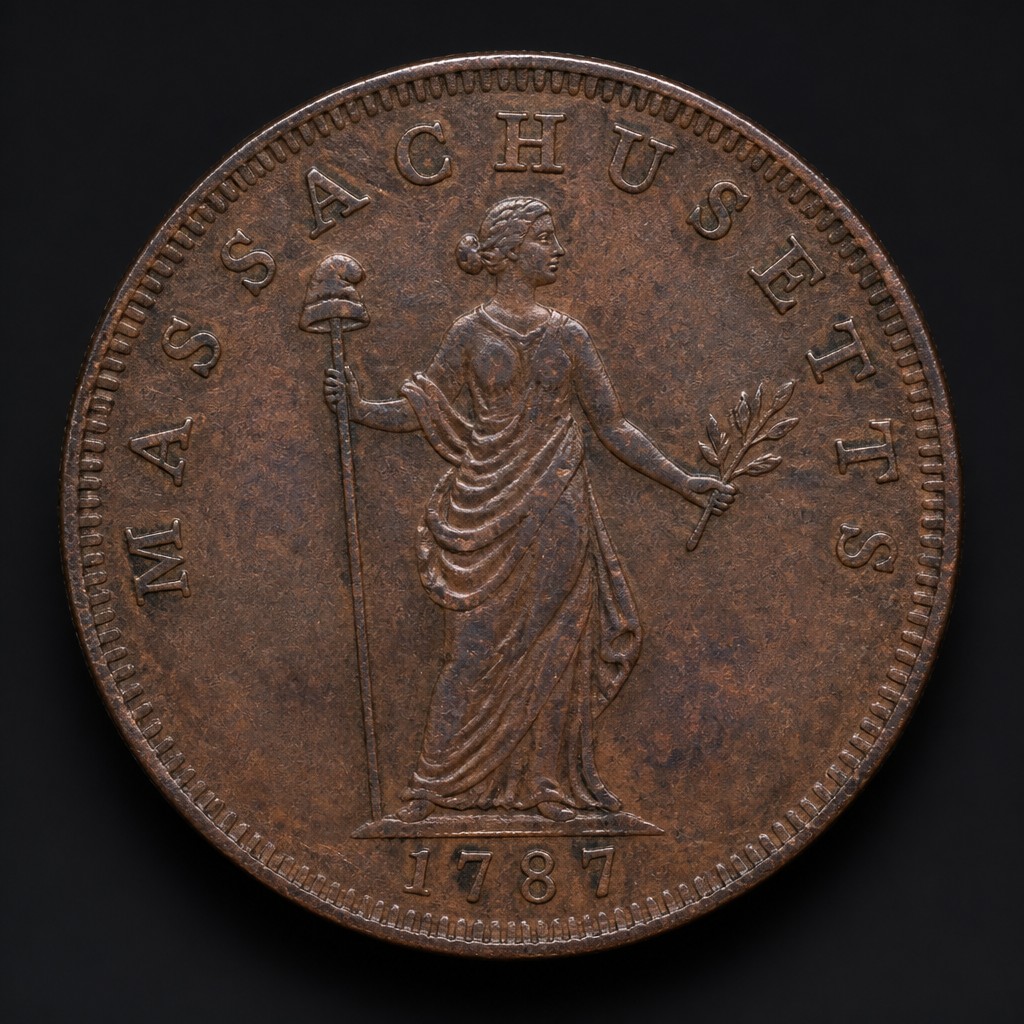
Massachusetts Cent (1787-1788)
1787–1788
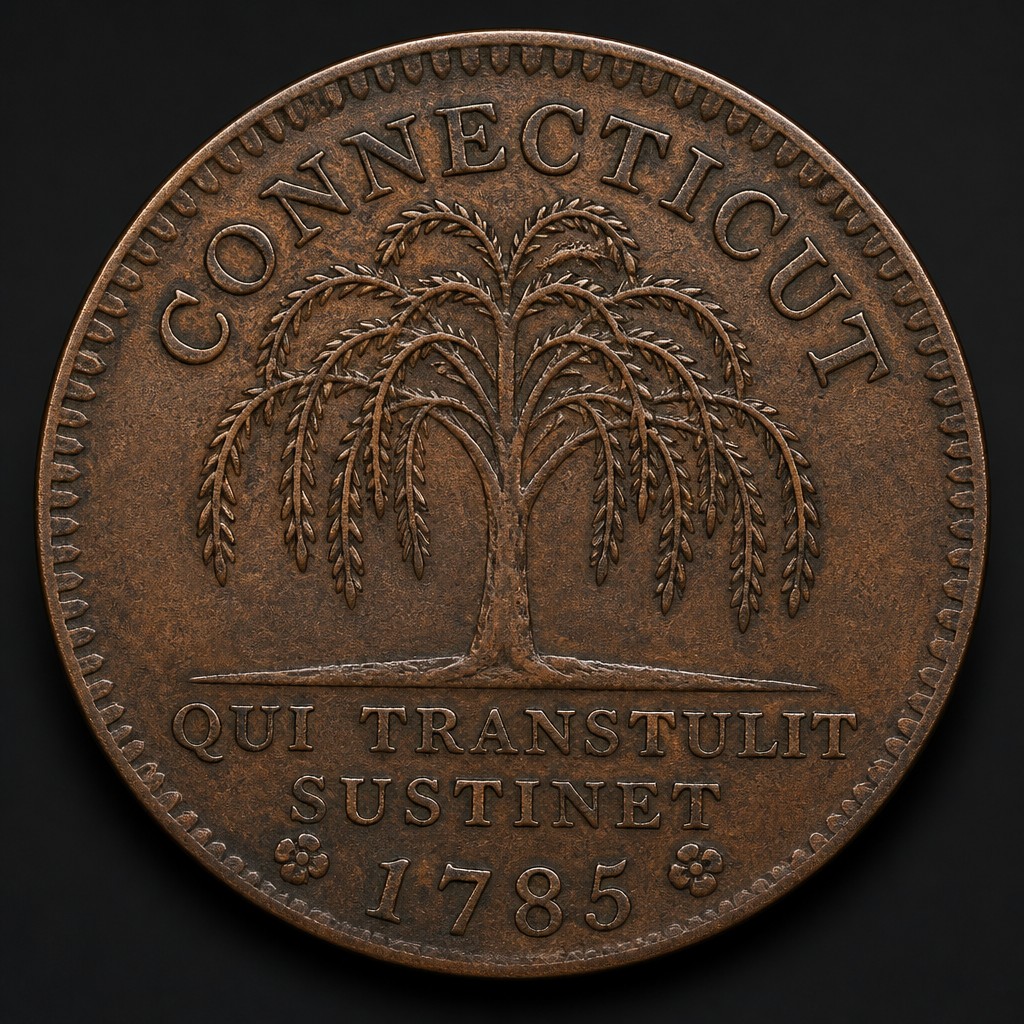
Connecticut Copper
1785–1788
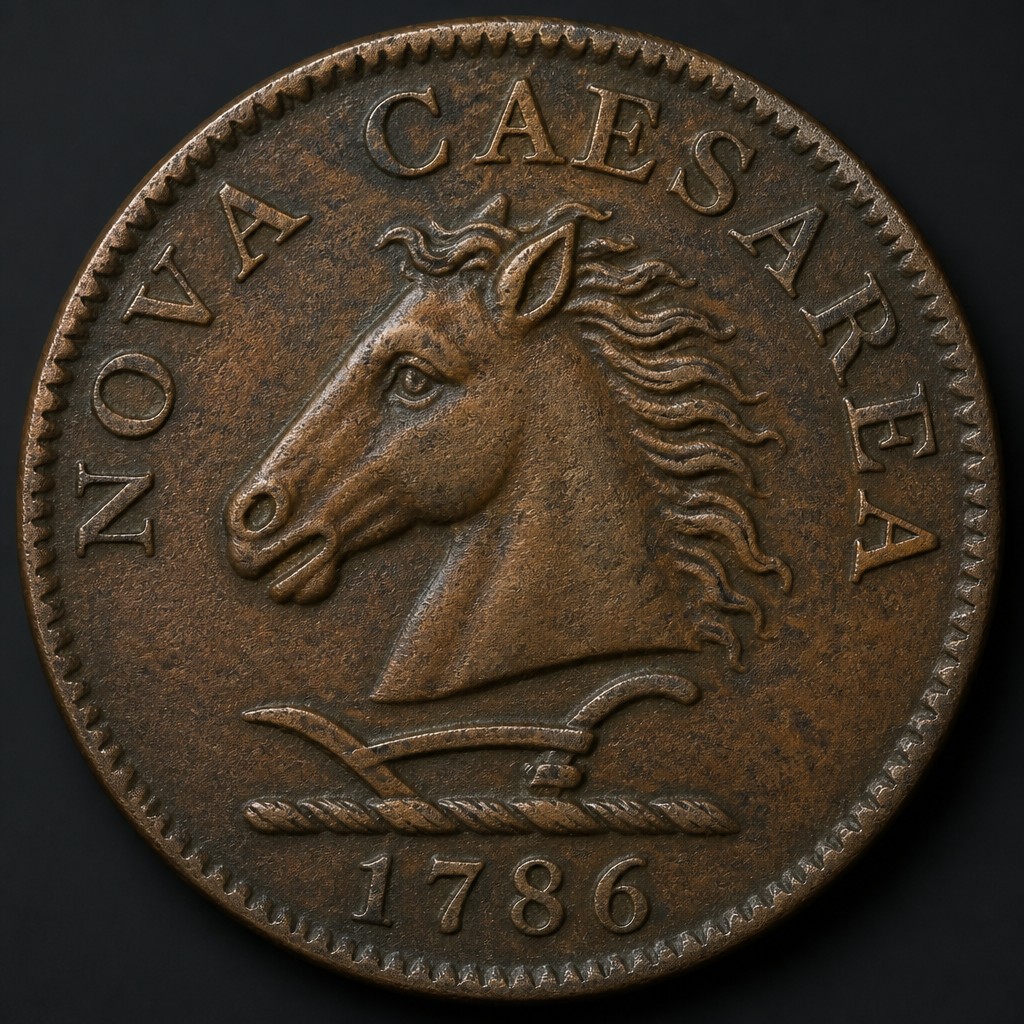
New Jersey Copper
1786–1788
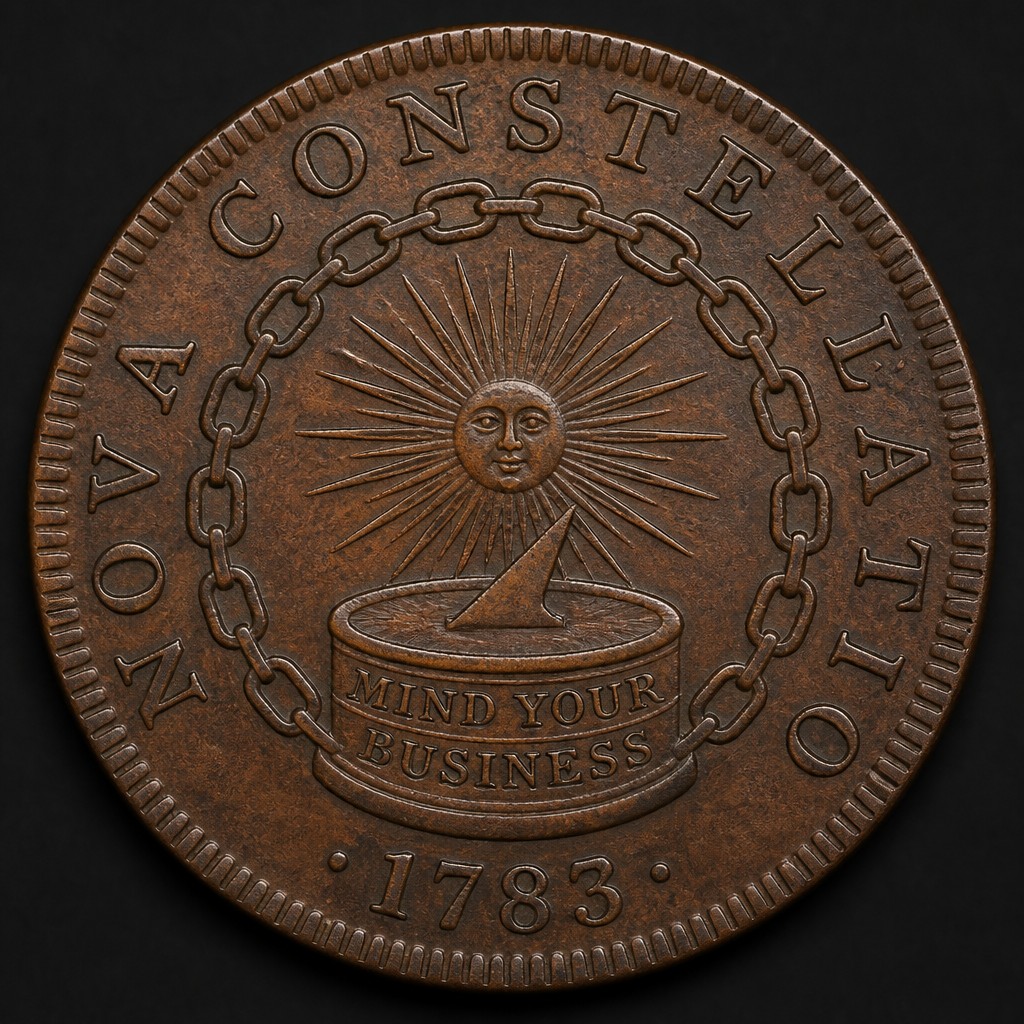
Nova Constellatio Copper
1783–1785
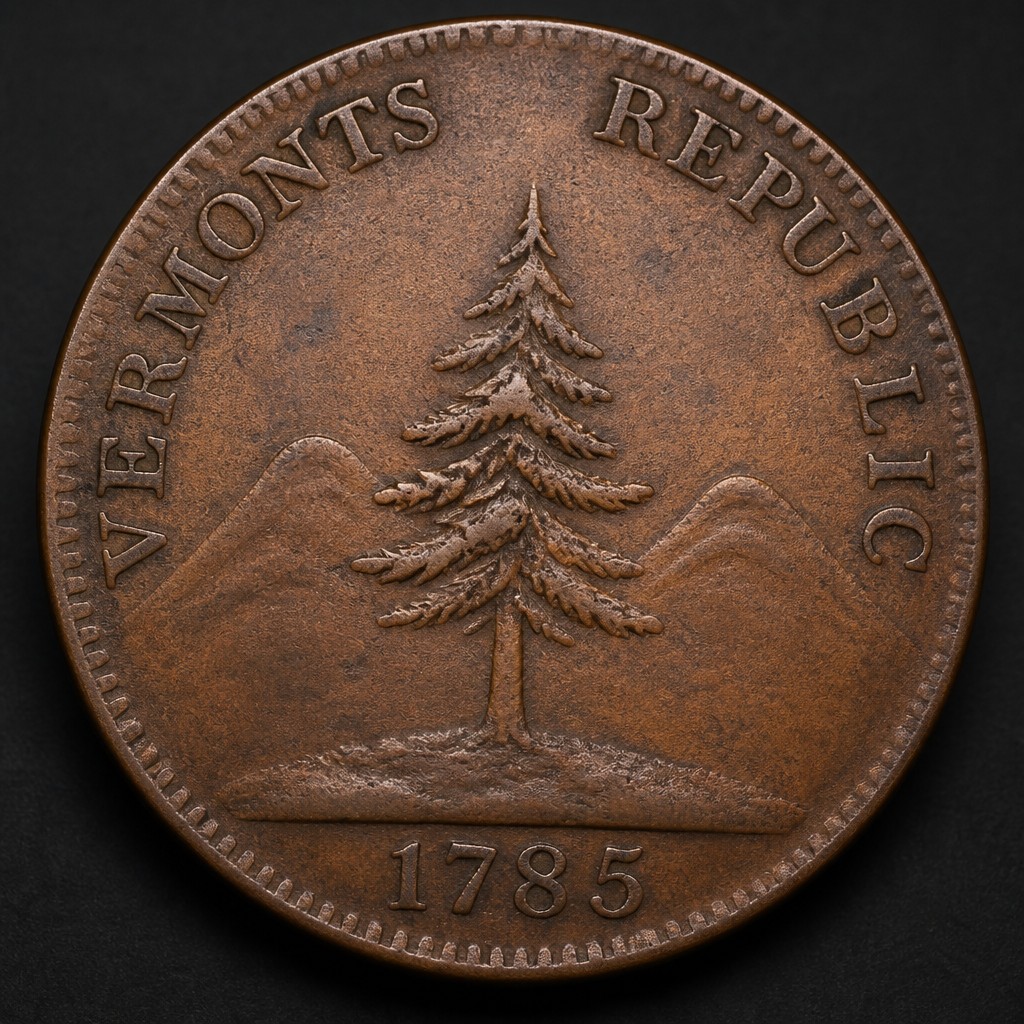
Vermont Copper
1785–1788
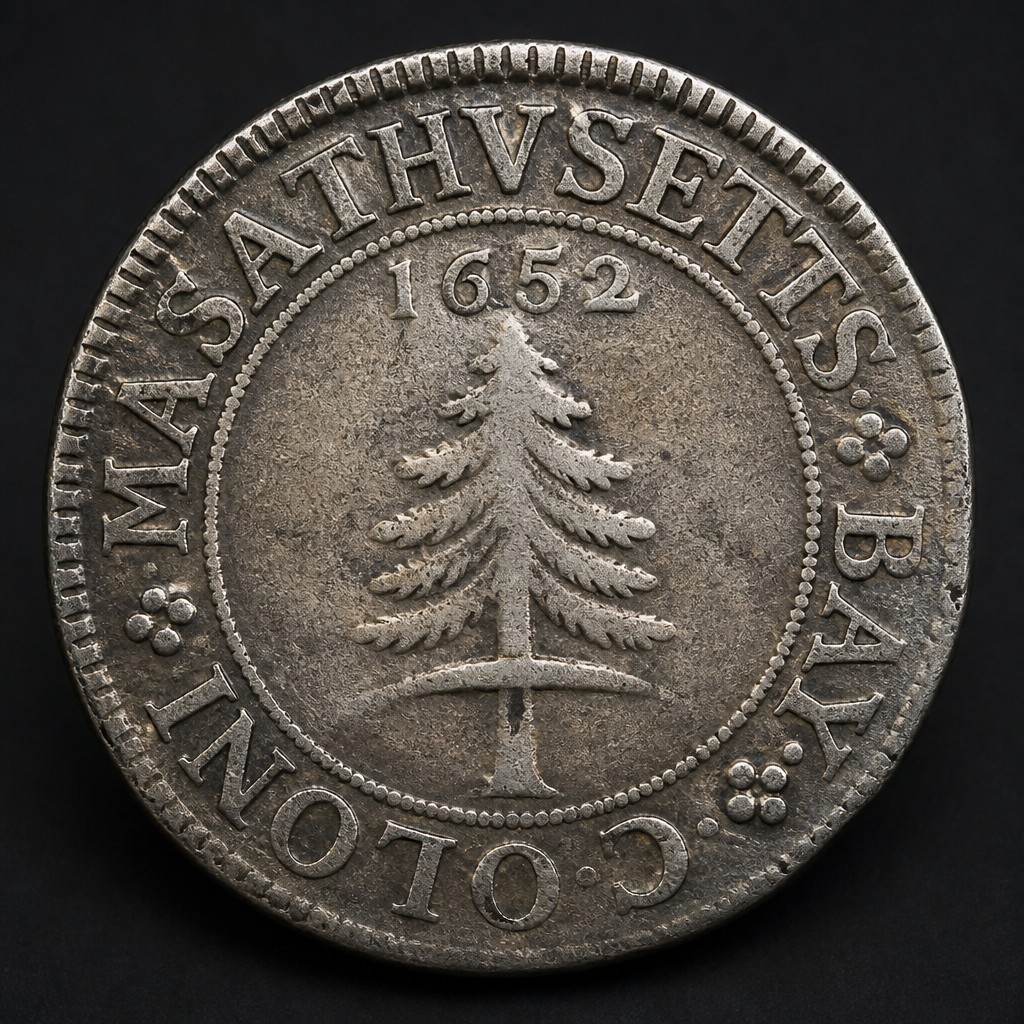
Pine Tree Shilling
Dated 1652, struck circa 1652–1682
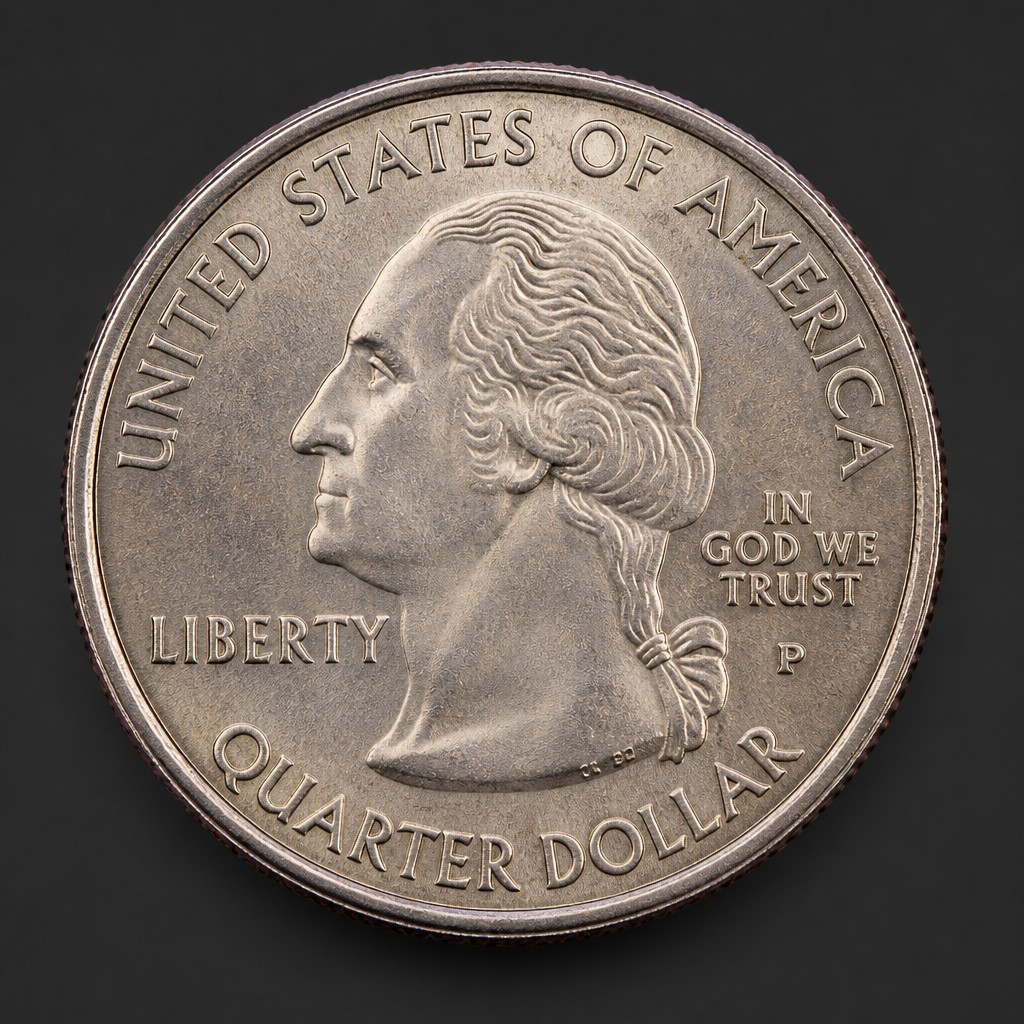
US State Quarters Series
1999-2008 (plus 2009 territories)
Presidential Dollar Series
2007-2016 (later special issues through 2020)
Sacagawea Golden Dollar
2000-present (reverse changed to Native American series in 2009)
US America the Beautiful Quarters
2010-2021
US Peace Dollar
1921–1928, 1934–1935
US Bicentennial Quarter (1976)
1976 (dated 1776-1976)