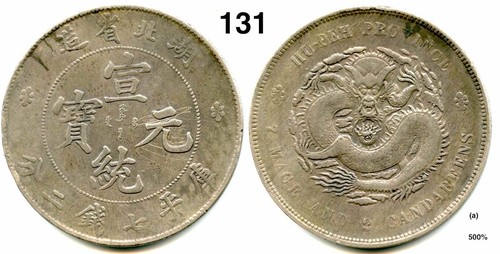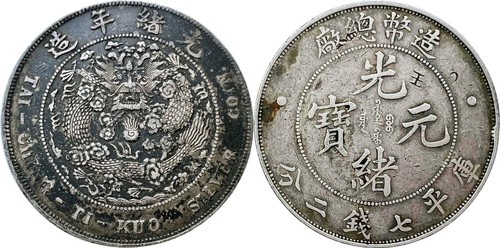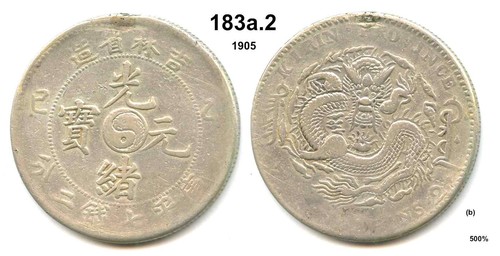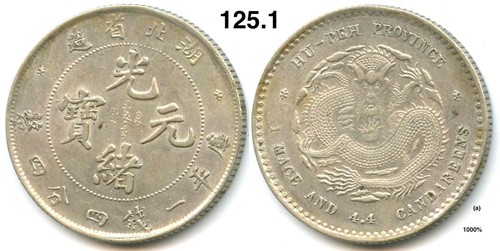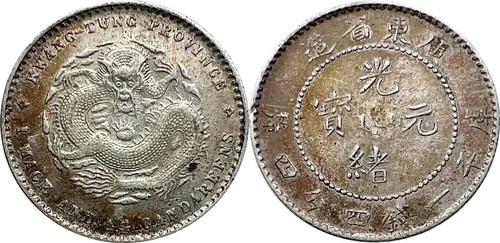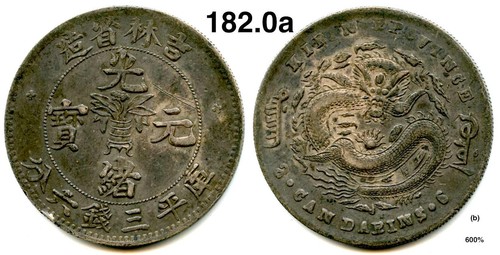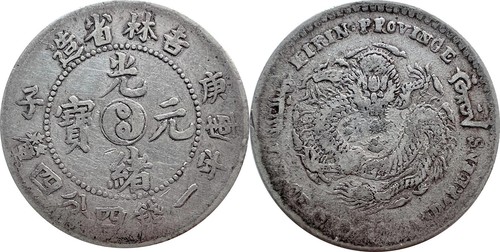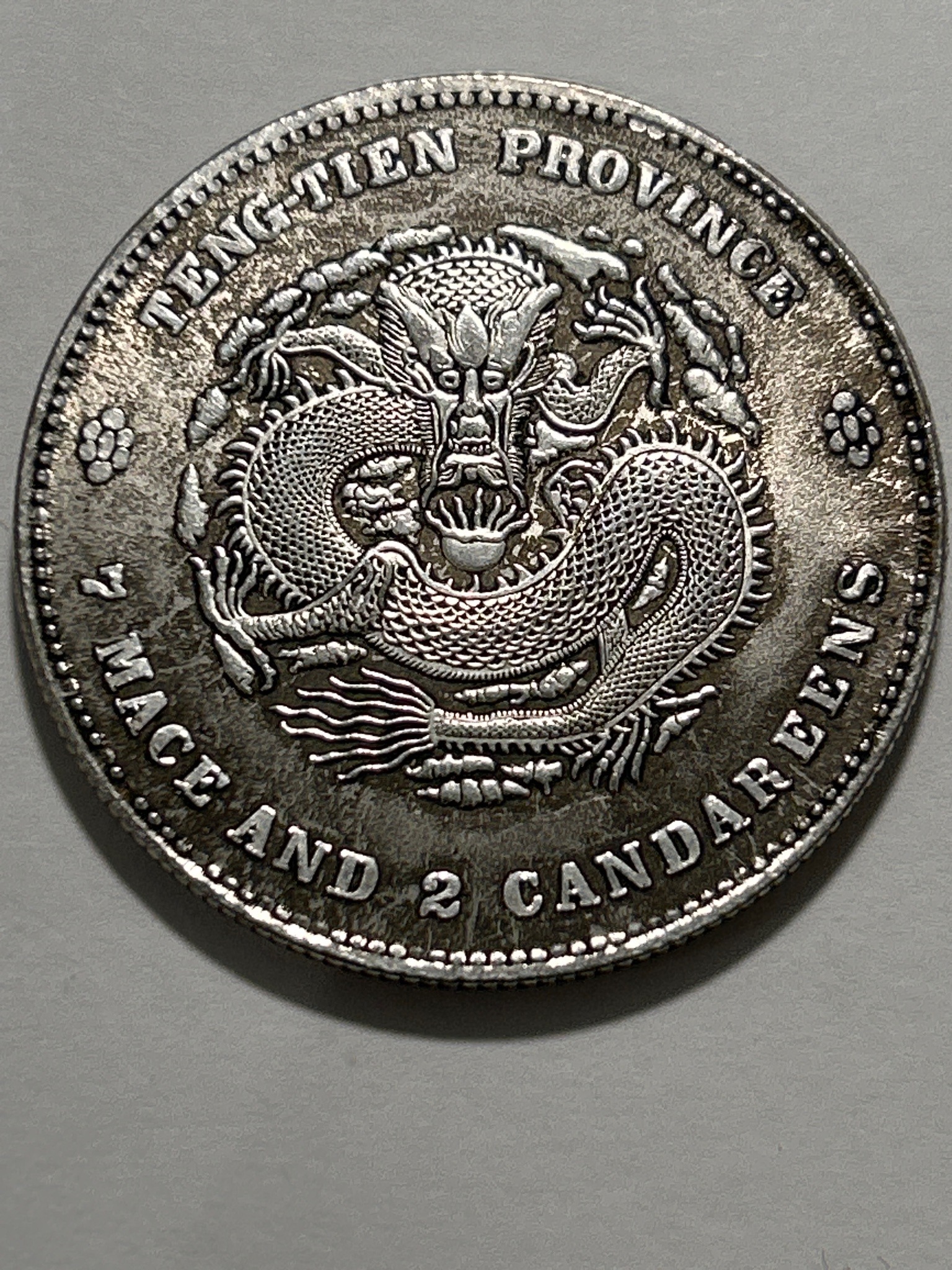
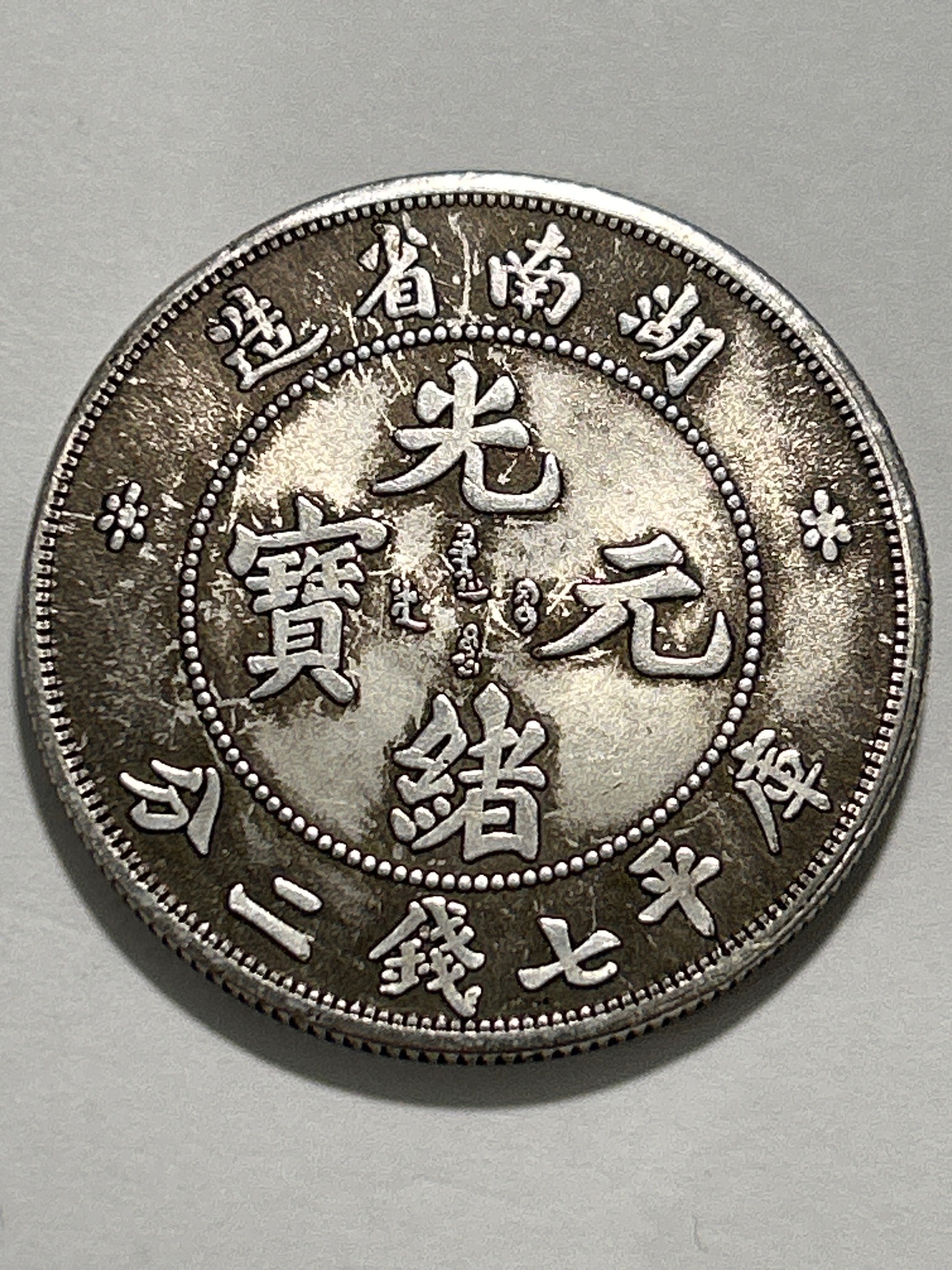
Feng-Tian Province 7 Mace and 2 Candareens (Dragon Dollar)
China (Feng-Tian Province / Mukden Mint) · ND (1898)
A classic Chinese imperial provincial silver dollar featuring a central facing dragon surrounded by English legends on one side, and Chinese Manchu characters within a beaded circle on the other.
- Country
- China (Feng-Tian Province / Mukden Mint)
- Year
- ND (1898)
- Denomination
- 7 Mace and 2 Candareens (1 Dollar)
- Metal
- Silver (approx. .900 fineness)
This report is AI-generated and can be wrong. Always verify grade, authenticity, and value with a qualified dealer or certified grading service before buying, selling, or insuring.
Identify your own coins.
Get a report just like this from any photo, free.
Overview
Historical significance
Obverse (front)
Reverse (back)
Estimated value
What drives this coin's value
Grade assessment
Mintage & rarity
Authenticity & counterfeit red flags
Notable varieties & errors
Similar coins
Care & preservation
More like this
Other china (feng-tian province / mukden mint) coins
Feng-Tien Province One Tael (Guangxu Yuanbao)
China (Fengtian / Mukden Mint) · 1903 (Year 29 of Guangxu)
Kiangnan / Chihli Province Dragon Dollar (Ku-Yuan / 7 Mace and 2 Candareens)
China (Imperial / Qing Dynasty) · 1896-1908 (Various years)
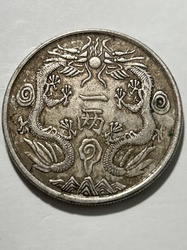
Fengtien 1 Tael (Kuiping Tael) Pattern Dollar
China (Fengtien Province) · 1903 (Year 29 of Guangxu)
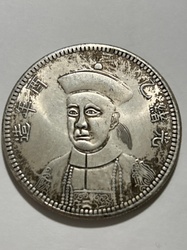
Fengtien Dollar (Kirin / Fengtien Machine Bureau Silver Dollar)
China (Fengtien Province) · 1904 (Guangxu 30th Year)
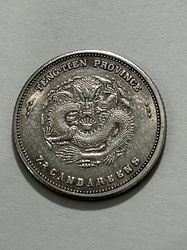
Fengtien Province 7.2 Candareens (1 Dollar equivalent style text, likely fantasy or counterfeit replica)
China (Fengtien Province) · ND (Circa late 19th / early 20th century style, though likely modern fantasy or counterfeit)
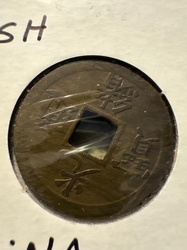
Kuang-hsü T'ung-pao (Guangxu Tongbao)
China - Qing Dynasty · 1875-1908