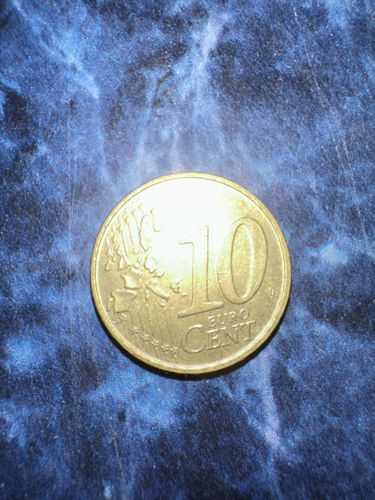
10 Euro Cent
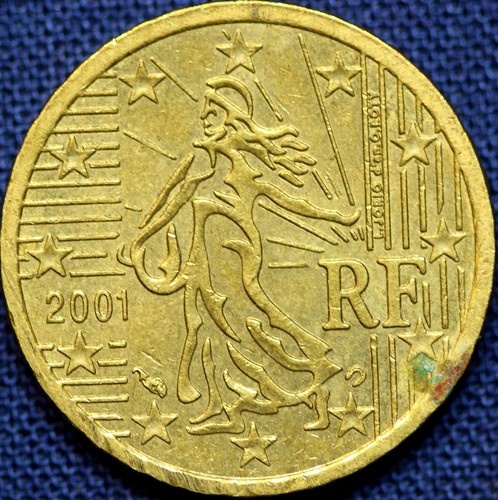
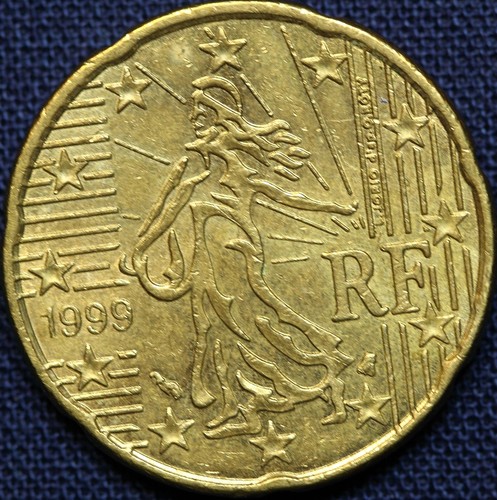
Eurozone (specific country not identifiable from image, but common design for all Eurozone members) · Not clearly visible, but these coins were first issued in 2002. The mint mark or year is typically on the national side (the side not shown).
The coin shows the common side of the 10 euro cent coin. It features a map of Europe (initially showing the 15 member states of the European Union prior to 1 May 2004, and since 2007, a geographical map of Europe) superimposed with 12 stars of the European flag. The denomination '10 EURO CENT' is prominently displayed.
- Denomination
- 10 Euro Cent
- Metal
- Nordic Gold (89% copper, 5% aluminium, 5% zinc, 1% tin)
This report is AI-generated and can be wrong. Always verify grade, authenticity, and value with a qualified dealer or certified grading service before buying, selling, or insuring.
Identify your own coins.
Get a report just like this from any photo, free.
Overview
Historical significance
Estimated value
Care & preservation
More like this
Other eurozone (specific country not identifiable from image, but common design for all eurozone members) coins
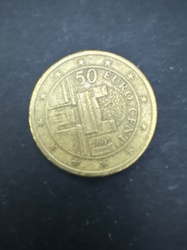
50 Euro Cent
Eurozone (specific country not identifiable from image, but common design) · 2003
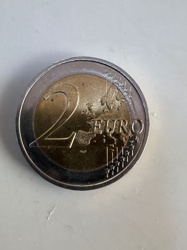
2 Euro Coin
Eurozone Member States (Common Reverse) · Various (since 2002)

2 Euro Coin
Eurozone (Various countries) · 2011
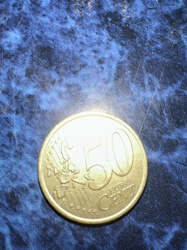
50 Euro Cent
Eurozone (specific country not identifiable from image, but often Germany, France, etc.) · Not visible in the image
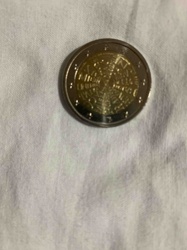
2 Euro Coin
Eurozone countries (specifically varies by year) · Varies (often issued annually)
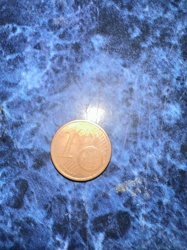
1 Euro Cent Coin
Eurozone (specific country not identifiable from image alone) · Not identifiable from image (date is on the other side)