
Coin Encyclopedia
Search and identify coins from around the world — with country, denomination, metal, mint, history, and how to tell them apart.
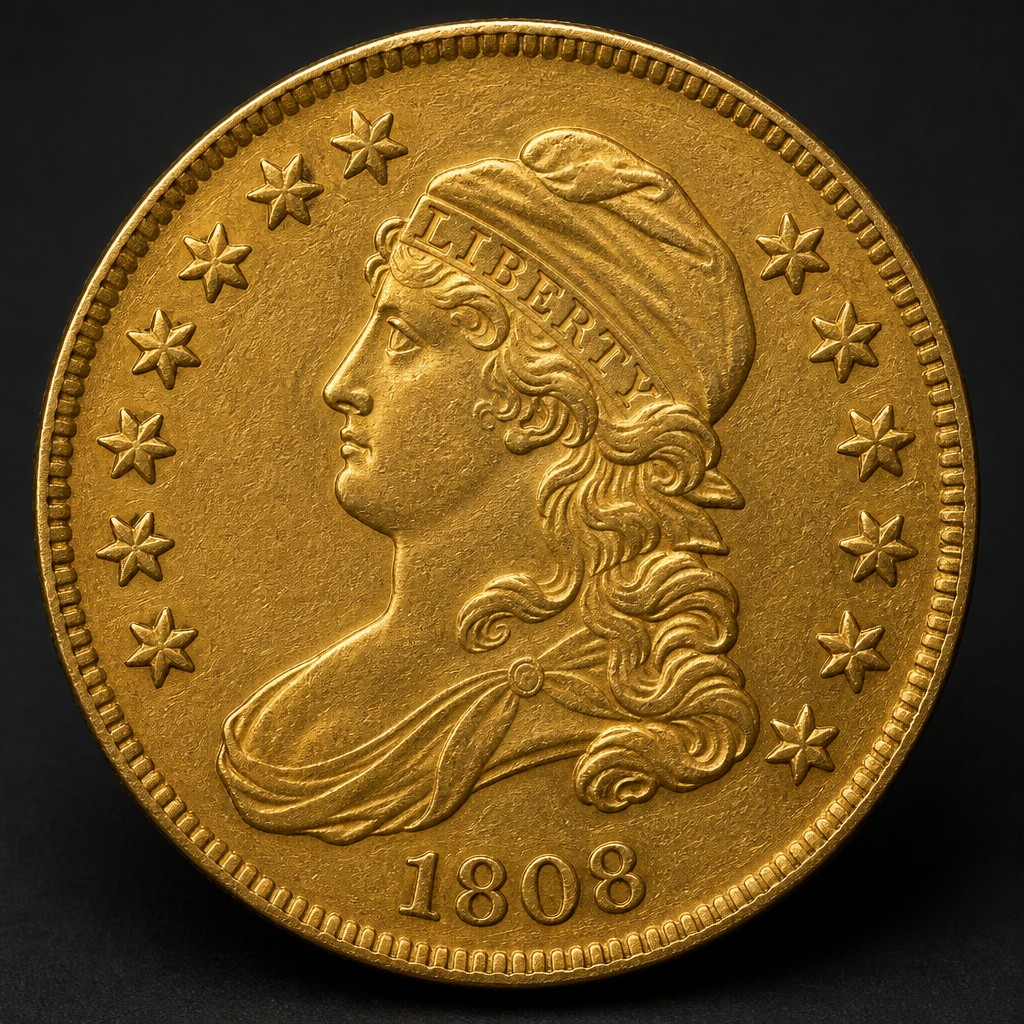
Capped Bust Quarter Eagle
An umbrella term for the earliest U.S. $2.50 gold coins (1796-1834), whose Liberty-in-a-cap portrait evolved through several sub-types, including the famous single-year 1808 issue.
United States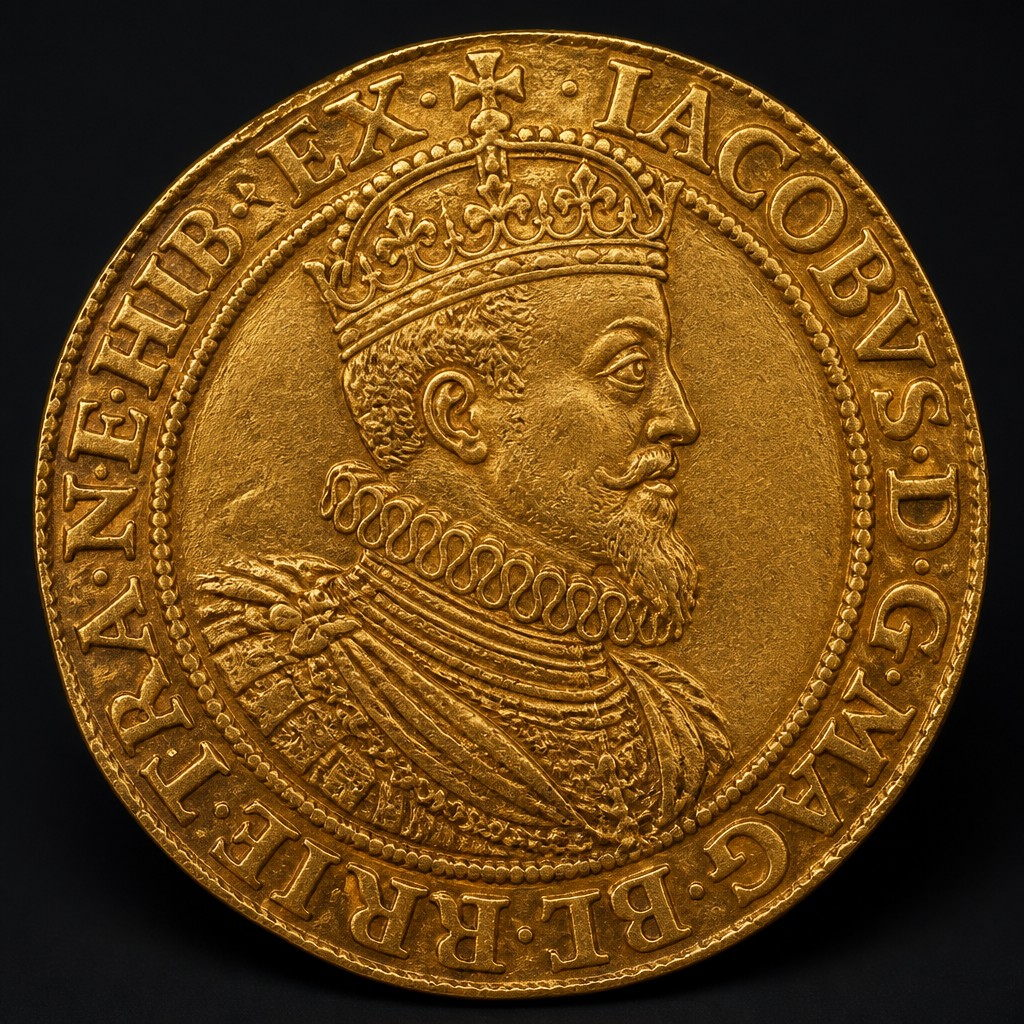
Half Crown Gold
A small gold coin worth half a gold crown, struck from the reign of Henry VIII through the English Civil War, distinct from the far more familiar silver half crown that circulated for centuries afterward.
British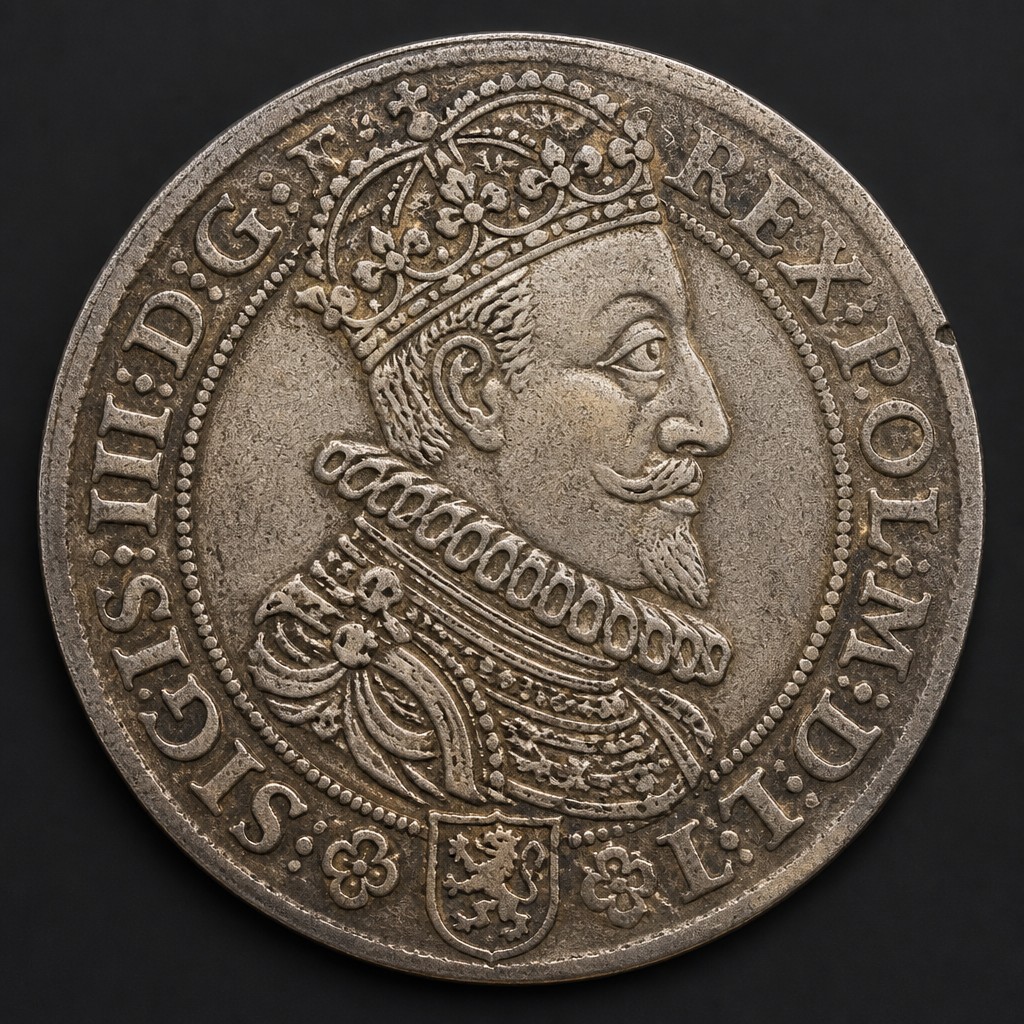
Polish-Lithuanian Thaler
The large silver trade coin of the Polish-Lithuanian Commonwealth, struck under successive kings from the 16th through 18th centuries, bearing royal portraits paired with the combined Polish eagle and Lithuanian Vytis arms.
European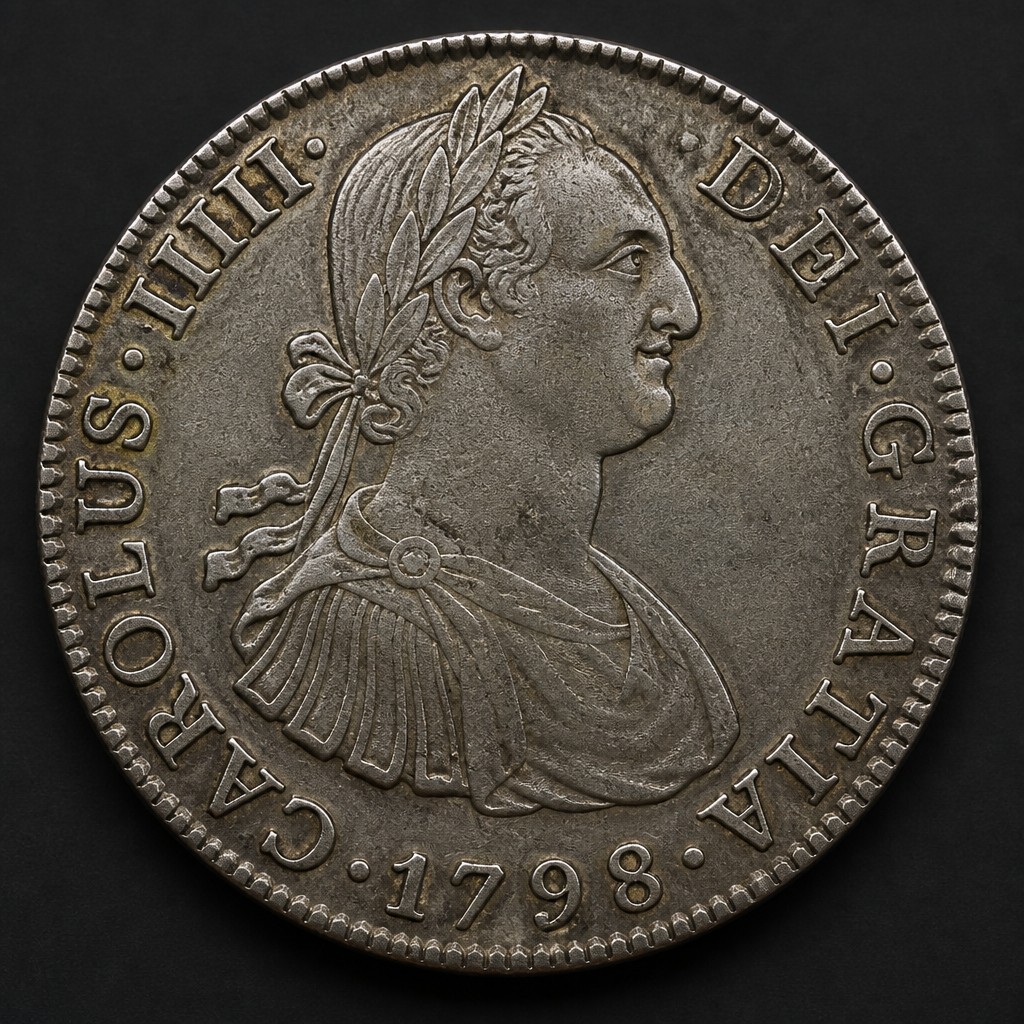
Spanish 4 Reales
A mid-value denomination of Spain's traditional real-based coinage, struck for centuries in both Spain and its American colonies.
European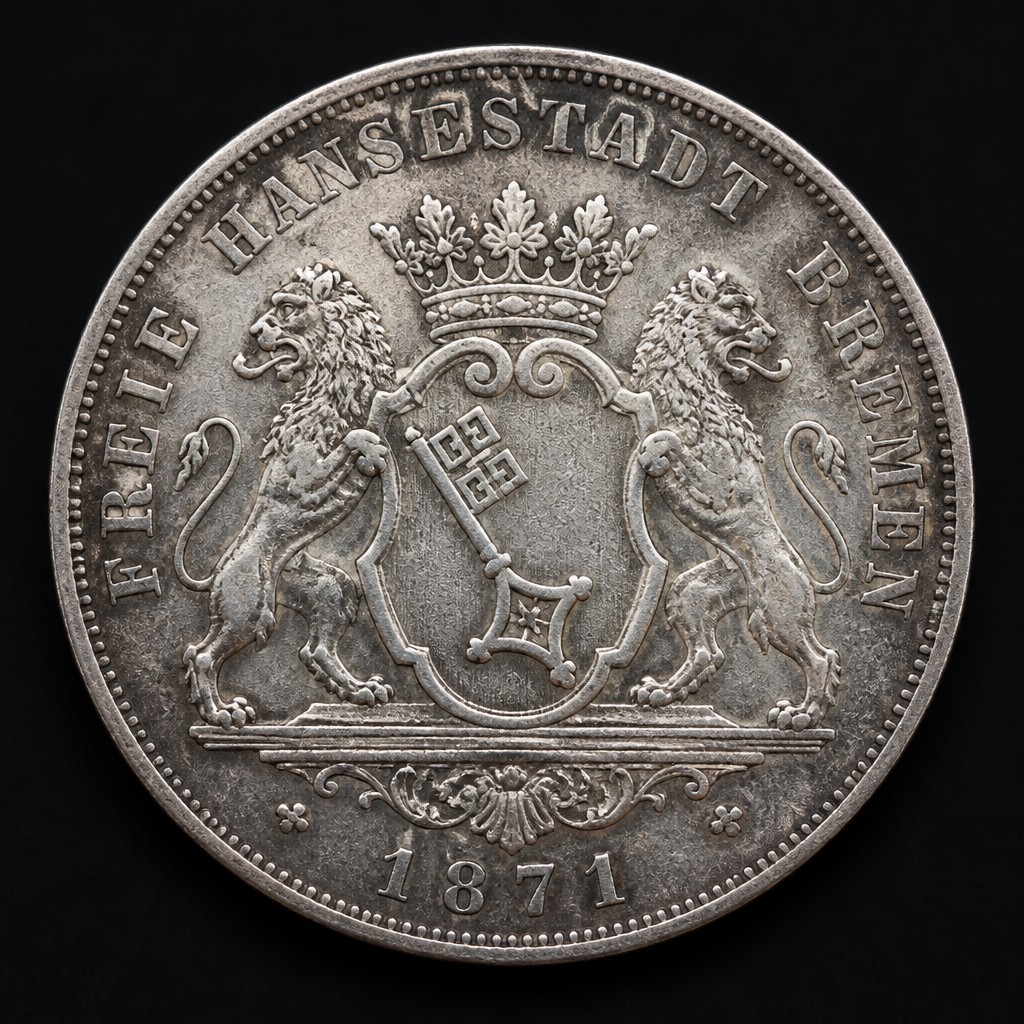
Bremen Thaler
A silver thaler of the free Hanseatic city of Bremen, typically featuring the city's key emblem, issued for centuries as an independent trading city's own coinage.
European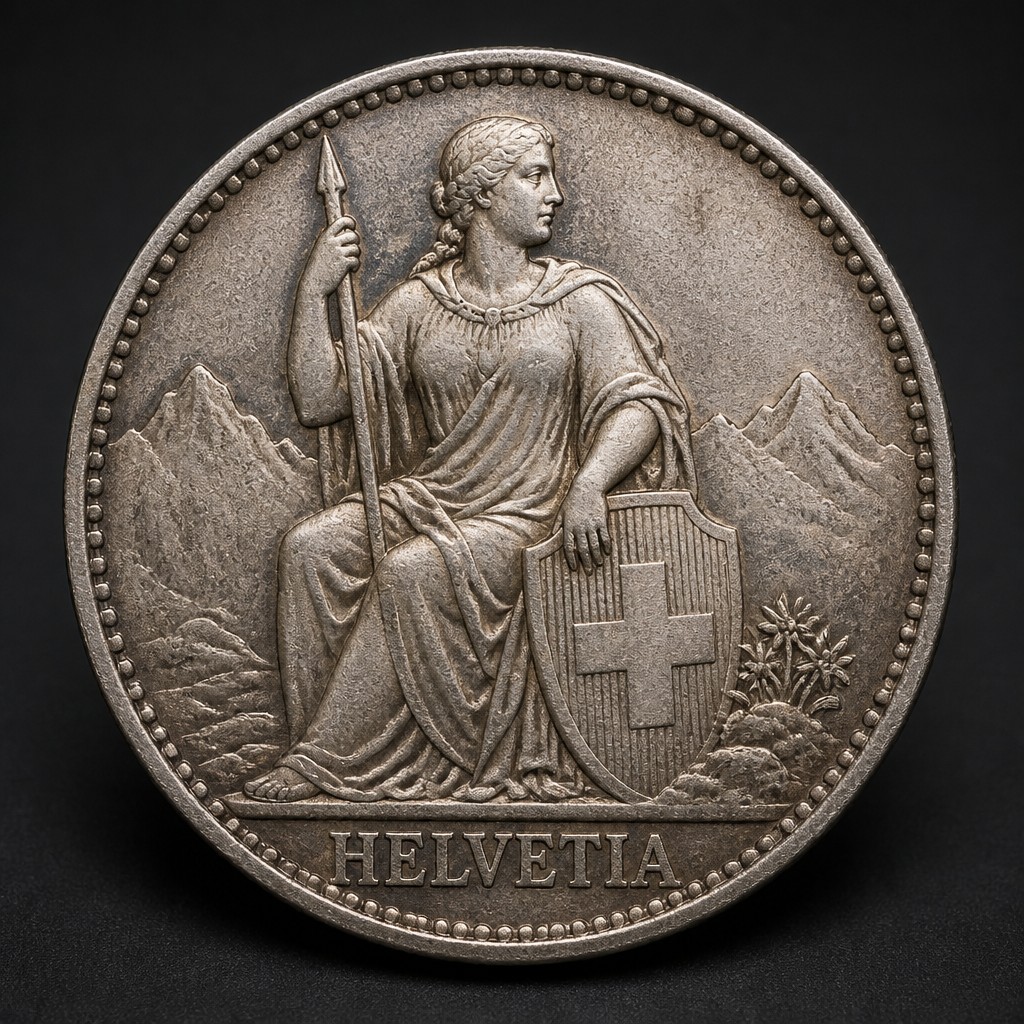
Swiss Franc (Helvetia Seated)
Switzerland's classic 19th-century silver coinage depicting a seated figure of Helvetia, the female personification of the Swiss nation.
European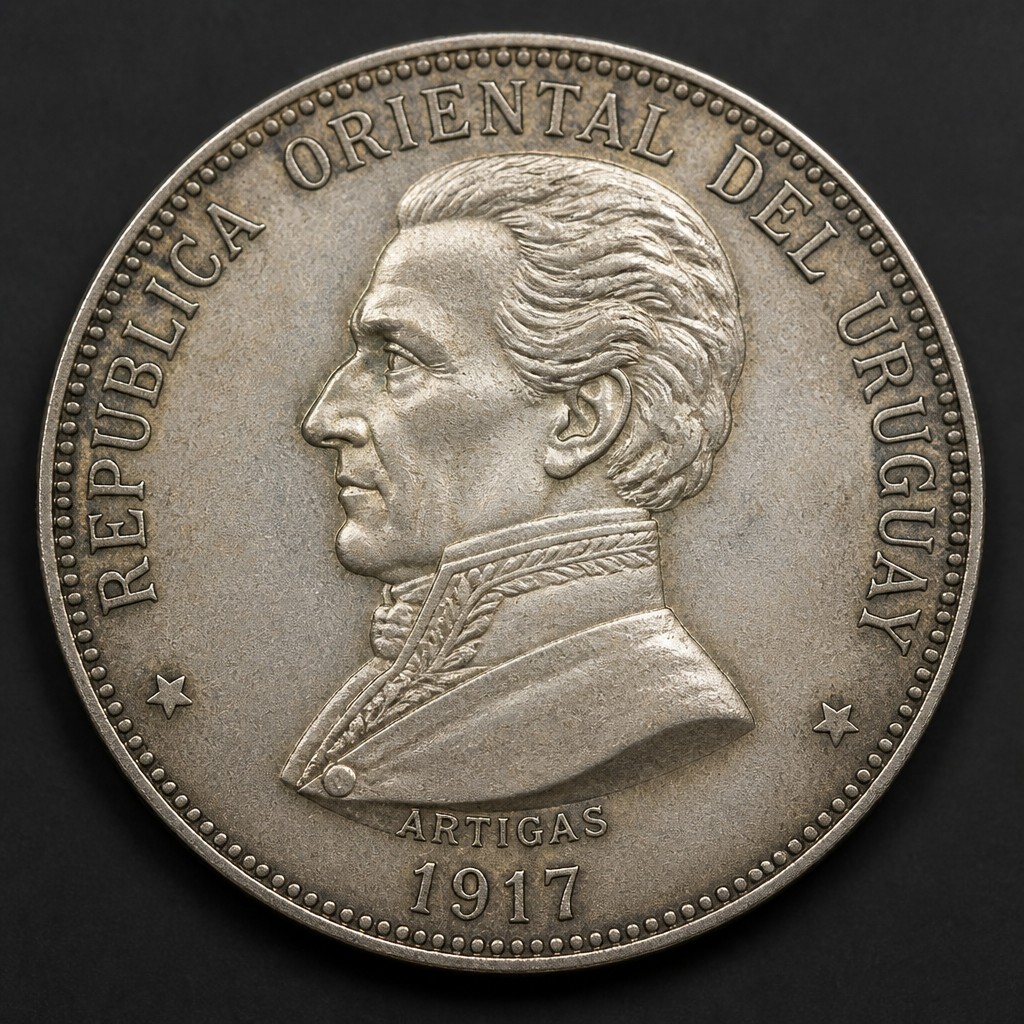
Uruguay Peso Silver 'Artigas'
A silver Uruguayan peso honoring national founding hero Jose Gervasio Artigas, struck in the early twentieth century as part of Uruguay's circulating coinage.
Latin American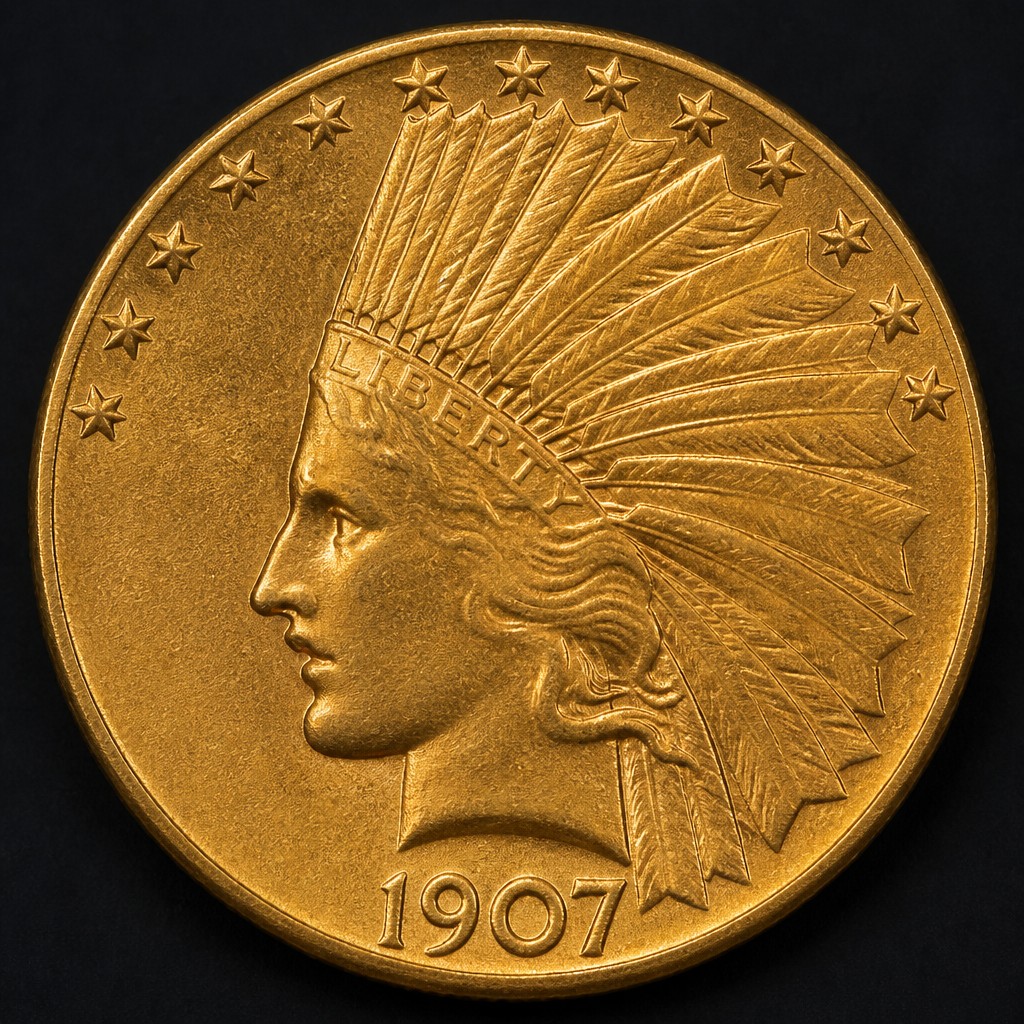
Indian Head Eagle ($10)
A striking early 20th-century gold eagle designed by Augustus Saint-Gaudens as part of President Theodore Roosevelt's push to beautify American coinage.
United States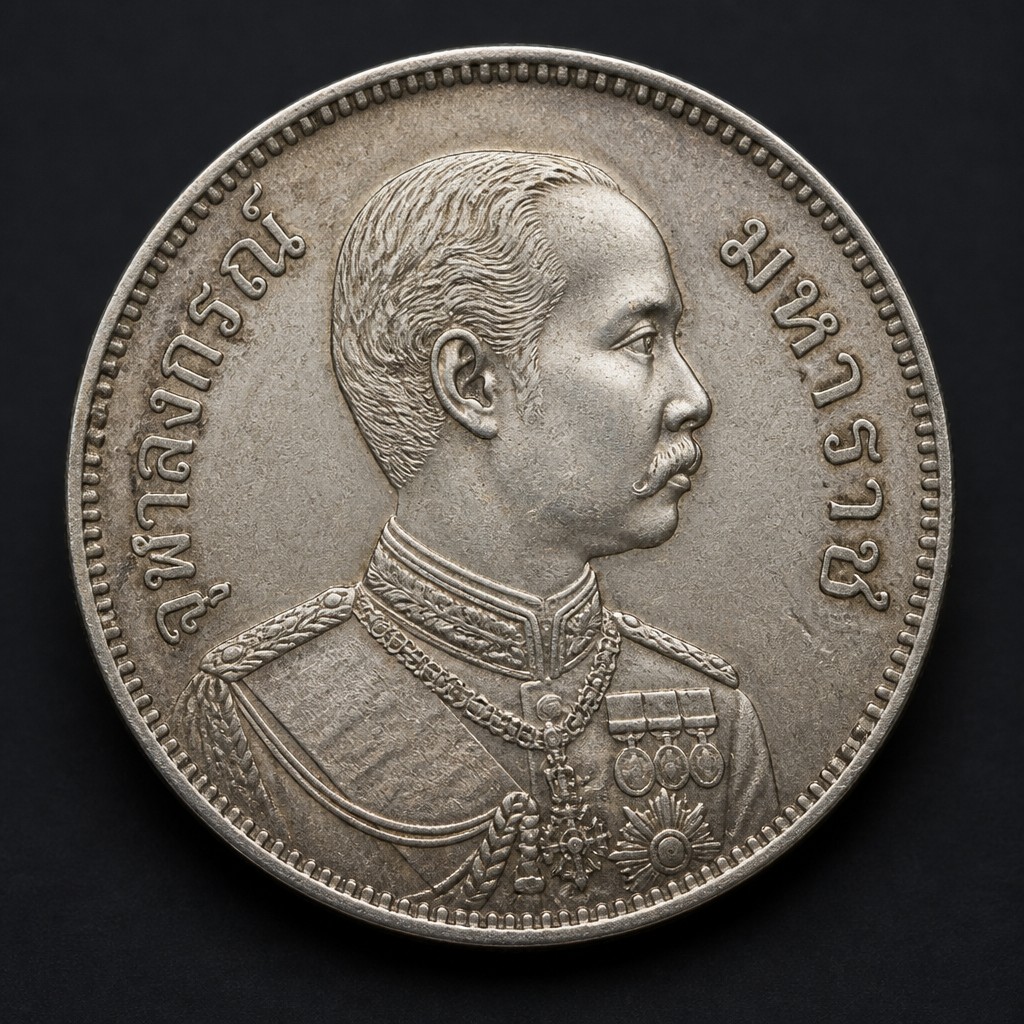
Siamese Rama V Silver Baht
Western-style silver baht introduced under King Chulalongkorn (Rama V) of Siam, replacing centuries-old bullet money with modern flat coinage.
Asian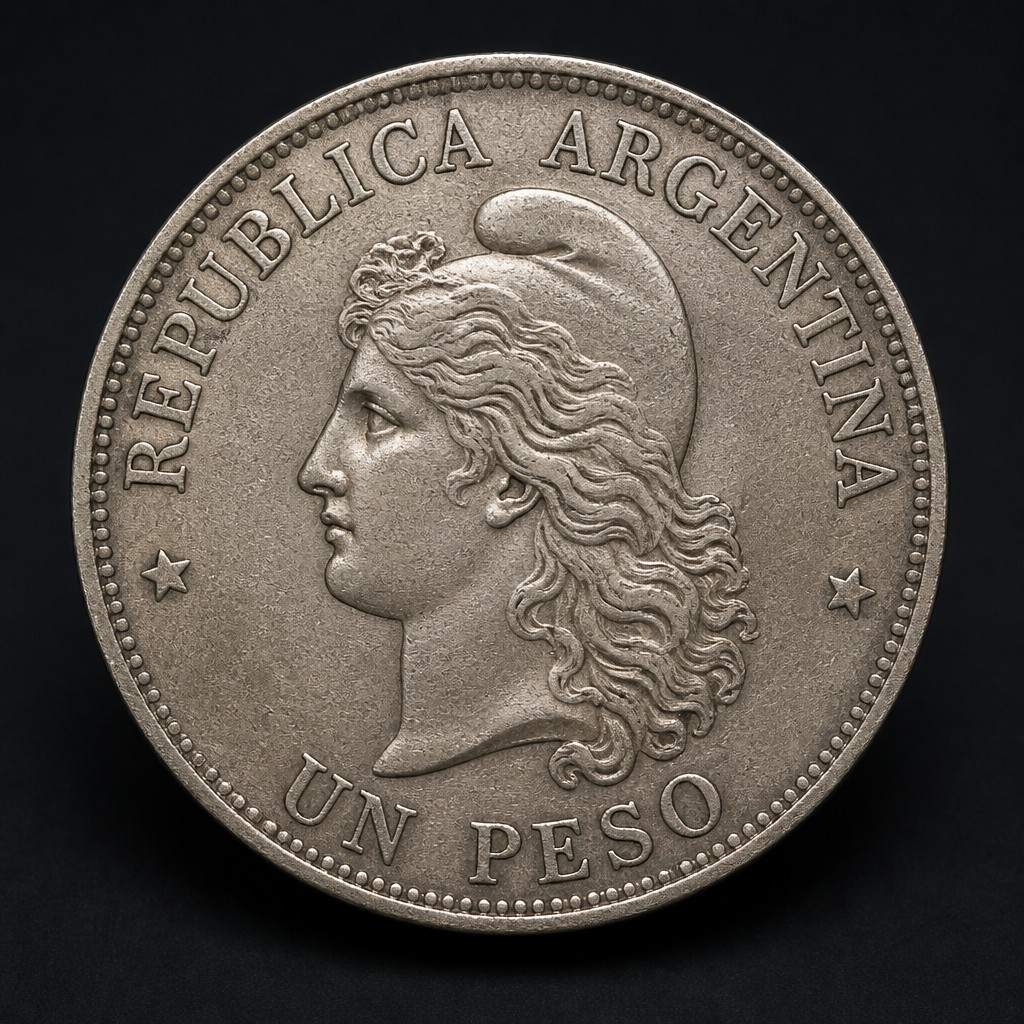
Argentine Peso Moneda Nacional (Patacón)
Argentina's long-standing peso moneda nacional coinage, informally nicknamed the patacón, formed the backbone of the country's currency from the 1880s well into the twentieth century.
Latin American