
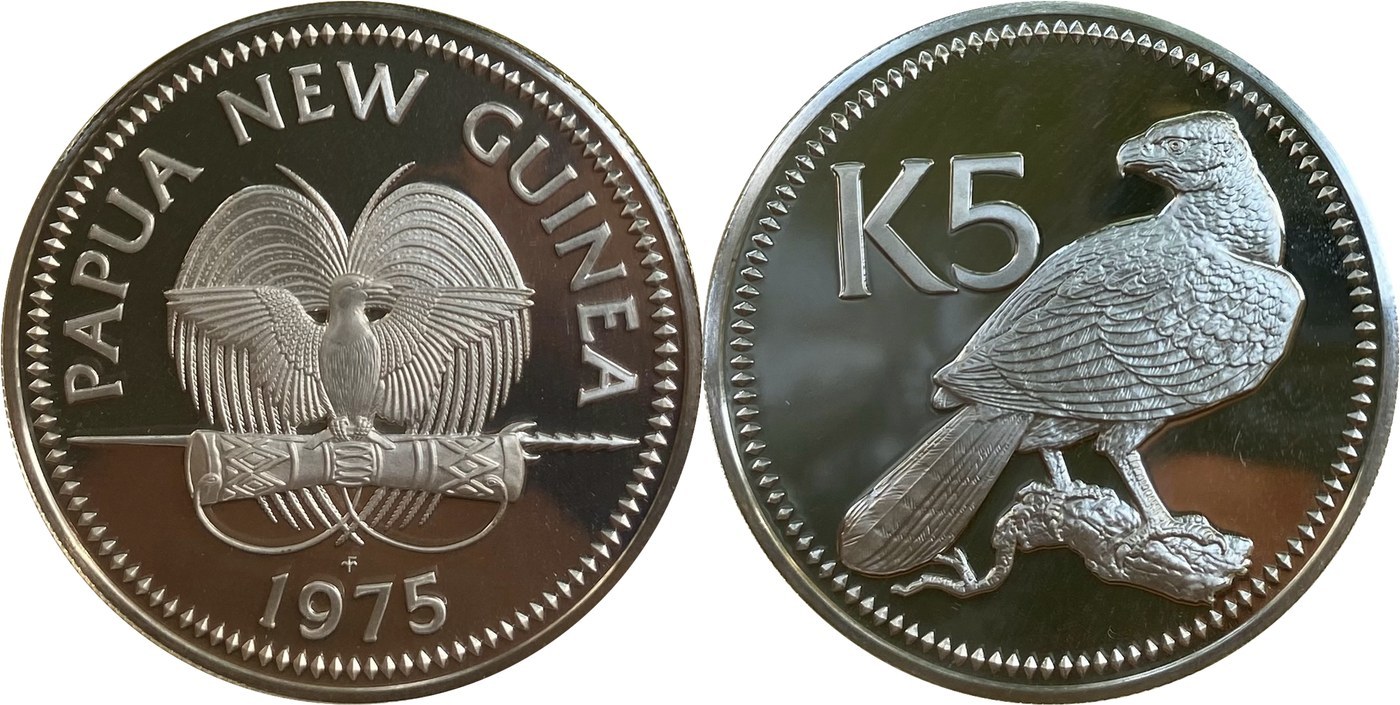
Papua New Guinea 5 Kina
Papua New Guinea's 1975 five-kina coin: Queen Elizabeth II in profile on the obverse, a bird-of-paradise with the K5 denomination on the reverse.
- Country
- Papua New Guinea
- Denomination
- 5 Kina
- Metal
- Cupronickel
Got a coin like this?
Identify any coin from a photo, free.
Overview
The Papua New Guinea 5 Kina is a large cupronickel coin denominated at five kina, the highest coin value of the country's first national coinage. This example is dated 1975 and pairs a right-facing profile of Queen Elizabeth II with the country name and date on the obverse against a bird-of-paradise design and the K5 denomination on the reverse.
Dated 1975, it belongs to the very first year of Papua New Guinea's own currency. As a large-diameter, heavy piece it functioned as the top denomination of the coin series rather than as everyday small change, and it is frequently encountered today by collectors of Pacific and Commonwealth coinage.
History & Background
Papua New Guinea introduced the kina and toea in 1975, replacing the Australian dollar as the country moved toward and then achieved independence on 16 September 1975. The new coinage was designed with strong national symbolism, and the five-kina piece anchored the top of the series.
Queen Elizabeth II remained head of state of Papua New Guinea after independence, and her profile on the obverse reflects the country's status within the Commonwealth. The bird-of-paradise on the reverse is the national emblem, appearing on the flag and coat of arms, and its use on this coin ties the piece directly to Papua New Guinea's identity in its founding year.
Because 1975 was the inaugural year of the kina, coins of this date carry particular significance as first-year issues of a national currency created at the moment of independence.
How to Identify
Start with the obverse: a right-facing profile portrait of Queen Elizabeth II accompanied by the country name and the date. This identifies both the issuing country and the year.
The reverse is the key diagnostic. It shows a bird-of-paradise—Papua New Guinea's national emblem—together with the denomination expressed as K5. The combination of the bird-of-paradise motif and the K5 value marks this as the five-kina coin rather than a lower denomination in the same series, which use different national fauna and motifs.
The coin is struck in cupronickel and is large in diameter and substantial in weight, consistent with a top-value circulation piece. Confirm the 1975 date, the K5 denomination, and the bird-of-paradise reverse together before identifying the coin.
Value & Collectibility
As a large first-year cupronickel coin, the Papua New Guinea 5 Kina carries modest collector value that depends heavily on condition. Circulated examples are common and trade for small premiums over face, while crisp uncirculated pieces and any proof-quality strikes command more.
Because 1975 was the inaugural year of the kina, well-preserved first-year examples are of interest to collectors of Pacific and Commonwealth coinage, but this remains an affordable, widely available issue rather than a rarity. Note that the coin also exists in silver commemorative versions from the same era; a cupronickel circulation strike and a silver commemorative are valued differently, so confirm the metal before comparing prices.
For a specific coin, check recent dealer and auction results for the matching metal, grade, and finish rather than relying on face value alone. Original surfaces, absence of cleaning, and problem-free condition add to desirability.
Frequently asked questions
Why does a Papua New Guinea coin show Queen Elizabeth II?
Papua New Guinea became independent in 1975 but remained within the Commonwealth with Queen Elizabeth II as head of state, so her profile appears on the obverse alongside the country name and date.
What bird is on the Papua New Guinea 5 Kina?
A bird-of-paradise, Papua New Guinea's national emblem. It also appears on the country's flag and coat of arms, and it is paired with the K5 denomination on the reverse.
Is the 1975 date significant?
Yes. 1975 was the first year of the kina currency and the year Papua New Guinea achieved independence, making dated-1975 coins first-year issues of a new national currency.
Is this coin made of silver?
This example is cupronickel, a base-metal alloy used for circulation strikes. Silver commemorative versions of the five-kina exist from the same era, so it is worth confirming the metal of any specific coin.
Papua New Guinea 5 Kina guides
In-depth guides for identifying, valuing, and collecting Papua New Guinea 5 Kina.
Other coins you may enjoy
5 Francs (First Republic)
L'an 9 (1800–1801)
Trinidad and Tobago Dollar
2015
German 5 Reichsmark (Hindenburg)
1935–1936 (Hindenburg type with swastika)
5 Francs Semeuse
1960–1969
French Cérès 1 Franc
1849–1895
French Semeuse 2 Francs
1898–1920 (silver issues; pictured example dated 1899)
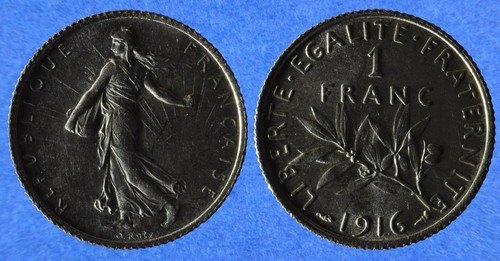
French Semeuse 1 Franc
1898–1920 (silver Semeuse 1 franc type)
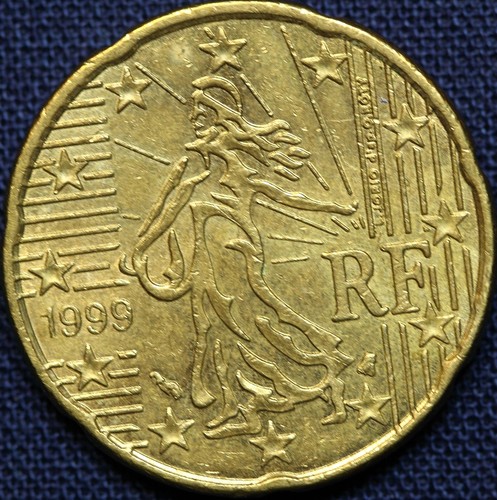
France 50 Cent Euro
1999–present
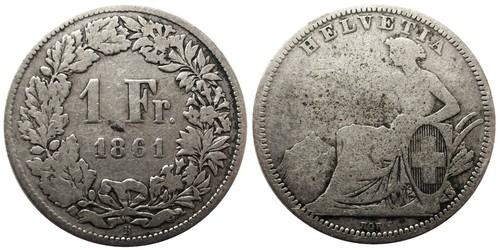
Swiss 1 Franc
1861
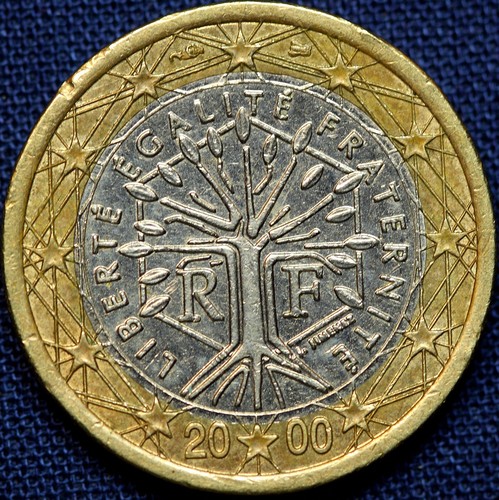
France 20 Centimes
1962–2001 (Fifth Republic, Marianne / Lagriffoul type)
Swiss 2 Francs
1860
Austria-Hungary 15 Kreuzer
1807