
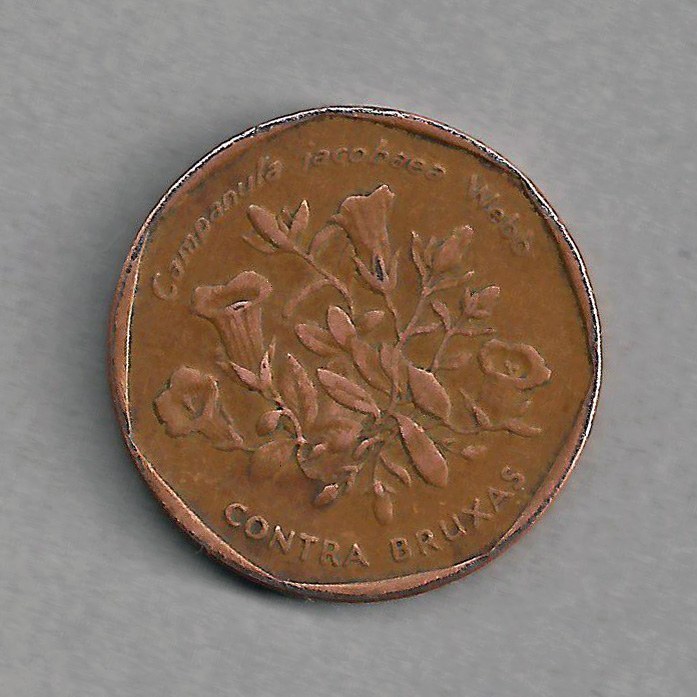
Cape Verde 5 Escudos
A small brass-toned Cape Verde circulation coin whose botanical face depicts the endemic Campanula jacobaea flower with legends around the rim.
- Country
- Cape Verde
- Denomination
- 5 Escudos
- Metal
- Copper/Bronze
Got a coin like this?
Identify any coin from a photo, free.
Overview
The Cape Verde 5 escudos is a low-value modern circulation coin from the Republic of Cape Verde (Cabo Verde), an island nation off the West African coast. It belongs to a distinctive coinage series in which the Banco de Cabo Verde chose to celebrate the archipelago's native plants and animals rather than portraits of rulers or heads of state.
As seen on this coin, the botanical face carries a rendering of the flowering plant Campanula jacobaea, a species associated with Cape Verde, with lettering arranged around the rim. The coin is small, light, and struck in a copper-toned base-metal alloy that gives it a warm brass or bronze appearance rather than the pale look of nickel or steel coins.
Because it is a working piece of everyday small change, the 5 escudos was produced for circulation and is encountered today mostly in worn condition. It reflects Cape Verde's post-independence identity, using natural heritage as the visual theme of its money.
History & Background
Cape Verde was a Portuguese colony for centuries and continued to use the escudo, a currency inherited from Portugal, after gaining independence in 1975. The escudo is subdivided into 100 centavos, and its value has historically been modest, which keeps small coins such as the 5 escudos in the lower tier of the denomination range.
During the 1990s the Banco de Cabo Verde issued a widely recognized series of circulation coins built around a flora and fauna theme, depicting endemic and characteristic species of the islands, including birds, sea life, and plants. The 5 escudos with its botanical Campanula jacobaea design is part of this nature-focused program, which gave Cape Verdean coinage a strong and cohesive identity distinct from its former colonial coinage.
As a small denomination struck for daily commerce, the coin was produced in quantity for general circulation. It is a modern base-metal issue rather than a scarce historical rarity, and surviving examples are common across the range of grades from heavily worn to uncirculated.
How to Identify
The clearest identifier is the combination of the numeral and the plant. One face shows the flowering plant with the value, while lettering including the country name (Cabo Verde) and the botanical or denomination legends runs around the rim. The bold 5 separates it from the other values in the same nature series, such as the 1 escudo and higher escudo pieces.
The coin is small and lightweight, struck in a copper-toned brass or bronze alloy that gives it a golden-brown color. This warm metallic tone is a useful check against the paler cupro-nickel or steel coins of the same era, and it typically will not respond strongly to a magnet.
Look for the year of striking among the legends to place the coin within the flora and fauna series. Because Cape Verdean coins prominently name the country in Portuguese as CABO VERDE, that inscription reliably distinguishes it from similar small brass coins of other African or Lusophone nations.
Value & Collectibility
The Cape Verde 5 escudos is a common, low-face-value circulation coin, and most examples are worth only a small amount above their tiny monetary value. Well-worn pieces are usually sold inexpensively as world-coin filler, often for well under a dollar.
Condition is the main driver of any premium. Bright, uncirculated examples with full detail on the flower and legends can bring a modest amount more from collectors of Cape Verdean or thematic flora and fauna coinage, but values generally remain in the low single-dollar range.
Because these coins were made for circulation and are readily available, treat any figure as a rough guide. Check a specific date and grade against recent world-coin listings, since condition and the appeal of the nature theme, rather than rarity, set the modest prices these coins command.
Frequently asked questions
What plant is shown on the Cape Verde 5 escudos?
The botanical face depicts Campanula jacobaea, a flowering plant associated with Cape Verde. It is part of the country's flora and fauna coin series that celebrates the archipelago's native species.
What metal is the Cape Verde 5 escudos made of?
It is a base-metal coin with a copper-toned brass or bronze appearance, giving it a warm golden-brown color. It is not made of silver or any precious metal.
Is the Cape Verde 5 escudos valuable?
Usually only modestly. It is a common modern circulation coin worth little beyond face value, though clean uncirculated examples can bring a small premium from collectors of Cape Verdean coinage.
What currency does Cape Verde use?
Cape Verde uses the escudo, subdivided into 100 centavos, a currency inherited from Portugal and retained after independence in 1975. The 5 escudos is one of its small circulation denominations.
How do I tell it apart from other African brass coins?
Look for the country name CABO VERDE in the rim legend and the distinctive flower design with the numeral 5. Those two features together identify it within the flora and fauna series.
Cape Verde 5 Escudos guides
In-depth guides for identifying, valuing, and collecting Cape Verde 5 Escudos.
Other coins you may enjoy
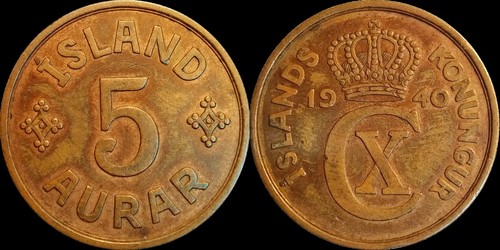
5 Aurar
1926-1942
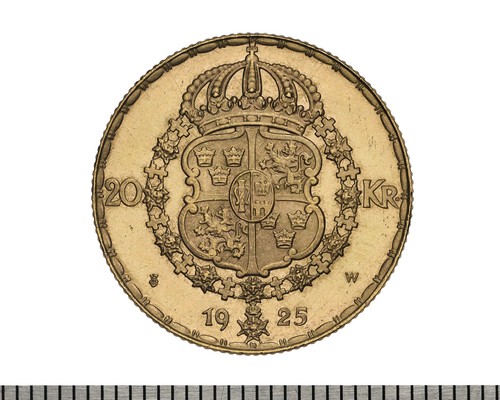
20 Kronor
1925 (denomination struck 1873-1925)
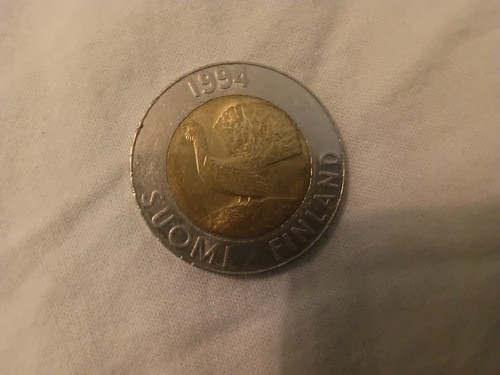
10 Markka
1993–2001
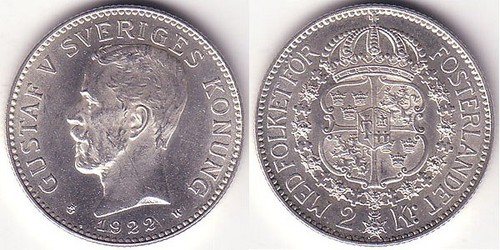
2 Kronor
1910-1940 (this example dated 1922)
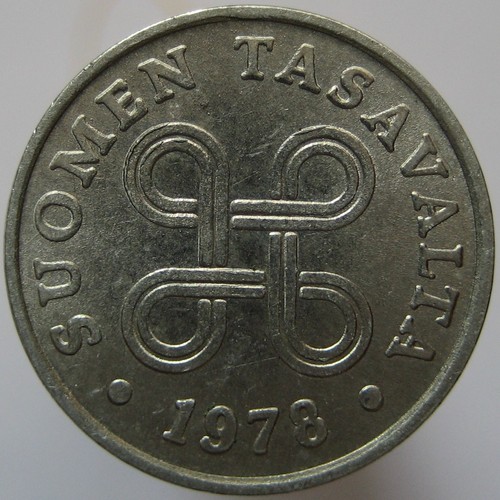
1 Penni
1969–1979
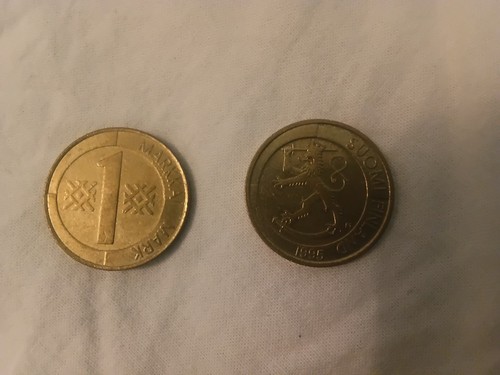
1 Markka
1993–2001
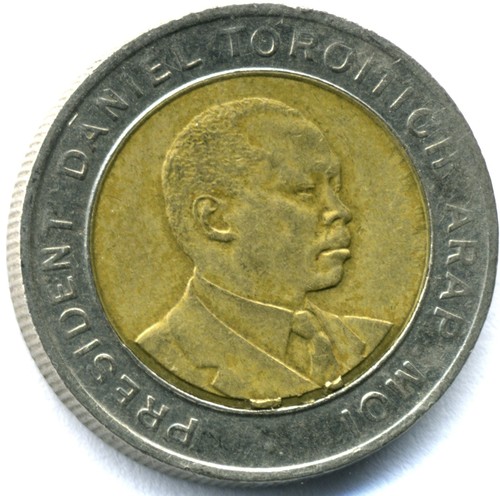
Kenya 5 Shillings
Bimetallic issues (2005–2010)
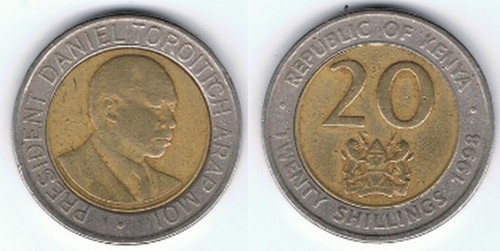
Kenya 20 Shillings
Modern issue (late 1990s–2000s)
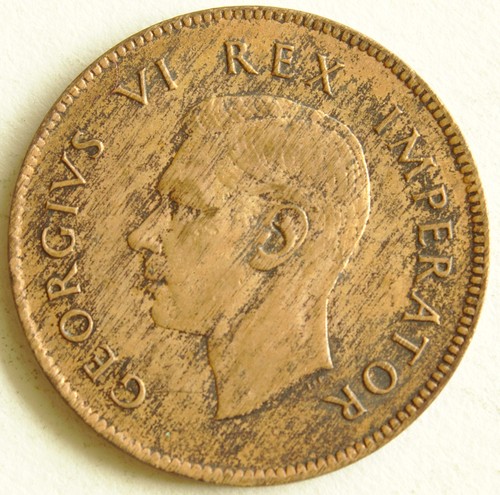
South Africa Farthing
1923-1960
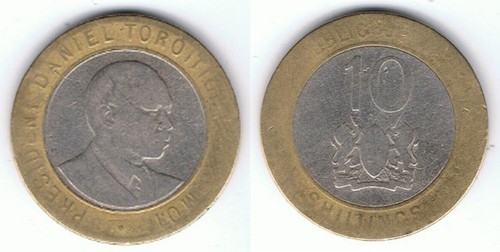
Kenya 10 Shillings
Republic of Kenya, bimetallic issues (mid-1990s to c. 2010)
Gold Sovereign
1817–present
Henri V Five Francs
1831