
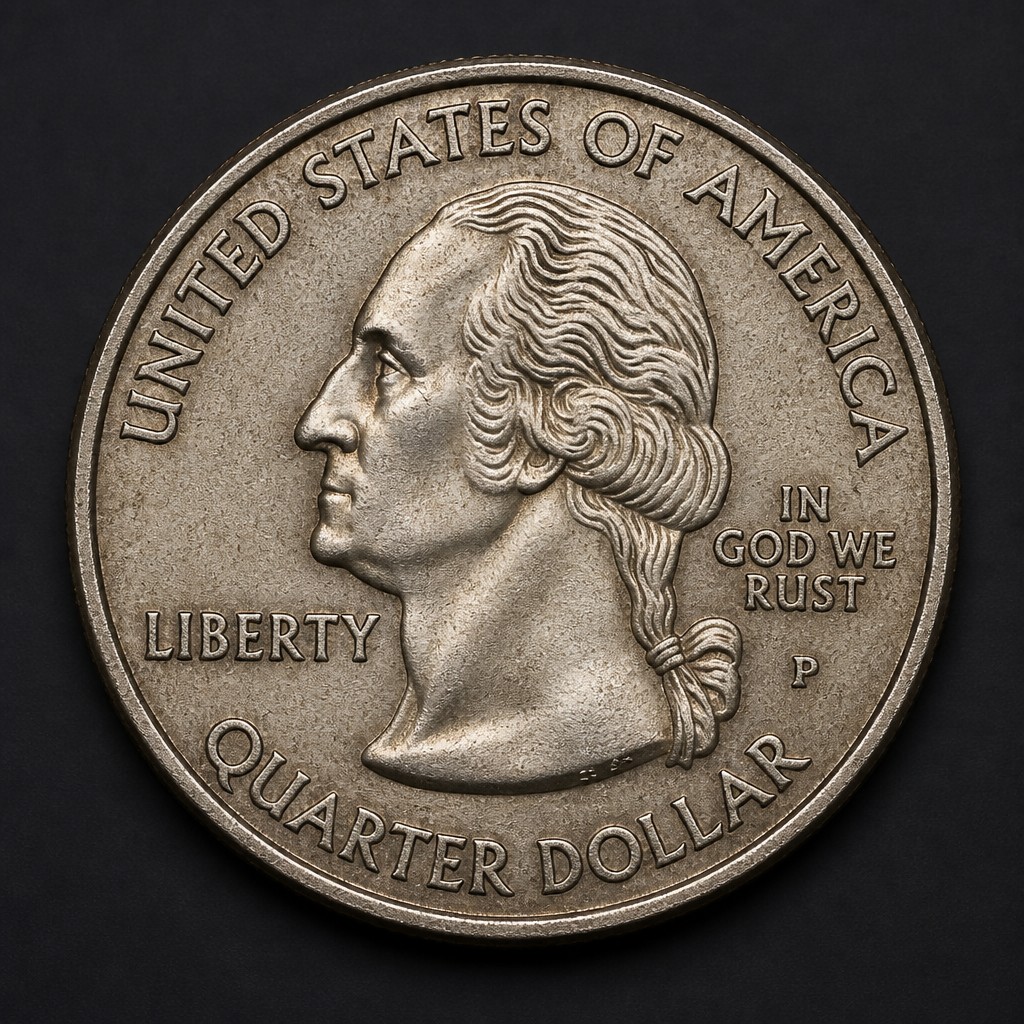
2005 Kansas State Quarter In God We Rust
A popularly nicknamed error on the 2005 Kansas state quarter in which a filled or damaged die caused the T in TRUST to appear missing, making the motto read 'IN GOD WE RUST.'
- Country
- United States
- Denomination
- 25 cents
- Metal
- Copper-nickel clad
Got a coin like this?
Identify any coin from a photo, free.
Overview
The 2005 Kansas quarter, part of the 50 State Quarters program, became widely known among collectors and the general public for an amusing die error that caused the T in TRUST to appear cut off or missing on the obverse motto, making it read as though it says 'IN GOD WE RUST.' The catchy nickname helped the coin attract attention well beyond typical numismatic circles.
The error is generally attributed to grease or debris filling part of the die, or to a small chip or gouge in the die itself, either of which can prevent a design element from striking fully onto the coin. It is considered a minor die error rather than a design change, but its humorous appearance has made it one of the more popular novelty errors from the State Quarters program.
Because the error likely arose from an easily correctable die issue, its severity varies among examples, with some coins showing only a partially weak T and others showing it almost completely missing.
History & Background
The 50 State Quarters program ran from 1999 through 2008, and Kansas's 2005 quarter featured a reverse design showing a bison and sunflowers, both meaningful state symbols. During production of the standard obverse motto IN GOD WE TRUST, a die affected by grease buildup or minor damage caused some coins to strike with an incomplete or missing T in TRUST.
Collectors noticed the unusual appearance shortly after release, and the coin quickly gained a wider following once the 'In God We Rust' nickname spread through hobby publications and general media coverage, amused by the accidental resemblance to a different word.
While not as structurally significant as design-based errors like the Wisconsin extra leaf, the Kansas 'In God We Rust' quarter has remained one of the most recognized and searched-for die errors of the entire State Quarters series due to its memorable and easily explained visual quirk.
How to Identify
The obverse carries the standard Washington portrait with IN GOD WE TRUST above and the date and mint mark below, while the reverse depicts a bison and sunflowers with KANSAS and related inscriptions.
On error examples, the T in TRUST appears weak, thin, or in more pronounced cases nearly absent, giving the appearance that the motto reads 'IN GOD WE RUST.' The strength of the effect varies from coin to coin depending on how much the die was affected by grease or damage at the time of striking, so examples should be compared to confirm the degree of the missing T.
Because the underlying cause is generally believed to be a filled or minorly damaged die rather than a deliberate design change, collectors should look for a genuinely incomplete or thinned T rather than mistaking normal wear or poor strikes on ordinary coins for the recognized error.
Value & Collectibility
The 'In God We Rust' Kansas quarter typically brings a modest to moderate premium over a standard Kansas quarter, with pricing generally influenced by how dramatic the missing T appears and by overall coin condition; stronger, more complete versions of the error tend to bring higher prices than examples with only slight weakness.
Because the coin was produced in significant numbers relative to some other famous state quarter errors, values tend to be more modest than for scarcer errors like the Wisconsin extra leaf, though well-certified, dramatic examples can still command solid collector interest.
Frequently asked questions
Why does the quarter appear to say 'IN GOD WE RUST'?
A filled or damaged die caused the T in TRUST to strike weakly or not at all on some coins, creating the appearance of a missing letter.
Is this a design change or an error?
It is a minor die error, likely caused by grease buildup or slight die damage, not an intentional design alteration.
How valuable is this error?
It generally commands a modest to moderate premium over a normal Kansas quarter, with stronger, more visible examples worth more than subtle ones.
Which mints produced this error?
Examples are known from coins struck for circulation during 2005, and collectors should check both Philadelphia and Denver strikes when searching for the variety.
Other coins you may enjoy
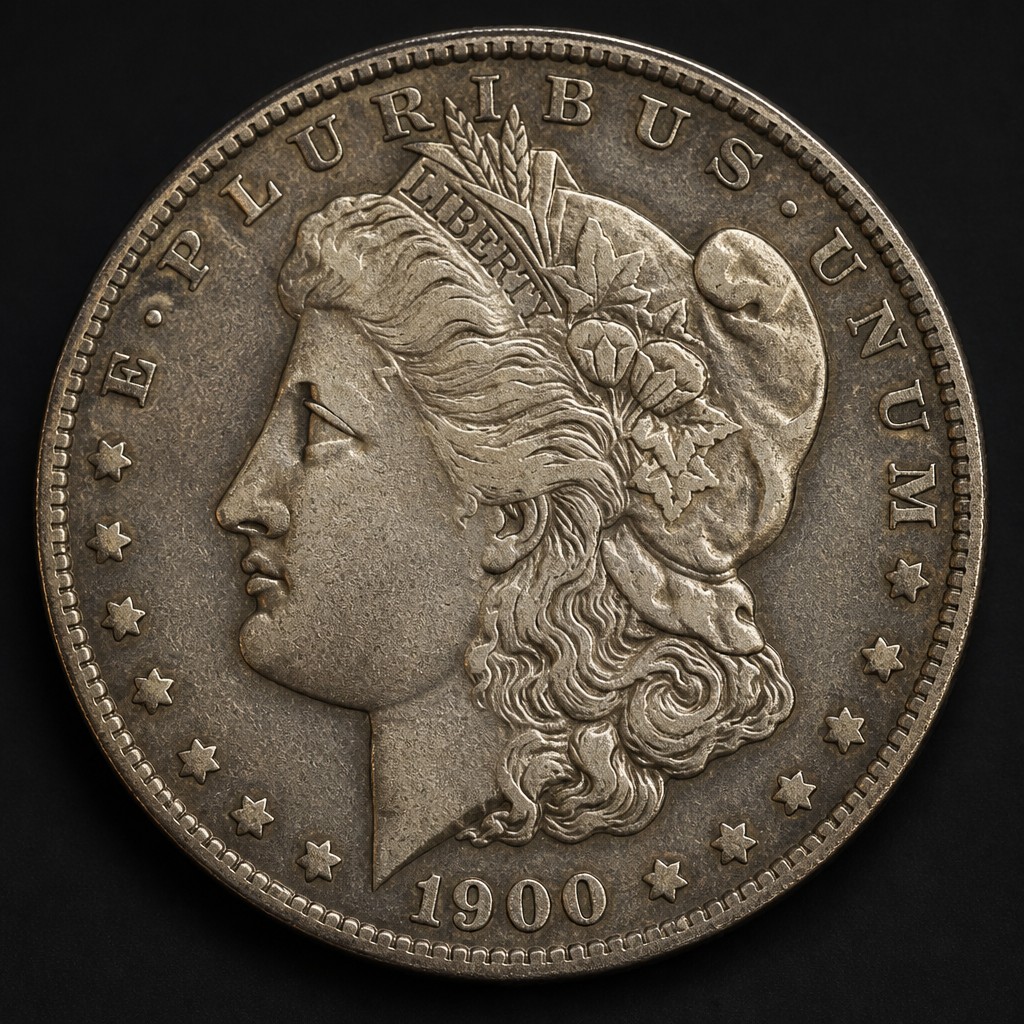
1900-O/CC Morgan Dollar
1900
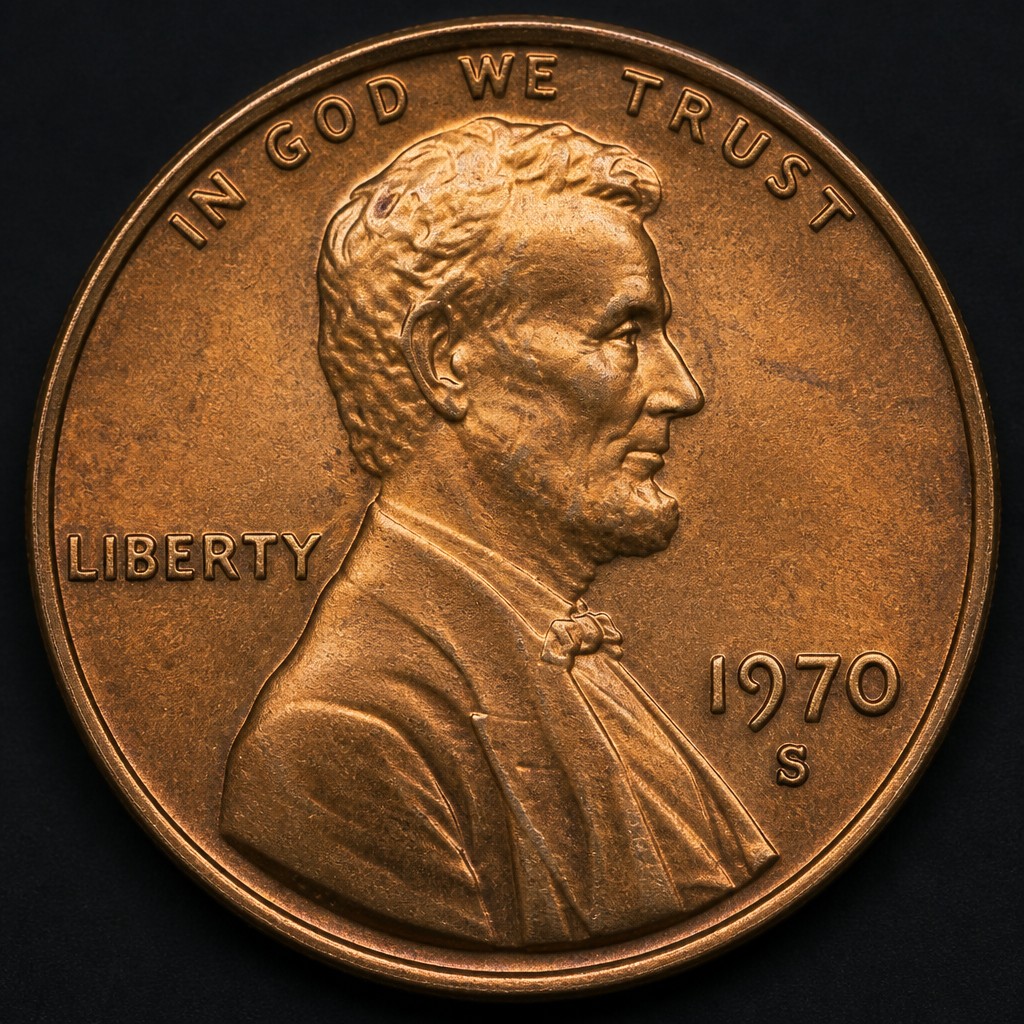
1970-S Small Date Lincoln Cent
1970
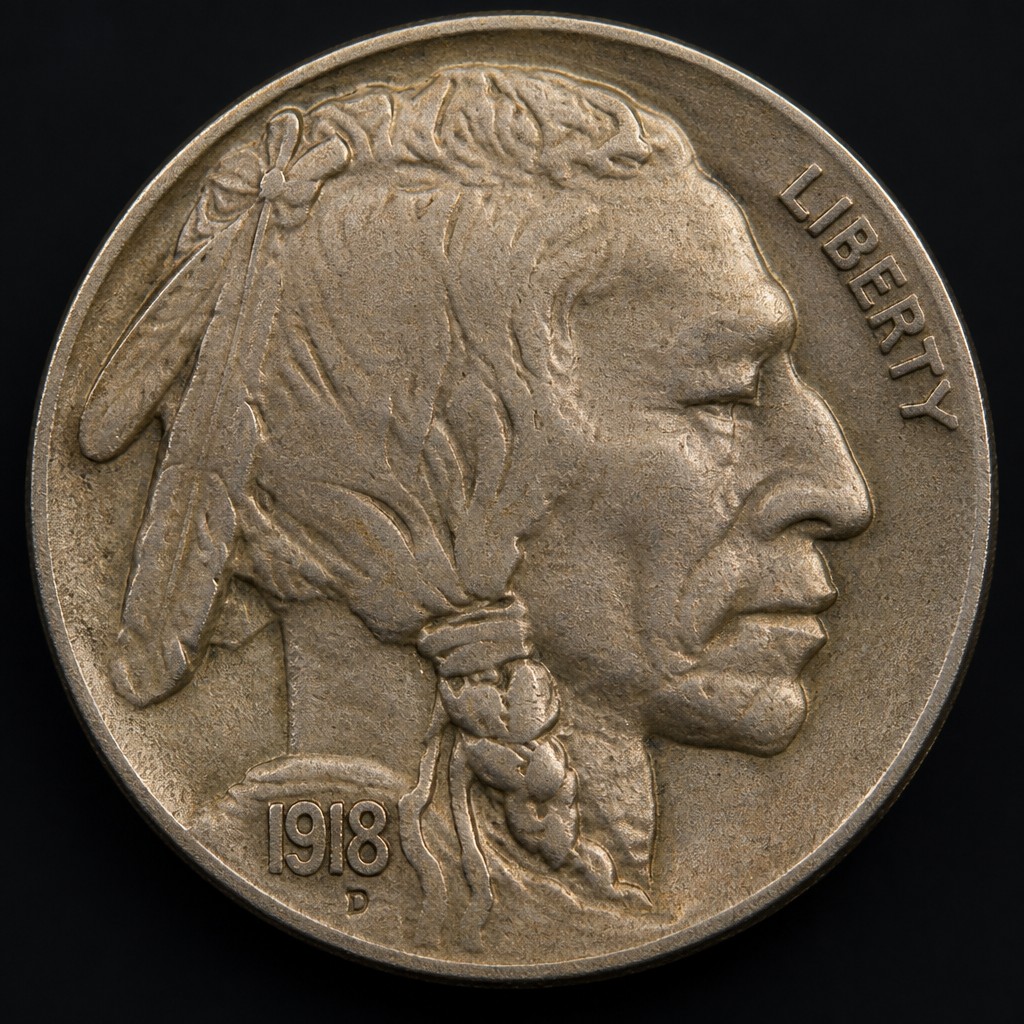
1918/7-D Buffalo Nickel
1918
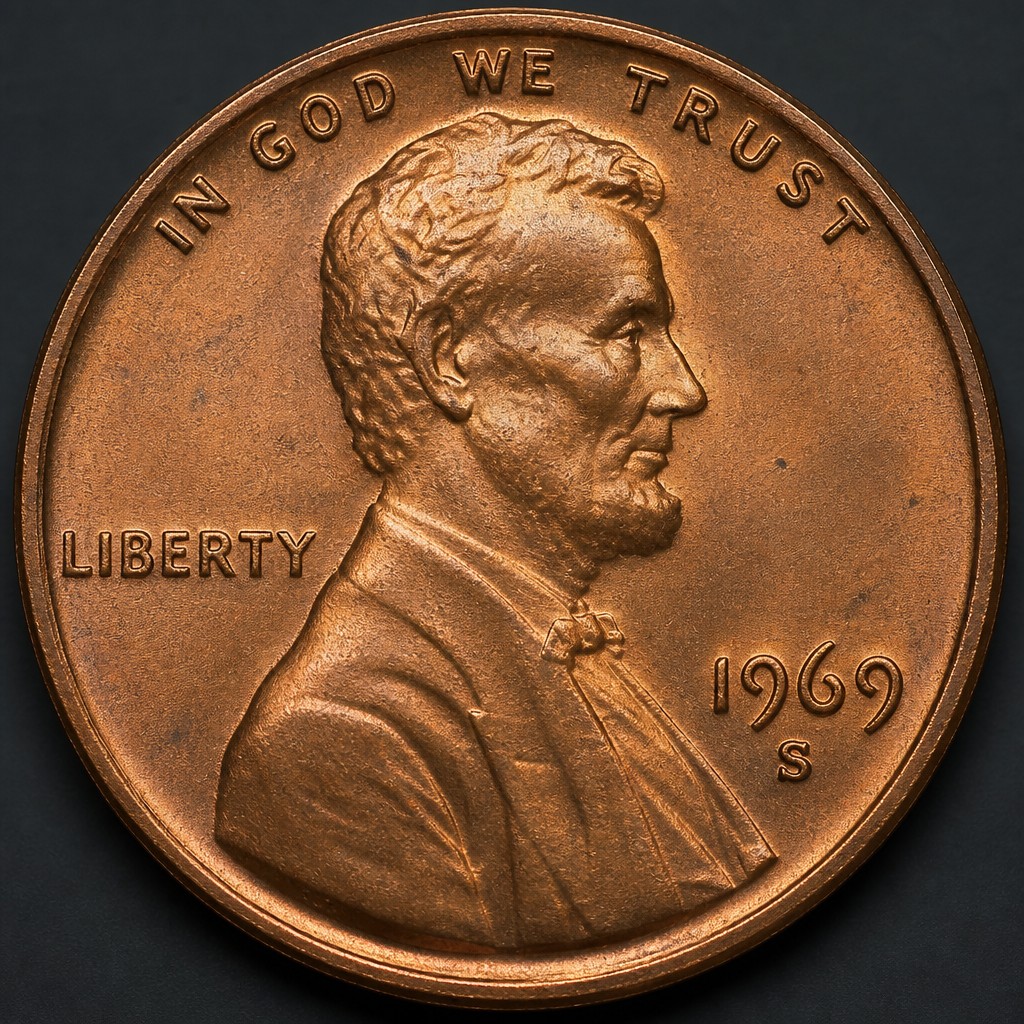
1969-S Doubled Die Obverse Lincoln Cent
1969
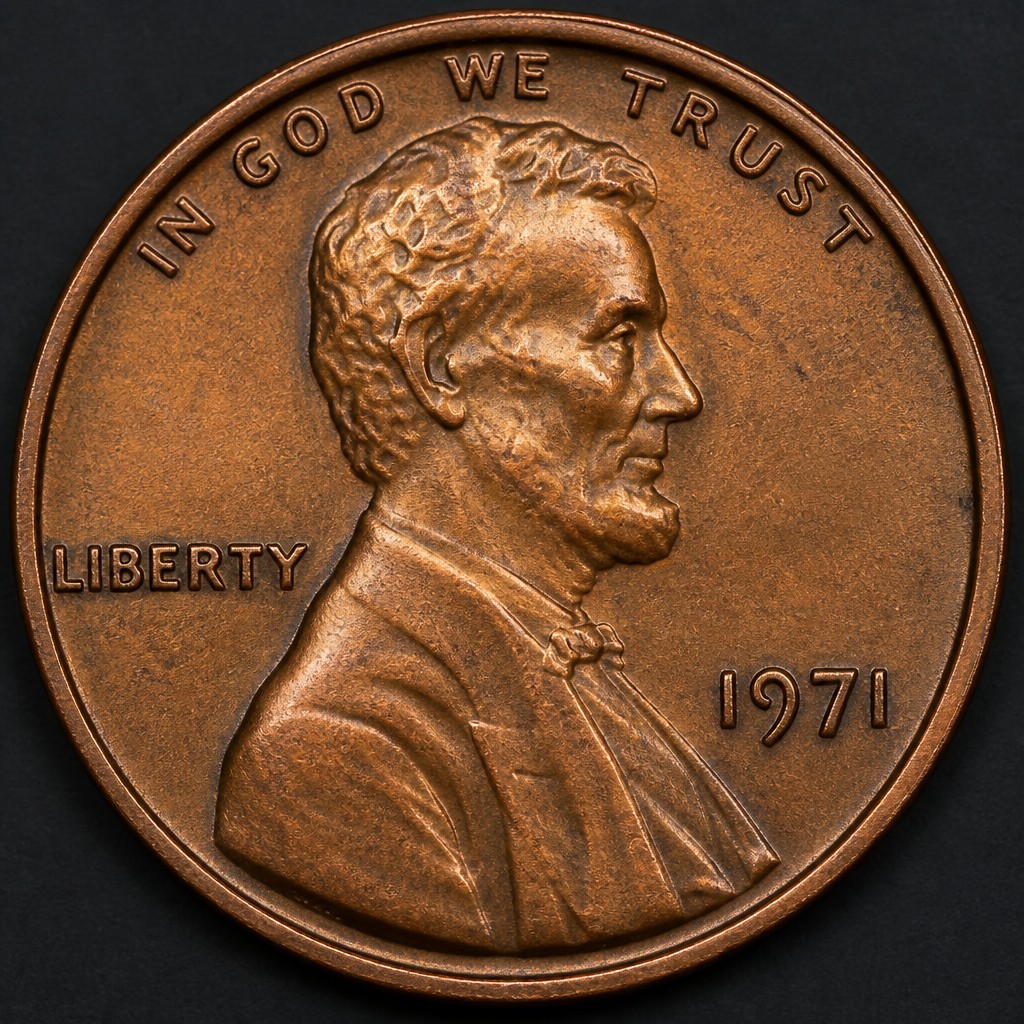
1971 Doubled Die Obverse Lincoln Cent
1971
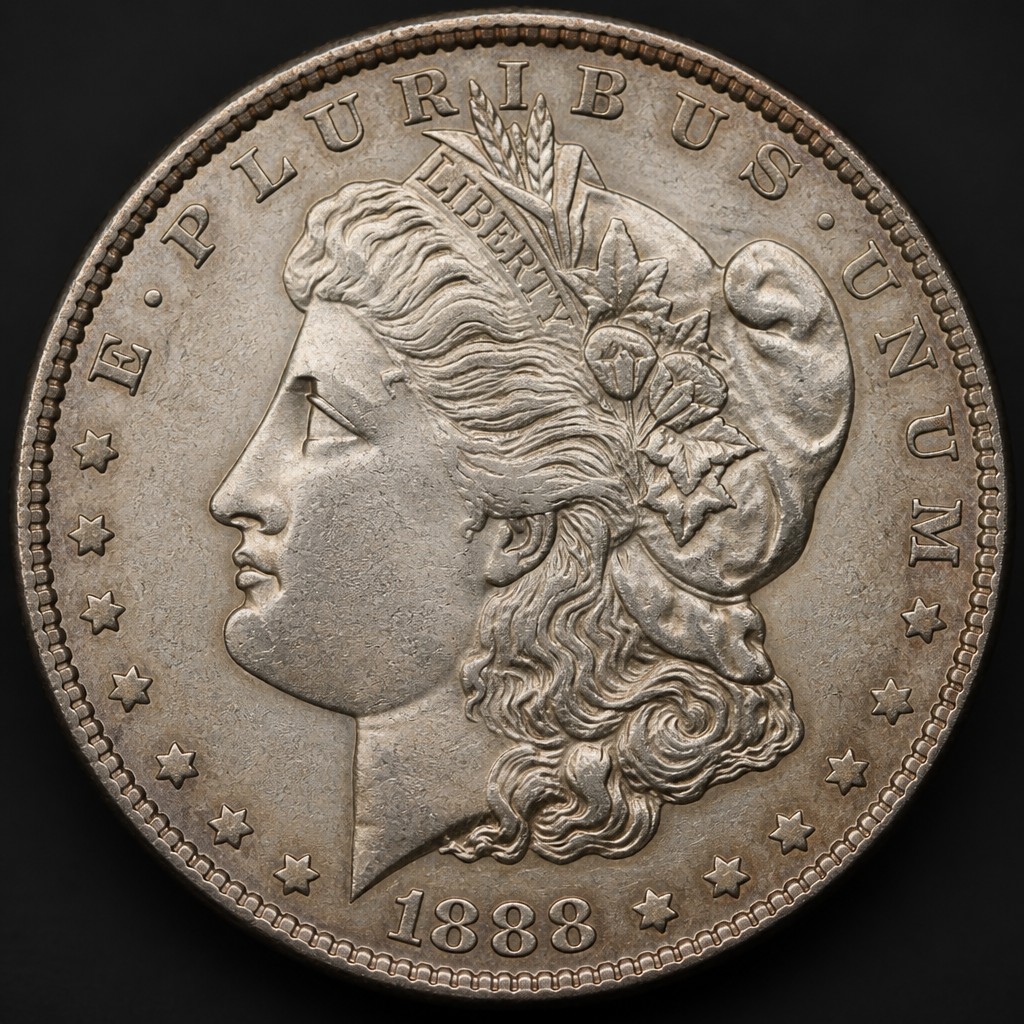
1888/7 Morgan Dollar Overdate
1888
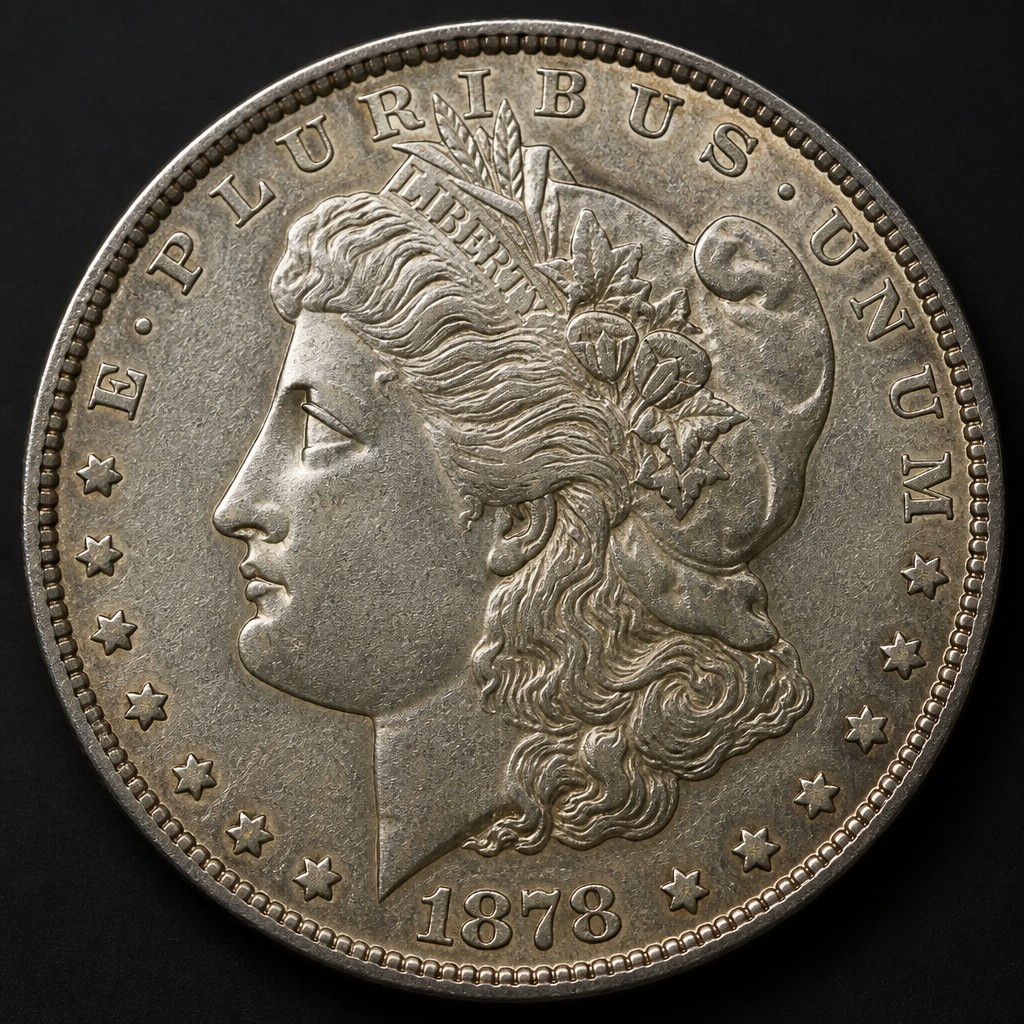
1878 7/8 Tail Feathers Morgan Dollar
1878
1799/8 Draped Bust Silver Dollar Overdate
1799 (die dated over 1798)
1888/7 Indian Head Cent Overdate
1888
1984 Doubled Ear Lincoln Cent
1984
2004-D Wisconsin State Quarter Extra Leaf
2004
1873 Doubled Die Two-Cent Piece
1873