
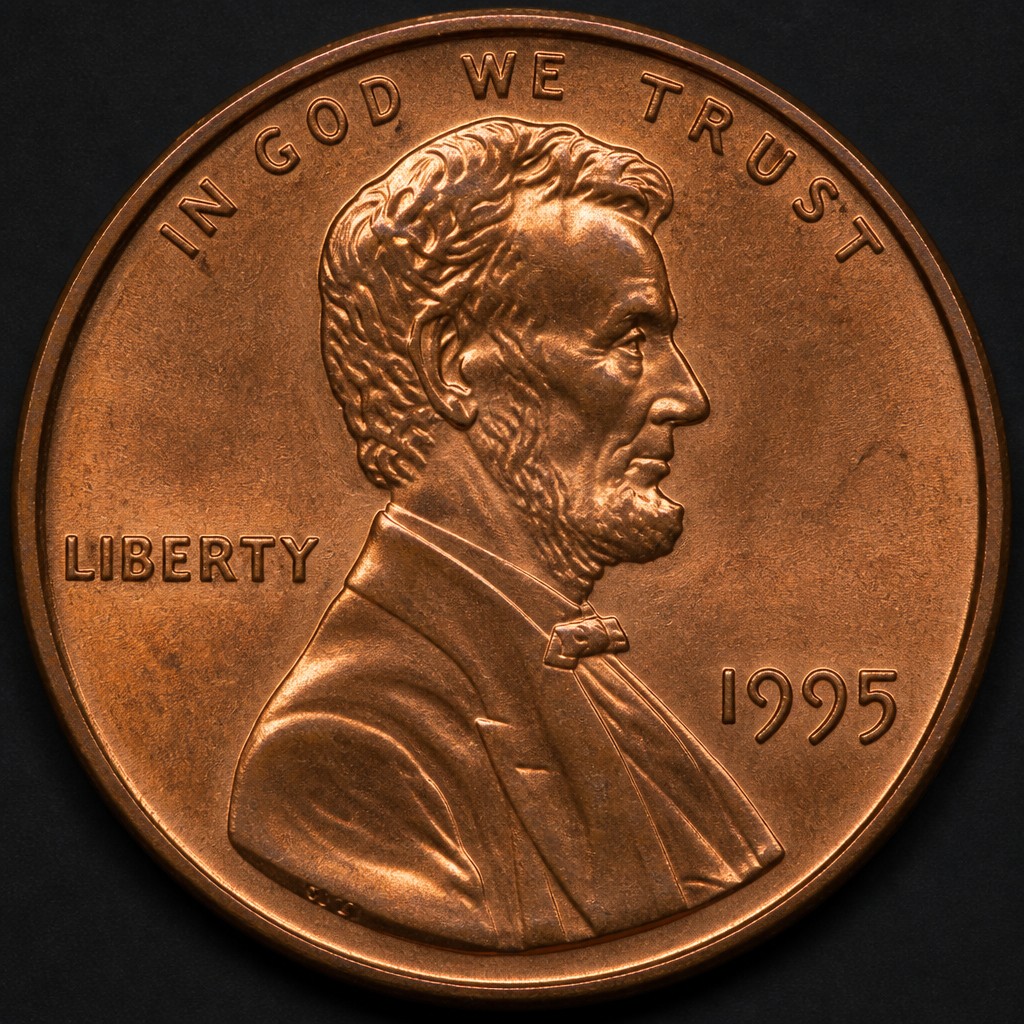
1995 Doubled Die Lincoln Cent
A widely collected doubled die variety showing clear doubling on LIBERTY and IN GOD WE TRUST on the obverse, notable for being far more available in circulation than earlier famous Lincoln cent doubled dies.
- Country
- United States
- Denomination
- 1 cent
- Metal
- Copper-plated zinc
Got a coin like this?
Identify any coin from a photo, free.
Overview
The 1995 Doubled Die Obverse cent quickly became one of the most popular modern error coins after collectors discovered examples still circulating in pocket change shortly after release. Unlike the legendary 1955 and 1972 doubled dies, which are quite scarce, the 1995 variety was struck in far greater numbers, making it realistic for everyday collectors to find or affordably purchase an example.
The doubling is easily seen with the naked eye on the word LIBERTY and the motto IN GOD WE TRUST, giving it strong visual appeal for both new and experienced collectors. Its relative abundance combined with its dramatic appearance helped popularize doubled die collecting among a new generation of hobbyists in the 1990s.
Because of its accessibility, the 1995 doubled die is often recommended as a starter variety for collectors wanting to own an attractive doubled die example without a large financial outlay.
History & Background
Doubled dies result from a misalignment between successive hubbing impressions used to create a working die, leaving doubled design elements on every coin struck from that die afterward. In 1995, at least one Philadelphia obverse die exhibited strong doubling, and coins struck from it entered circulation before the error was widely recognized.
News of the find spread through numismatic publications and hobbyist networks, and because a comparatively large number of coins had already been struck and released before the variety was cataloged, many examples were found directly in circulation by attentive collectors checking their change, a rarity for a doubled die of this visual strength.
The coin became something of a hobby phenomenon, often cited as an example of how careful examination of ordinary pocket change can occasionally yield a genuinely collectible variety.
How to Identify
The obverse carries Victor David Brenner's Lincoln portrait, with the doubling most visible on LIBERTY above Lincoln's shoulder and on IN GOD WE TRUST above the portrait; the date 1995 itself may show slight doubling as well. The reverse retains the Lincoln Memorial design used from 1959 to 2008.
The doubling on strong examples is visible without magnification, appearing as a clear shadow or second outline on the affected letters, distinguishing it from mere strike or machine doubling, which produces a flatter, shelf-like effect rather than a rounded, separated doubled image.
Collectors should compare suspected examples against published photos of the variety, since coins with only mild or ambiguous doubling, or with common mechanical doubling, do not carry the same premium as a confirmed strong doubled die.
Value & Collectibility
Because significant numbers of well-doubled 1995 cents were struck and released, values for circulated examples are modest, typically ranging from a few dollars up to several tens of dollars depending on strength of doubling and grade. Uncirculated examples with strong, sharp doubling can bring more, especially in top certified grades.
The coin's affordability relative to earlier doubled dies is its main draw, and value is driven primarily by doubling strength and preservation rather than absolute rarity.
Frequently asked questions
Can I still find a 1995 doubled die cent in change?
It is unlikely decades later, as most well-preserved examples have already been pulled from circulation by collectors, though older accumulated coin hoards occasionally turn one up.
Is the 1995 doubled die valuable?
It carries a modest premium over face value, generally in the single to double digits of dollars for typical circulated examples, far less than earlier famous doubled dies.
How do I know if my coin has true doubling or just strike doubling?
True doubling shows a distinct, separated second image on the letters, while strike doubling looks flat and shelf-like; comparing to reference photos helps confirm which you have.
What makes the 1995 doubled die different from the 1955 doubled die?
The 1995 variety was struck in much larger numbers and is far more affordable and available than the scarce, expensive 1955 Doubled Die Obverse.
Other coins you may enjoy
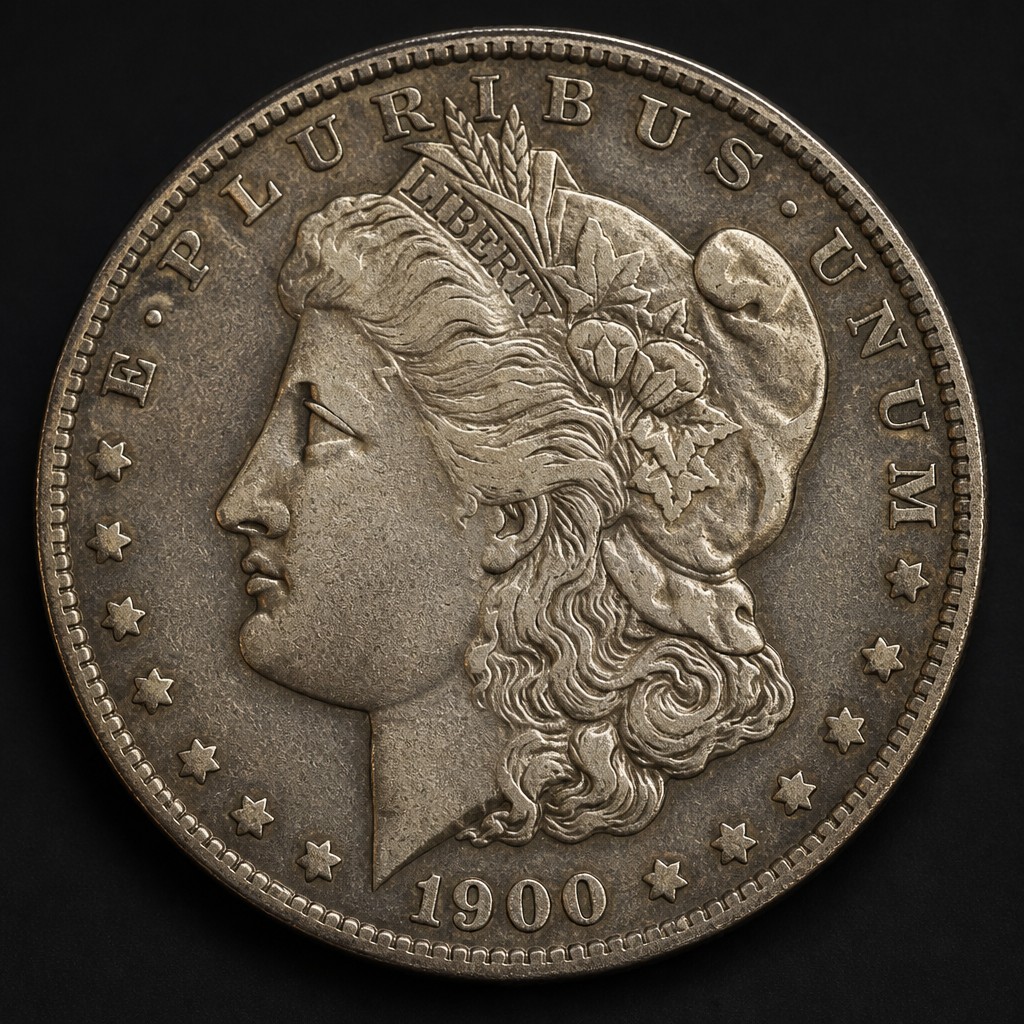
1900-O/CC Morgan Dollar
1900
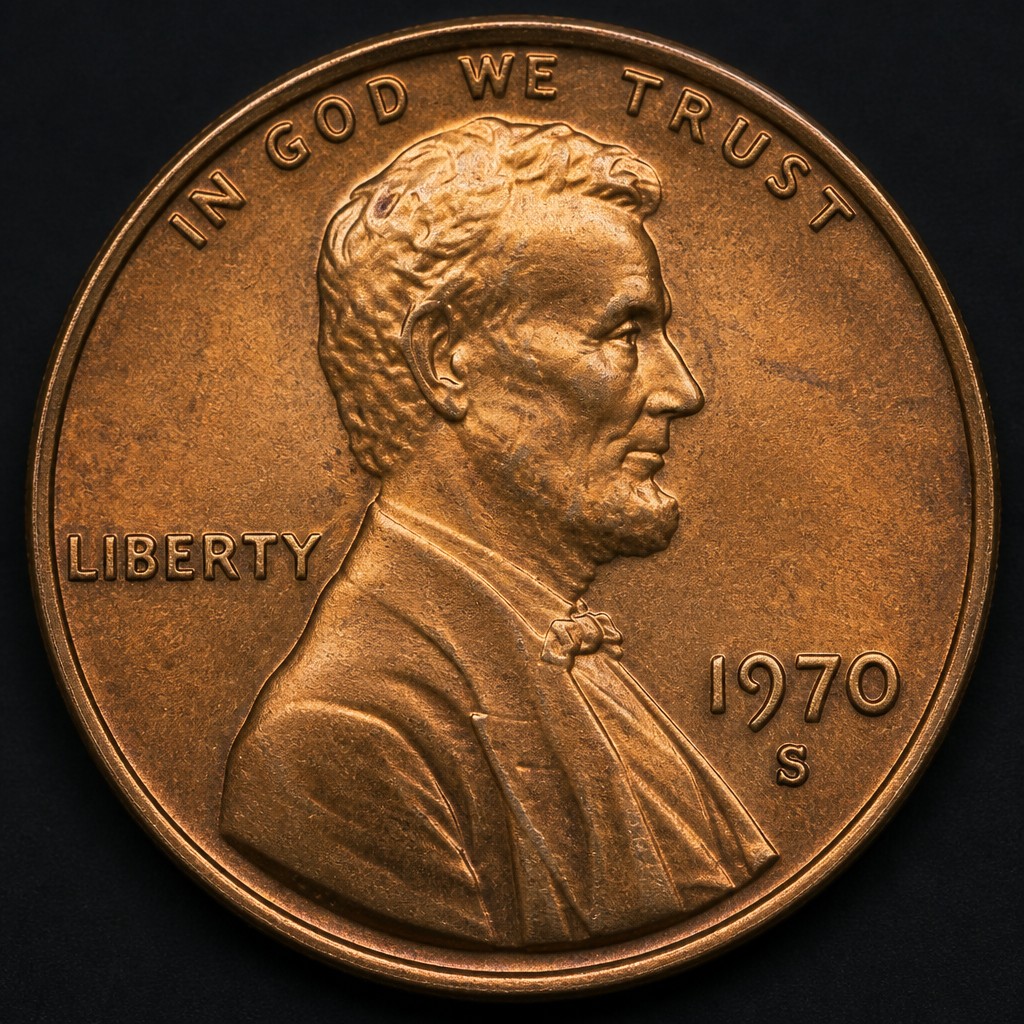
1970-S Small Date Lincoln Cent
1970
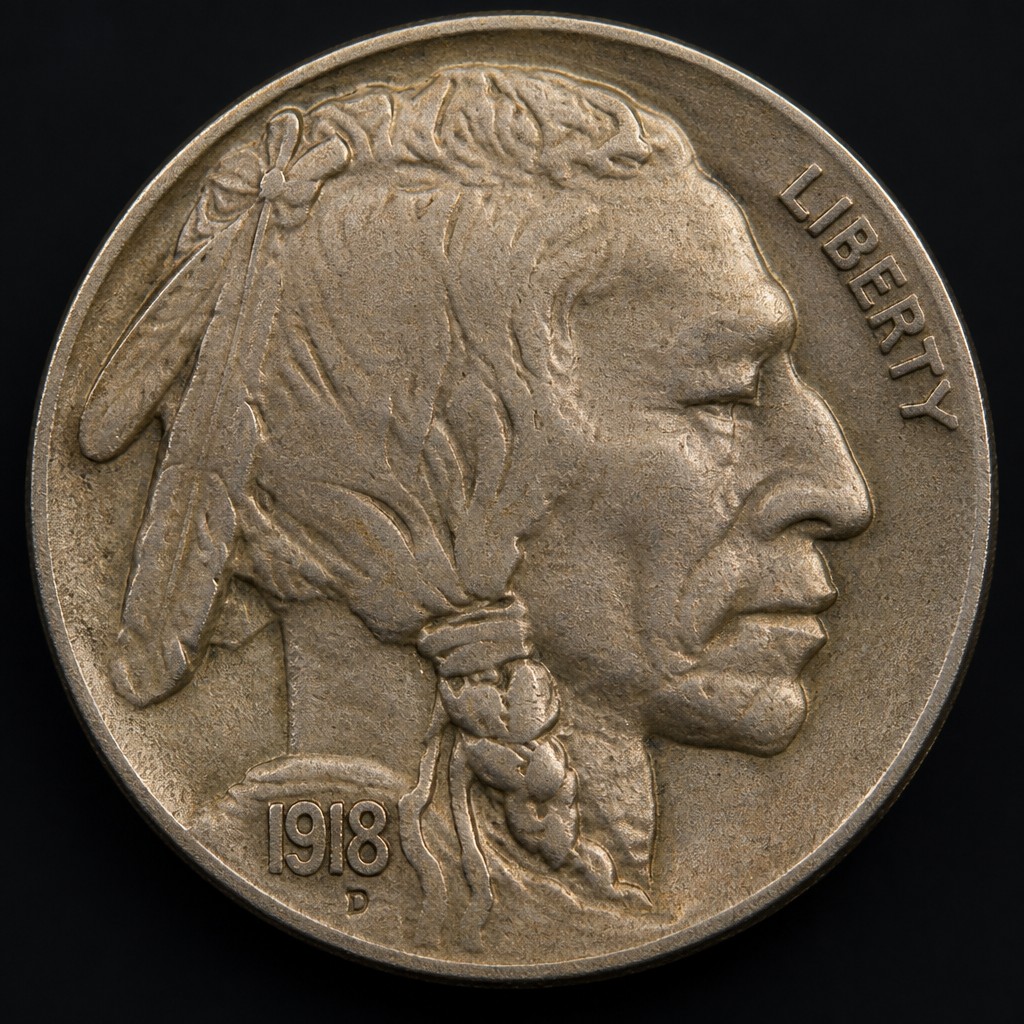
1918/7-D Buffalo Nickel
1918
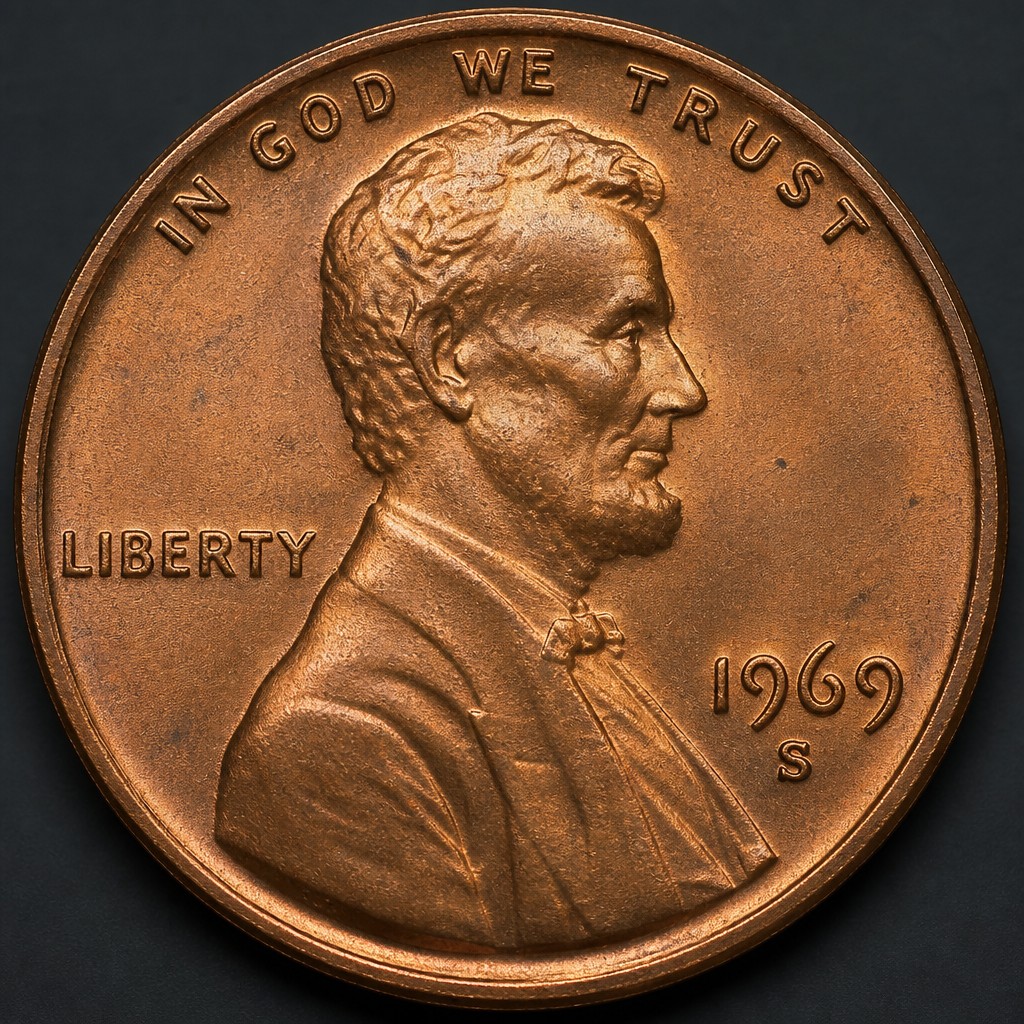
1969-S Doubled Die Obverse Lincoln Cent
1969
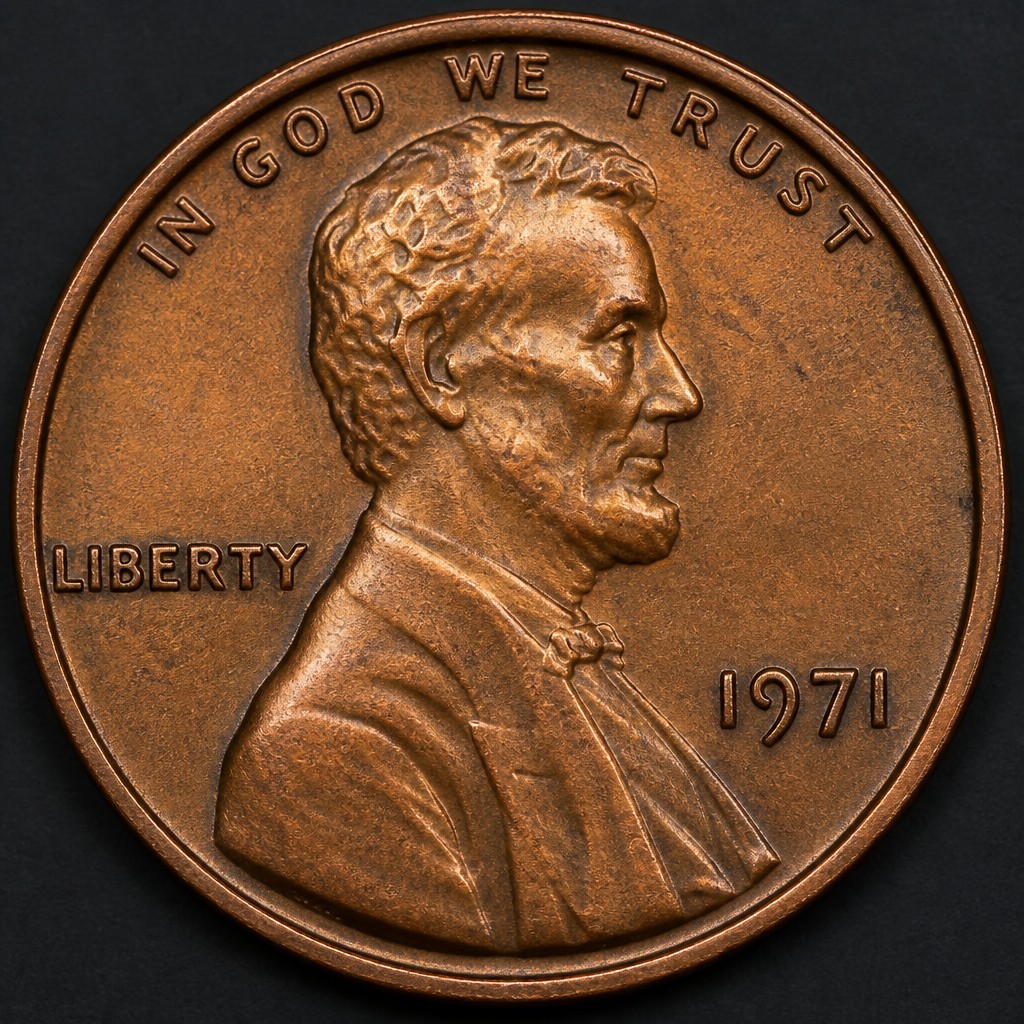
1971 Doubled Die Obverse Lincoln Cent
1971
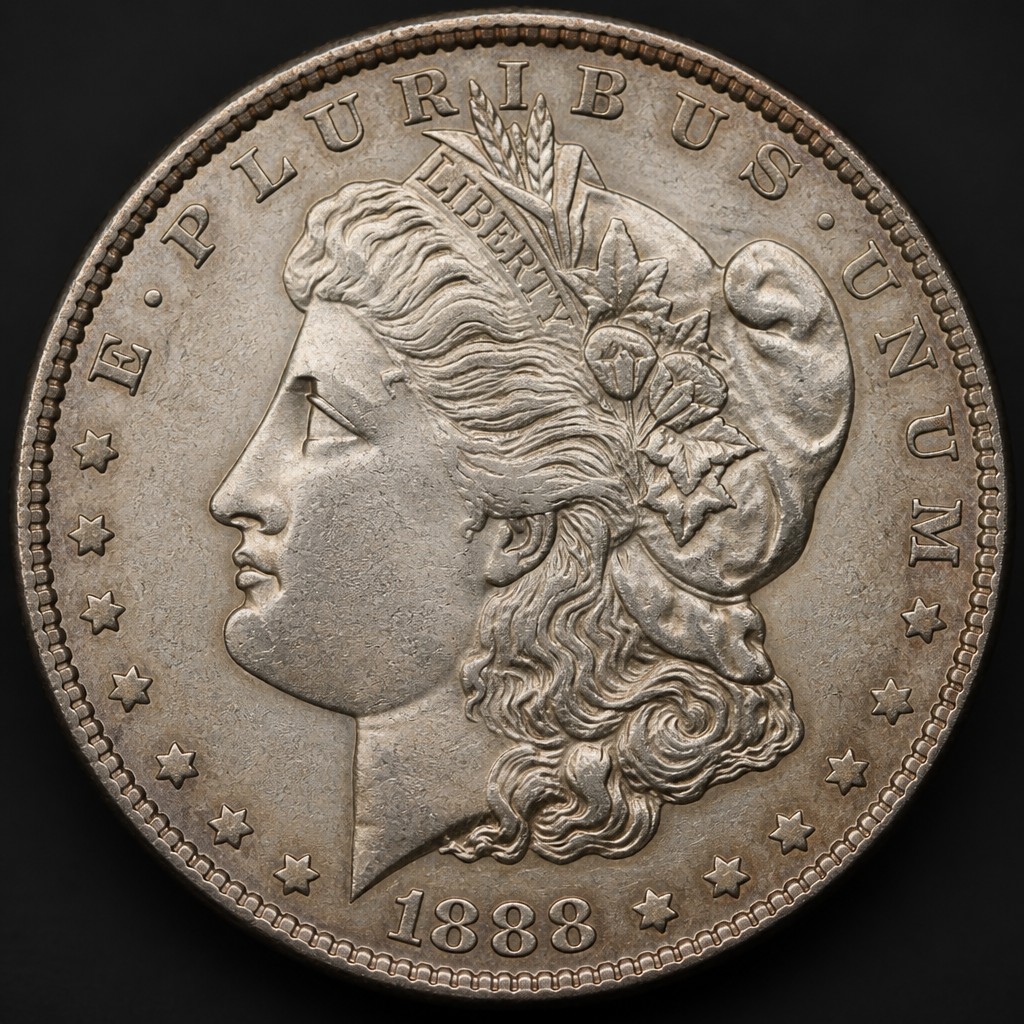
1888/7 Morgan Dollar Overdate
1888
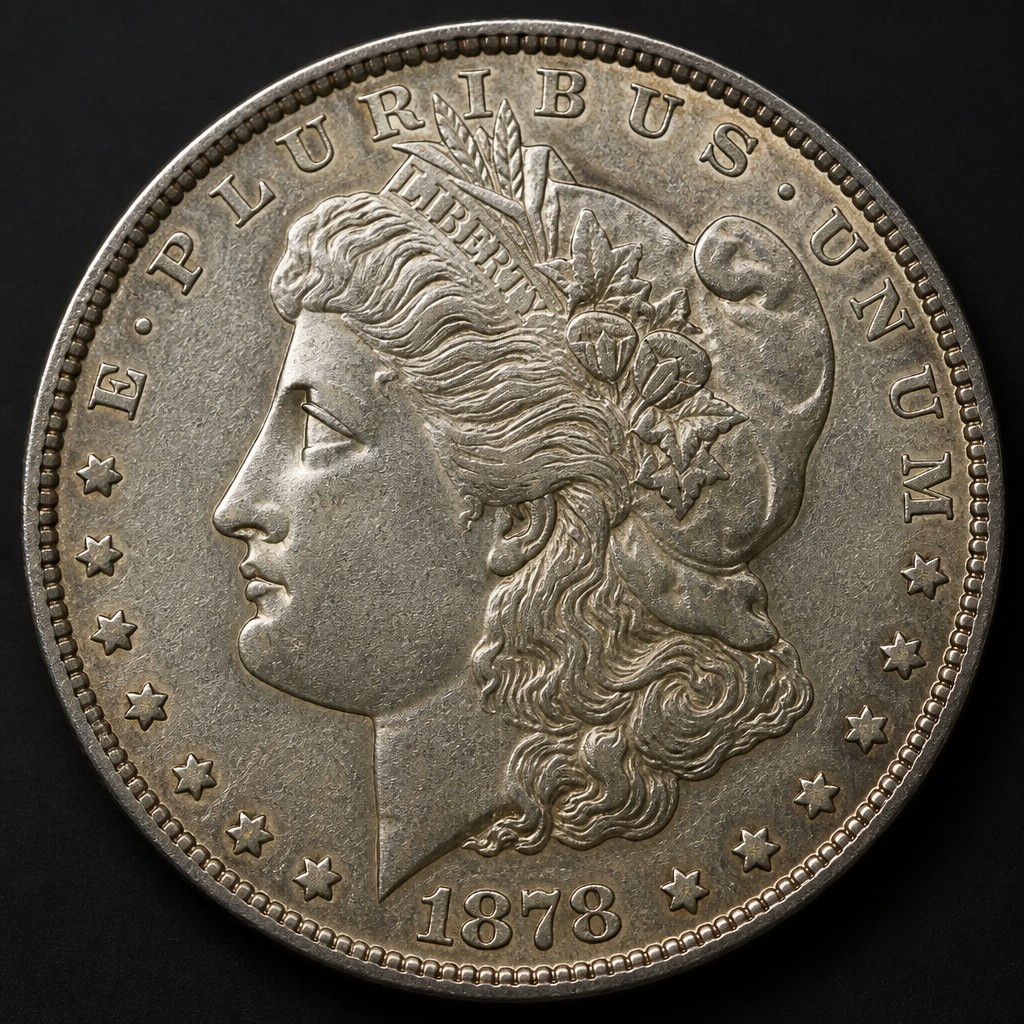
1878 7/8 Tail Feathers Morgan Dollar
1878
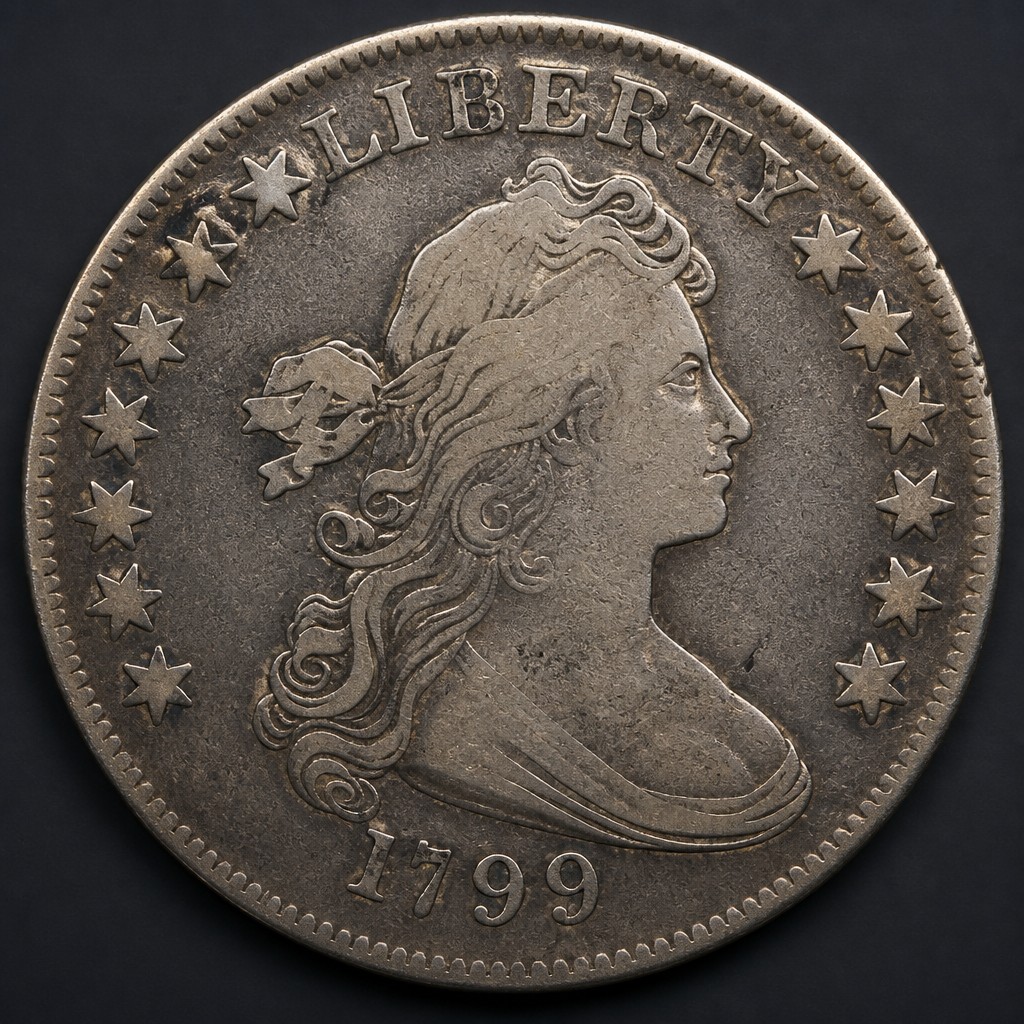
1799/8 Draped Bust Silver Dollar Overdate
1799 (die dated over 1798)
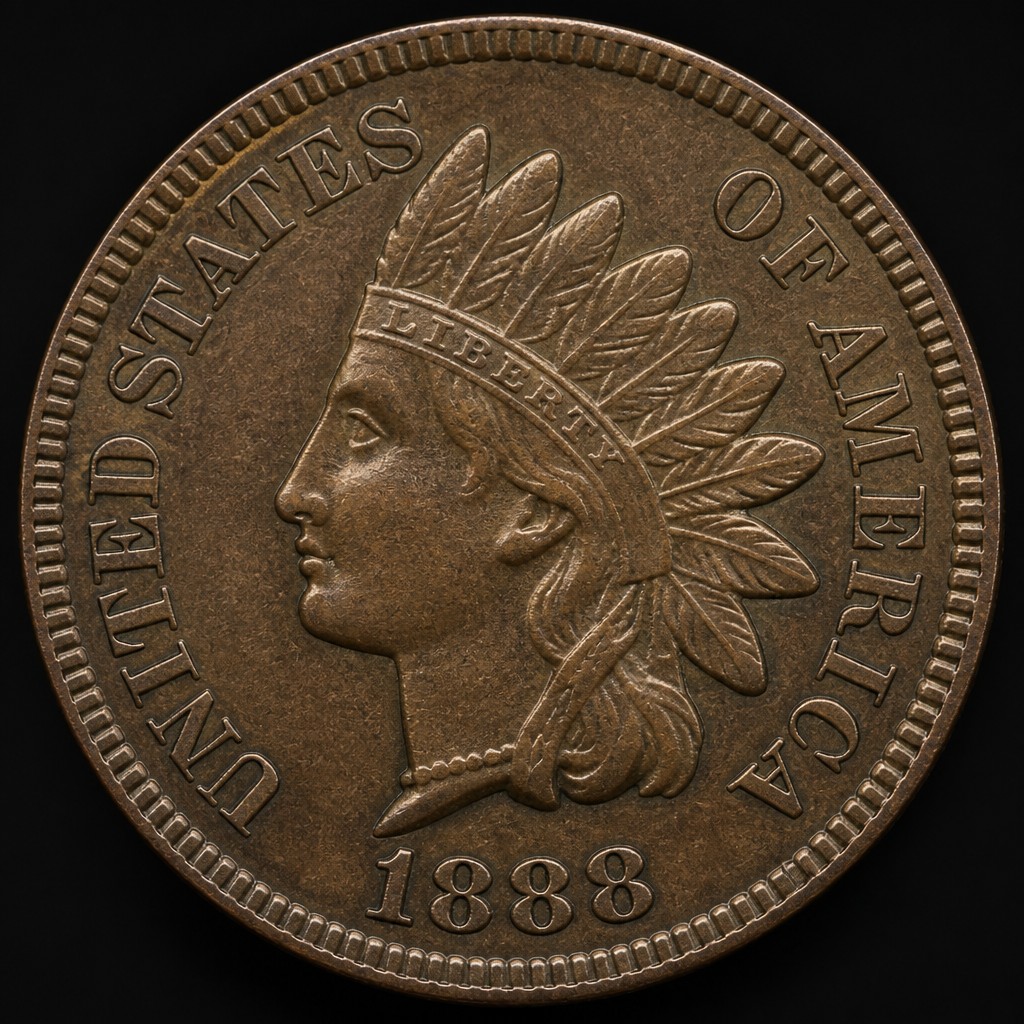
1888/7 Indian Head Cent Overdate
1888
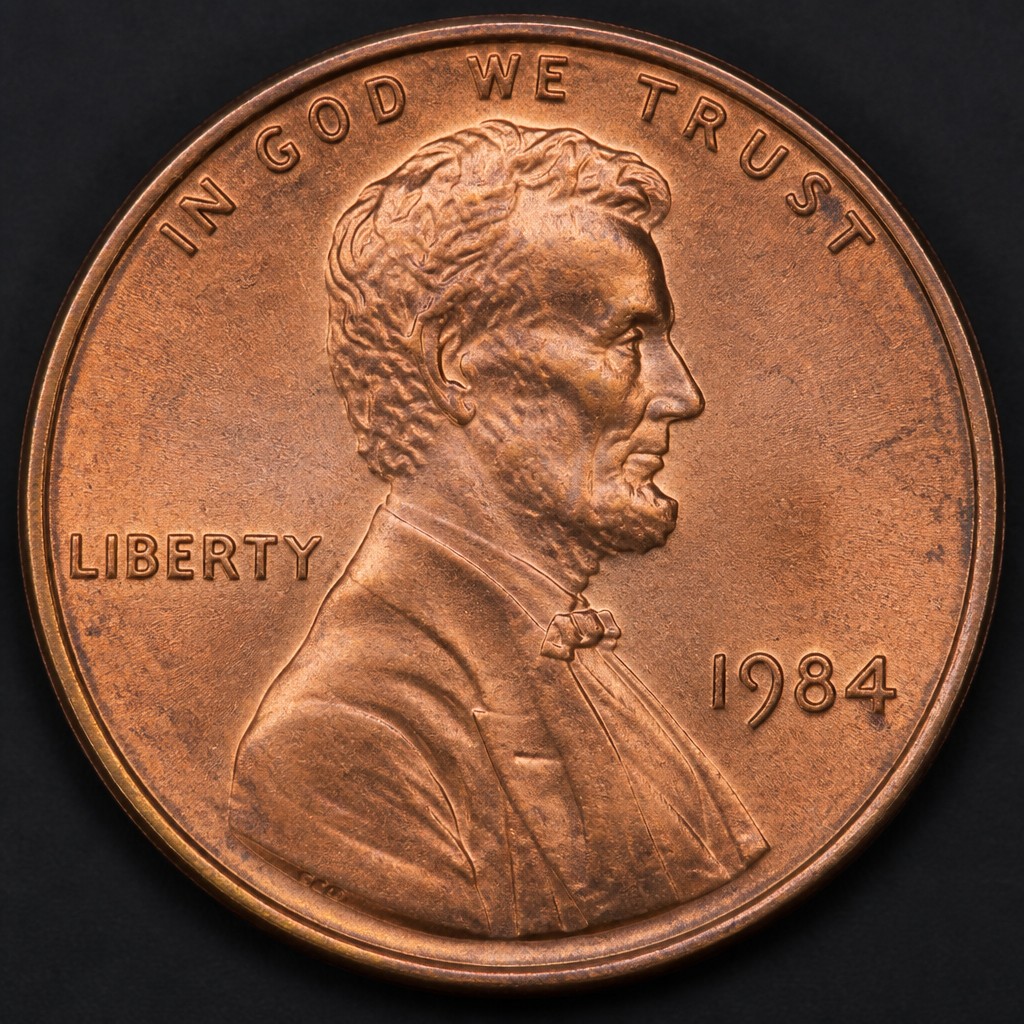
1984 Doubled Ear Lincoln Cent
1984
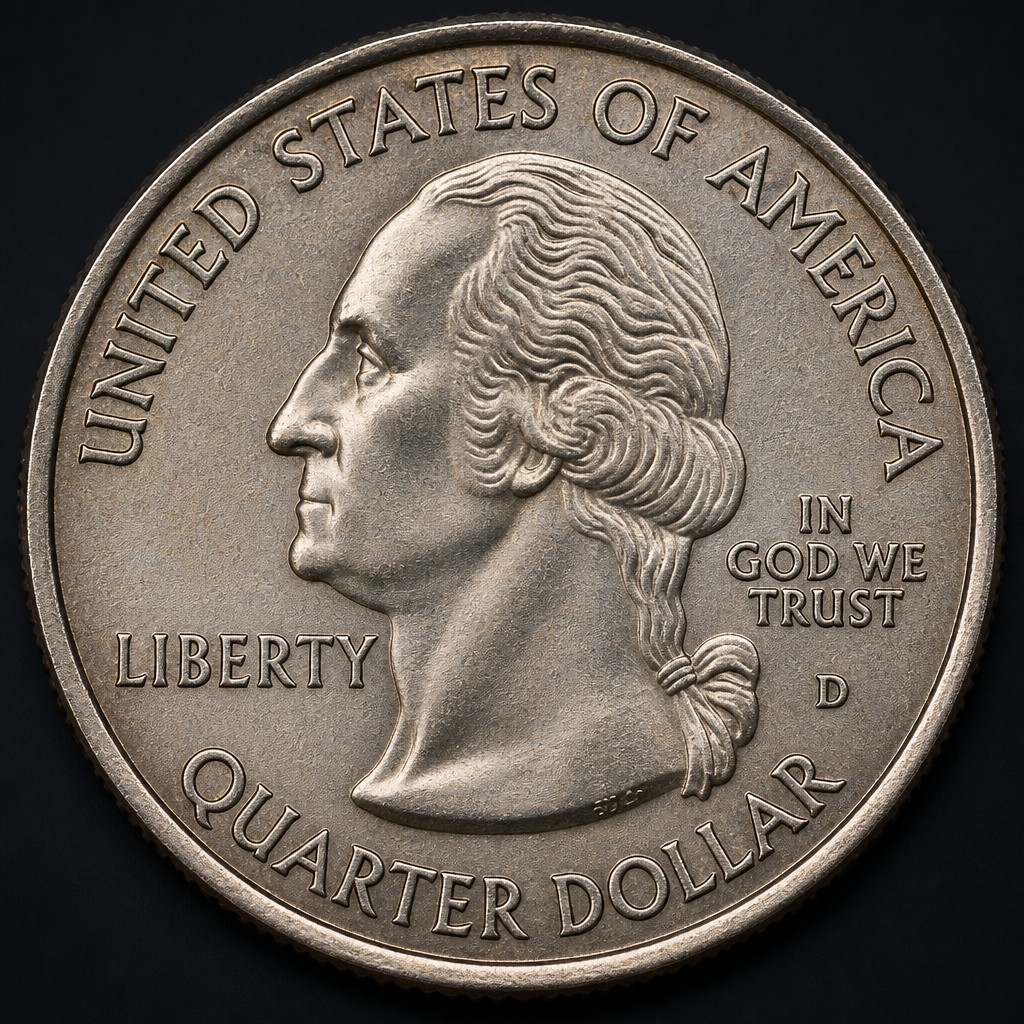
2004-D Wisconsin State Quarter Extra Leaf
2004
1873 Doubled Die Two-Cent Piece
1873