
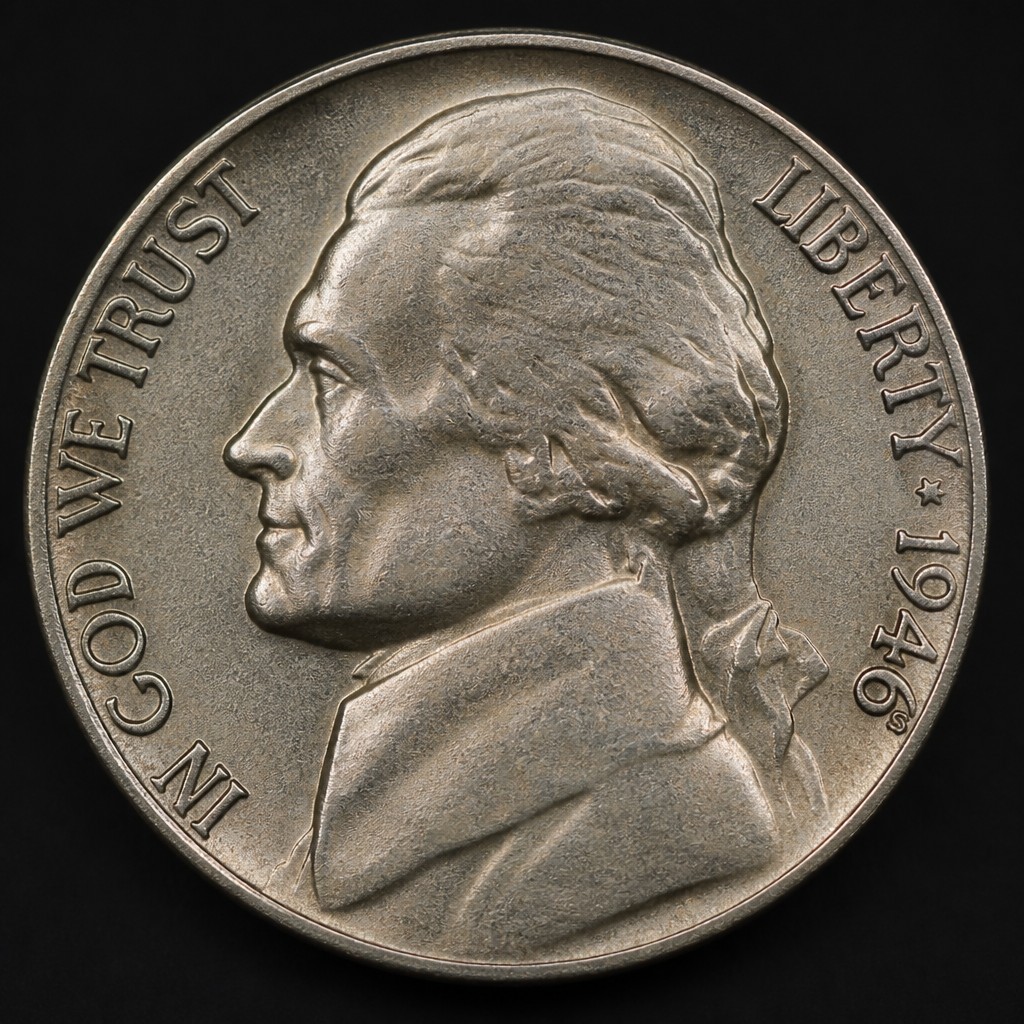
1946-S/D Jefferson Nickel Repunched Mintmark
A hand-punched mintmark variety on the 1946 Jefferson nickel showing remnants of a D beneath the final S, created when a die intended for one mint was repunched with another mintmark.
- Country
- United States
- Denomination
- 5 cents
- Metal
- Copper-nickel (75% copper, 25% nickel)
Got a coin like this?
Identify any coin from a photo, free.
Overview
During the 1940s the U.S. Mint punched mintmarks into working dies by hand, one letter at a time, rather than using a single mintmark hub as is done today. This manual process left plenty of room for mistakes, and the 1946-S/D Jefferson nickel is one of the better-known repunched mintmark (RPM) results from that era. On close inspection, traces of an underlying D punch can be seen peeking out from beneath and around the final S mintmark on the reverse, just to the right of Monticello.
The variety is cataloged among Jefferson nickel repunched mintmarks that flourished in the mid-1940s, a period when the Mint reintroduced normal cupronickel composition after the wartime silver "war nickel" alloy was discontinued. Collectors who specialize in mintmark varieties pursue coins like this one as an affordable window into Mint production practices before modern hubbing eliminated such errors.
Because the doubling is confined to the mintmark rather than the design, this variety is typically collected as a supplemental piece within a Jefferson nickel set rather than a headline rarity, but well-struck, clearly doubled examples are popular with variety specialists.
History & Background
The Jefferson nickel was introduced in 1938, designed by Felix Schlag, replacing the Buffalo nickel. Mintmarks in this era were individually hand-punched into each working die at the Philadelphia Mint before dies were shipped to branch mints, a labor-intensive step that occasionally produced misplaced, doubled, or over-punched mintmarks when an engraver corrected an error or reused a die intended for a different facility.
The 1946-S/D variety arose when a die punch showing a D was subsequently repunched with an S, likely correcting an initial mismatch between the die's intended destination and its markings. The coin was struck at the San Francisco Mint in 1946, a year of high nickel production as the country resumed civilian coin output after World War II.
Repunched mintmark varieties like this one were largely unrecognized by the collecting public until dedicated variety researchers in the mid-20th century began cataloging them, and they remain a niche but active area of Jefferson nickel collecting today.
How to Identify
The obverse features Thomas Jefferson in profile with the legend IN GOD WE TRUST above and LIBERTY along with the date 1946 to the right. The reverse depicts Monticello, Jefferson's home, with FIVE CENTS below and E PLURIBUS UNUM above; the mintmark sits to the right of the building.
On this variety, the mintmark shows a clear S with a partial D visible underneath or beside it, most easily seen under 5x-10x magnification with raking light. The extra metal from the underlying letter creates a subtle doubled or shadowed outline rather than a full second letter.
The coin is struck in standard 75% copper, 25% nickel alloy, 21.2mm in diameter, with a plain edge, identical in size and weight to all other circulation-strike Jefferson nickels of the period.
Collectors should compare suspected examples against reference photos in variety guides, since die chips, machine doubling, and grease-filled dies can mimic a true repunched mintmark; a genuine RPM shows a consistent secondary letter outline in the same relative position on multiple known specimens.
Value & Collectibility
Most 1946-S/D repunched mintmark nickels trade modestly above common-date Jefferson nickel prices, generally in the low tens of dollars in circulated grades and somewhat more in choice uncirculated condition, since demand comes from a specialized subset of variety collectors rather than the broader market.
Value is heavily tied to the strength and clarity of the doubling; examples with a bold, unmistakable underlying D can command a premium over marginal or weakly doubled pieces. Certification by a variety-attributing service adds confidence and liquidity for buyers.
As with most mintmark varieties, overall coin grade also matters, and a well-preserved uncirculated example with strong luster will always outperform a worn, heavily circulated piece regardless of the doubling.
Frequently asked questions
What causes a repunched mintmark like the 1946-S/D?
Mint workers hand-punched mintmarks into dies in this era, and if a die was punched with the wrong letter or needed correction, a new letter was punched over or near the old one, leaving visible remnants of both.
Is this the same as a doubled die?
No. A doubled die results from a hubbing error affecting the whole design, while a repunched mintmark is a separate hand-punching error affecting only the mintmark.
How rare is the 1946-S/D nickel?
It is scarce as a variety but not extremely rare; it is collectible mainly because of the visual novelty of two overlapping mintmarks rather than a tiny known population.
Do I need a loupe to see it?
Yes, magnification of at least 5x to 10x under good lighting is typically needed to clearly identify the underlying D beneath the S.
Other coins you may enjoy
1900-O/CC Morgan Dollar
1900
1970-S Small Date Lincoln Cent
1970
1918/7-D Buffalo Nickel
1918
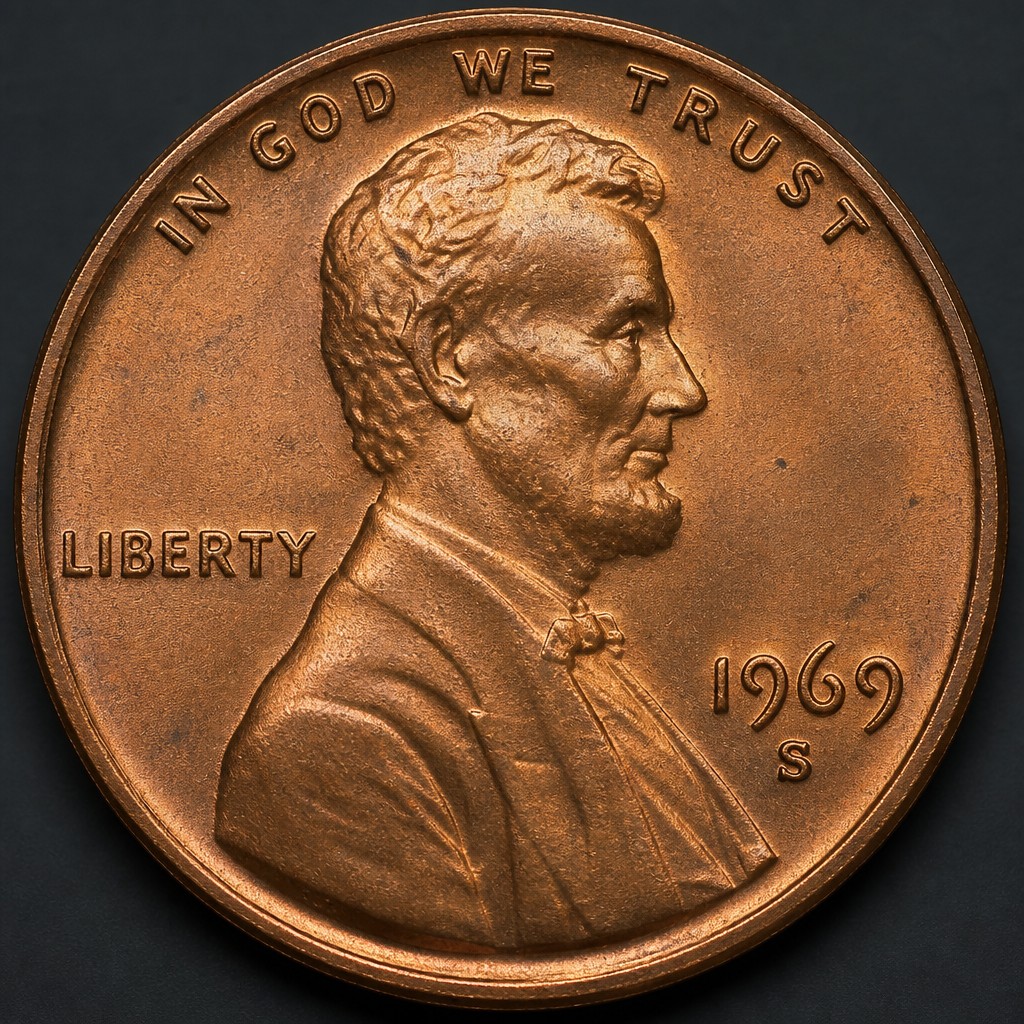
1969-S Doubled Die Obverse Lincoln Cent
1969
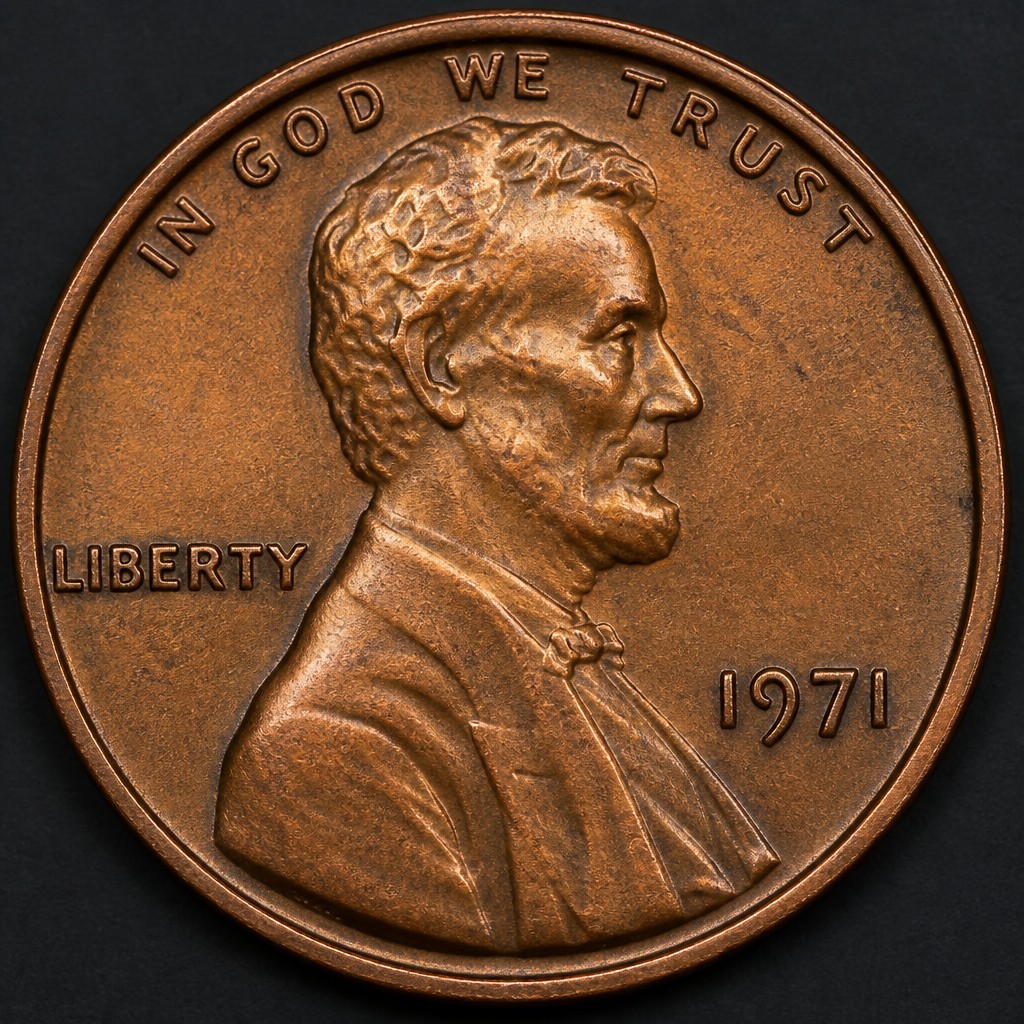
1971 Doubled Die Obverse Lincoln Cent
1971
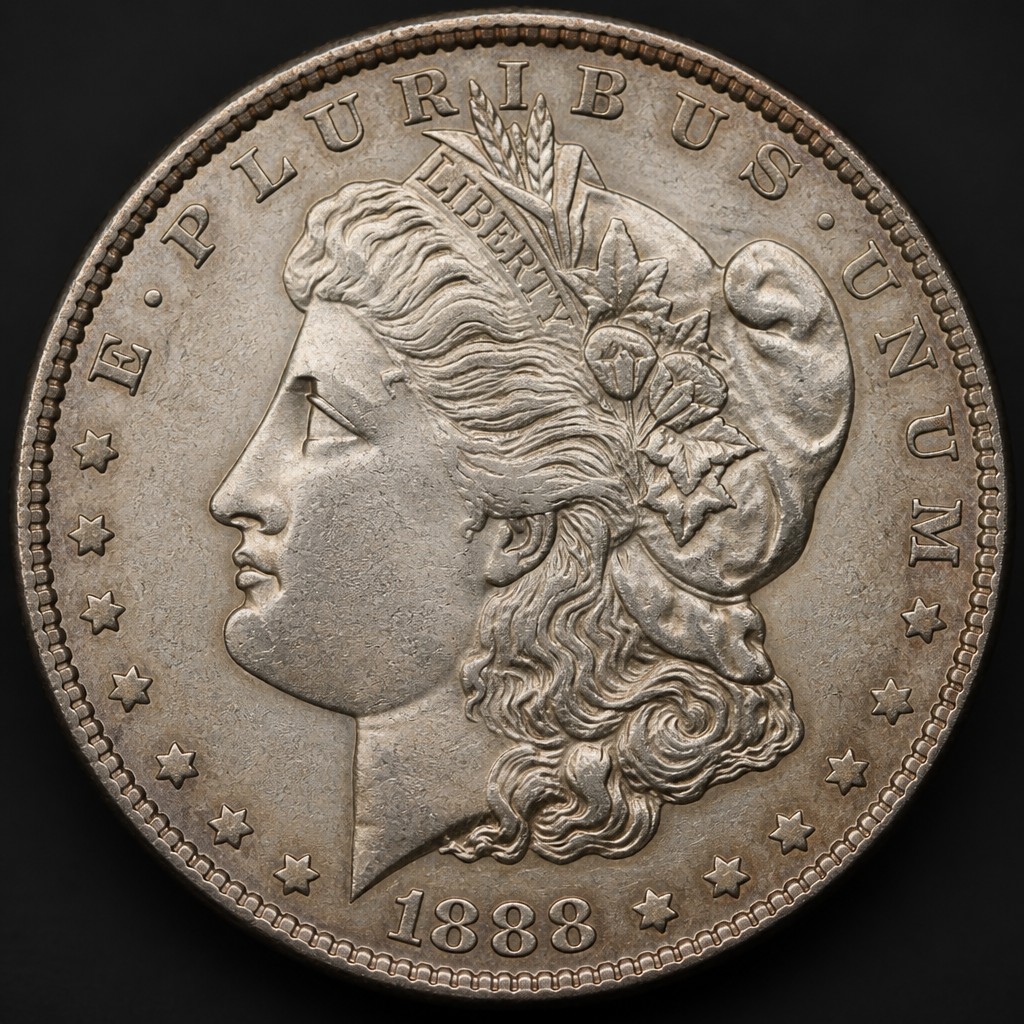
1888/7 Morgan Dollar Overdate
1888
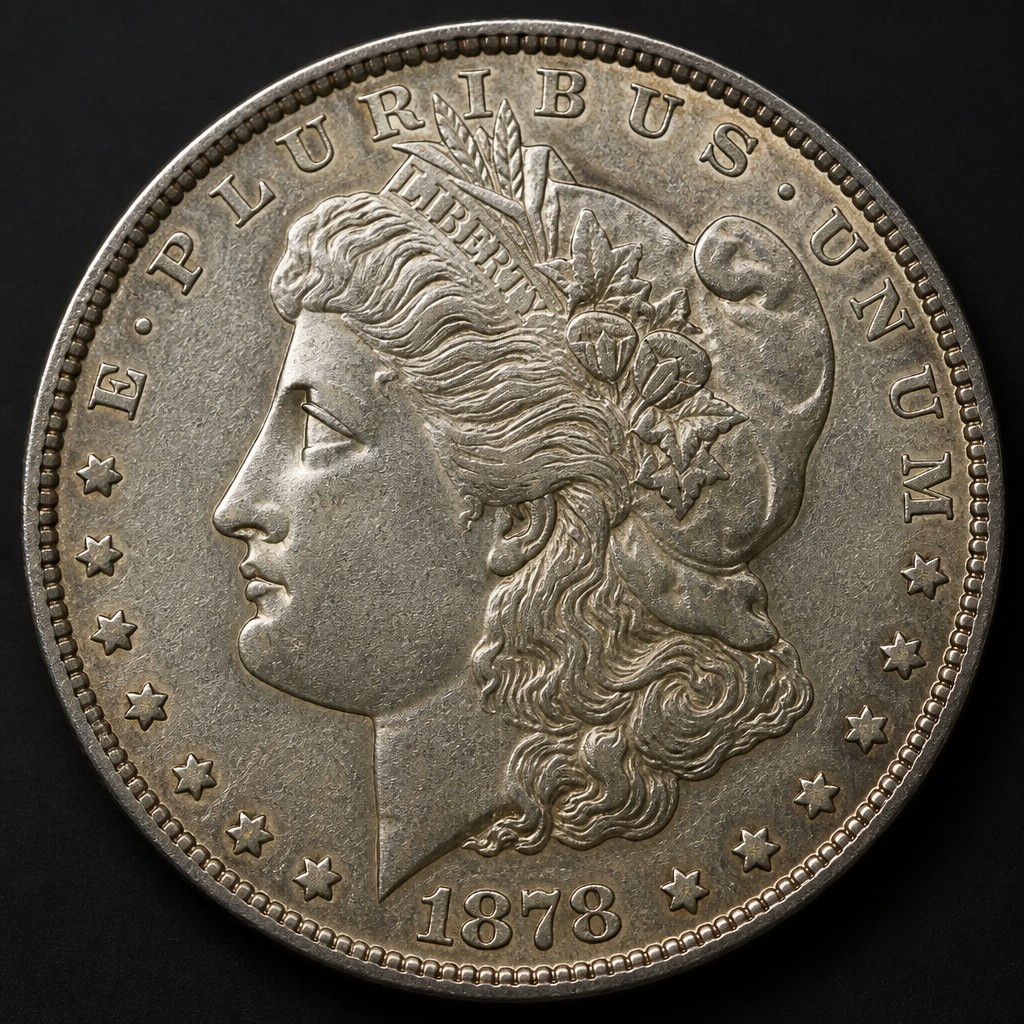
1878 7/8 Tail Feathers Morgan Dollar
1878
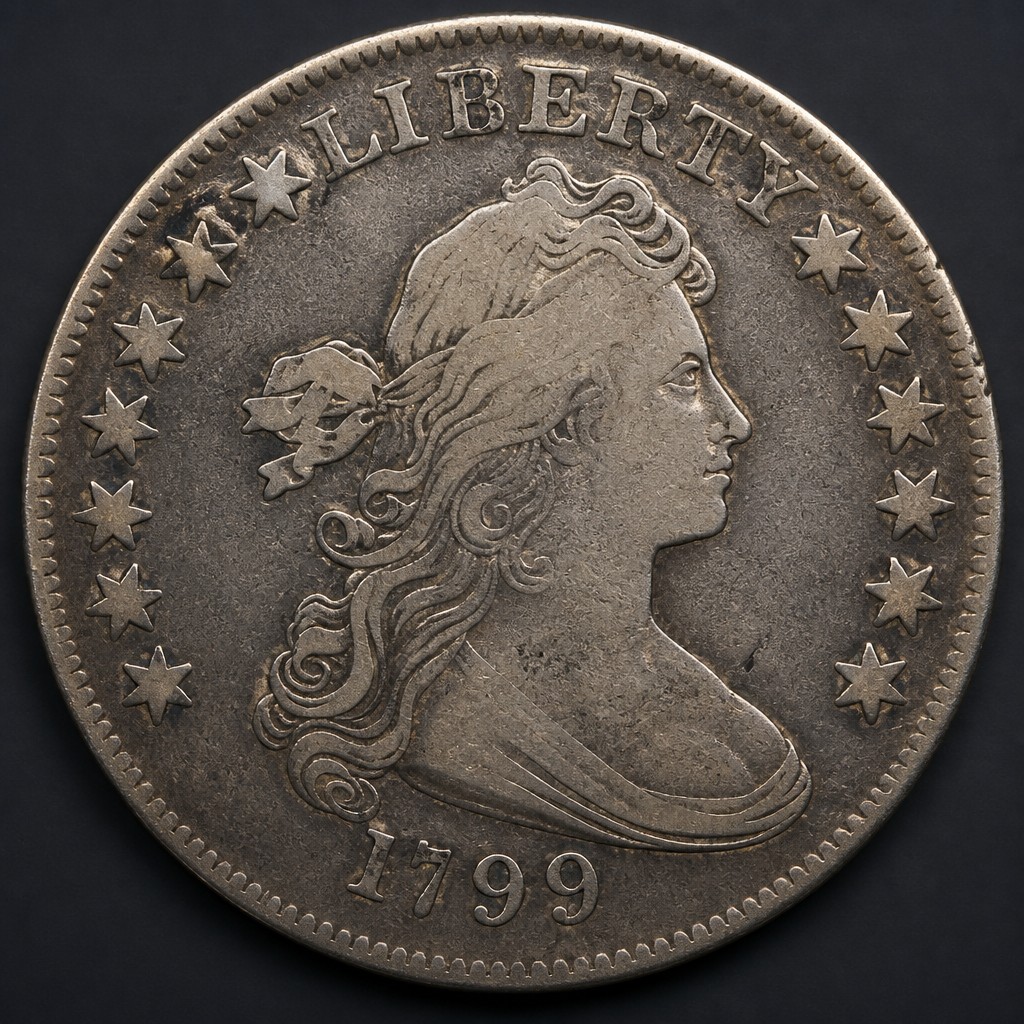
1799/8 Draped Bust Silver Dollar Overdate
1799 (die dated over 1798)
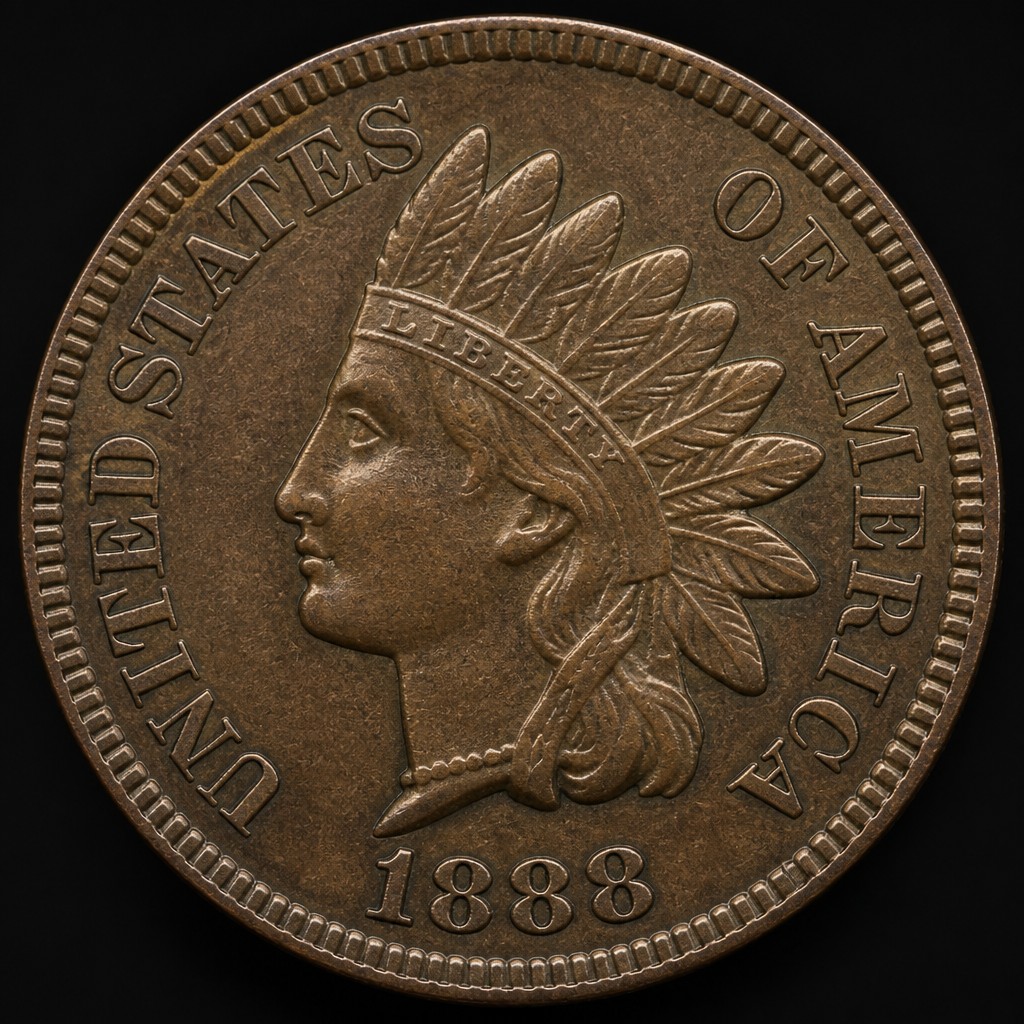
1888/7 Indian Head Cent Overdate
1888
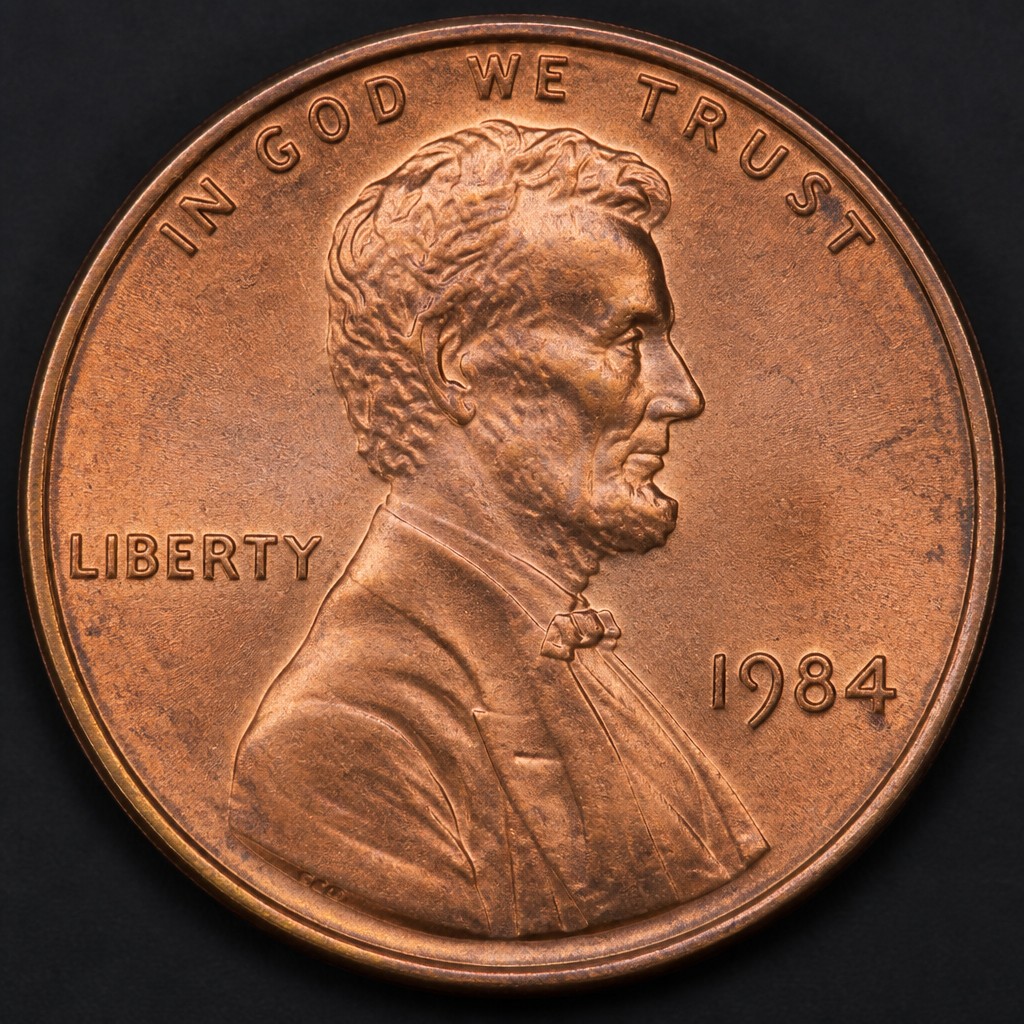
1984 Doubled Ear Lincoln Cent
1984
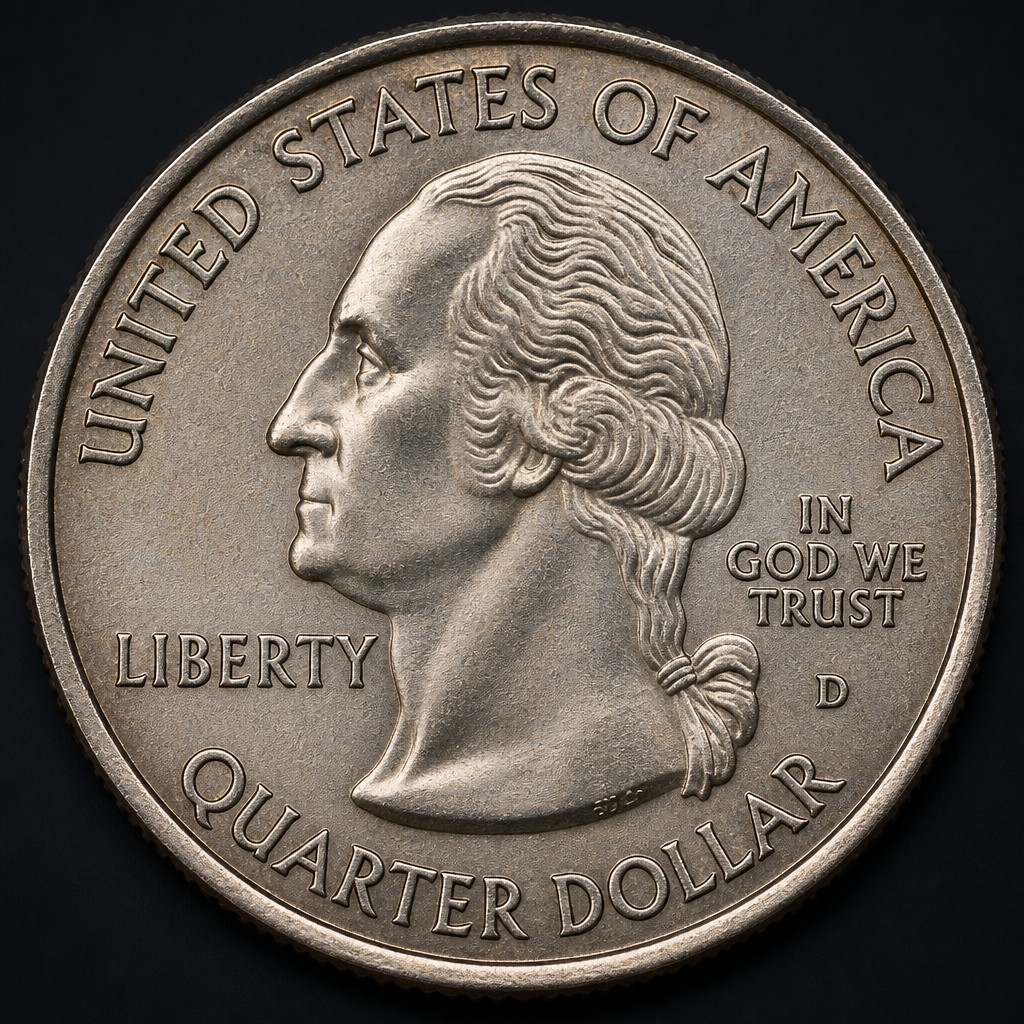
2004-D Wisconsin State Quarter Extra Leaf
2004
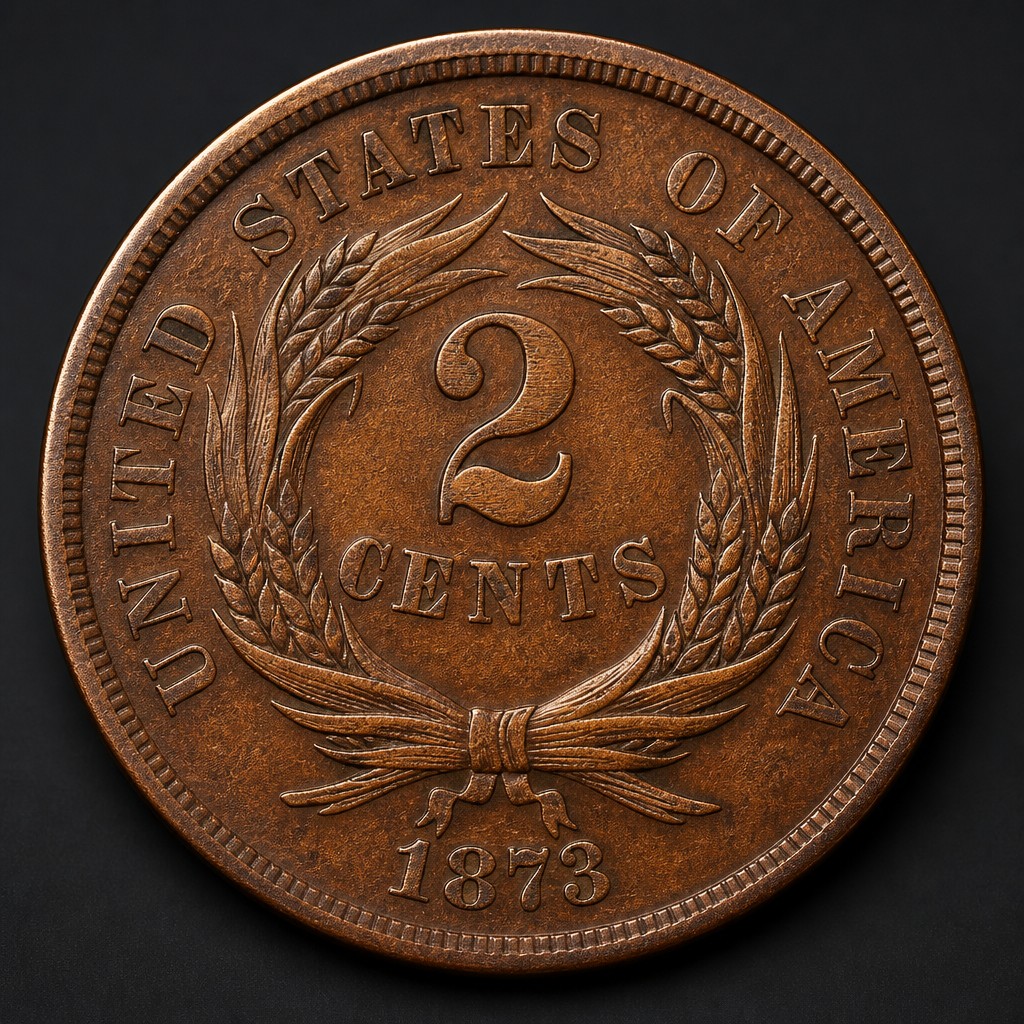
1873 Doubled Die Two-Cent Piece
1873