
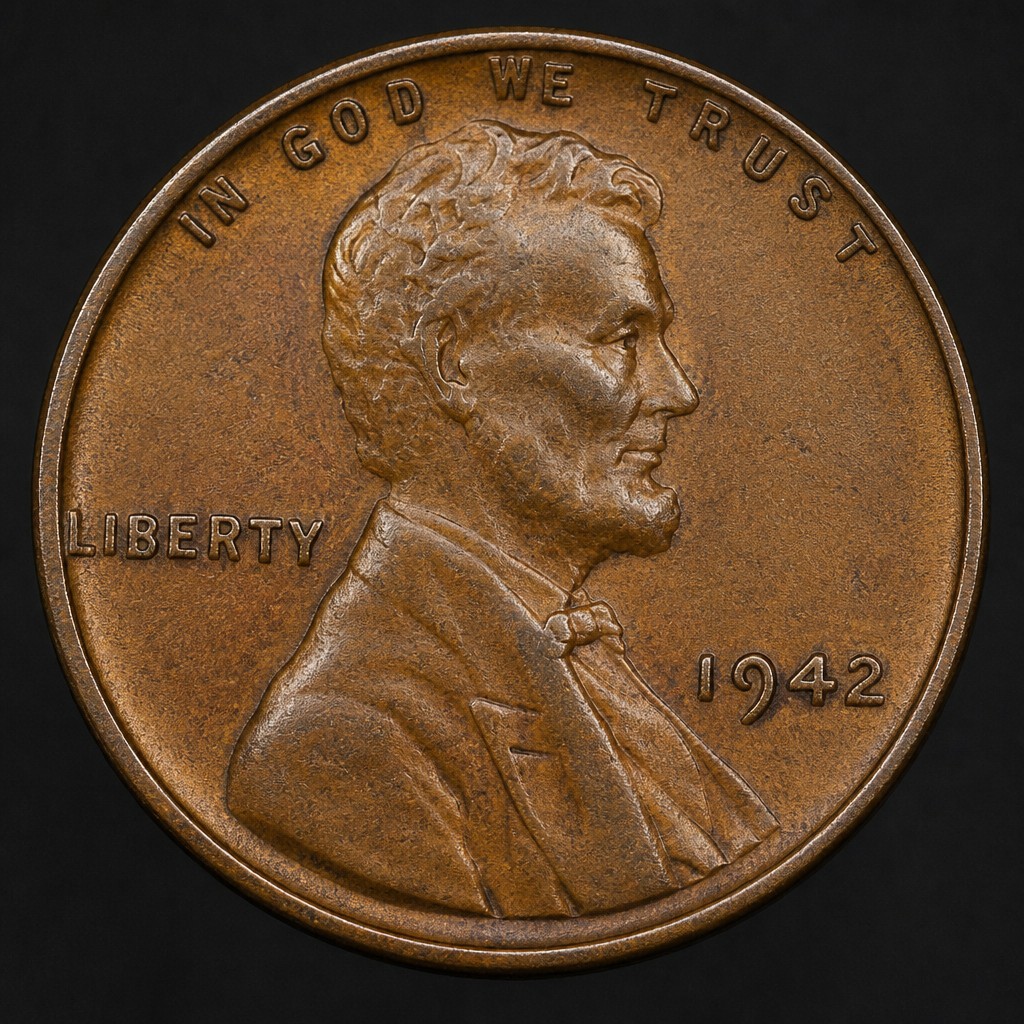
1942 Doubled Die Obverse Lincoln Cent
A doubled die obverse variety of the 1942 Lincoln cent showing visible doubling in the date and motto, caused by a misaligned hubbing impression during die preparation.
- Country
- United States
- Denomination
- 1 cent
- Metal
- Bronze (95% copper, 5% tin and zinc)
Got a coin like this?
Identify any coin from a photo, free.
Overview
The 1942 doubled die obverse Lincoln cent shows noticeable doubling in elements such as the date and the motto IN GOD WE TRUST, the result of a working die receiving two hub impressions that were not perfectly aligned during the die-making process. This predates the more famous 1955 doubled die by over a decade and reflects the same underlying phenomenon that would later make that later date so iconic among error collectors.
While not as dramatic or as widely known as the 1955 doubled die cent, the 1942 variety is documented in specialized references and is pursued by Lincoln cent variety collectors who aim to assemble a broad representation of doubled die errors across the series' history.
As with most doubled dies of this magnitude, careful magnification is usually required to appreciate the full extent of the doubling, distinguishing it from the much more common and less valuable phenomenon of mechanical or strike doubling.
History & Background
The Lincoln cent, designed by Victor David Brenner, had been in continuous production since 1909, and by 1942 was struck in massive quantities to meet wartime commercial demand. Doubled dies occur when a working die is impressed more than once by a hub during manufacture, and if the die or hub shifts slightly between impressions, the resulting design shows doubled elements.
The 1942 doubled die obverse arose from exactly this kind of hubbing misalignment at the Philadelphia Mint, a process that was not fully understood or systematically caught by quality control procedures of the era. Coins from affected dies entered circulation alongside normal examples, with the error only recognized and documented later by collectors and researchers examining die varieties closely.
The variety is less famous than doubled dies from later Lincoln cent years but forms part of the broader story of doubled die errors that runs throughout the series, culminating in the widely known 1955, 1969-S, and 1972 doubled die cents.
How to Identify
The obverse shows Lincoln's portrait facing right, with IN GOD WE TRUST above, LIBERTY to the left, and the date to the right. The reverse features the Wheat Ears design flanking ONE CENT and UNITED STATES OF AMERICA, standard for cents of this era before the Lincoln Memorial reverse was introduced in 1959.
On the doubled die obverse variety, look for doubling in the date numerals and in the lettering of IN GOD WE TRUST or LIBERTY, best examined under magnification; genuine hub doubling shows a consistent, rounded separation between the primary and secondary images rather than the flat, shelf-like appearance of mechanical doubling.
The coin is struck in standard bronze composition, 19mm diameter, with a plain edge, matching all wheat cents of the period, and bears no mintmark since it was struck at Philadelphia.
Collectors should be especially careful to distinguish true doubled die doubling from the much more common strike doubling or machine doubling, which is caused by die bounce during striking and does not carry the same collector premium.
Value & Collectibility
The 1942 doubled die obverse cent trades at a modest premium over a common 1942 cent, generally appealing to specialized doubled die and Lincoln cent variety collectors rather than the broader collecting public.
Value depends heavily on the strength and visual clarity of the doubling, with more dramatic, easily visible examples commanding meaningfully higher prices than weak or marginal doubled dies that require expert attribution to confirm.
Overall coin condition, including surface color and absence of corrosion typical of copper coins from this era, also plays a significant role in determining final value alongside the doubled die designation itself.
Frequently asked questions
What causes a doubled die like this one?
It results from a working die receiving two misaligned impressions from the hub during die manufacture, causing design elements like the date and lettering to appear doubled.
How does this compare to the famous 1955 doubled die cent?
The 1942 doubled die obverse is generally less dramatic and less valuable than the famous 1955 doubled die, but reflects the same type of hubbing error.
How can I tell real doubling from machine doubling?
True doubled die doubling shows rounded, separated design elements, while machine or strike doubling typically appears flat and shelf-like; magnification and comparison to references help distinguish them.
Is this variety listed in standard price guides?
Yes, it appears in specialized Lincoln cent variety references, though it is less prominently featured than the more famous doubled dies of later decades.
Other coins you may enjoy
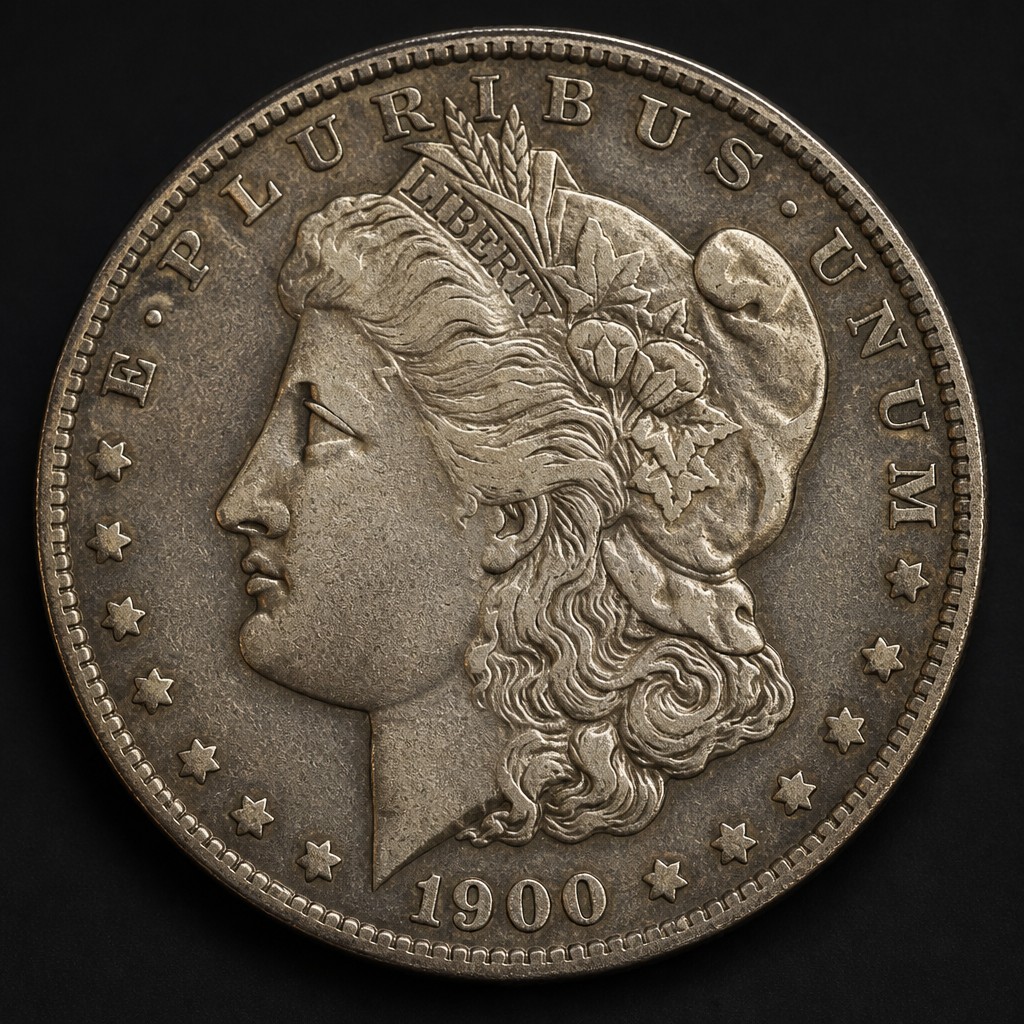
1900-O/CC Morgan Dollar
1900
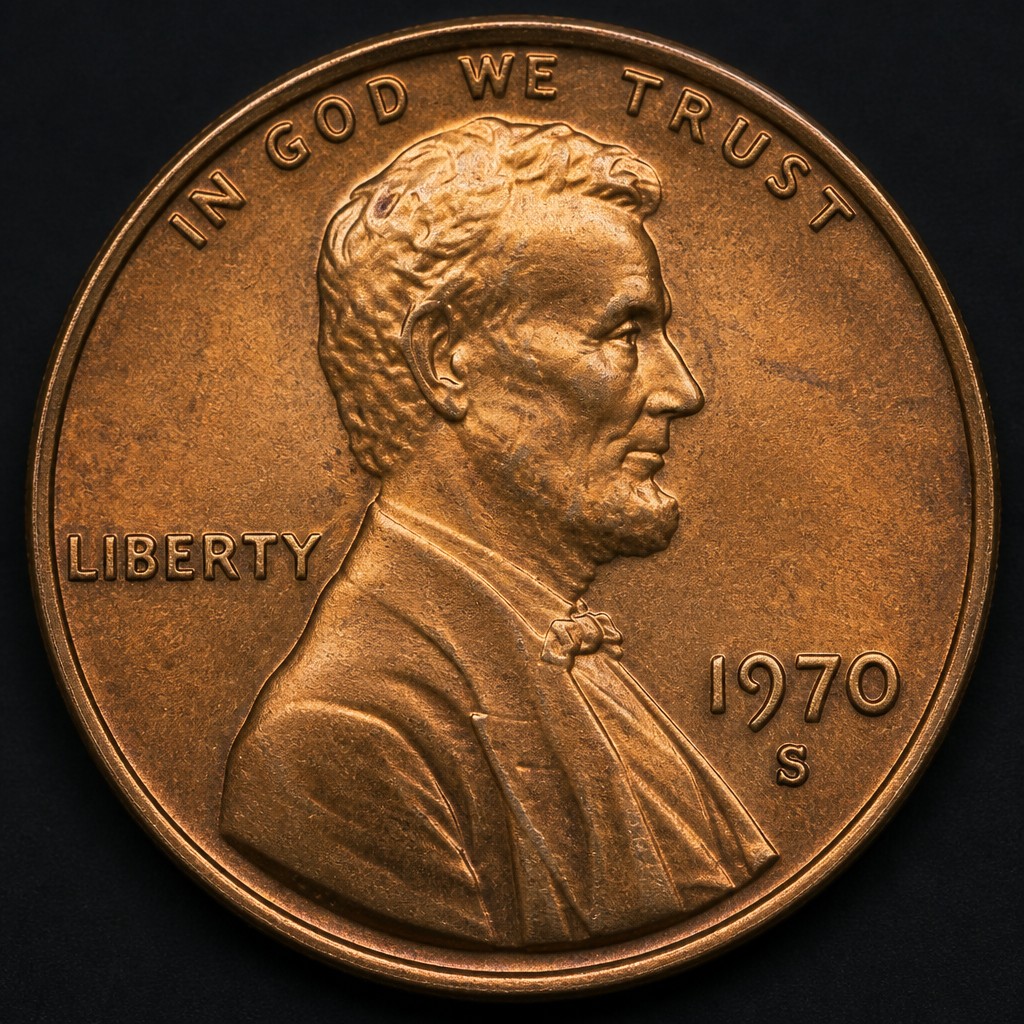
1970-S Small Date Lincoln Cent
1970
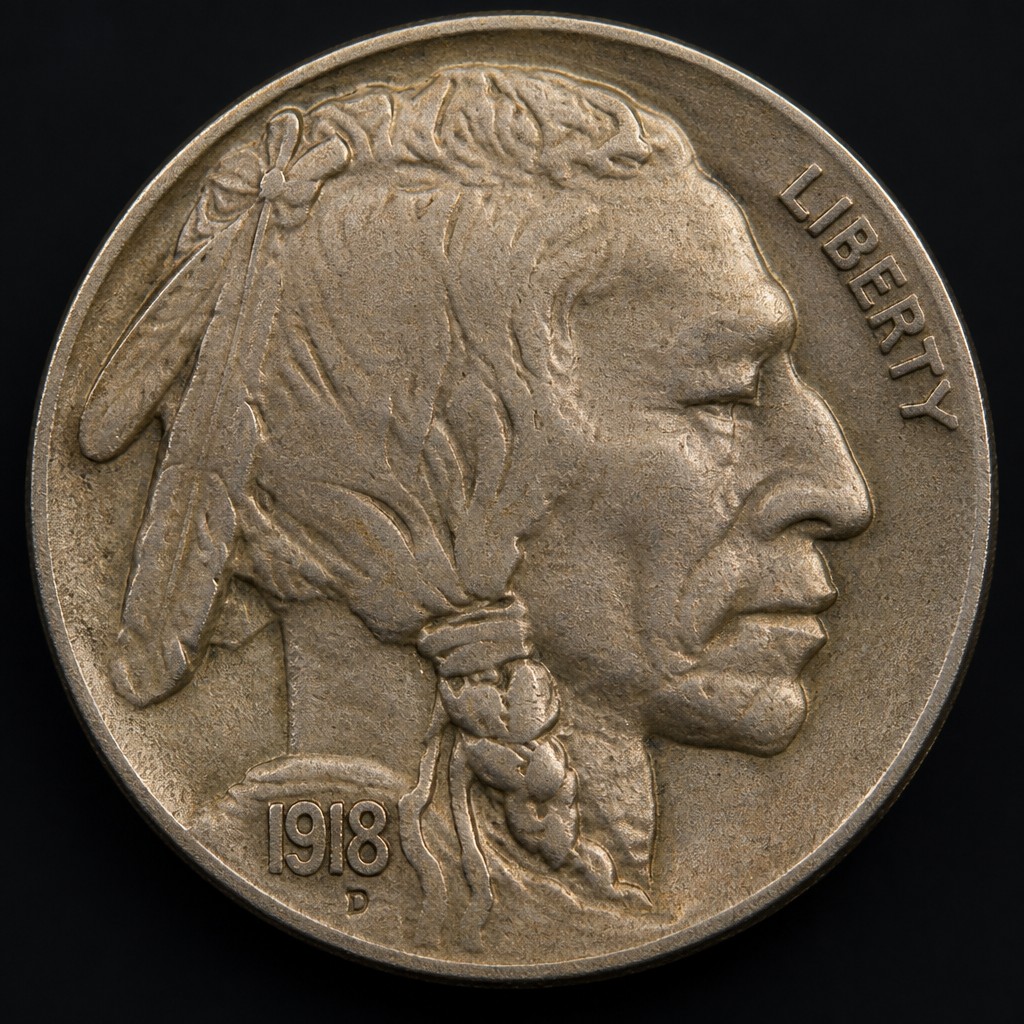
1918/7-D Buffalo Nickel
1918
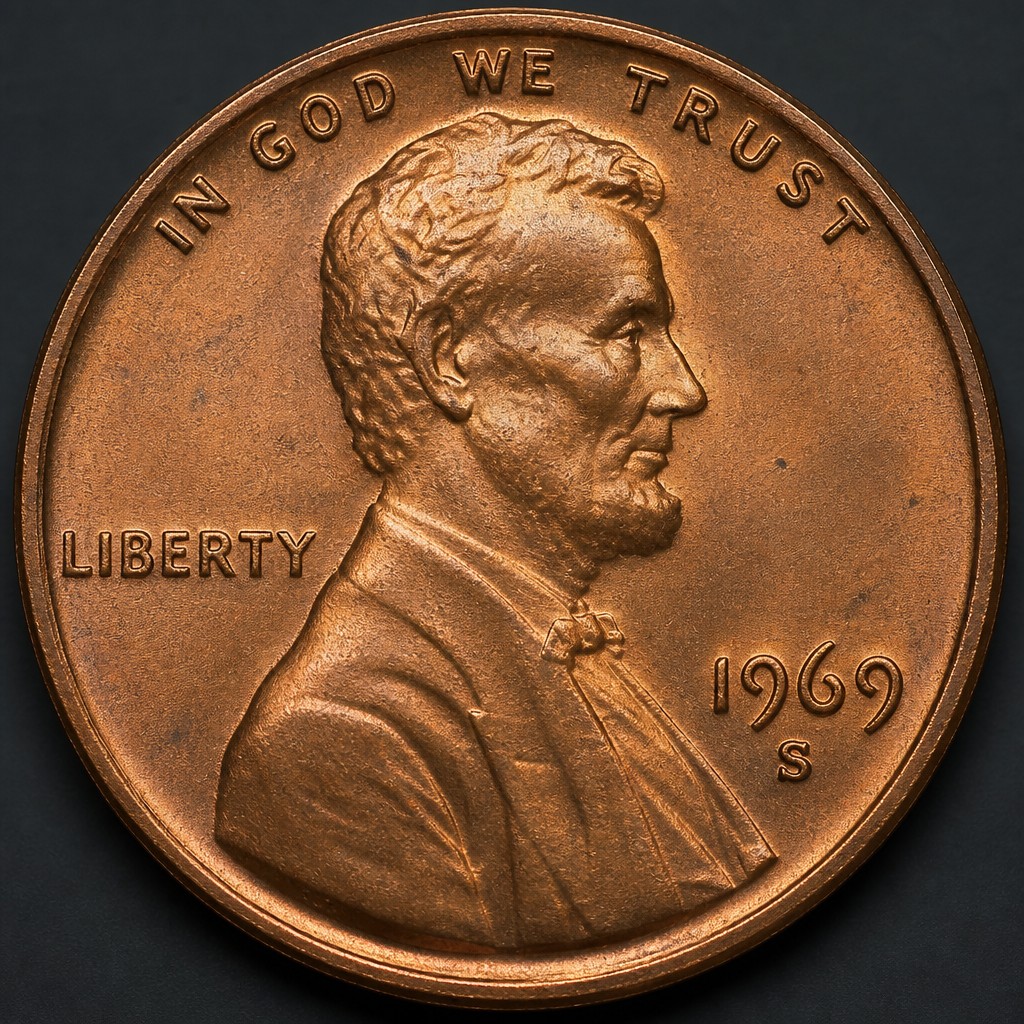
1969-S Doubled Die Obverse Lincoln Cent
1969
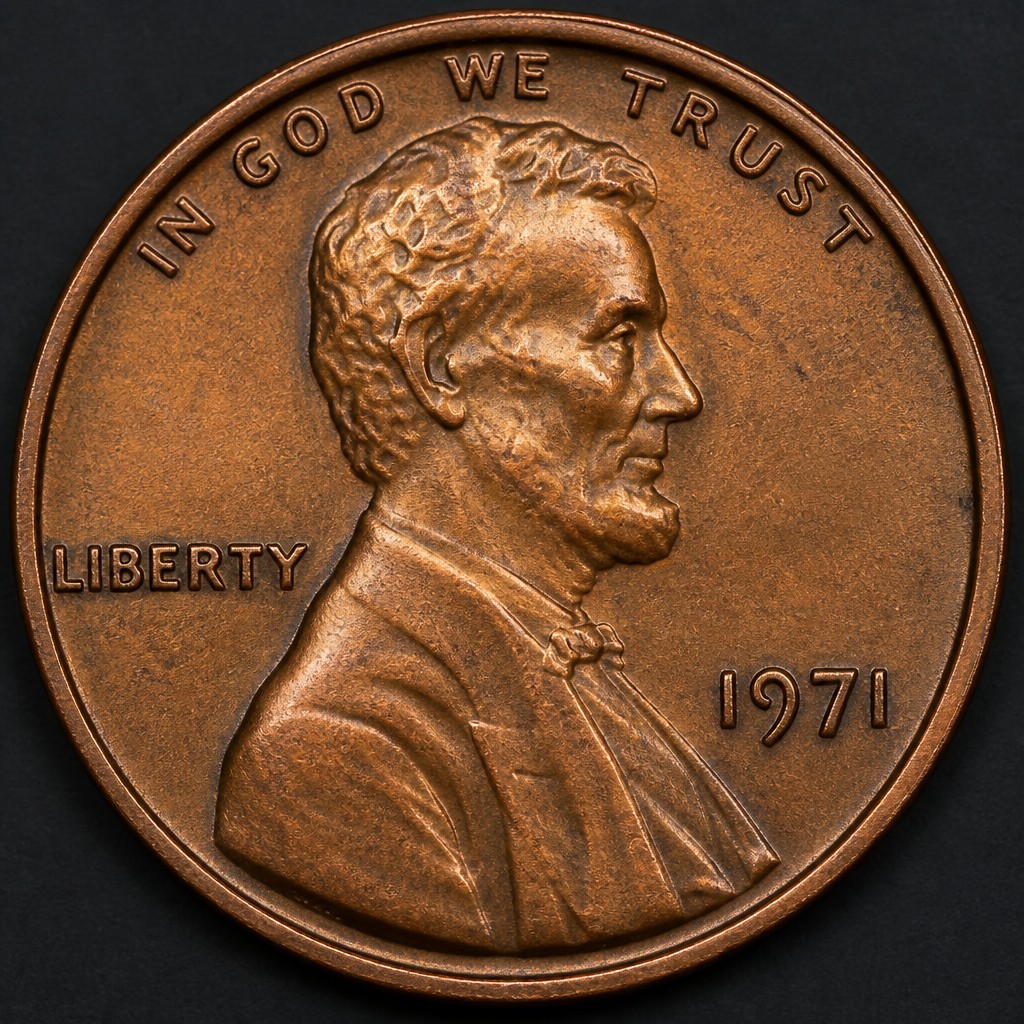
1971 Doubled Die Obverse Lincoln Cent
1971
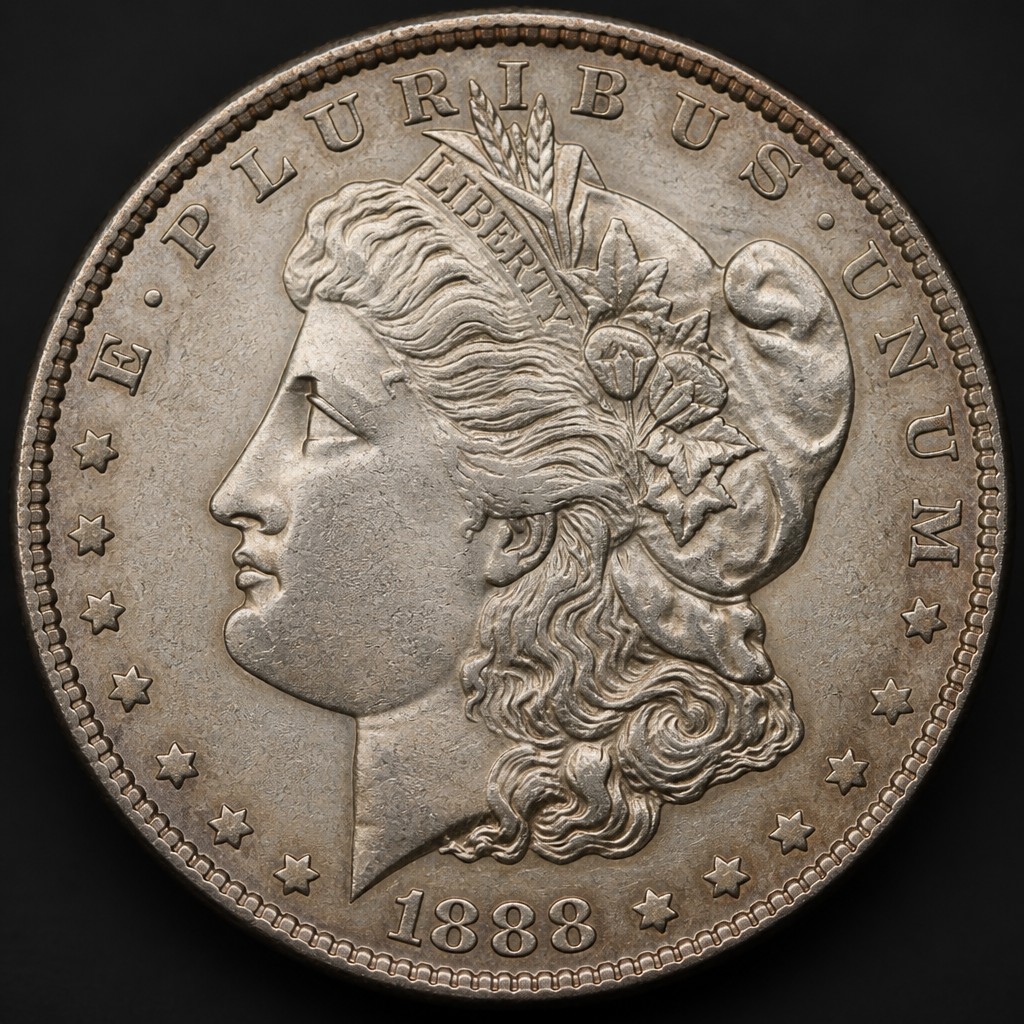
1888/7 Morgan Dollar Overdate
1888
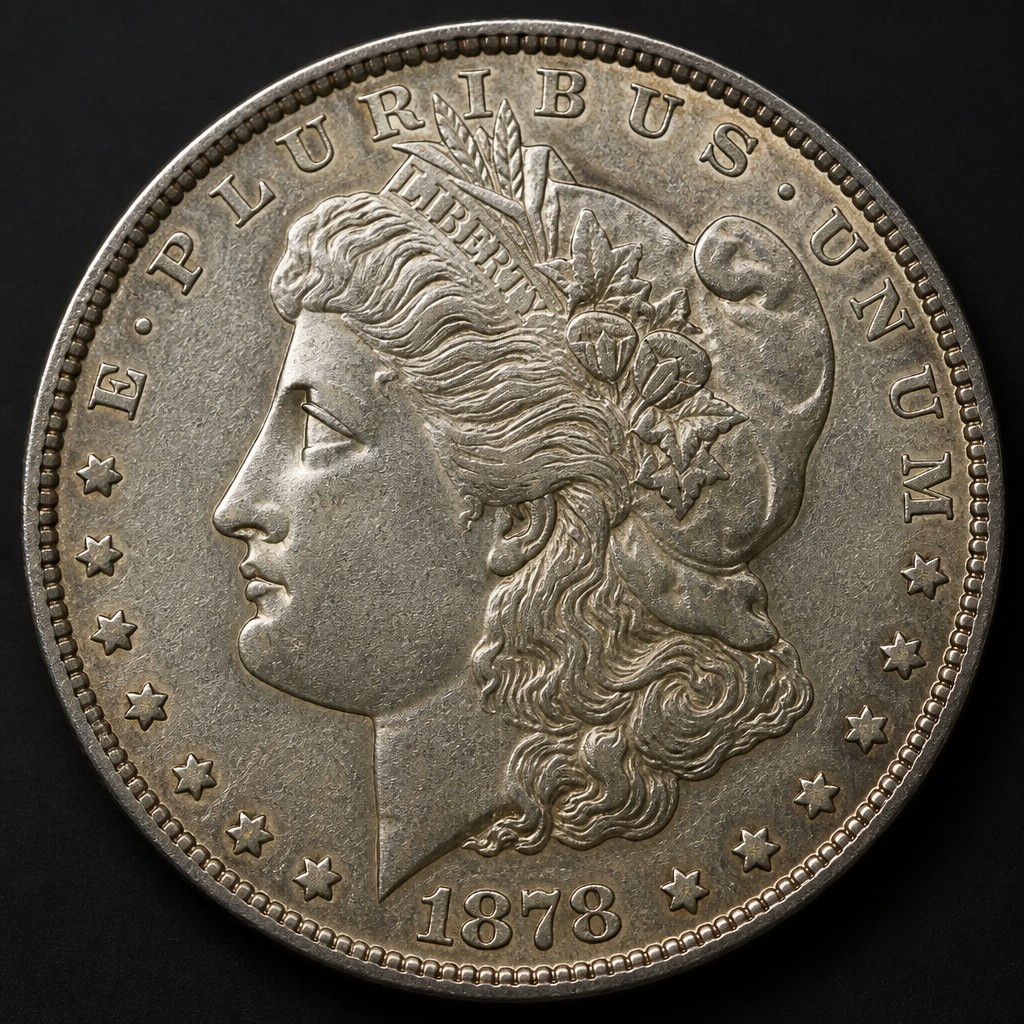
1878 7/8 Tail Feathers Morgan Dollar
1878
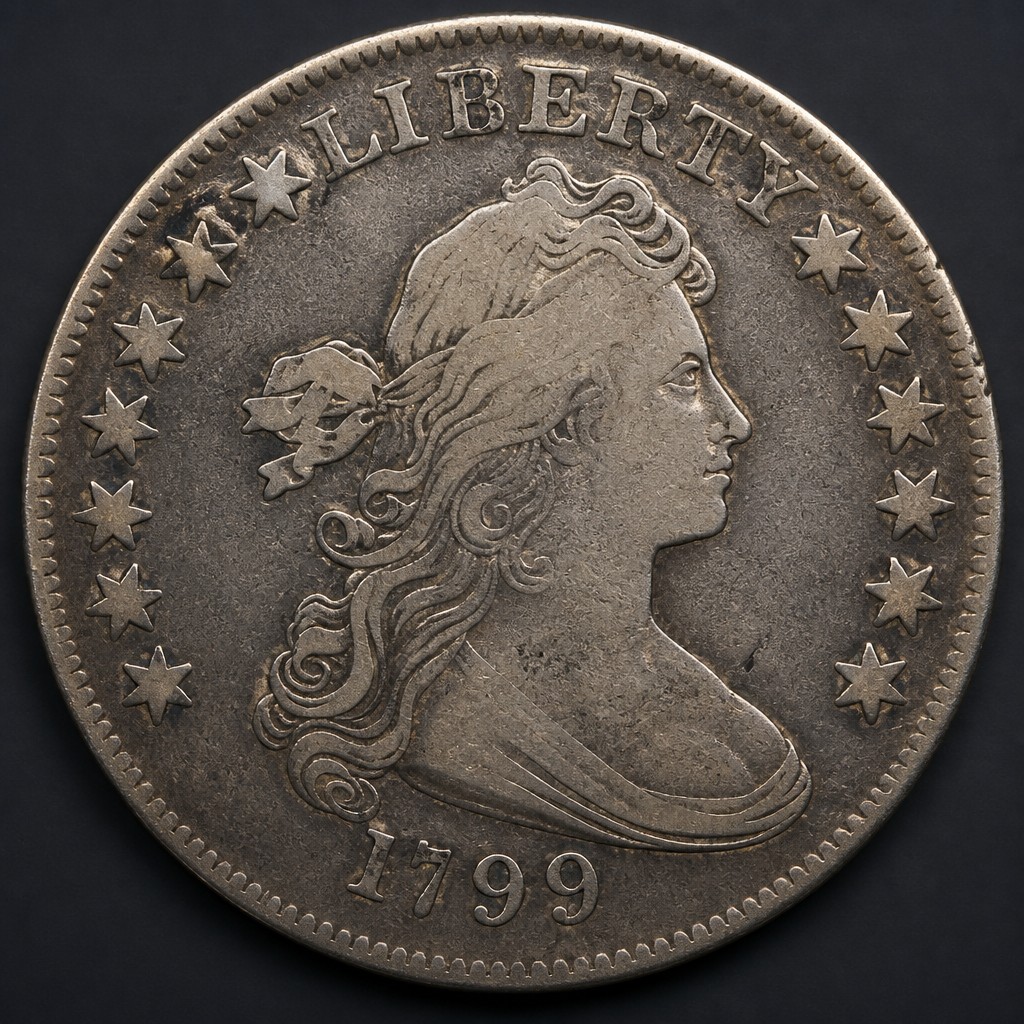
1799/8 Draped Bust Silver Dollar Overdate
1799 (die dated over 1798)
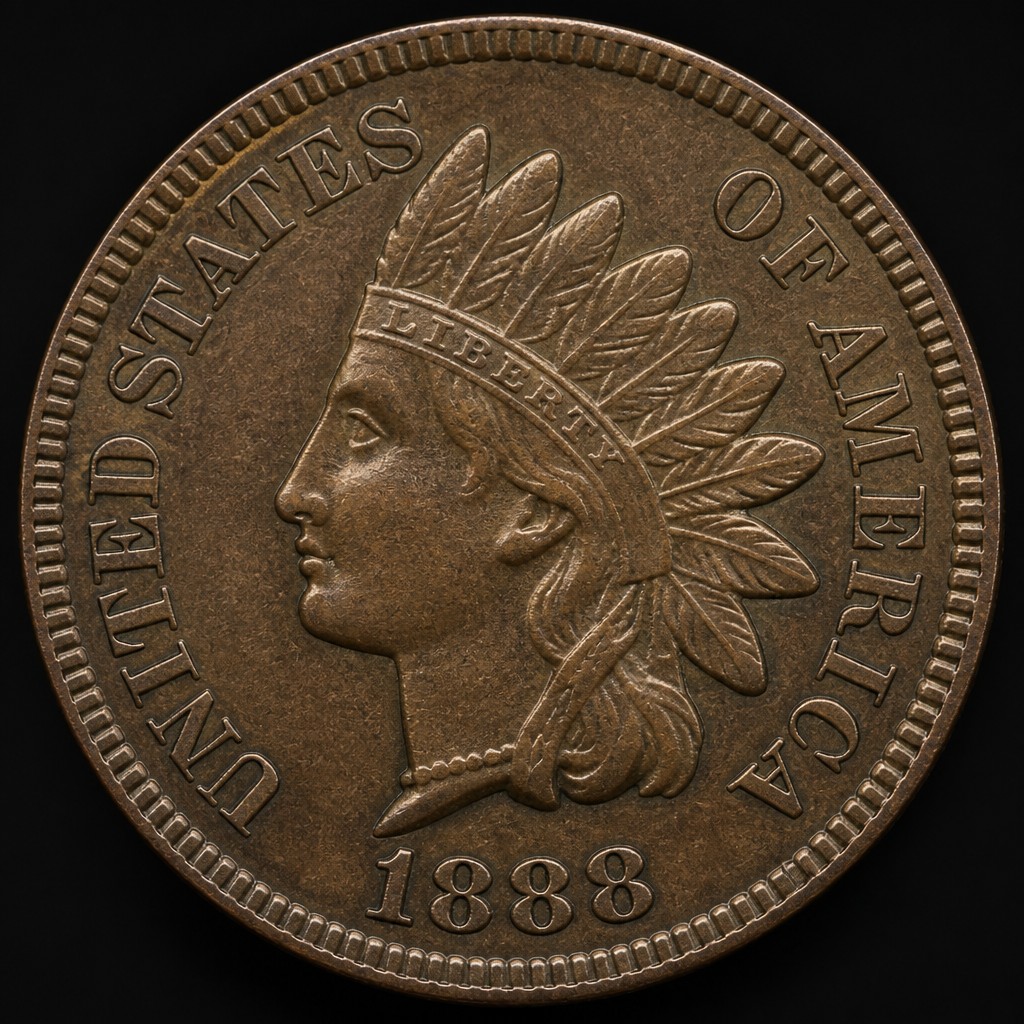
1888/7 Indian Head Cent Overdate
1888
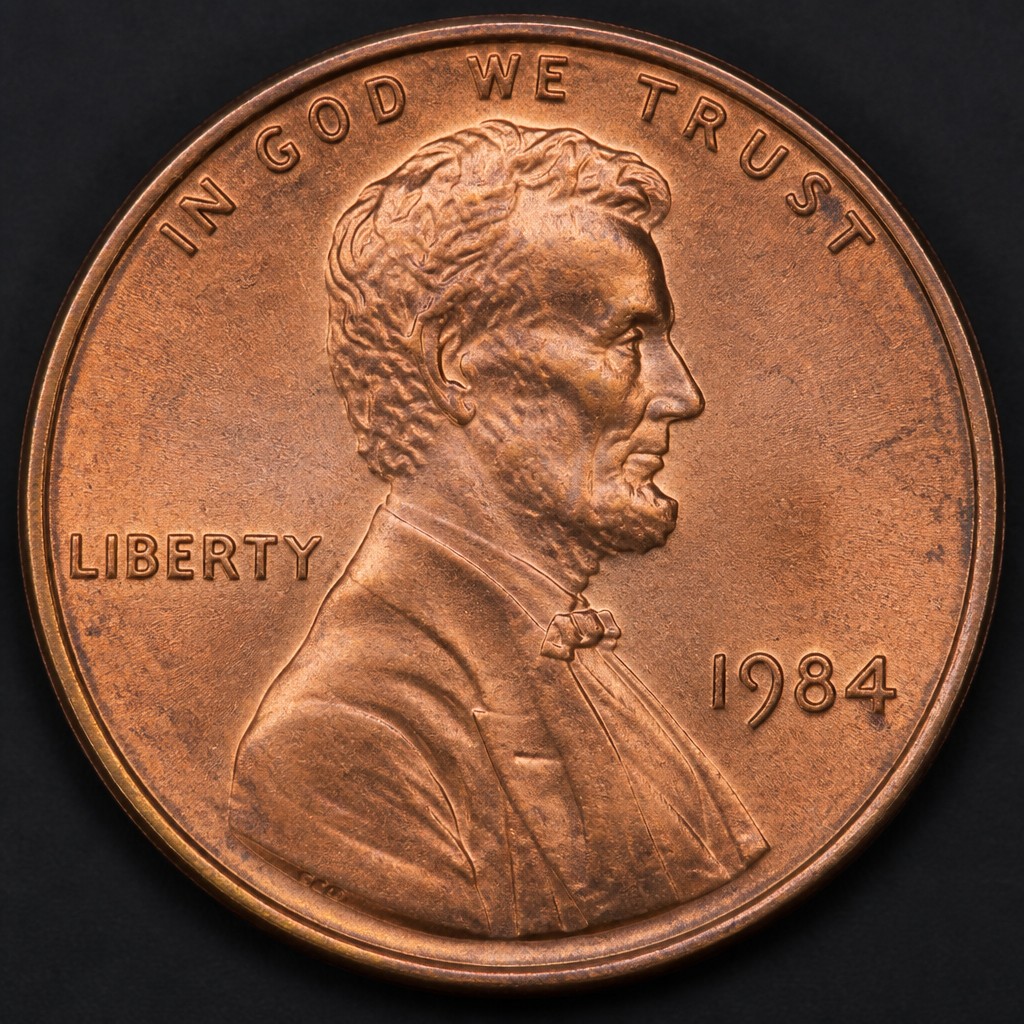
1984 Doubled Ear Lincoln Cent
1984
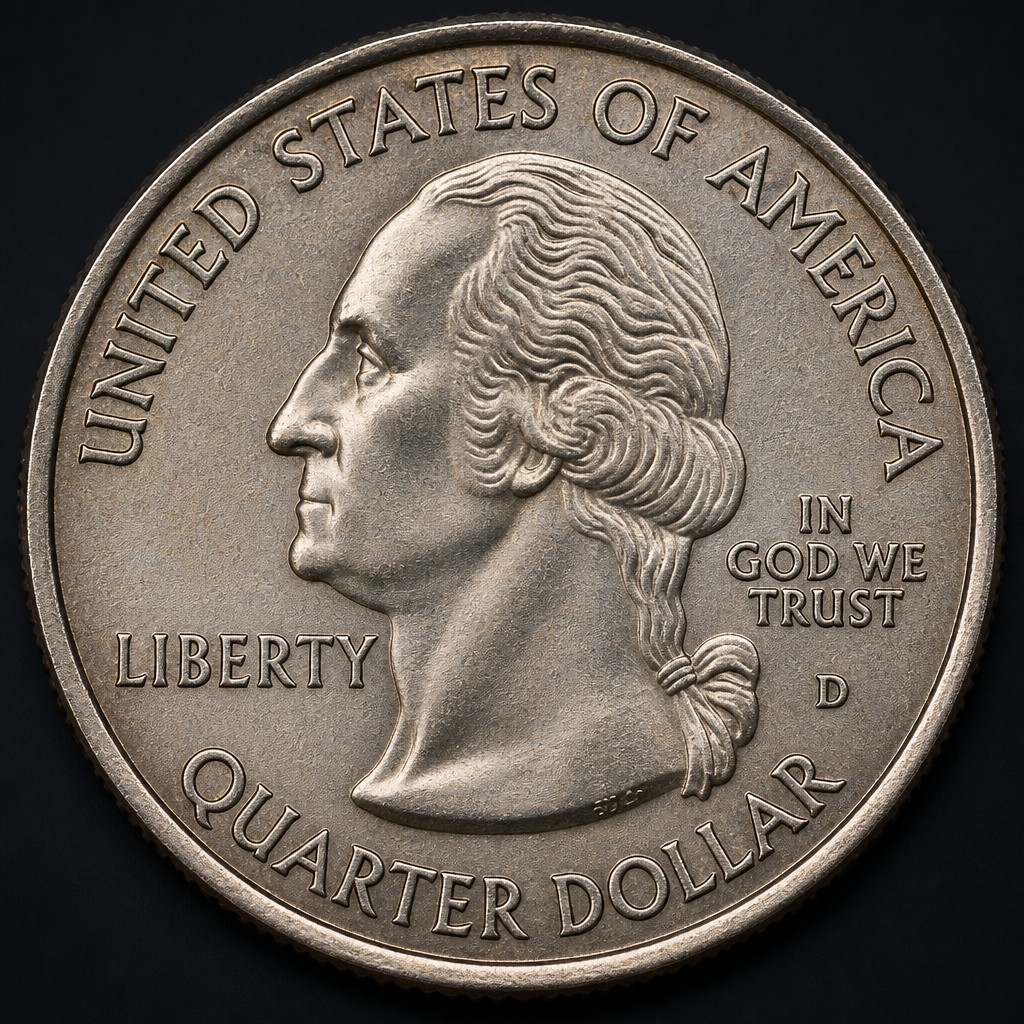
2004-D Wisconsin State Quarter Extra Leaf
2004
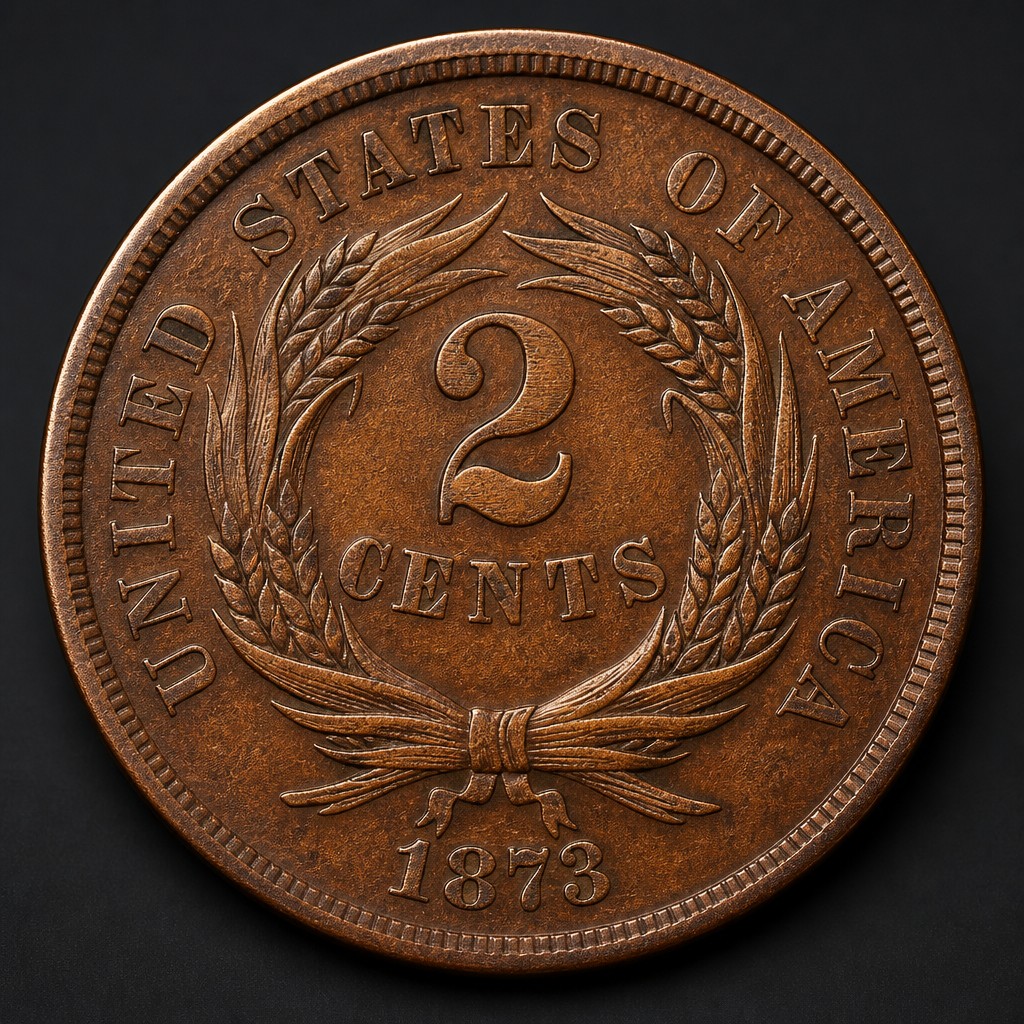
1873 Doubled Die Two-Cent Piece
1873