
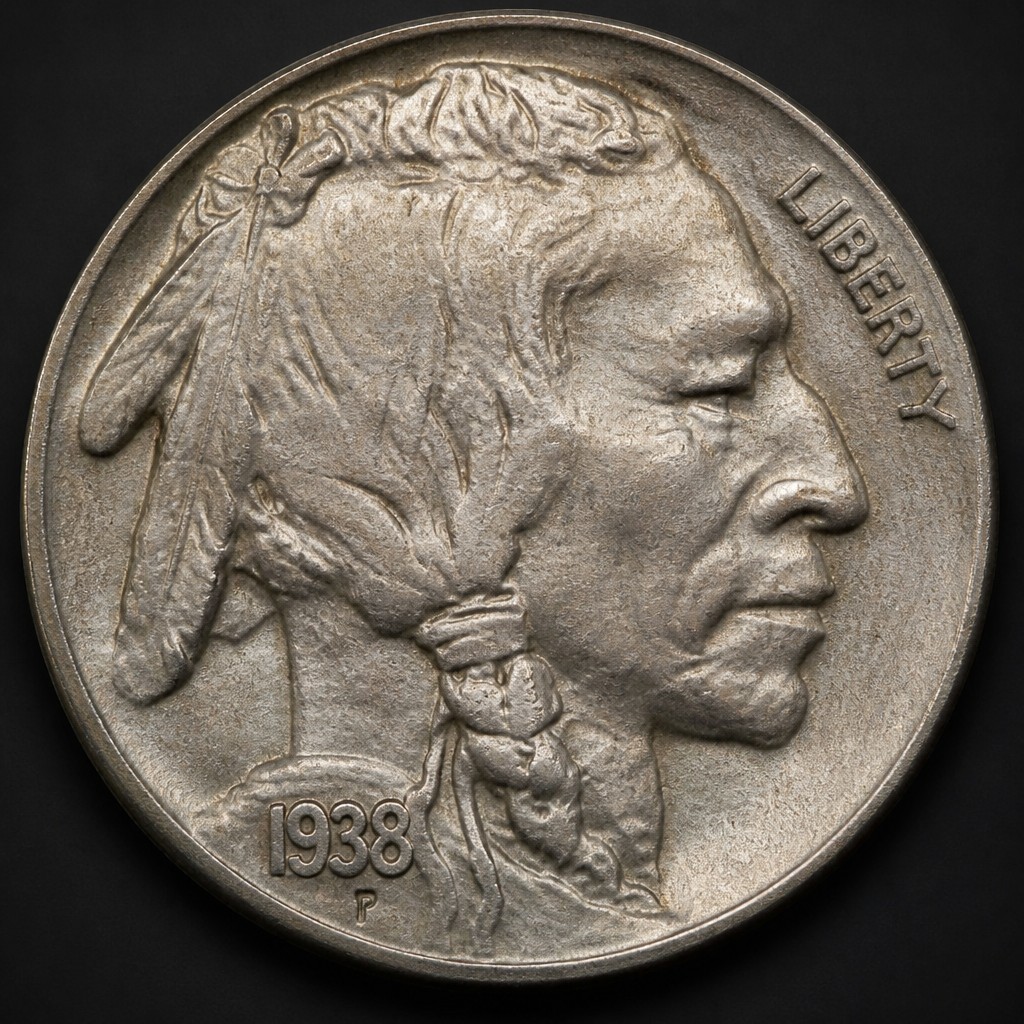
1938-D/S Buffalo Nickel Overmintmark
The famous final-year Buffalo nickel variety showing a D mintmark punched over a leftover S, created when Denver reused a die originally prepared for San Francisco.
- Country
- United States
- Denomination
- 5 cents
- Metal
- Copper-nickel (75% copper, 25% nickel)
Got a coin like this?
Identify any coin from a photo, free.
Overview
The 1938-D/S Buffalo nickel is one of the most celebrated overmintmark varieties in twentieth-century American coinage, occurring in the very last year the Buffalo (Indian Head) nickel design was struck before the Jefferson nickel took over in late 1938. On this variety, a bold underlying S mintmark is visible beneath the final D, the result of a leftover working die originally punched for San Francisco being repunched with a D and shipped to or used at the Denver Mint instead.
Unlike many subtle repunched mintmark varieties that require strong magnification, the 1938-D/S is famous for being detectable with the naked eye or very light magnification, since the S peeks out clearly from under and to the side of the D. This visual drama, combined with the design's status as the final year of a beloved series, has made it one of the most sought-after twentieth-century nickel varieties among both variety specialists and general Buffalo nickel collectors.
Its popularity helped establish overmintmark and repunched mintmark collecting as a mainstream niche within United States numismatics, and it remains a staple "must-have" variety for anyone assembling a comprehensive Buffalo nickel set.
History & Background
James Earle Fraser's Buffalo nickel debuted in 1913 and ran through 1938, depicting a Native American composite portrait on the obverse and an American bison on the reverse. Mintmarks were applied by hand to each individual working die at this time, a process prone to occasional errors when dies intended for one mint were rerouted or corrected before use.
In 1938, as the series wound down and the Jefferson nickel was being prepared for release, a die that had already been punched with an S for the San Francisco Mint was instead repunched with a D and used at the Denver Mint, leaving the ghost of the original S visible beneath the corrected D. The exact administrative reason for the mix-up is not documented in surviving Mint records, but such reassignments of dies between branch mints were not unheard of during this period of tight production scheduling.
The variety was identified and popularized by numismatic researchers cataloging Buffalo nickel die varieties in the decades following its production, and it has since become a benchmark example cited whenever overmintmark errors are discussed in American numismatic literature.
How to Identify
The obverse shows a Native American profile portrait with LIBERTY and the date 1938 to the right. The reverse depicts an American bison standing on a mound, with FIVE CENTS below and UNITED STATES OF AMERICA arcing above; the mintmark appears beneath FIVE CENTS on the reverse.
On the 1938-D/S variety, the mintmark shows a D with a clear, often quite bold, S protruding from its lower left or underneath, visible without heavy magnification in well-struck examples. This differs from typical repunched mintmarks, where the secondary letter is only a faint shadow.
The coin measures 21.2mm in diameter in the standard 75% copper, 25% nickel alloy, with a plain edge, matching all other Buffalo nickels. Collectors should examine the mintmark under good light and compare it to published reference images, since die deterioration or damage can sometimes be mistaken for the true overmintmark.
Because 1938 Buffalo nickels were struck only briefly before the design changed, genuine examples are confined to that single year at the Denver Mint, making this a well-defined and easily dated variety.
Value & Collectibility
The 1938-D/S is a widely recognized variety and commands a solid premium over a common 1938-D Buffalo nickel even in circulated grades, often trading in the tens of dollars, with choice and gem uncirculated examples reaching well into the hundreds of dollars.
Because the last-year-of-issue Buffalo nickel already carries collector interest, and because the overmintmark is unusually bold and easy to see, demand extends beyond dedicated variety specialists to mainstream type collectors, supporting stronger and more consistent pricing than many other repunched mintmark varieties.
As always, sharpness of strike, remaining luster, and the strength of the visible underlying S all affect price, with problem-free, well-struck uncirculated pieces bringing the greatest premiums at auction and through dealers.
Frequently asked questions
Why does the 1938-D nickel show an S underneath the D?
A die originally hand-punched with an S mintmark for San Francisco was later repunched with a D and used at the Denver Mint, leaving remnants of the original S visible.
Is the 1938-D/S rare?
It is scarce enough to carry a real premium but not extremely rare in absolute terms; its popularity comes from being highly visible and tied to the final year of the Buffalo nickel design.
Can I see the overmintmark without a magnifier?
Many well-struck examples show the underlying S clearly enough to spot with the naked eye or minimal magnification, unlike most other repunched mintmark varieties.
Does this affect only 1938 nickels from Denver?
Yes, this specific overmintmark variety is confined to 1938-dated Buffalo nickels struck at the Denver Mint.
Other coins you may enjoy
1900-O/CC Morgan Dollar
1900
1970-S Small Date Lincoln Cent
1970
1918/7-D Buffalo Nickel
1918
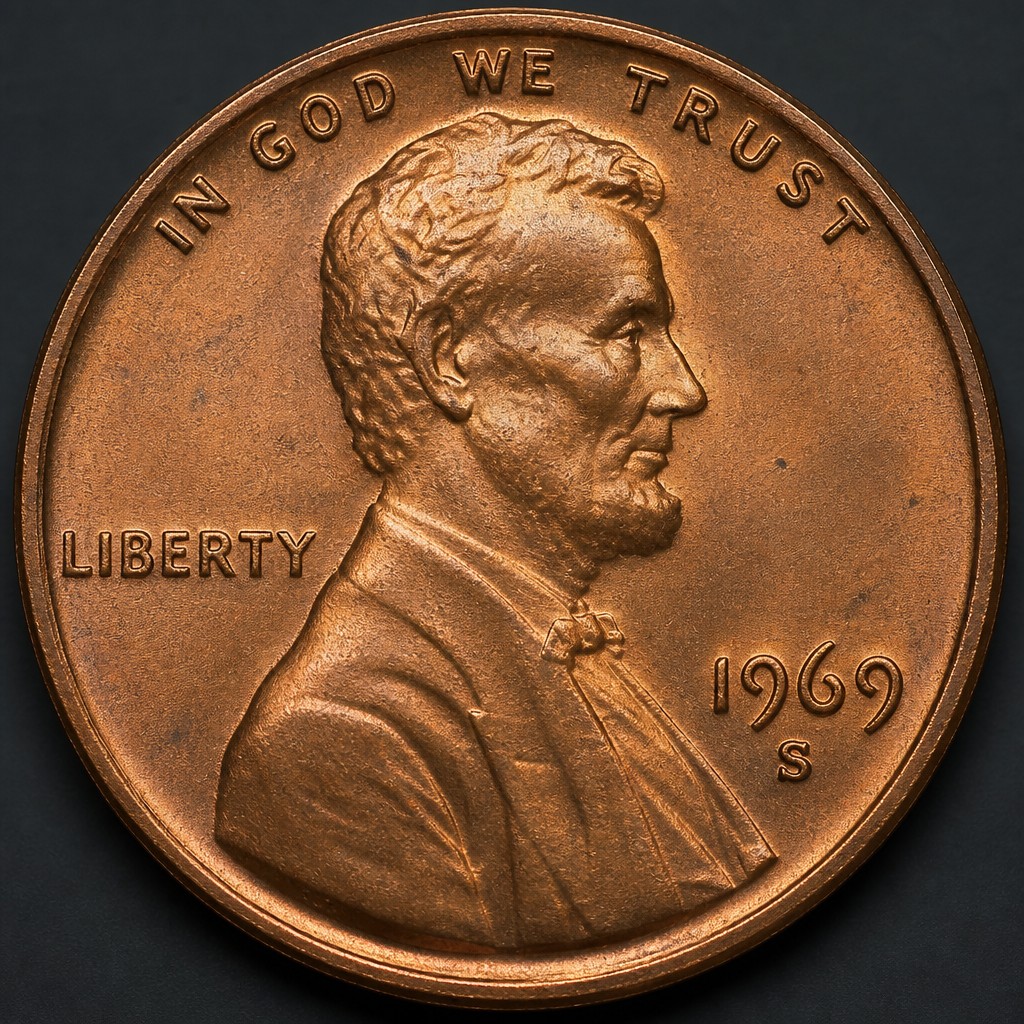
1969-S Doubled Die Obverse Lincoln Cent
1969
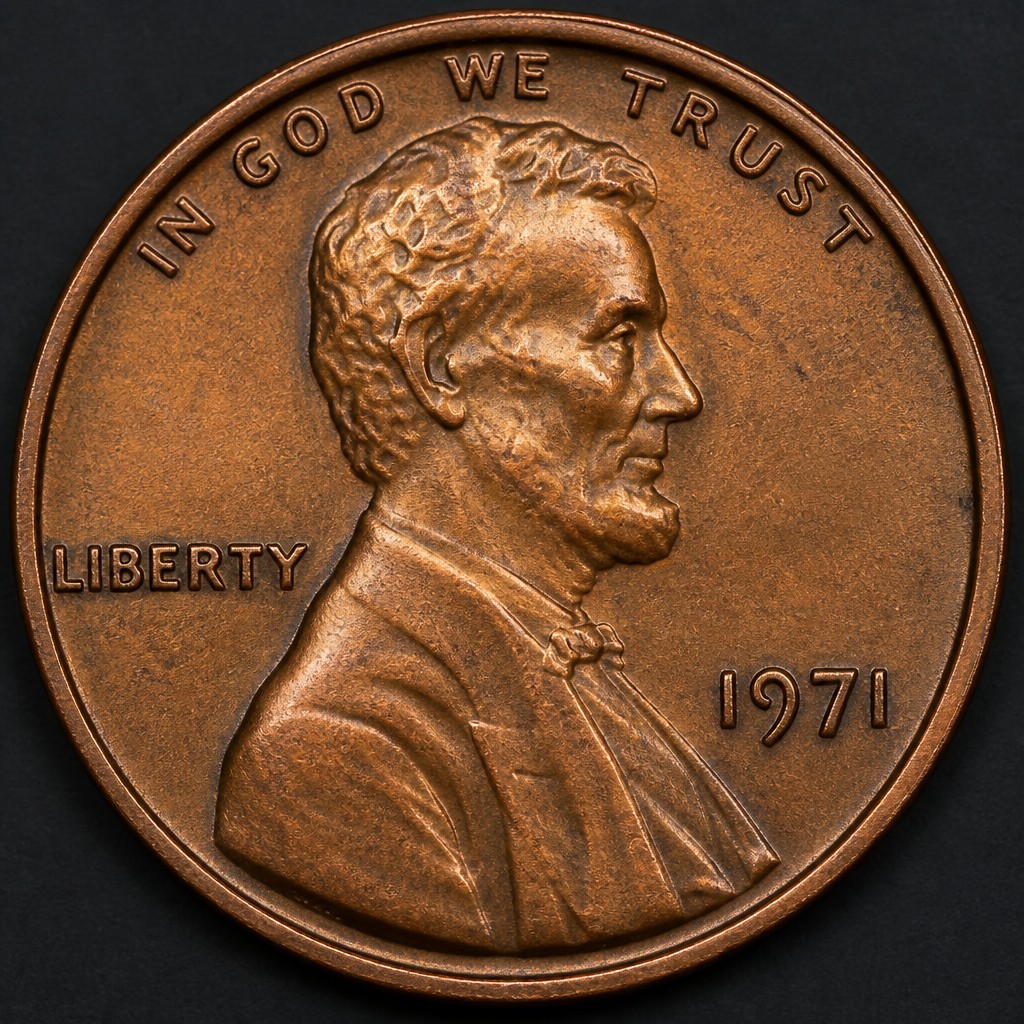
1971 Doubled Die Obverse Lincoln Cent
1971
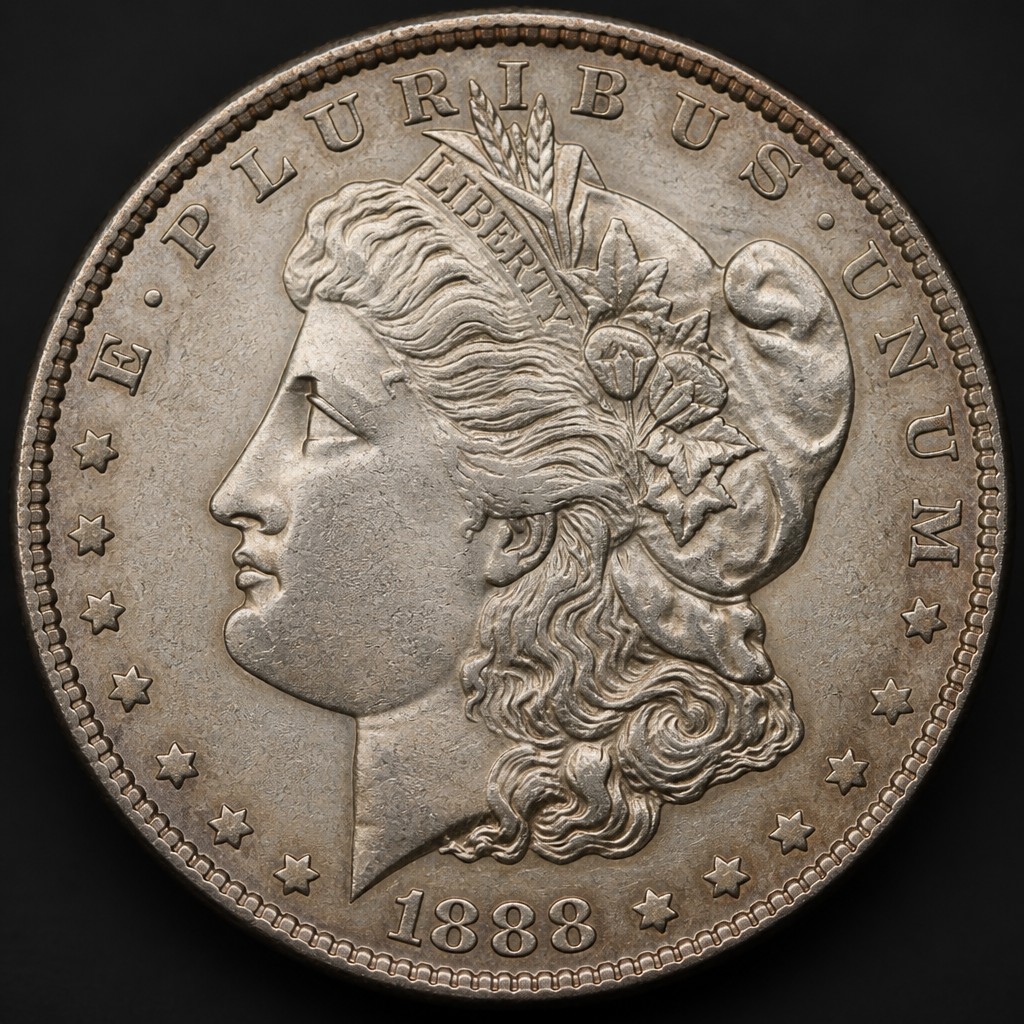
1888/7 Morgan Dollar Overdate
1888
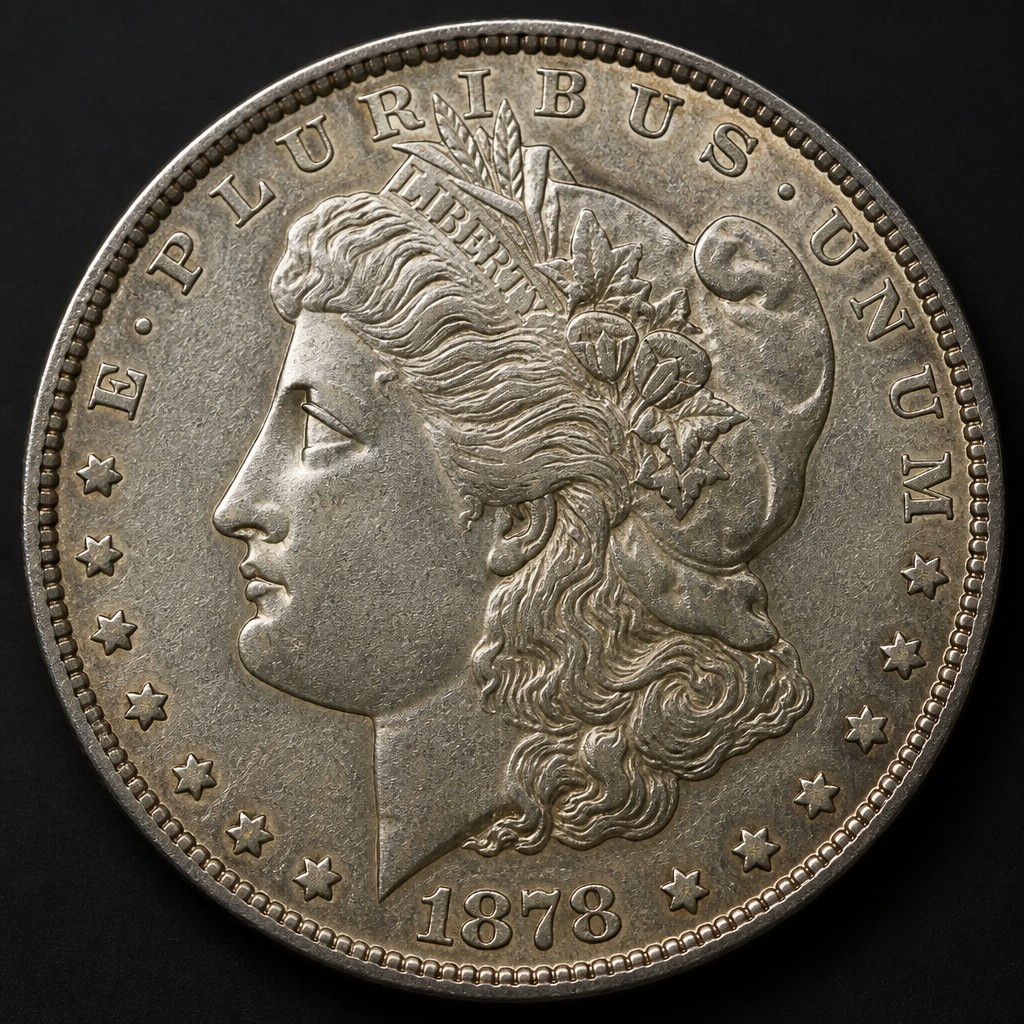
1878 7/8 Tail Feathers Morgan Dollar
1878
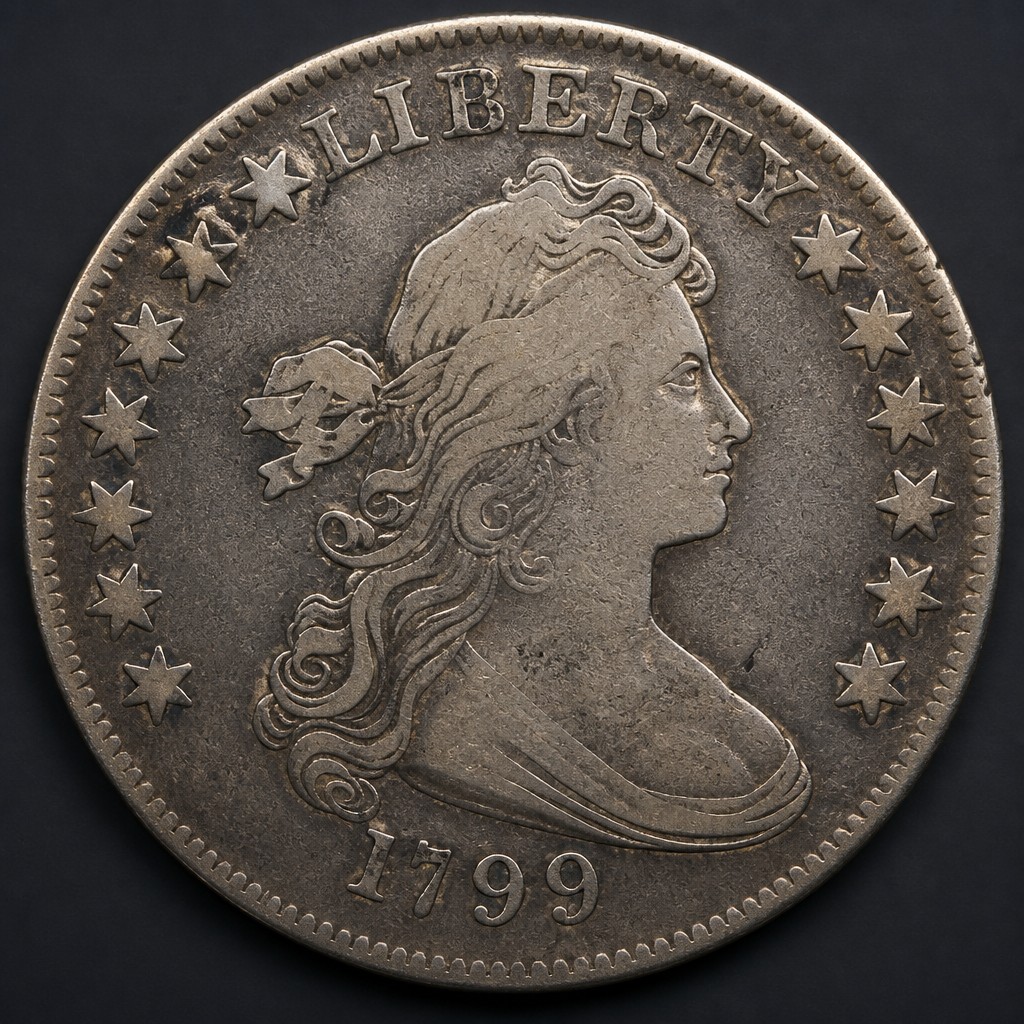
1799/8 Draped Bust Silver Dollar Overdate
1799 (die dated over 1798)
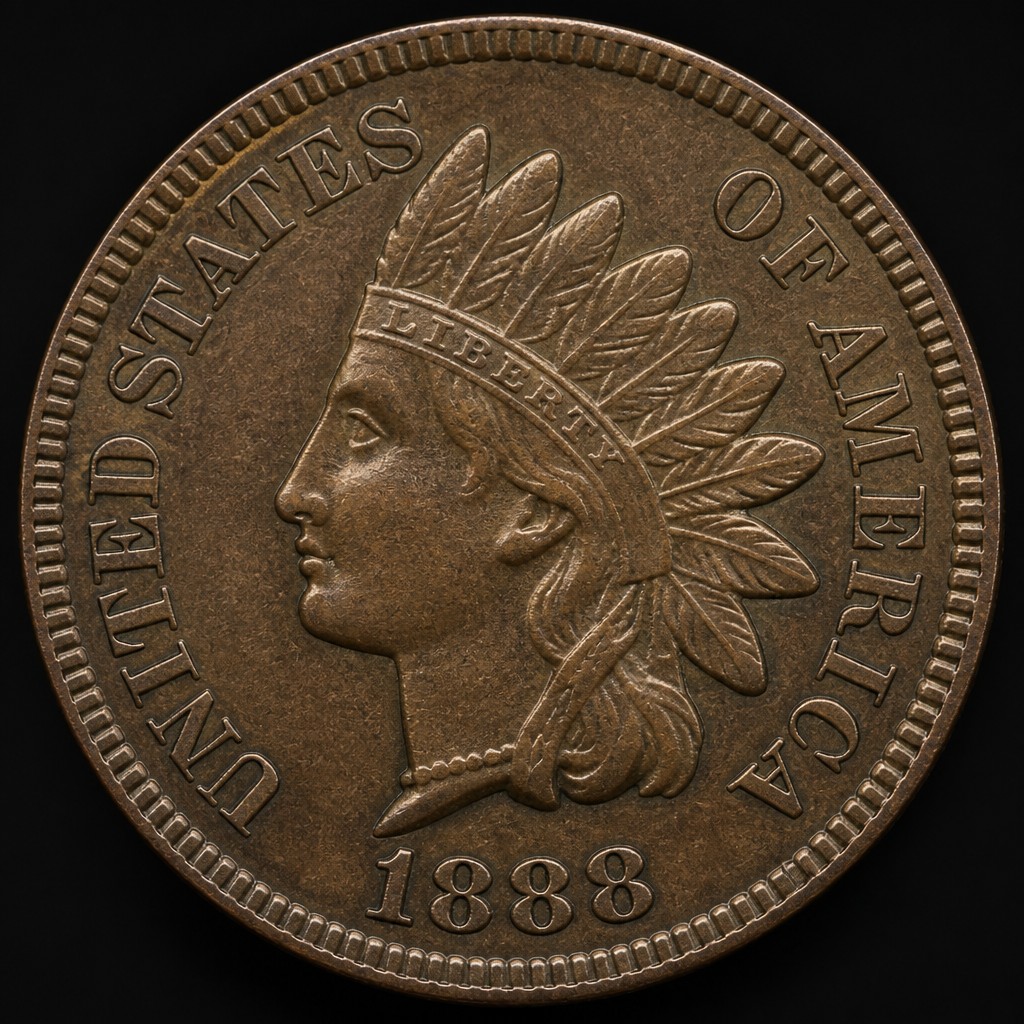
1888/7 Indian Head Cent Overdate
1888
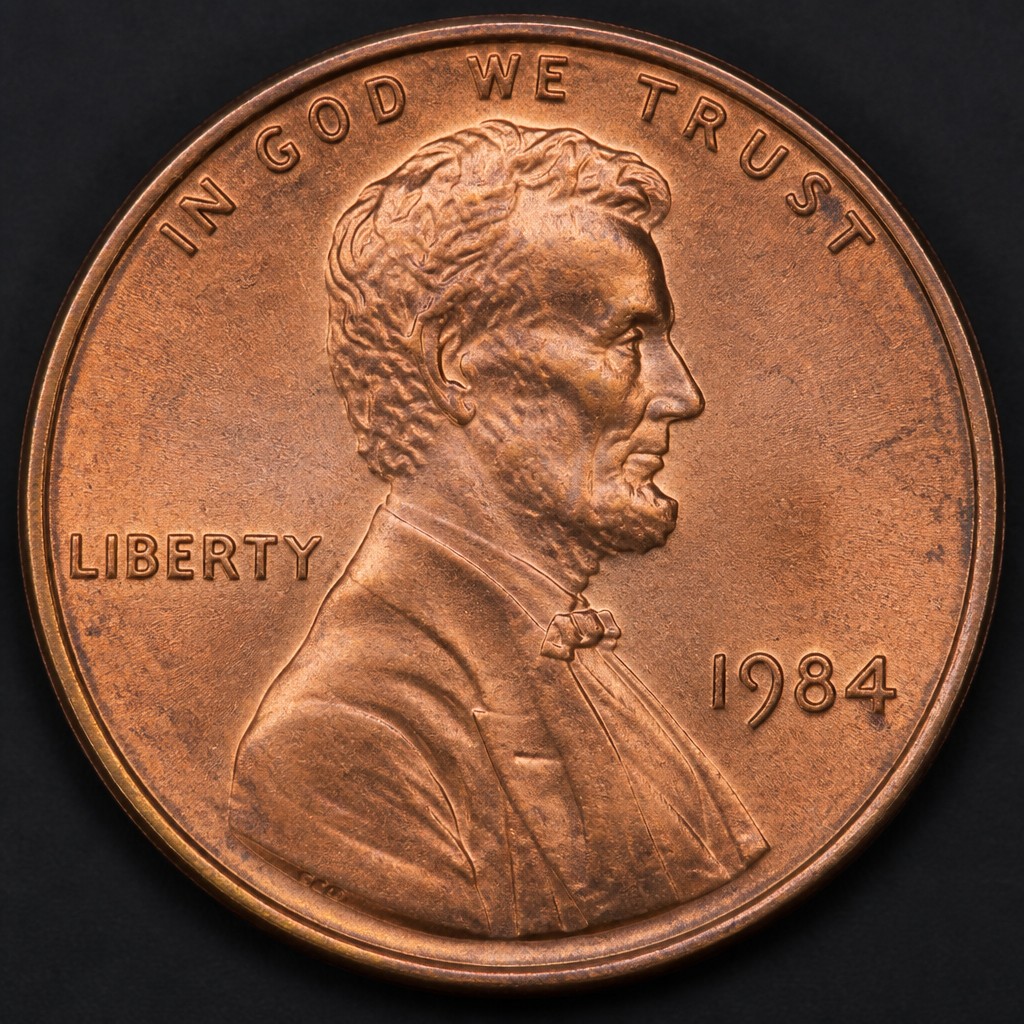
1984 Doubled Ear Lincoln Cent
1984
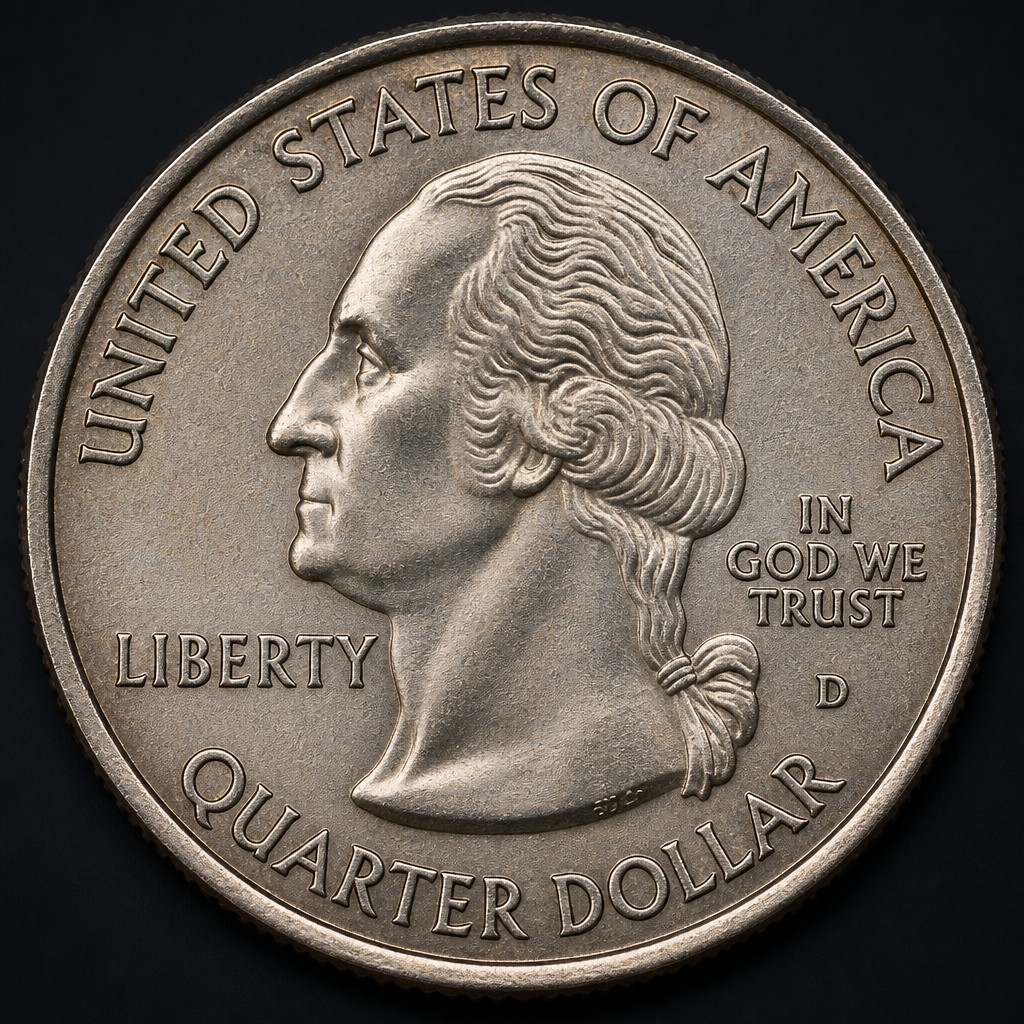
2004-D Wisconsin State Quarter Extra Leaf
2004
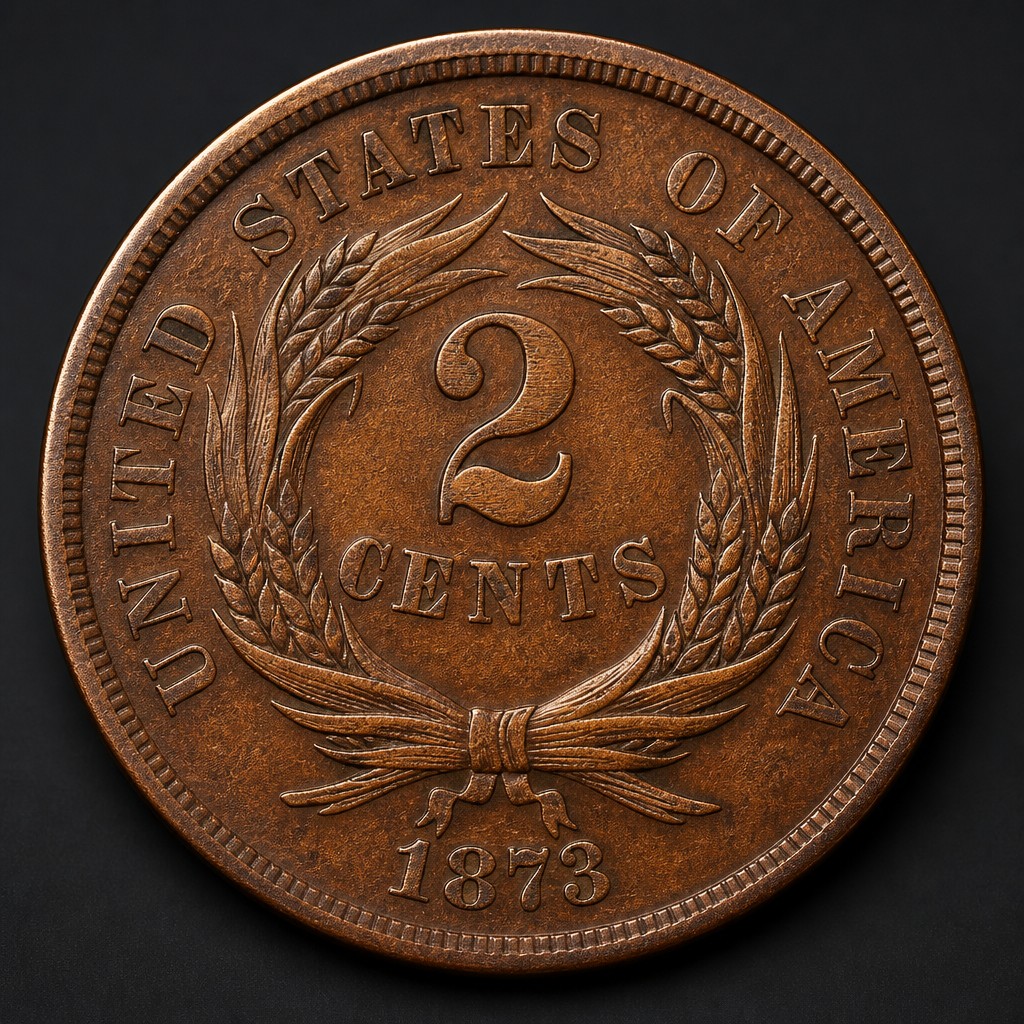
1873 Doubled Die Two-Cent Piece
1873