
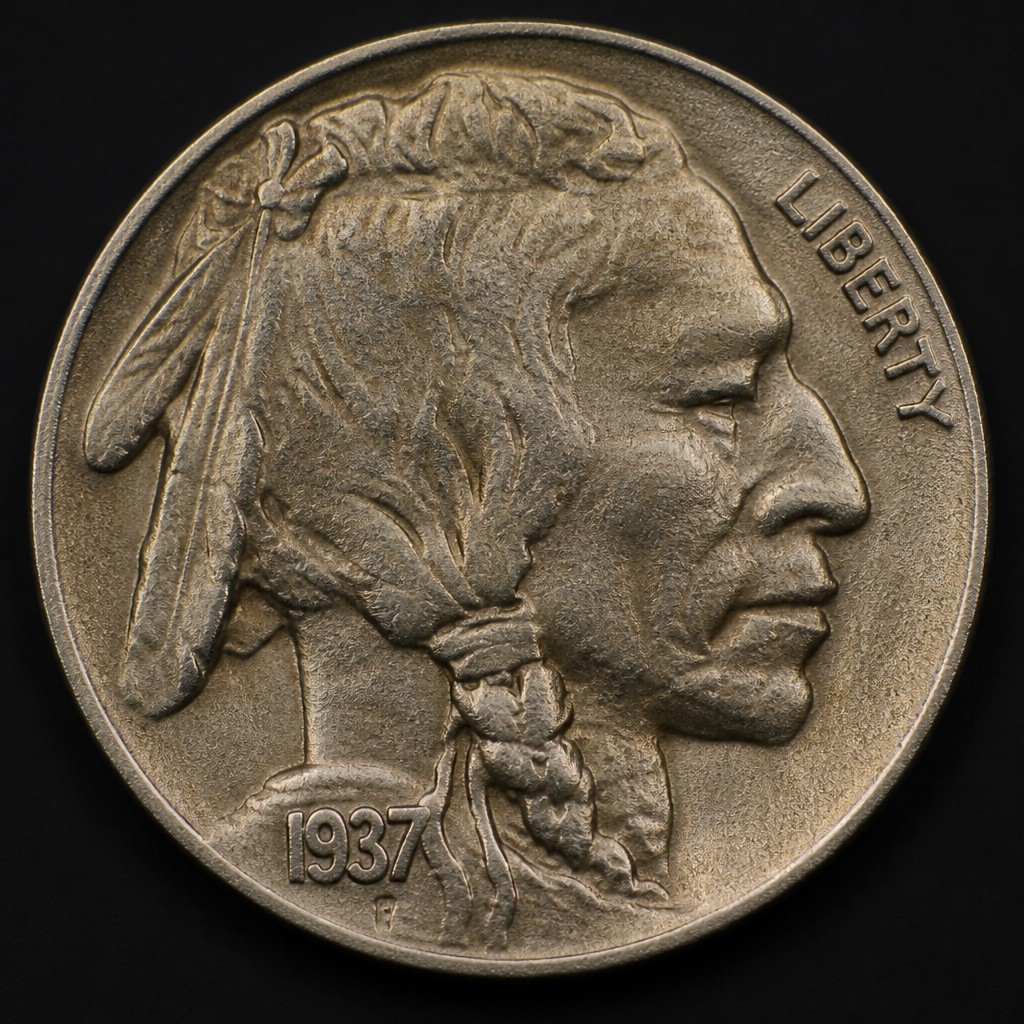
1937 Doubled Die Obverse Buffalo Nickel
A doubled die variety of the 1937 Buffalo nickel showing visible doubling in the obverse date and lettering, collected alongside other notable varieties from the final years of the Buffalo nickel series.
- Country
- United States
- Denomination
- 5 cents
- Metal
- Copper-nickel
Got a coin like this?
Identify any coin from a photo, free.
Overview
The 1937 Doubled Die Obverse Buffalo nickel is a recognized variety from the closing years of the Buffalo nickel series, which ran from 1913 to 1938 based on James Earle Fraser's iconic Native American and bison design. The doubling on this variety appears in the obverse date and lettering, a result of a misaligned hubbing impression during die preparation.
The 1937 date is also notable in the wider series for the famous 1937-D Three-Legged Buffalo variety, a different and far more dramatic error caused by over-polishing of a die; the doubled die variety discussed here is a distinct and separate collectible from that better-known error.
As a doubled die on an already popular and historically significant coin design, this variety appeals to both Buffalo nickel specialists and doubled die collectors more broadly.
History & Background
The Buffalo nickel, designed by sculptor James Earle Fraser, depicted a composite portrait of Native American individuals on the obverse and an American bison on the reverse, intended to present a distinctly American image on circulating coinage. By 1937, the design was nearing the end of its run, being replaced by the Jefferson nickel in 1938.
During die preparation for the 1937 issue, at least one Philadelphia obverse die received a doubled hubbing impression, leaving doubling in the date and legend visible on coins struck from that die. This occurred independently of the well-known 1937-D Three-Legged variety, which resulted from a different cause, excessive die polishing rather than doubled hubbing.
Variety collectors later identified and cataloged the doubled die separately from the Three-Legged variety, adding it to the roster of collectible errors from the final years of the Buffalo nickel series.
How to Identify
The obverse shows Fraser's Native American portrait with LIBERTY and the date, while the reverse depicts the American bison standing on a mound with FIVE CENTS and UNITED STATES OF AMERICA around it.
On this doubled die variety, doubling is most visible in the date numerals and portions of the lettering near the rim, generally requiring magnification to appreciate fully. This is distinct from the 1937-D Three-Legged variety, which instead shows a bison missing its front leg due to die damage rather than any doubling.
Collectors should use a loupe to examine the date closely and compare against published attribution photographs, taking care not to confuse this doubled die with ordinary strike doubling or with unrelated varieties from the same year and design type.
Value & Collectibility
The 1937 doubled die Buffalo nickel carries a solid premium over a common-date Buffalo nickel, with values for clearly doubled examples generally ranging from modest sums in worn grades up to notably higher figures for well-preserved, sharply doubled mint state coins.
Because it is sometimes confused with more famous 1937-D varieties, correct attribution is important, and coins should be compared carefully to reference images before assuming a significant premium applies.
Frequently asked questions
Is this the same as the 1937-D Three-Legged Buffalo nickel?
No, they are different coins; the Three-Legged variety comes from Denver and results from die polishing, while this doubled die is a Philadelphia coin with doubling in the date and lettering.
Where is the doubling located on this coin?
It appears primarily in the date and portions of the obverse lettering, best seen under magnification.
How rare is the 1937 doubled die Buffalo nickel?
It is scarce enough to command a real premium among variety collectors, though it is less famous and generally less expensive than the Three-Legged variety.
Who designed the Buffalo nickel?
Sculptor James Earle Fraser designed the coin, which was issued from 1913 through 1938.
Other coins you may enjoy
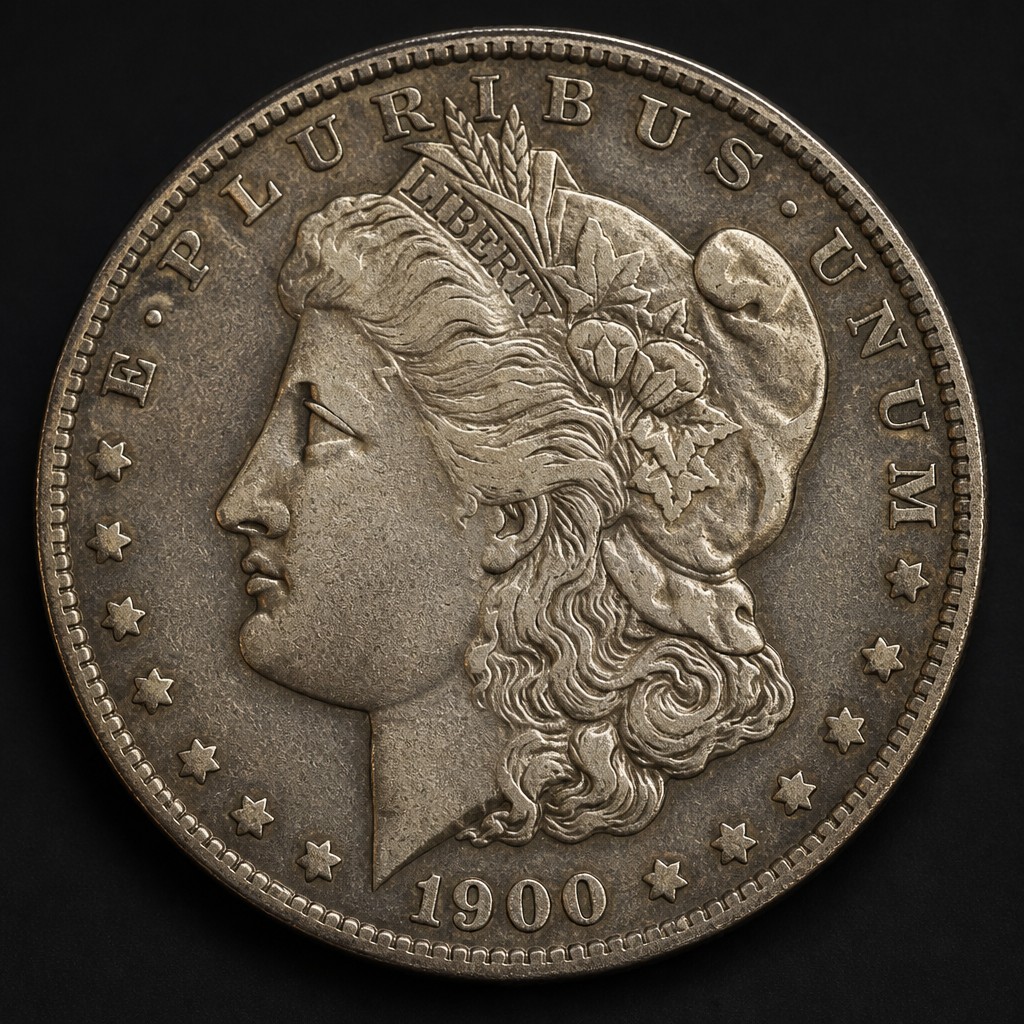
1900-O/CC Morgan Dollar
1900
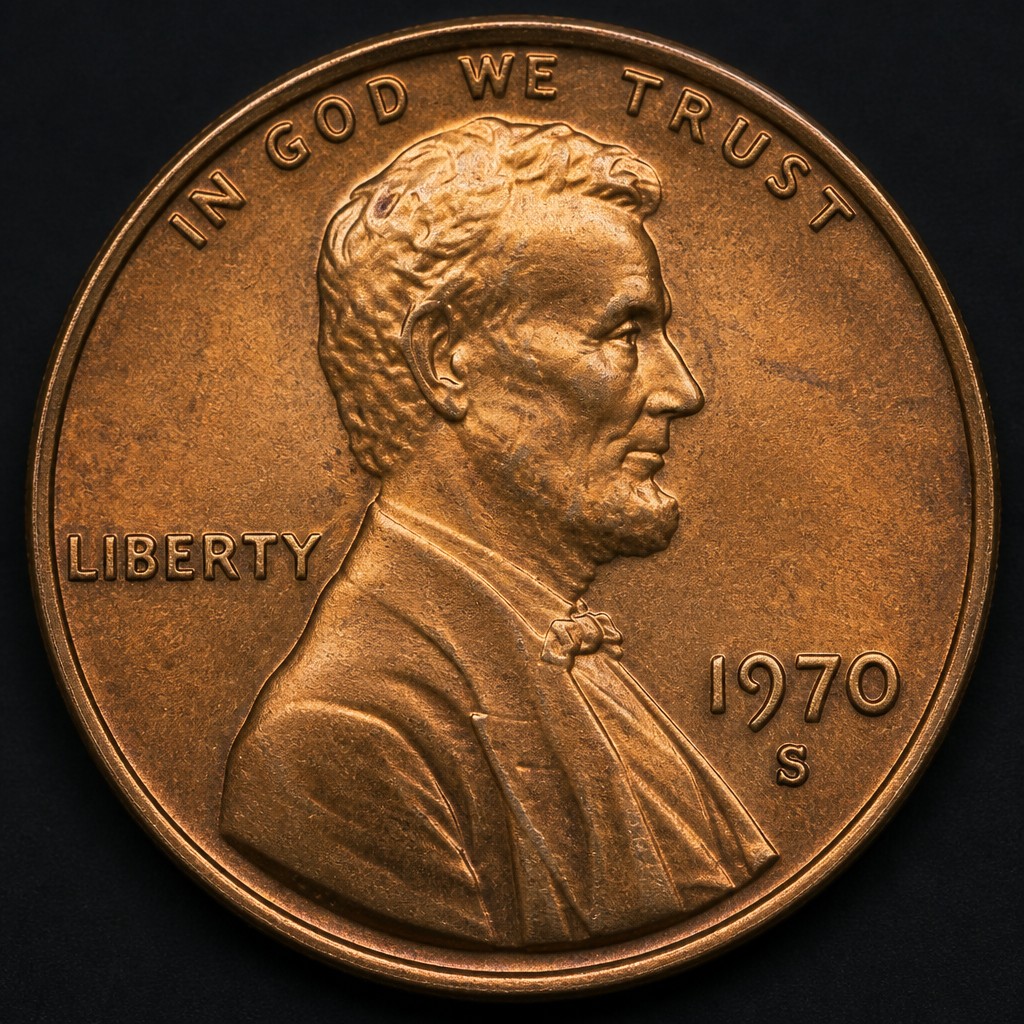
1970-S Small Date Lincoln Cent
1970
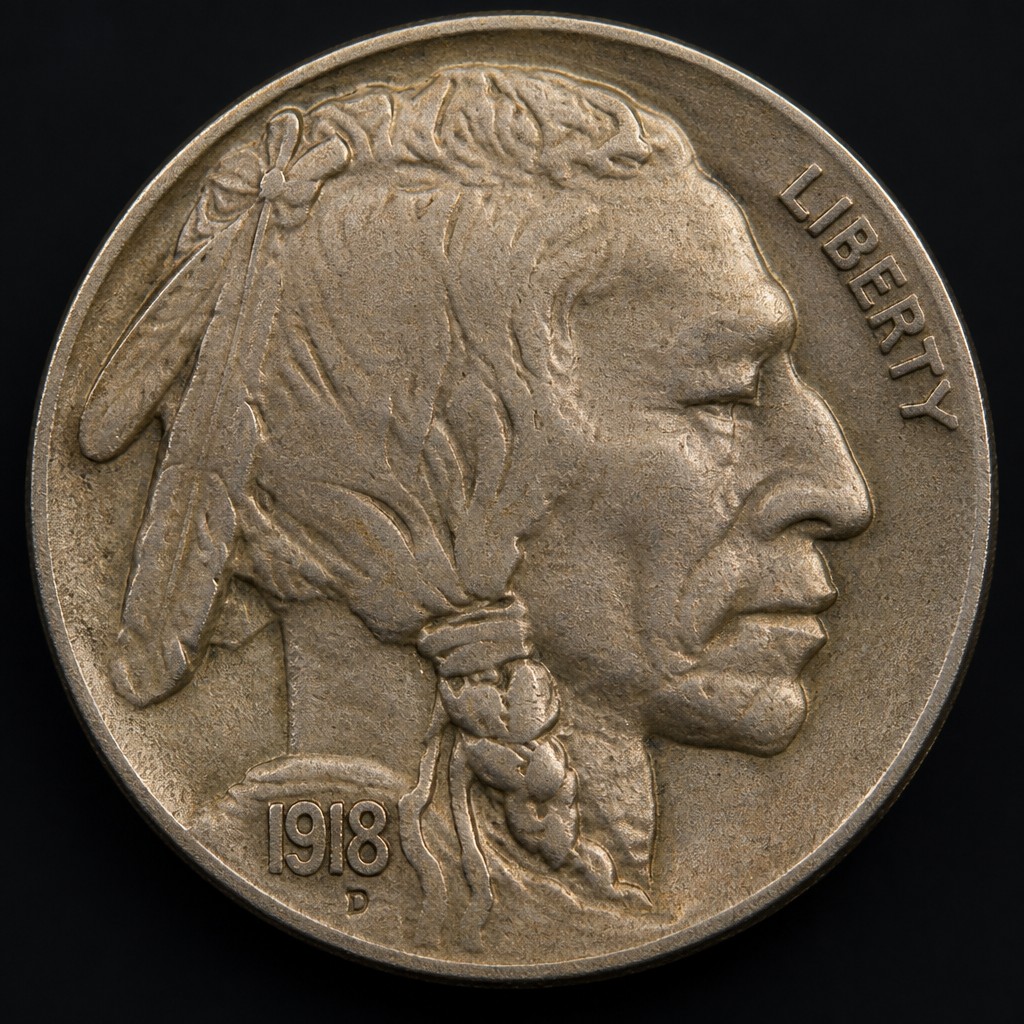
1918/7-D Buffalo Nickel
1918
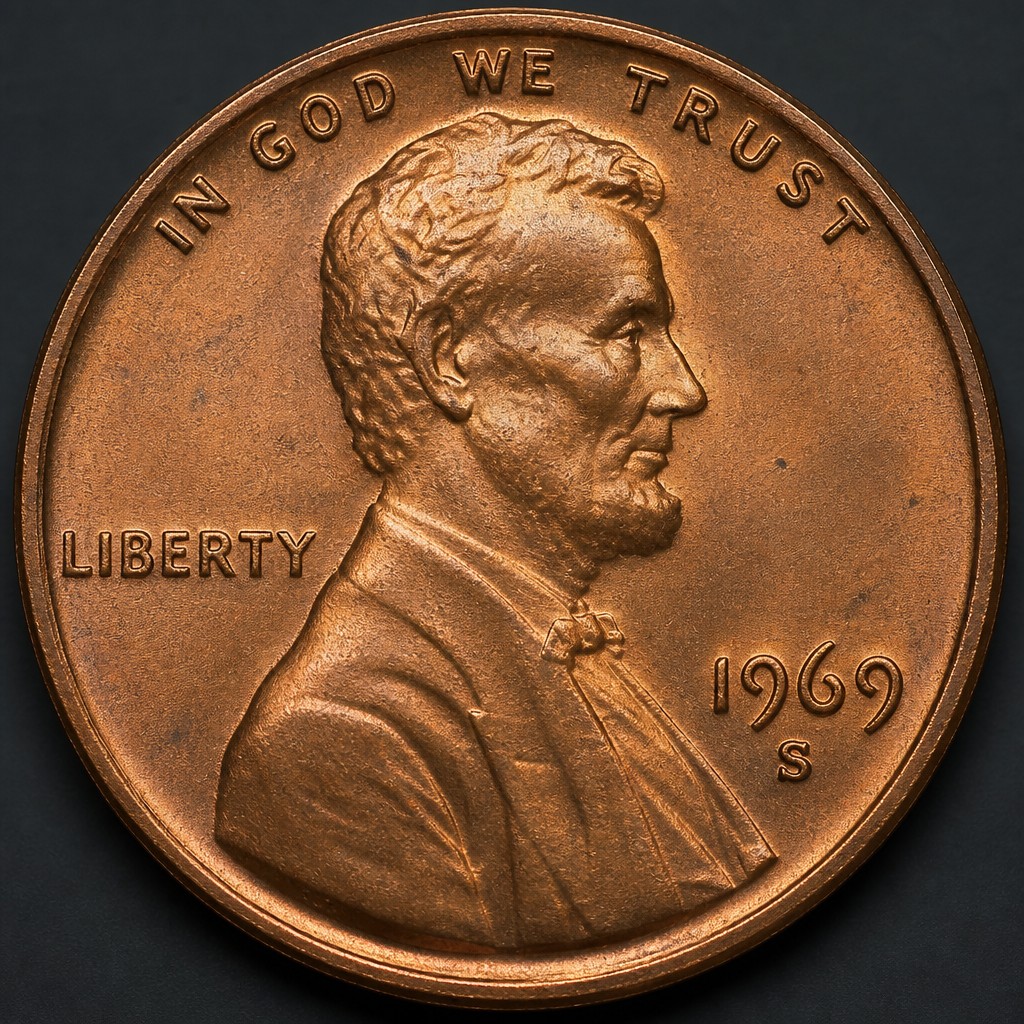
1969-S Doubled Die Obverse Lincoln Cent
1969
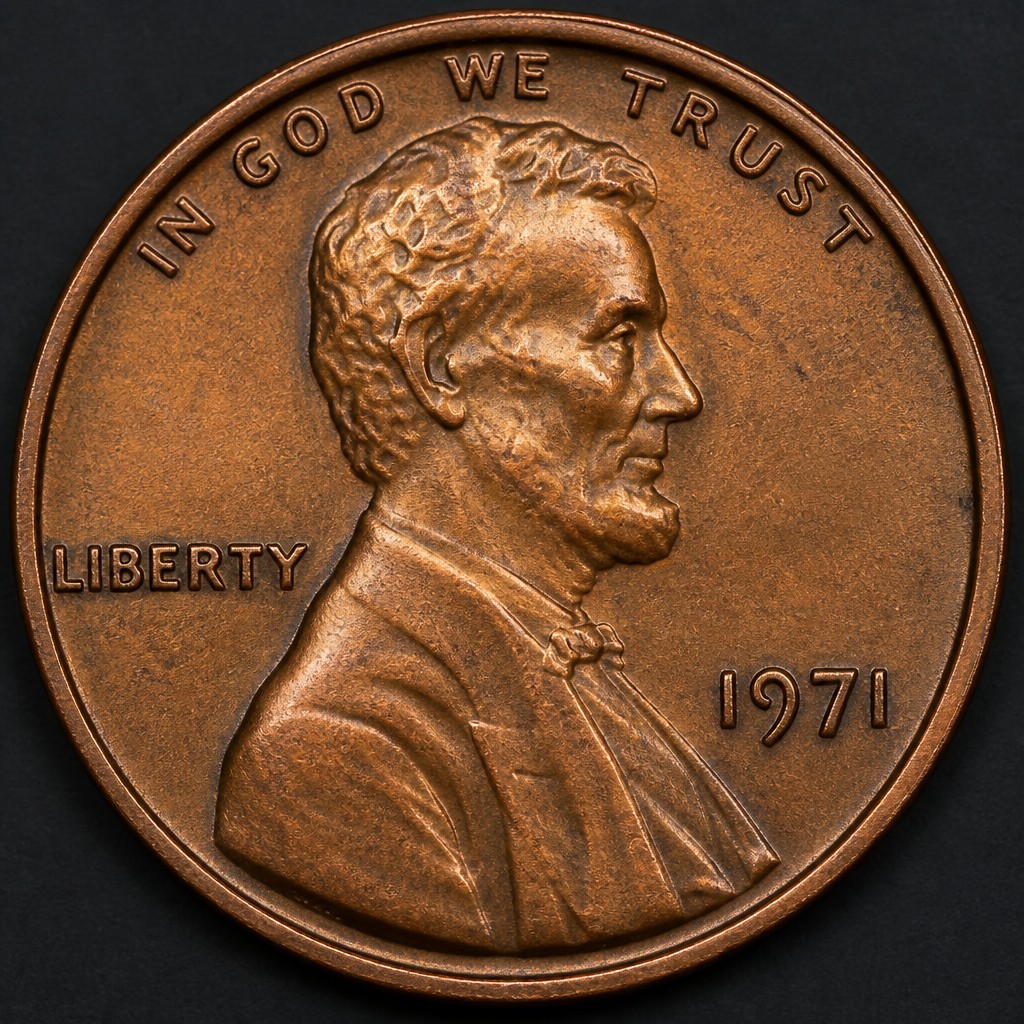
1971 Doubled Die Obverse Lincoln Cent
1971
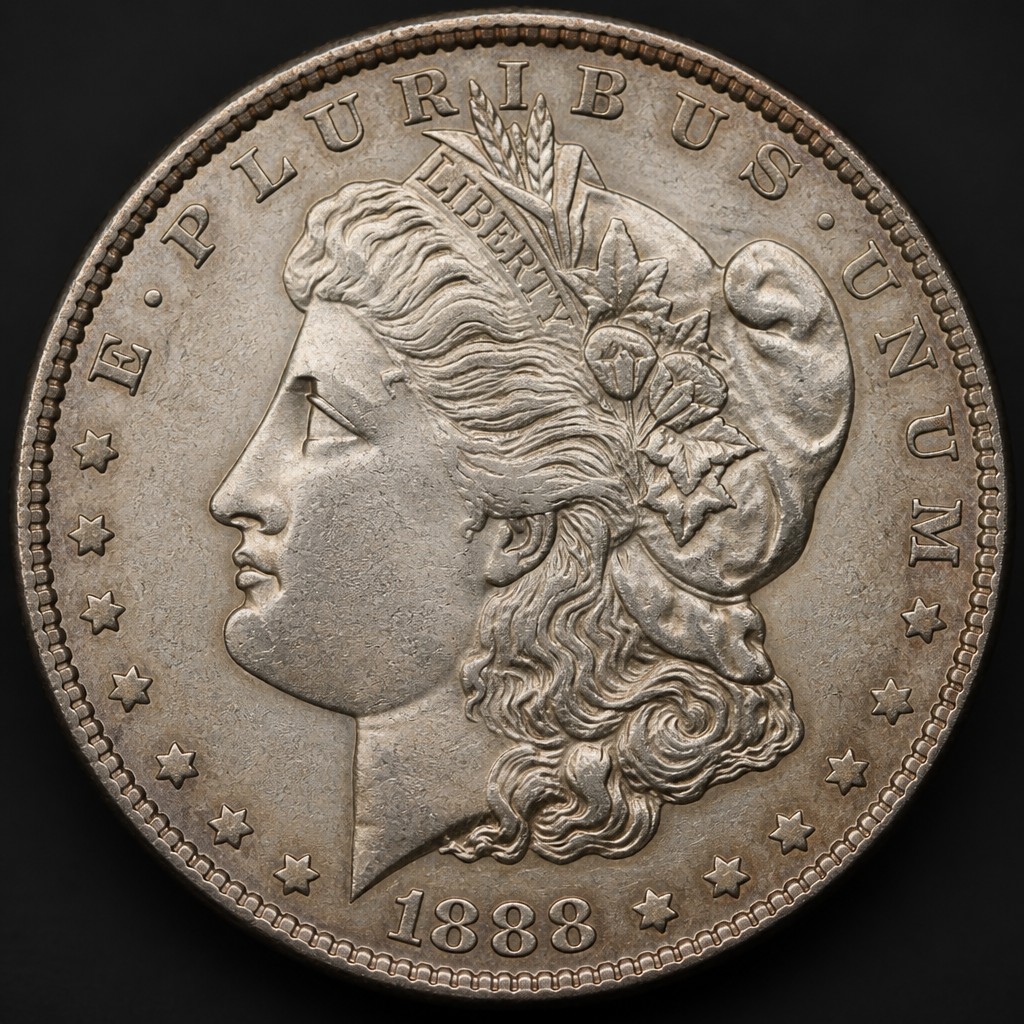
1888/7 Morgan Dollar Overdate
1888
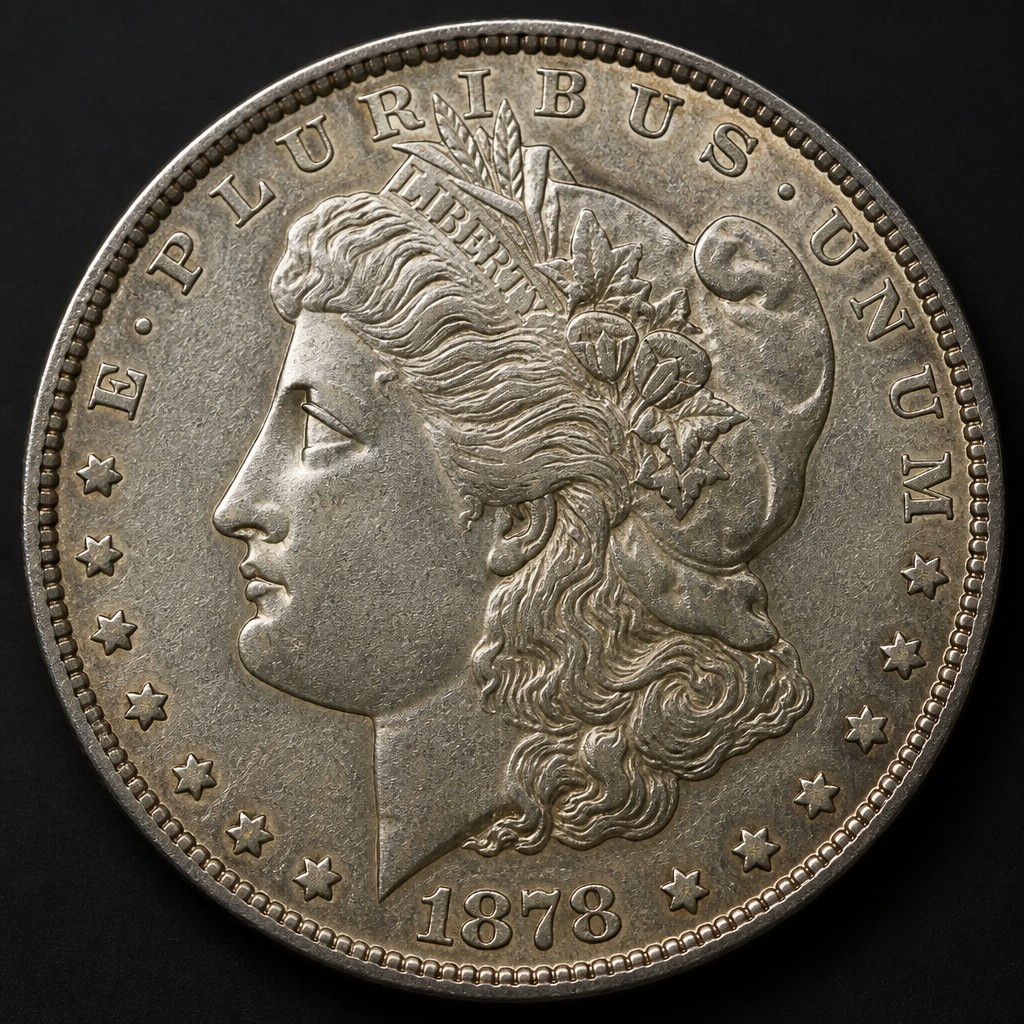
1878 7/8 Tail Feathers Morgan Dollar
1878
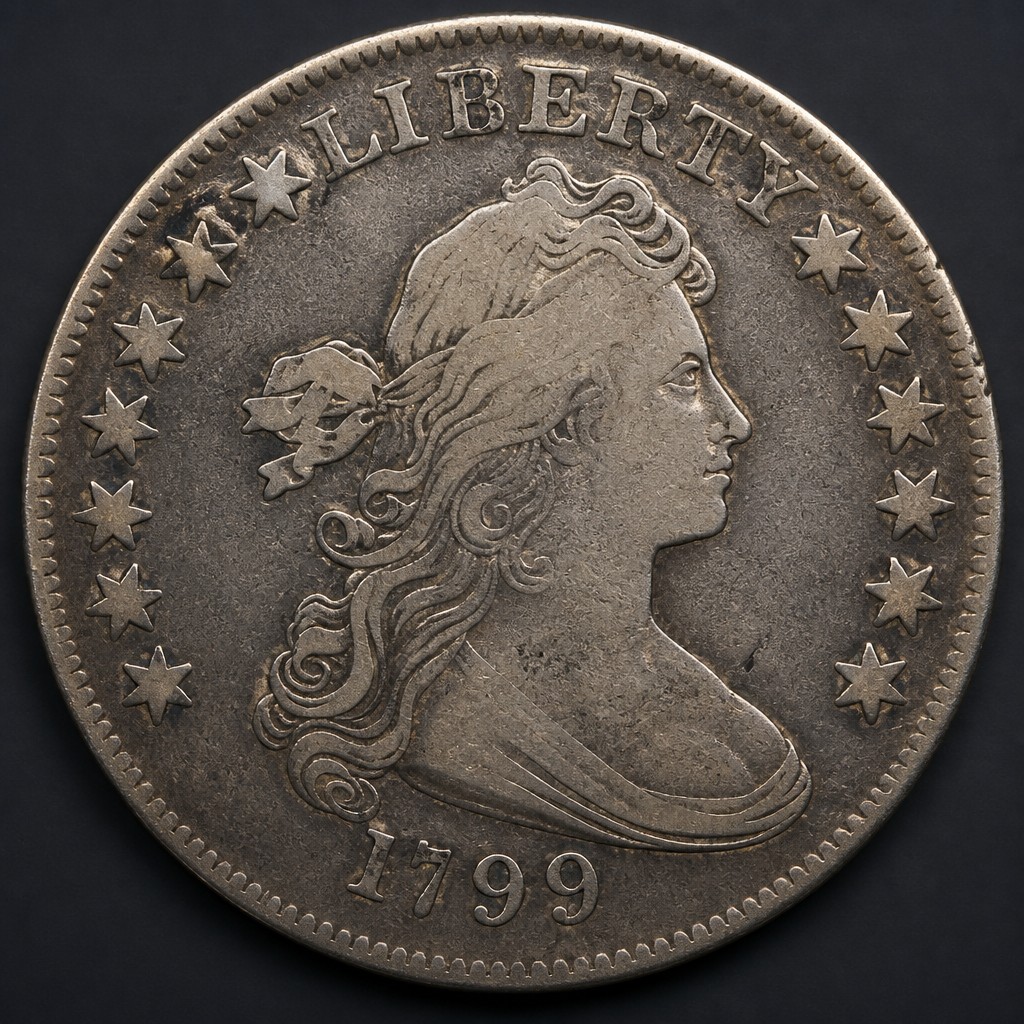
1799/8 Draped Bust Silver Dollar Overdate
1799 (die dated over 1798)
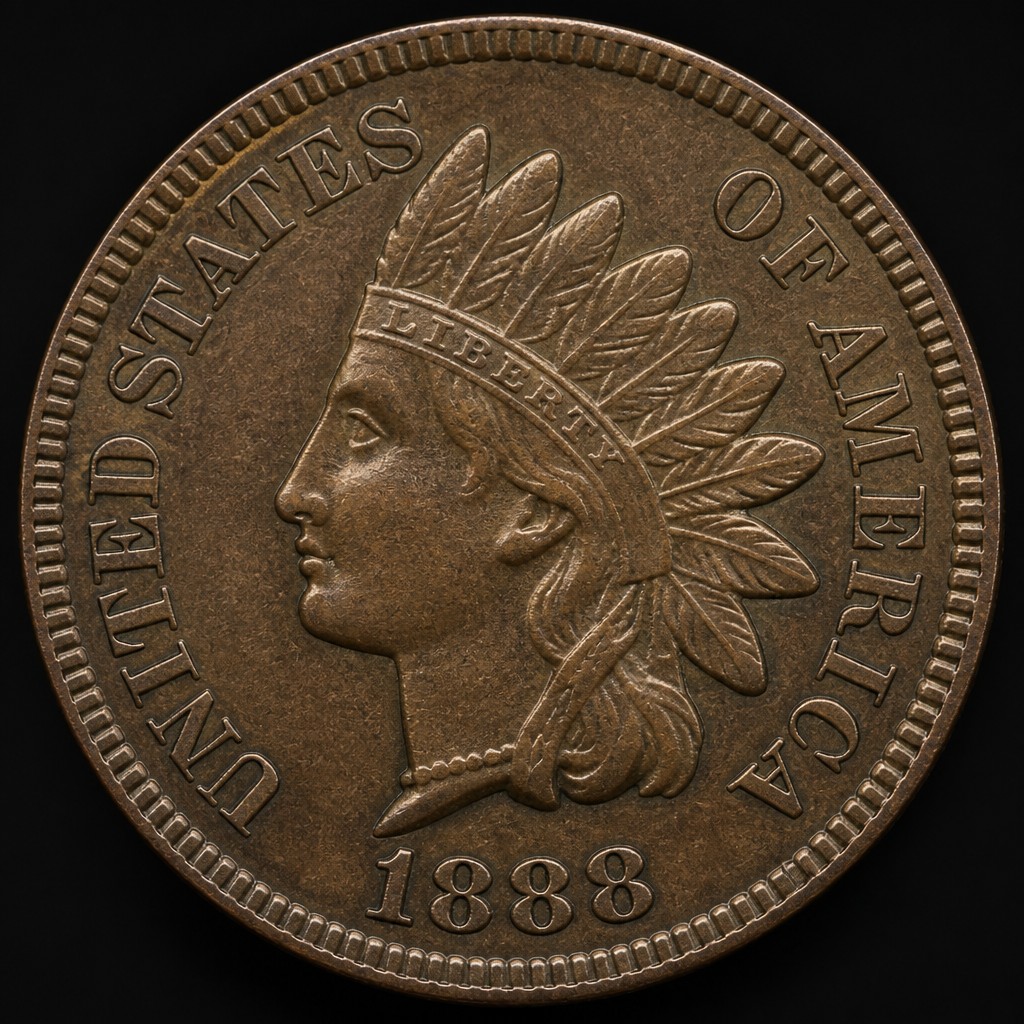
1888/7 Indian Head Cent Overdate
1888
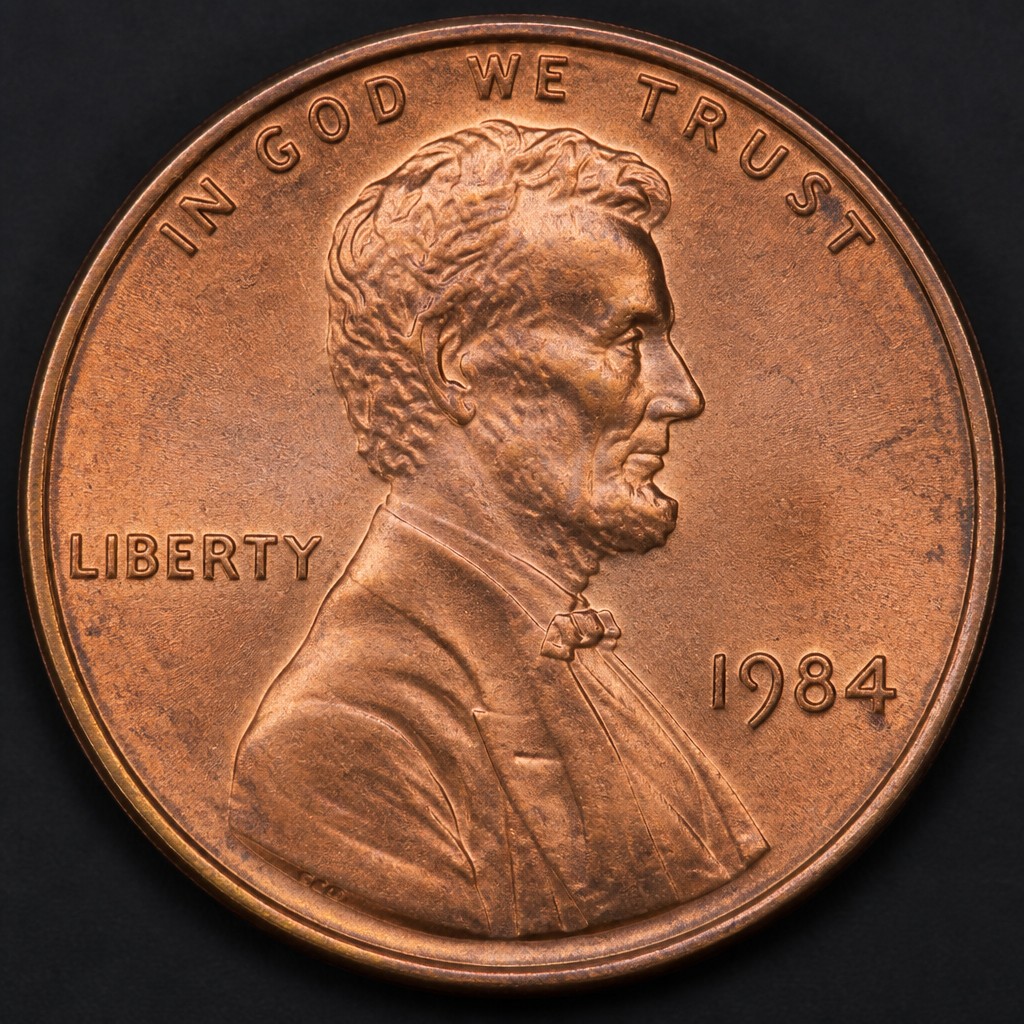
1984 Doubled Ear Lincoln Cent
1984
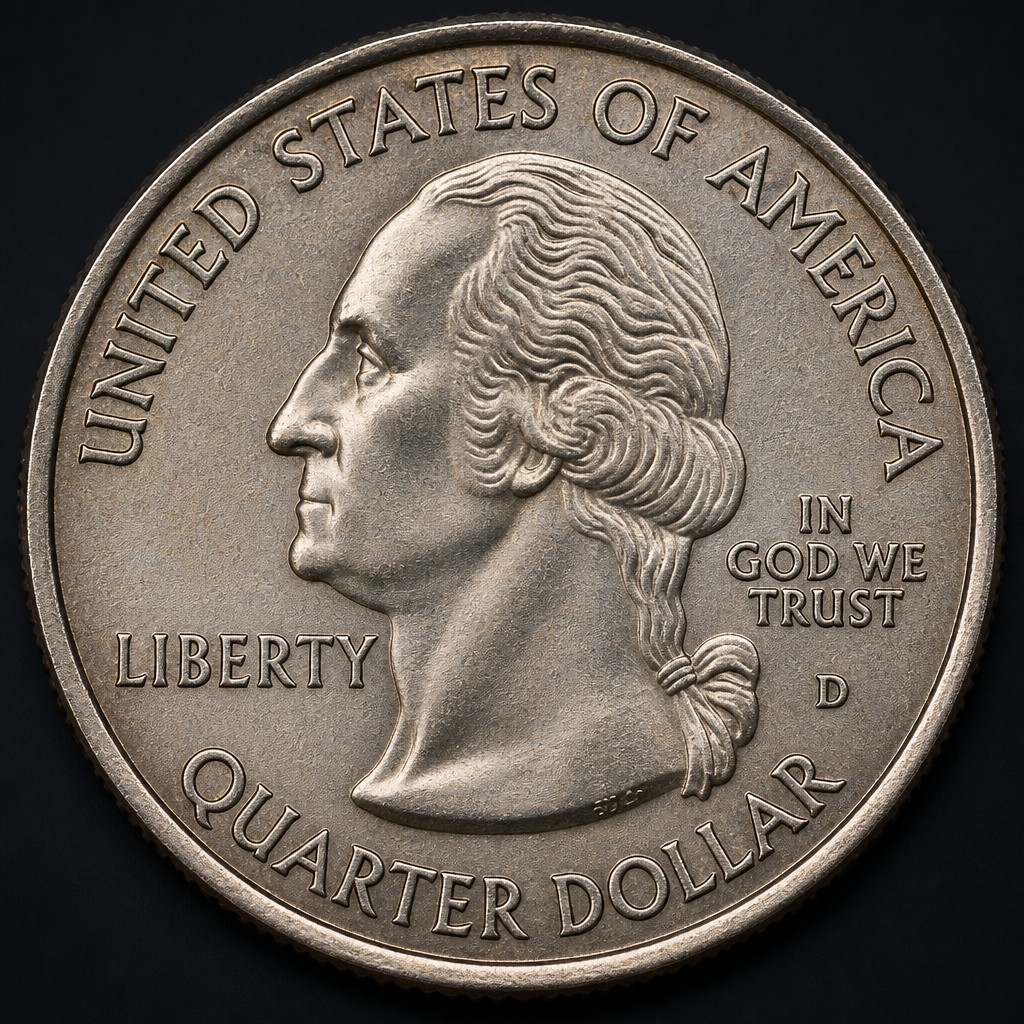
2004-D Wisconsin State Quarter Extra Leaf
2004
1873 Doubled Die Two-Cent Piece
1873