
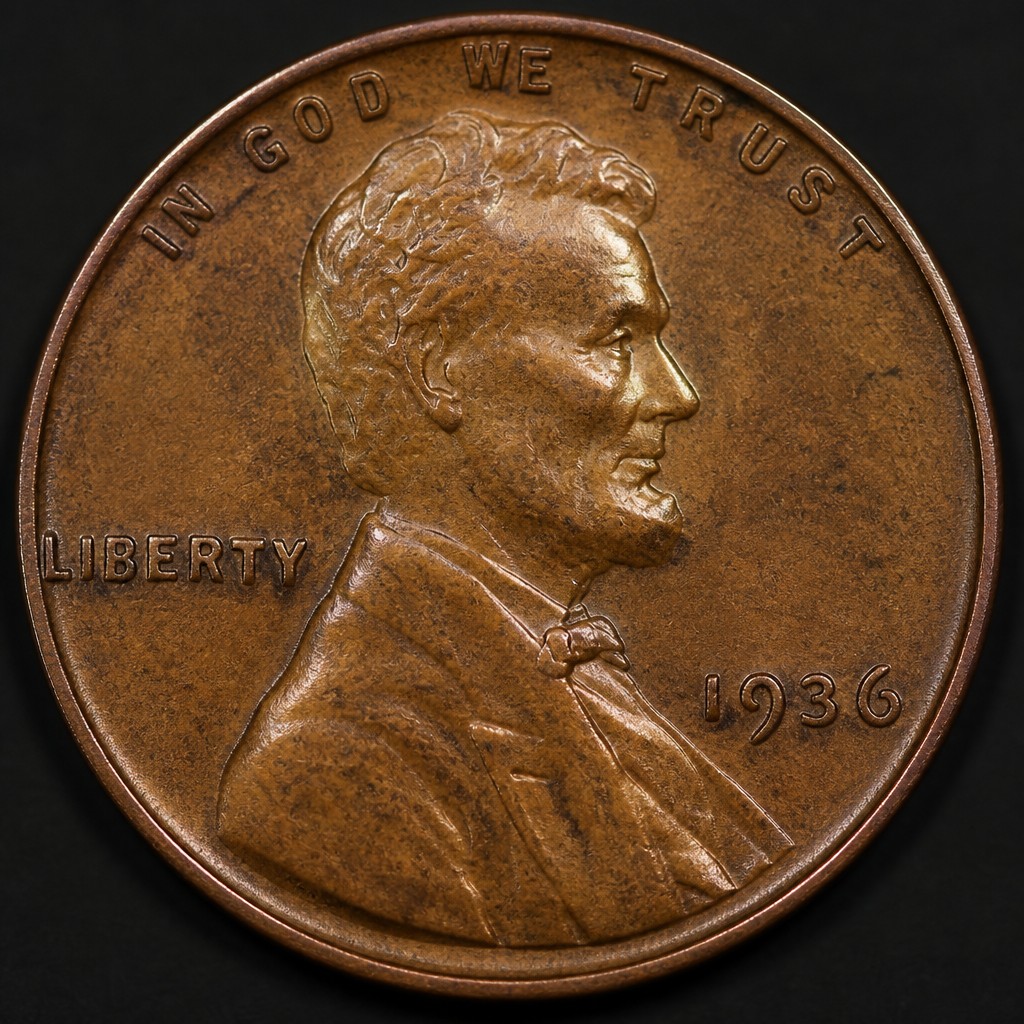
1936 Doubled Die Obverse Lincoln Cent
A collectible doubled die variety on the 1936 Lincoln wheat cent, known in a stronger, scarcer form and a weaker, more common form, both showing doubling in the obverse lettering.
- Country
- United States
- Denomination
- 1 cent
- Metal
- Bronze (95% copper, 5% tin/zinc)
Got a coin like this?
Identify any coin from a photo, free.
Overview
The 1936 Doubled Die Obverse cent is recognized by variety collectors in more than one strength, generally described informally as a stronger, rarer type and a weaker, more available type, both arising from doubled hubbing on Philadelphia obverse dies that year. The stronger type shows more pronounced doubling and is considerably scarcer, while the weaker type is easier to find but still carries a collector premium.
This variety sits among a handful of pre-war Lincoln cent doubled dies that attract dedicated interest from specialists in the series, offering a tangible link to the die-making practices of the 1930s.
Because 1936 cents saw extensive circulation over subsequent decades, well-preserved examples of either type in higher grades are notably harder to locate than the raw survival numbers of the date might suggest.
History & Background
Lincoln cent dies of the 1930s were produced using multi-step hubbing that occasionally introduced doubling when a working die received more than one misaligned impression. In 1936, this occurred on at least one Philadelphia obverse die, and possibly more than one to differing degrees, resulting in the recognized strong and weak doubled die varieties from that year.
As with many pre-war varieties, the doubling went unnoticed for a long time, only being cataloged and attributed after later generations of variety specialists examined large numbers of 1936 cents and identified the distinct doubled dies among the date's overall mintage.
The 1936 doubled die remains a benchmark example in Lincoln cent variety study of how doubling strength can differ meaningfully even among dies made in the same year, affecting both rarity and collector demand.
How to Identify
The coin displays the standard Brenner Lincoln obverse with LIBERTY, IN GOD WE TRUST, and the 1936 date, paired with the wheat ears reverse featuring ONE CENT and UNITED STATES OF AMERICA.
On the stronger variety, doubling is more readily visible in the lettering of LIBERTY and the motto, sometimes discernible without magnification on well-struck coins, while the weaker variety requires a loupe to detect subtler doubling in the same areas. Comparing suspect coins to published photographs of each attributed type is essential, since the two varieties differ significantly in value despite superficial similarity.
Collectors should also rule out common strike doubling, which produces a flat, shelved appearance rather than the rounded, split image characteristic of a genuine doubled die.
Value & Collectibility
The stronger 1936 doubled die variety is notably scarcer and can command hundreds of dollars or more in collectible grades, while the weaker variety typically brings a more modest premium over a normal 1936 cent, often in the tens of dollars range depending on condition. Values rise substantially for well-struck, high-grade examples of either type.
Accurate attribution to the correct type is important for value, since confusing the weaker variety for the stronger one, or vice versa, can lead to significant over- or under-valuation.
Frequently asked questions
Are there different strengths of the 1936 doubled die?
Yes, collectors generally recognize a stronger, scarcer type and a weaker, more common type, both showing doubling in the obverse lettering.
Which type is more valuable?
The stronger doubling variety is scarcer and generally commands a higher premium than the weaker, more available type.
Where should I look for the doubling?
Examine LIBERTY and IN GOD WE TRUST closely under magnification, as this is where the doubling is most consistently visible.
Is this a well-known Lincoln cent variety?
It is recognized among Lincoln cent variety specialists, though it is less broadly famous than mid-century doubled dies like 1955 or 1972.
Other coins you may enjoy
1900-O/CC Morgan Dollar
1900
1970-S Small Date Lincoln Cent
1970
1918/7-D Buffalo Nickel
1918
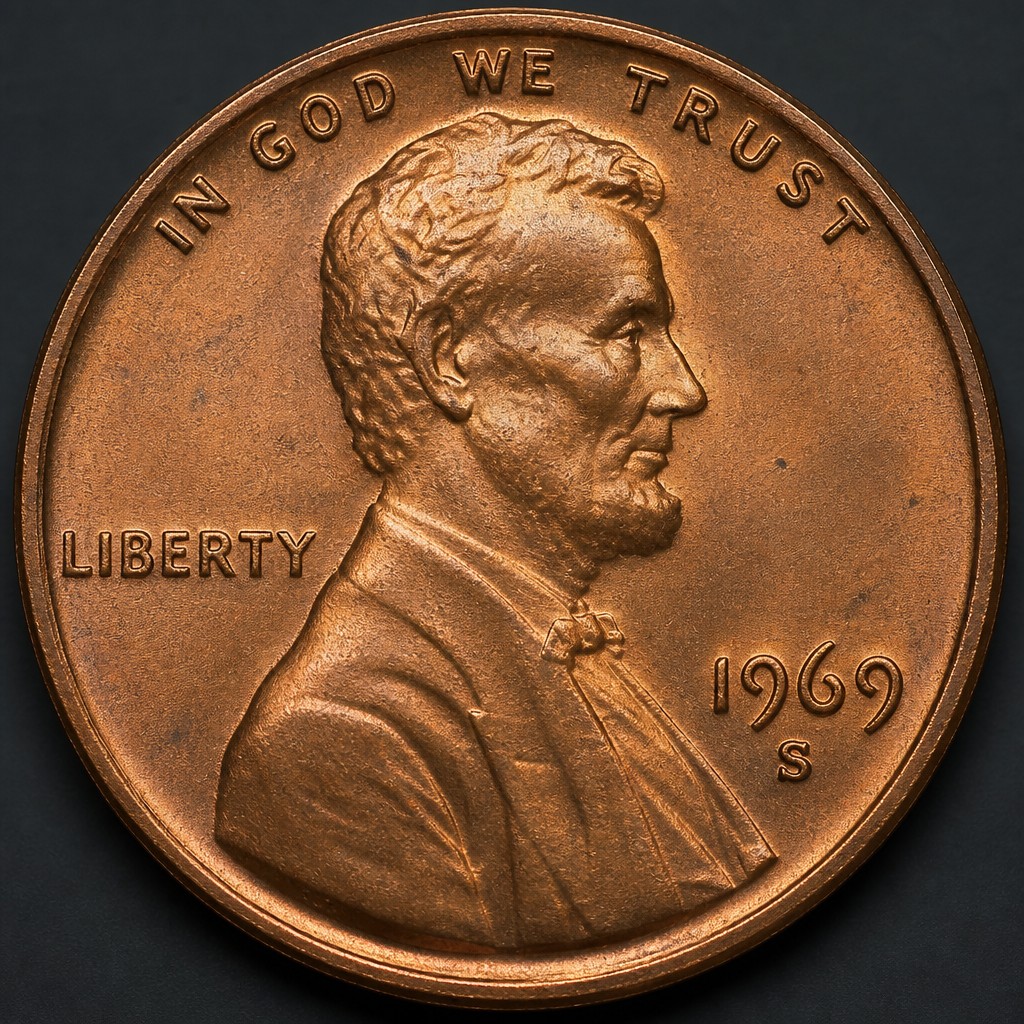
1969-S Doubled Die Obverse Lincoln Cent
1969
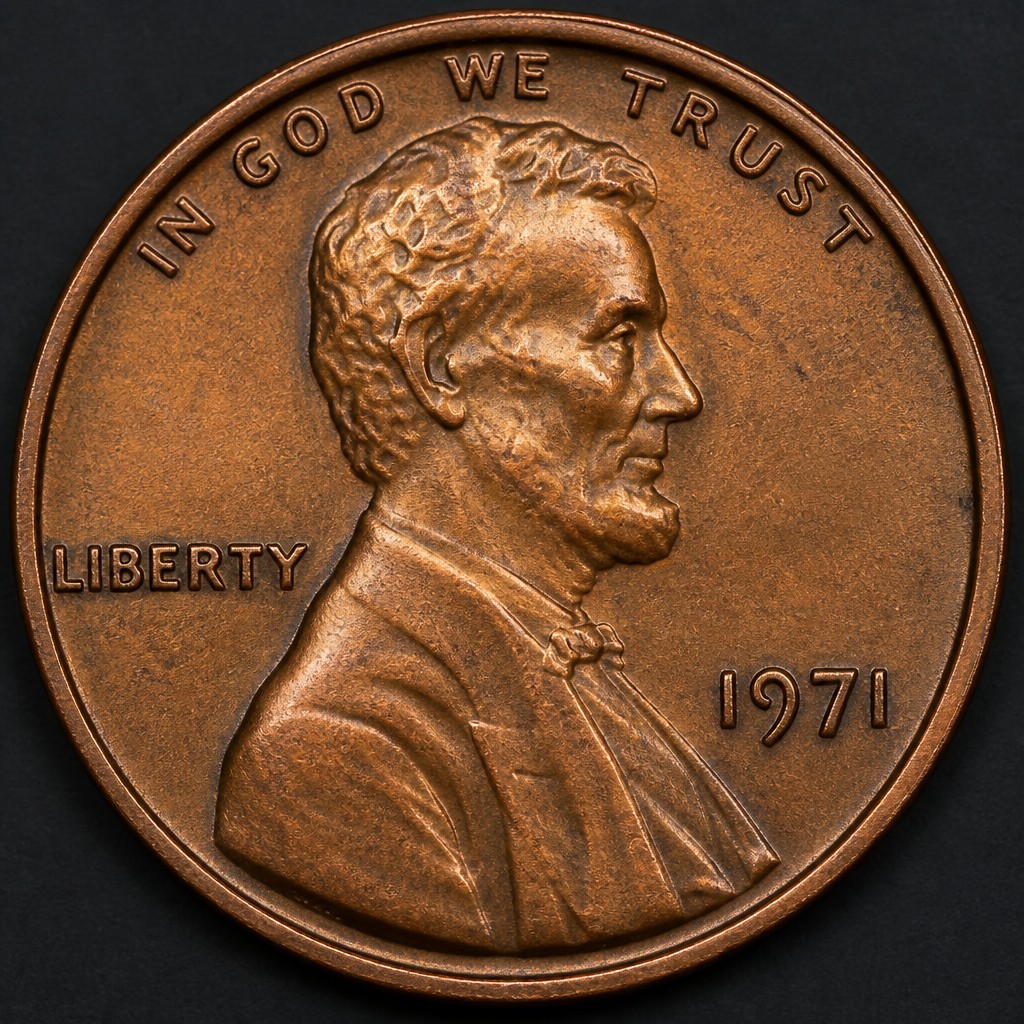
1971 Doubled Die Obverse Lincoln Cent
1971
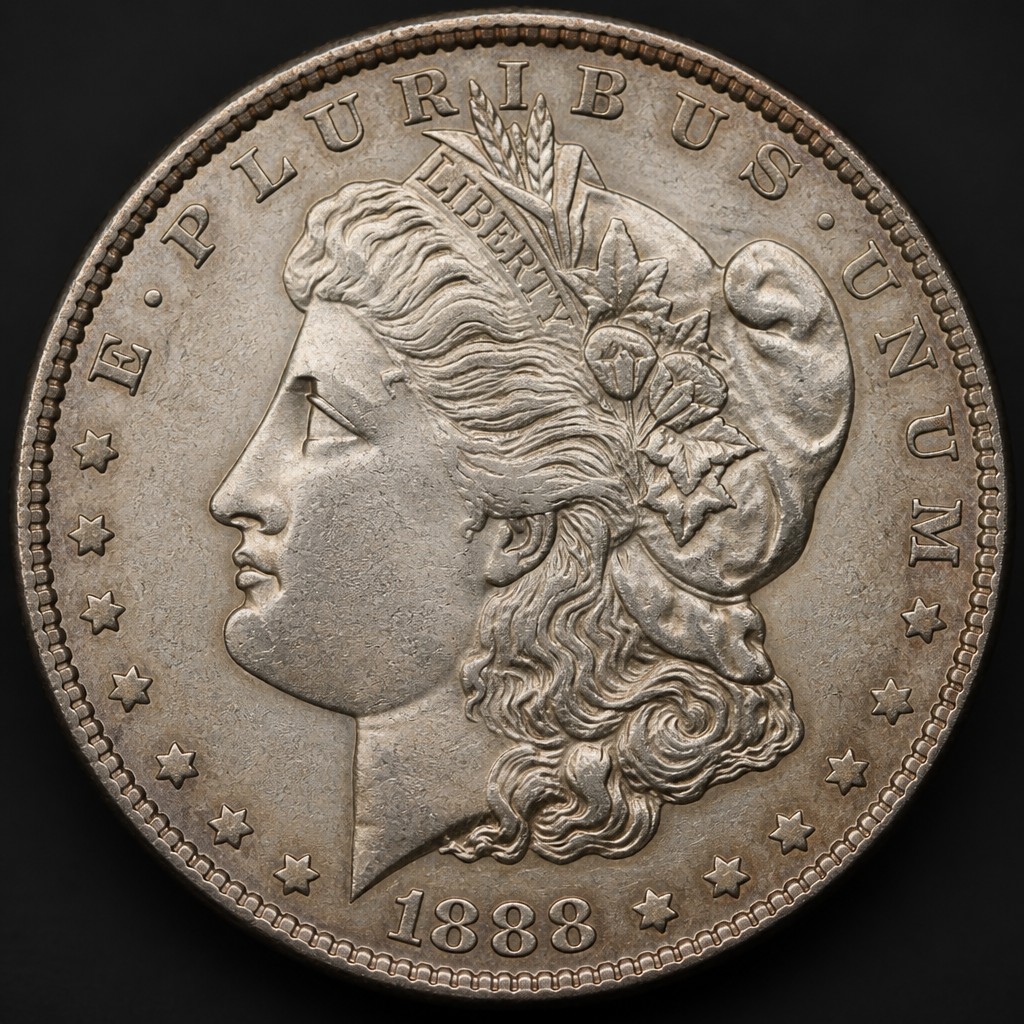
1888/7 Morgan Dollar Overdate
1888
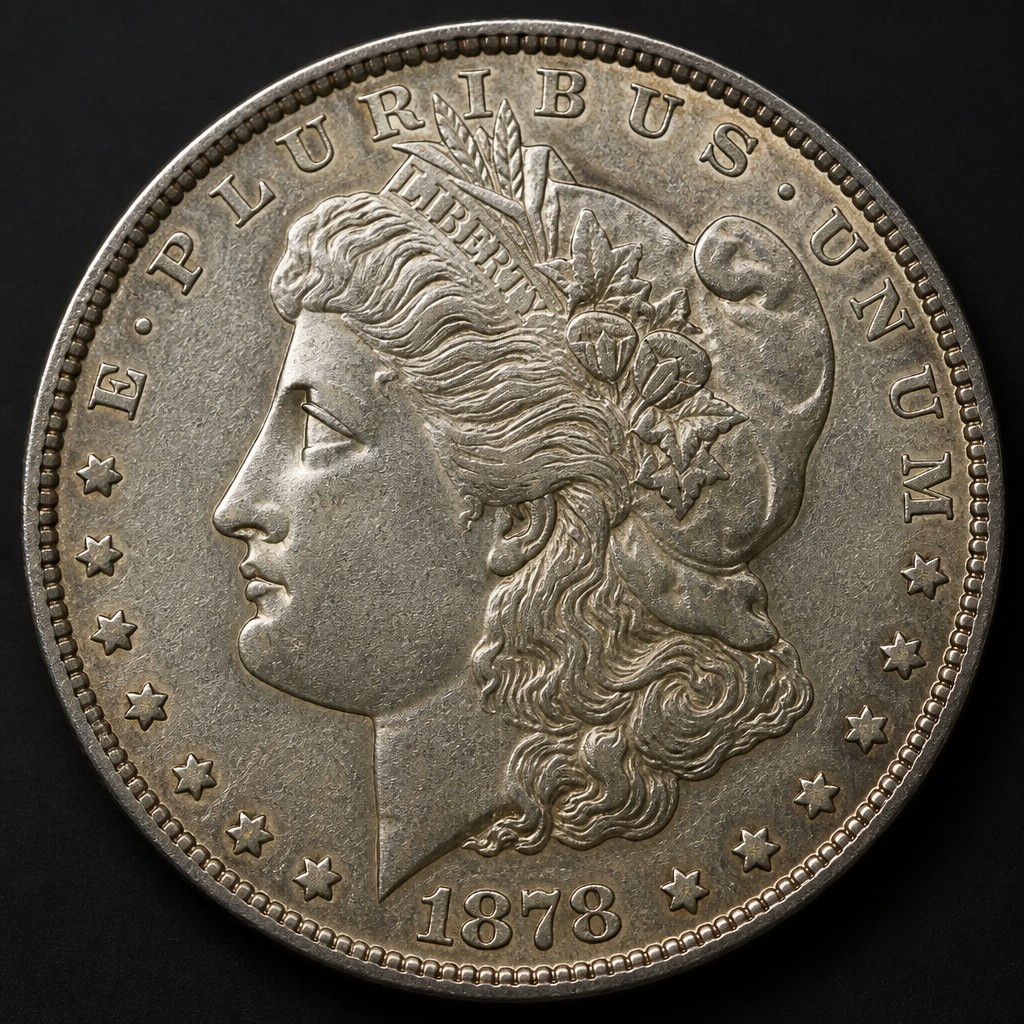
1878 7/8 Tail Feathers Morgan Dollar
1878
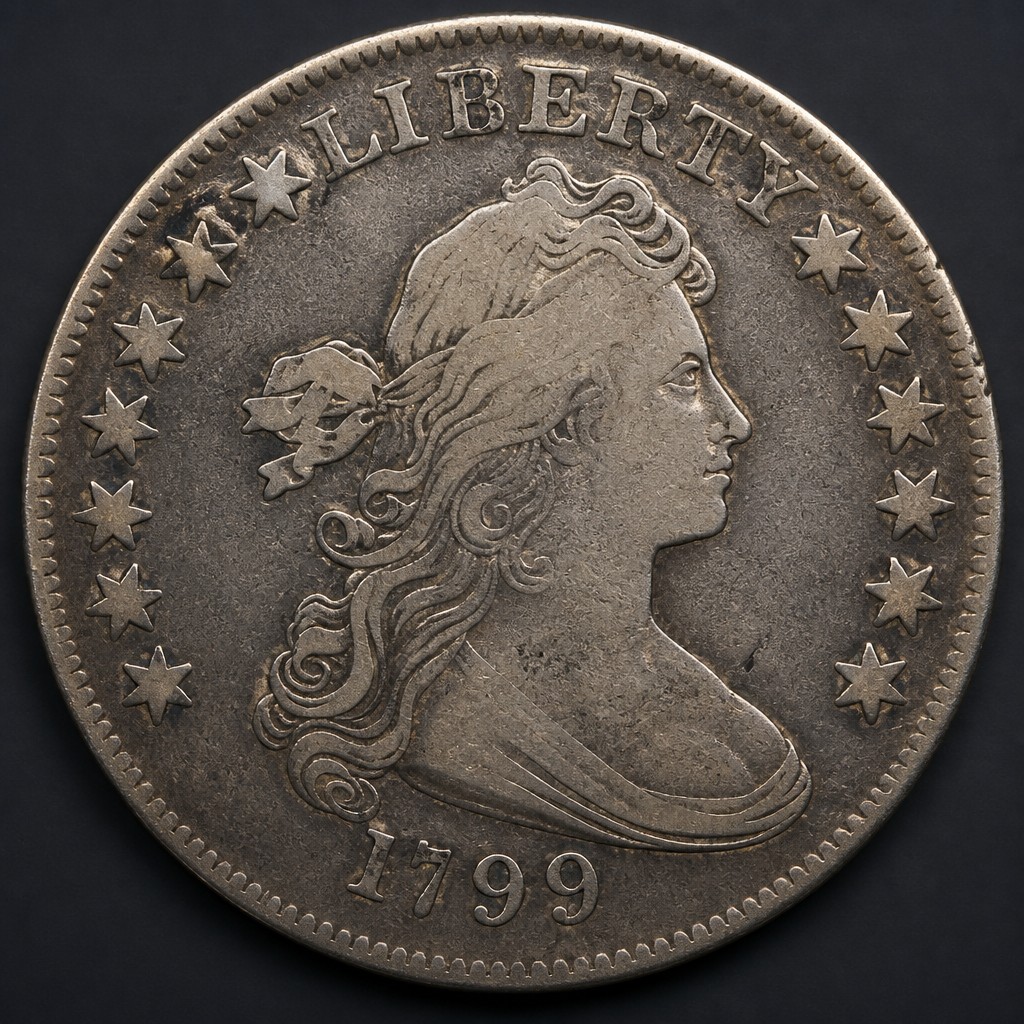
1799/8 Draped Bust Silver Dollar Overdate
1799 (die dated over 1798)
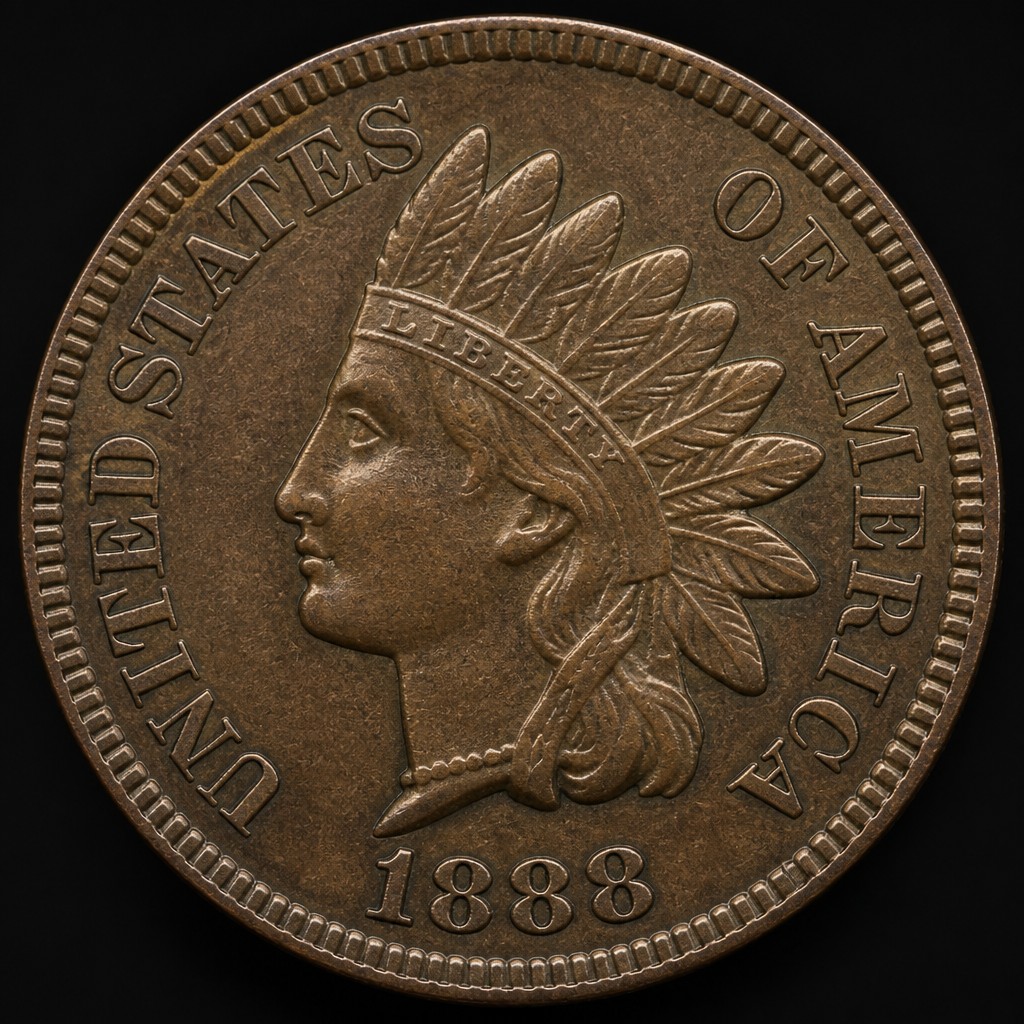
1888/7 Indian Head Cent Overdate
1888
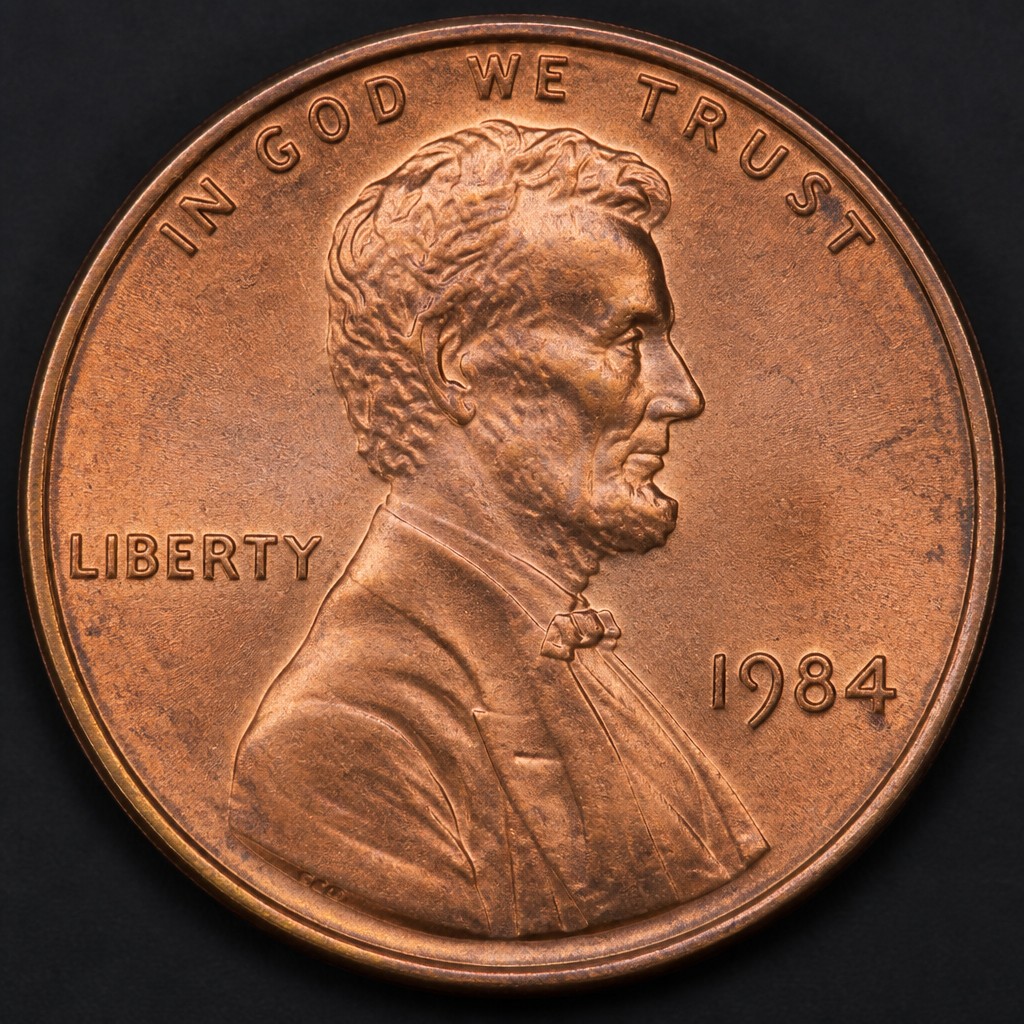
1984 Doubled Ear Lincoln Cent
1984
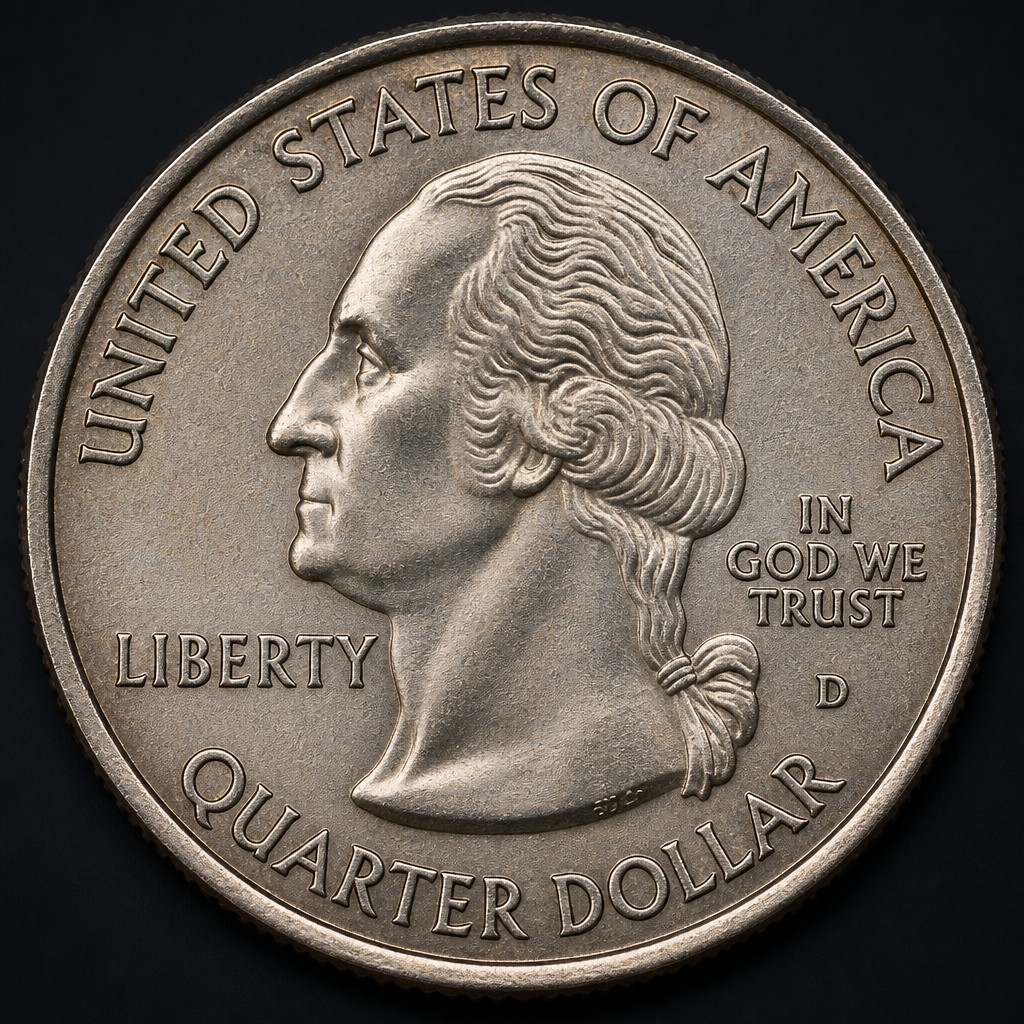
2004-D Wisconsin State Quarter Extra Leaf
2004
1873 Doubled Die Two-Cent Piece
1873