
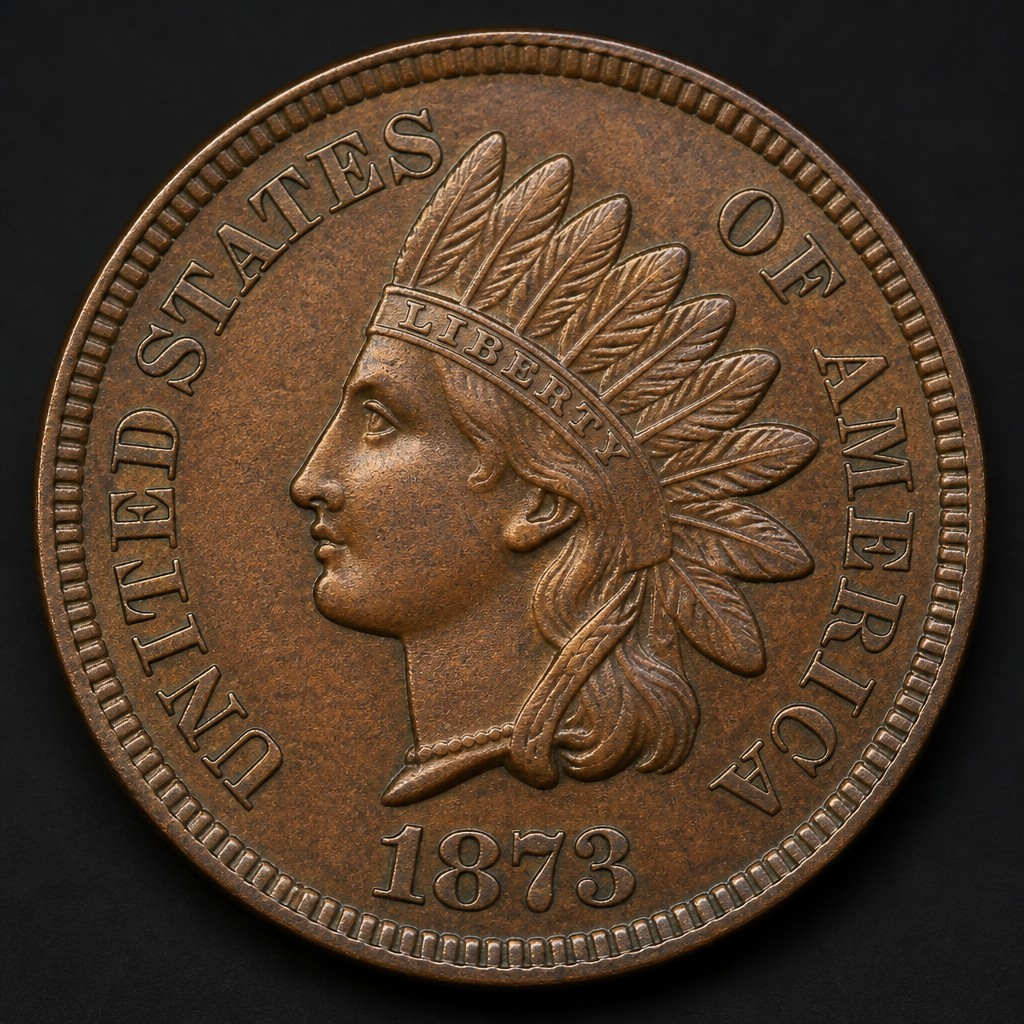
1873 Open 3 vs Closed 3 Indian Head Cent
Two distinct date logotype varieties of the 1873 Indian Head cent, distinguished by whether the top loop of the final 3 in the date is nearly closed or clearly open.
- Country
- United States
- Denomination
- 1 cent
- Metal
- Bronze (95% copper, 5% tin and zinc)
Got a coin like this?
Identify any coin from a photo, free.
Overview
In 1873, the U.S. Mint used two different logotype punches for the final digit of the date on several denominations, including the Indian Head cent, resulting in what collectors call the "closed 3" and "open 3" varieties. On the closed 3, the upper loop of the numeral 3 curls tightly back toward the digit, nearly closing the gap, while on the open 3, the upper loop is noticeably more open and separated.
This is one of the more accessible and popular date-logotype varieties in nineteenth-century U.S. coinage because the difference is visible to the naked eye once a collector knows what to look for, and because both varieties exist across a range of grades and price points. The two varieties were used sequentially during the year as the Mint apparently switched date punches partway through production.
Because the Indian Head cent is a widely collected series in its own right, the 1873 open 3 versus closed 3 distinction has become a standard, well-documented variety that many date-and-mintmark collectors pursue as part of a complete Indian Head cent set.
History & Background
The Indian Head cent was designed by James B. Longacre and struck from 1859 through 1909, featuring a Liberty figure wearing a Native American-style headdress on the obverse. In 1873, along with a general trend of experimenting with date logotypes across several denominations that year, the Mint produced cents with two distinct styles of the final numeral 3 in the date.
Numismatic researchers in the twentieth century identified and documented the closed 3 and open 3 punches as sequential production varieties, generally believed to reflect an early logotype that was later replaced by a revised punch partway through the year's coinage, though exact Mint records detailing the precise reasoning are limited.
Over time, the two varieties have become firmly established in standard reference catalogs, with one generally regarded as somewhat scarcer than the other in high grade, making the pairing a popular entry point into more advanced Indian Head cent variety collecting.
How to Identify
The obverse shows Liberty in a Native American headdress facing left, with the date below and LIBERTY inscribed on the headband. The reverse displays the denomination ONE CENT within a wreath, with UNITED STATES OF AMERICA around the border.
To distinguish the varieties, examine the final 3 in the date closely: on the closed 3, the top loop curves back tightly, nearly touching the vertical stem of the digit and appearing almost like a figure with a small enclosed space; on the open 3, the top loop is clearly separated and more rounded, leaving an obvious gap.
Both varieties share the standard bronze composition, 19mm diameter, and plain edge typical of Indian Head cents of this era, so the date logotype is the only reliable way to distinguish them; no mintmark is present since all were struck at Philadelphia.
Collectors should use a loupe and compare the numeral shape directly against published reference images, since wear, corrosion, or poor photography can make the distinction ambiguous on lower-grade coins.
Value & Collectibility
Both the open 3 and closed 3 varieties are collectible, but one is generally considered scarcer than the other, particularly in higher mint state grades, which creates a modest but consistent price differential between the two in the marketplace.
Common-grade circulated examples of either variety are generally affordable and accessible to most collectors, while choice and gem uncirculated examples of the scarcer variety can command significantly higher premiums, especially with strong original color and surfaces.
As with all Indian Head cents, surface preservation, originality of color, and the presence of any corrosion or cleaning heavily influence value alongside the specific date-logotype variety identified.
Frequently asked questions
What is the difference between open 3 and closed 3?
It refers to the shape of the top loop on the final digit 3 in the date: closed 3 has a tightly curled, nearly closed loop, while open 3 has a clearly separated, open loop.
Which variety is rarer?
One of the two is generally considered scarcer, especially in higher grades, though both are collectible and available in circulated condition.
Do I need special tools to tell them apart?
A magnifying loupe and good lighting are helpful, especially on worn coins where the digit shape can be harder to discern clearly.
Is this variety unique to the Indian Head cent?
No, similar open 3 and closed 3 date logotype varieties appeared on other 1873 U.S. denominations as well, reflecting a broader Mint-wide punch change that year.
Other coins you may enjoy
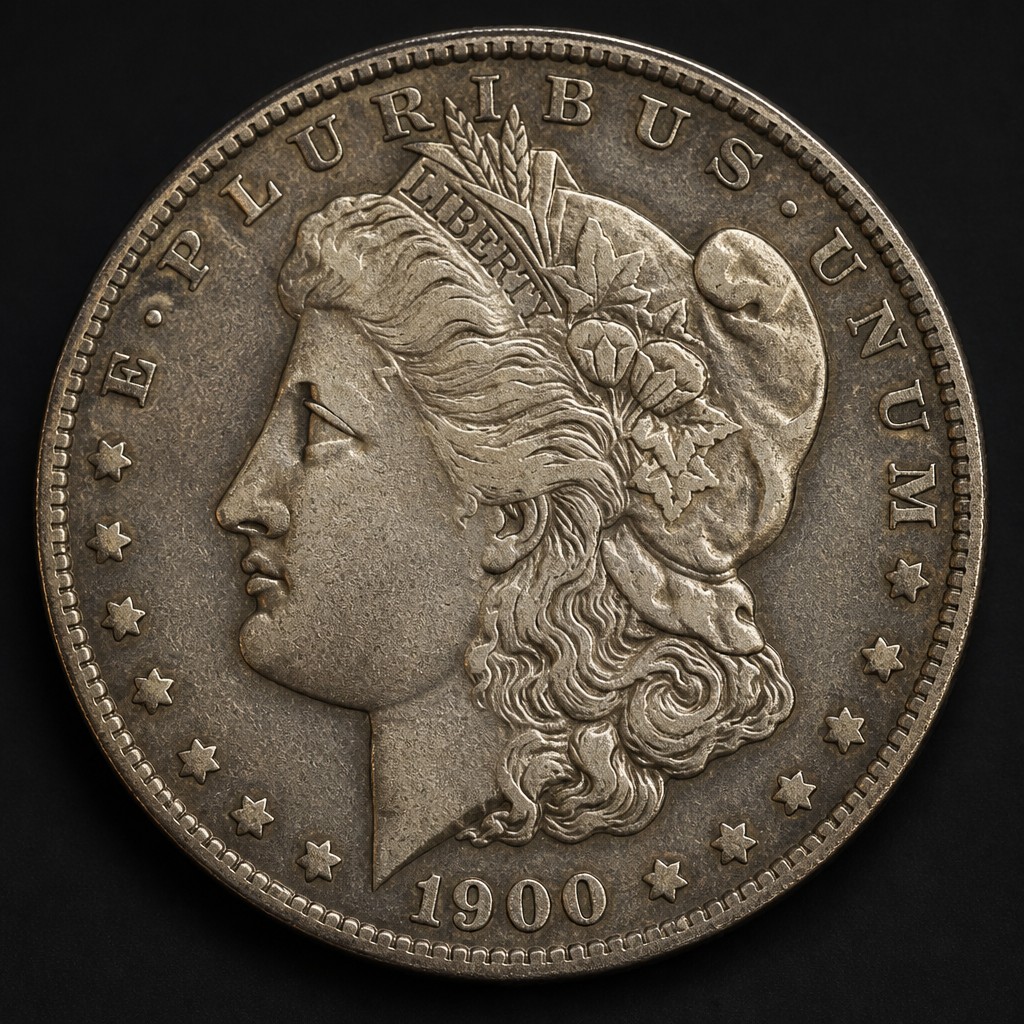
1900-O/CC Morgan Dollar
1900
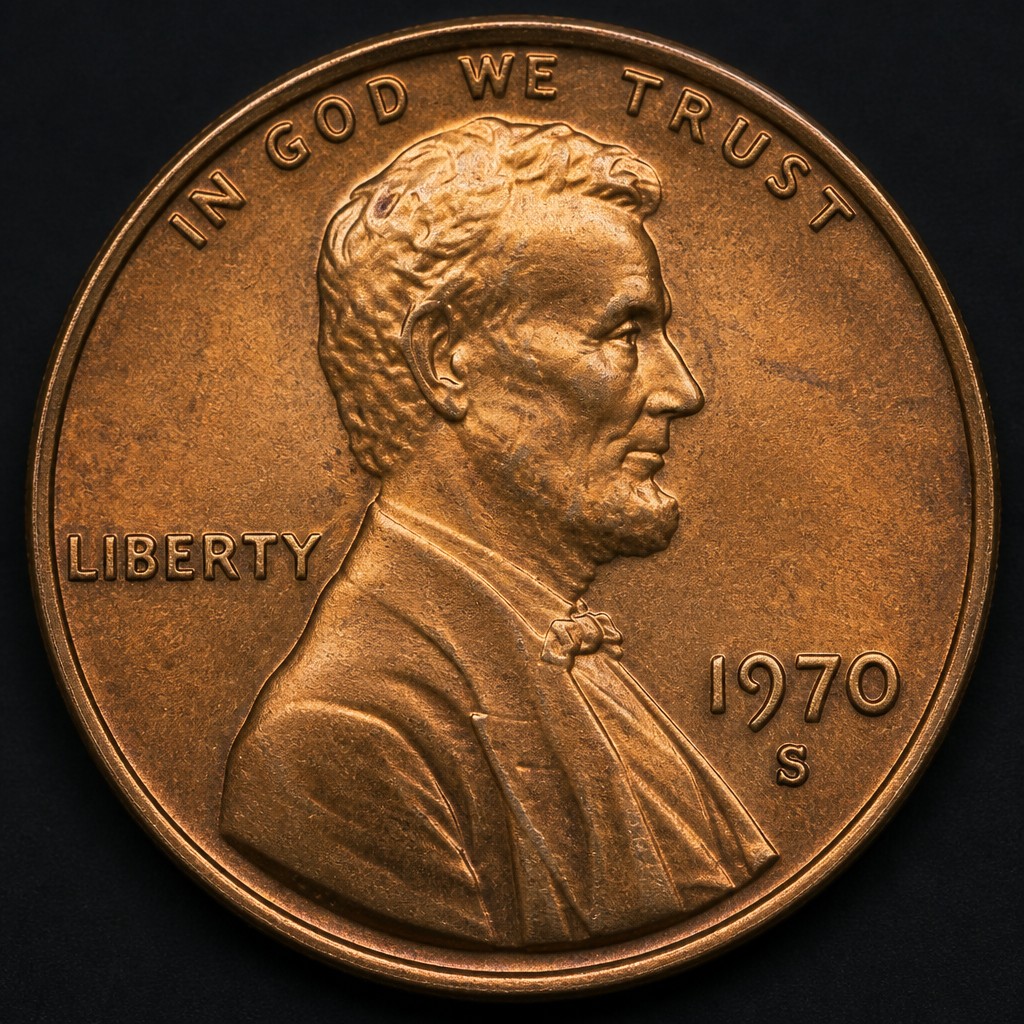
1970-S Small Date Lincoln Cent
1970
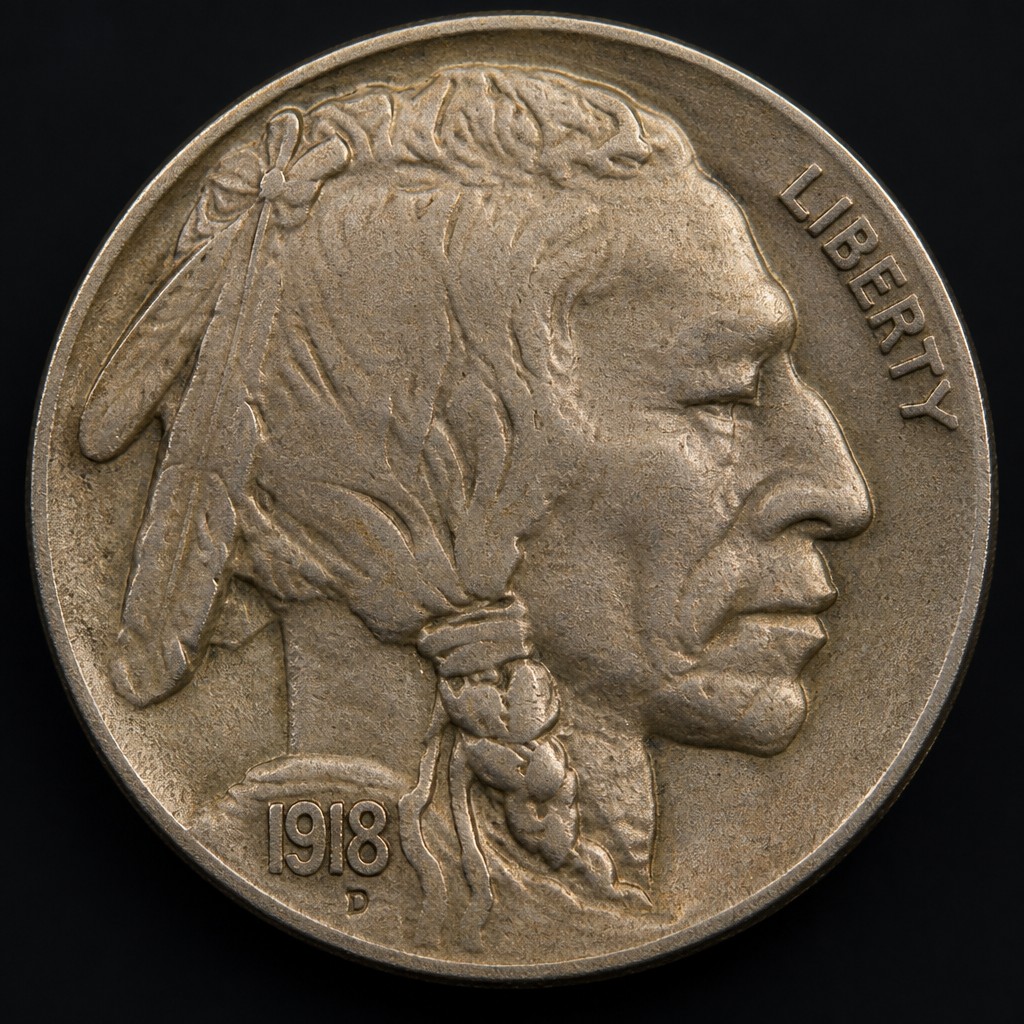
1918/7-D Buffalo Nickel
1918
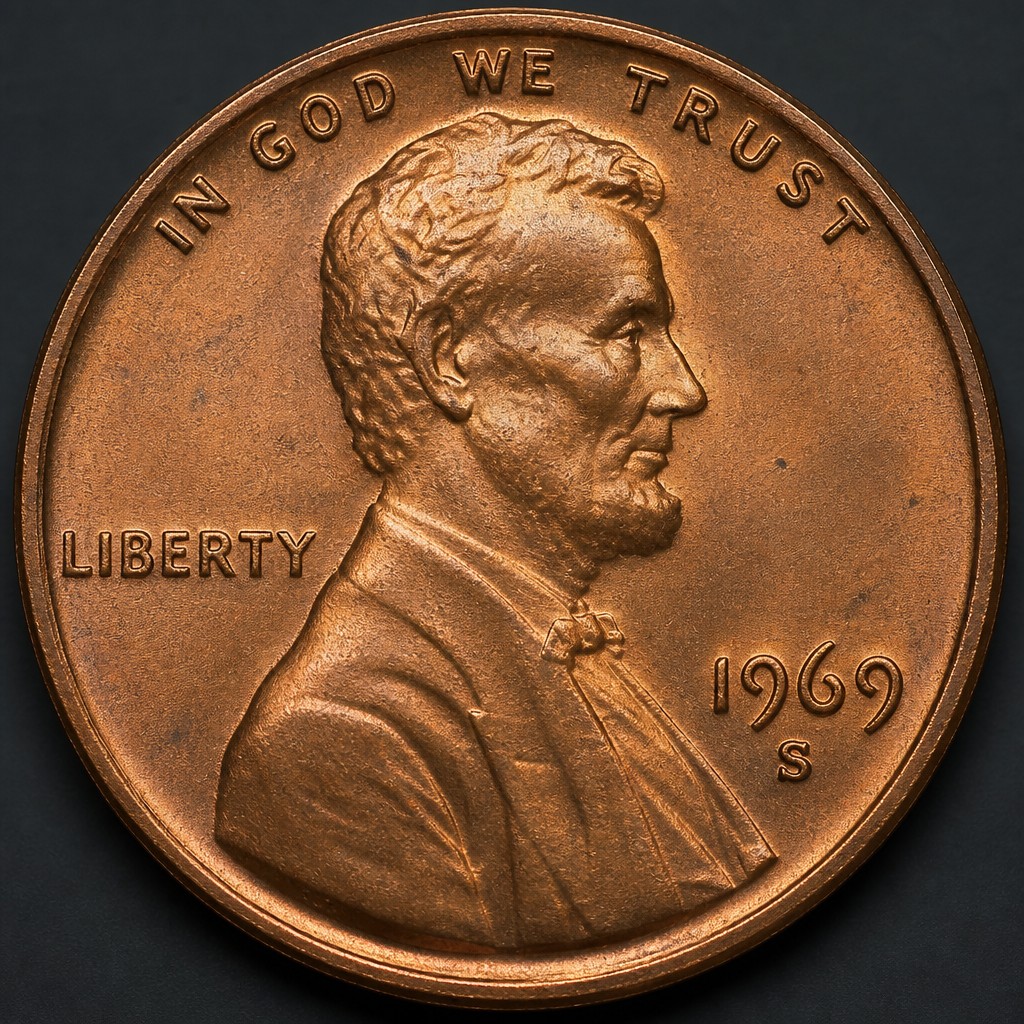
1969-S Doubled Die Obverse Lincoln Cent
1969
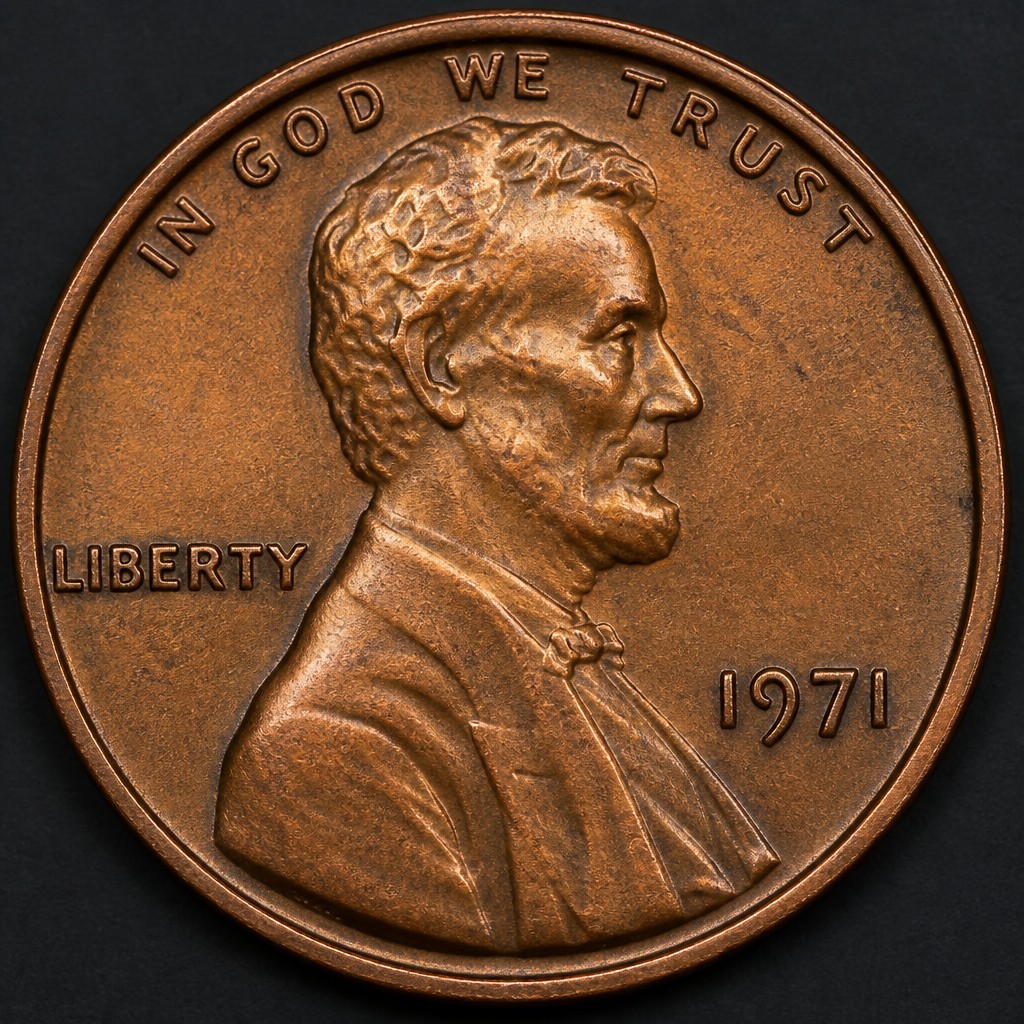
1971 Doubled Die Obverse Lincoln Cent
1971
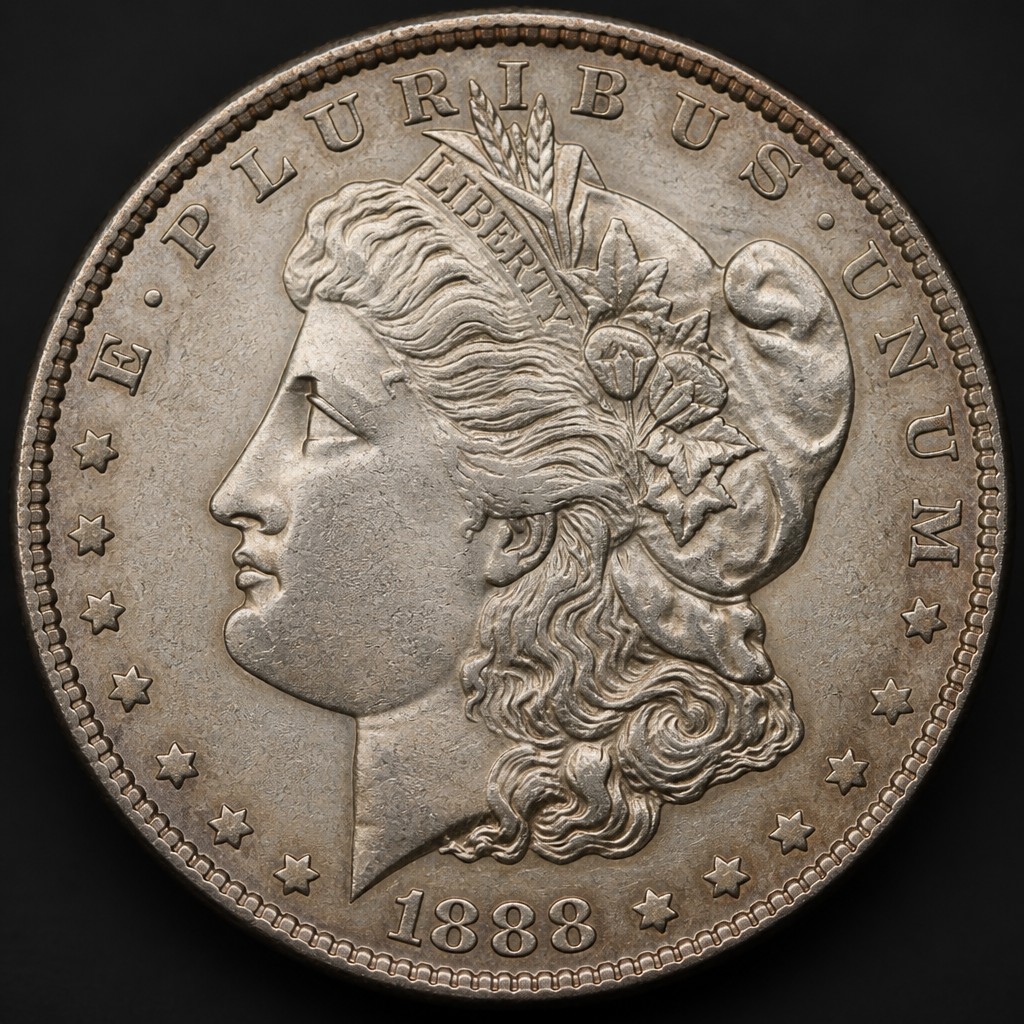
1888/7 Morgan Dollar Overdate
1888
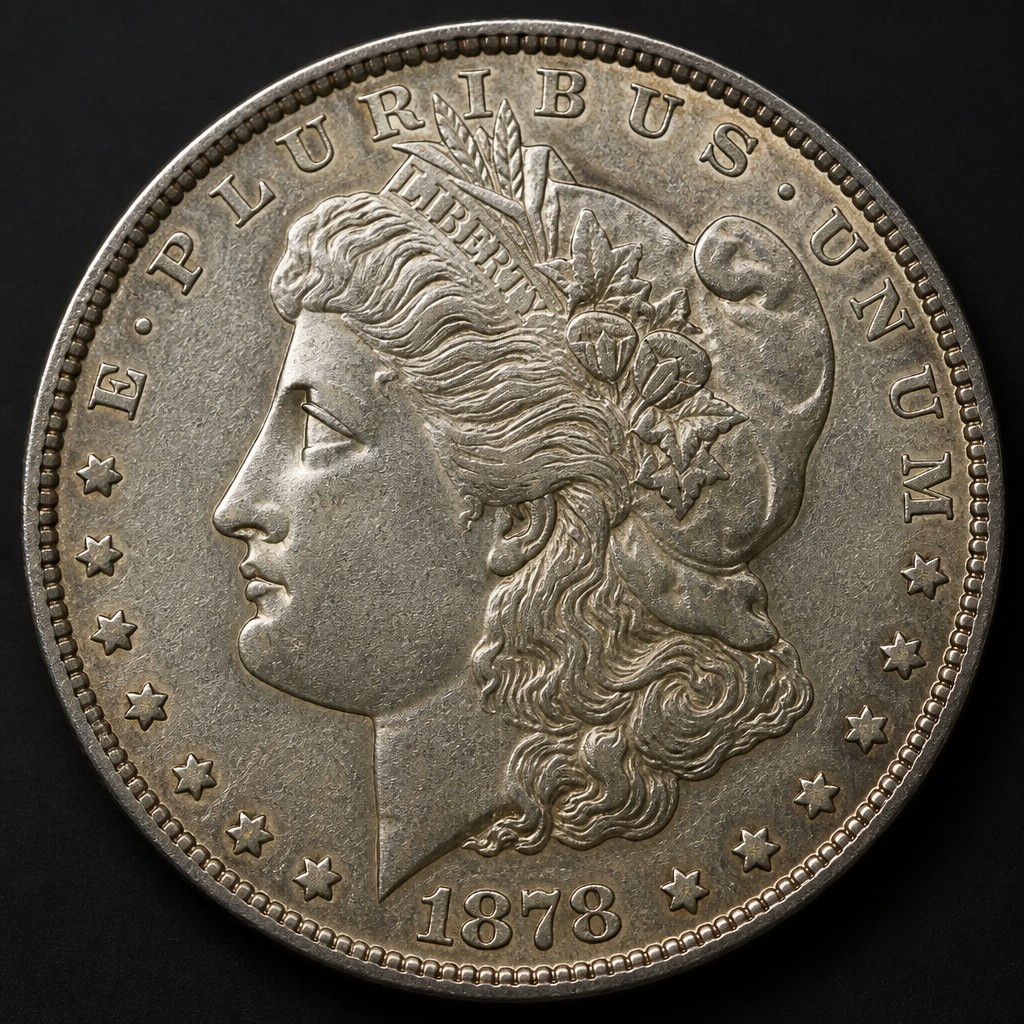
1878 7/8 Tail Feathers Morgan Dollar
1878
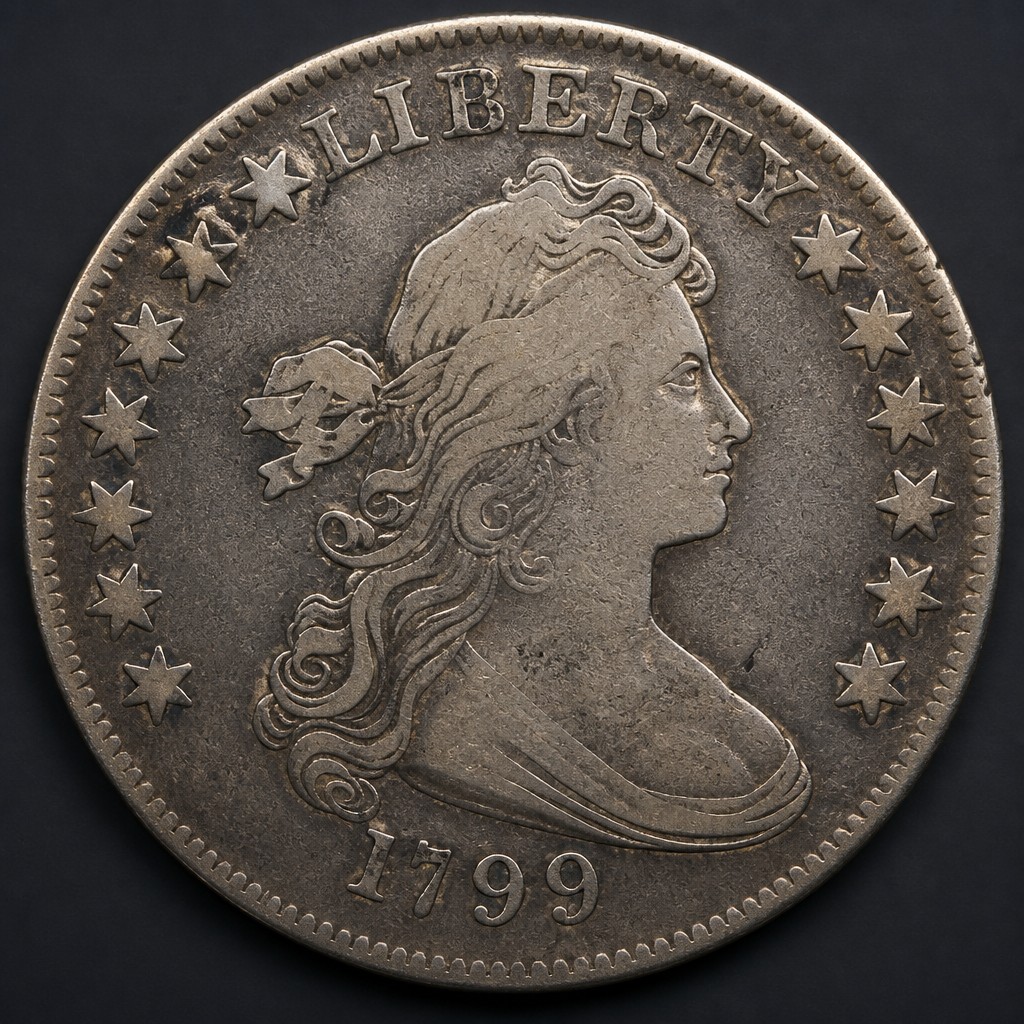
1799/8 Draped Bust Silver Dollar Overdate
1799 (die dated over 1798)
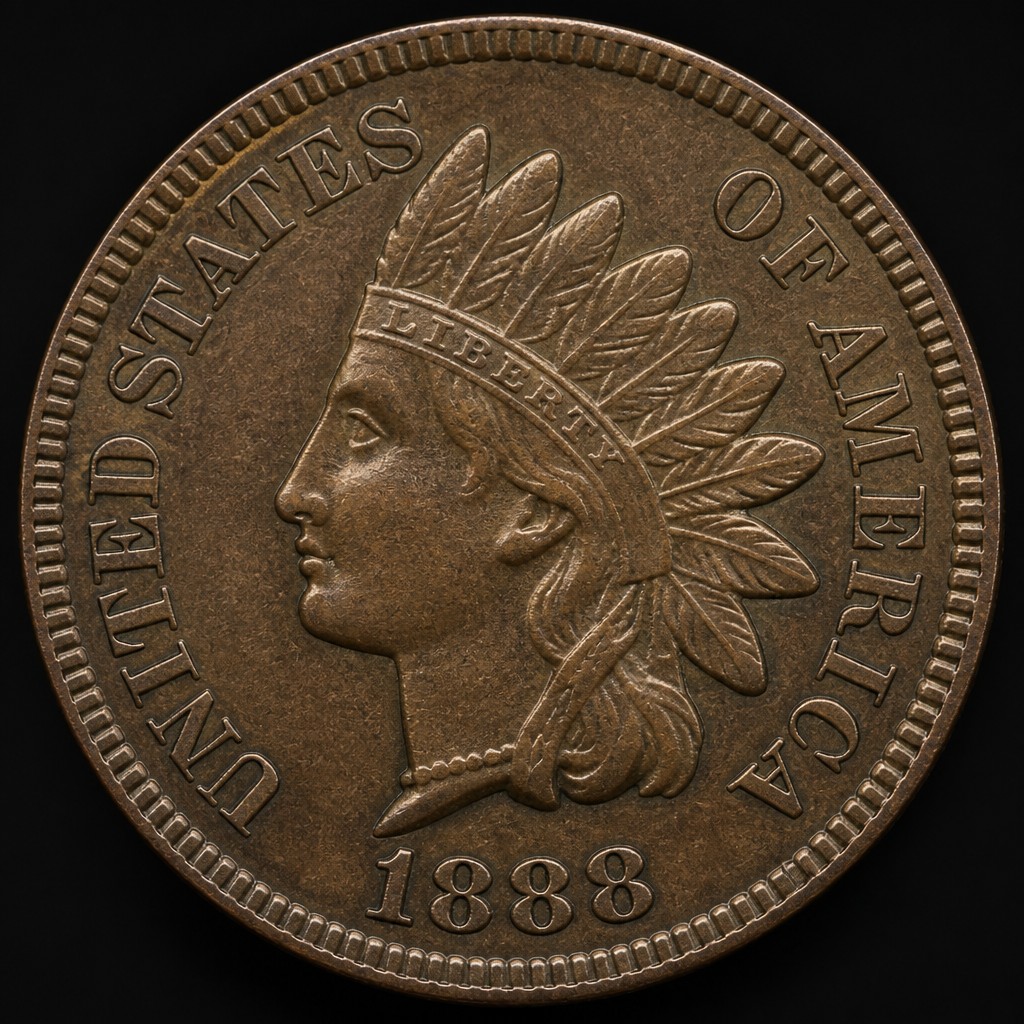
1888/7 Indian Head Cent Overdate
1888
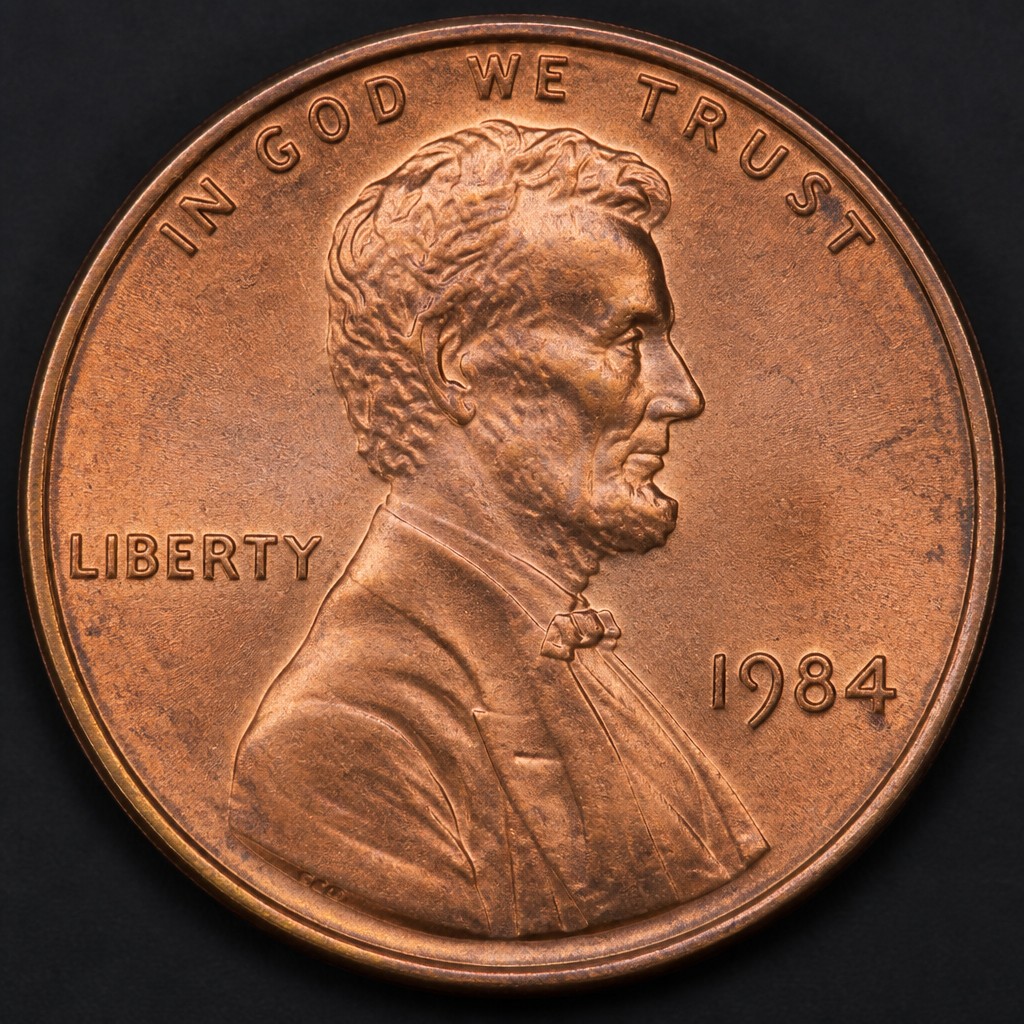
1984 Doubled Ear Lincoln Cent
1984
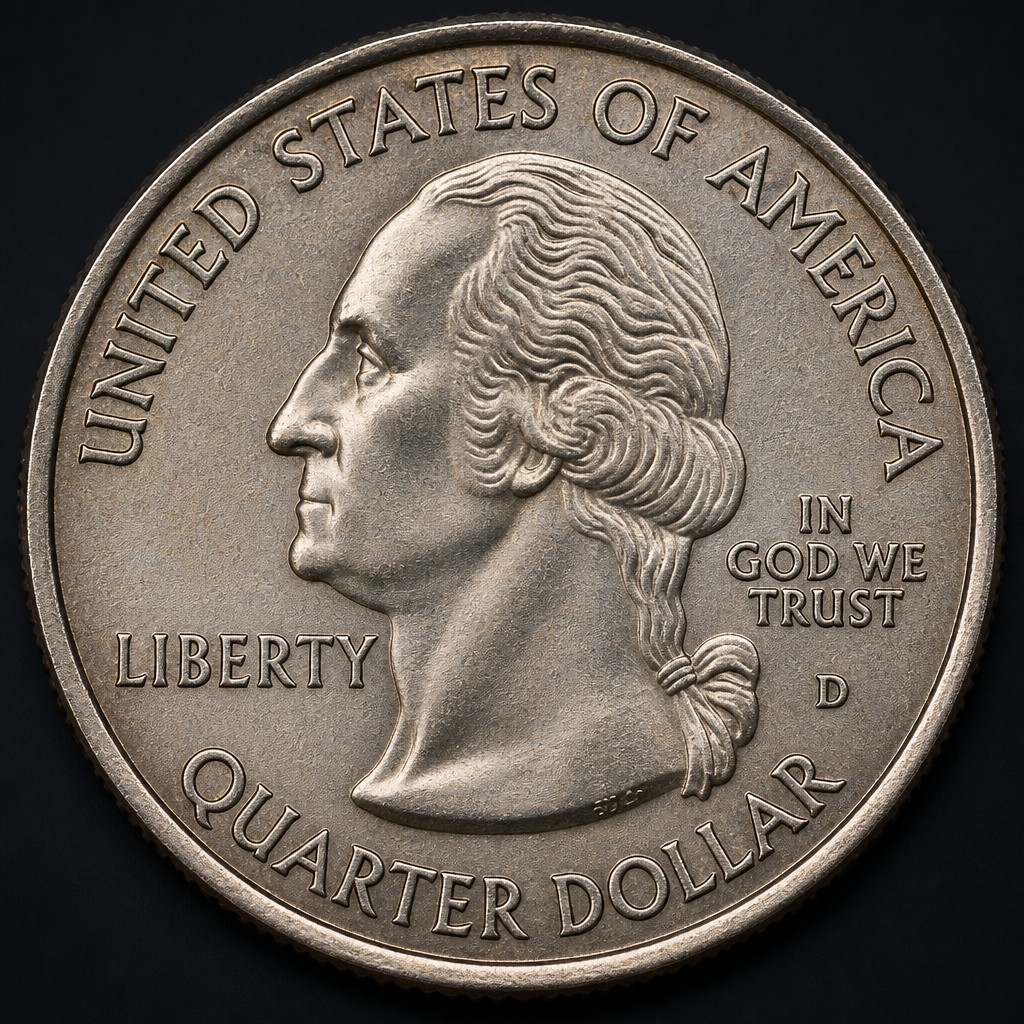
2004-D Wisconsin State Quarter Extra Leaf
2004
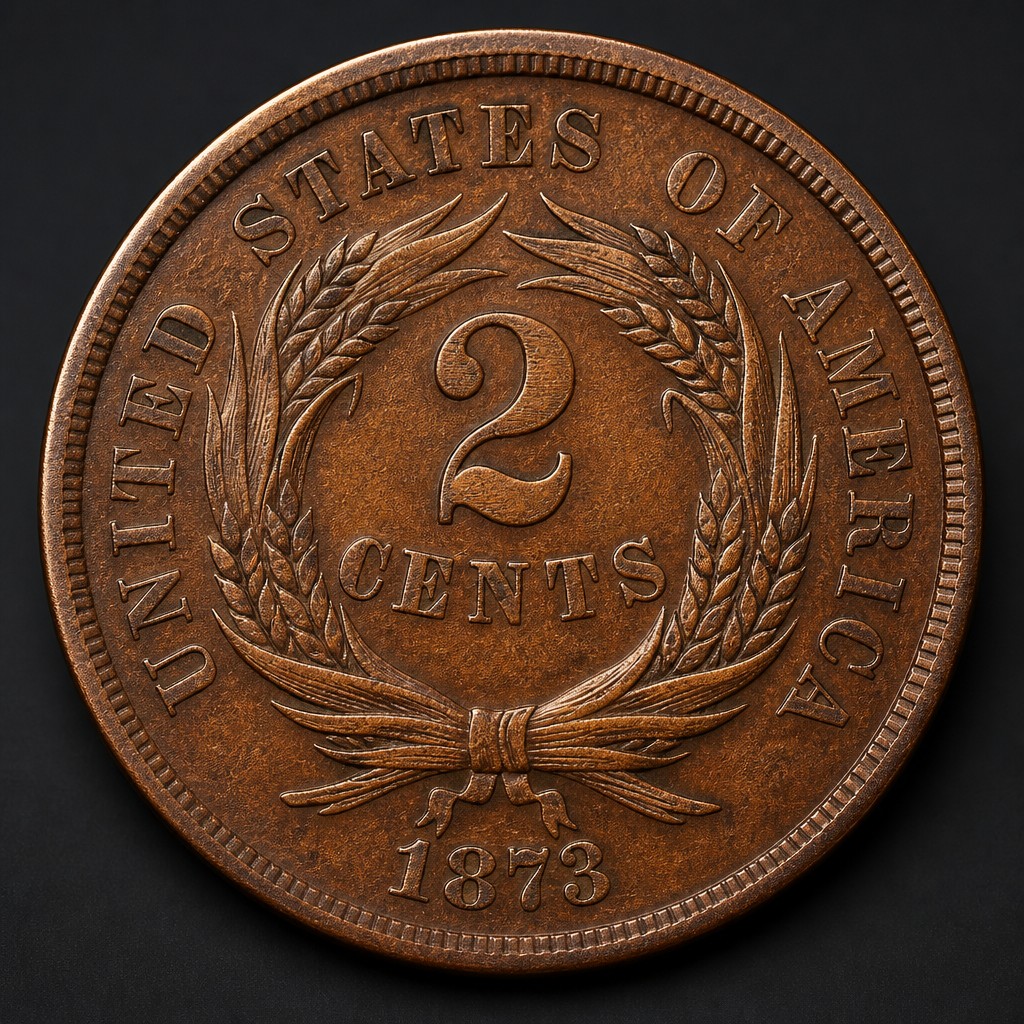
1873 Doubled Die Two-Cent Piece
1873