Coin Identifier

Coin Encyclopedia

Search and identify coins from around the world — with country, denomination, metal, mint, history, and how to tell them apart.
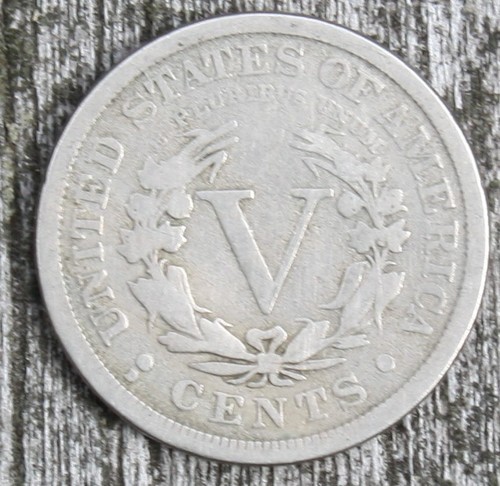
Liberty Head V Nickel

Liberty Head V Nickel

Struck from 1883 to 1912 (with five secretly made 1913 examples), the Liberty Head Nickel is famous for its 1883 'No CENTS' variety and its ultra-rare 1913 issue.

United States
1885 Liberty Head V Nickel

1885 Liberty Head V Nickel

The key date of the Liberty Head V Nickel series, struck in one of the lowest mintages of the run and highly sought after to complete a date set.

United States
1912-S Liberty Head Nickel

1912-S Liberty Head Nickel

The only Liberty Head V Nickel struck at the San Francisco Mint and the lowest-mintage business strike of the entire series, making it a major key date.

United States
1913 Liberty Head Nickel

1913 Liberty Head Nickel

One of the most famous rarities in American numismatics: only five examples exist of a Liberty Head nickel dated 1913, a year in which the design was officially replaced by the Buffalo nickel.

United States
1883 With Cents Liberty Head Nickel

1883 With Cents Liberty Head Nickel

The corrected version of the 1883 Liberty Head Nickel with CENTS added below the wreath, issued later the same year to stop widespread gold-plating fraud tied to the earlier No Cents design.

United States
1883 No Cents Liberty Head Nickel

1883 No Cents Liberty Head Nickel

The first-year Liberty Head Nickel design that omitted the word CENTS from the reverse, later infamous as the 'Racketeer Nickel' after being gold-plated and passed off as a five-dollar coin.

United States
1943 'V' Victory Nickel (tombac)

1943 'V' Victory Nickel (tombac)

A wartime Canadian five-cent coin struck in golden tombac with a bold V for Victory and a Morse code message around its edge, issued when nickel metal was diverted to the war effort.

Canadian
Copper-Nickel Indian Head Cent

Copper-Nickel Indian Head Cent

The earliest Indian Head cents, struck in copper-nickel from 1859 to 1864 before the Mint switched to a thinner bronze alloy, nicknamed 'white cents' for their pale color.

United States
Buffalo Nickel

Buffalo Nickel

Beloved American five-cent coin featuring a Native American portrait and an American bison, designed by James Earle Fraser and celebrated for its distinctly American imagery.

United States
George V Five Cents (silver)

George V Five Cents (silver)

The last era of Canadian silver five-cent coins, struck under King George V until nickel replaced silver in 1922, including the legendary rarity of the 1921 date.

Canadian
1938-D Buffalo Nickel

1938-D Buffalo Nickel

The final year of the Buffalo Nickel series, the 1938-D was widely saved by the public at the time and remains a popular, affordable last-year issue for collectors.

United States
Bronze Indian Head Cent

Bronze Indian Head Cent

The bronze-alloy Indian Head cent struck from 1864 through 1909, replacing the earlier copper-nickel version and serving as the last cent design before Lincoln's portrait appeared in 1909.

United States
Seated Liberty Half Dime

Seated Liberty Half Dime

The final United States half dime series, struck from 1837 to 1873, features Christian Gobrecht's seated Liberty design before the denomination was replaced by the copper-nickel Shield Nickel.

United States
1860 Indian Head Cent (Oak Wreath)

1860 Indian Head Cent (Oak Wreath)

The redesigned Indian Head cent introducing the oak wreath and shield reverse that would remain in use, with only a metal change in 1864, through the end of the series in 1909.

United States
1937 Doubled Die Obverse Buffalo Nickel

1937 Doubled Die Obverse Buffalo Nickel

A doubled die variety of the 1937 Buffalo nickel showing visible doubling in the obverse date and lettering, collected alongside other notable varieties from the final years of the Buffalo nickel series.

Errors & Varieties
1938-D/S Buffalo Nickel Overmintmark

1938-D/S Buffalo Nickel Overmintmark

The famous final-year Buffalo nickel variety showing a D mintmark punched over a leftover S, created when Denver reused a die originally prepared for San Francisco.

Errors & Varieties
1859 Indian Head Cent (Laurel Wreath)

1859 Indian Head Cent (Laurel Wreath)

The first-year Indian Head cent, struck only in 1859 with a distinctive laurel wreath reverse that was replaced by an oak wreath and shield the following year.

United States