
Coin Encyclopedia
Search and identify coins from around the world — with country, denomination, metal, mint, history, and how to tell them apart.
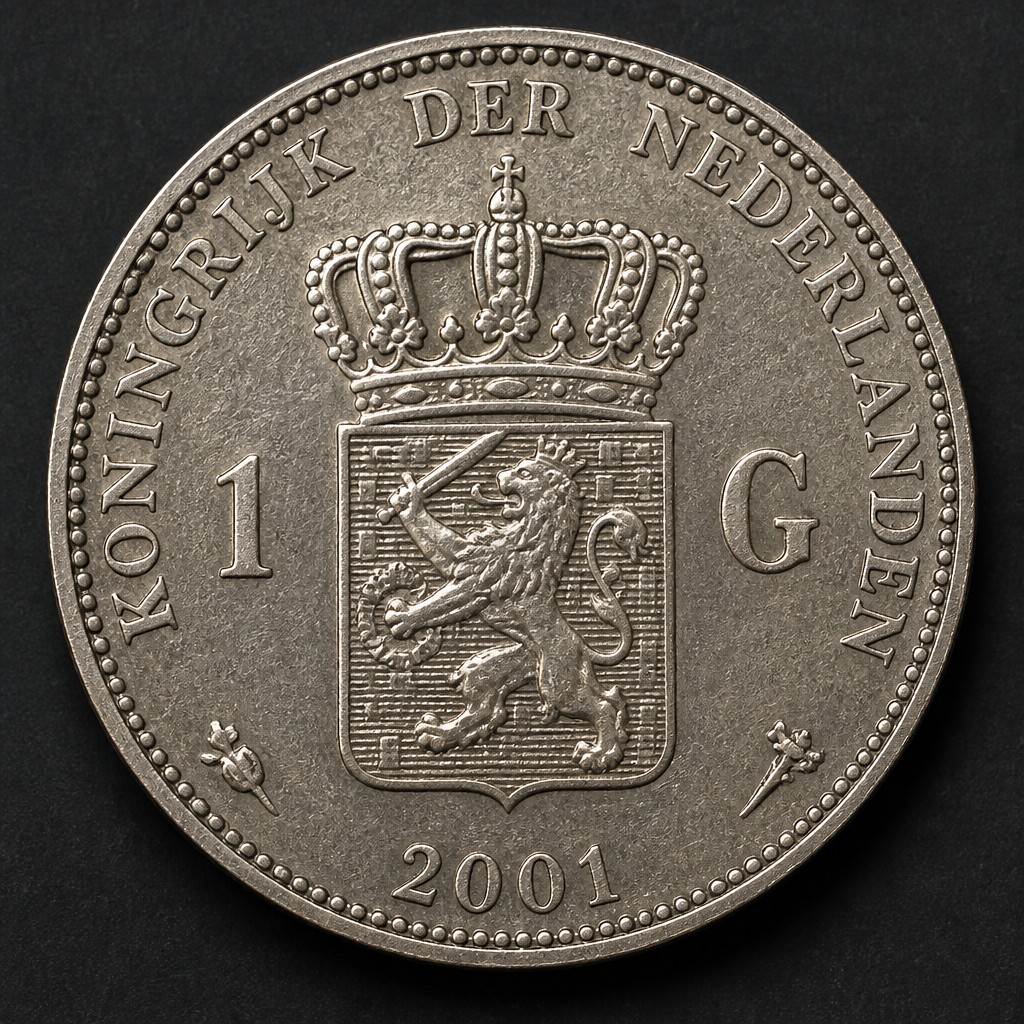
Netherlands Rijksdaalder Gulden
The 2.5 guilder coin of the Kingdom of the Netherlands, carrying forward the historic rijksdaalder name through the monarchy era until the euro's adoption.
European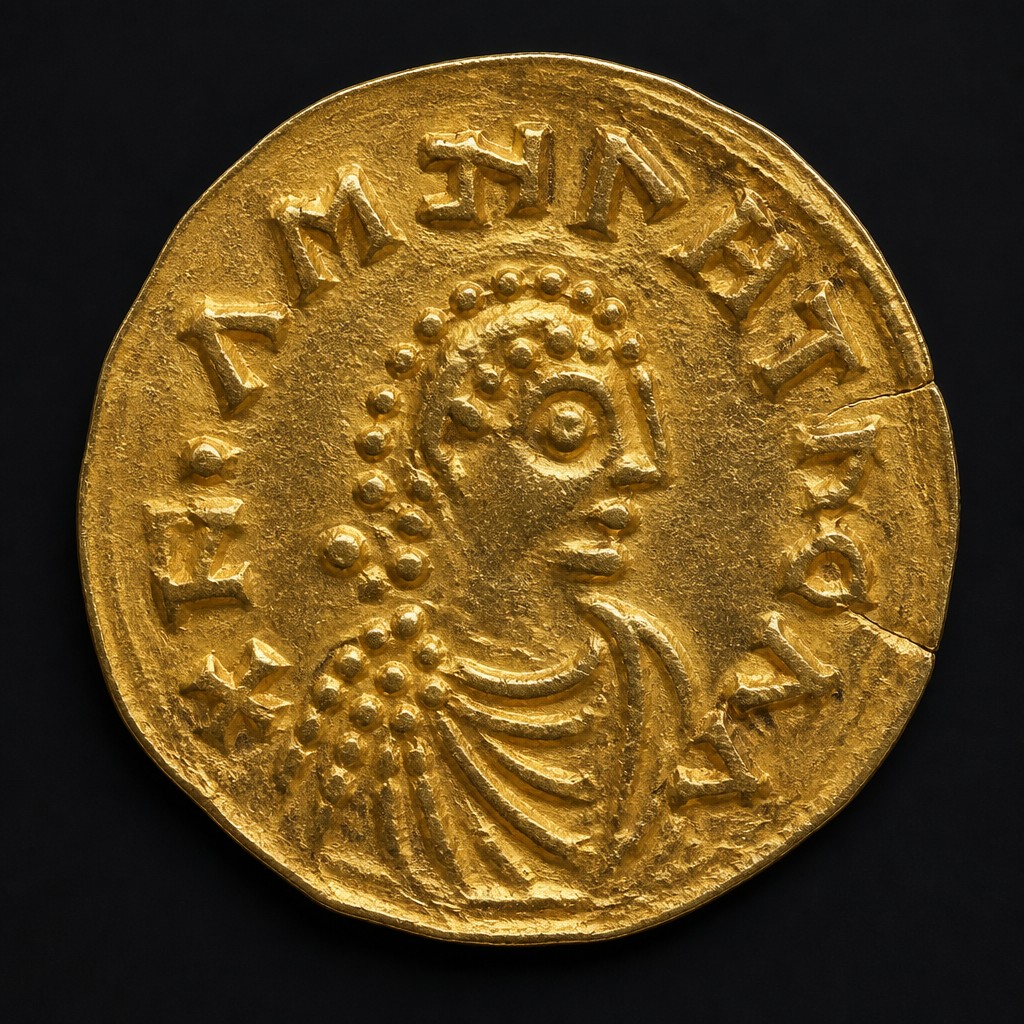
Merovingian Gold Tremissis
A small gold coin of the Merovingian Frankish kingdom, worth one-third of a solidus, often naming the local moneyer who struck it rather than the reigning king.
European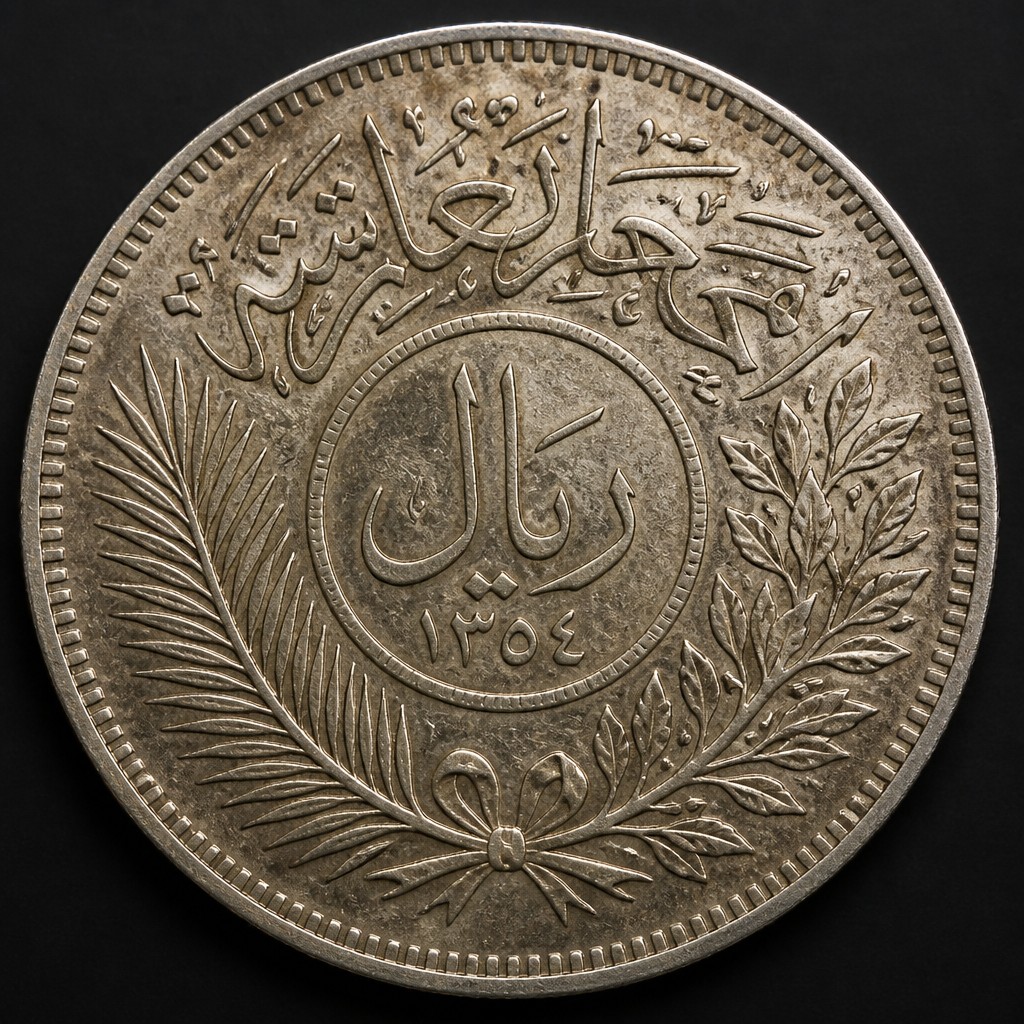
Saudi Arabian Riyal (silver)
The standardized silver riyal introduced by King Abdulaziz to unify the currency of the newly formed Kingdom of Saudi Arabia, featuring Arabic inscriptions and national emblems without a ruler's portrait.
Asian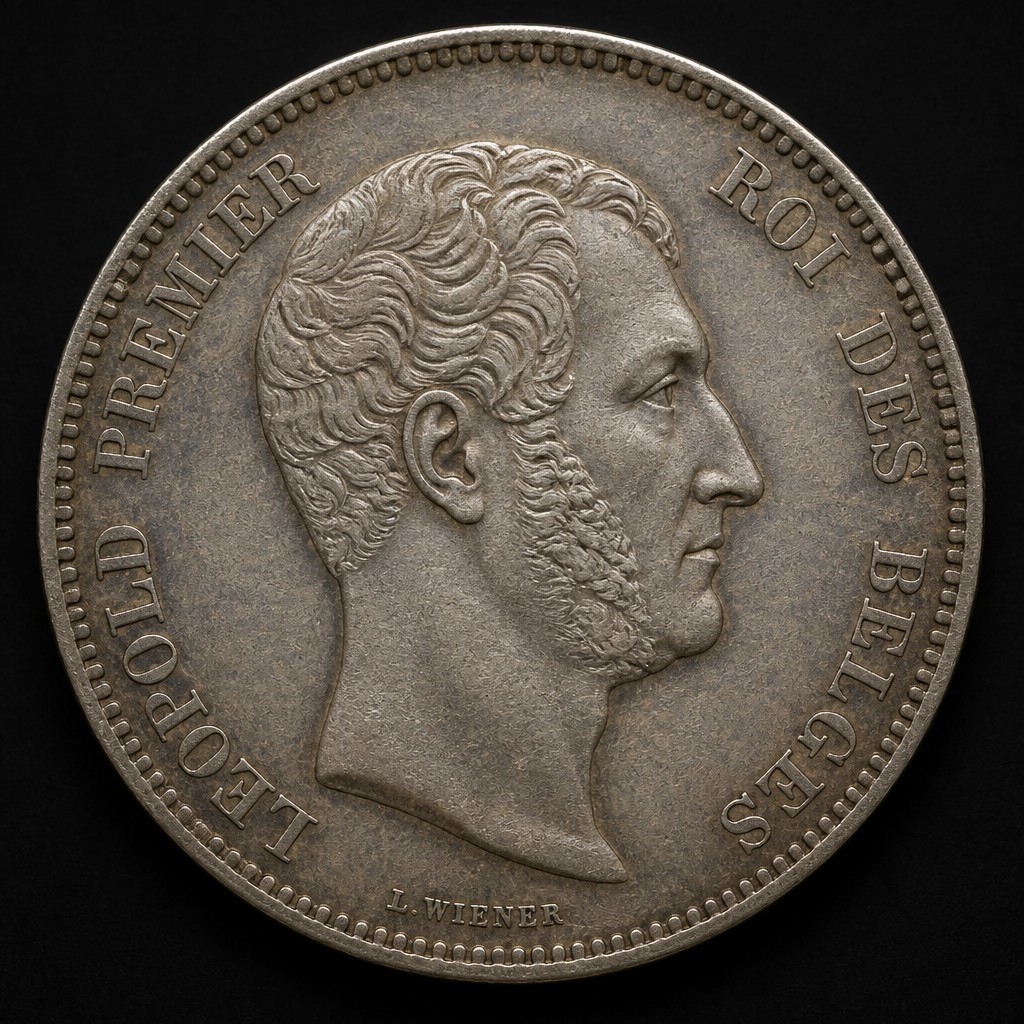
Belgian 5 Francs
A large silver crown of the newly independent Kingdom of Belgium, bearing the portrait of Leopold I or Leopold II and the national coat of arms, a flagship coin of the young nation's currency.
European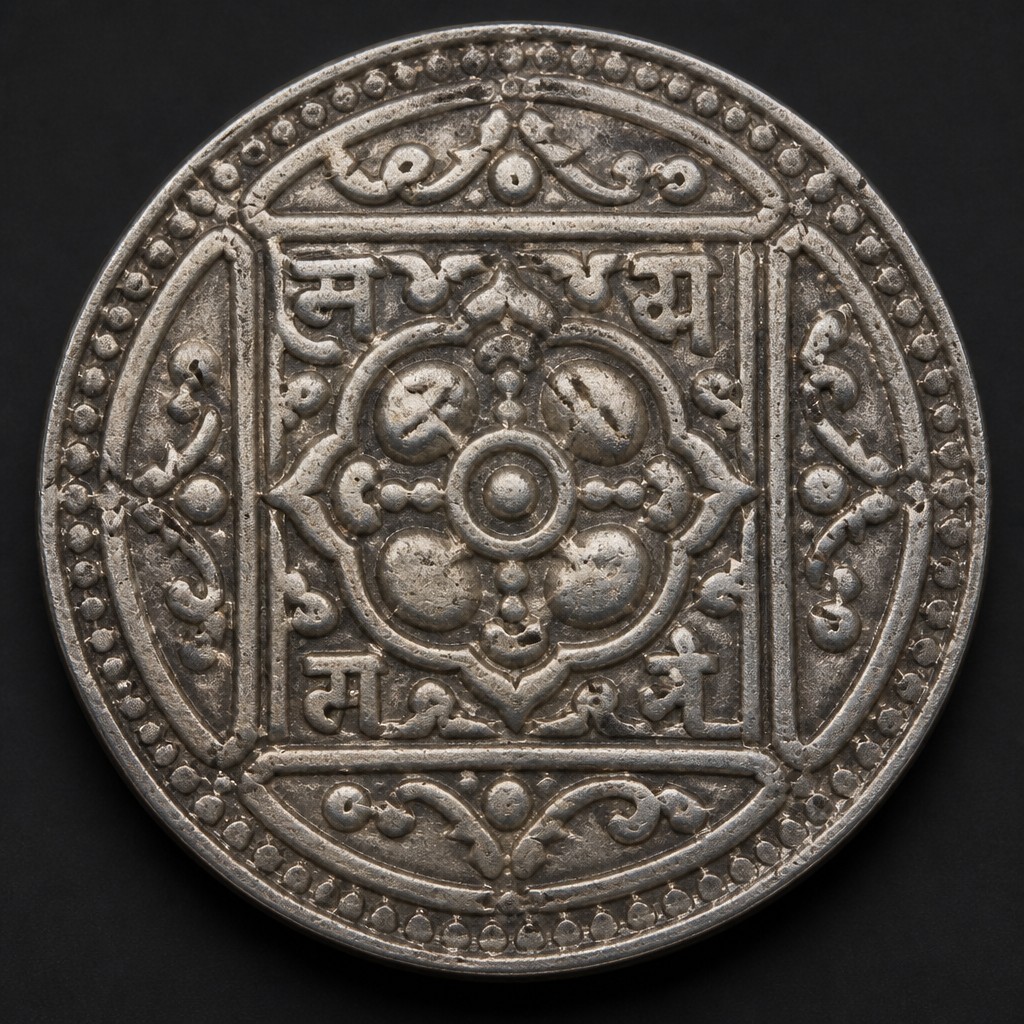
Nepal Silver Mohar
A traditional silver denomination issued by the Malla city-kingdoms and later the unifying Shah dynasty of Nepal, typically bearing Devanagari script rather than portraits.
Asian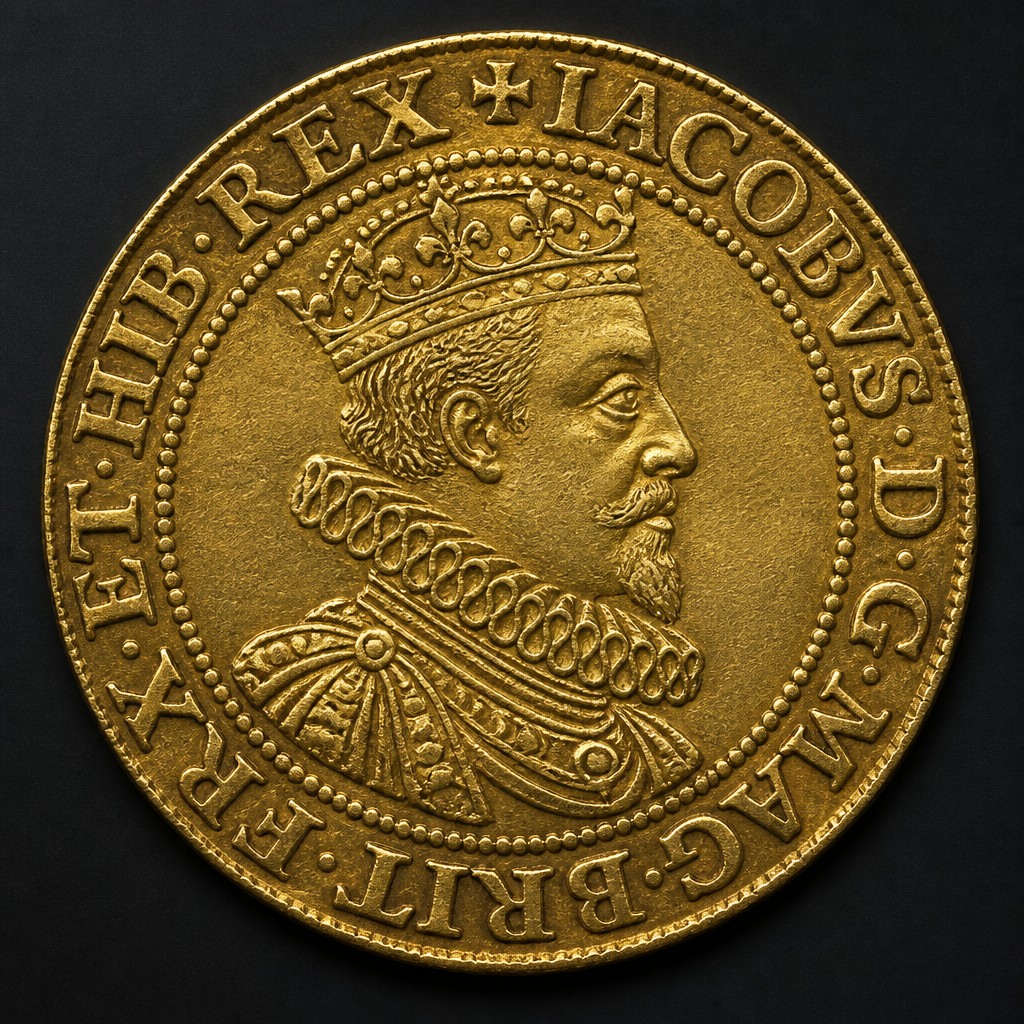
Unite
A gold twenty-shilling coin introduced by James I in 1604 to celebrate the union of the English and Scottish crowns, its name literally symbolizing the joining of the two kingdoms.
British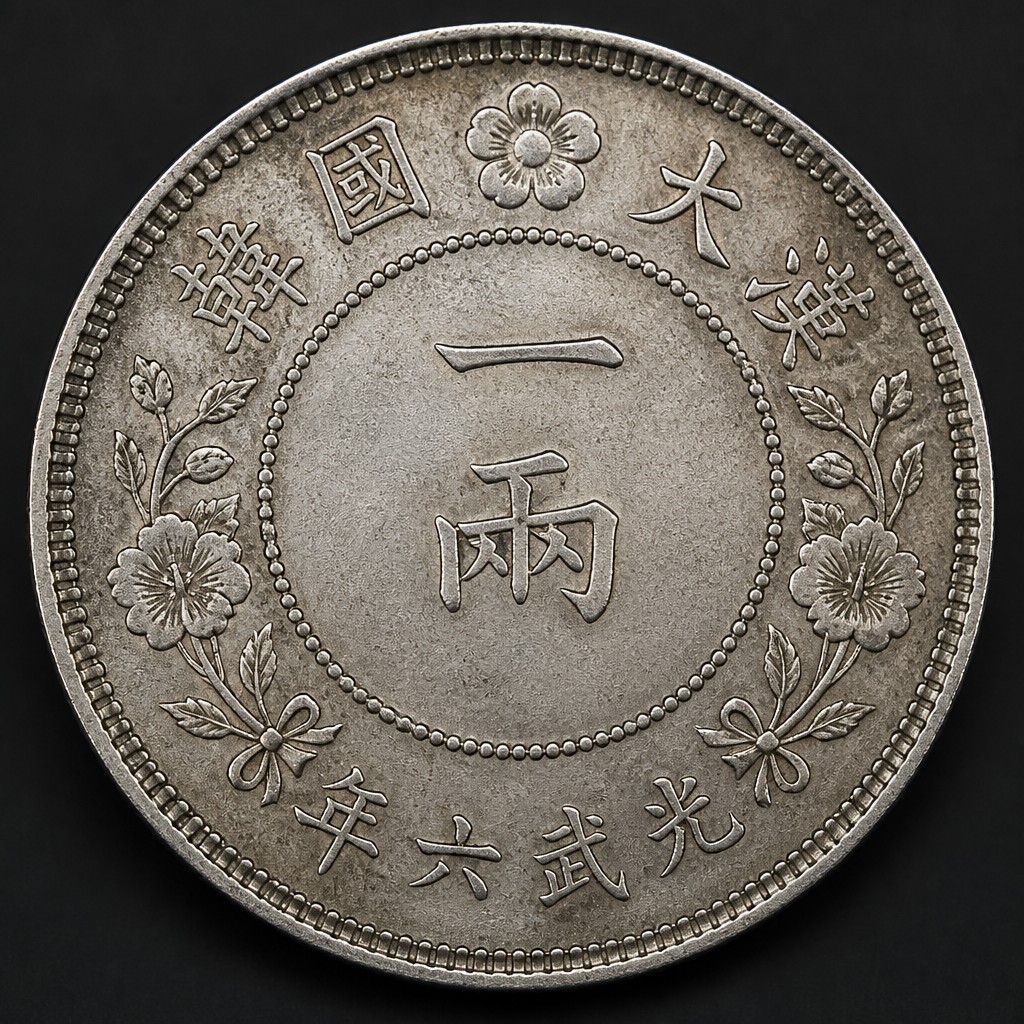
Korean 1 Yang Silver (Joseon/Great Han Empire)
Silver 1 Yang coin from Korea's late Joseon currency reform of the 1890s, part of the kingdom's first modern, machine-struck decimal coinage.
Asian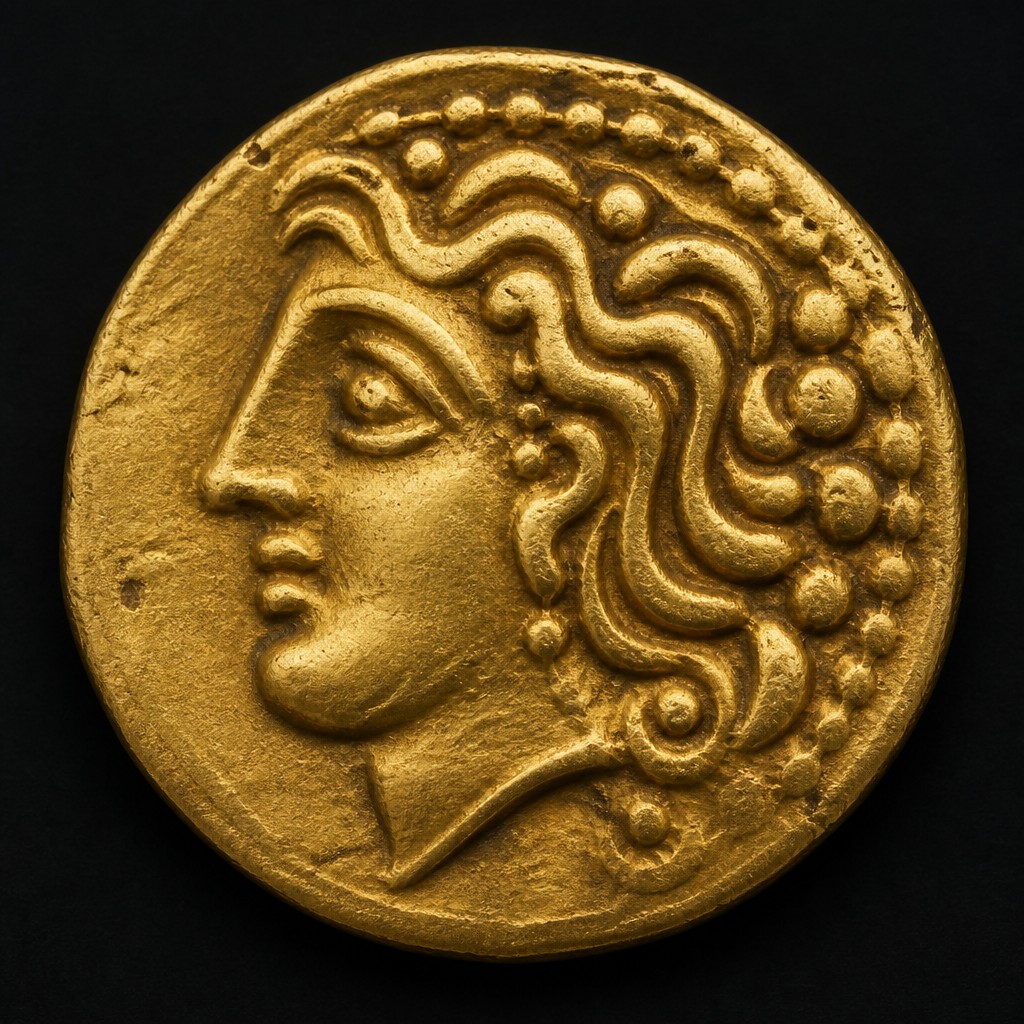
Celtic Gold Stater
Iron Age gold coins struck by Celtic tribes across Gaul and Britain, evolving from close imitations of Macedonian staters into strikingly abstract, stylized designs.
Ancient