
Coin Encyclopedia
Search and identify coins from around the world — with country, denomination, metal, mint, history, and how to tell them apart.
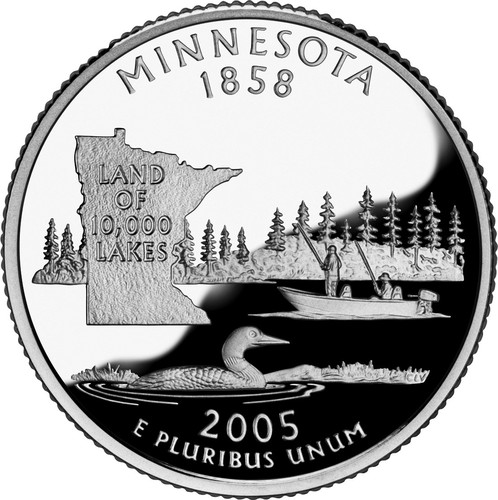
Minnesota State Quarter
2005 U.S. 25-cent coin in the 50 State Quarters series, showing Minnesota's outline, a common loon, anglers in a boat, and pines above 1858.
Quarter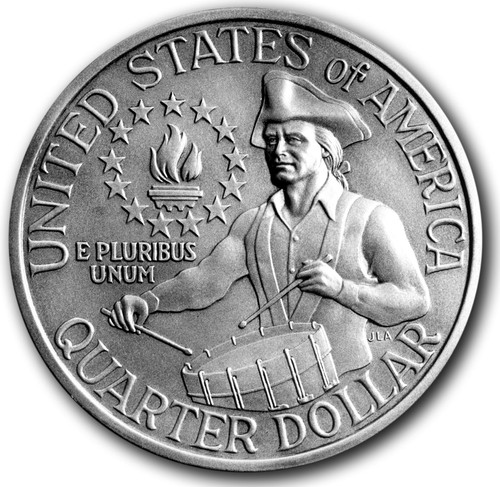
Bicentennial Quarter
U.S. 25-cent coin issued for the 1976 Bicentennial, pairing Washington's portrait with a Colonial drummer and the dual date 1776-1976.
Quarter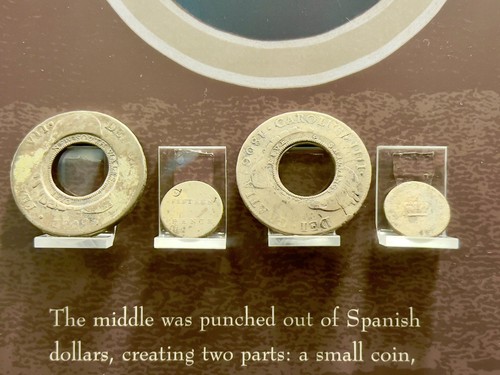
Holey Dollar
Australia's first struck coin: a Spanish silver dollar with its centre punched out, counterstamped NEW SOUTH WALES 1813 and revalued at five shillings.
Australian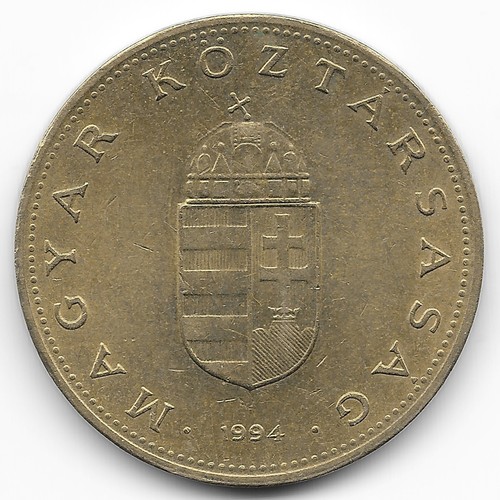
100 Forint (Commemorative)
A Hungarian bi-metallic 100 Forint commemorative pairing the national coat of arms with a bird of prey in flight, struck in a gold-toned ring and pale center.
Commemorative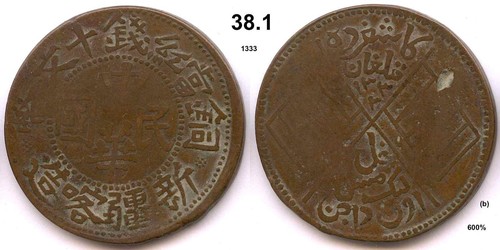
Aksu Mint 10 Cash
A struck copper 10 cash coin from the Aksu mint in Xinjiang, with Chinese characters and a denomination mark in a circular layout, without a central hole.
Cash Coin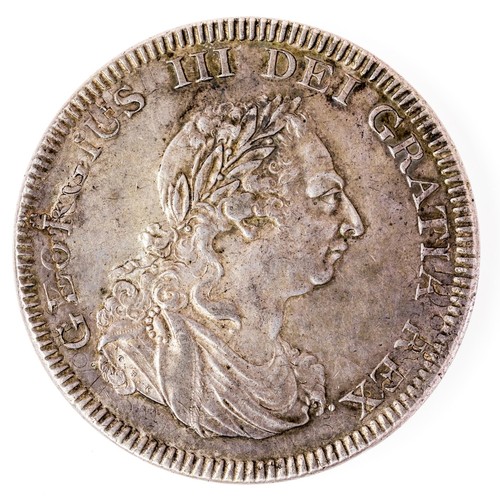
Bank of England Dollar
A George III silver dollar issued by the Bank of England in 1804, struck over Spanish eight-reales coins, with a laureate bust and a crowned shield reverse.
Milled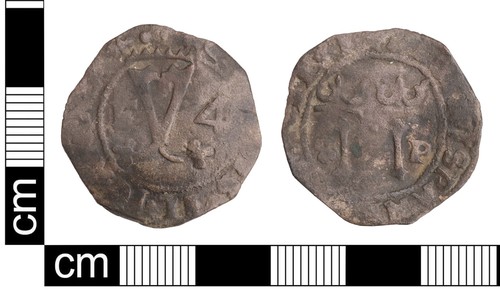
4 Maravedis
A copper Spanish coin struck in the names of Carlos and Joanna, worth four maravedis (one cuarto), carrying the crowned royal arms and Pillars of Hercules.
Circulation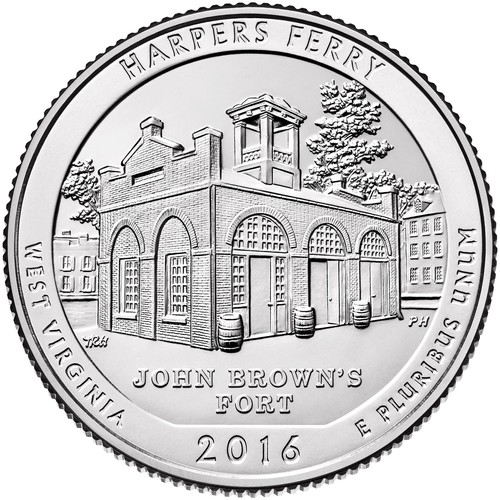
Harpers Ferry Quarter
U.S. 25-cent coin from the 2016 America the Beautiful series, showing John Brown's Fort at Harpers Ferry National Historical Park, West Virginia.
Quarter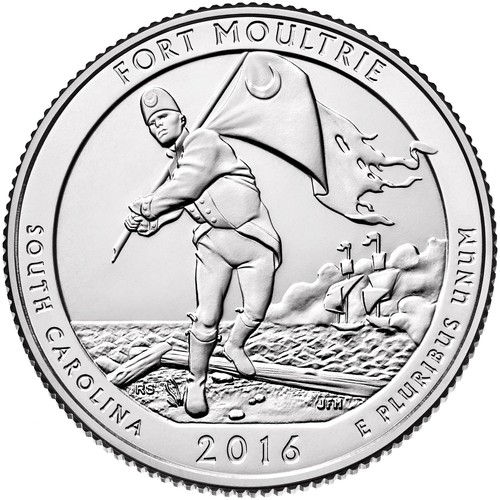
Fort Moultrie Quarter
2016 U.S. copper-nickel clad 25-cent piece, the final America the Beautiful quarter, showing a Continental soldier with a flag defending Fort Moultrie, South Carolina.
Quarter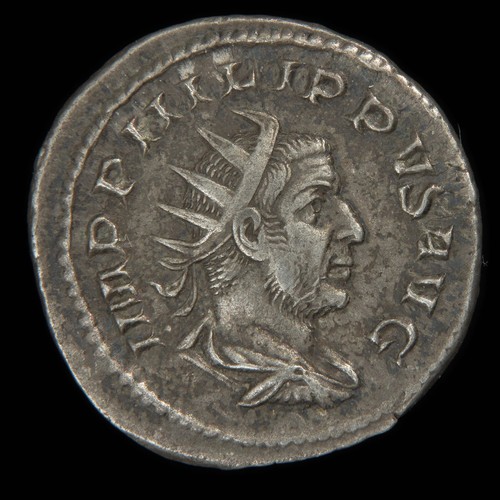
Antoninianus
Roman imperial coin of the crisis era, marked by a radiate (spiked) crown on the emperor's head; struck in debased silver-and-copper billon, c. 250-270 AD.
Ancient Coins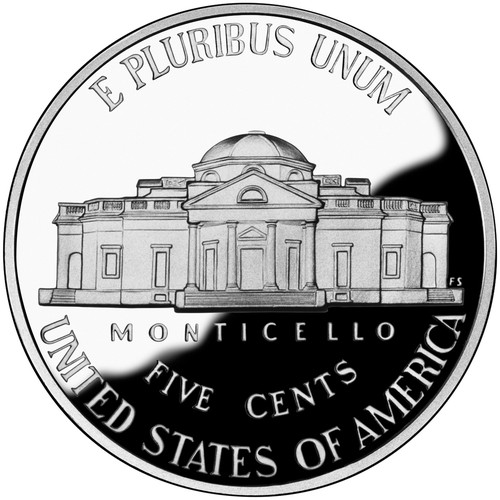
Jefferson Nickel
U.S. five-cent piece introduced in 1938, showing Thomas Jefferson on the obverse and his Monticello home on the reverse. 1942–1945 issues are 35% silver.
Nickel Five Cent