
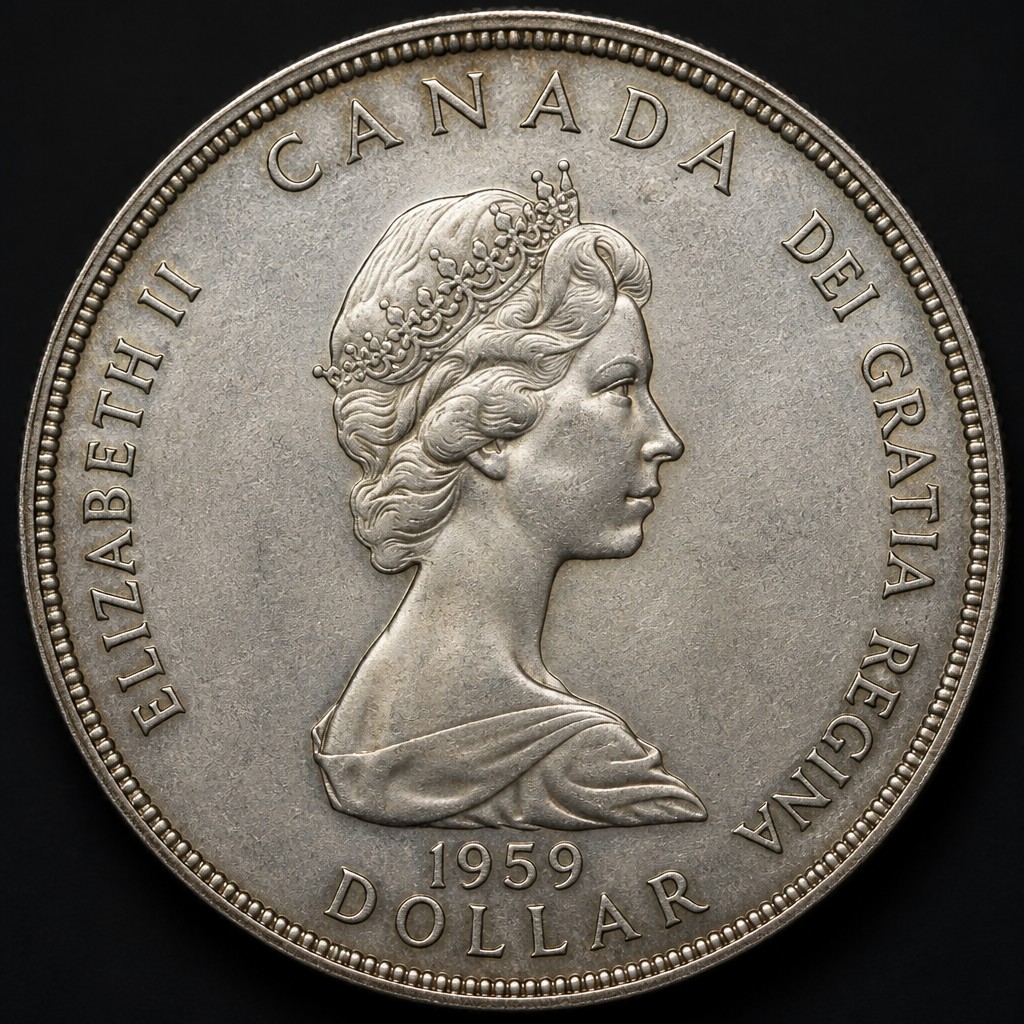
Voyageur Silver Dollar
Canada's iconic silver dollar, first struck in 1935 to mark George V's Silver Jubilee, showing a voyageur and Indigenous guide paddling a canoe.
- Country
- Canada
- Denomination
- One Dollar
- Metal
- .800 Silver (1935–1966); lower-silver/nickel in transitional later years
Got a coin like this?
Identify any coin from a photo, free.
Overview
The Voyageur Silver Dollar is one of Canada's most recognizable classic coins, introduced in 1935 as the country's first standard circulating dollar coin and issued to commemorate the Silver Jubilee (25th anniversary of the reign) of King George V. Its reverse design, showing a voyageur and an Indigenous guide paddling a canoe past a small islet, became a defining symbol of Canadian coinage for decades.
Designed by German-Canadian sculptor and medalist Emanuel Hahn, the voyageur motif remained the standard reverse for the Canadian silver dollar (with several special commemorative exceptions) into the 1980s, making it a long-running and widely collected series among Canadian coin enthusiasts.
History & Background
Canada issued its first dollar coin in 1935 as a special commemorative for the Silver Jubilee of King George V, marking 25 years since his accession. Emanuel Hahn's design, depicting a voyageur (a French-Canadian fur trade canoeman) and an Indigenous guide paddling together, was chosen to evoke Canada's fur-trade history and the cooperative exploration of the country's waterways.
The design proved so popular that it was retained as the regular reverse for Canada's silver dollar in most years from 1936 into the 1980s, with several notable exceptions struck for specific commemorative anniversaries, such as the 1939 Royal Visit dollar, the 1949 Newfoundland union dollar, and the 1967 Confederation Centennial dollar featuring a Canada goose instead of the voyageur.
The coin's silver content was reduced from .800 fine toward .500 fine in 1967 as part of broader efforts to manage rising silver costs, and the dollar was struck in nickel from 1968 onward, though the voyageur design itself continued to appear on nickel dollars into the 1980s before Canada's dollar coin was ultimately reshaped into the eleven-sided "loonie" in 1987.
How to Identify
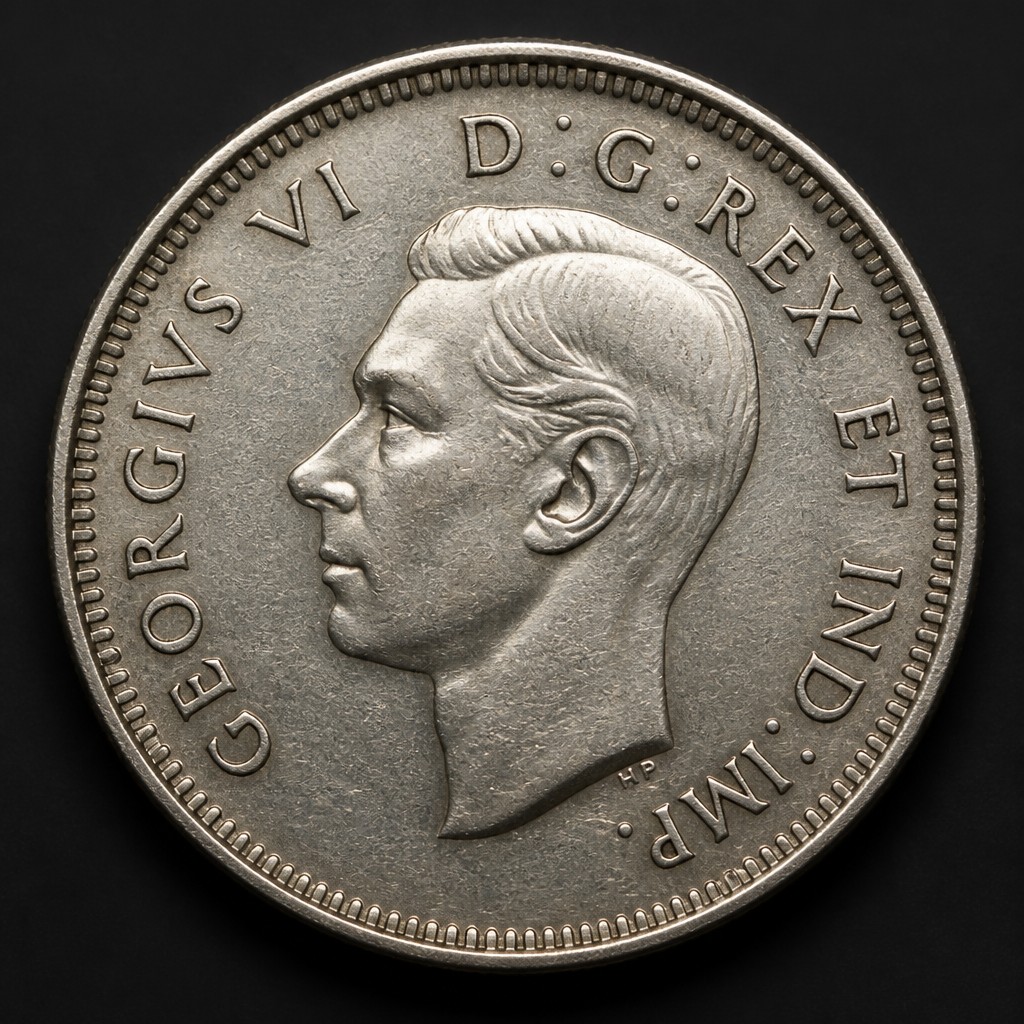
The obverse bears the portrait of the reigning monarch at the time of striking (George V, George VI, or Elizabeth II, depending on year), with the standard Latin royal titles.
The reverse shows the coin's signature design: a voyageur in the bow and an Indigenous guide in the stern of a canoe, paddling past a small rocky islet, with the denomination "ONE DOLLAR" and the year below.
Early Voyageur dollars (1935–1966) are struck in .800 fine silver and are noticeably heavy and substantial; coins from 1967–1968 transitioned through lower silver content before the switch to nickel, so weight and color (a duller gray for nickel versus a brighter silver luster for the earlier issues) help distinguish silver from nickel strikes of similar design.
Value & Collectibility
Common-date Voyageur silver dollars from the 1930s through 1960s in circulated condition are collected mainly for their silver content and historical appeal, typically trading in the range of the coin's silver value up to a modest numismatic premium, while well-preserved uncirculated examples of certain lower-mintage years can bring considerably more.
Key dates within the series, most notably 1948 (a famously low-mintage year widely considered the classic key date of the series) and certain early Depression-era issues, command significantly higher prices than common dates, often reaching into the hundreds or low thousands of dollars for problem-free, well-graded examples. As with most classic silver coinage, originality of surfaces and absence of cleaning strongly affect price.
Frequently asked questions
Why is it called the "Voyageur" dollar?
For its reverse design showing a voyageur and an Indigenous guide paddling a canoe, symbolizing Canada's fur-trade heritage.
What is the key date in the series?
1948 is widely regarded as the classic key date due to its low mintage.
Is it always silver?
Coins from 1935 to 1966 are .800 fine silver; 1967–1968 transitioned to lower silver and then nickel, though the voyageur design persisted on later nickel dollars.
Was the voyageur design used every year?
No; several commemorative years used special one-off designs, such as the 1939 Royal Visit and 1967 Confederation Centennial (goose) dollars.
Other coins you may enjoy
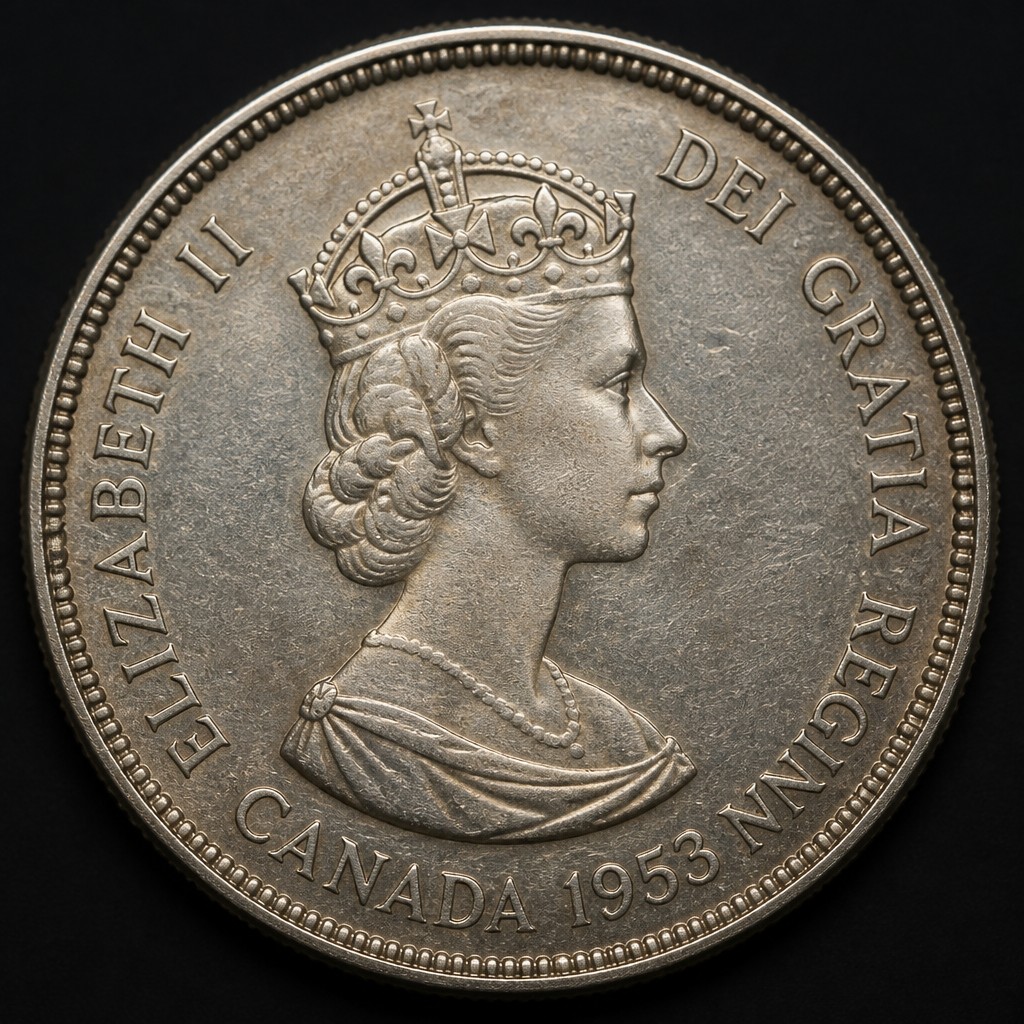
1953 Coronation Voyageur Dollar
1953
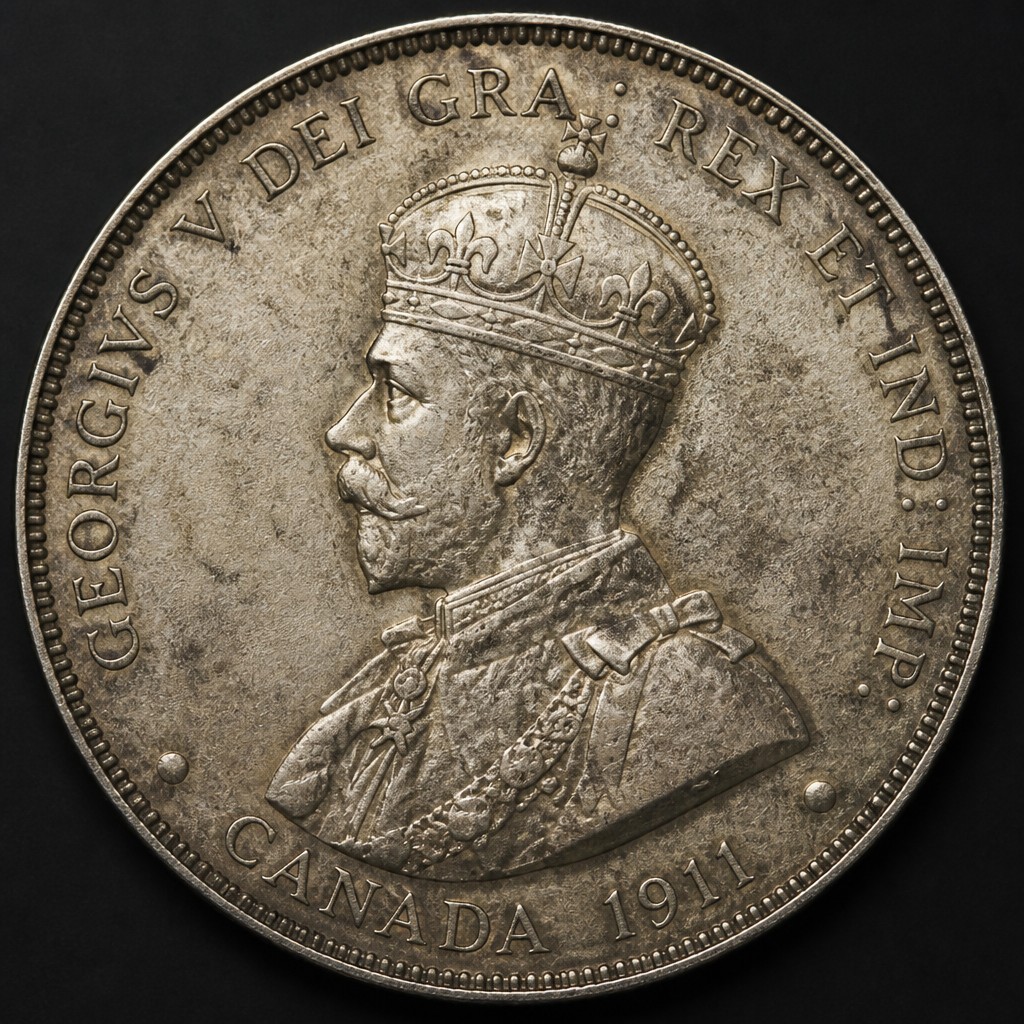
1911 Canadian Silver Dollar (Pattern)
1911
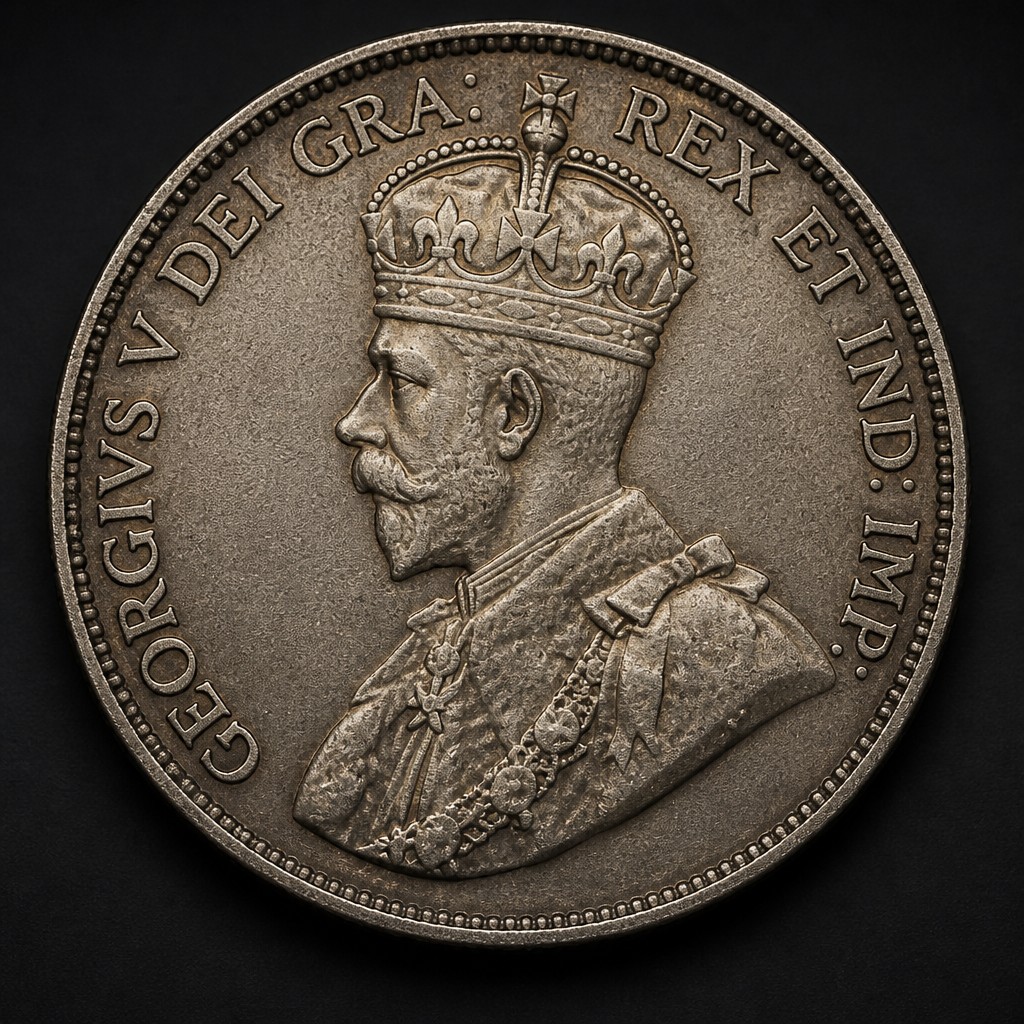
George V Twenty-Five Cents (silver)
1911–1936
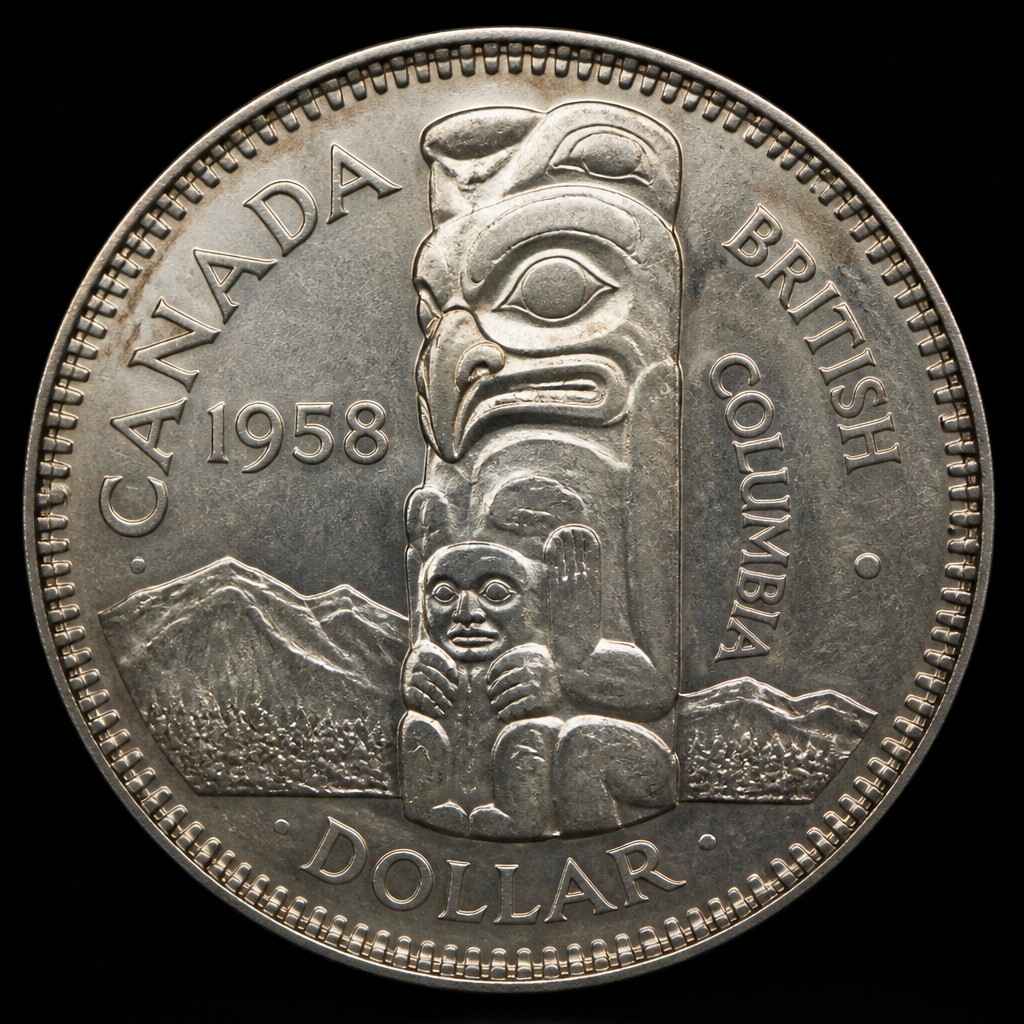
1958 British Columbia Totem Pole Dollar
1958
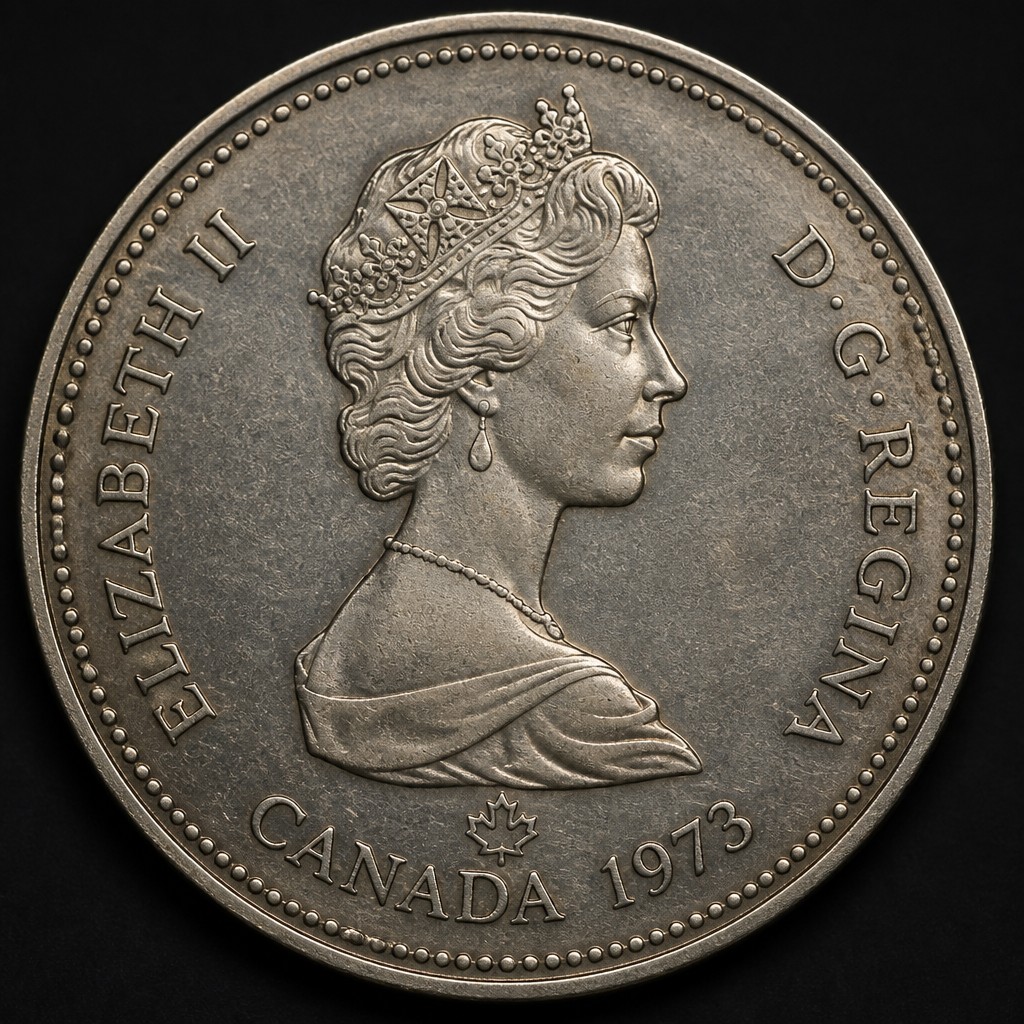
1973 RCMP Centennial Dollar
1973
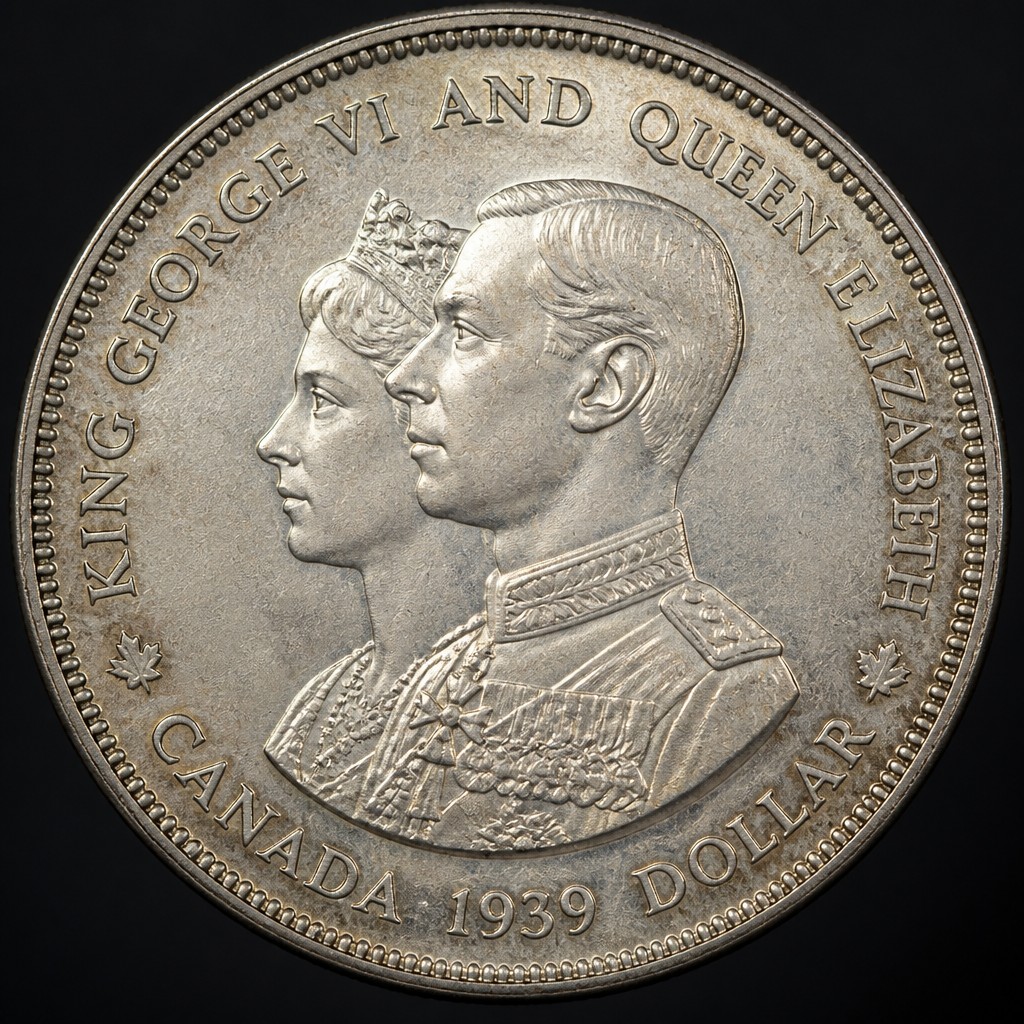
1939 Royal Visit Silver Dollar (Parliament)
1939
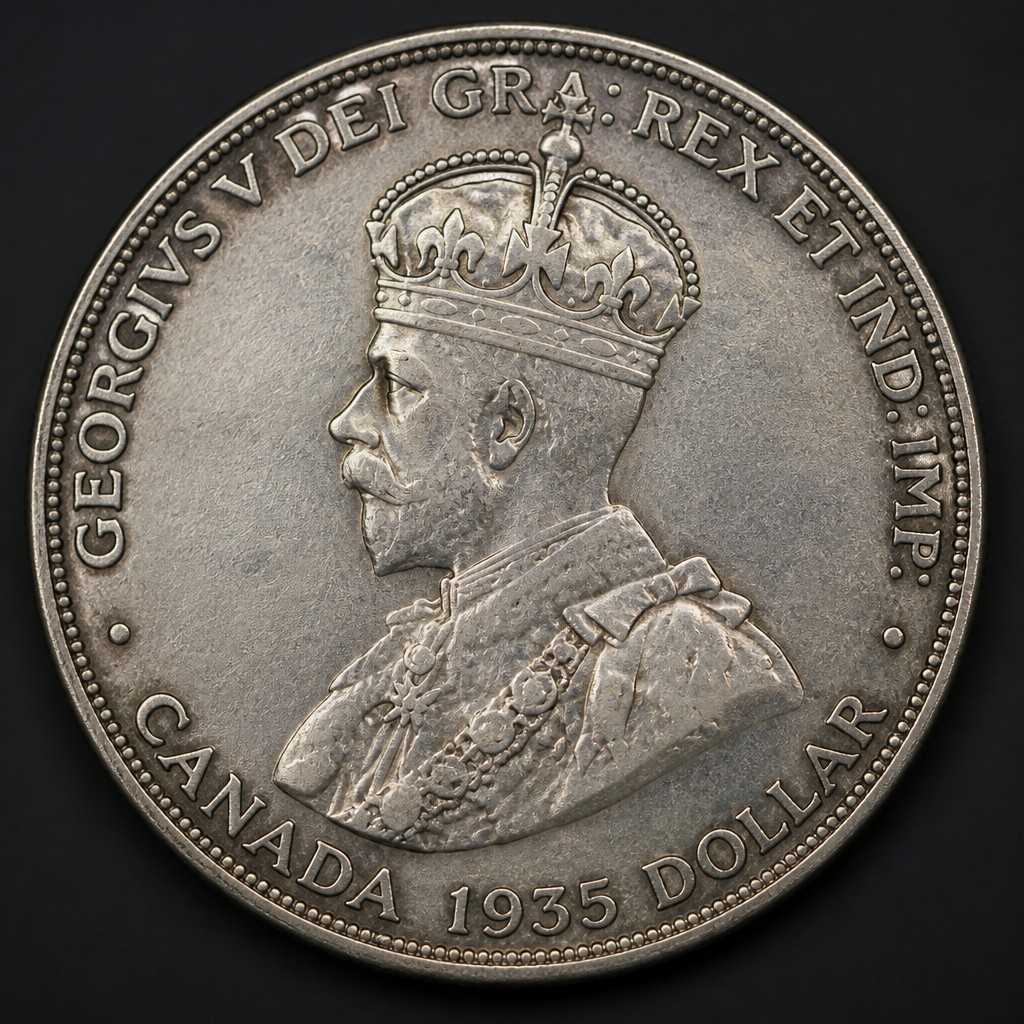
1935 George V Silver Jubilee Dollar (Voyageur)
1935
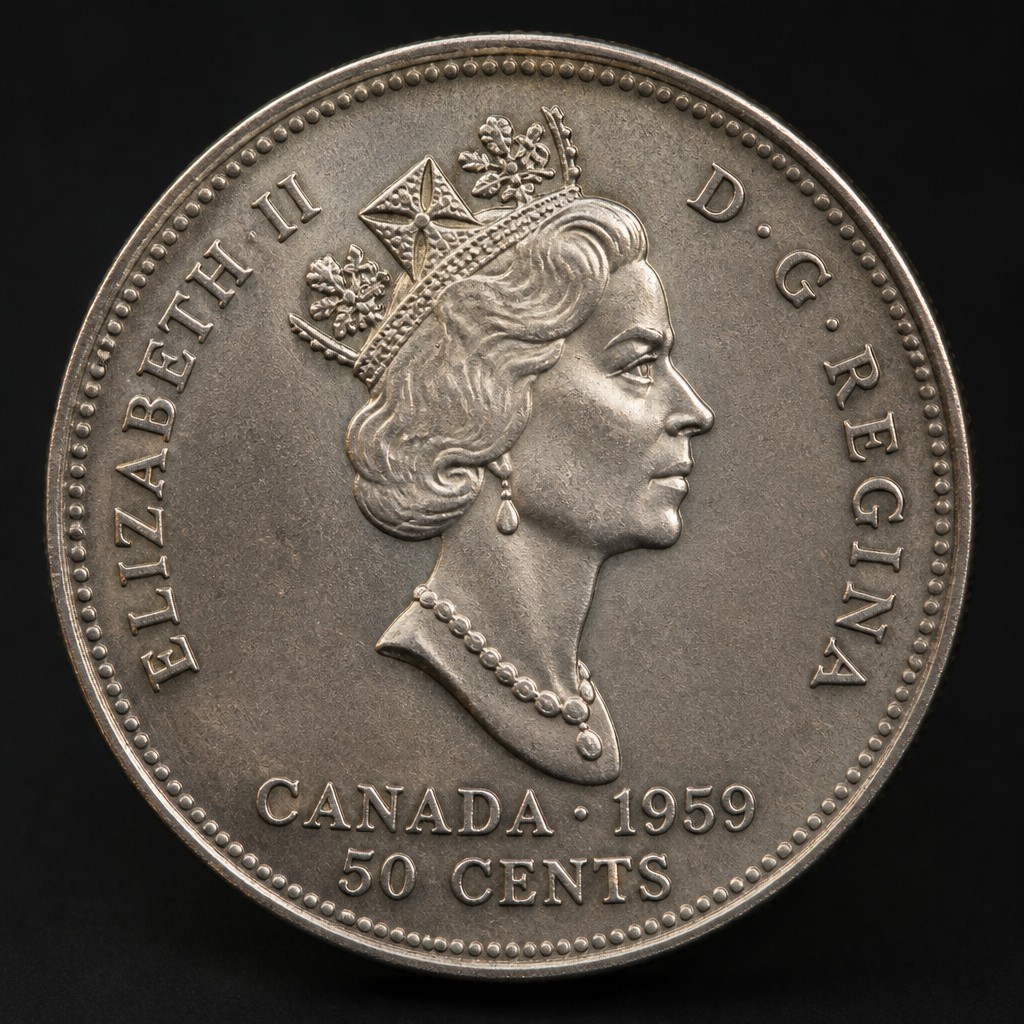
Coat of Arms Fifty Cents (Elizabeth II)
1959–present
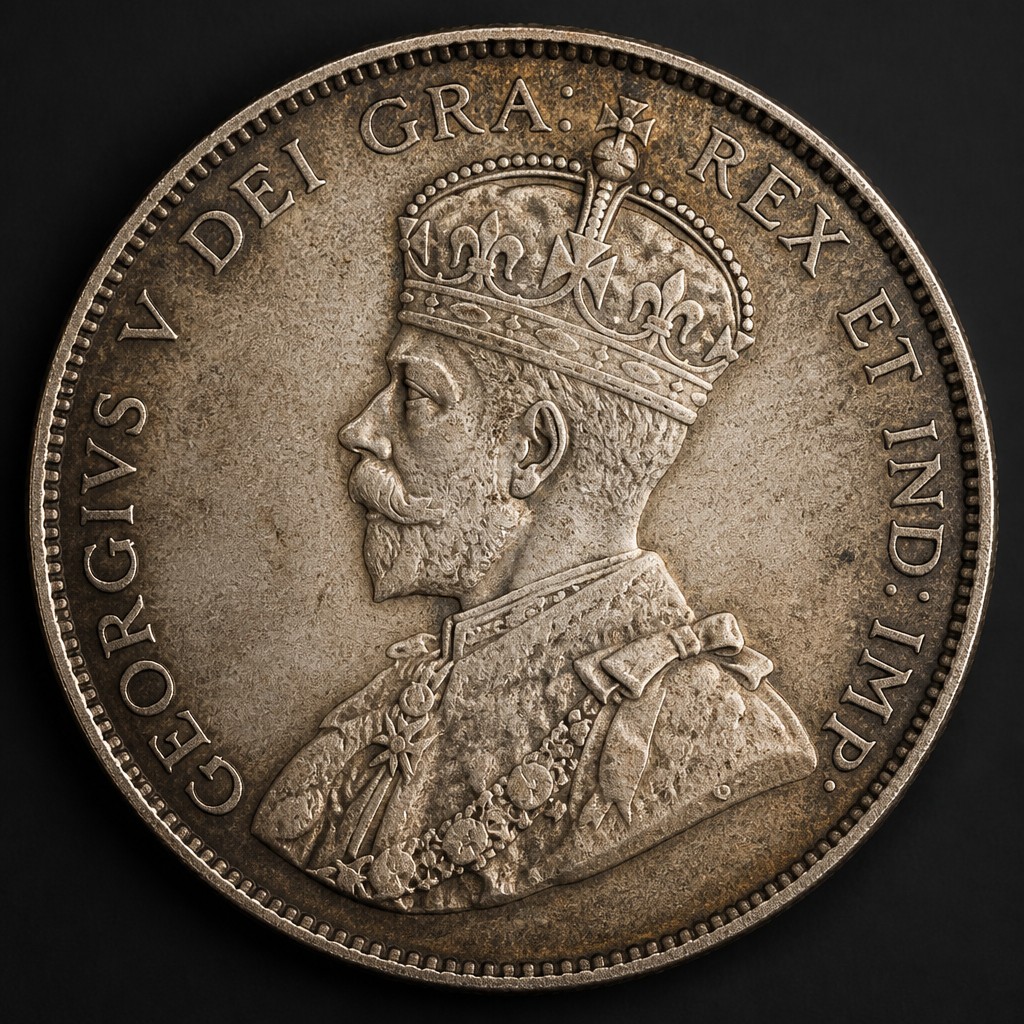
1921 Fifty Cents (King of Canadian Coins)
1921
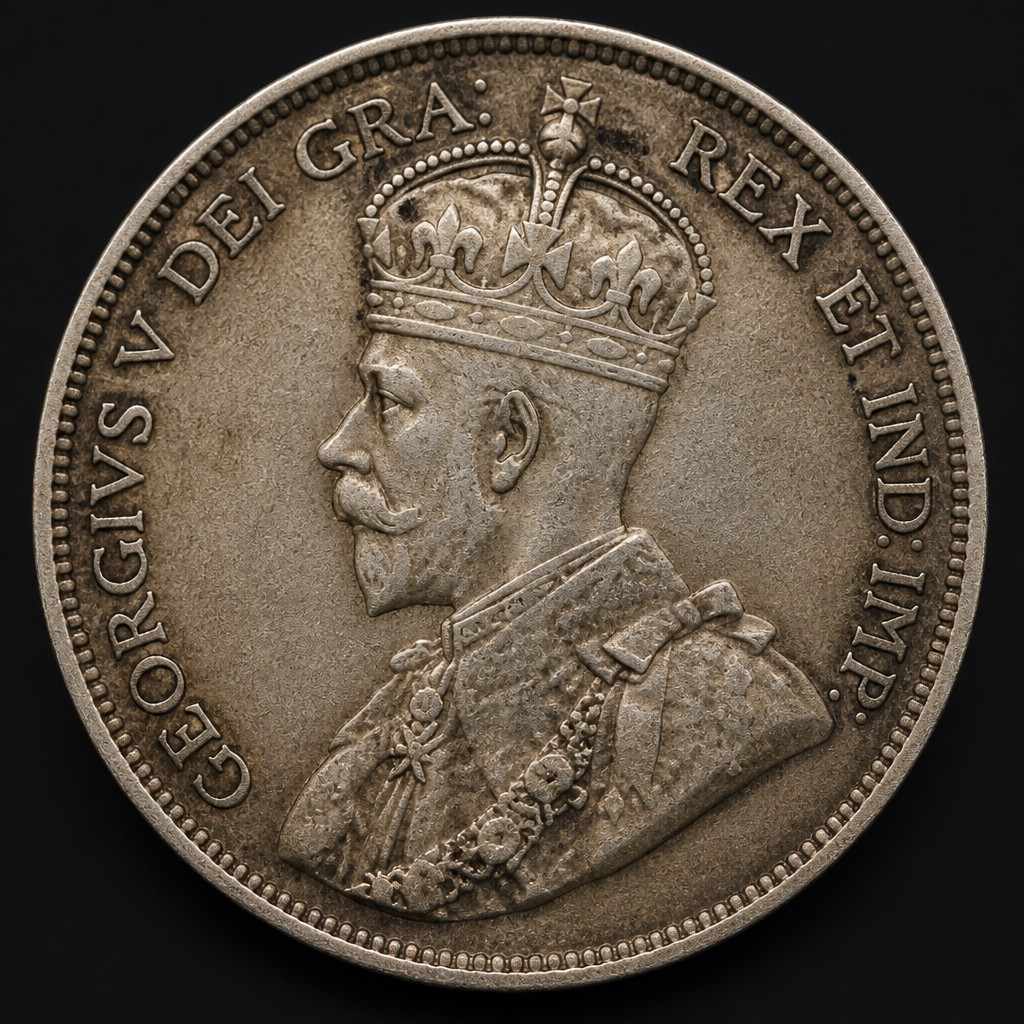
George V Fifty Cents
1911–1936
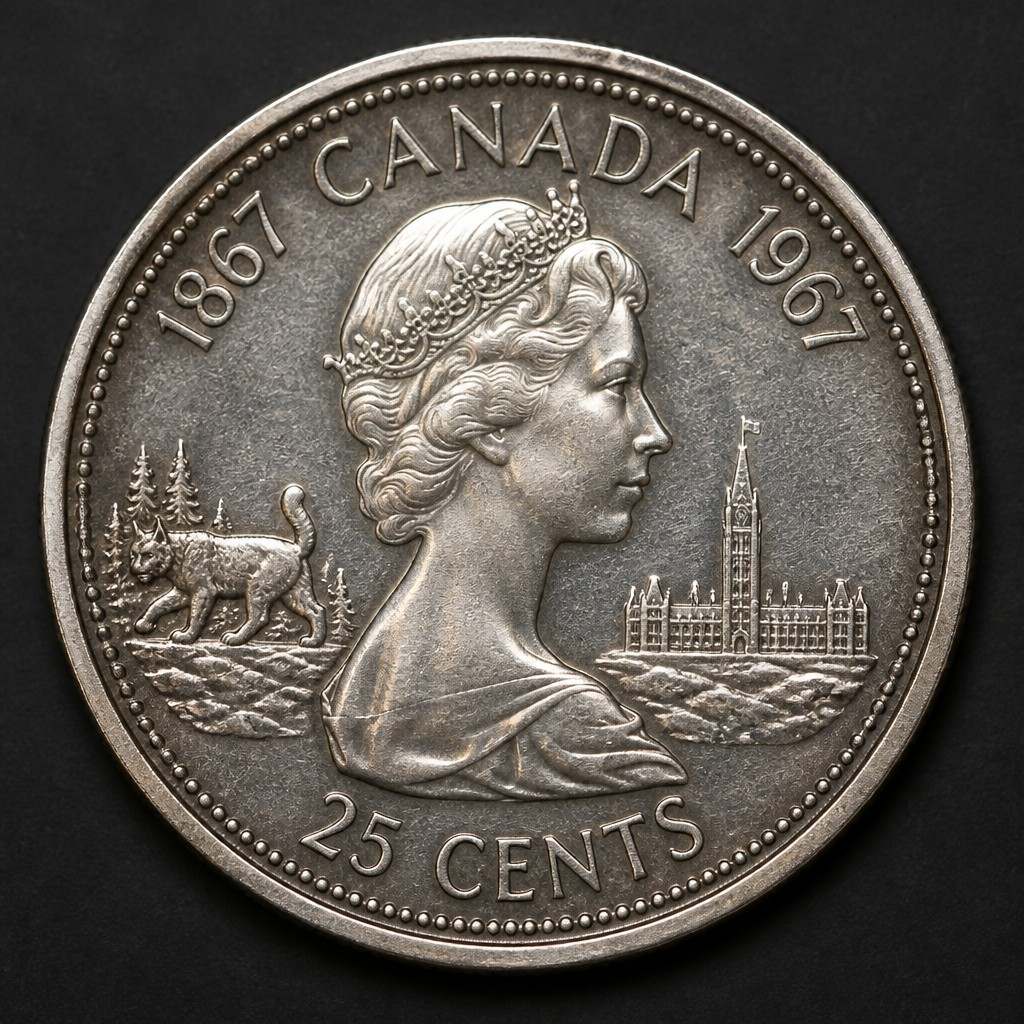
1967 Bobcat Centennial Quarter
1967
Caribou Twenty-Five Cents (quarter)
1937–present