
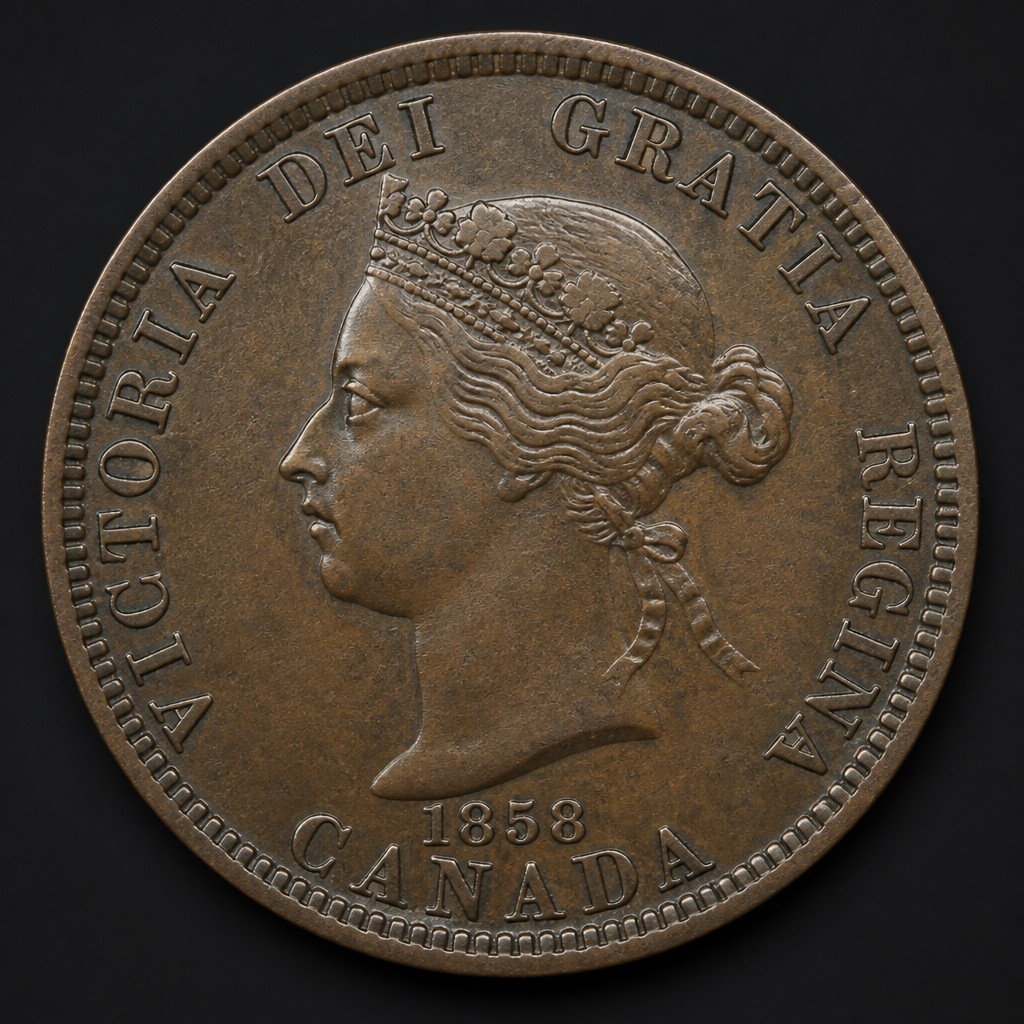
Victoria Large Cent
Canada's first bronze large cent, struck 1858-1901 under Queen Victoria, larger and heavier than the modern Canadian cent.
- Country
- Canada
- Denomination
- One Cent
- Metal
- Bronze
Got a coin like this?
Identify any coin from a photo, free.
Overview
The Victoria large cent was Canada's first official bronze one-cent coin, initially struck for the Province of Canada in 1858 and continuing after Confederation as the coinage of the new Dominion of Canada through the end of Queen Victoria's reign in 1901. Larger and heavier than the small cents used today, it closely resembled the size of the British penny.
Collectors value the series both as the starting point of Canada's decimal coinage and for its relatively limited number of dates, making it an approachable series for building a complete or near-complete date collection compared to some other Canadian series.
History & Background
Canada adopted a decimal currency system in 1858 for the Province of Canada, replacing older colonial and British currency practices with a dollars-and-cents system aligned more closely with the United States. The large cent, struck in bronze, was the principal low-denomination coin issued under this new system, initially struck at the Royal Mint in London.
After Confederation in 1867, the newly formed Dominion of Canada continued issuing large cents bearing Queen Victoria's portrait, though coinage was not struck every year, with notable gaps and small production runs reflecting Canada's still-developing minting infrastructure. Coins were struck both at the Royal Mint in London and, for some issues, at the Heaton Mint in Birmingham, identified by a small "H" mintmark.
The Victoria large cent series ended with the queen's death in 1901, after which her successor, Edward VII, took over the design with a new portrait, continuing the large cent format for another decade before Canada moved to smaller cents in 1920.
How to Identify
The obverse shows a laureate portrait of Queen Victoria facing left, with a Latin legend naming her queen by the grace of God. The reverse shows the denomination "ONE CENT" within a wreath, with the date below.
The coin is struck in bronze, giving it a brownish-red to brown color depending on preservation, and is noticeably larger and heavier than Canada's modern small cent, comparable in size to a British large penny of the era.
Coins struck at the Heaton Mint in Birmingham bear a small "H" mintmark below the date on the reverse; those without this mark were struck at the Royal Mint in London. Collectors distinguish key dates and varieties partly by subtle differences in the date's numeral style ("logotype"), particularly for the 1858 issue.
Value & Collectibility
Common-date Victoria large cents in worn condition are affordable and widely available, making the series accessible for beginning collectors, while well-preserved uncirculated examples of any date bring substantially more due to the difficulty of finding original, unworn bronze surfaces.
Key dates and varieties, such as certain 1858 date-logotype varieties and low-mintage years, command significant premiums over common dates, sometimes reaching into the hundreds or low thousands of dollars for choice, problem-free examples. As with most bronze coinage, unattractive or cleaned surfaces sharply reduce value even on otherwise scarce dates.
Frequently asked questions
When was the Victoria large cent first issued?
In 1858, for the Province of Canada, ahead of Confederation.
What does the "H" mintmark mean?
It indicates the coin was struck at the Heaton Mint in Birmingham rather than the Royal Mint in London.
How does it differ from the modern Canadian cent?
It is significantly larger and heavier, made of bronze, and closer in size to a British large penny.
Is the series a good starting point for collecting Canadian coins?
Many collectors find it approachable because of its relatively limited number of dates compared to some later series.
Other coins you may enjoy
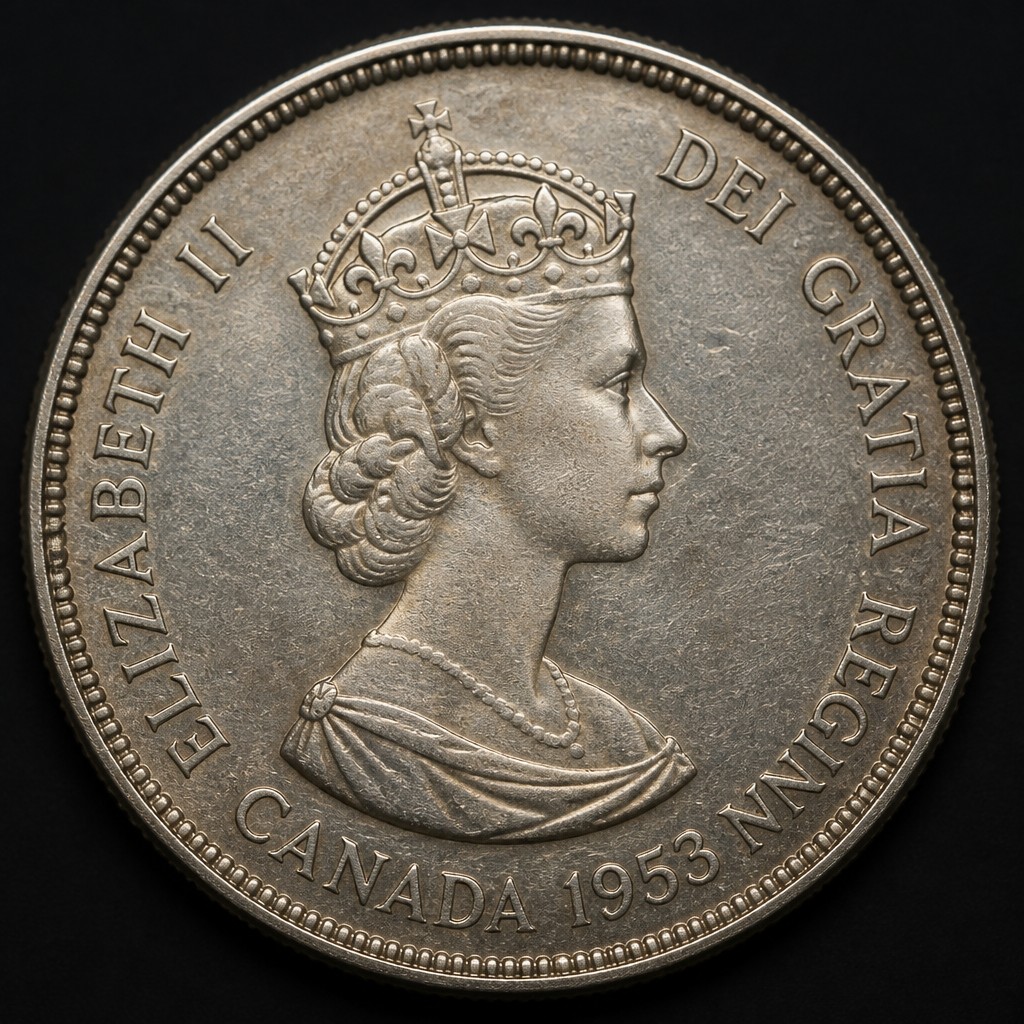
1953 Coronation Voyageur Dollar
1953
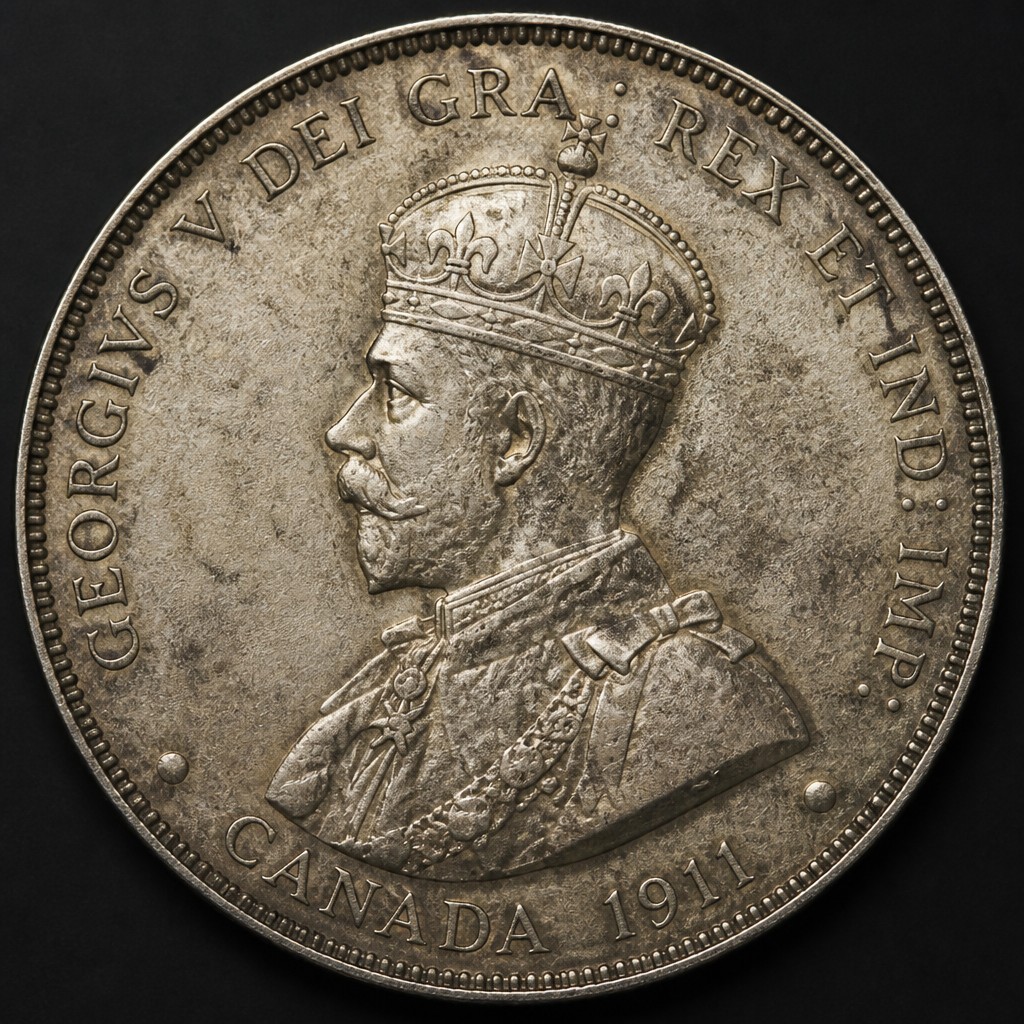
1911 Canadian Silver Dollar (Pattern)
1911
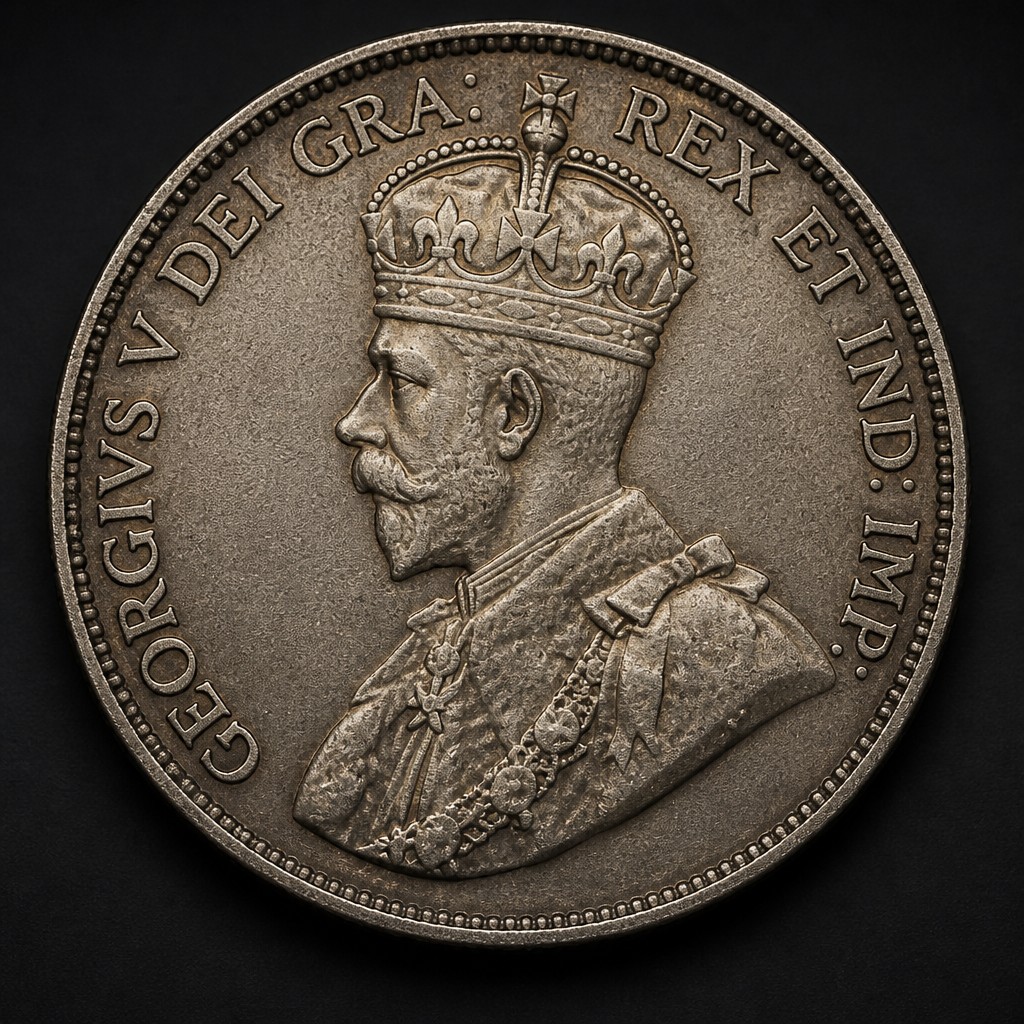
George V Twenty-Five Cents (silver)
1911–1936
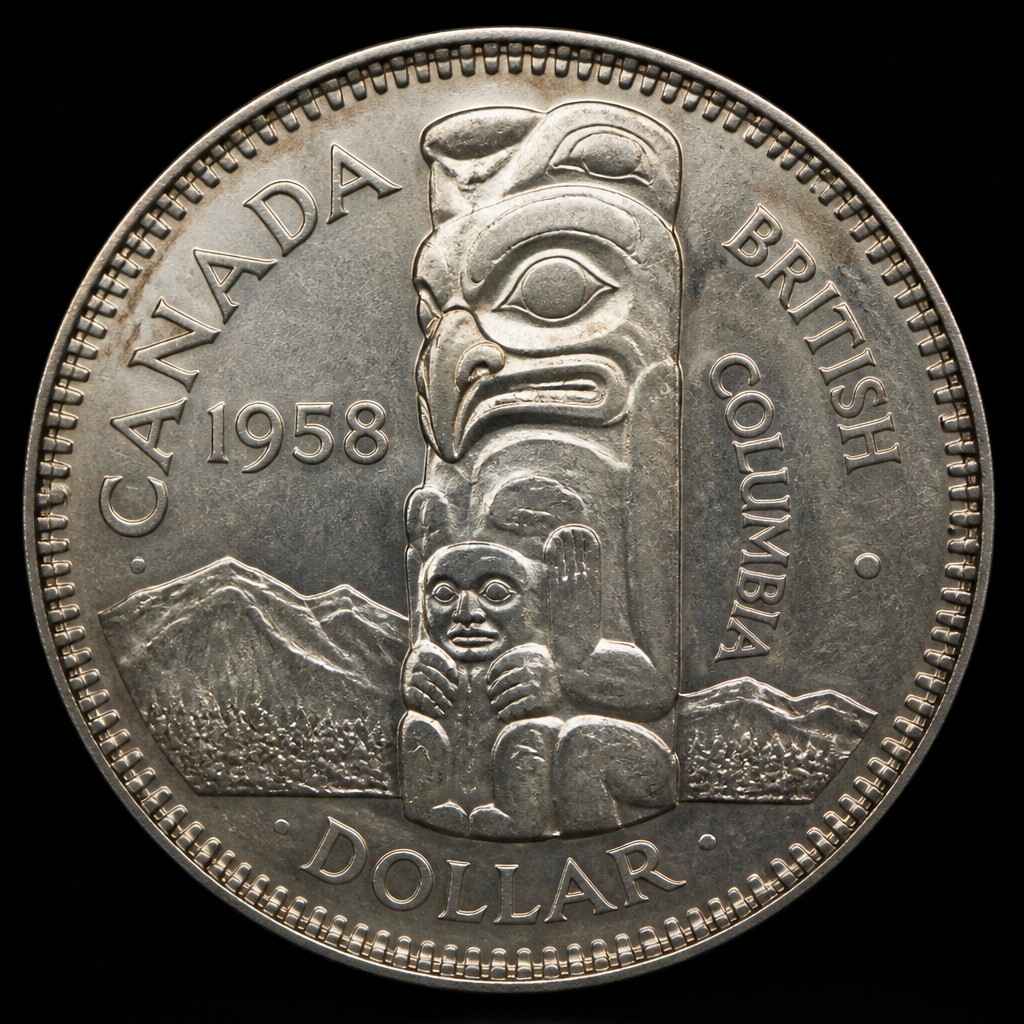
1958 British Columbia Totem Pole Dollar
1958
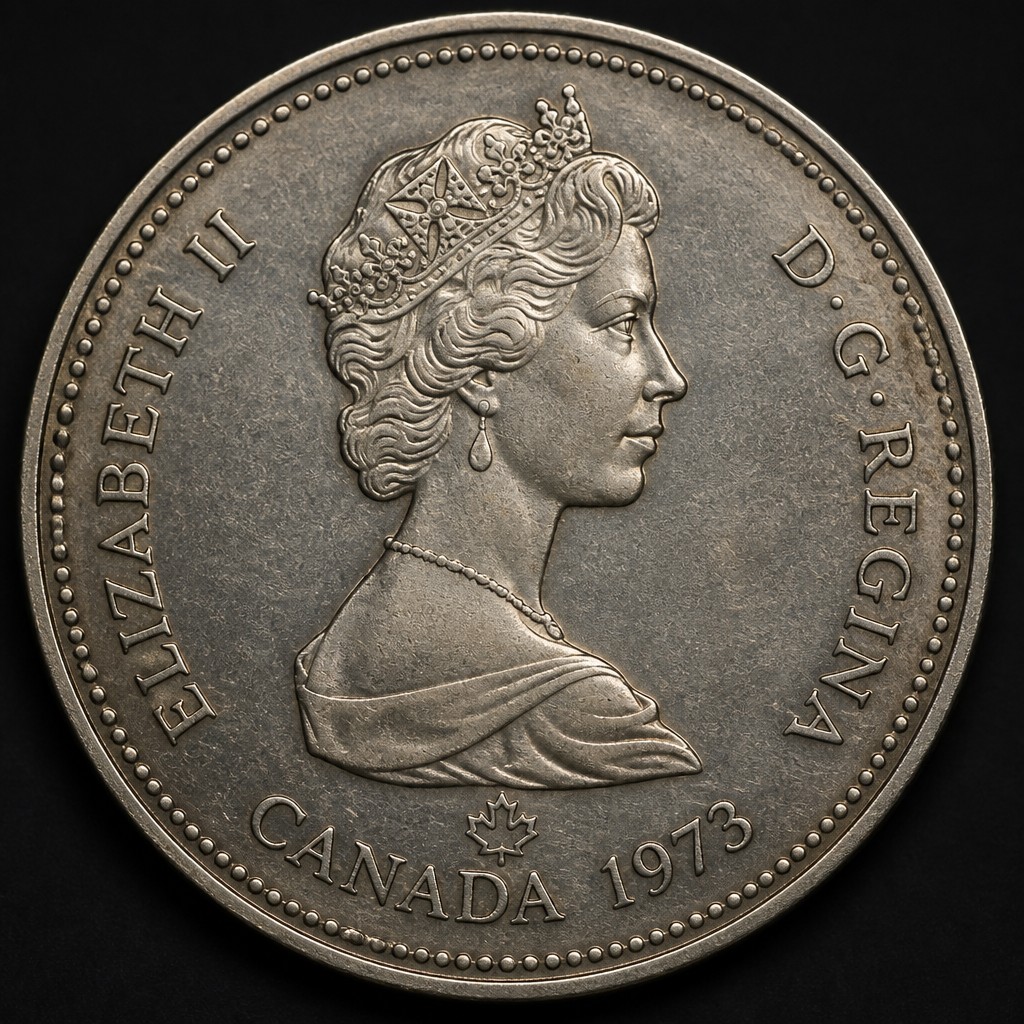
1973 RCMP Centennial Dollar
1973
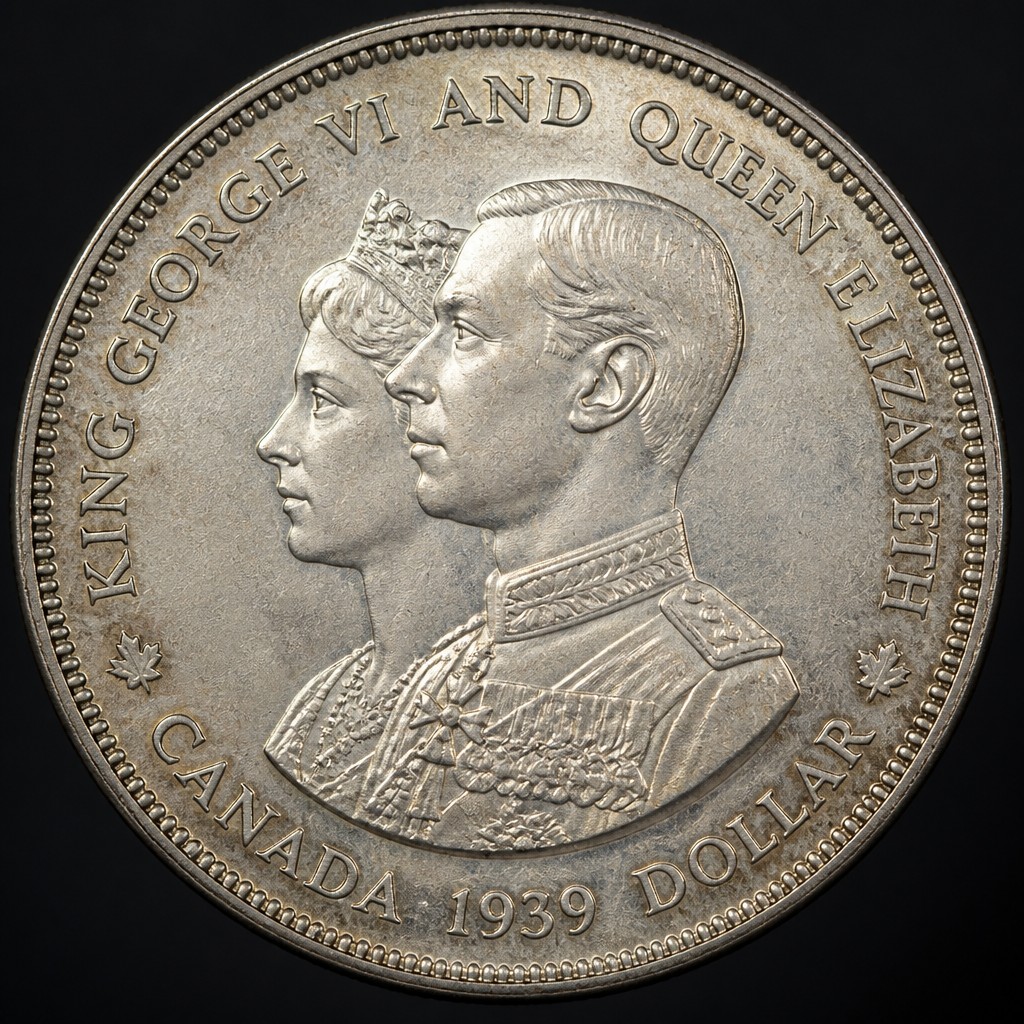
1939 Royal Visit Silver Dollar (Parliament)
1939
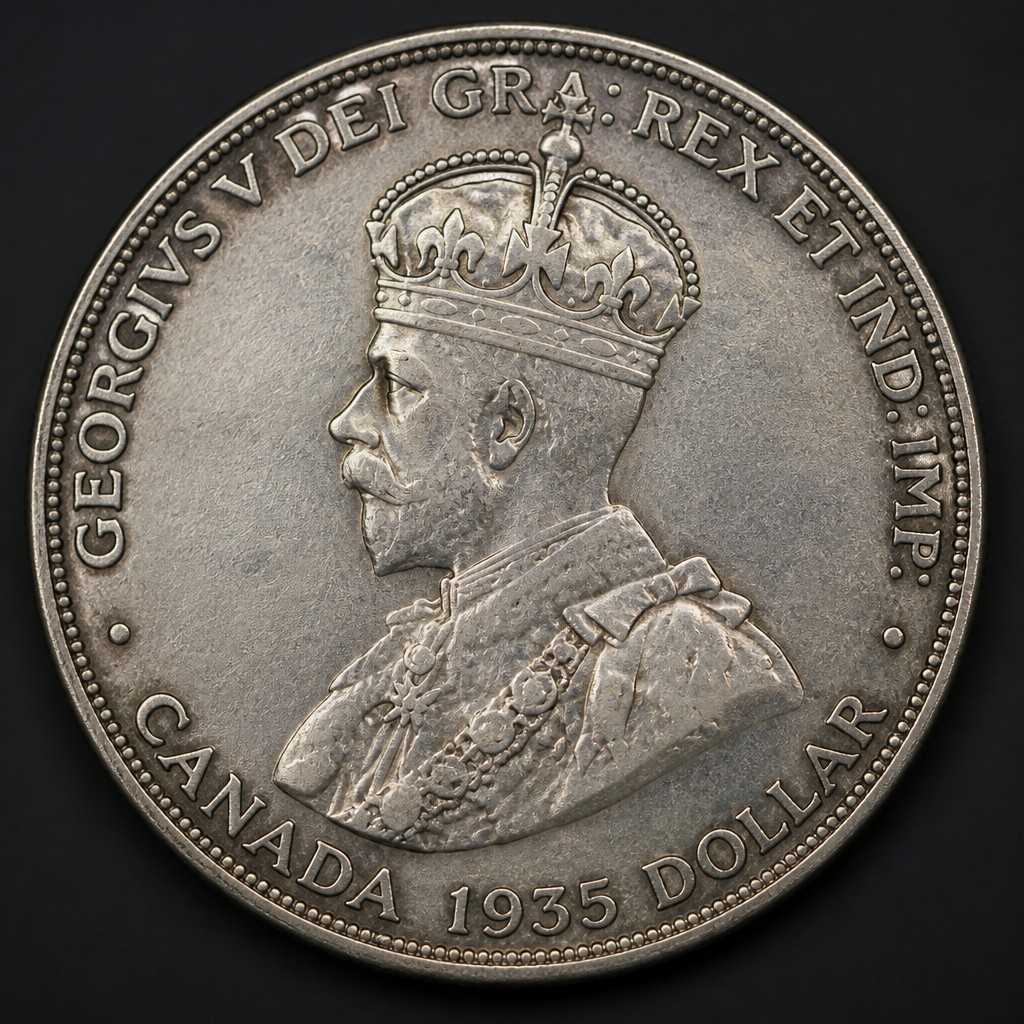
1935 George V Silver Jubilee Dollar (Voyageur)
1935
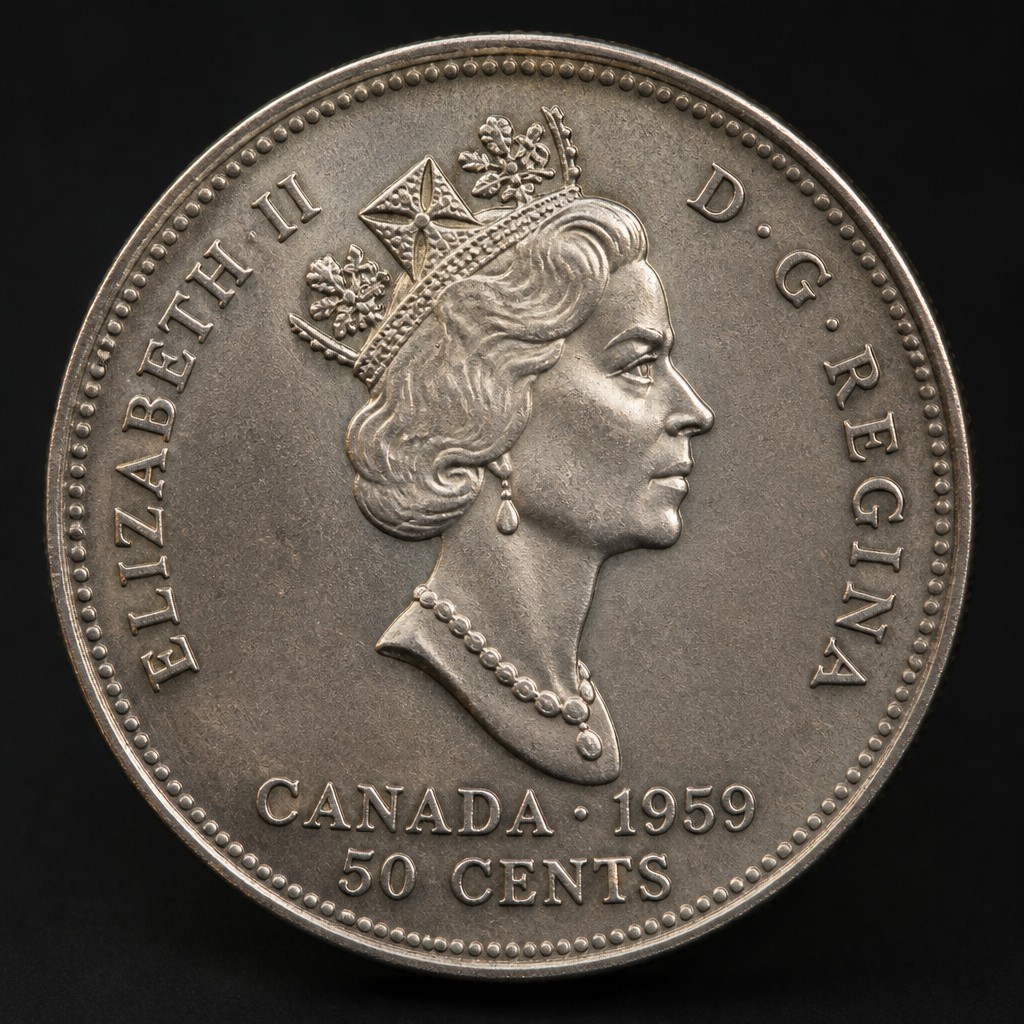
Coat of Arms Fifty Cents (Elizabeth II)
1959–present
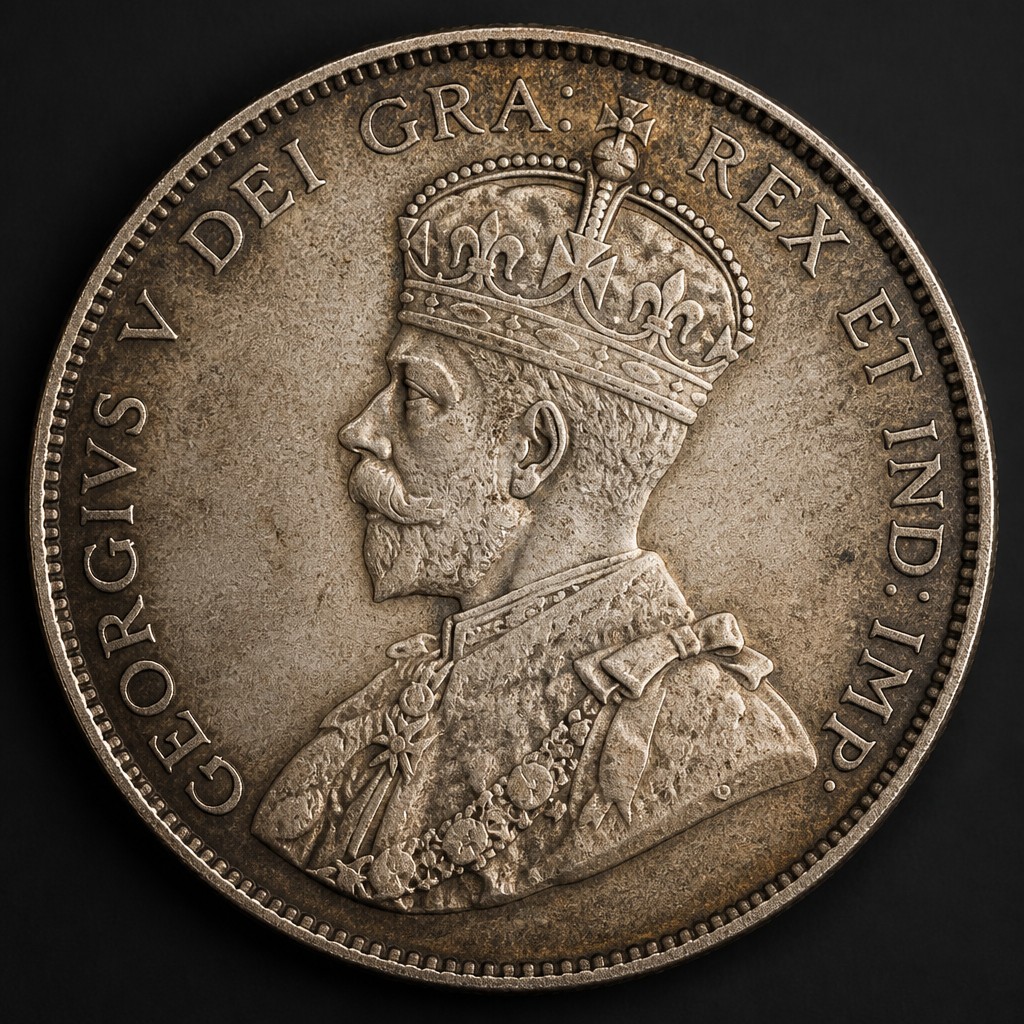
1921 Fifty Cents (King of Canadian Coins)
1921
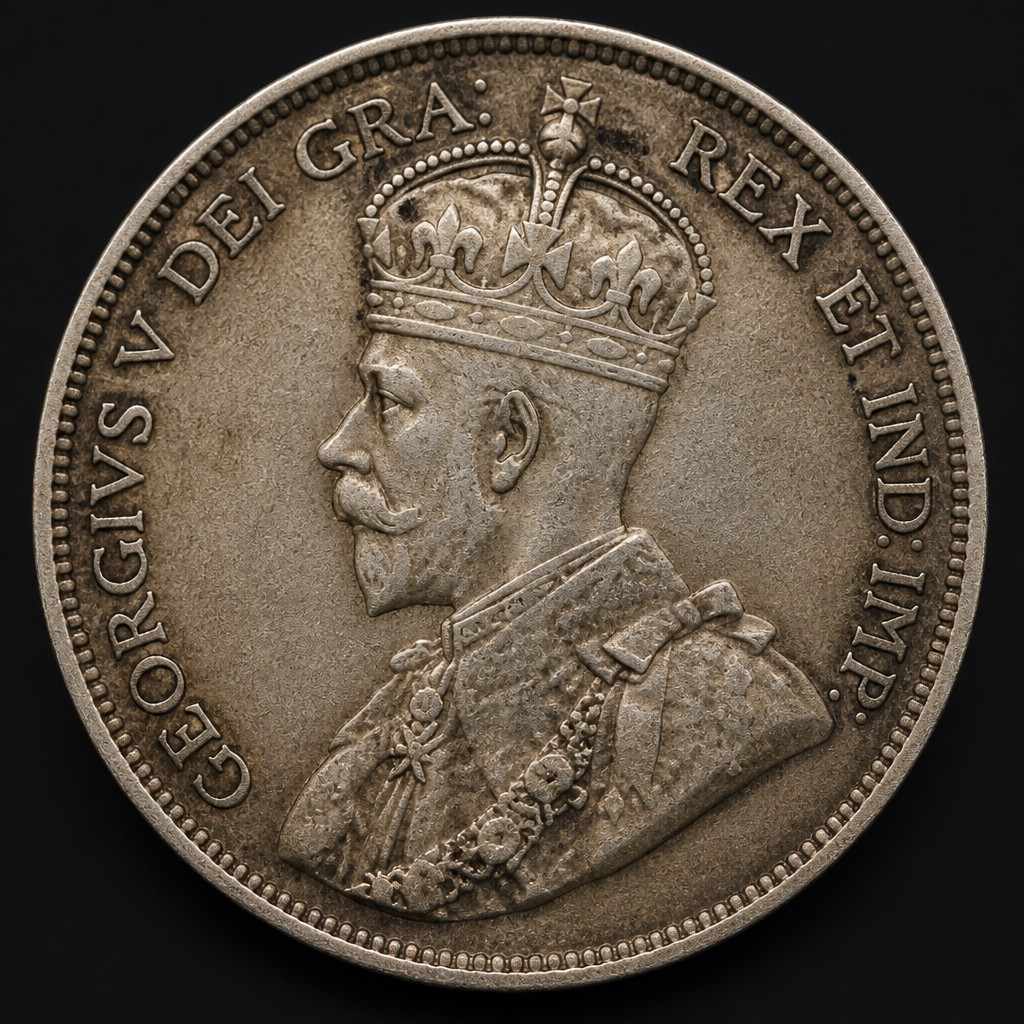
George V Fifty Cents
1911–1936
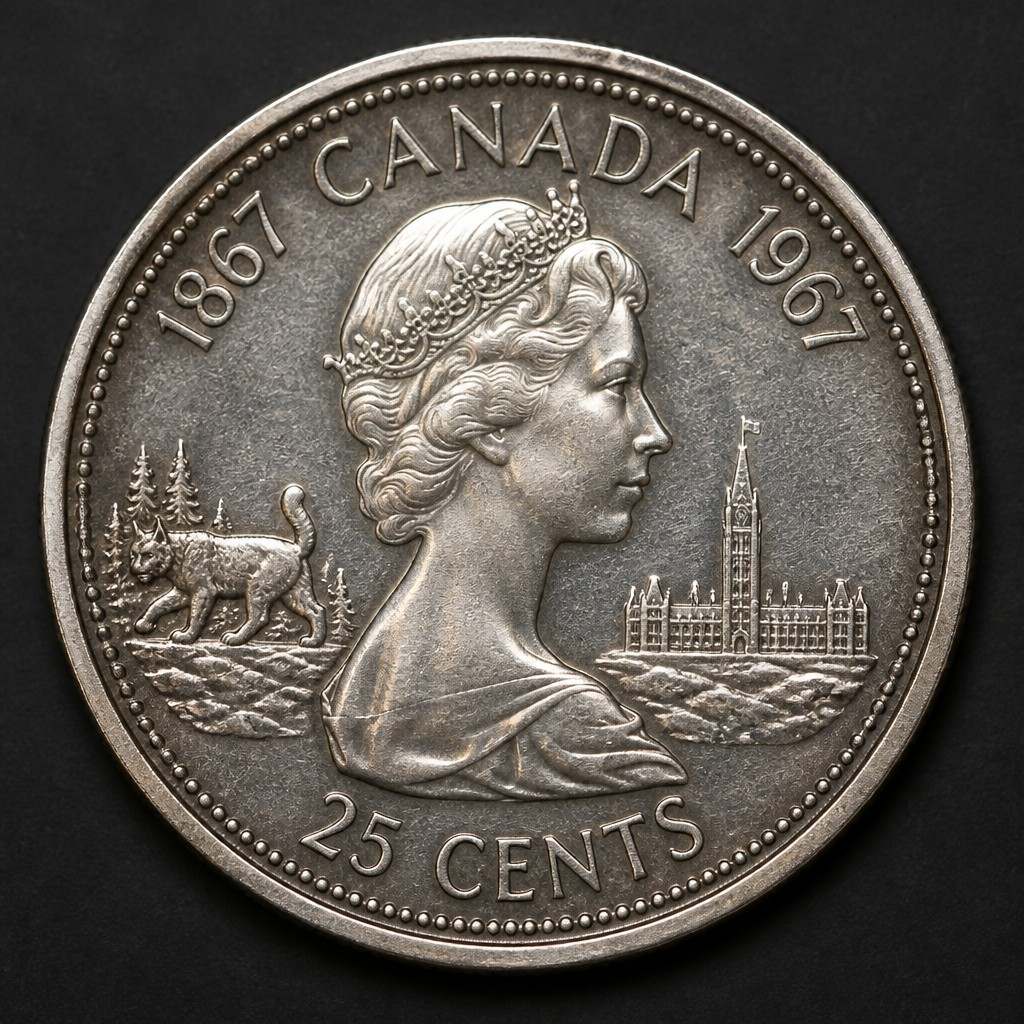
1967 Bobcat Centennial Quarter
1967
Caribou Twenty-Five Cents (quarter)
1937–present