
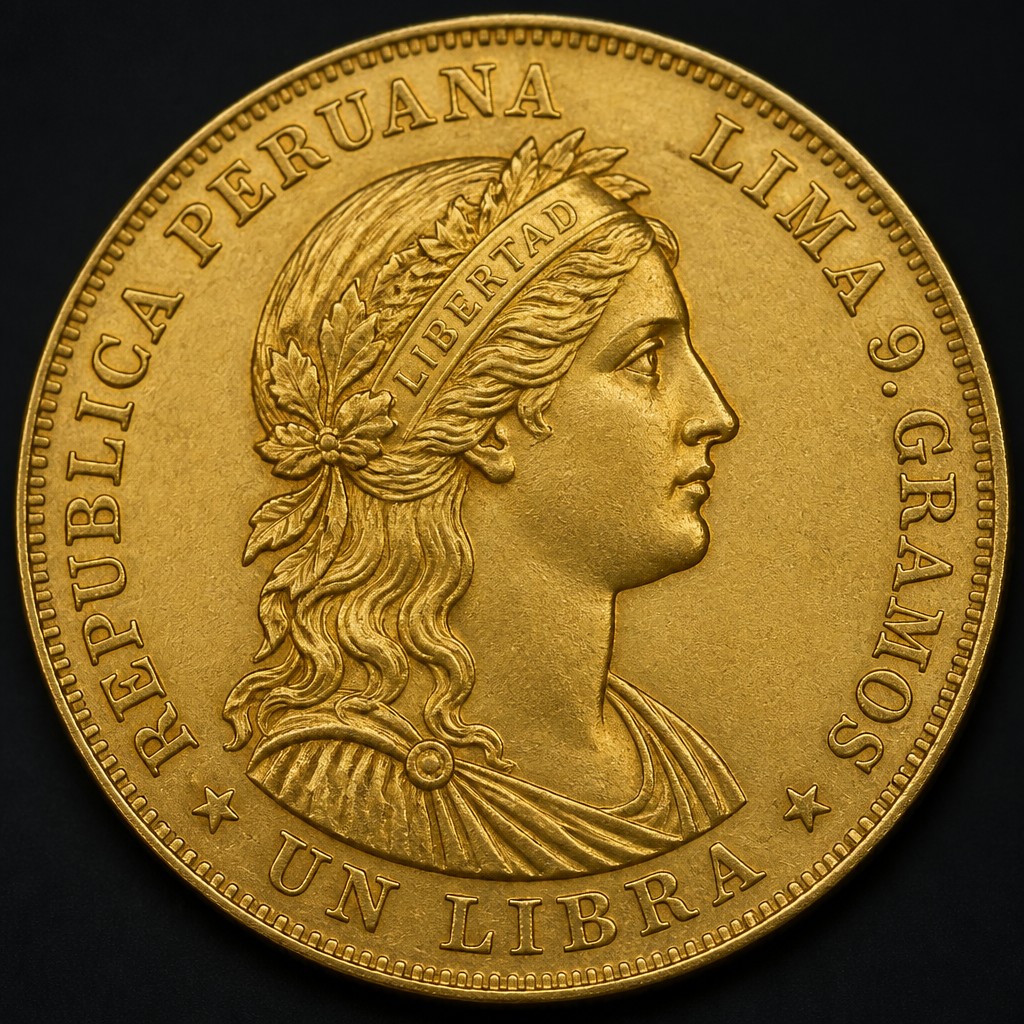
Peruvian Libra de Oro (Gold Pound)
Peru's gold pound, modeled on the British sovereign's weight and fineness, was struck intermittently to support Peru's participation in the international gold standard.
- Country
- Peru
- Denomination
- 1 Libra
- Metal
- .917 fine gold
Got a coin like this?
Identify any coin from a photo, free.
Overview
The Libra de Oro was Peru's answer to the widely trusted British gold sovereign, matching its weight and fineness so that Peruvian gold coinage could circulate confidently in international trade and reserves. Adopting a globally recognized gold standard helped Peru's currency gain credibility in an era when many nations pegged their money to gold.
Because it mirrored the sovereign's specifications so closely, the Libra de Oro was, in effect, interchangeable in metal value with British sovereigns of the period, a deliberate choice that simplified Peru's integration into international gold-based commerce and banking reserves.
Production was not continuous but occurred in distinct periods tied to Peru's economic conditions and gold reserve policy across the late nineteenth and much of the twentieth century, making certain years within its run considerably scarcer than others.
History & Background
Peru introduced the gold Libra in 1898 as part of a broader move to strengthen its currency's international standing by tying it directly to the same weight and fineness standard used by the British gold sovereign, then the world's most widely trusted gold trade coin. This allowed the Libra to be used almost interchangeably with sovereigns in trade and banking circles.
The coin was struck intermittently at the Lima mint over the following decades, with issuance tied to Peru's gold reserves and broader economic policy rather than continuous annual production. Its use continued in various forms into the mid-twentieth century, reflecting Peru's long engagement with gold-standard monetary practices even as many other nations abandoned strict gold convertibility after the 1930s.
How to Identify
The obverse typically shows a seated Liberty figure similar to that used on Peru's silver Sol coinage, with the legend REPUBLICA PERUANA and the date. The reverse displays the Peruvian coat of arms within a wreath, surrounded by the denomination UNA LIBRA.
The coin is struck in .917 fine gold (22 karat), weighing 7.9881 grams with a diameter of about 22 millimeters, figures deliberately matched to the British gold sovereign, giving an actual gold weight of roughly 0.2354 troy ounces. The edge is milled.
Because its specifications so closely match the British sovereign, collectors distinguish the Libra de Oro primarily by its Peruvian obverse and reverse designs and REPUBLICA PERUANA legend, rather than by any difference in size or gold content, which are essentially identical between the two coins.
Value & Collectibility
Like other sovereign-standard gold coins, the Libra de Oro's baseline value tracks closely with the spot price of gold for its quarter-ounce-plus gold content, with common dates trading near this bullion-based floor. Scarcer dates from lower-production years can command noticeable premiums over common issues.
Condition and strike quality affect price within the gold-coin market generally, with well-preserved, lustrous examples commanding more than worn or cleaned pieces, though gold coins in general show wear less dramatically than silver issues of comparable circulation.
Collectors interested in world gold-standard coinage often seek the Libra de Oro specifically as a Latin American parallel to the British sovereign, which can add a modest collector premium beyond pure bullion value for well-known dates.
Frequently asked questions
Why does the Libra de Oro match the British sovereign so closely?
Peru deliberately matched its gold pound's weight and fineness to the British sovereign standard to make the coin easily accepted in international gold-based trade and banking.
How much gold does a Libra de Oro contain?
It contains about 0.2354 troy ounces of pure gold, struck in .917 fine gold at a total weight of 7.9881 grams.
Was the Libra de Oro struck every year?
No, production was intermittent across its run from 1898 into the mid-twentieth century, tied to Peru's economic and gold reserve conditions rather than annual necessity.
Where was the Libra de Oro minted?
It was struck at the Lima mint in Peru.
Other coins you may enjoy
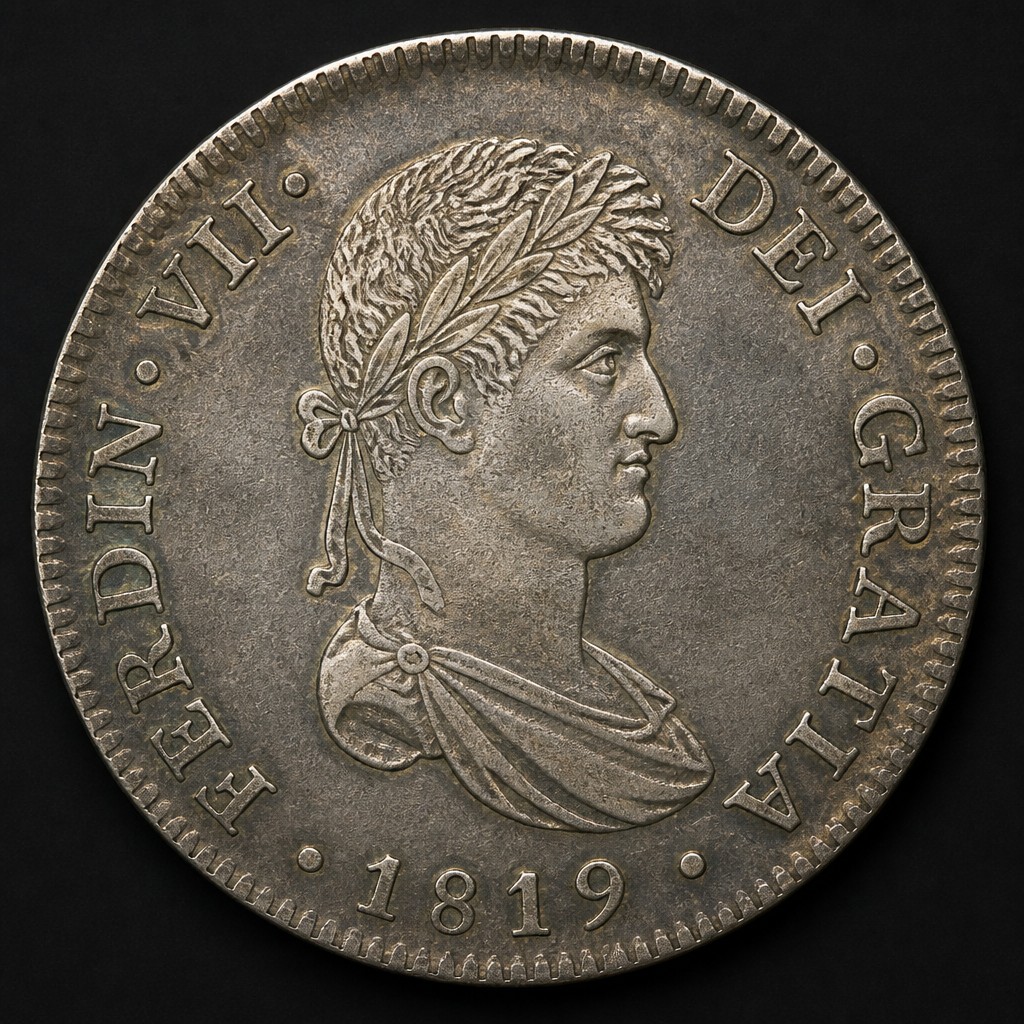
Colombia 8 Reales
Colonial issues through late 18th/early 19th century; republican issues 1820s–1830s
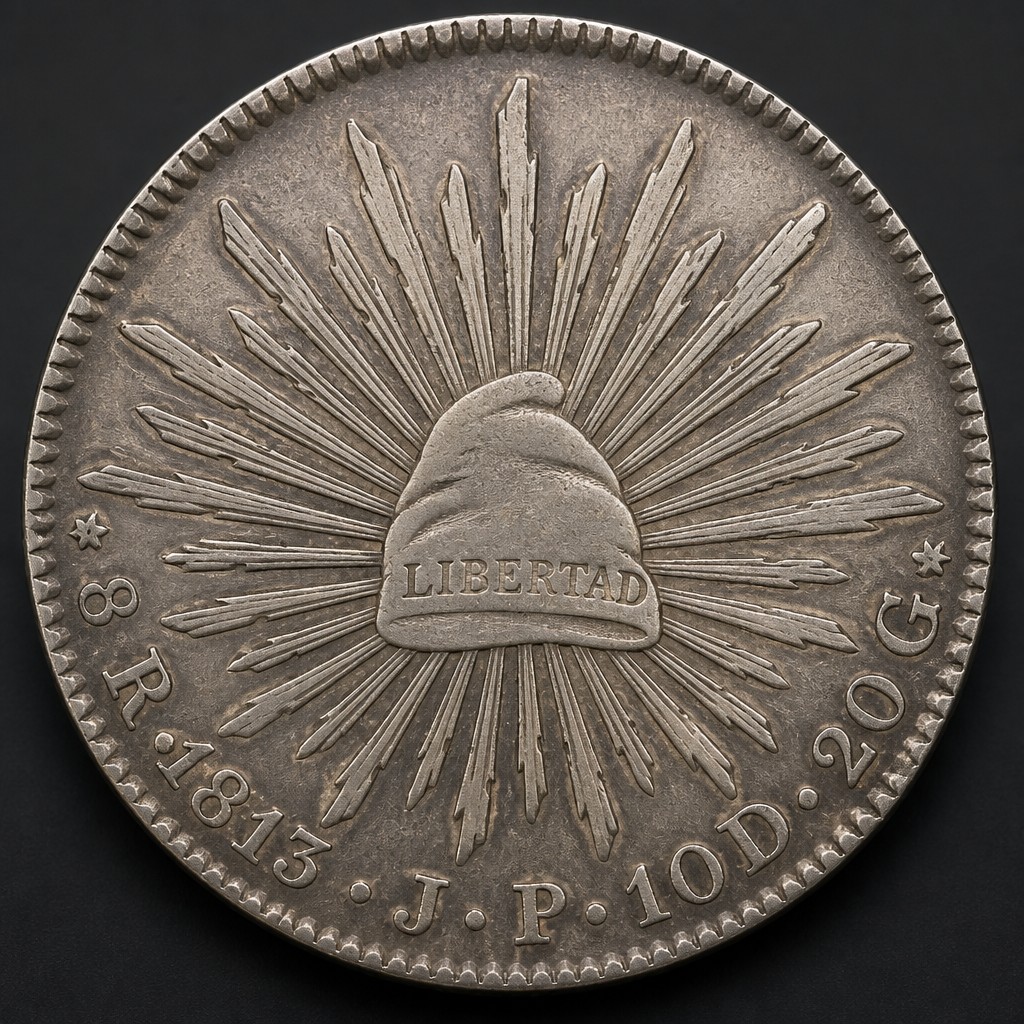
Argentina 8 Reales
c. 1813–1836
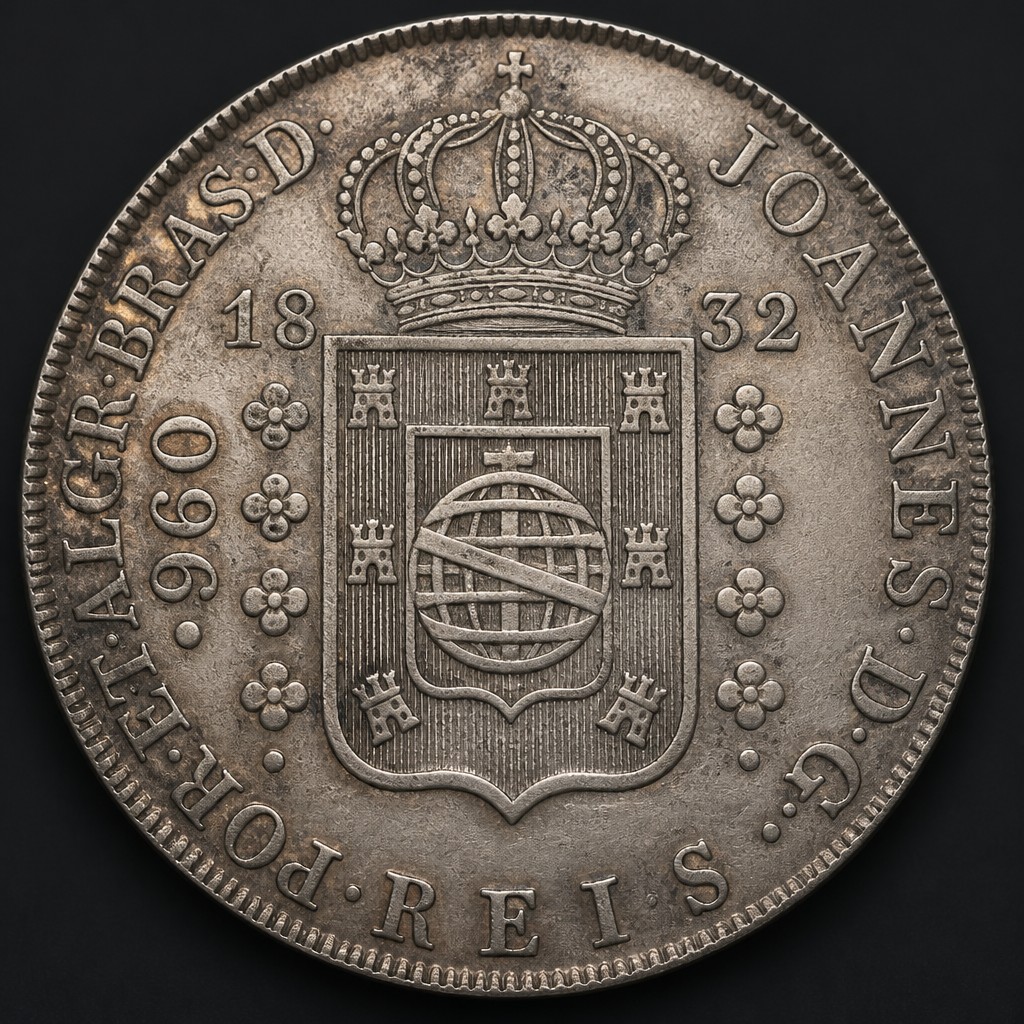
Brazil 960 Reis
1809–1832
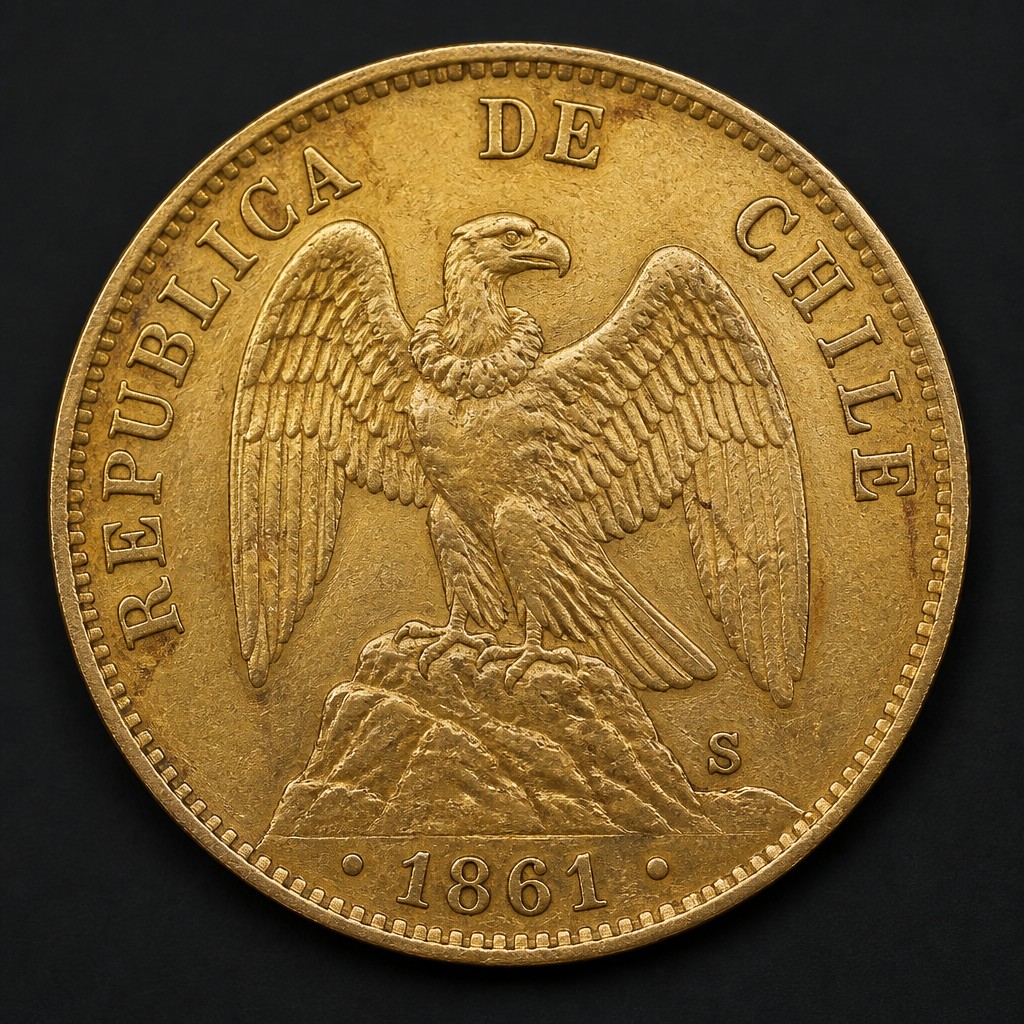
Chile Peso (Condor)
1851–1873 (gold condor series); modern base-metal peso 1990s–present
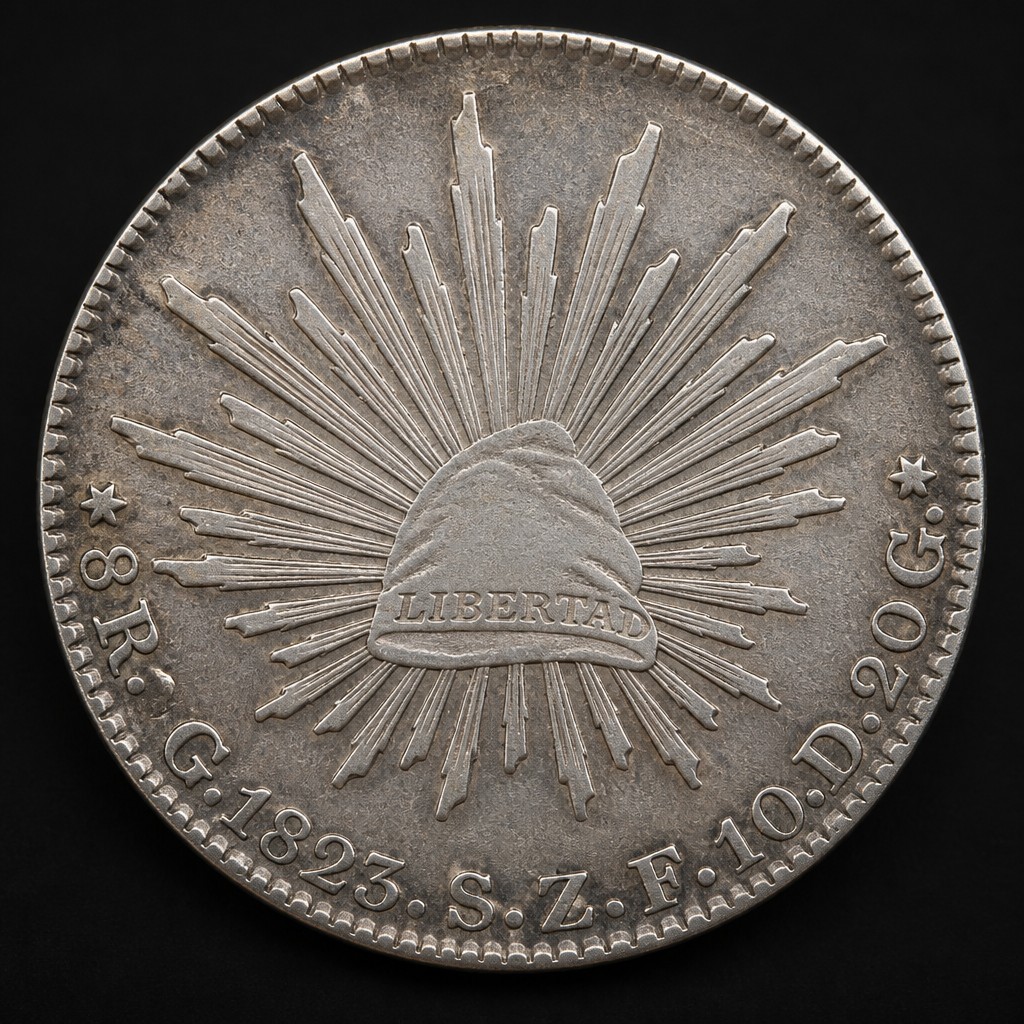
Mexican 8 Reales Cap and Rays
1823-1897
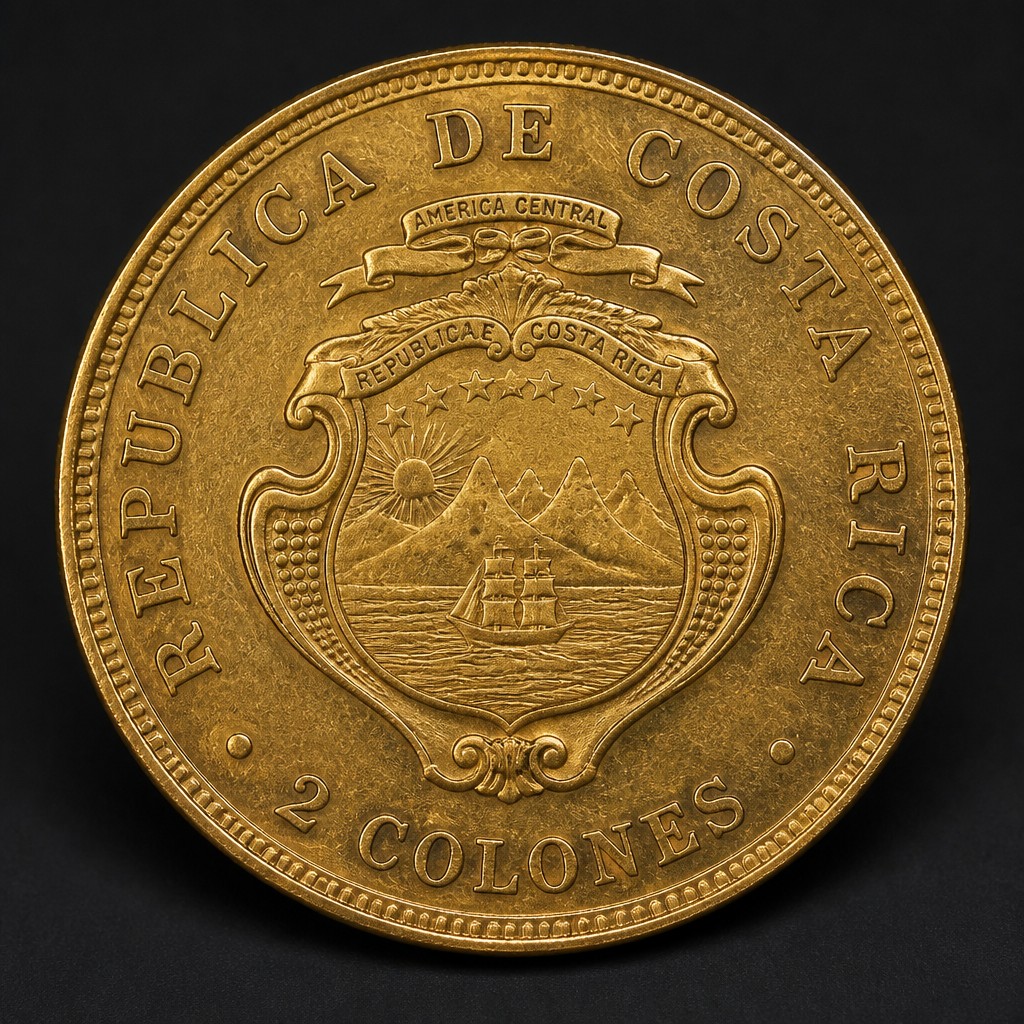
Costa Rica 2 Colones Gold
Late 1890s–early 1900s
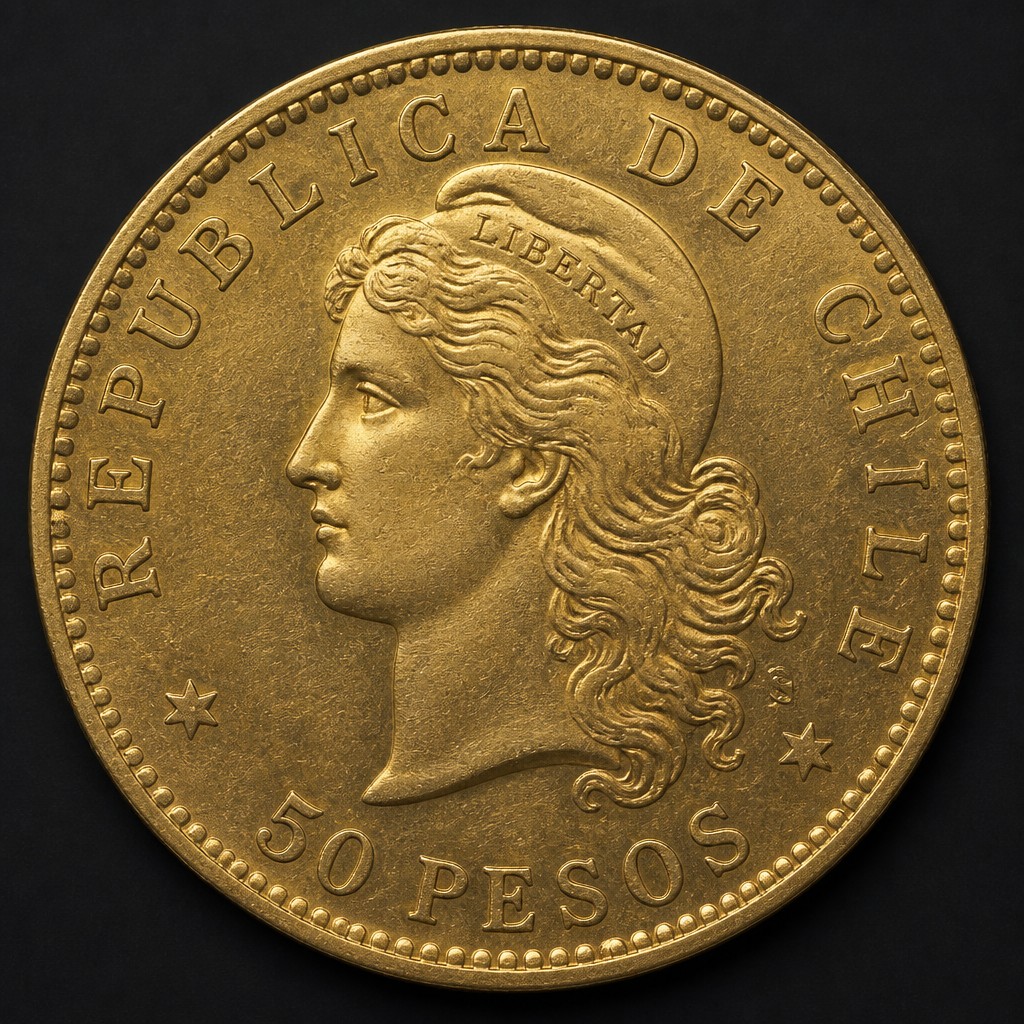
Chilean 50 Pesos Gold
1926–1980 (with interruptions)
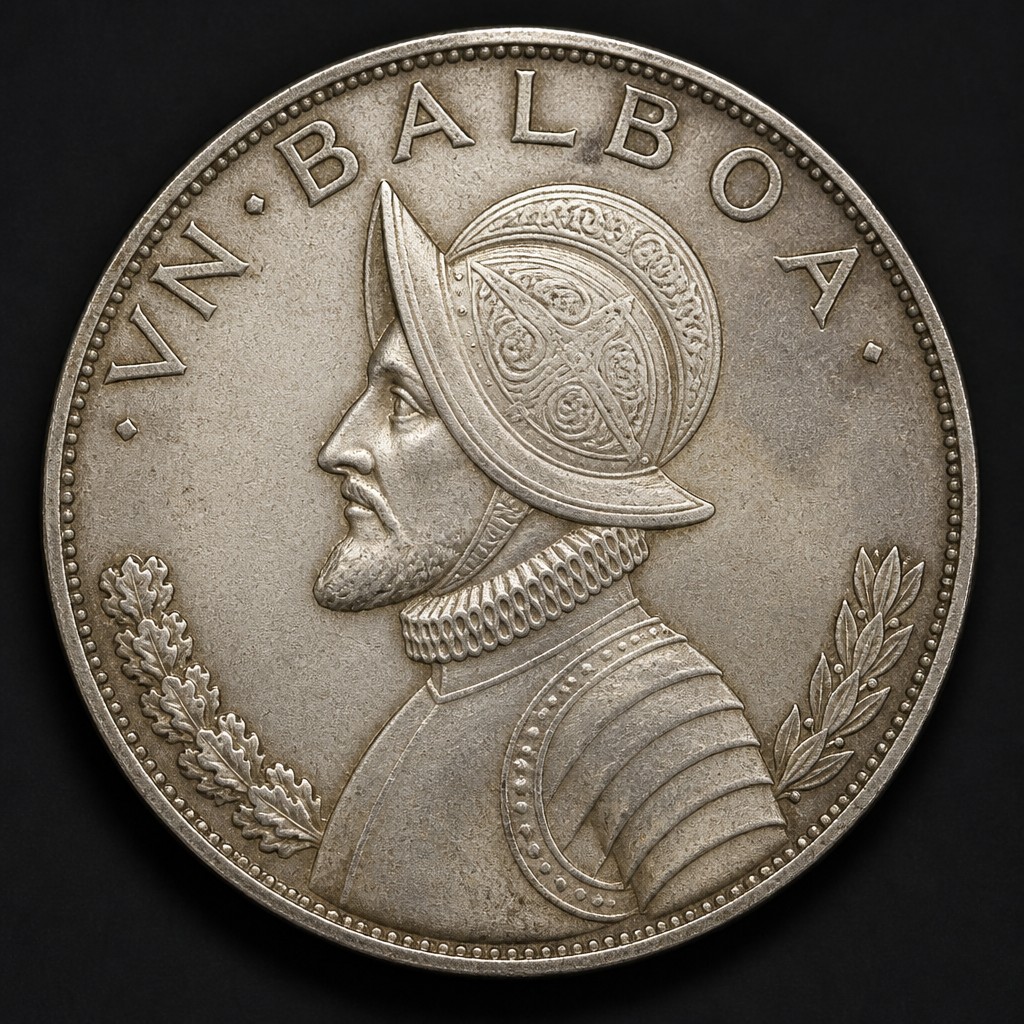
Panama Balboa Silver
1904, 1931, 1934, 1947, 1953, 1966 (various dates)
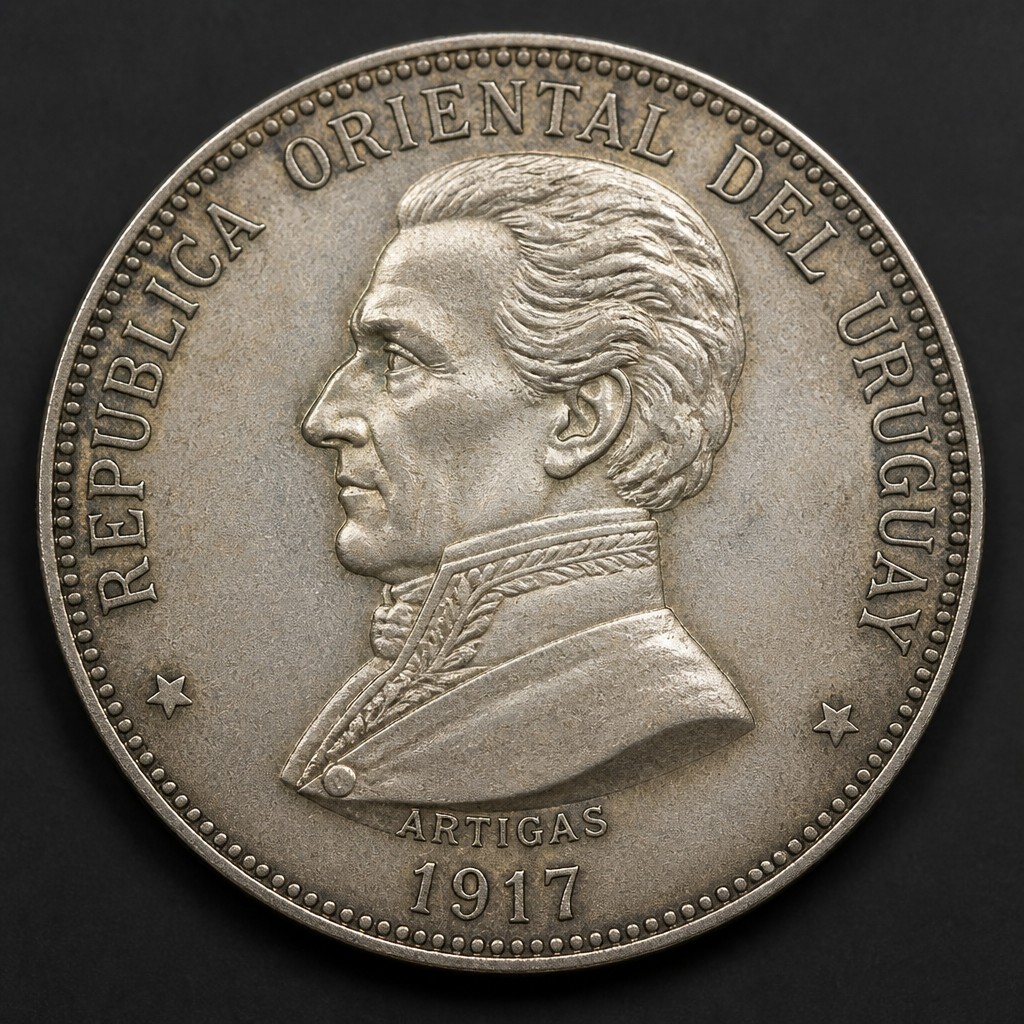
Uruguay Peso Silver 'Artigas'
1917–1920 (with related commemorative issues in later decades)
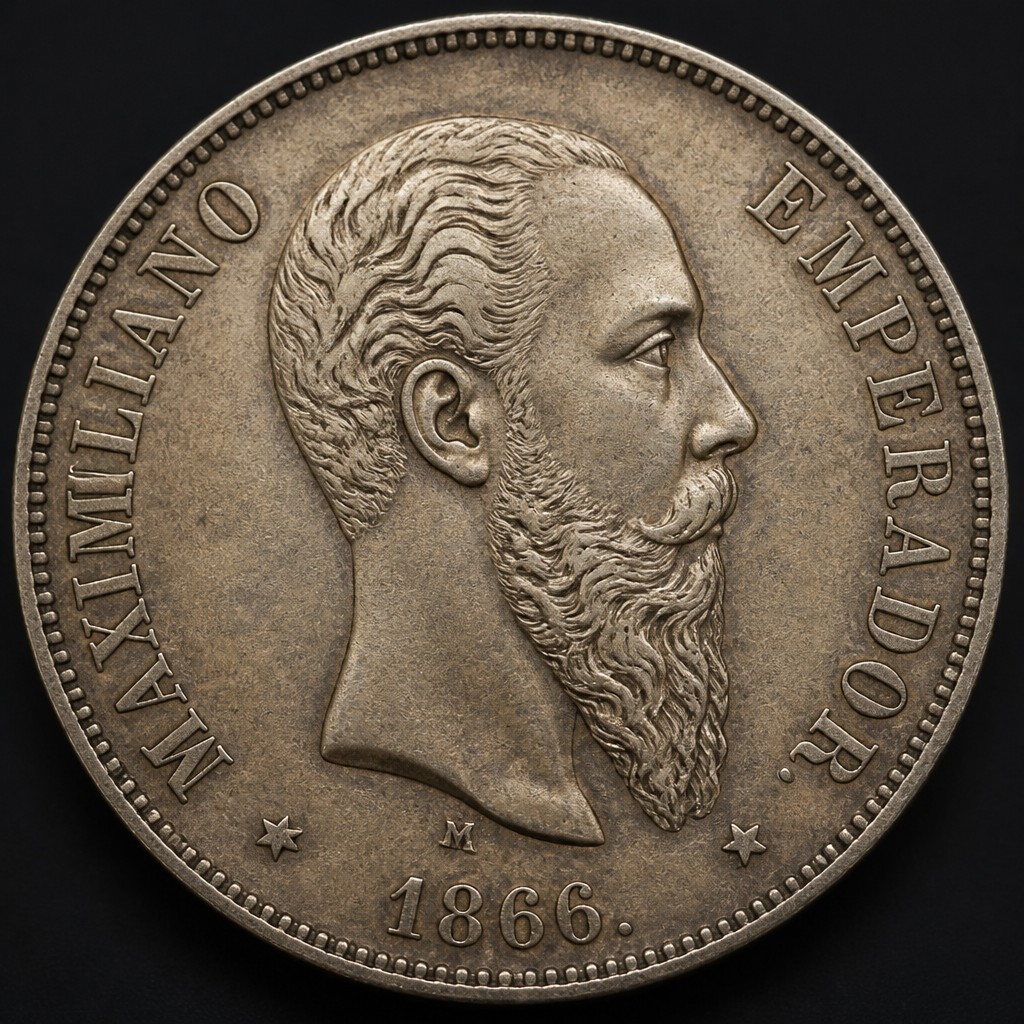
Mexican Emperor Maximilian Peso
1866–1867
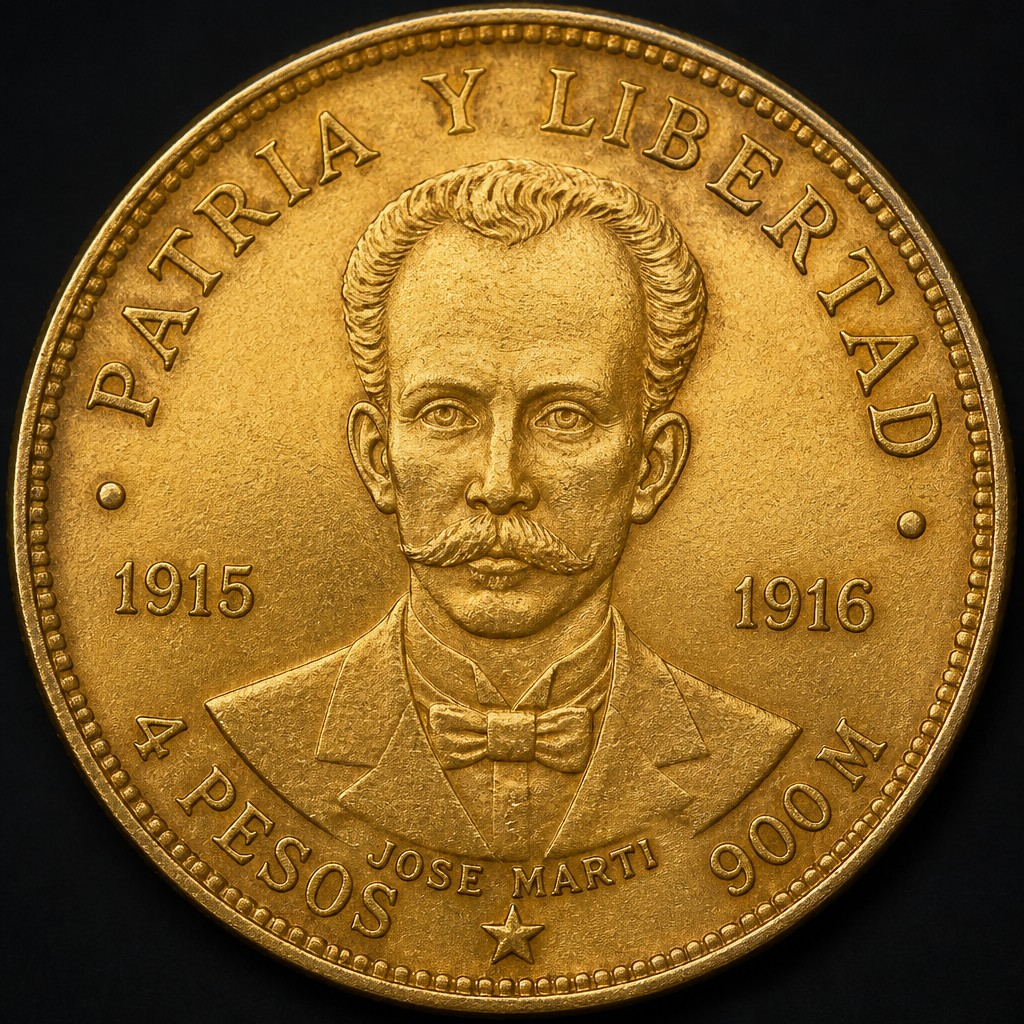
Cuba 4 Pesos Gold Jose Marti
1915–1916
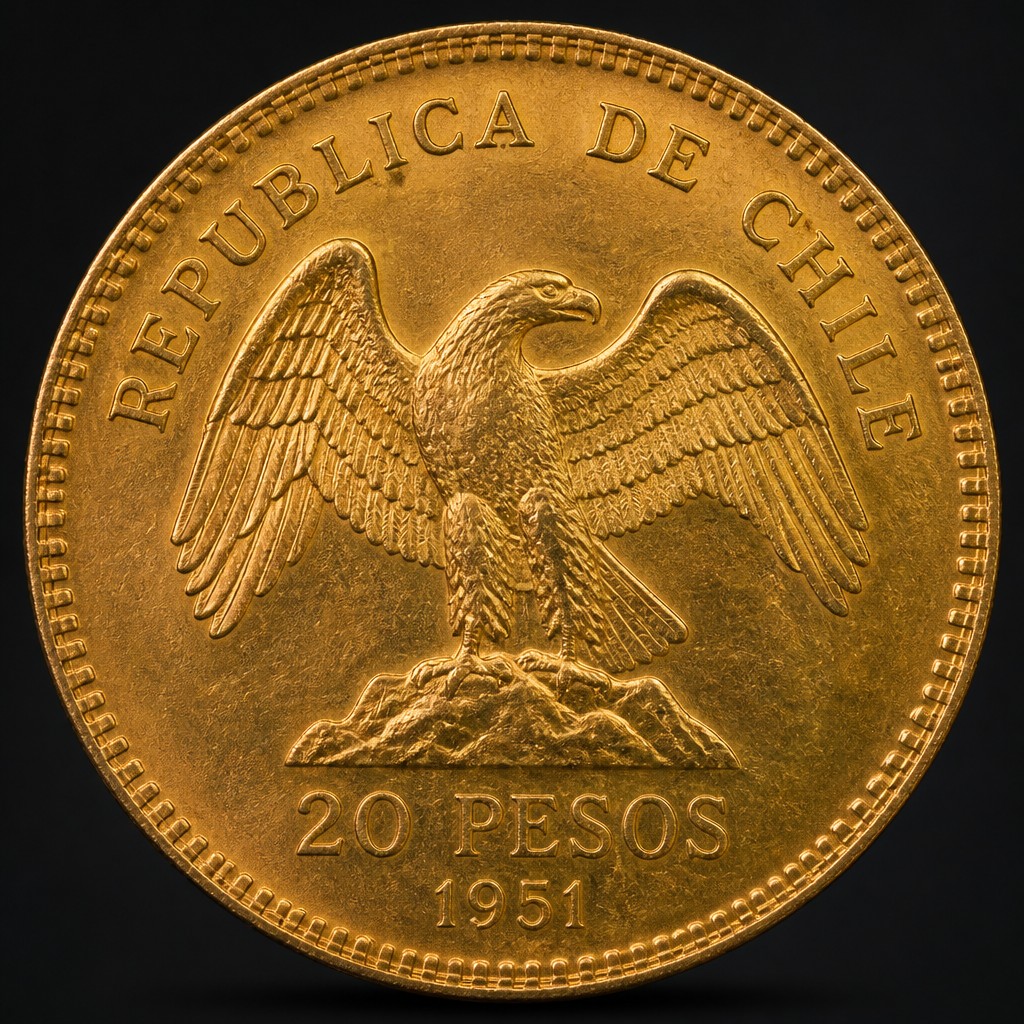
Chilean 20 Pesos Gold
19th century issues and 1926–1980 condor series