
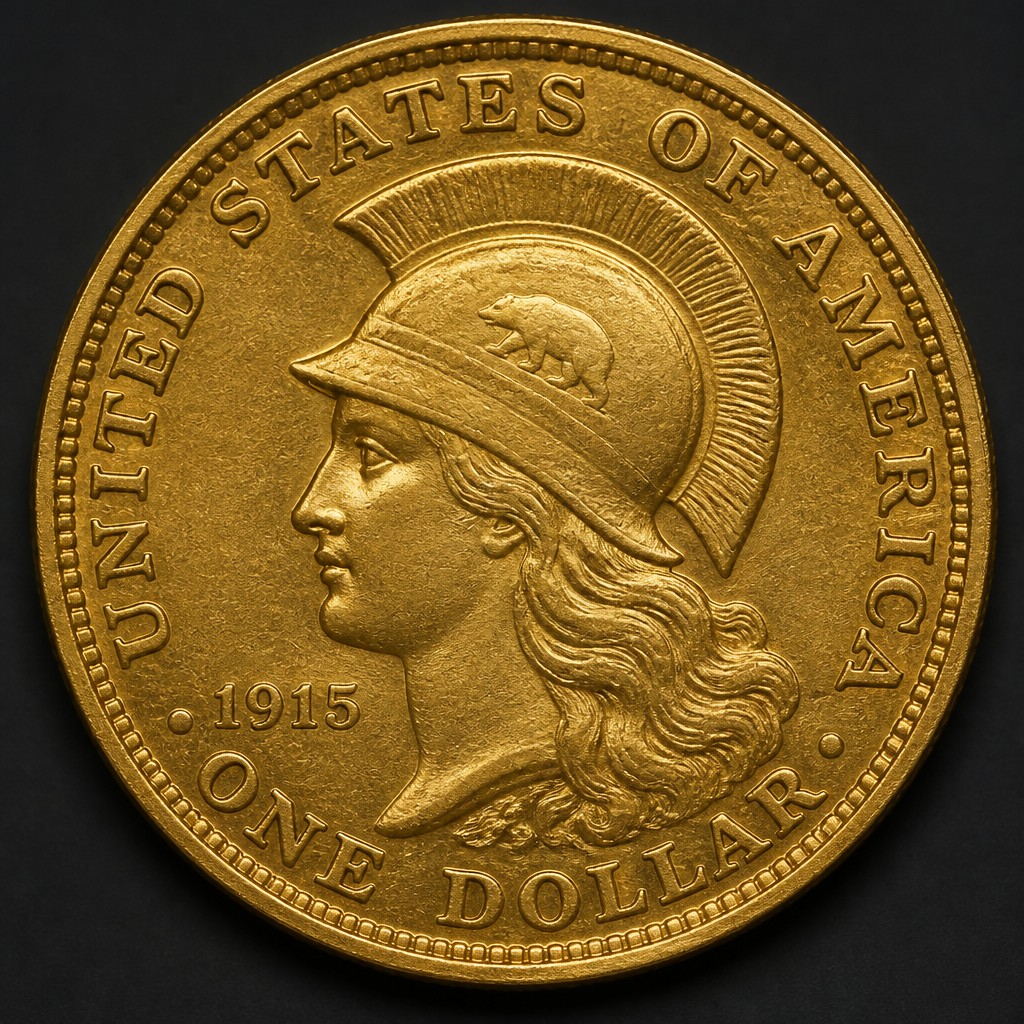
Panama-Pacific Gold Dollar Commemorative
A 1915 gold dollar honoring the workers who built the Panama Canal, featuring a canal laborer's head on the obverse and two dolphins encircling the denomination on the reverse.
- Country
- United States
- Denomination
- One Dollar
- Metal
- Gold (.900)
Got a coin like this?
Identify any coin from a photo, free.
Overview
The Panama-Pacific Gold Dollar is a small commemorative coin struck in 1915 at the San Francisco Mint for the Panama-Pacific International Exposition. It is notable for depicting an ordinary Panama Canal worker on its obverse rather than a mythological or allegorical figure, a somewhat unusual choice for American coinage of the period.
As the smallest denomination in the Panama-Pacific commemorative series, it was the most affordable and widely purchased of the fair's coins at the time, and it remains the most accessible entry point for collectors interested in owning a piece of the series today.
Designed by sculptor Charles Keck, the coin pairs its distinctive obverse portrait with a playful reverse featuring two dolphins, a nod to the maritime connection created by the Panama Canal.
History & Background
Congress authorized the Panama-Pacific commemorative coin series, including the gold dollar, to mark the 1915 Panama-Pacific International Exposition in San Francisco, celebrating the completion of the Panama Canal. Sculptor Charles Keck, a student of Augustus Saint-Gaudens, was chosen to design the gold dollar.
Keck's obverse portrait is often described as representing a laborer who worked on constructing the Panama Canal, fitting the exposition's celebration of the massive engineering achievement rather than glorifying any single historical figure.
The coin was sold at the exposition and through numismatic dealers as a memento, and while it sold better than the more expensive fifty-dollar pieces in the same series, a portion of the mintage still went unsold and was later melted.
How to Identify
The obverse shows the head of a man in profile facing left, generally interpreted as representing a worker who helped build the Panama Canal, with UNITED STATES OF AMERICA around the border and the date 1915 below.
The reverse depicts two dolphins arranged in a circular, intertwined pattern around the denomination 1 DOLLAR, with PANAMA-PACIFIC EXPOSITION SAN FRANCISCO around the border.
The coin is small, similar in size to other U.S. gold dollars, and carries the S mintmark for San Francisco. Its distinctive laborer portrait and dolphin reverse make it easily distinguishable from any other U.S. gold dollar design, including the earlier Liberty Head and Indian Head circulating gold dollars.
Value & Collectibility
As the most affordable and widely distributed coin in the Panama-Pacific series, the gold dollar is more accessible to collectors than its companion quarter eagle and fifty-dollar pieces, though it remains a genuinely scarce classic commemorative by modern standards.
Typical circulated to lower mint-state examples generally trade in the four-figure range, with choice and gem specimens commanding a premium for superior luster and strike.
It is frequently chosen by collectors as a representative, relatively attainable example of the celebrated but expensive Panama-Pacific commemorative series.
Frequently asked questions
Who is depicted on the Panama-Pacific Gold Dollar?
The obverse shows a man generally interpreted as representing a laborer who worked on building the Panama Canal, rather than a specific named individual.
Who designed this coin?
Sculptor Charles Keck, a former assistant to Augustus Saint-Gaudens, designed the coin.
Is this the most affordable Panama-Pacific commemorative?
Yes, as the smallest denomination in the series, it is generally the least expensive of the Panama-Pacific commemorative coins to acquire.
What do the dolphins on the reverse represent?
They allude to the maritime and oceanic themes of the Panama Canal, which the exposition celebrated.
Other coins you may enjoy
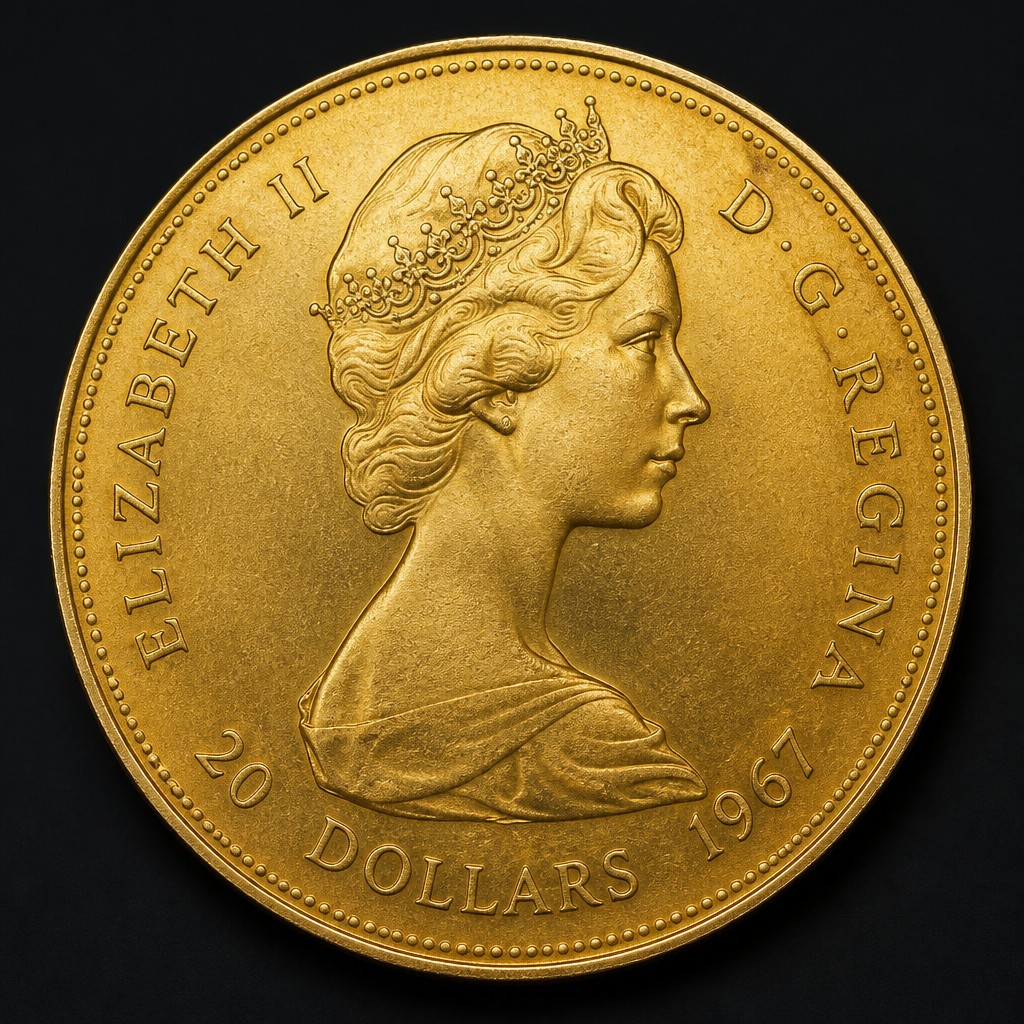
1967 Centennial Gold $20 Coin
1967
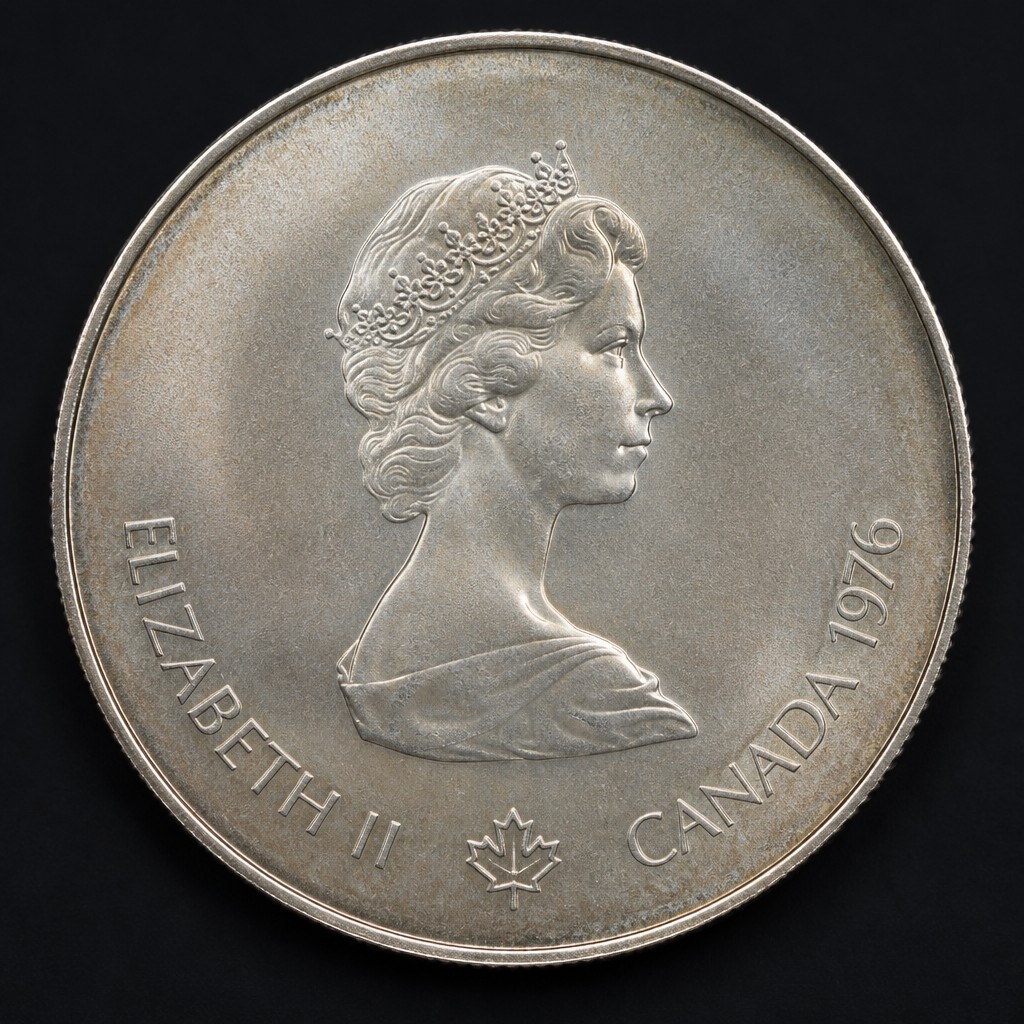
1976 Montreal Olympics Silver Coin Series
1973–1976
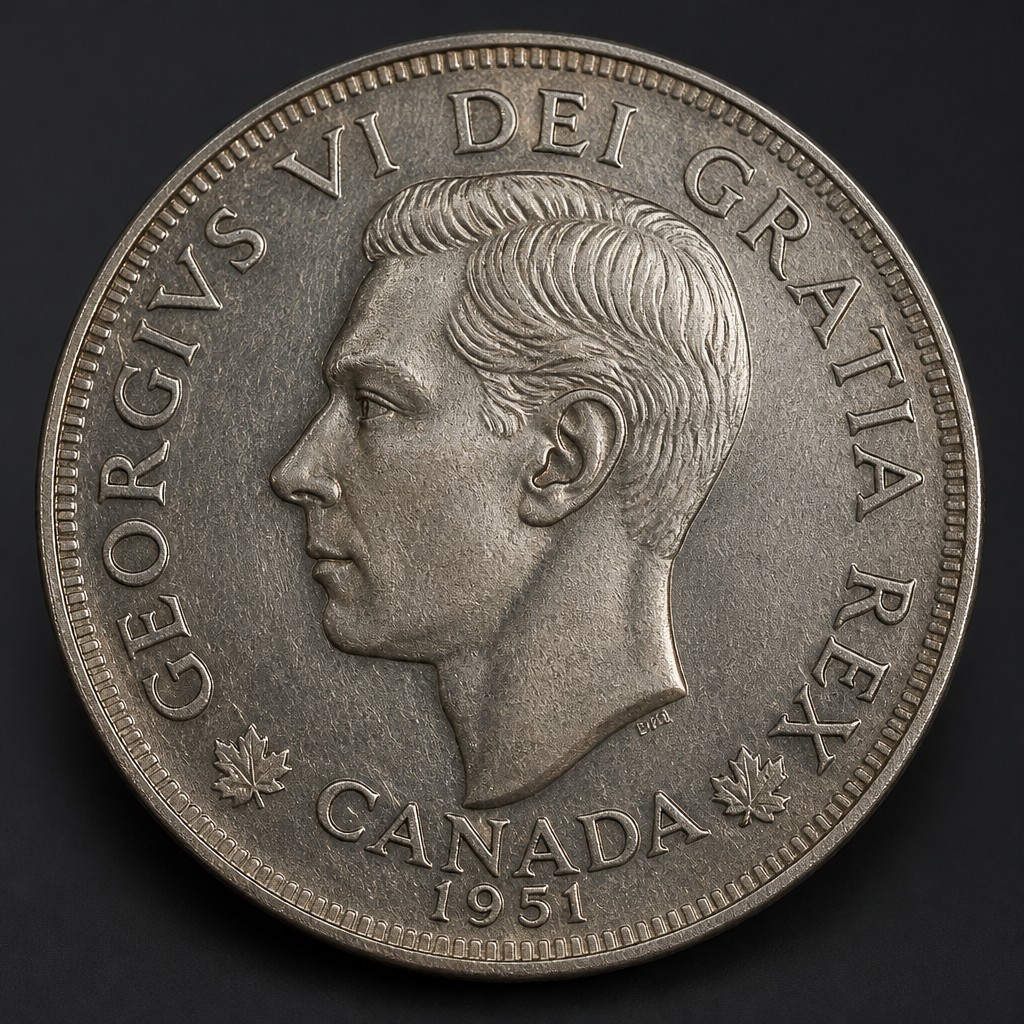
1951 Nickel Commemorative Five Cents
1951
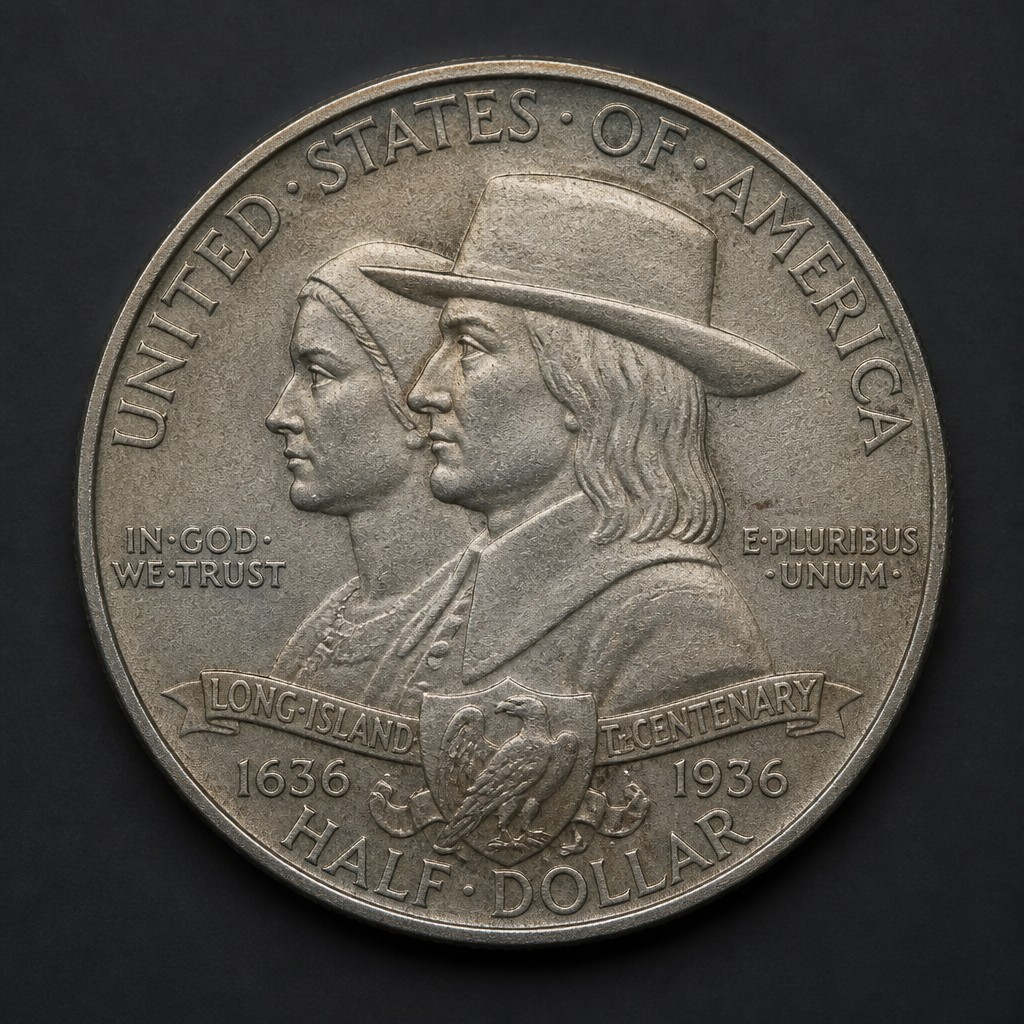
Long Island Tercentenary Half Dollar
1936
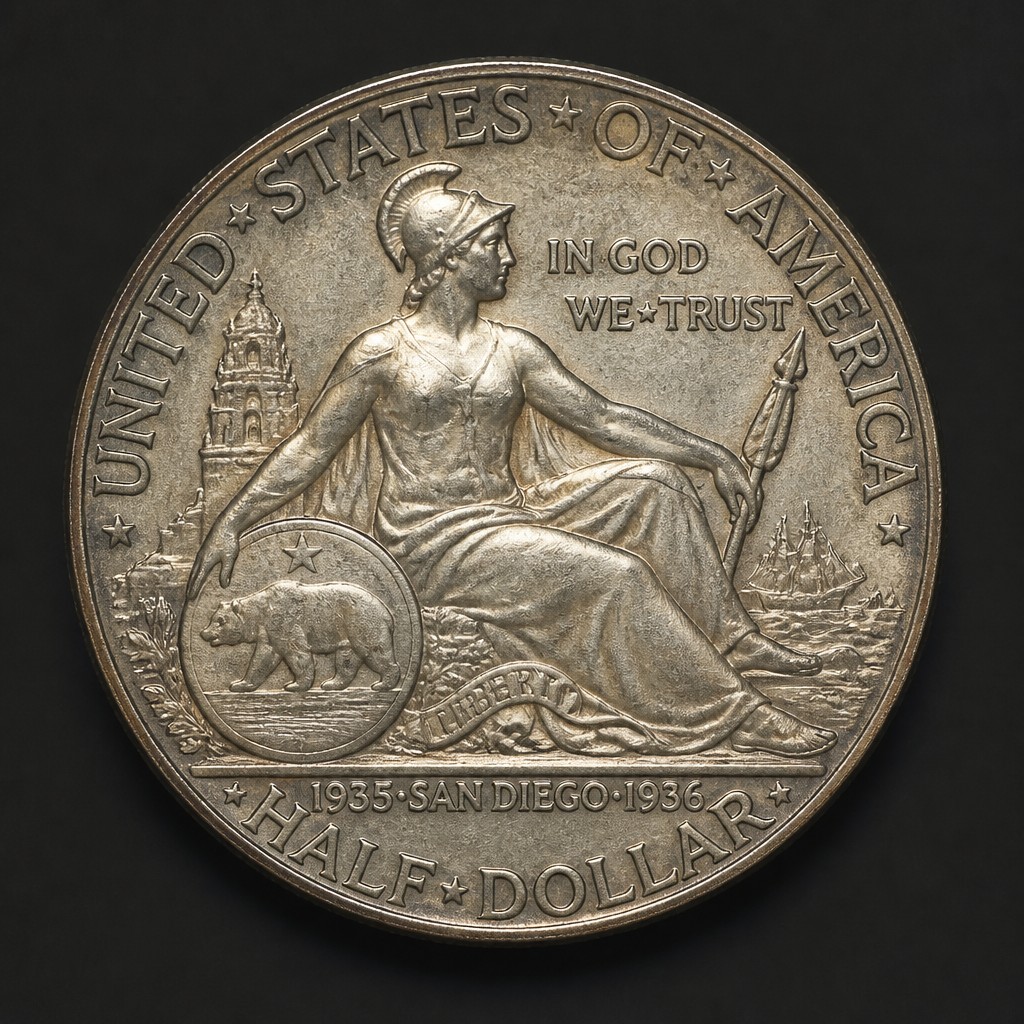
San Diego Pacific Exposition Half Dollar
1935–1936
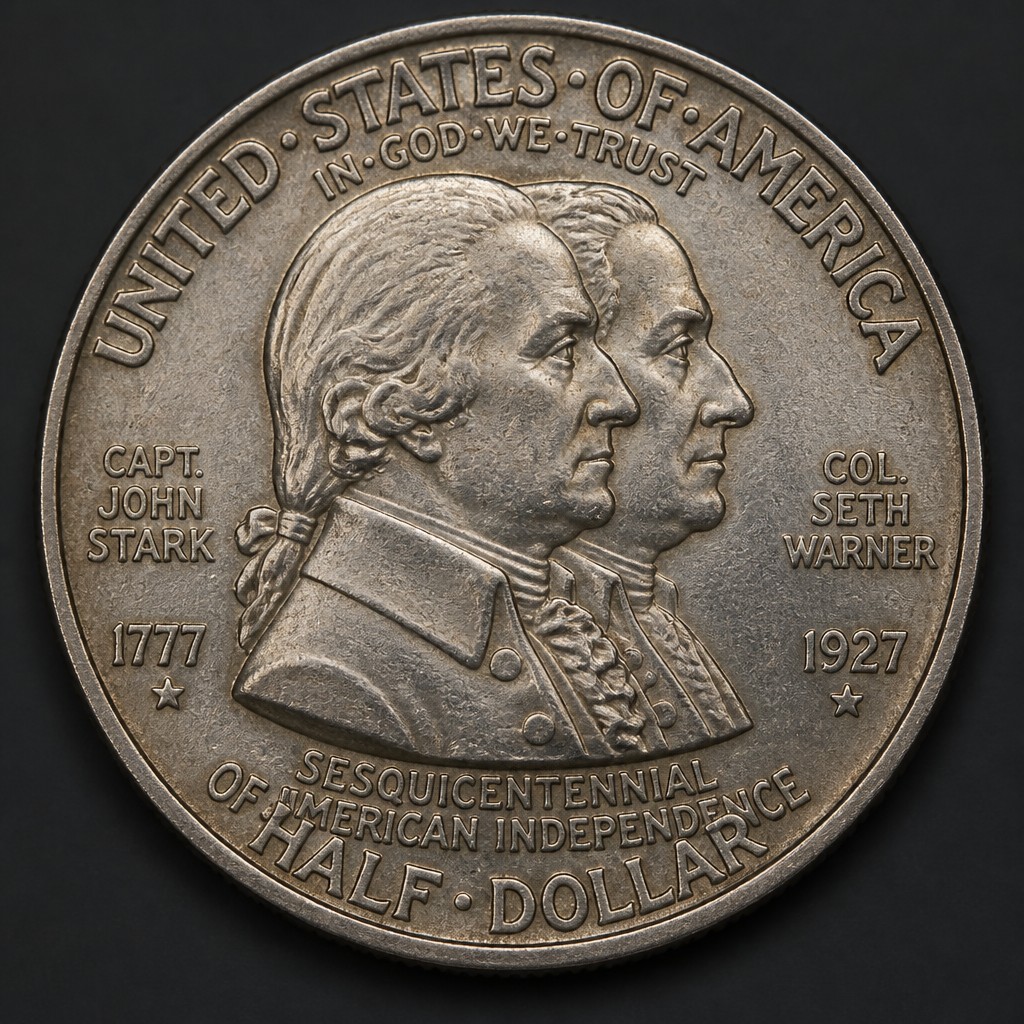
Vermont Sesquicentennial Half Dollar
1927
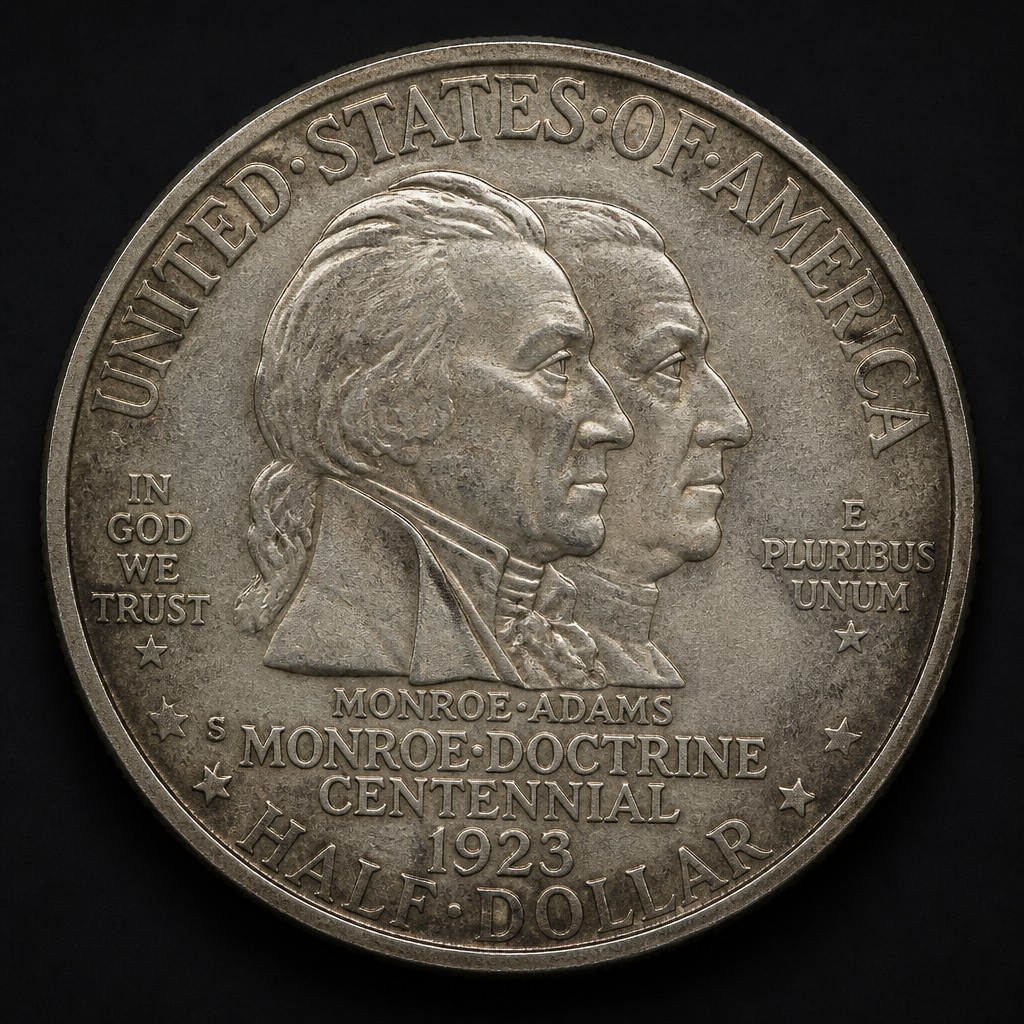
Monroe Doctrine Centennial Half Dollar
1923
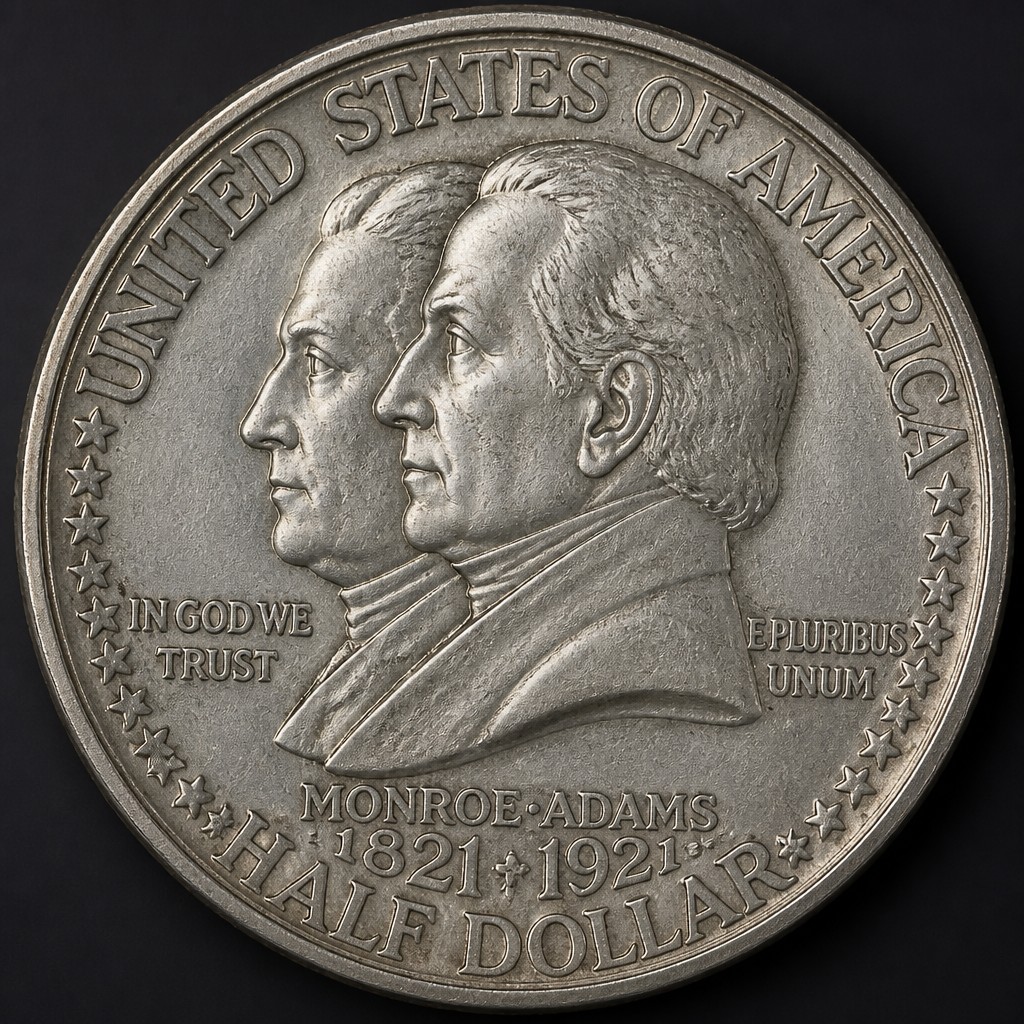
Alabama Centennial Half Dollar
1921
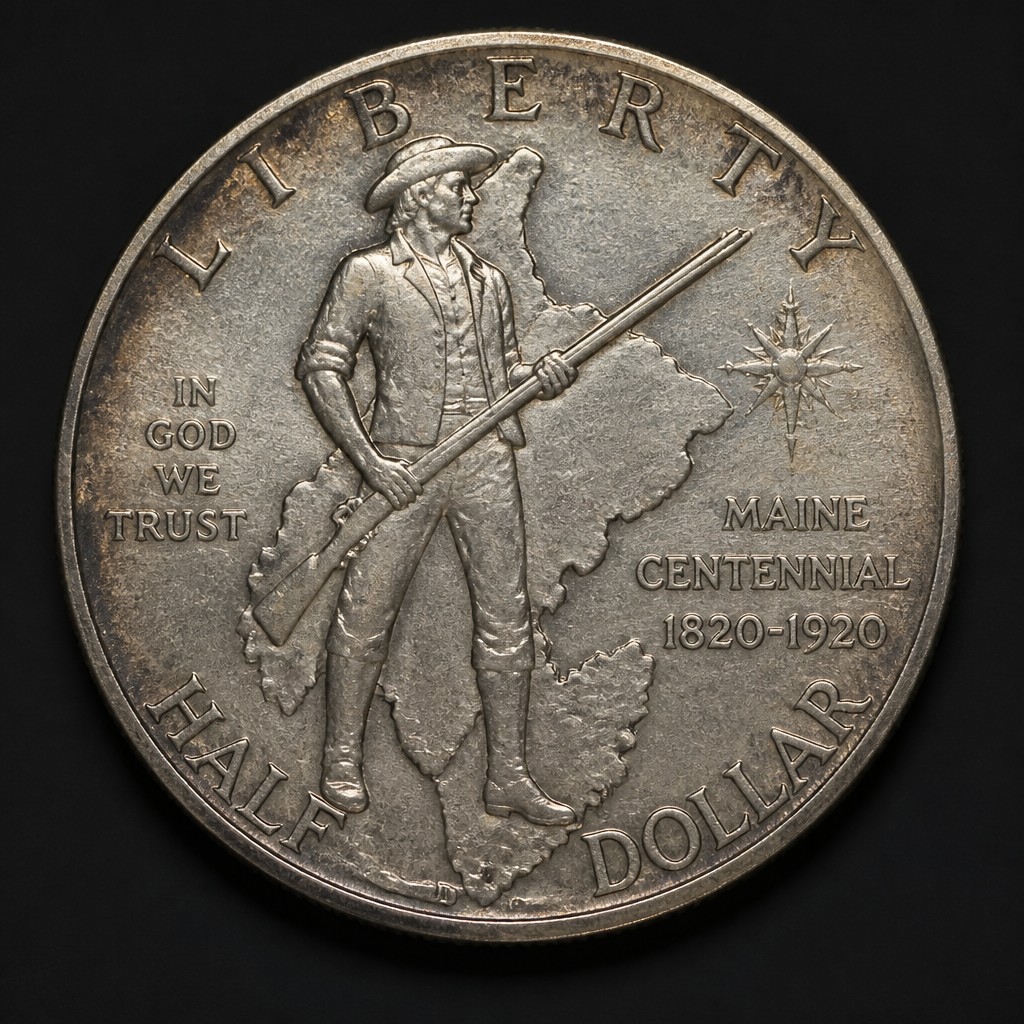
Maine Centennial Half Dollar
1920
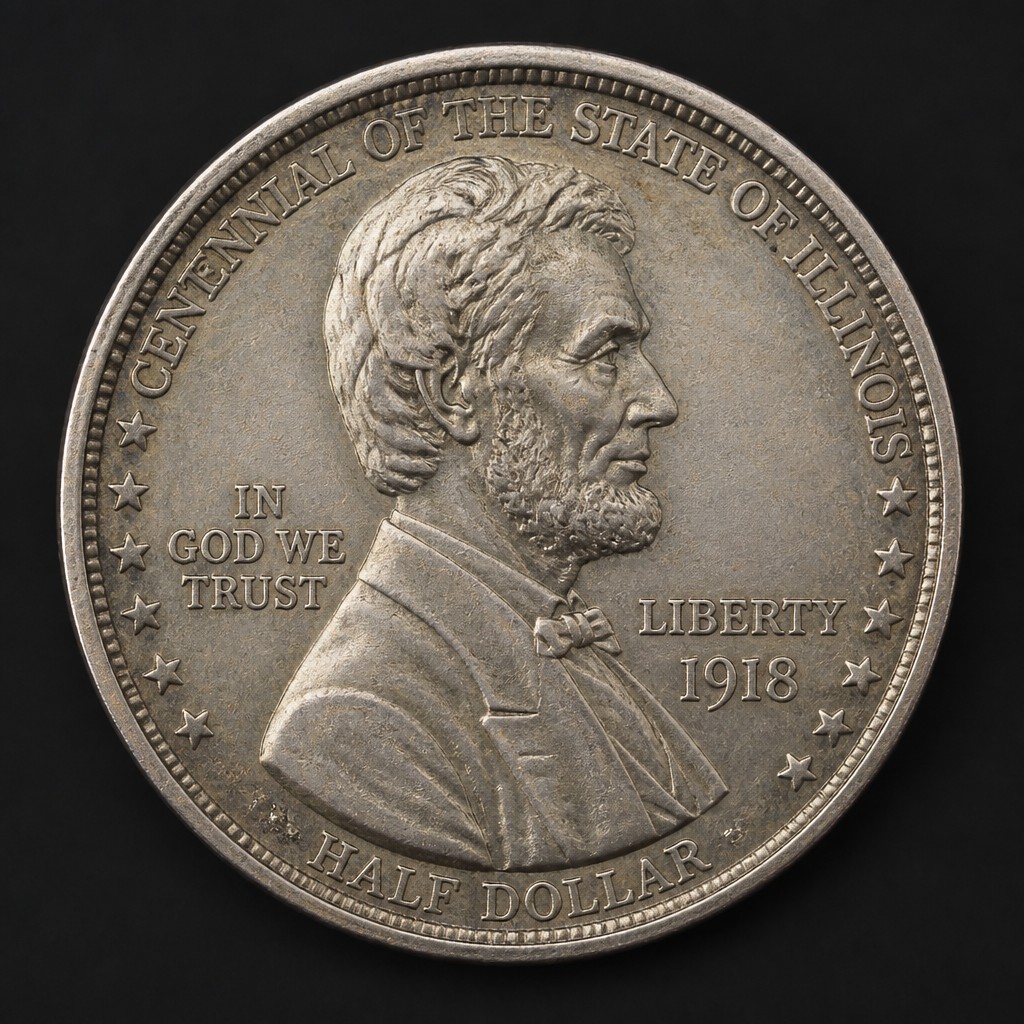
Lincoln-Illinois Centennial Half Dollar
1918
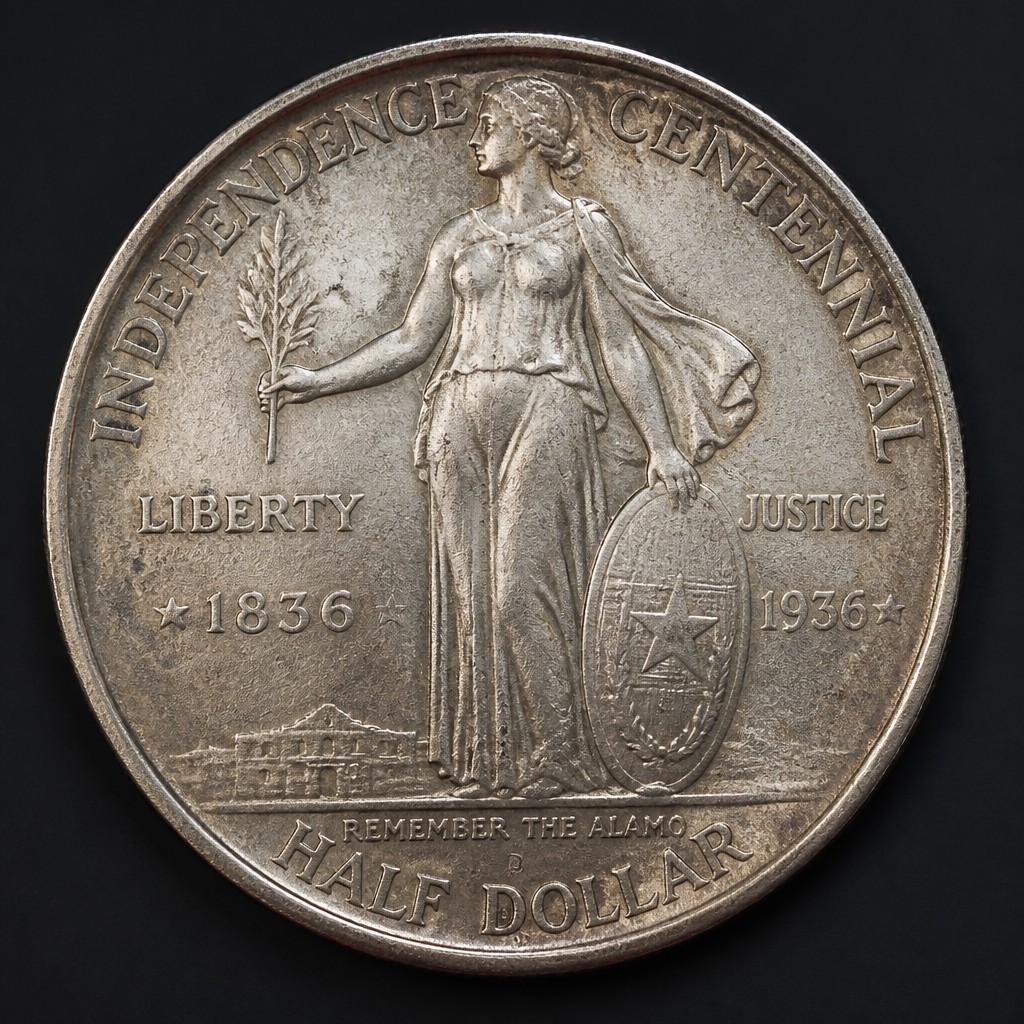
Texas Independence Centennial Half Dollar
1934–1938
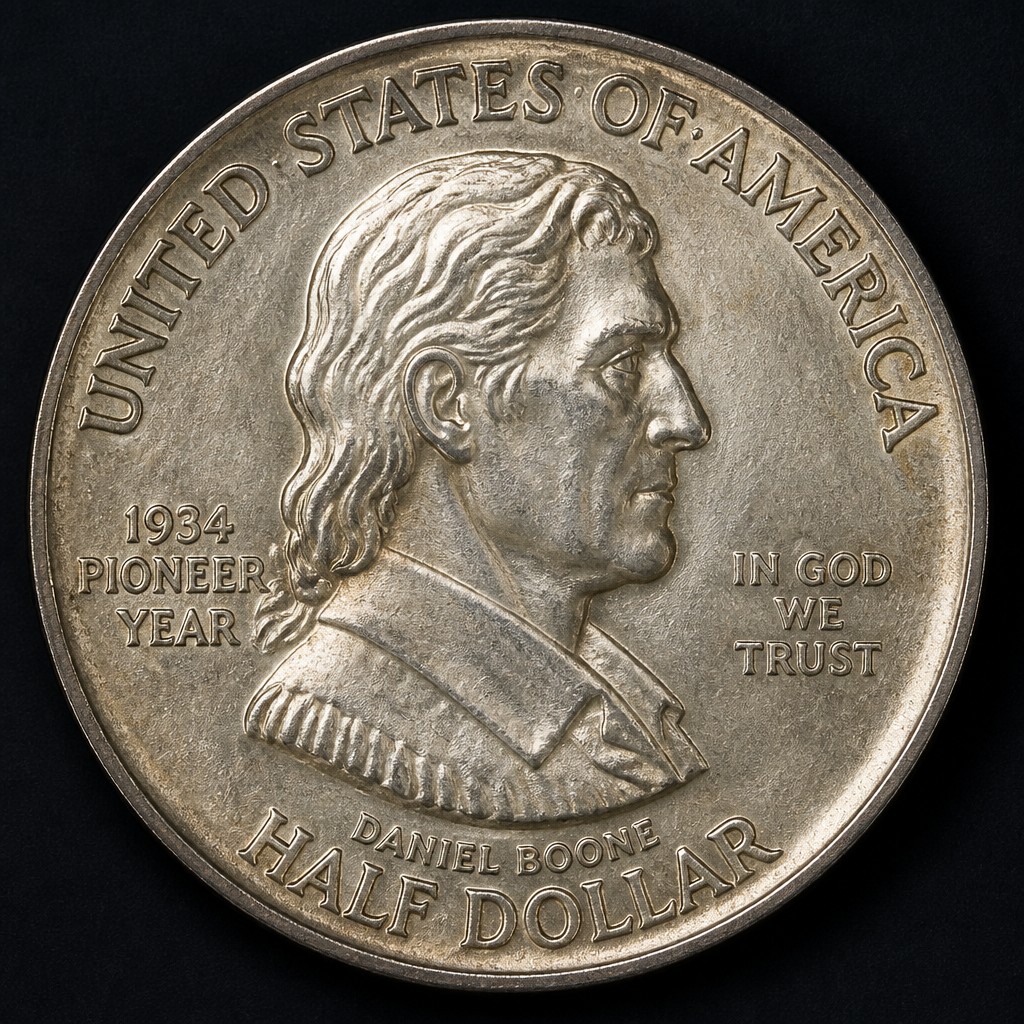
Daniel Boone Bicentennial Half Dollar
1934–1938