
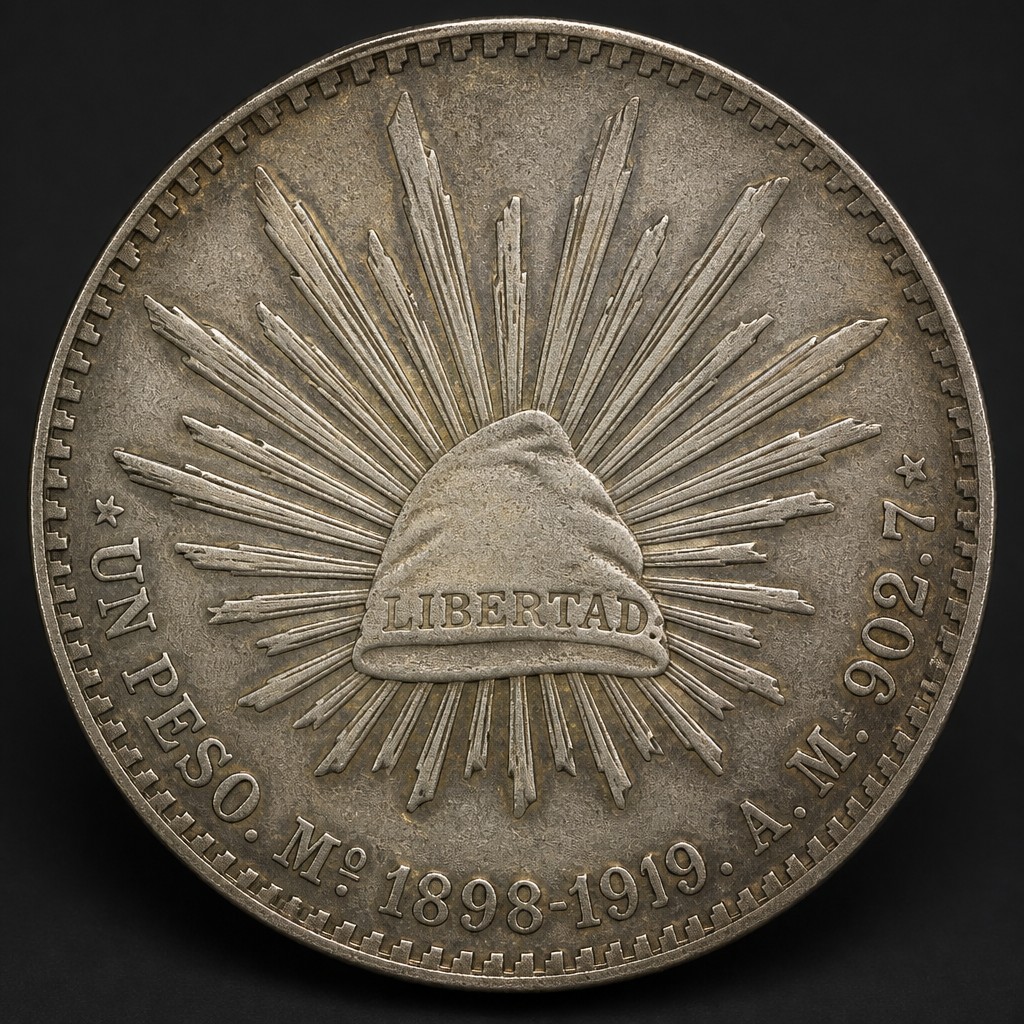
Mexican Un Peso Silver (Cap and Rays)
A late-nineteenth-century Mexican silver peso showing a radiant Liberty cap, struck at Mexico City and several regional mints during the Porfirio Díaz era.
- Country
- Mexico
- Denomination
- 1 Peso
- Metal
- .902 fine silver
Got a coin like this?
Identify any coin from a photo, free.
Overview
The 'Cap and Rays' Un Peso continued a design theme used across many Mexican silver denominations of the era, featuring a Phrygian liberty cap emitting rays of light, a motif descended from earlier Mexican republican coinage. It represents the last major silver peso type minted before Mexico moved to the ornate 'Caballito' peso design in 1910.
Because Mexico still operated multiple regional mints at the time, this peso was struck not only in Mexico City but also at branch mints such as Culiacán, Guanajuato, and Zacatecas, each identified by a small mintmark. This makes the series attractive to mintmark collectors seeking a full run from every producing mint.
As a workhorse silver coin of its day, it saw heavy circulation and export, and large numbers were later melted for bullion, so survival rates vary considerably by mint and date.
History & Background
Mexico's decimal peso system, adopted in the 1860s-1870s, retained the familiar cap-and-rays Liberty imagery from earlier 8 Reales coinage as a symbol of the republic's founding ideals. The Un Peso denomination using this design was struck from 1898 through 1909, during the later years of the long presidency of Porfirio Díaz, a period of economic modernization and expanding silver mining in Mexico.
Silver from mines in Zacatecas, Guanajuato, and elsewhere fed a network of mints that struck this peso for both domestic commerce and export, particularly to markets in Asia where Mexican silver dollars were widely accepted as trade coinage. Production ended when Mexico introduced the redesigned 'Caballito' peso in 1910, coinciding with the start of the Mexican Revolution.
How to Identify
The obverse depicts a Liberty cap set within a radiant sunburst, with the legend REPUBLICA MEXICANA arched above and the date below. The reverse shows the Mexican eagle standing on a cactus, snake in beak, encircled by ESTADOS UNIDOS MEXICANOS and the denomination UN PESO.
The coin is struck in approximately .902 fine silver, weighs about 27.07 grams, and measures roughly 39 millimeters in diameter, with a reeded edge. A small mintmark (such as Mo for Mexico City, Go for Guanajuato, or Zs for Zacatecas) appears on the reverse near the base of the eagle design, along with tiny assayer initials.
Collectors distinguish this type from the earlier 8 Reales cap-and-rays coins by the peso denomination spelled out and the decimal date format, and from the later 1910-1914 'Caballito' peso by the completely different galloping-horse Liberty design on that later issue.
Value & Collectibility
Common dates and mints in circulated grades are valued close to their substantial silver content, as this was a high-mintage workhorse coin across most years and mints. Well-preserved, lightly circulated or mint-state examples command higher premiums, especially from smaller branch mints that produced fewer coins than Mexico City.
Certain mint-and-date combinations from lower-output branch mints are scarcer and more sought after than the common Mexico City issues, so mintmark identification matters for value. Broad values for common worn examples generally sit modestly above bullion silver value, while choice uncirculated or scarce mintmark pieces can bring meaningfully higher prices at auction.
As with all large silver coins of this era, cleaning, damage, and heavy wear substantially reduce collector value even when the silver content remains intact.
Frequently asked questions
What does 'Cap and Rays' refer to on this Mexican peso?
It describes the radiant Liberty cap design on the obverse, a Phrygian cap surrounded by sunburst rays, a motif carried over from earlier Mexican coinage.
What years were Cap and Rays pesos minted?
This design was used on the Un Peso denomination from 1898 through 1909, before being replaced by the 'Caballito' peso design in 1910.
Which mints produced this coin?
Mexico City was the primary mint, but branch mints including Culiacán, Guanajuato, and Zacatecas also struck examples, each marked with a small mintmark.
How can I tell a Cap and Rays peso from other Mexican silver pesos?
Look for the radiant Liberty cap obverse and decimal-era date; the later Caballito peso instead shows a galloping horse and rider design.
Other coins you may enjoy
Colombia 8 Reales
Colonial issues through late 18th/early 19th century; republican issues 1820s–1830s
Argentina 8 Reales
c. 1813–1836
Brazil 960 Reis
1809–1832
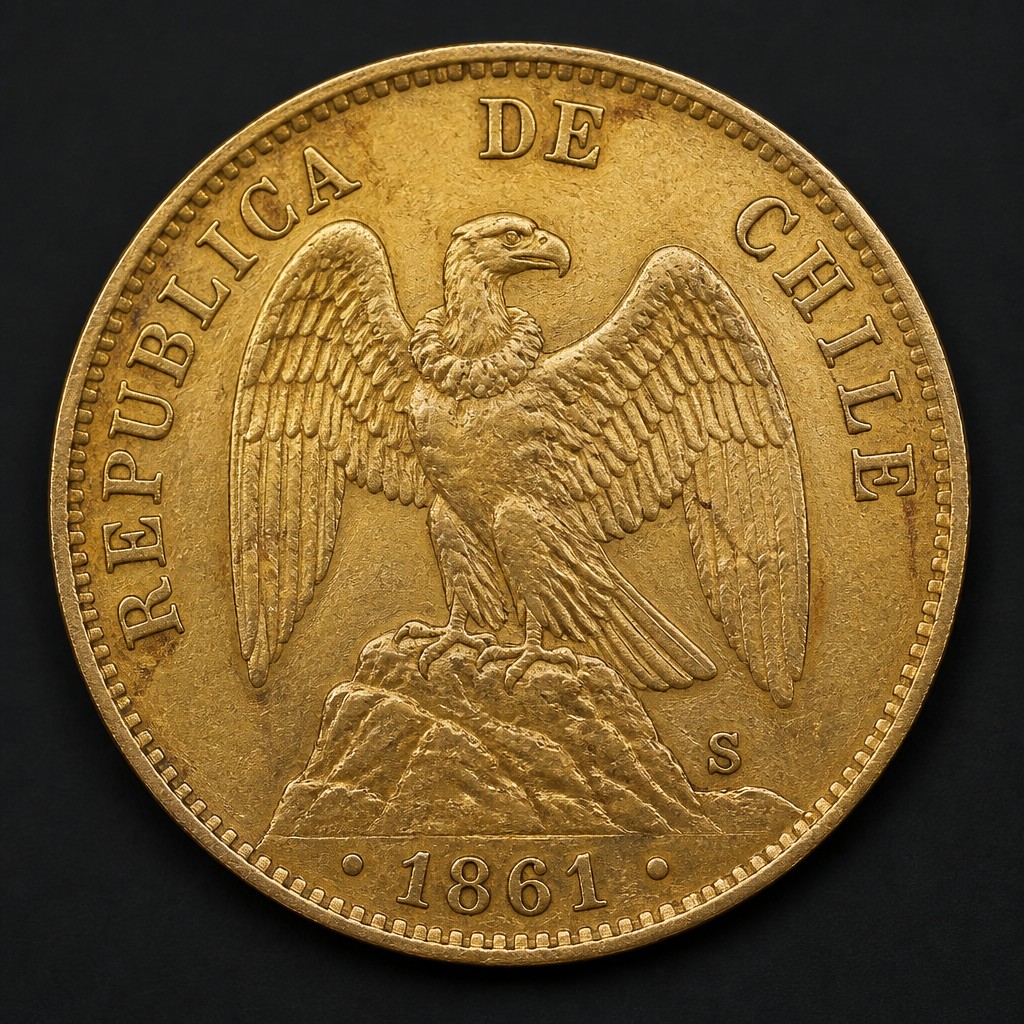
Chile Peso (Condor)
1851–1873 (gold condor series); modern base-metal peso 1990s–present
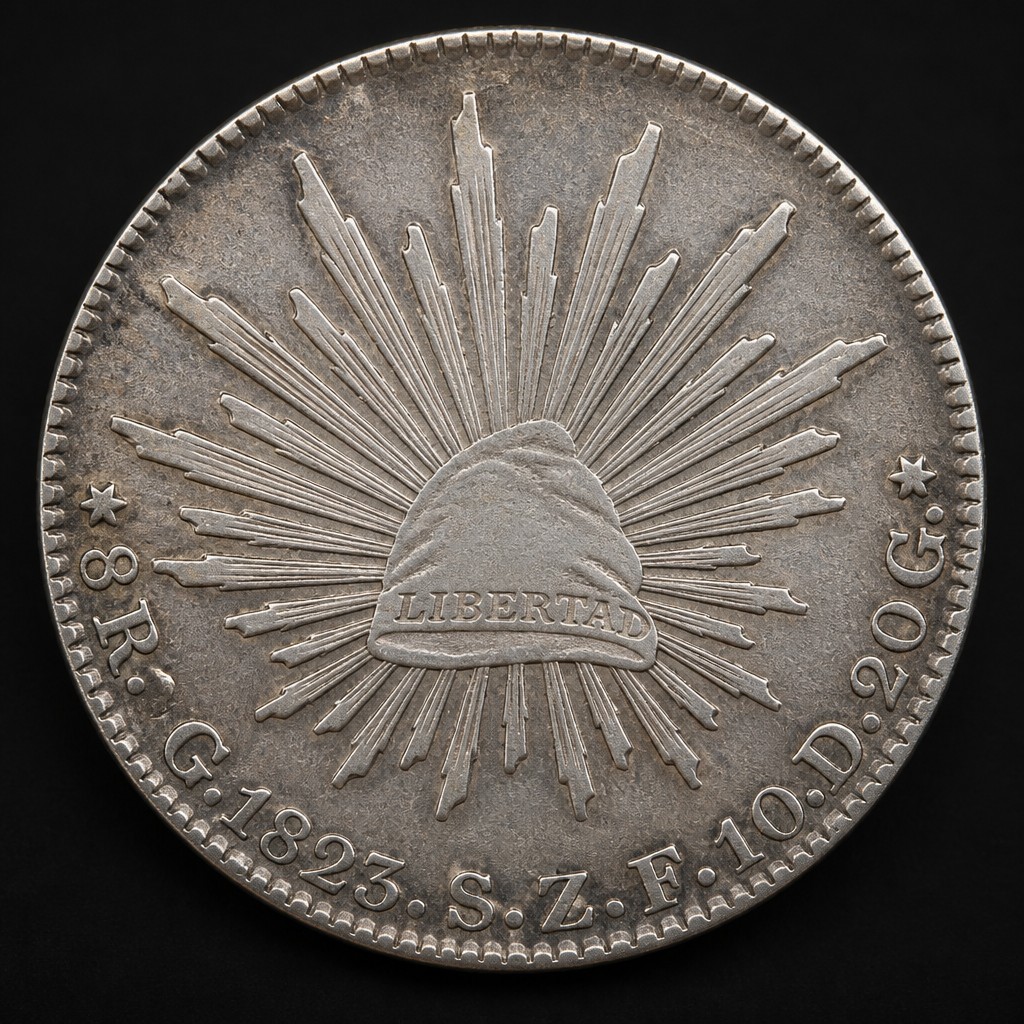
Mexican 8 Reales Cap and Rays
1823-1897
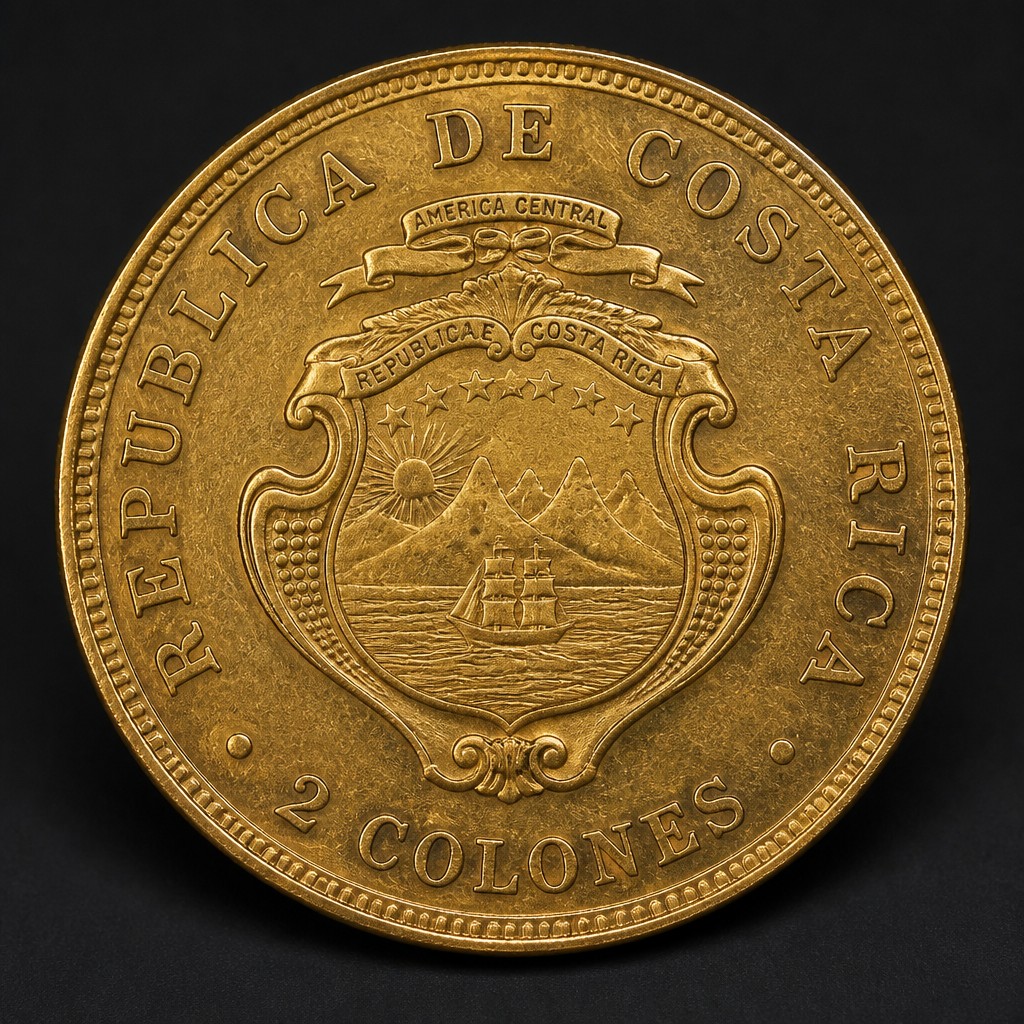
Costa Rica 2 Colones Gold
Late 1890s–early 1900s
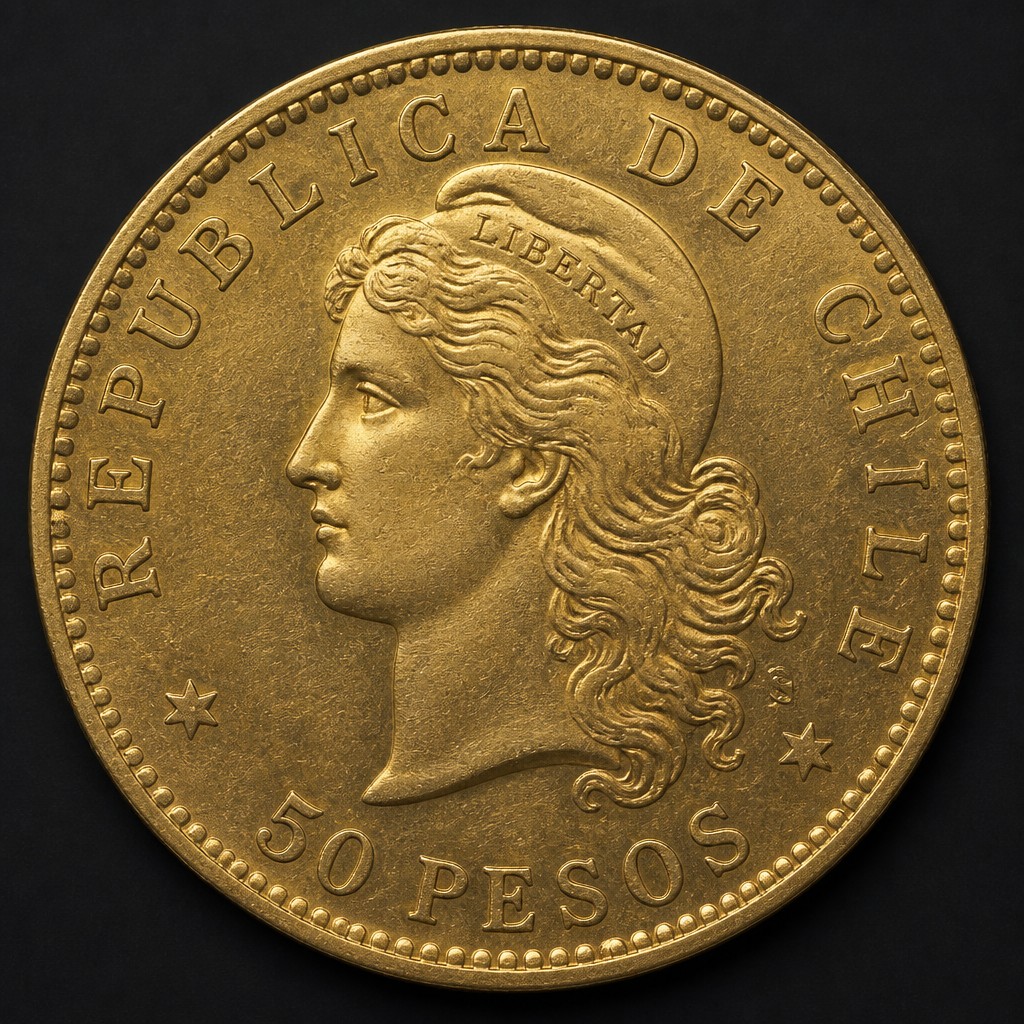
Chilean 50 Pesos Gold
1926–1980 (with interruptions)
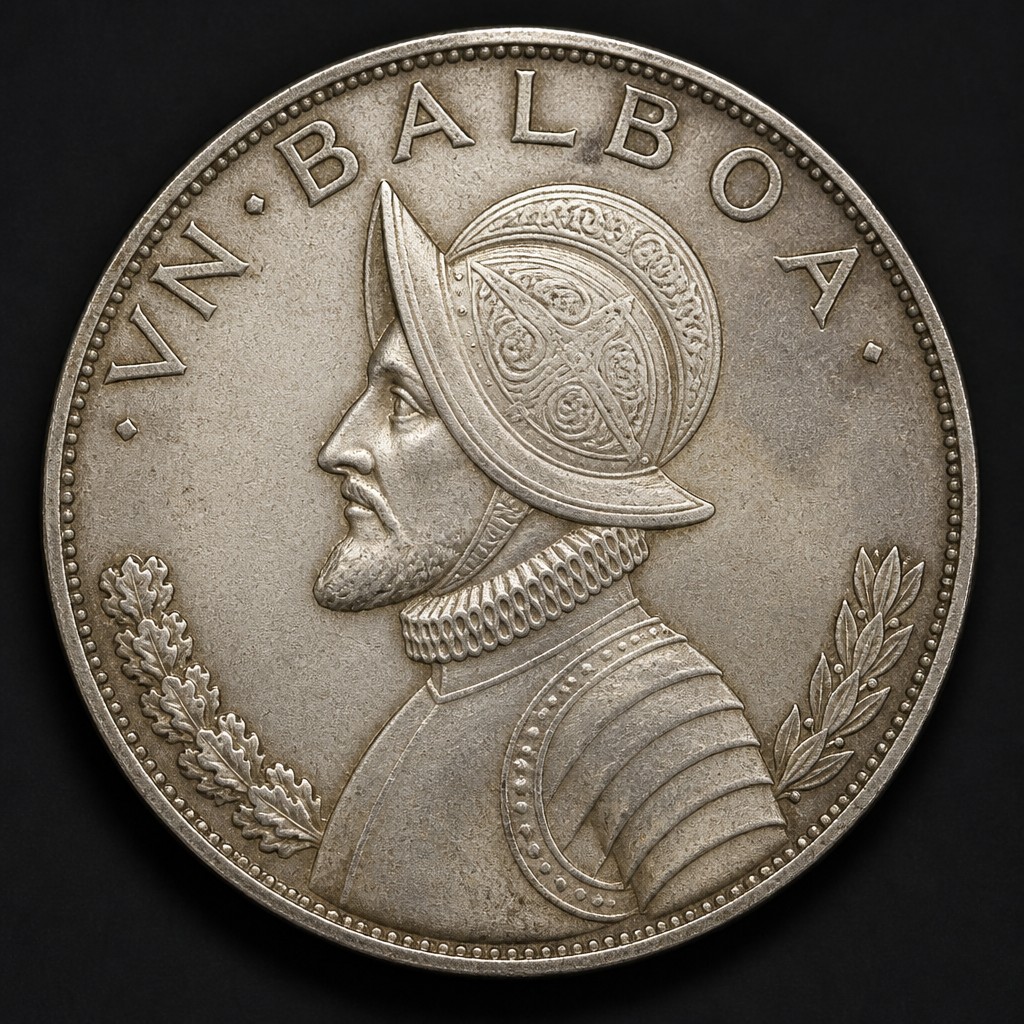
Panama Balboa Silver
1904, 1931, 1934, 1947, 1953, 1966 (various dates)
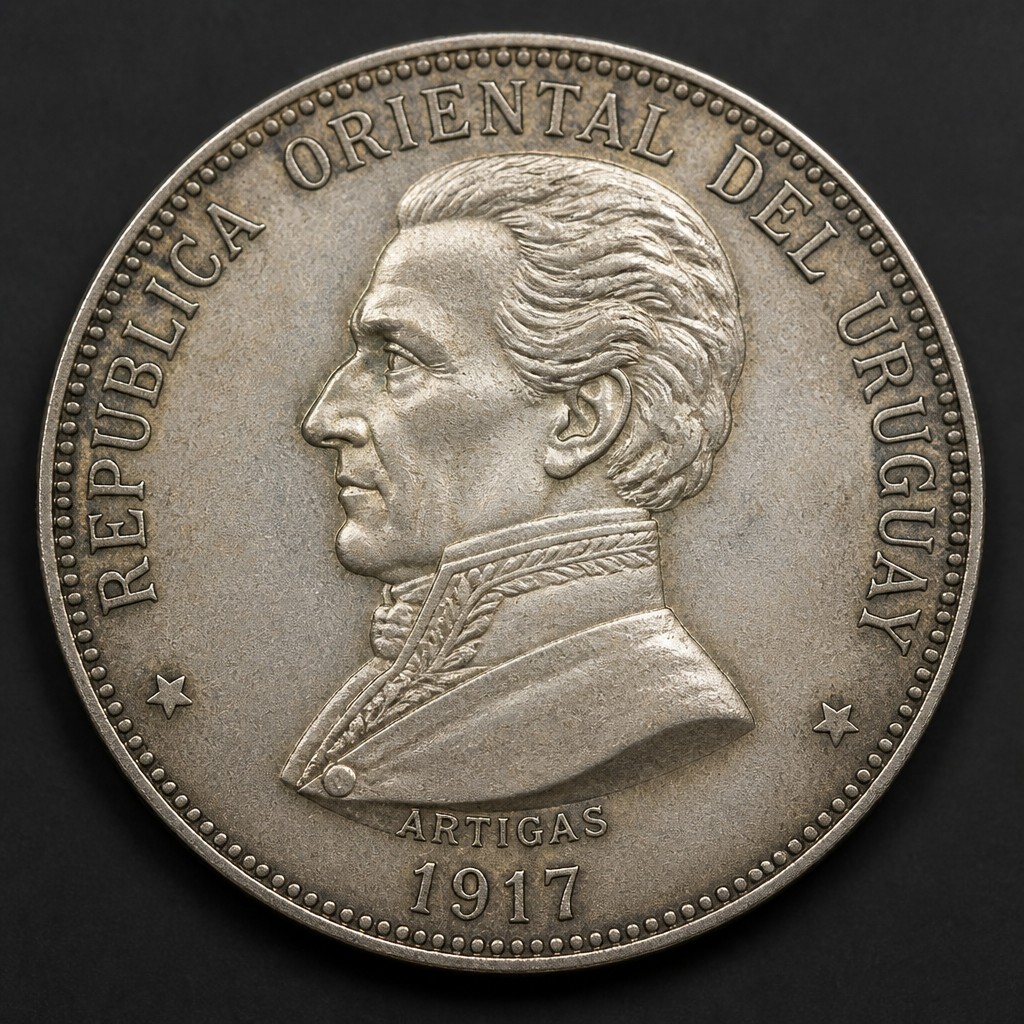
Uruguay Peso Silver 'Artigas'
1917–1920 (with related commemorative issues in later decades)
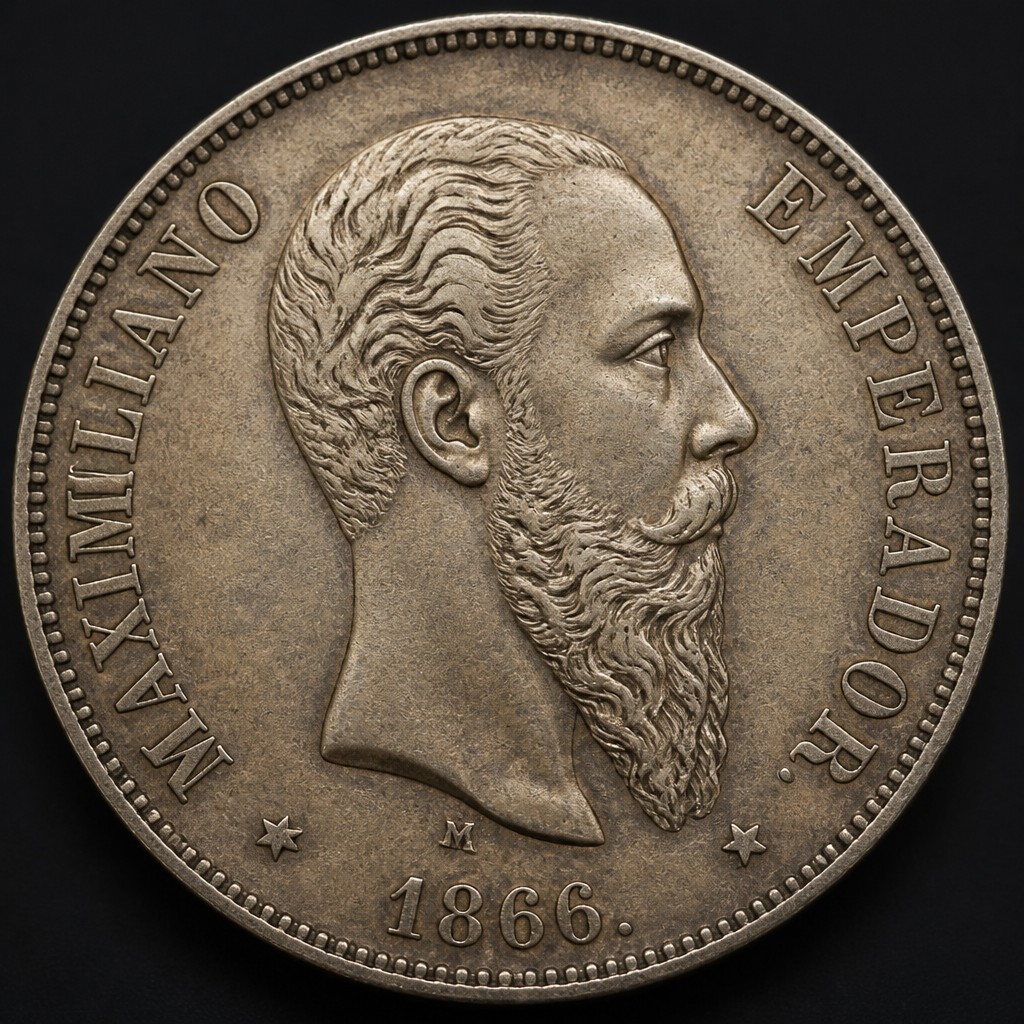
Mexican Emperor Maximilian Peso
1866–1867
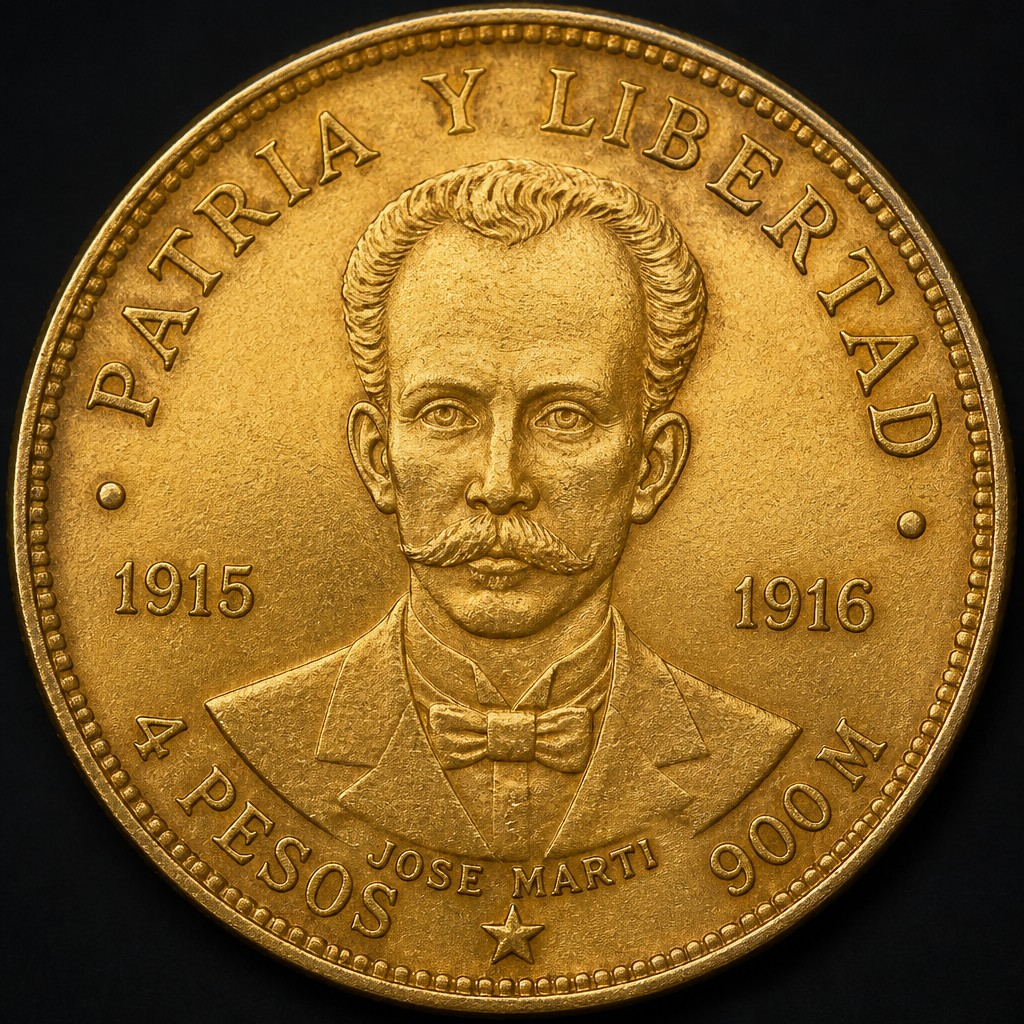
Cuba 4 Pesos Gold Jose Marti
1915–1916
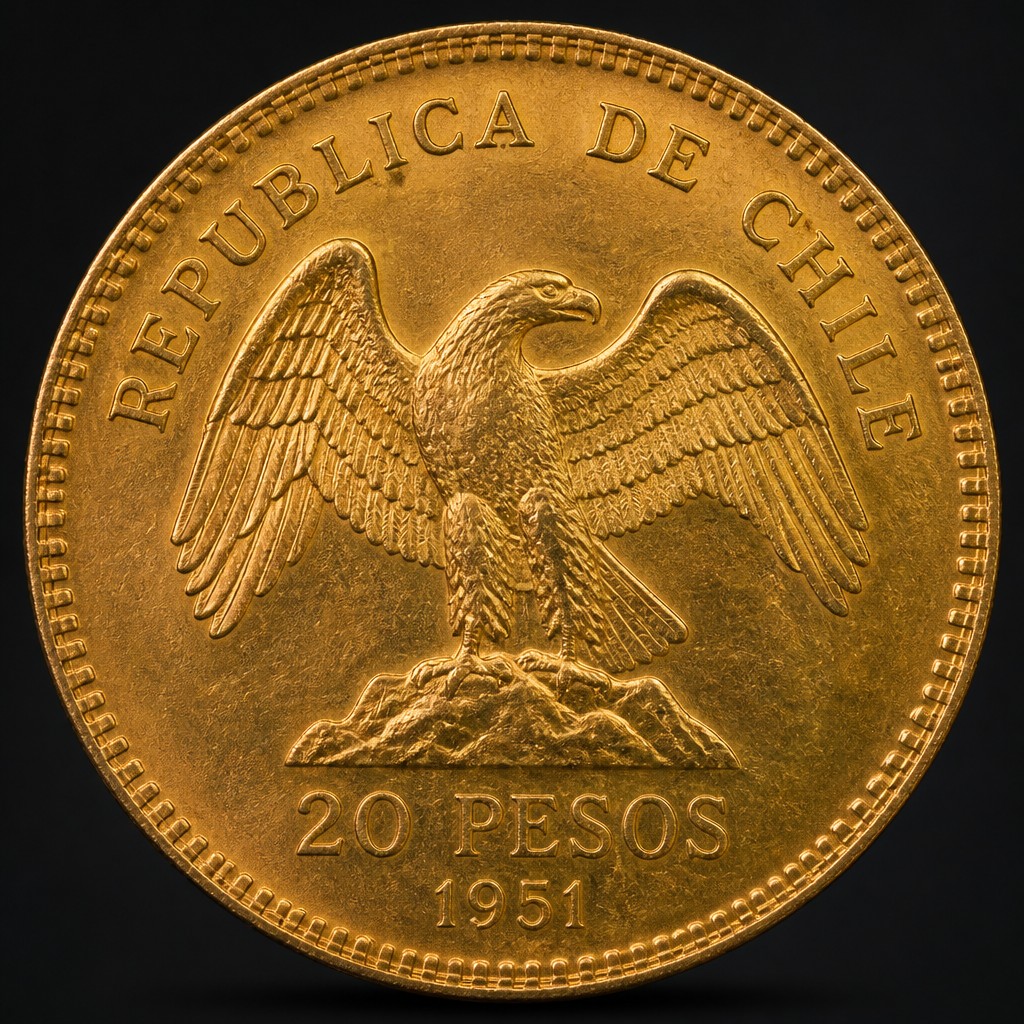
Chilean 20 Pesos Gold
19th century issues and 1926–1980 condor series