
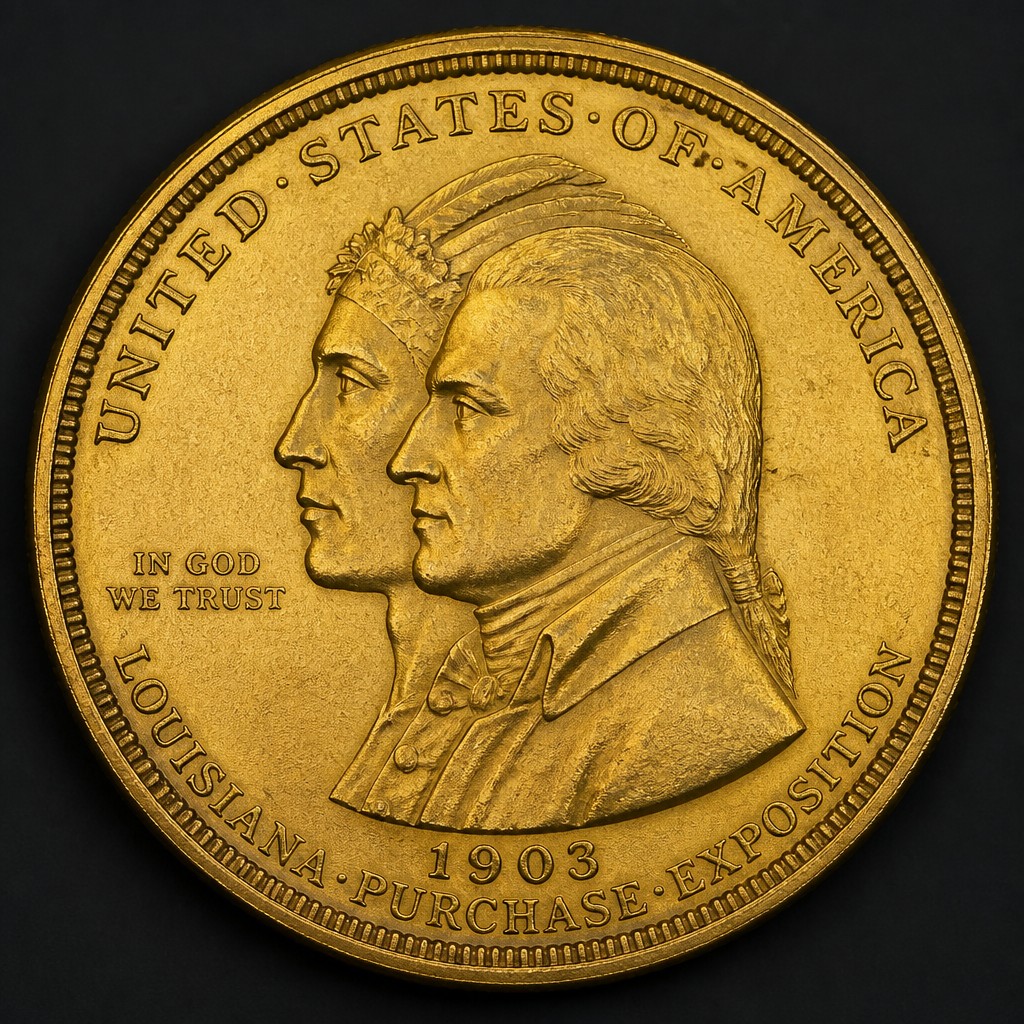
Louisiana Purchase Gold Dollar Commemorative
A 1903 commemorative gold dollar issued for the Louisiana Purchase Exposition in St. Louis, struck in two varieties featuring the portraits of Thomas Jefferson and William McKinley.
- Country
- United States
- Denomination
- One Dollar
- Metal
- Gold (.900)
Got a coin like this?
Identify any coin from a photo, free.
Overview
The Louisiana Purchase Gold Dollar Commemorative was struck in 1903 to mark the Louisiana Purchase Exposition (also known as the St. Louis World's Fair), held in 1904 to commemorate the centennial of the Louisiana Purchase. It was issued in two distinct varieties on the same reverse design: one featuring President Thomas Jefferson, whose administration negotiated the Louisiana Purchase, and the other featuring President William McKinley, who had been assassinated in 1901 and was honored for supporting the exposition.
It was one of the first U.S. commemorative coins to depict a portrait of an actual historical figure directly, following the earlier trend of allegorical Liberty figures used on most prior commemoratives, and it holds the distinction of being one of the smallest gold coins ever issued by the United States Mint.
Collectors value it both as an early commemorative gold rarity and for its historical connection to two significant American presidents.
History & Background
To celebrate the 1904 Louisiana Purchase Exposition in St. Louis, Missouri, Congress authorized a commemorative gold dollar in 1903, to be sold at the fair to help finance its exhibits and operations. Two obverse varieties were struck using the same reverse: one depicting Thomas Jefferson, the president under whom the Louisiana Purchase was completed in 1803, and the other depicting William McKinley, the recently assassinated president who had supported the exposition before his death.
Chief engraver Charles E. Barber designed both varieties, working from earlier images and medals of the two presidents rather than from life.
Sales of the coin at the fair and afterward fell short of the amount struck, as was common for many early 20th-century commemoratives, and a portion of the mintage was later melted, contributing to its scarcity relative to its original authorized mintage.
How to Identify
The obverse of each variety shows a profile portrait, either Thomas Jefferson or William McKinley, with UNITED STATES OF AMERICA around the border and the date 1903 below the portrait.
The shared reverse depicts a wreath encircling the words ONE DOLLAR, with LOUISIANA PURCHASE EXPOSITION around the border.
The coin is very small, consistent with other U.S. gold dollar commemoratives, and carries no mintmark, since it was struck only at Philadelphia. The two varieties are distinguished simply by comparing the obverse portrait: Jefferson's profile versus McKinley's.
Value & Collectibility
Both varieties of the Louisiana Purchase Gold Dollar are recognized as scarce, desirable classic commemoratives, with the Jefferson and McKinley versions generally trading at fairly similar price levels, though relative scarcity can shift the premium between them depending on the market.
Typical circulated to lower mint-state examples generally trade in the four-figure range, with choice, well-struck, high-grade specimens commanding a solid premium above that baseline.
As with other small classic gold commemoratives, condition, originality, and strike quality significantly affect value, and examples are commonly certified by a major grading service given their size and value.
Frequently asked questions
Why are there two versions of this coin?
The Mint struck one variety with Thomas Jefferson's portrait, honoring the president who completed the Louisiana Purchase, and another with William McKinley's portrait, honoring the recently assassinated president who supported the exposition.
What event did this coin commemorate?
It commemorated the 1904 Louisiana Purchase Exposition (St. Louis World's Fair), marking the centennial of the Louisiana Purchase.
Who designed the coin?
Chief engraver Charles E. Barber designed both the Jefferson and McKinley varieties.
Is one variety rarer than the other?
Both varieties are considered scarce classic commemoratives, and while mintage figures for each were similar, market availability and demand can create modest price differences between them.
Other coins you may enjoy
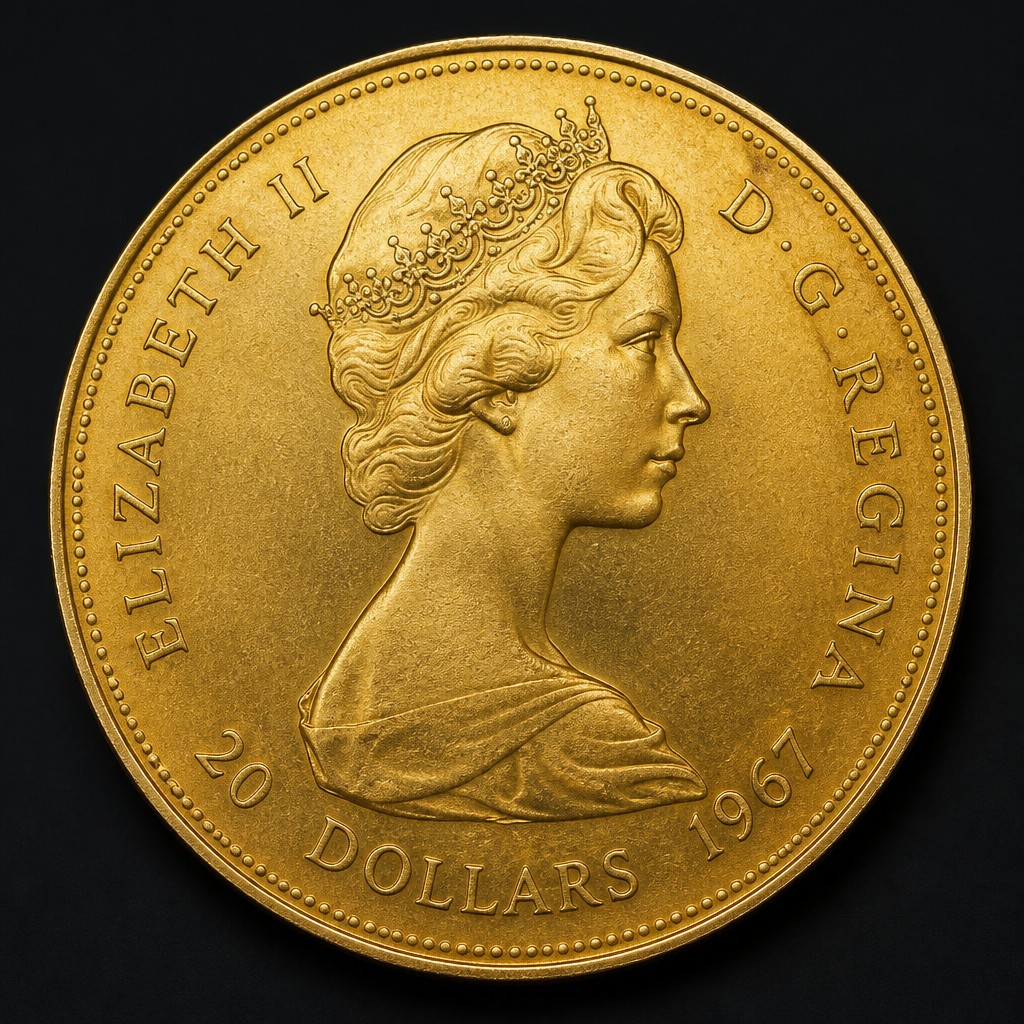
1967 Centennial Gold $20 Coin
1967
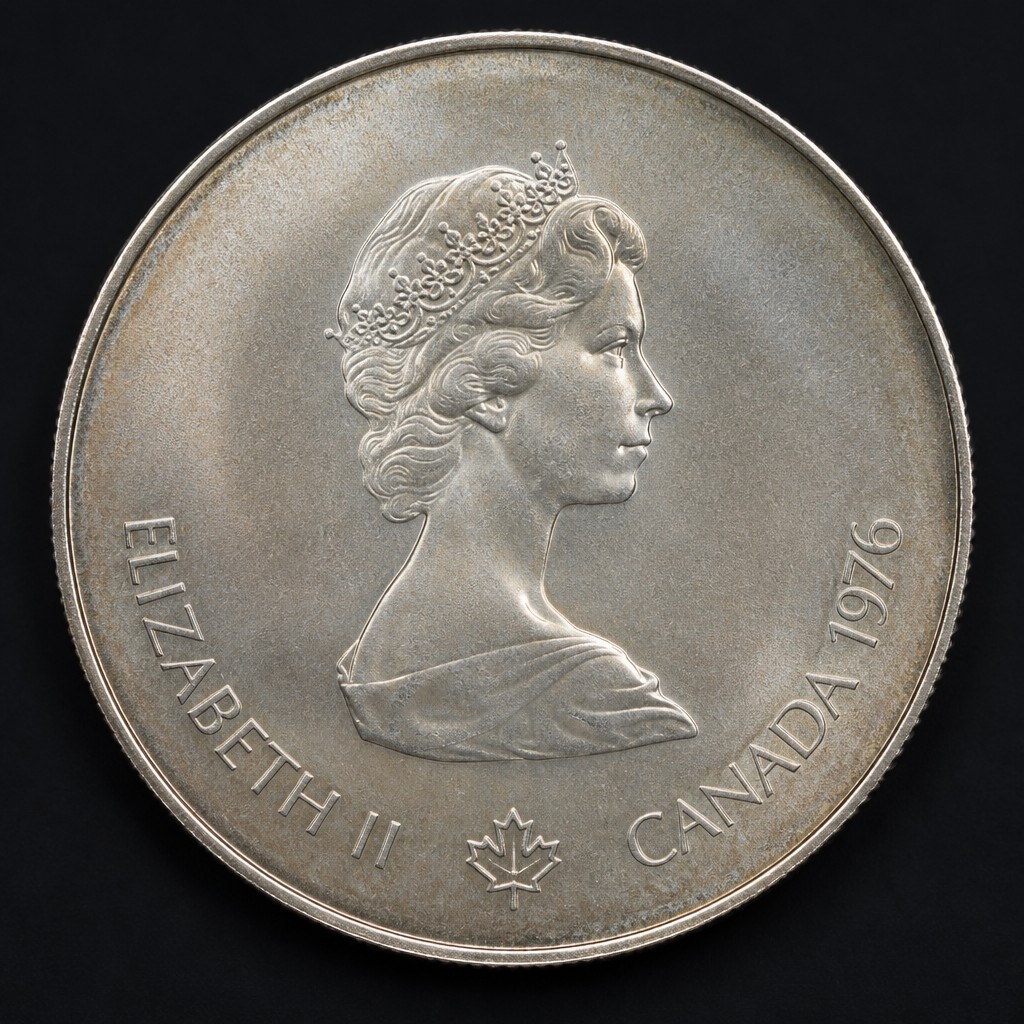
1976 Montreal Olympics Silver Coin Series
1973–1976
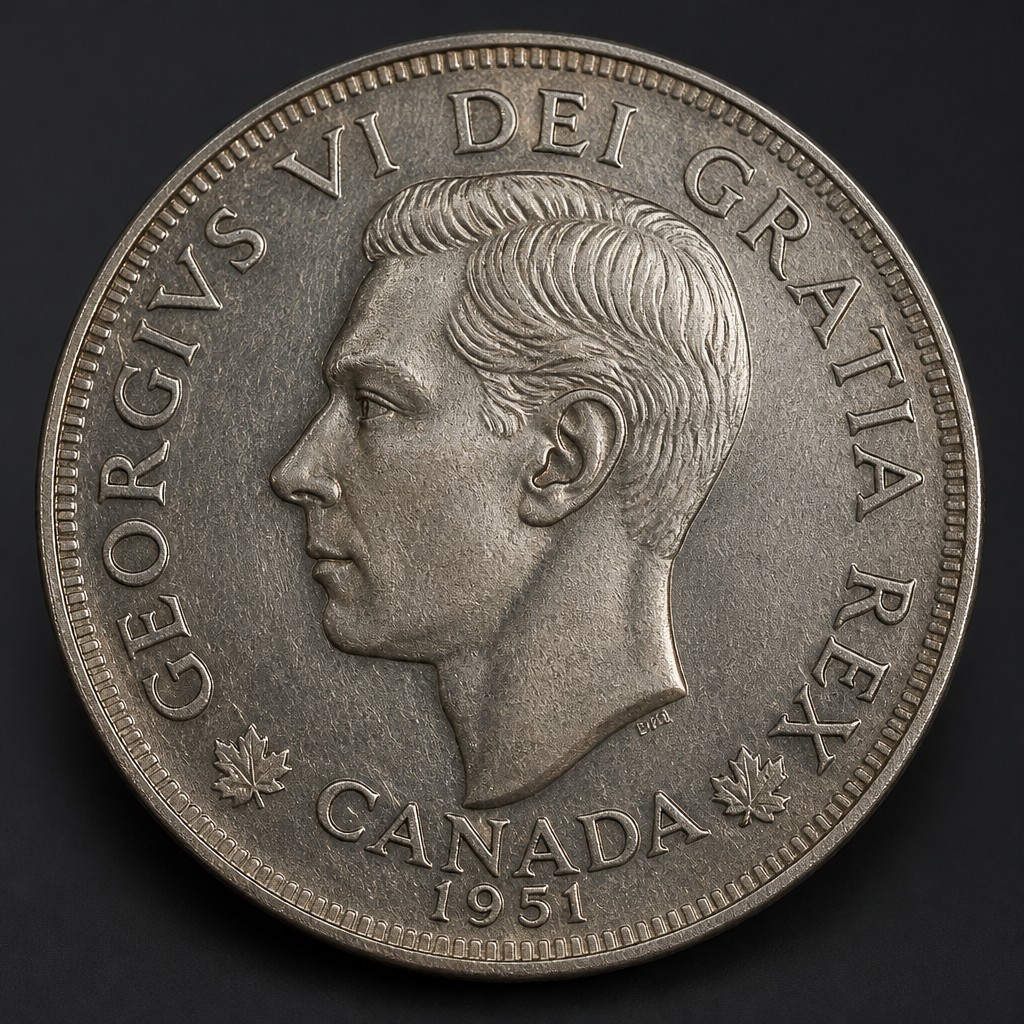
1951 Nickel Commemorative Five Cents
1951
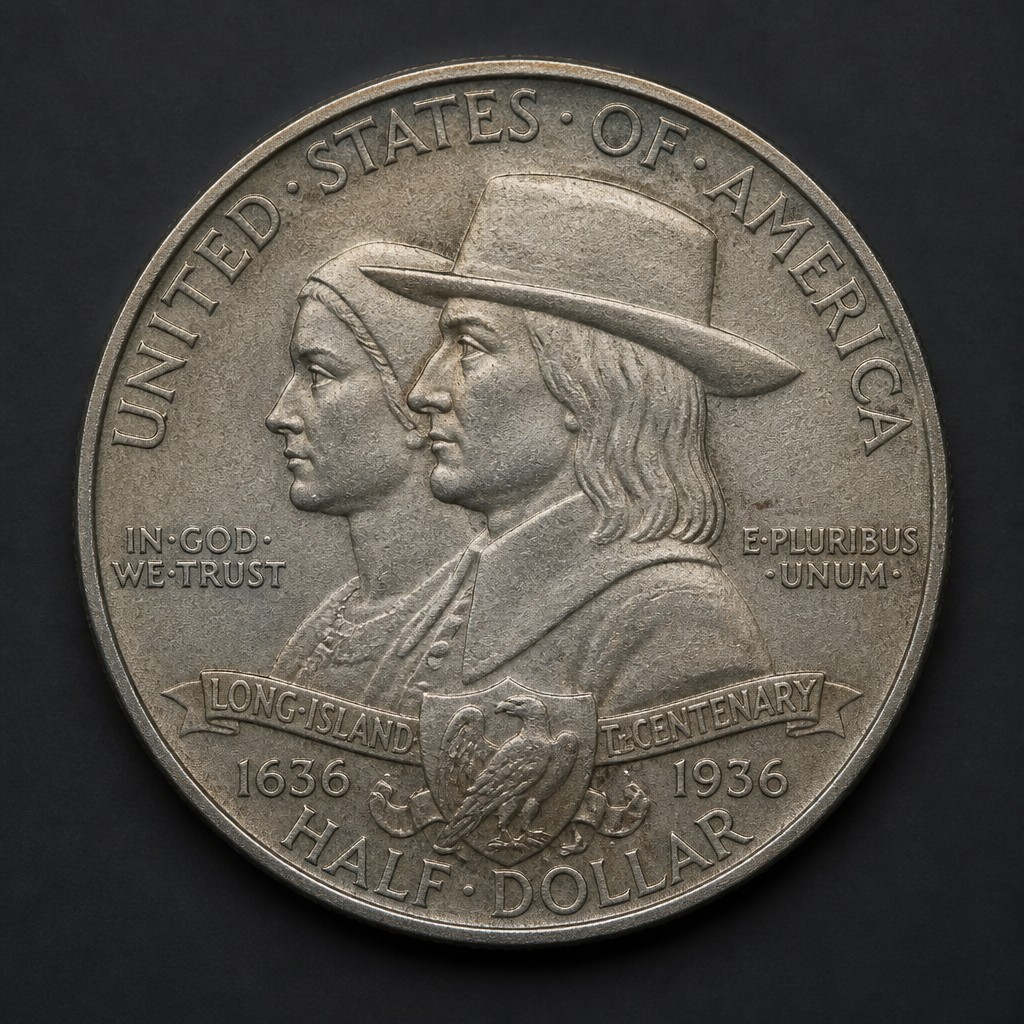
Long Island Tercentenary Half Dollar
1936
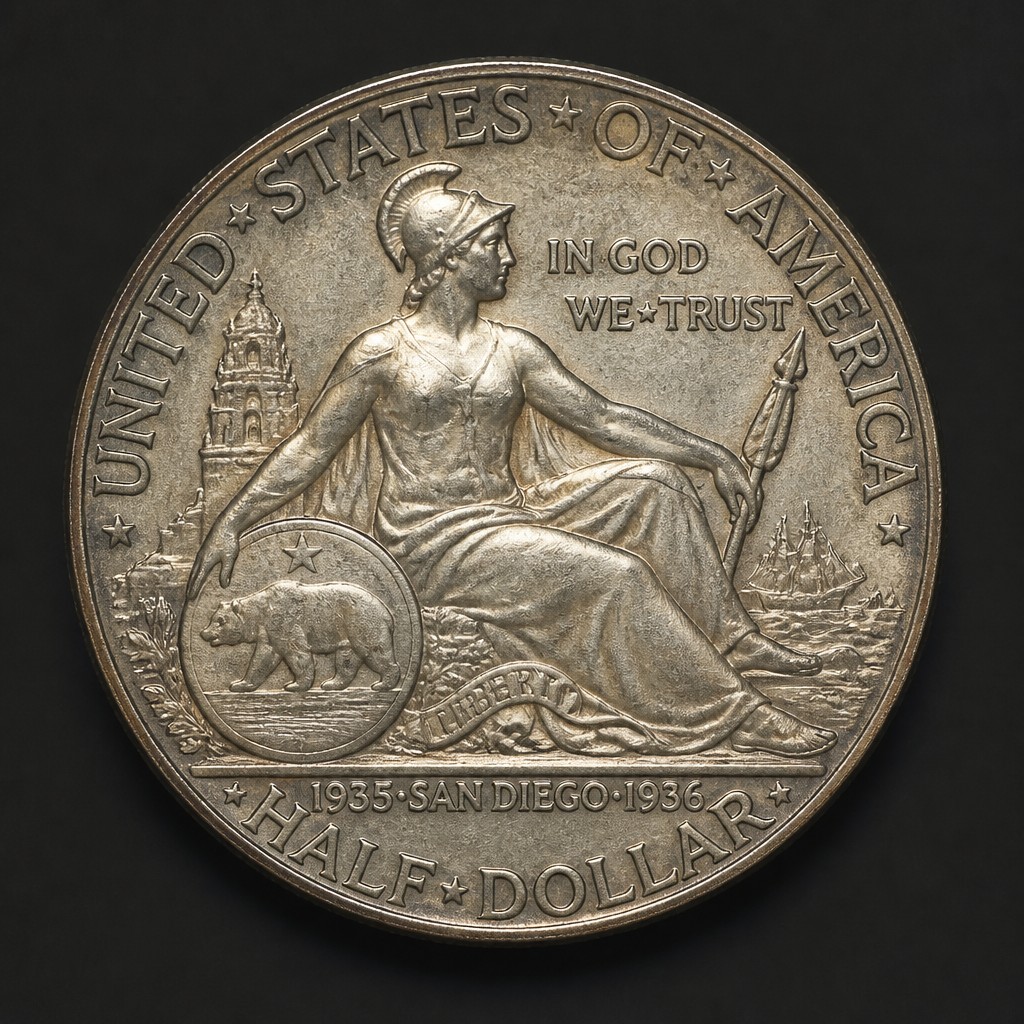
San Diego Pacific Exposition Half Dollar
1935–1936
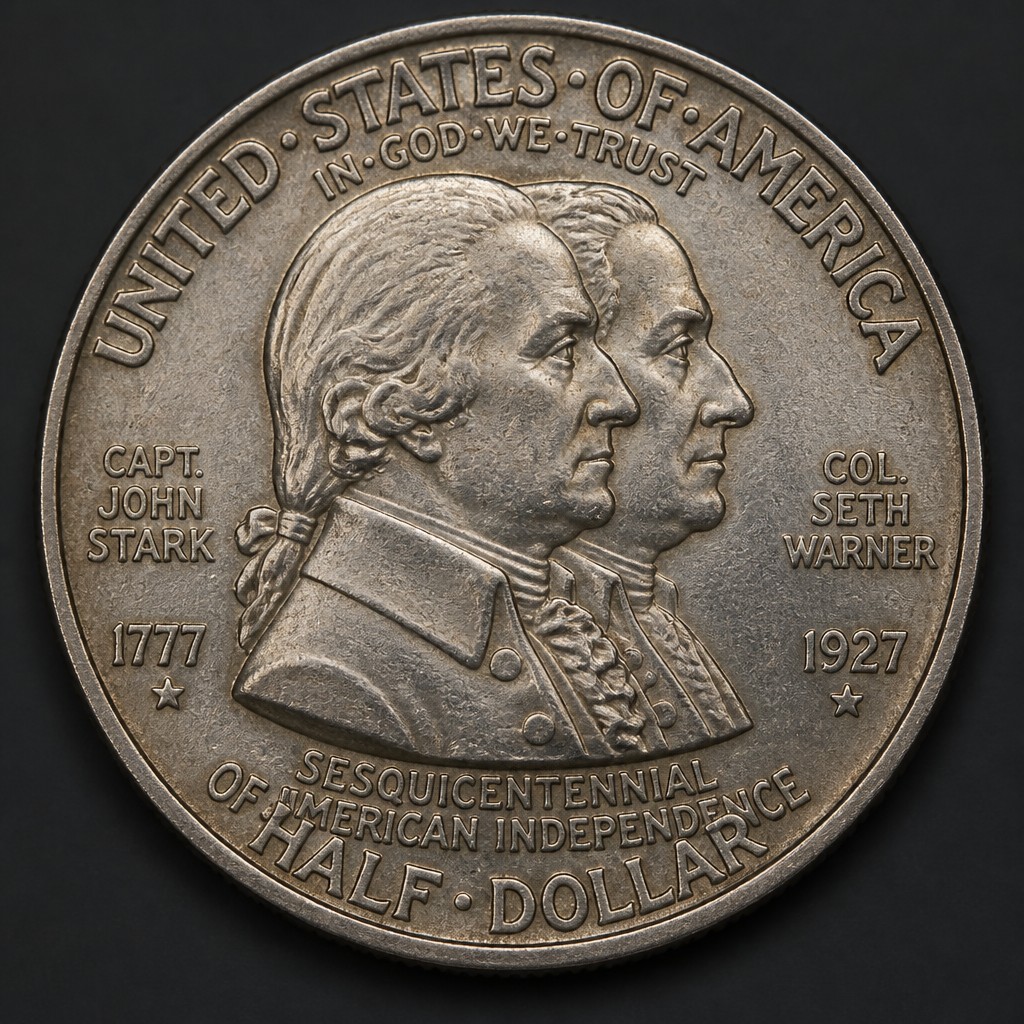
Vermont Sesquicentennial Half Dollar
1927
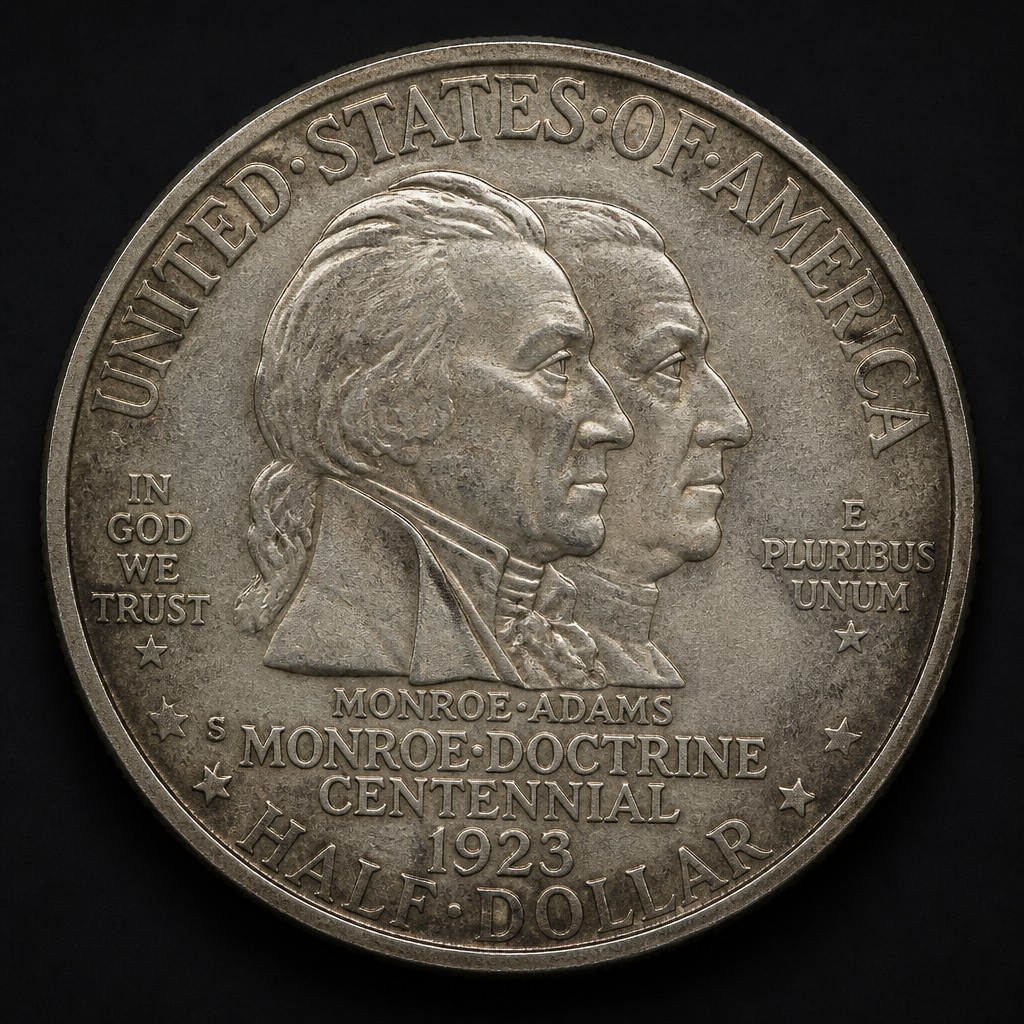
Monroe Doctrine Centennial Half Dollar
1923
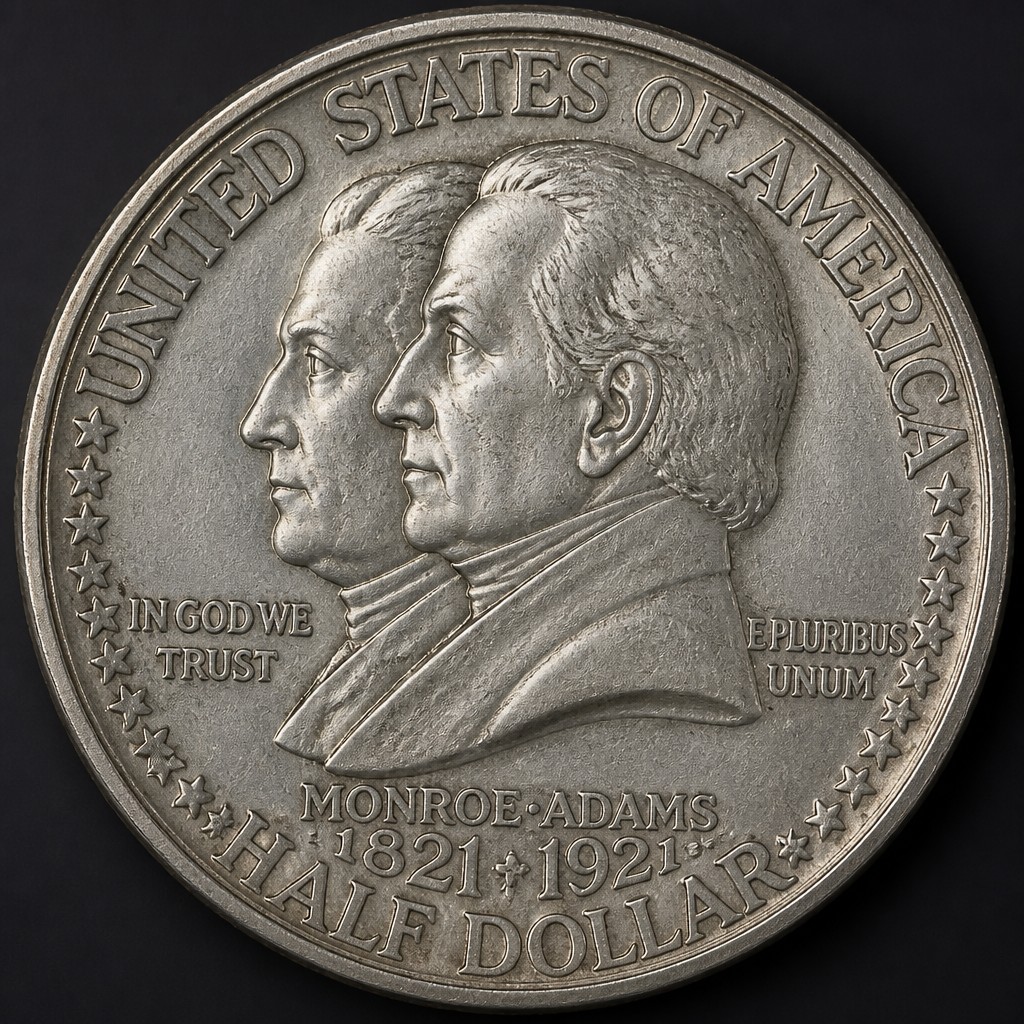
Alabama Centennial Half Dollar
1921
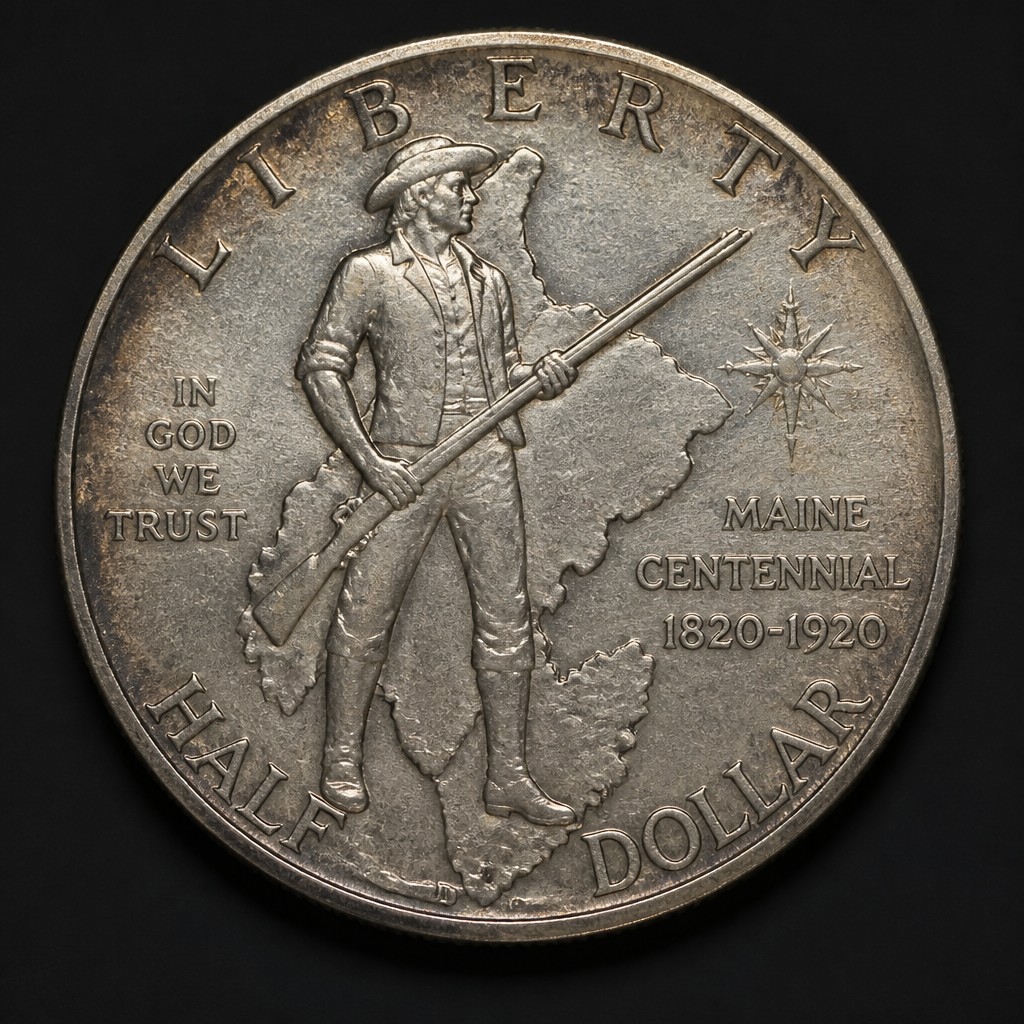
Maine Centennial Half Dollar
1920
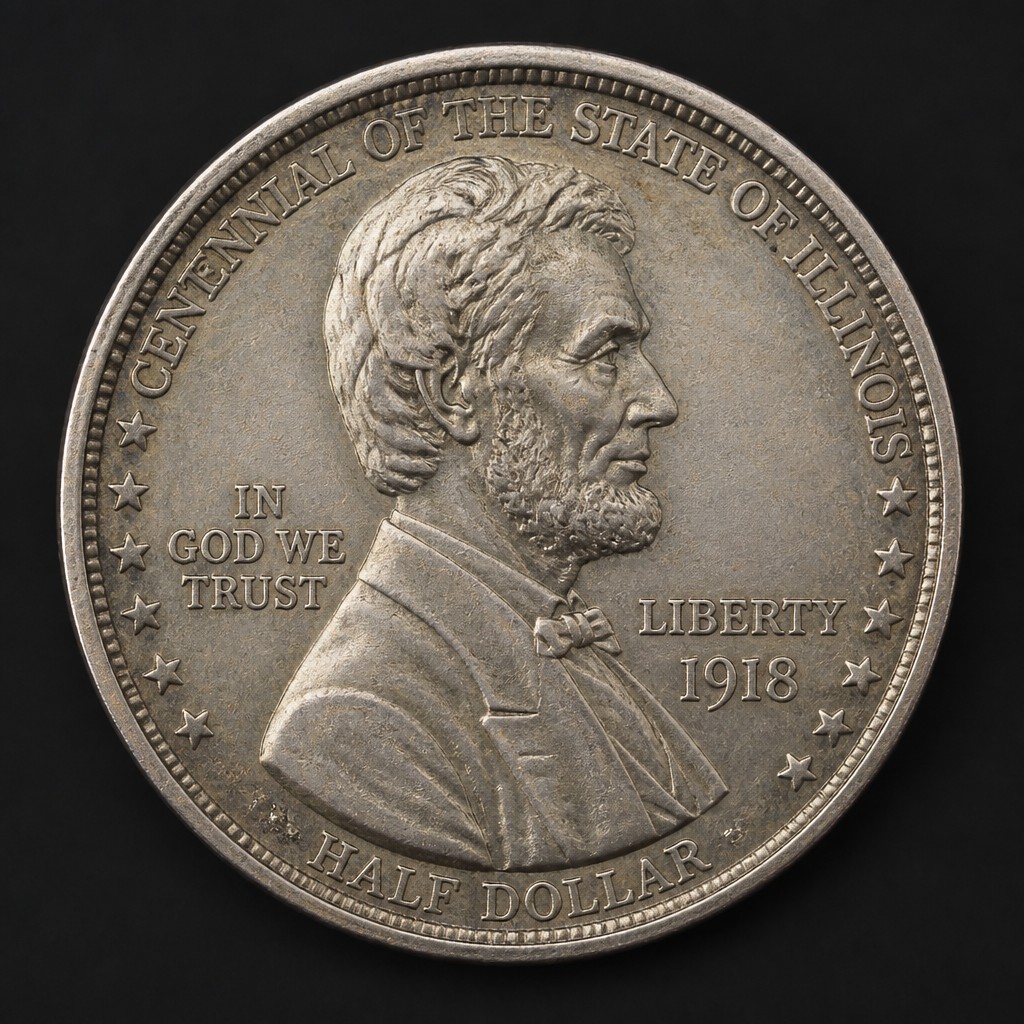
Lincoln-Illinois Centennial Half Dollar
1918
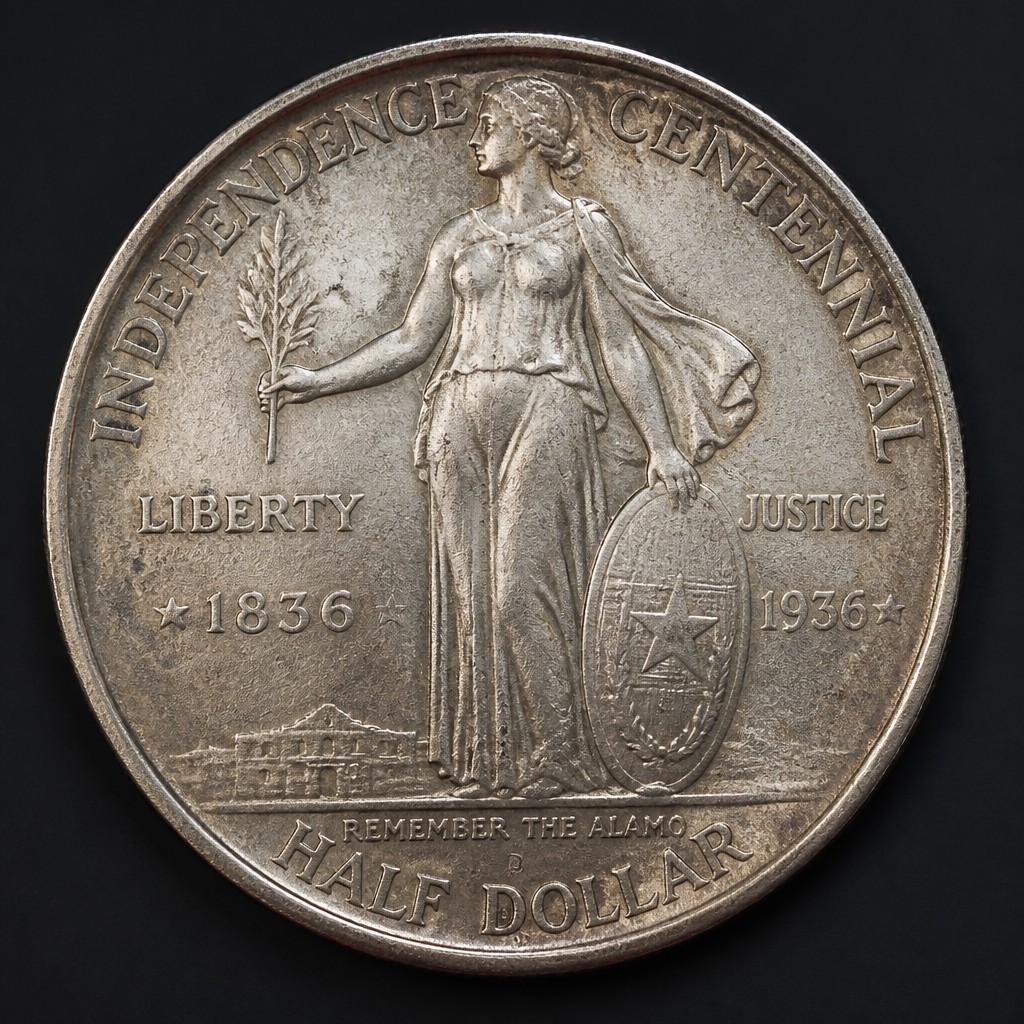
Texas Independence Centennial Half Dollar
1934–1938
Daniel Boone Bicentennial Half Dollar
1934–1938